Top 20 Caves around Poggiardo
Best caves around Poggiardo are found within the broader Salento region, known for its karstic formations. Poggiardo itself features abandoned bauxite caves, offering a unique landscape with reddish hues contrasting with Mediterranean scrub. The area provides diverse natural experiences through its caves, trails, and rocky gorges. These geological features contribute to the region's historical and natural significance.
Best caves around Poggiardo
- The most popular caves is Porto Badisco Bay, a beach and cave site known for its crystal clear…
Last updated: July 13, 2026
Porto Badisco Bay
Highlight • Beach
Translated by Google •
Tip by

Anfiano Hypogeum
Highlight • Cave
Translated by Google •
Tip by

Sign up now to discover places like this
Get recommendations on the best single tracks, peaks, & plenty of other exciting outdoor places.
Sign up for free
Sant'Angelo Rock-Cut Church
Highlight • Religious Site
Barred by barriers that would indicate work in progress (works …
Translated by Google •
Tip by
Byzantine Crypt of San Salvatore
Highlight • Religious Site
Translated by Google •
Tip by

Crypt of the Madonna della Grotta of Ortelle
Highlight • Religious Site
The construction of the crypt dates back …
Translated by Google •
Tip by

Sign up for free to discover even more caves around Poggiardo.
Sign up for free
Already have an account?
Start today with a free account
Your next adventure awaits.
Login or Signup

Tips from the Community

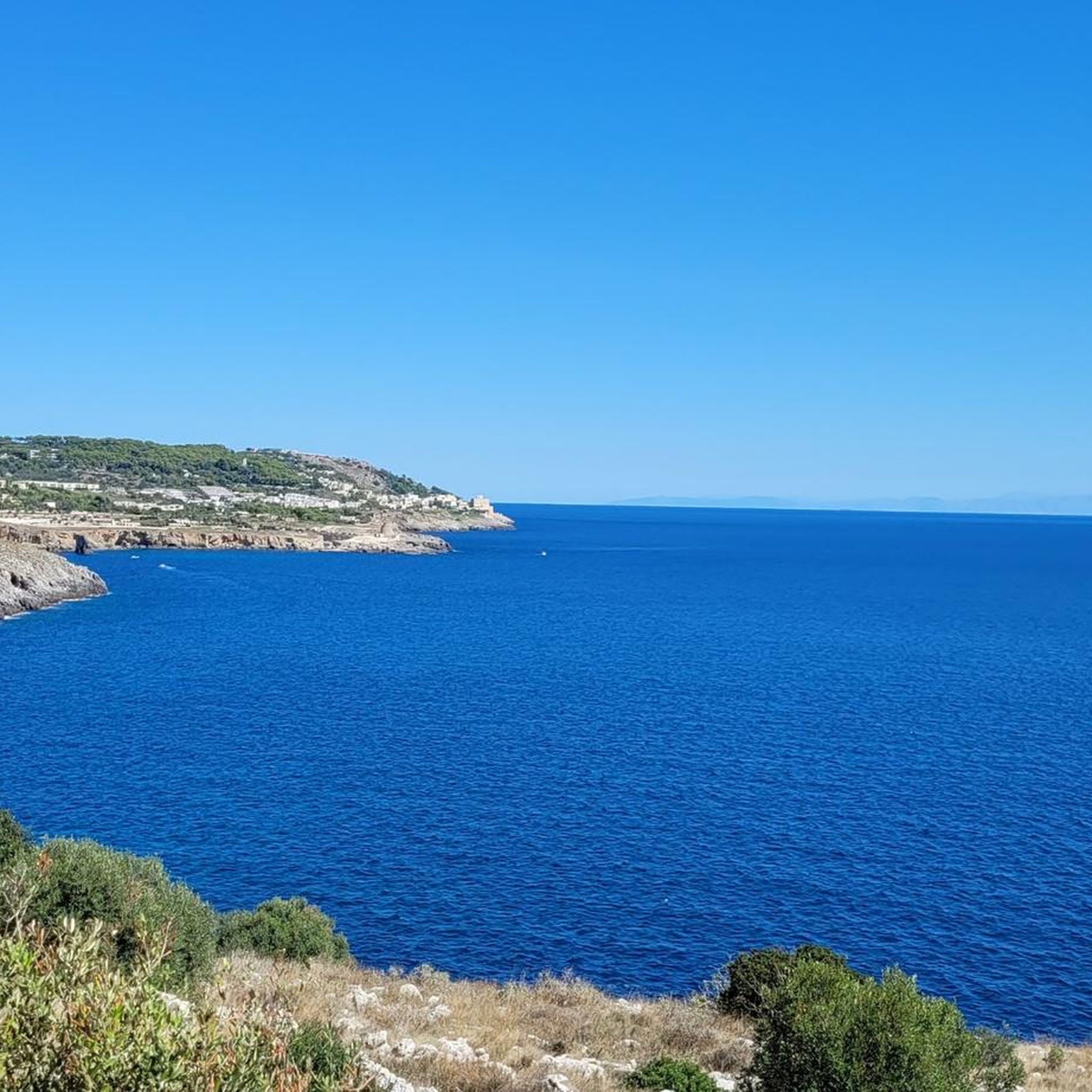
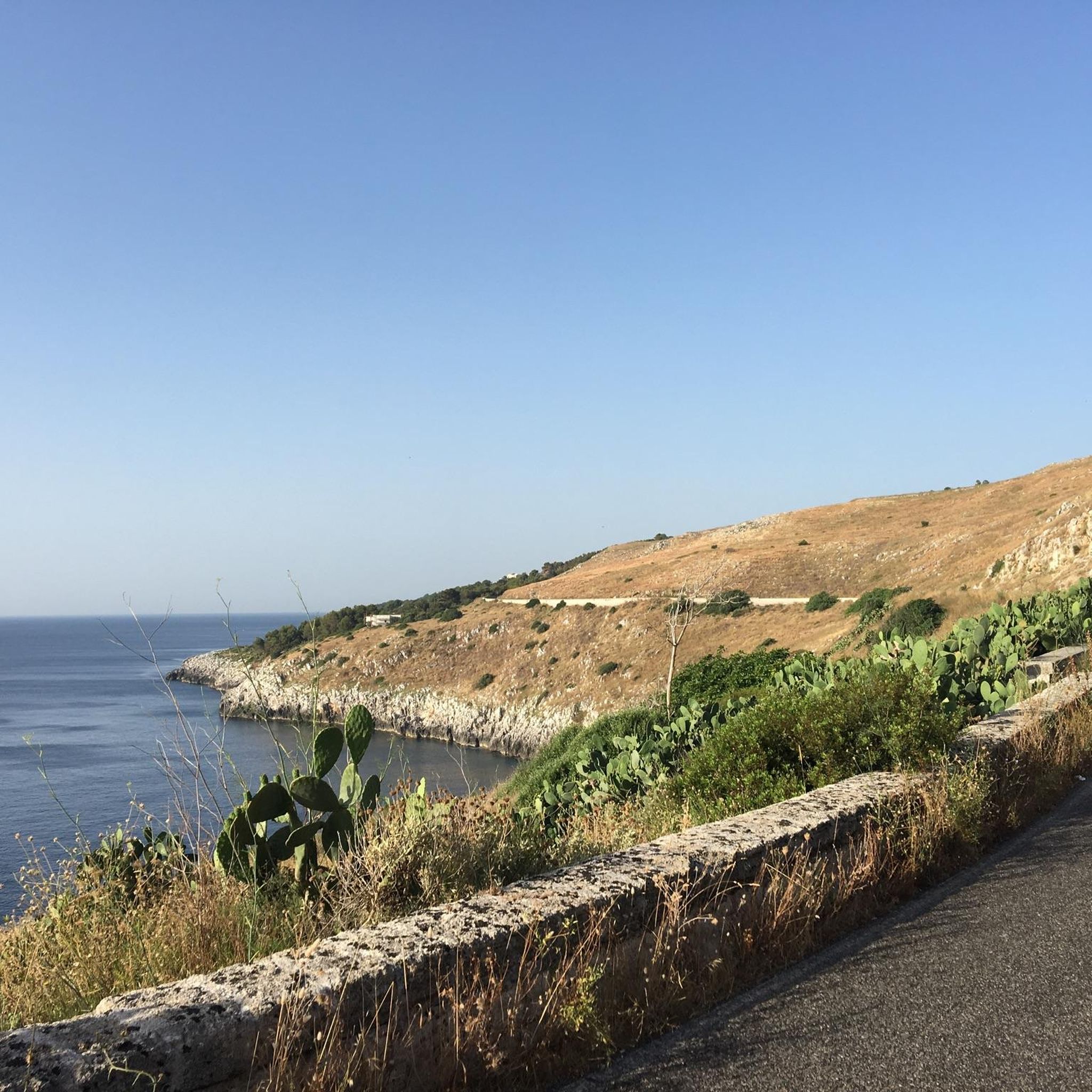
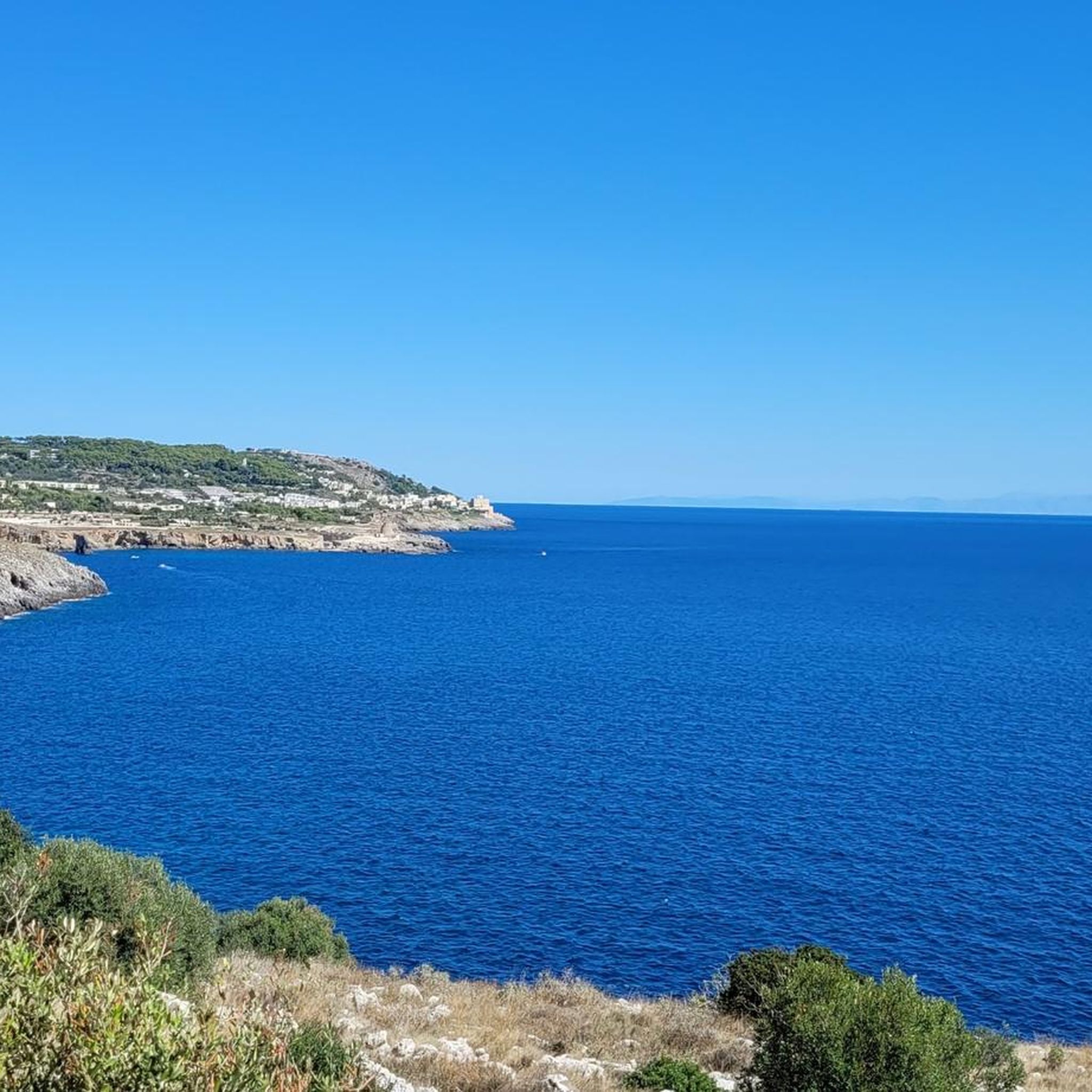
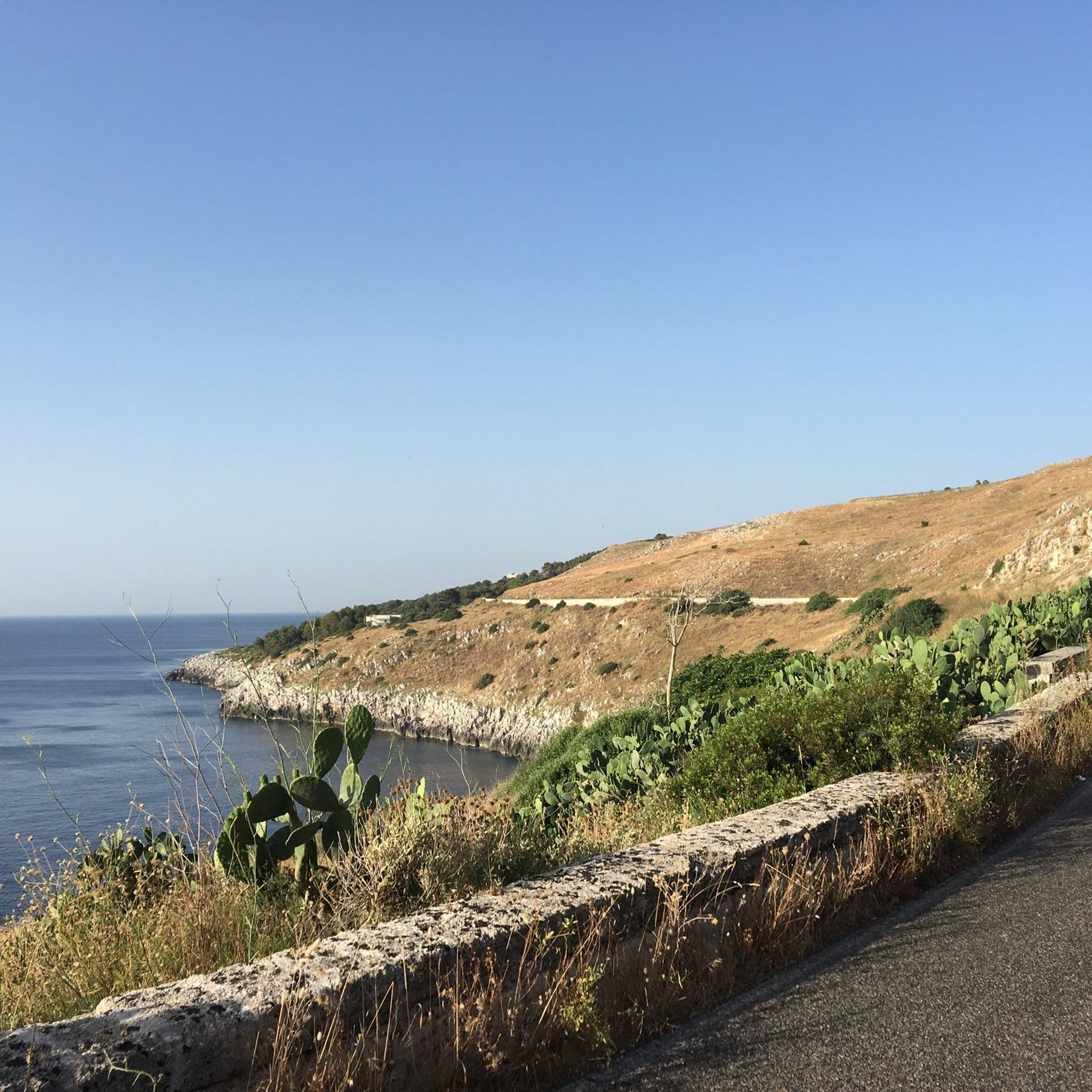
A wonderful hike along the sea. The view is breathtaking. Highly recommended. Ideal in the early morning hours when it's not so warm in summer.
0
0

Underground olive press in the ancient medieval farmhouse of Anfiano. Dug into the tuff rock to better preserve the oil thanks to the constant temperature, protecting it from pirate raids. Well preserved, it is located on the edge of the road and is easily accessed through a small gate.
0
0


Extraordinarily maintained by the owner and made available to everyone out of a pure spirit of sharing. Chapeau! Take care of it and respect it.
0
0

Porto Badisco is a pretty cove nestled on the coast of the Adriatic about 10 km south of Otranto.
0
0


One of the three oldest sites in the Cannole area
0
0
Frequently Asked Questions
What types of caves can I explore around Poggiardo?
The area around Poggiardo offers a diverse range of caves. You can find unique abandoned bauxite caves within old forests, characterized by their reddish hues. The broader Salento region, where Poggiardo is located, is also rich in natural karstic formations, historical hypogea, and ancient rock-cut churches.
Are there any historically significant caves near Poggiardo?
Yes, the region is rich in historical cave sites. The Anfiano Hypogeum is a notable historical cave with an underground oil mill, likely of Byzantine origin. Additionally, the Sant'Angelo Rock-Cut Church served as a medieval place of worship, offering insight into the region's past.
Can I visit the Bauxite Caves in Poggiardo?
Yes, the abandoned bauxite caves in the territory of Poggiardo offer a unique landscape. These sites provide a journey into the geological and economic history of the area, as bauxite mining was once significant. They are characterized by reddish earth contrasting with Mediterranean scrub.
What is the <a href="https://www.komoot.com/highlight/2860892" target="_blank" rel="noopener">Porto Badisco Bay</a> known for?
Porto Badisco Bay is a popular beach and cave site renowned for its crystal clear sea and unspoiled nature. It's also linked to ancient legends, including the landing of Aeneas, and features archaeological evidence of Paleolithic human presence, notably within the Grotta dei Cervi.
Are there family-friendly caves or activities around Poggiardo?
While specific caves may have varying accessibility, natural sites like Porto Badisco Bay are considered family-friendly due to their beautiful beaches and clear waters. Exploring the bauxite caves can also be an interesting outdoor activity for families, offering a unique natural landscape.
What kind of geological features can I expect to see in the caves of Salento?
The Salento region, including areas around Poggiardo, is known for its karstic formations. You can expect to see dramatic stalactites, stalagmites, and unique rock formations in many natural caves. The bauxite caves, specifically, showcase distinct reddish geological features from past mining activities.
What other notable caves are in the broader Salento region?
Beyond Poggiardo, the Salento region boasts several impressive caves. These include the Grotta dei Cervi near Porto Badisco, famous for its Neolithic pictograms; the stunning natural pool of Grotta della Poesia in Roca Vecchia; and the Zinzulusa Cave in Castro Marina, known for its unique calcareous concretions.
Are there hiking or cycling routes near the caves around Poggiardo?
Yes, the area offers various outdoor activities. You can find numerous running, MTB, and cycling routes. For example, there are MTB trails like the 'Mari Rossi Maritime Pine Forest loop' and cycling routes such as 'Among ducal palaces and menhirs' that allow you to explore the countryside near these cave sites. You can find more details on running trails, MTB trails, and cycling routes around Poggiardo.
What should I wear when exploring caves in the Poggiardo area?
When exploring caves, it's advisable to wear comfortable clothing and sturdy, closed-toe shoes with good grip, as surfaces can be uneven or damp. Depending on the cave, temperatures inside can be cooler than outside, so a light jacket might be useful. For bauxite caves or trails, long pants can protect against vegetation.
Do I need permits to explore caves around Poggiardo?
Access requirements vary by cave. Some historical sites like the Byzantine Crypt of San Salvatore may require contacting local guides or the Proloco office for visits. The Grotta dei Cervi, due to its archaeological significance and fragility, has restricted public access. For other natural or abandoned caves, general outdoor exploration rules apply, but it's always best to check local information for specific sites.
What is the best time of year to visit the caves in Salento?
The Salento region generally enjoys a mild climate. Spring (April-May) and autumn (September-October) are often ideal, offering pleasant temperatures for outdoor exploration and fewer crowds than the peak summer months. During these periods, you can comfortably explore both coastal caves and inland historical sites.
Are there any archaeological caves in the region?
Yes, the region is home to significant archaeological caves. The Grotta dei Cervi in Porto Badisco is an incredibly important archaeological site, often called the 'Sistine Chapel of the Neolithic,' containing nearly 3,000 Neolithic pictograms dating back thousands of years.
What do visitors enjoy the most about the caves around Poggiardo?
Visitors appreciate the unique blend of natural beauty and historical significance. Highlights like Porto Badisco Bay are loved for their crystal clear waters and unspoiled nature. The historical hypogea and rock-cut churches, such as the Anfiano Hypogeum, evoke powerful emotions and a desire for discovery of the past, with their beautiful, often green-veiled entrances.
Most popular routes around Poggiardo
Most popular attractions around Poggiardo

Get inspired with the komoot mobile app


Explore more
Extend your search for the best caves by checking out these guides of the top ones around Poggiardo:
