Top 20 Caves around Giuggianello
Best caves around Giuggianello are primarily recognized for their historical and cultural importance, offering a glimpse into the region's ancient past. Giuggianello is an ancient settlement in Salento, rich in archaeological value, with sites inhabited since the Neolithic period. The area features ancient olive groves and Mediterranean scrub, providing a natural setting for these historical landmarks. These cave sites offer a unique opportunity to explore rock-cut architecture and prehistoric human presence.
Best caves around Giuggianello
- The most popular caves is…
Last updated: June 29, 2026
Porto Badisco Bay
Highlight • Beach
Translated by Google •
Tip by

Church of Santa Marina di Stigliano and Ruins, Serrano
Highlight • Religious Site
The church, traditionally linked to the …
Translated by Google •
Tip by

Sign up now to discover places like this
Get recommendations on the best single tracks, peaks, & plenty of other exciting outdoor places.
Sign up for free
Anfiano Hypogeum
Highlight • Cave
Translated by Google •
Tip by
Sant'Angelo Rock-Cut Church
Highlight • Religious Site
Barred by barriers that would indicate work in progress (works …
Translated by Google •
Tip by
Byzantine Crypt of San Salvatore
Highlight • Religious Site
Translated by Google •
Tip by

Sign up for free to discover even more caves around Giuggianello.
Sign up for free
Already have an account?
Start today with a free account
Your next adventure awaits.
Login or Signup

Tips from the Community

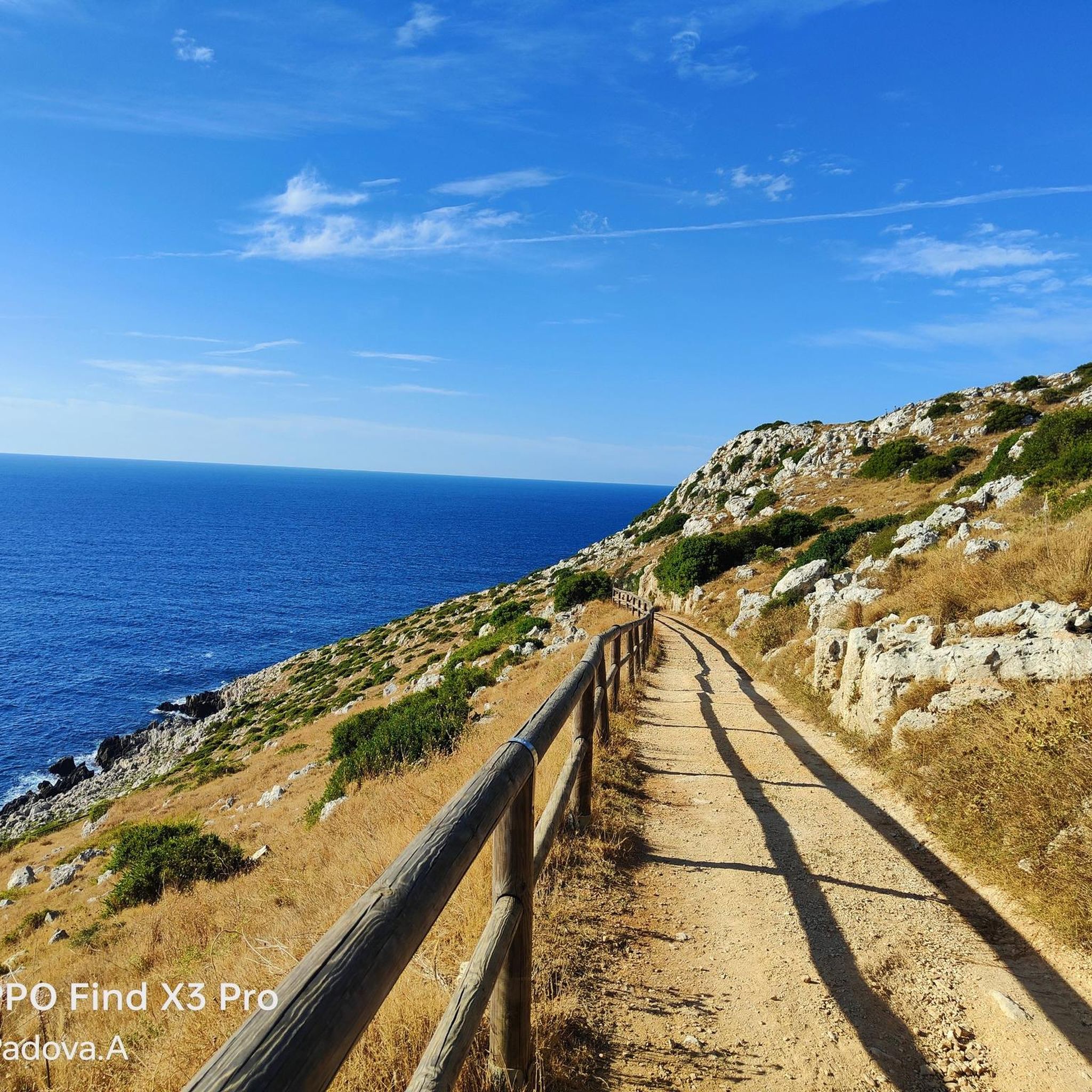
A wonderful hike along the sea. The view is breathtaking. Highly recommended. Ideal in the early morning hours when it's not so warm in summer.
0
0

Underground olive press in the ancient medieval farmhouse of Anfiano. Dug into the tuff rock to better preserve the oil thanks to the constant temperature, protecting it from pirate raids. Well preserved, it is located on the edge of the road and is easily accessed through a small gate.
0
0


Ruins of a farmhouse built in ancient times next to the church of Santa Marina di Stigliano. Probably destroyed during the numerous Saracen raids
0
0

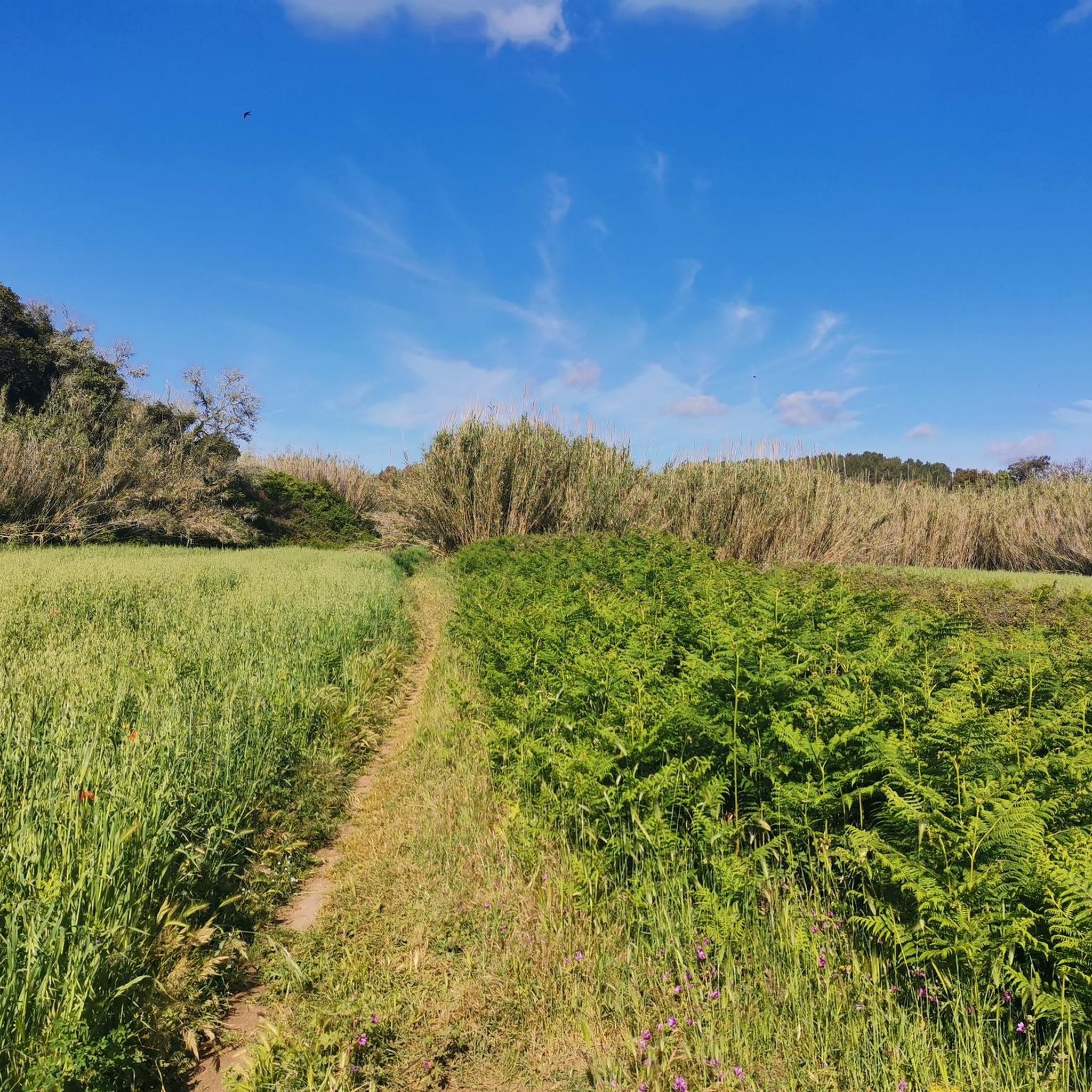
Extraordinarily maintained by the owner and made available to everyone out of a pure spirit of sharing. Chapeau! Take care of it and respect it.
0
0

Porto Badisco is a pretty cove nestled on the coast of the Adriatic about 10 km south of Otranto.
0
0


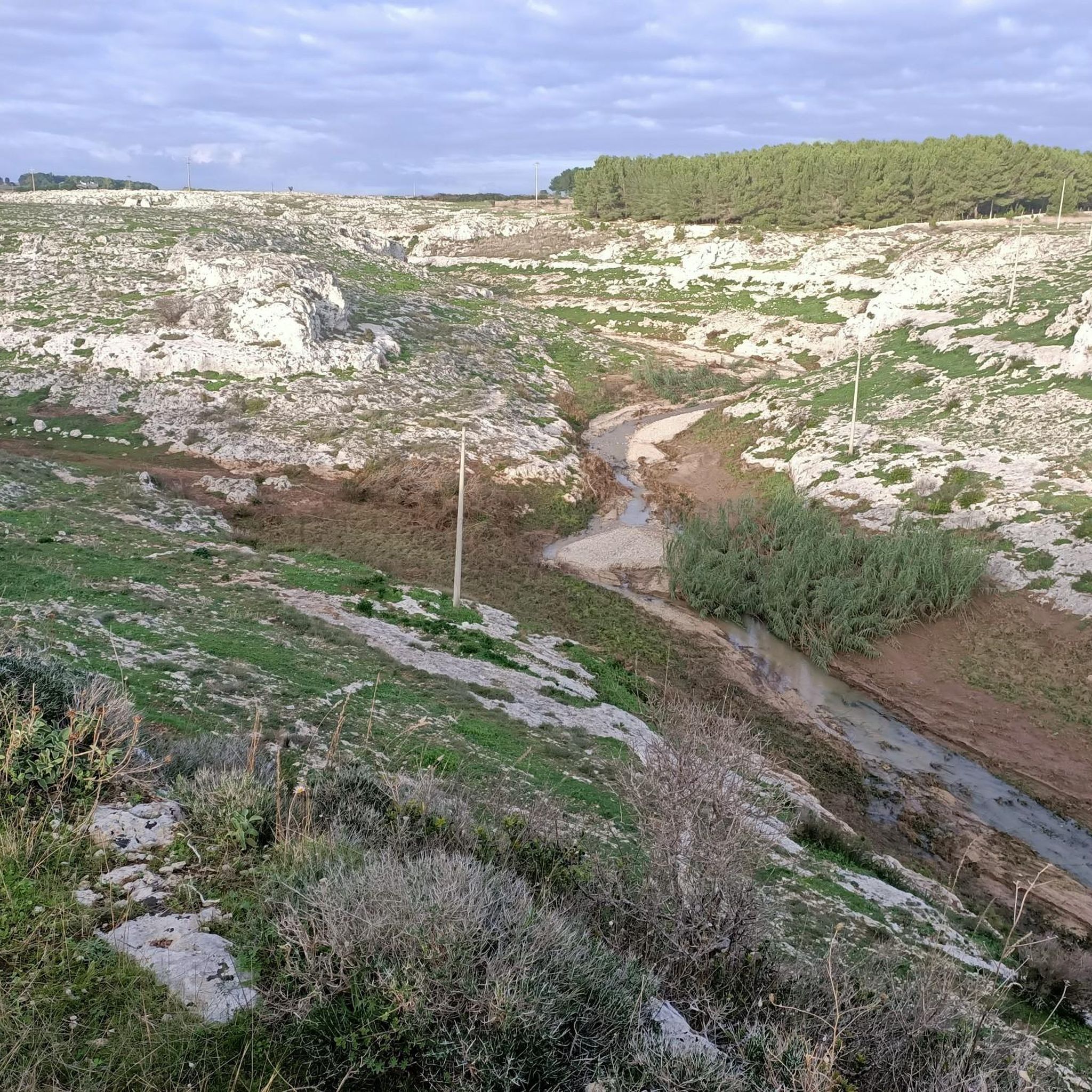
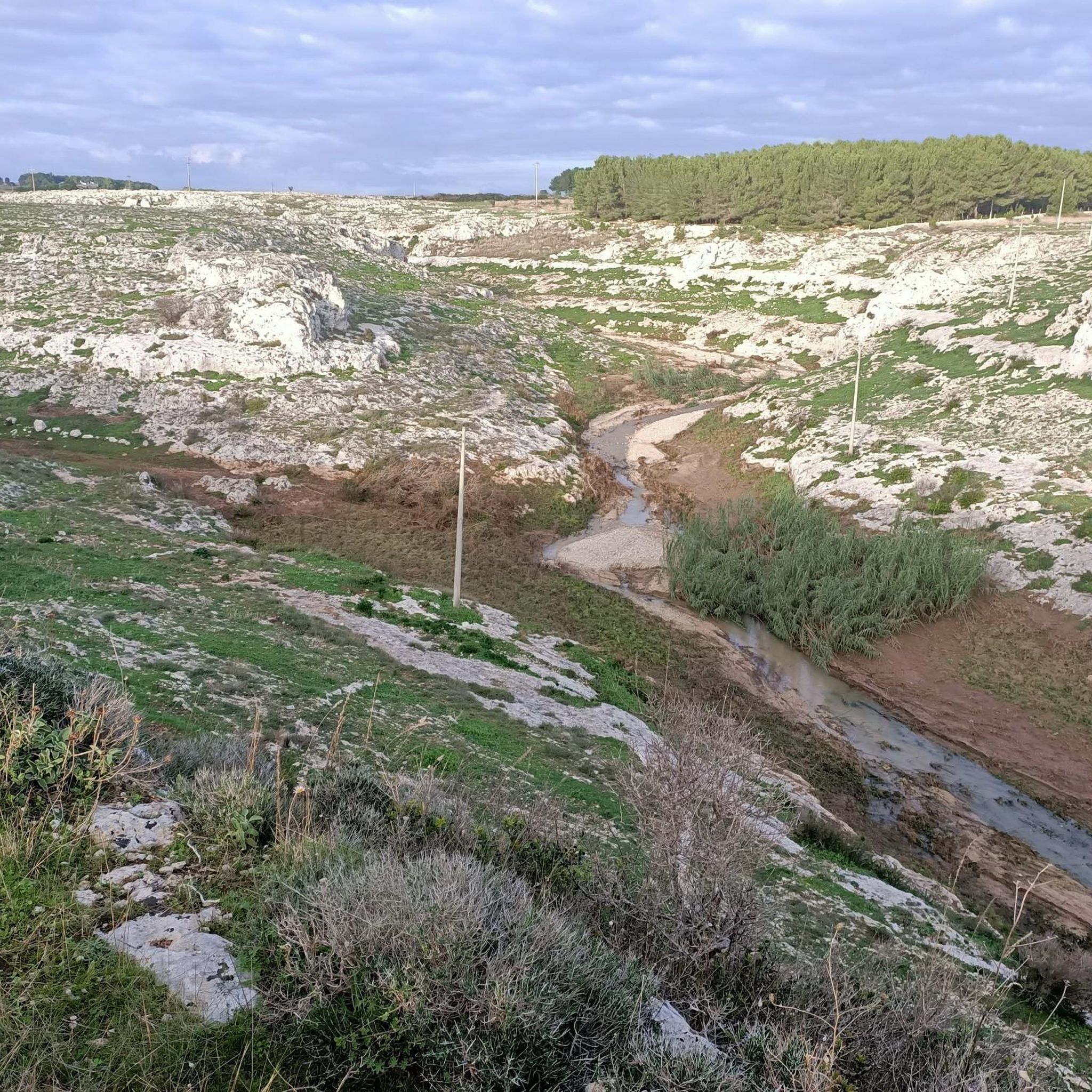
One of the three oldest sites in the Cannole area
0
0
Frequently Asked Questions
What historical significance do the caves around Giuggianello hold?
The caves around Giuggianello are primarily recognized for their profound historical and cultural importance. They offer a glimpse into the region's ancient past, with evidence of human presence dating back to the Neolithic and Paleolithic periods. Many sites feature rock-cut architecture, ancient frescoes, and were used as religious buildings or settlements by Byzantine communities.
Can I see ancient frescoes in the caves near Giuggianello?
Yes, several caves in the area preserve ancient frescoes. The Crypt of San Giovanni Battista, for example, features faint traces of older Byzantine artwork and 19th-century decorations. Similarly, the Church of Santa Marina di Stigliano and Ruins, Serrano, has faint traces of frescoes within its crypt, including a Madonna and Child. The Byzantine Crypt of San Salvatore also contains a fresco of the Holy Mary and Child flanked by two Angels.
What is the Crypt of San Giovanni Battista, and why is it important?
The Crypt of San Giovanni Battista is a remarkable Byzantine crypt from the 10th-11th century, entirely carved into limestone rock. It's significant for its unique architectural layout, ancient frescoes, and its deep connection to local religious practices and folklore. Historically used for Greek rite functions, it's still central to traditional festivities like the 'magical Night of San Giovanni' on June 24th, blending ancient pagan rites with Christian traditions.
Are there any prehistoric sites among the caves?
Yes, the region boasts significant prehistoric sites. A notable unnamed Neolithic cave is located near the Church of the Madonna della Serra in Giuggianello, providing archaeological evidence of early human habitation. Additionally, Porto Badisco Bay is known for archaeological evidence confirming human presence since the Paleolithic period, with important wall paintings found in the Grotta dei Cervi.
What can I expect to see at Anfiano Hypogeum?
The Anfiano Hypogeum is a historical cave site, possibly of Byzantine origin, with an entrance often veiled by lush greenery. It offers insights into the past, including an underground oil mill that has been recovered. It's connected to a nearby village and provides a sense of discovery into the region's hidden history.
What is unique about the Church of Santa Marina di Stigliano and Ruins, Serrano?
The Church of Santa Marina di Stigliano and Ruins, Serrano is a Byzantine church built on the remains of an ancient Byzantine farmhouse. Its uniqueness lies in its historical layers, featuring faint traces of frescoes within its crypt, and representing a blend of religious heritage and ancient settlement history in the area.
Are there any rock-cut churches to visit in the area?
Yes, the region is rich in rock-cut churches. Besides the Crypt of San Giovanni Battista, you can visit the Sant'Angelo Rock-Cut Church, which was likely the place of worship for a medieval settlement. The Byzantine Crypt of San Salvatore is another excellent example, entirely excavated in the tuff bank and featuring unique stone decorations.
What outdoor activities can I do near these caves?
Beyond exploring the caves, the area around Giuggianello offers various outdoor activities. You can find numerous routes for gravel biking, running, and mountain biking. These routes often pass through picturesque landscapes of olive groves and Mediterranean scrub, allowing you to experience the natural beauty of Salento.
Are the caves around Giuggianello suitable for families?
Many of the cave sites, particularly those with historical and archaeological significance, can be interesting for families who enjoy cultural exploration. For example, Porto Badisco Bay is listed as family-friendly, offering a combination of a beach and historical cave exploration. It's advisable to check specific access details for each site, as some rock-cut structures might have uneven terrain.
What natural features can I expect to see around the caves?
The caves are often nestled within beautiful natural settings. You'll find ancient olive groves and Mediterranean scrub surrounding sites like the Neolithic Cave near Madonna della Serra and the Crypt of San Giovanni Battista. Porto Badisco Bay offers crystal clear sea and unspoiled nature, combining cave exploration with coastal scenery.
What do visitors enjoy most about the caves around Giuggianello?
Visitors particularly appreciate the unique blend of natural beauty and profound historical significance. The opportunity to explore ancient rock-cut architecture, discover prehistoric human presence, and witness Byzantine frescoes is highly valued. The unspoiled nature and crystal-clear waters at sites like Porto Badisco Bay also receive high praise.
Is there parking available near the cave sites?
While specific parking details vary by site, many historical and cultural sites in the region, including some caves, are generally accessible. For the Crypt of San Giovanni Battista, there's even a small restaurant nearby, suggesting some level of accessibility for visitors. It's recommended to check local signage or inquire locally for the most convenient parking options for each specific cave you plan to visit.
Most popular routes around Giuggianello
Most popular attractions around Giuggianello

Get inspired with the komoot mobile app


Explore more
Extend your search for the best caves by checking out these guides of the top ones around Giuggianello:
