Top 16 Caves around Cutrofiano
Best caves around Cutrofiano are primarily man-made "cave ipogee," or underground quarries, located in the Salento region of Puglia, Italy. These historical sites were created by centuries of calcarenite extraction for local construction, forming a unique subterranean landscape. The region's geology, characterized by layers of clay over calcarenite, led to ingenious underground mining techniques. Exploring these sites offers a direct connection to the area's industrial archaeology and the ingenuity of past generations.
Best caves around Cutrofiano
- The most popular caves…
Last updated: June 29, 2026
Abbey of San Nicola di Macugno
Highlight • Religious Site
Translated by Google •
Tip by

San Giovanni Rock-Cut Crypt
Highlight • Religious Site
Translated by Google •
Tip by

Sign up now to discover places like this
Get recommendations on the best single tracks, peaks, & plenty of other exciting outdoor places.
Sign up for free
Ancient Quarries of Petrore
Highlight • Cave
Translated by Google •
Tip by
Crypt of the Crucifix
Highlight • Religious Site
Translated by Google •
Tip by
Cave of the Venuses
Highlight • Cave
Translated by Google •
Tip by
Sign up for free to discover even more caves around Cutrofiano.
Sign up for free
Already have an account?
Start today with a free account
Your next adventure awaits.
Login or Signup

Tips from the Community

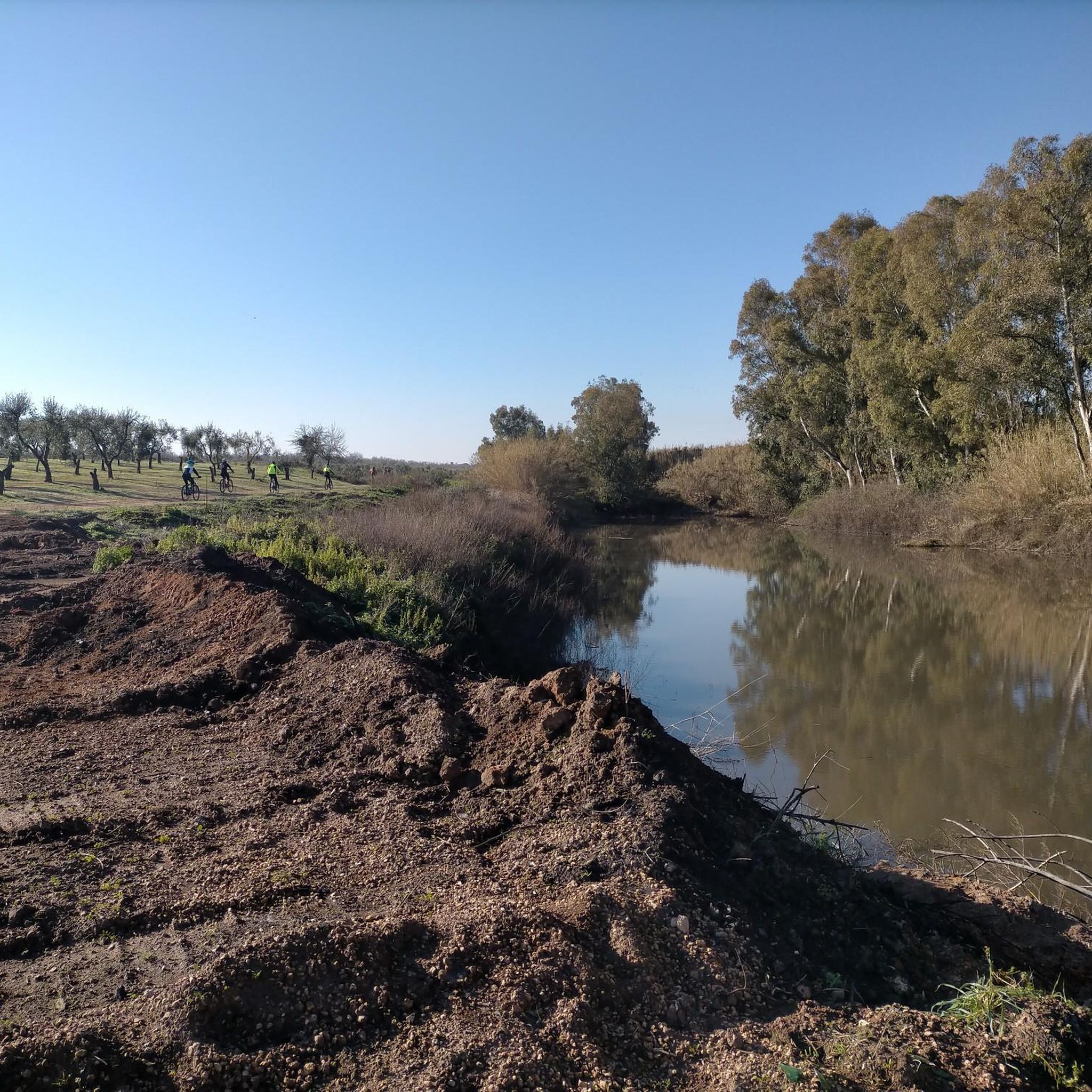
beautiful and very suggestive route.
0
0

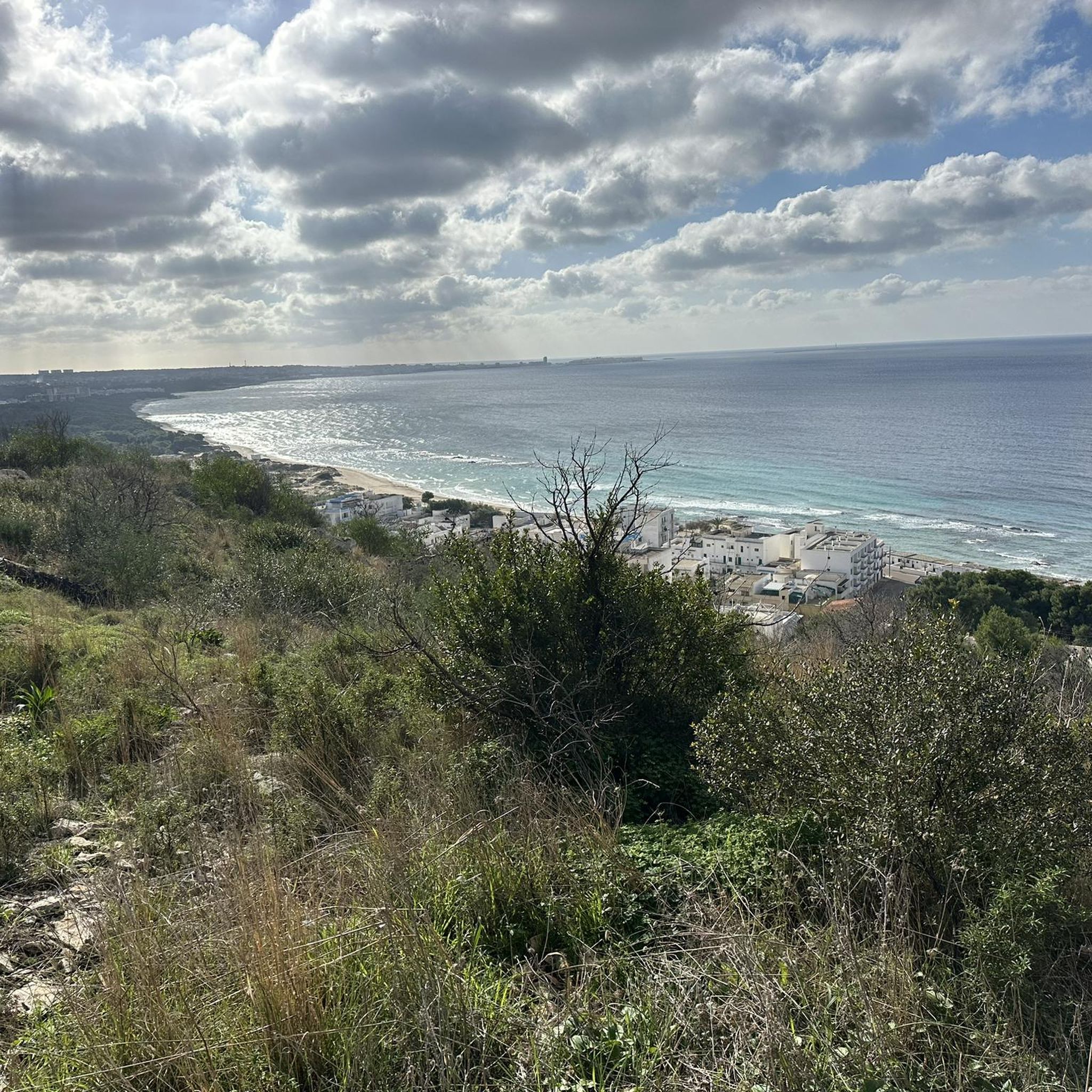
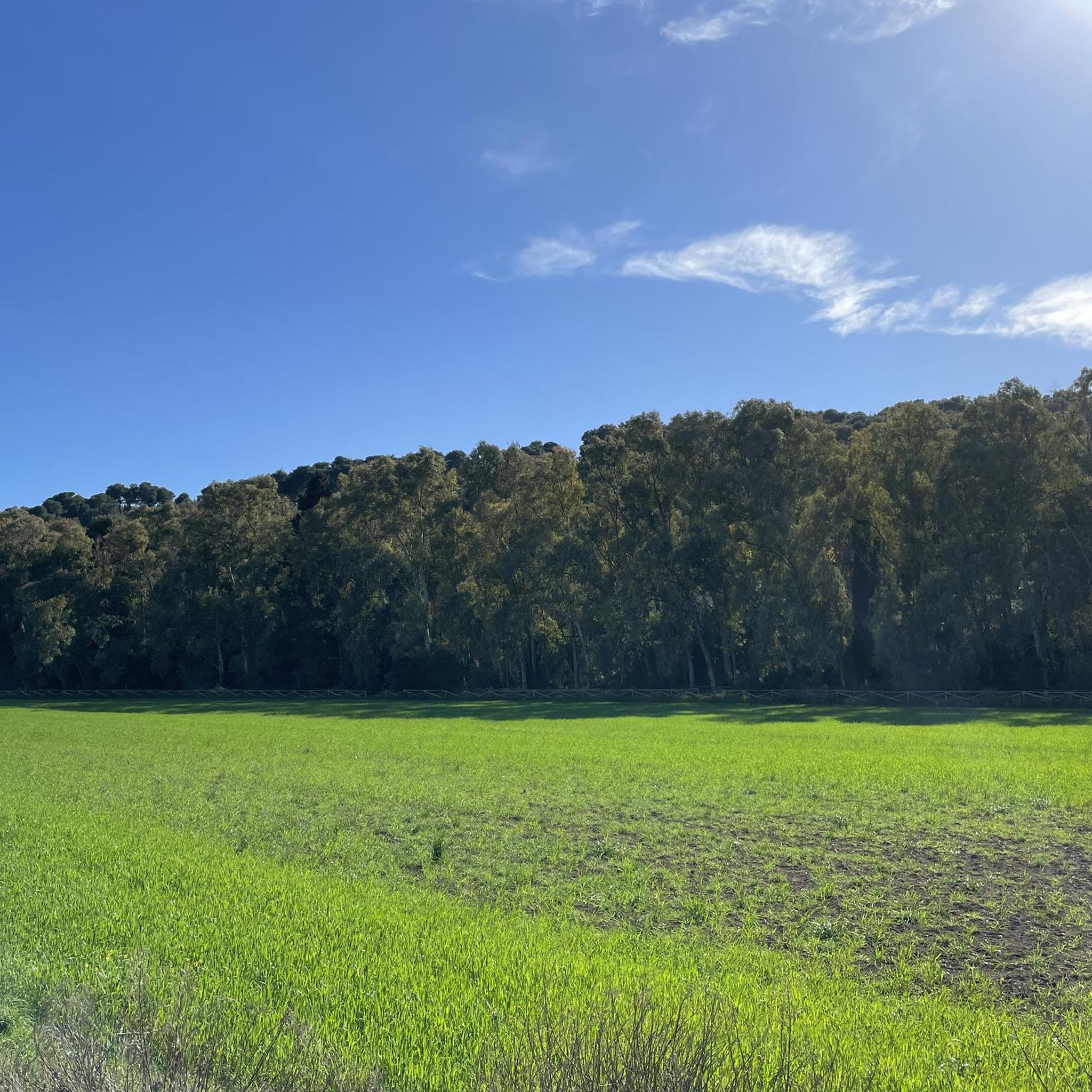
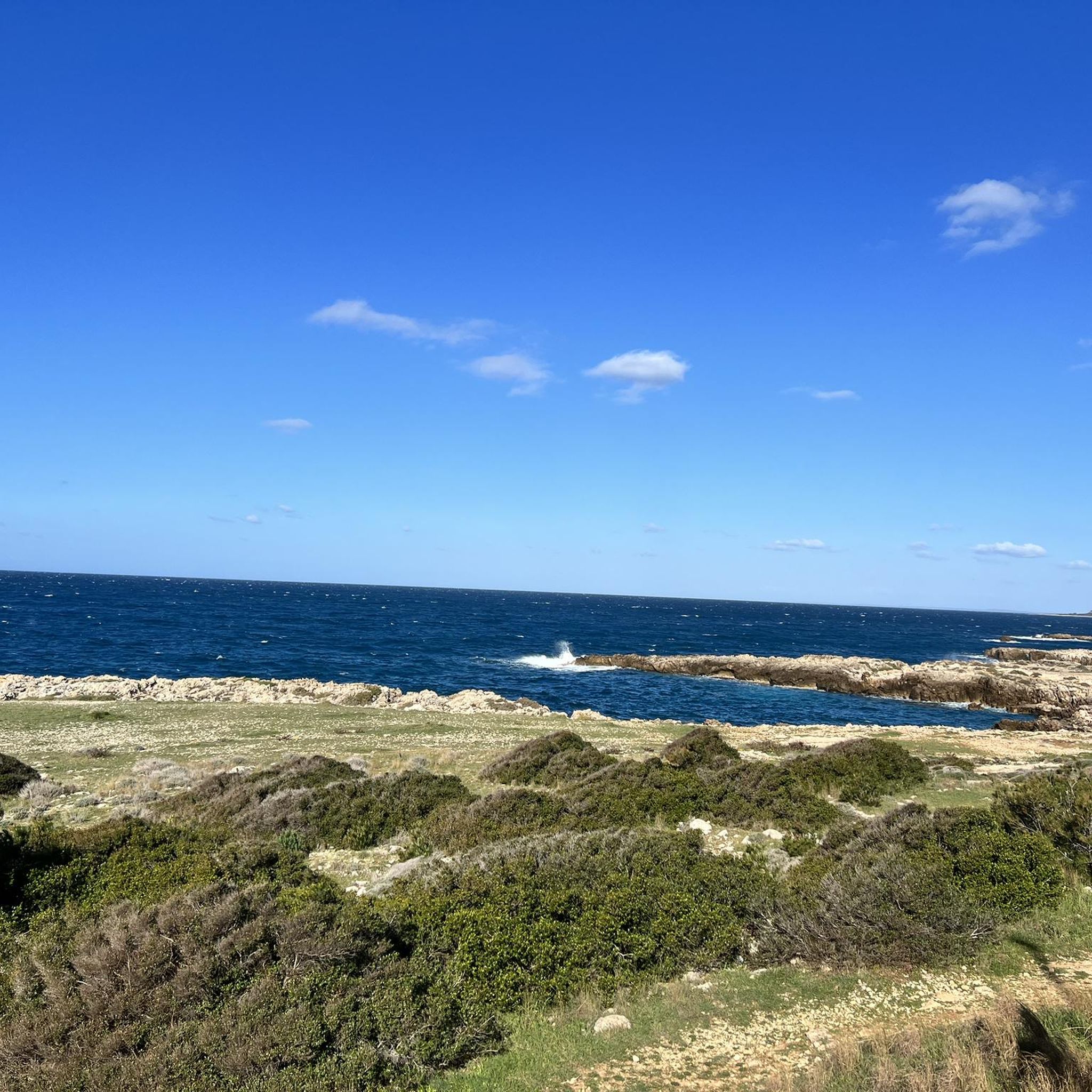
The quantity of lush greenery of the Mediterranean scrub keeps the naturalistic value of this crossed area high, so much so that you are amazed when you descend from the greenhouse on the east side, especially for the people of Tuglia who are used to peering towards the Ionian Sea. San Nicola di Macugno is its emblem, the History and the stories told that involve this place and Nature with the harmoniously integrated cultivated fields give beauty and joyfulness.
0
0
Inserted in collection Salento Bizantino komoot.it/collection/1811756/-salento-bizantino - The crypt is isolated on the edge of a paved road, a crossroads of pilgrimages of the past, very few traces of the pre-existing frescoes are visible. It is always accessible and open to all.
0
0
Inserted in a naturalistic context of absolute value, it is also worth visiting for the presence of its hypogea that are always accessible. Here is the link passionate and beautiful story of Salogentis https://www.salogentis.it/2014/11/15/labbazia-di-san-nicola-di-macugno-neviano/
0
0

On the highest point of the Serra di Casarano, in the Manfio district in the Ruffano area, stands the characteristic Crypt of the Crucifix, or of Santa Costantina, a cavity of natural origin transformed by the Byzantines into a place of worship around the year 1000.
0
0

Inserted in a rural context rich in historical testimonies, 100 meters above sea level, in a dominant position on the fertile “Ruga valley”, the abbey complex probably originated in the fourteenth century. Mentioned in several documents, in 1378 and 1412, which sanction its geographical belonging to the territory of Neviano and to the jurisdiction of the Neretine curia, the small village of Macugno performed a mandatory stop function for pilgrims heading to Santa Maria di Leuca, for the traders and shepherds who periodically split the hinterland along the junction of the two ports of Gallipoli and Otranto.
2
0
Posted in Byzantine Salento collection https://www.komoot.it/collection/1811756/-salento-bizantino - Set in a fantastic environment with a view towards the Ionian Sea, it is absolutely worth visiting. It is easier to find information regarding the opening of the crypt in the summer season but, the closed gate still allows a glimpse of the internal composition even if only up to a certain point. Some frescoes are also clearly visible from the outside. Worth the visit. https://www.salogentis.it/2013/01/20/il-crocefisso-della-macchia-o-cripta-del-crocefisso/
1
0
Today's News (02 Sep 2022): They are resuming excavations in search of traces of the Neanderthals.
1
0
Frequently Asked Questions
What makes the caves around Cutrofiano unique?
The caves around Cutrofiano are primarily man-made "cave ipogee," or underground quarries, rather than natural formations. They were created over centuries by extracting calcarenite, a type of soft limestone, for local construction. This makes them significant sites of industrial archaeology, showcasing unique historical mining techniques.
What is the historical significance of Cutrofiano's underground quarries?
These quarries represent a significant part of Cutrofiano's industrial archaeology. They demonstrate the ingenuity of past generations who developed unique underground extraction methods, like the "ingrottamento" and "campana" (bell) techniques, to reach calcarenite deposits located deep beneath layers of clay. Visiting them offers a journey into the arduous work and techniques used by ancient quarrymen until the mid-20th century.
Are there specific examples of these historical quarries I can visit?
Yes, the Ancient Quarries of Petrore are a notable example. These quarries were built using the "ingrottamento" technique, where the limestone deposit is outcropping, and offer glimpses of light through breakthroughs in some vaults. The Petrore area, in general, is highlighted for its extensive and suggestive underground spaces.
Can I visit religious sites carved into the rock near Cutrofiano?
Absolutely. You can explore the San Giovanni Rock-Cut Crypt, which is well-maintained and located next to the church of San Giovanni. Another significant site is the Abbey of San Nicola di Macugno, a restored religious building with a particularly suggestive underground section. The Crypt of the Crucifix, set in a fantastic environment with a view towards the Ionian Sea, is also worth visiting for its ancient frescoes and mystical atmosphere.
Are there any caves with archaeological importance in the area?
Yes, the Cave of the Venuses is an archaeologically significant site. It is famous for the discovery of two small bone figurines, known as the Venus of Parabita, which date back between 10,000 and 12,000 years ago. Archaeological investigations here have also uncovered artifacts from Neanderthals and Cro-Magnons.
Are guided tours available for the underground quarries in Cutrofiano?
While some older caves may be less stable and lack proper mapping, efforts are made to organize guided tours. Organizations like the Gruppo Speleologico Neretino occasionally arrange excursions to discover Cutrofiano's underground heritage, often providing helmets and guiding visitors through the dark, silent tunnels. It's advisable to check with local tourism offices or speleological groups for current tour availability.
What is the best time of year to visit the caves in Cutrofiano?
The underground quarries maintain a relatively stable, cool temperature year-round, making them accessible in most seasons. However, for comfortable exploration and to combine your visit with other outdoor activities in the Salento region, spring (April-June) and autumn (September-October) offer pleasant weather. Summers can be hot, but the caves provide a cool escape.
What should I bring for a visit to the underground quarries?
For a comfortable and safe visit, especially if joining a guided tour, it's recommended to wear sturdy, closed-toe shoes suitable for uneven terrain. A light jacket might be useful due to the cooler temperatures underground. If exploring independently (where permitted and safe), a reliable flashlight or headlamp is essential, as is being aware of your surroundings.
Are there family-friendly options for exploring caves in Cutrofiano?
Many of the rock-cut crypts, such as the San Giovanni Rock-Cut Crypt, are considered family-friendly due to their accessibility and historical interest. For the larger underground quarries, guided tours are often the best option for families, as they ensure safety and provide educational context. Always check the specific accessibility and difficulty level for each site.
What outdoor activities can I do near the caves of Cutrofiano?
The region around Cutrofiano offers various outdoor activities. You can find numerous hiking trails, with options like the 'Natural Cave – Madonna della Serra Chapel loop from Supersano' or the 'Mother Church loop from Maglie'. For cycling enthusiasts, there are MTB trails and road cycling routes, including the 'Oak Gallery – Le Stanzie Dirt Trail loop from Cutrofiano' for mountain biking or the 'Abbey of San Nicola di Macugno – Baronial Palace of Collepasso loop from Collepasso' for road cycling. You can find more details on these activities in the Hiking around Cutrofiano, MTB Trails around Cutrofiano, and Road Cycling Routes around Cutrofiano guides.
What kind of geological features can be observed in Cutrofiano's caves?
In Cutrofiano's man-made caves, you can observe the geological strata of calcarenite, the soft limestone from which building material was sourced. The unique extraction methods, such as the vertical shafts and horizontal tunnels, reveal how the ancient quarrymen navigated the layers of clay to reach the calcarenite benches. In some areas, the collapse of older galleries has even led to depressions that have filled with water, creating small picturesque lakes.
Are there any cafes or restaurants near the cave sites in Cutrofiano?
Cutrofiano is a town with local amenities, so you can find cafes and restaurants within the town center and surrounding areas. While specific establishments might not be directly adjacent to every cave entrance, you'll find options for refreshments and meals a short drive away, especially after exploring the sites.
Most popular routes around Cutrofiano
Most popular attractions around Cutrofiano

Get inspired with the komoot mobile app


Explore more
Extend your search for the best caves by checking out these guides of the top ones around Cutrofiano:
