Top 11 Caves around Parabita
Best caves around Parabita, a town in the Salento region of Puglia, Italy, offers access to significant archaeological sites and natural underground formations. The area is known for its karst cavities and historical significance, providing a comprehensive historical and cultural experience. Parabita serves as a convenient base for exploring various notable caves in the surrounding region.
Best caves around Parabita
- The most popular caves is San Giovanni Rock-Cut Crypt, a religious building with an ancient crypt carved into rock.…
Last updated: May 1, 2026
Abbey of San Nicola di Macugno
Highlight • Religious Site
Translated by Google •
Tip by

Frantoio Ipogeo (Underground Olive Oil Mill)
Highlight • Historical Site
Translated by Google •
Tip by

Sign up now to discover places like this
Get recommendations on the best single tracks, peaks, & plenty of other exciting outdoor places.
Sign up for free
San Giovanni Rock-Cut Crypt
Highlight • Religious Site
Translated by Google •
Tip by

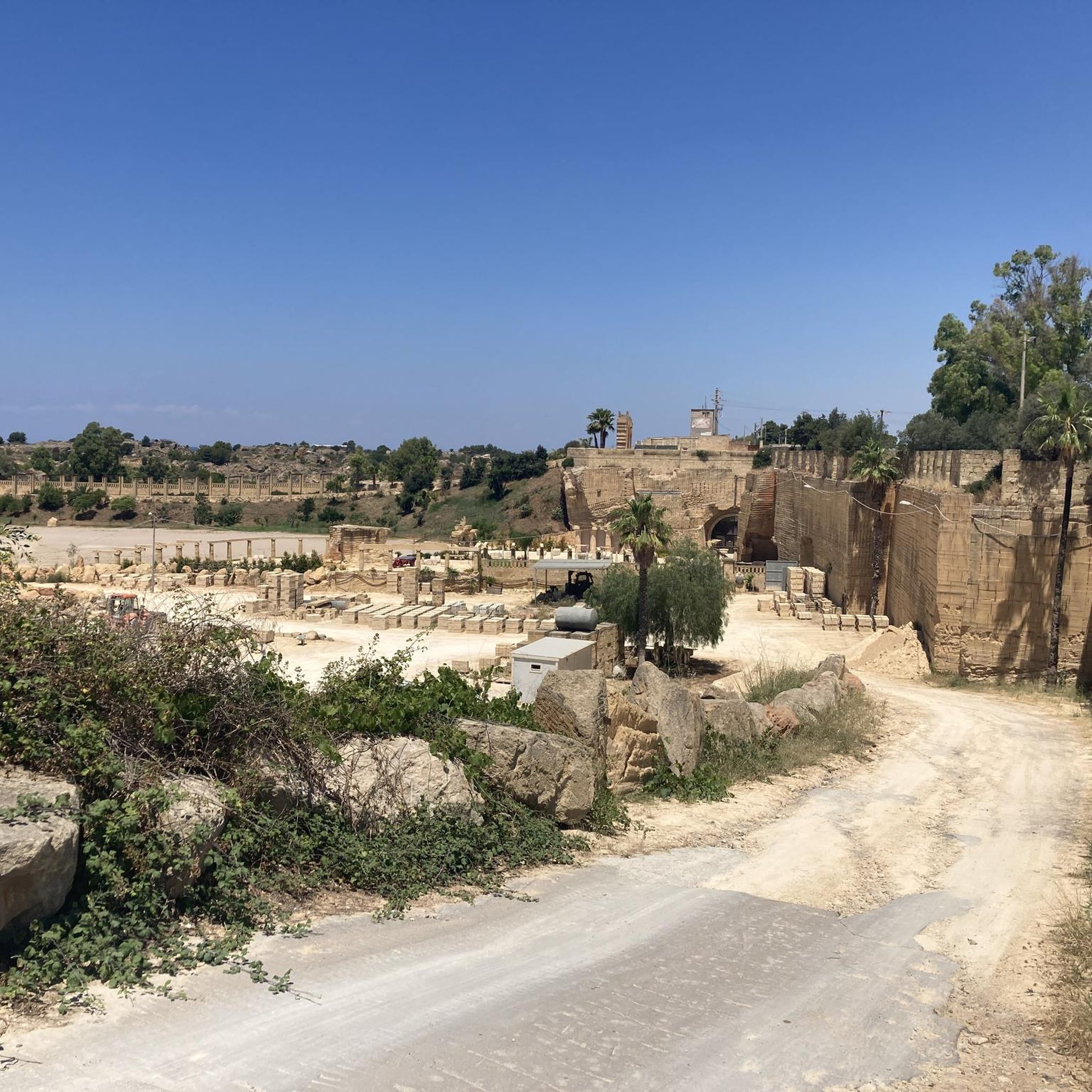
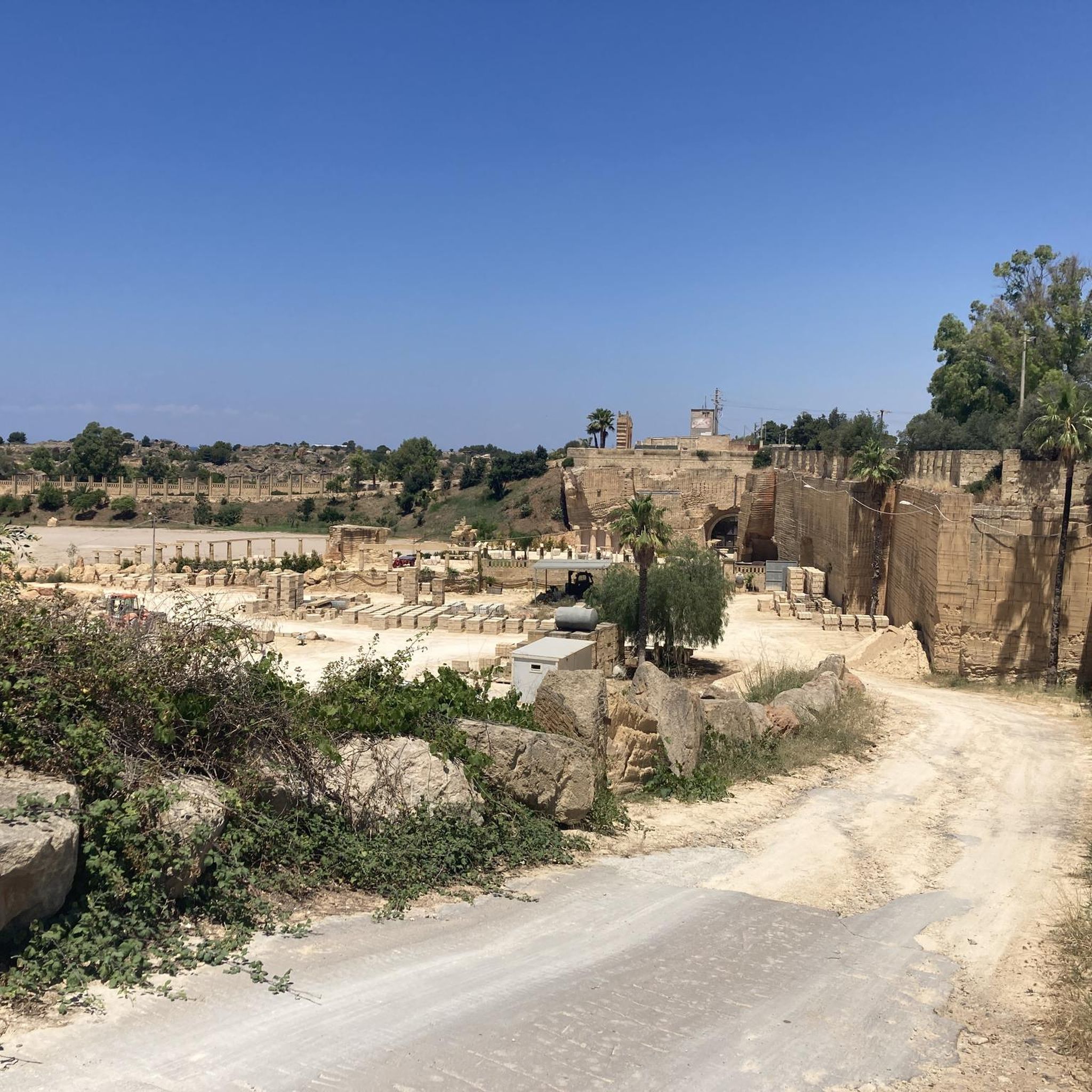
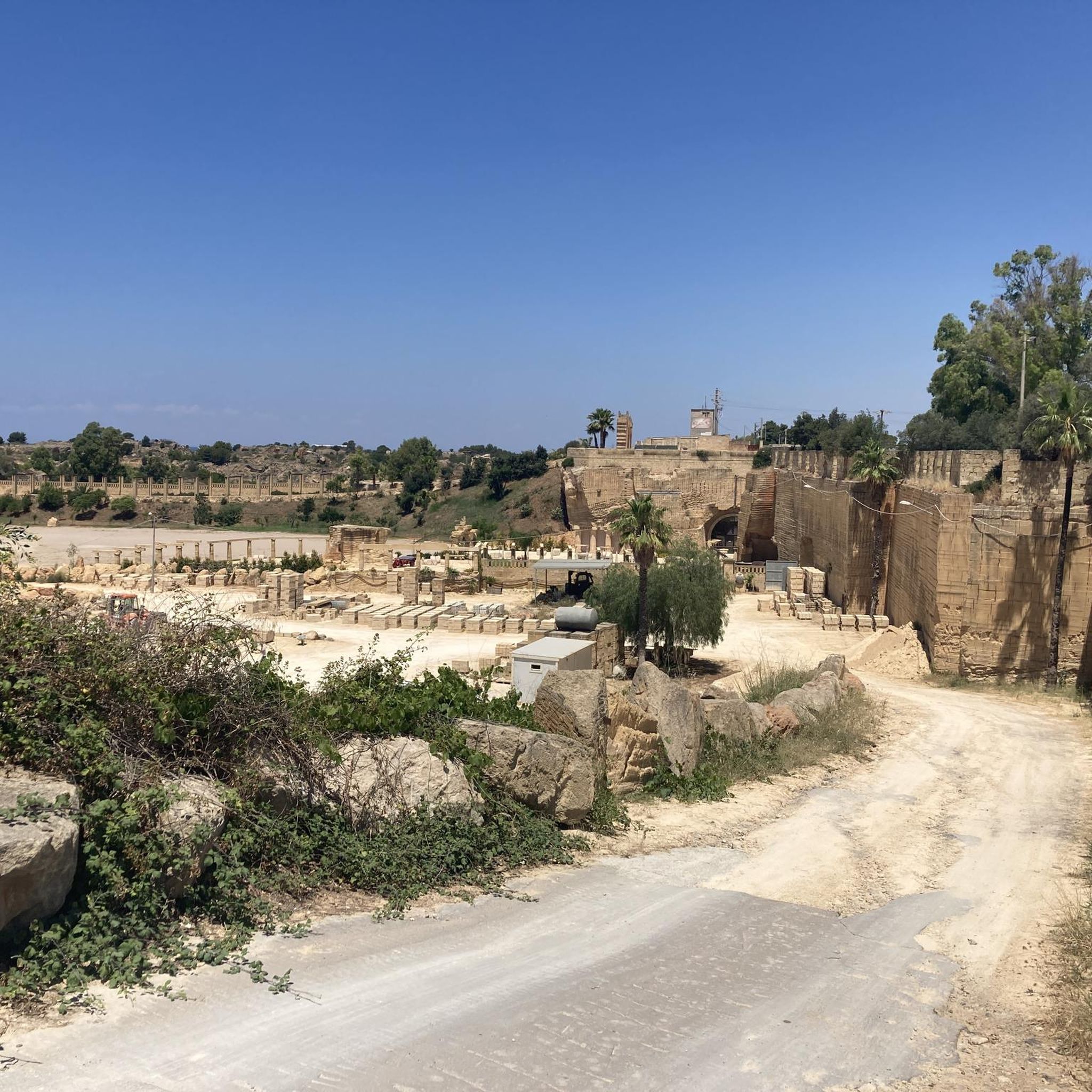
Ancient Quarries of Petrore
Highlight • Cave
Translated by Google •
Tip by
Crypt of the Crucifix
Highlight • Religious Site
Translated by Google •
Tip by
Sign up for free to discover even more caves around Parabita.
Sign up for free
Already have an account?
Start today with a free account
Your next adventure awaits.
Login or Signup

Tips from the Community

beautiful and very suggestive route.
0
0

The quantity of lush greenery of the Mediterranean scrub keeps the naturalistic value of this crossed area high, so much so that you are amazed when you descend from the greenhouse on the east side, especially for the people of Tuglia who are used to peering towards the Ionian Sea. San Nicola di Macugno is its emblem, the History and the stories told that involve this place and Nature with the harmoniously integrated cultivated fields give beauty and joyfulness.
0
0

October 2023 entry €2. There is an information sheet in German
1
0
Frantoio ipogeo is an underground oil mill. The production of olive oil is presented in a small museum. A staircase leads into the vault with a temperature of around 18 degrees - well suited for storing olives and oil.
2
0
Inserted in collection Salento Bizantino komoot.it/collection/1811756/-salento-bizantino - The crypt is isolated on the edge of a paved road, a crossroads of pilgrimages of the past, very few traces of the pre-existing frescoes are visible. It is always accessible and open to all.
0
0
Inserted in a naturalistic context of absolute value, it is also worth visiting for the presence of its hypogea that are always accessible. Here is the link passionate and beautiful story of Salogentis https://www.salogentis.it/2014/11/15/labbazia-di-san-nicola-di-macugno-neviano/
0
0

On the highest point of the Serra di Casarano, in the Manfio district in the Ruffano area, stands the characteristic Crypt of the Crucifix, or of Santa Costantina, a cavity of natural origin transformed by the Byzantines into a place of worship around the year 1000.
0
0

Inserted in a rural context rich in historical testimonies, 100 meters above sea level, in a dominant position on the fertile “Ruga valley”, the abbey complex probably originated in the fourteenth century. Mentioned in several documents, in 1378 and 1412, which sanction its geographical belonging to the territory of Neviano and to the jurisdiction of the Neretine curia, the small village of Macugno performed a mandatory stop function for pilgrims heading to Santa Maria di Leuca, for the traders and shepherds who periodically split the hinterland along the junction of the two ports of Gallipoli and Otranto.
2
0
Frequently Asked Questions
What historical caves can I explore in and around Parabita?
Parabita and its surroundings offer several historically significant cave sites. You can visit the San Giovanni Rock-Cut Crypt, a well-maintained religious building with an ancient crypt carved into rock. Another option is the Abbey of San Nicola di Macugno, which features an accessible and suggestive underground section. The Crypt of the Crucifix, a natural cavity transformed into a place of worship, also offers a mystical and evocative experience.
Are there any significant archaeological caves near Parabita?
Yes, the most significant archaeological site is the Grotta delle Veneri (Cave of the Venuses) located directly within Parabita. This karst cavity is famous for the discovery of two prehistoric female bone statuettes, the "Venus of Parabita," dating back to the Upper Paleolithic period. The cave has been inhabited since Neanderthal times and is part of the Parabita Archaeological Park.
Where can I find sea caves with unique natural features near Parabita?
For stunning sea caves, consider visiting the Grotta delle Cipolliane near Gagliano del Capo, known for its marine caves carved into porous limestone along a scenic coastal path. Further south, near Santa Maria di Leuca, the Grotta del Drago (Dragon's Cave) is the largest on the Ionian coast, featuring impressive rock formations said to resemble a dragon. Near Marina di Andrano, the Grotta Verde (Green Cave) is renowned for the distinctive green reflections within its waters, creating a captivating visual experience.
Are there family-friendly caves to visit in the Parabita area?
The San Giovanni Rock-Cut Crypt is tagged as family-friendly, offering an accessible and well-maintained historical site that can be interesting for visitors of all ages.
What kind of geological formations can I expect to see in the caves around Parabita?
You can observe various geological features. The Ancient Quarries of Petrore showcase limestone deposits and unique "ingrottamenti" formations where light filters through vaults. Sea caves like Grotta delle Cipolliane are carved into porous limestone by wind and salt, while Grotta del Drago features massive rock formations and a "dragon's tooth" stalagmite, alongside vibrant water colors due to its shallow rocky seabed.
Can I visit ancient industrial sites related to caves near Parabita?
Yes, you can explore the Frantoio Ipogeo (Underground Olive Oil Mill). This finely renovated underground mill offers insight into the historical production of olive oil, including ancient equipment used to produce "lampante" oil, which was exported across Europe for lighting.
What outdoor activities are available near the caves of Parabita?
The region around Parabita offers diverse outdoor activities. You can find numerous routes for hiking, including coastal trails and loops through rural landscapes. For cyclists, there are options for gravel biking and more challenging MTB trails, allowing you to explore the natural beauty and historical sites of Salento.
What do visitors enjoy most about the caves around Parabita?
Visitors appreciate the blend of history, natural beauty, and unique experiences. Highlights like the San Giovanni Rock-Cut Crypt are praised for being well-maintained and suggestive. The Abbey of San Nicola di Macugno is noted for its suggestive underground part and beautiful naturalistic context. The Frantoio Ipogeo is valued for its evocative historical presentation of olive oil production.
Are there any caves near Parabita that offer scenic coastal views?
Yes, the Grotta delle Cipolliane near Gagliano del Capo is situated along a scenic path between Ponte Ciolo and Marina di Novaglie. The surrounding Sentiero delle Cipolliane (Cipolliane Path) offers breathtaking cliffside views and Mediterranean vegetation, making the journey to the caves as rewarding as the caves themselves.
What is the best time to visit the caves around Parabita?
The Salento region generally enjoys a mild Mediterranean climate. Spring (April-May) and autumn (September-October) are ideal for exploring, offering pleasant temperatures for both cave visits and outdoor activities. Summer can be hot, especially for inland sites, but is perfect for sea caves where you can combine exploration with swimming.
What should I wear when visiting caves in the Parabita area?
For inland historical or archaeological caves, comfortable walking shoes are recommended. For sea caves, swimwear and water shoes are advisable if you plan to swim or explore from the water. Regardless of the type, a light jacket might be useful as cave interiors can be cooler than the outside temperature.
Are there any lesser-known or 'hidden gem' caves worth exploring near Parabita?
While not strictly a 'hidden gem' in terms of obscurity, the Ancient Quarries of Petrore offer a mysterious and less conventional cave experience. These cavities, formed by "ingrottamenti," provide unique glimpses of light through their vaults and are appreciated by visitors for their distinct character compared to typical caves.
Most popular attractions around Parabita

Get inspired with the komoot mobile app


Explore more
Extend your search for the best caves by checking out these guides of the top ones around Parabita:
