Top 9 Caves around Oriolo Romano
Caves around Oriolo Romano primarily refer to historical and man-made cave-like structures found in the surrounding Lazio region, rather than natural geological formations within the municipality itself. Oriolo Romano is situated in a region known for its volcanic landscapes and ancient settlements, offering a blend of natural beauty and historical significance. The area is also home to the Faggeta di Oriolo Romano, a UNESCO World Heritage beech forest on Monte Raschio, recognized for its unique low-altitude growth. This context provides…
Last updated: June 29, 2026
Church of Madonna del Parto (Mithraeum of Sutri)
Highlight • Religious Site
Translated by Google •
Tip by

Tomb of the Stag (Tomba del Cervo)
Highlight • Historical Site
Translated by Google •
Tip by

Sign up now to discover places like this
Get recommendations on the best single tracks, peaks, & plenty of other exciting outdoor places.
Sign up for free
Sutri Etruscan Necropolis
Highlight • Historical Site
They are a testimony of the past and it is possible to visit them following a well-signposted archaeological route
Translated by Google •
Tip by

Hypogeum
Highlight • Cave
Translated by Google •
Tip by
Cave
Highlight • Cave
Translated by Google •
Tip by

Sign up for free to discover even more caves around Oriolo Romano.
Sign up for free
Already have an account?
Start today with a free account
Your next adventure awaits.
Login or Signup
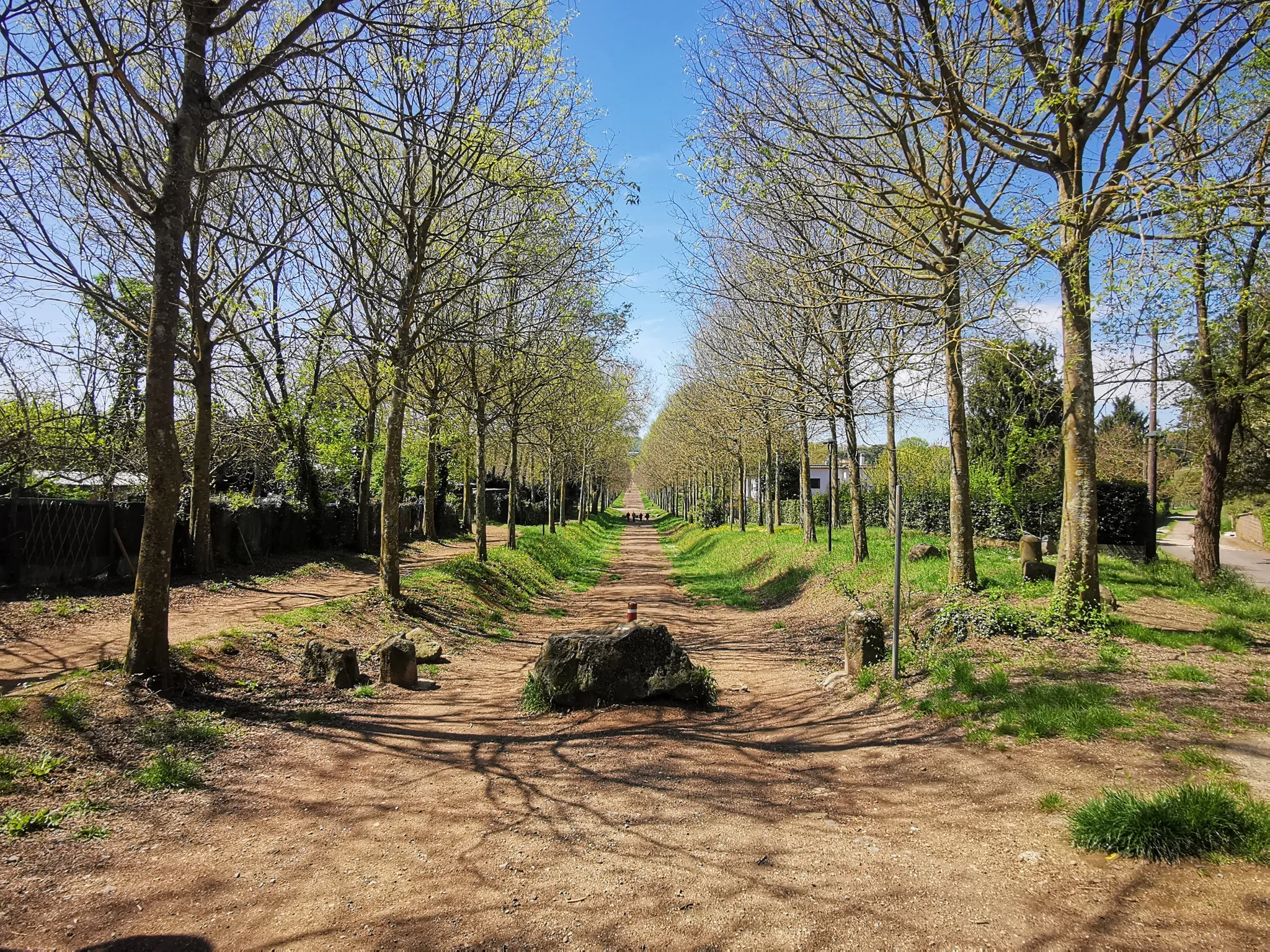
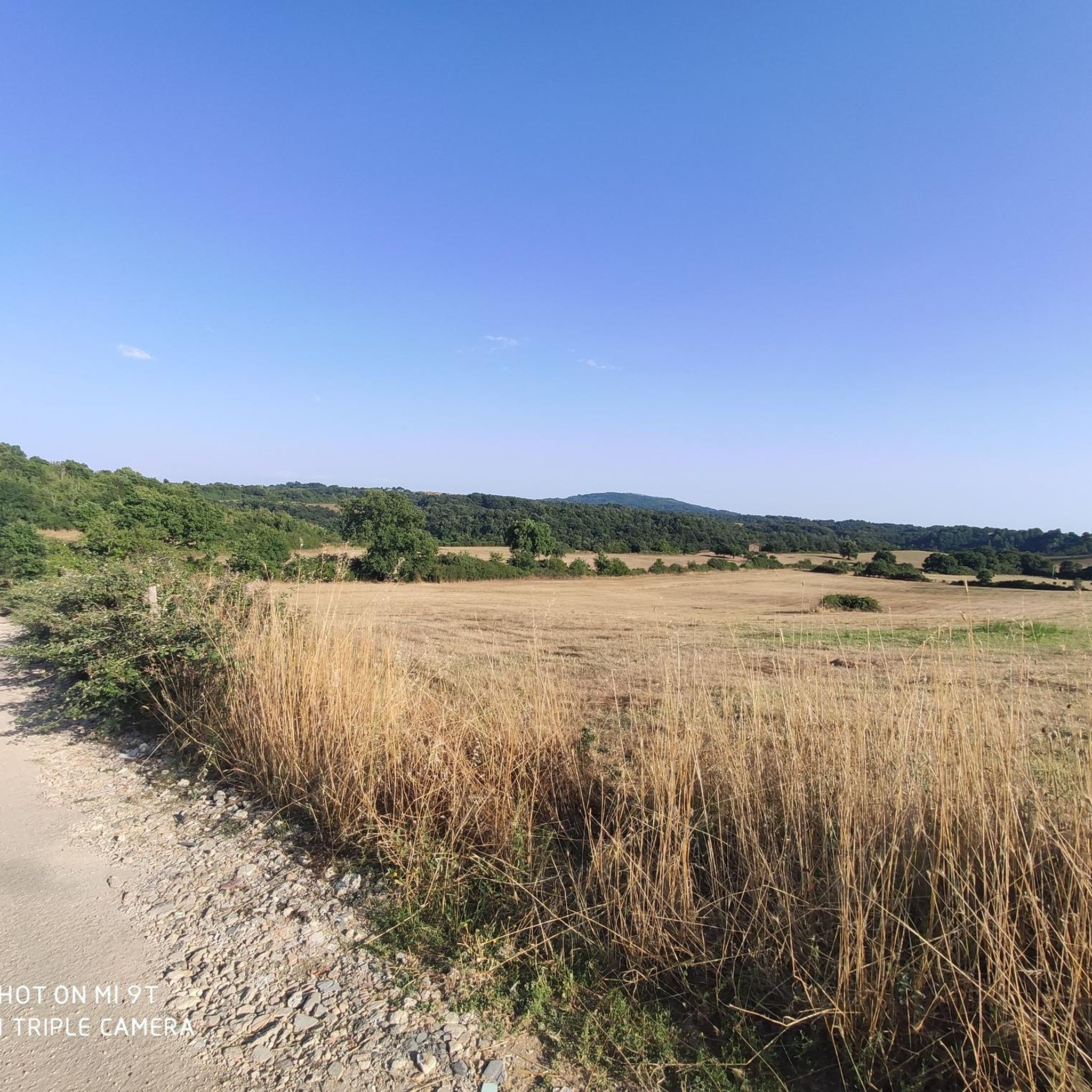
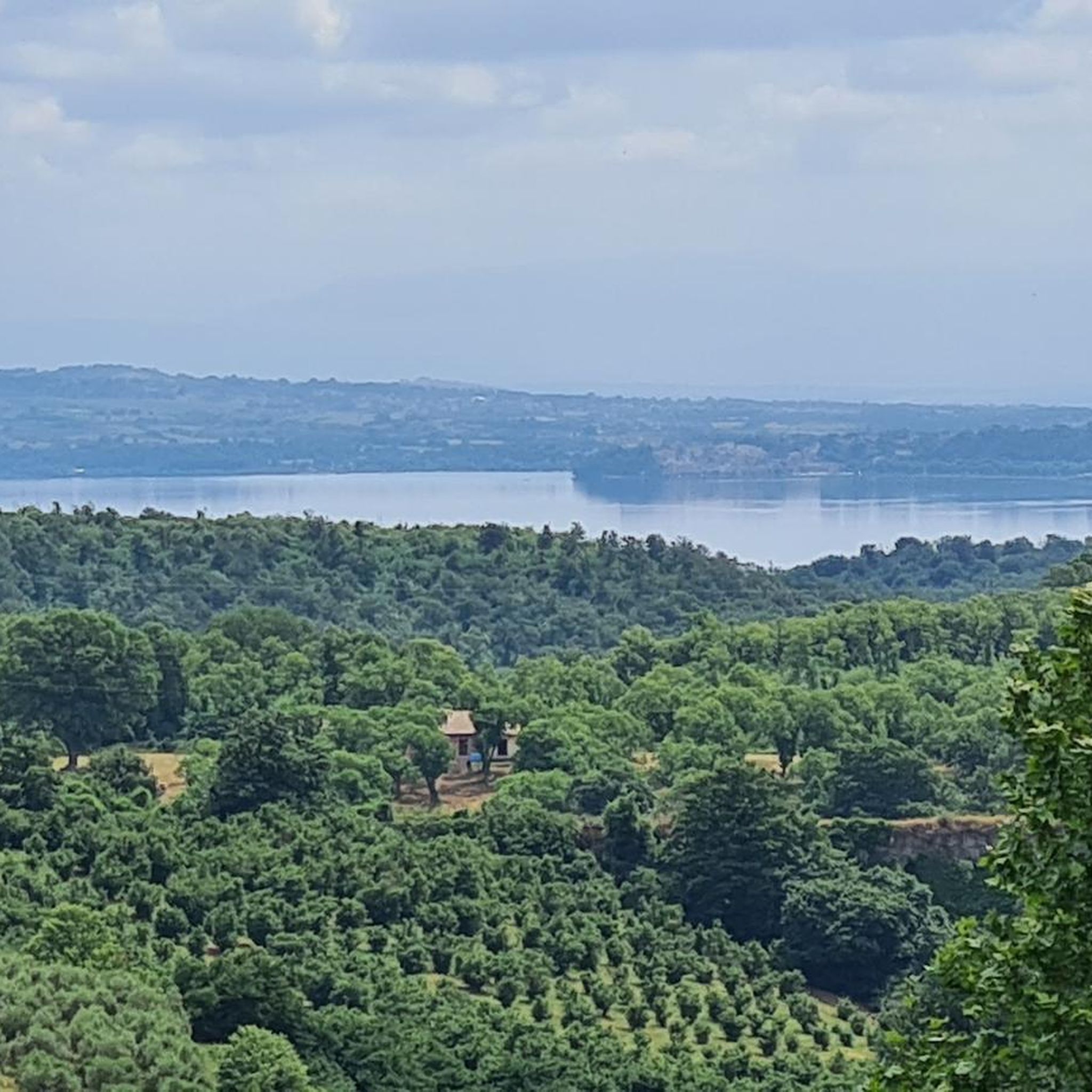

Other adventures around Oriolo Romano

Tips from the Community

The beautiful Sutri
0
0

Very nice hiking trail. Only doable by bike with a lot of carrying and pushing. But it's definitely worth it!
1
0

The Chiesa della Madonna del Parto in Sutri is a unique church carved entirely out of tuff stone. Dating from the 13th-14th centuries, this church was originally a Mithraeum, a temple dedicated to the Eastern god Mithras, from the 3rd century. The church has a square vestibule with frescoes depicting the Madonna and Saints, San Cristoforo and events related to the life of San Michele del Gargano. The main space is divided by tuff pillars into three naves. The church is now an important part of the urban park of the ancient city of Sutri.
2
0


Making a stop and visiting unique places like this is always worth it.
1
0


it was born as a temple and then as a church
4
0
Frequently Asked Questions
What kind of caves can I expect to find around Oriolo Romano?
The caves around Oriolo Romano are primarily historical and man-made structures, rather than natural geological formations. These include ancient necropolises, underground religious sites, and cave dwellings carved into tuff stone, offering insights into Etruscan and Roman history.
Are there any natural caves specifically within Oriolo Romano?
No, there are no notable natural caves specifically located within the municipality of Oriolo Romano that are widely documented as tourist attractions. The area is known more for its historical man-made underground structures and the unique Faggeta di Oriolo Romano, a UNESCO World Heritage beech forest.
What historical sites can I visit that feature cave-like structures near Oriolo Romano?
You can explore several significant historical sites. The Sutri Etruscan Necropolis features tufa caves as part of its amphitheater park. Another must-see is the Tomb of the Stag (Tomba del Cervo) within the necropolis of San Giuliano. Additionally, the Church of Madonna del Parto (Mithraeum of Sutri) is a unique church carved entirely out of tuff stone, originally a 3rd-century Mithraeum.
Are there any challenging cave explorations or tunnels near Oriolo Romano?
Yes, the Hypogeum near Bosco di Manziana is a very long, completely dark tunnel that requires a powerful flashlight to explore its depth. It's considered a challenging experience due to its conditions.
What outdoor activities can I combine with visiting the caves around Oriolo Romano?
The region offers various outdoor activities. You can find numerous hiking trails, including those in the Faggeta di Oriolo Romano, which is a UNESCO World Heritage site. There are also options for road cycling and general cycling routes that allow you to explore the volcanic landscapes and ancient settlements of the area.
Are the cave sites around Oriolo Romano suitable for families with children?
Many of the historical cave sites, such as the Sutri Etruscan Necropolis, can be visited by families. The archaeological routes are generally well-signposted. Additionally, the nearby Faggeta di Oriolo Romano offers easy and pleasant walking routes suitable for all levels, including families with children, amidst stunning nature.
What should I bring when exploring the underground sites near Oriolo Romano?
For sites like the Hypogeum or other deep cave structures, a powerful flashlight is essential as they can be completely dark. Comfortable walking shoes are recommended for exploring archaeological routes and trails.
Is there parking available near the cave attractions?
Parking is generally available near the main historical sites like the Sutri Etruscan Necropolis. For specific locations, it's advisable to check local signage upon arrival.
What is the best time of year to visit the caves and surrounding area?
The historical cave sites can be visited year-round. However, for enjoying the surrounding natural beauty, such as the Faggeta di Oriolo Romano, spring and autumn offer pleasant temperatures and vibrant scenery. The beech forest is particularly beautiful during these seasons.
Can I bring my dog to the cave sites or nearby trails?
While specific rules for each historical site may vary, many outdoor trails in the region, including those in the Faggeta di Oriolo Romano, are generally dog-friendly. Always keep your dog on a leash and ensure you clean up after them.
What makes the Faggeta di Oriolo Romano significant?
The Faggeta di Oriolo Romano (Beech Forest of Oriolo Romano) is a UNESCO World Heritage site, recognized for its unique characteristic of thriving at an unusually low altitude of just over 400 meters. It's an exceptional example of forests undisturbed by human activity, demonstrating the beech's adaptability to diverse conditions, and offers tranquil walking routes.
Are there any specific hiking trails near the historical cave sites?
Yes, the Sutri Etruscan Necropolis is part of an archaeological route that allows visitors to explore the tufa caves and the amphitheater park. For broader hiking, the Oriolo Romano area offers trails like the 'Circular walk from Oriolo Romano to Monte Raschio' and various loops within the Oriolo Beech Forest.
Most popular routes around Oriolo Romano
Most popular attractions around Oriolo Romano

Get inspired with the komoot mobile app


Explore more
Extend your search for the best caves by checking out these guides of the top ones around Oriolo Romano:
