Top 5 Castles around Scandriglia
Best castles around Scandriglia offer a glimpse into the region's rich history and strategic past. This area features remnants of ancient fortifications and medieval settlements, often situated on hills overlooking valleys. Exploring these sites provides insight into the historical significance of Scandriglia's location. The landscape combines historical structures with natural surroundings, making it suitable for historical exploration.
Best castles around Scandriglia
- The most popular castles is Orvinio, a settlement and historical site that stands on a hill around its…
Last updated: June 29, 2026
Ruins of Stazzano Vecchio
Highlight • Historical Site
Translated by Google •
Tip by

Cineto Romano
Highlight • Settlement
Translated by Google •
Tip by

Sign up now to discover places like this
Get recommendations on the best single tracks, peaks, & plenty of other exciting outdoor places.
Sign up for free
Orvinio
Highlight • Settlement
Translated by Google •
Tip by

Morella Ruins
Highlight • Historical Site
Translated by Google •
Tip by

Ruins of Castel del Lago (Morella)
Highlight • Historical Site
Translated by Google •
Tip by
Sign up for free to discover even more castles around Scandriglia.
Sign up for free
Already have an account?
Start today with a free account
Your next adventure awaits.
Login or Signup
Tips from the Community

The first inhabited center of Stazzano Vecchio was probably built on the remains of a Roman settlement. The term "Stazzano", in fact, could derive from the Latin statio, with the dual meaning of "place of a garrison", or "Post Station". Even today the origins of Stazzano are not clear but it seems certain that a town developed around a castle, built between the 10th and 11th centuries by the Savelli family, a powerful family that influenced the historical events of this part of Lazio. The castle and the town passed into the hands of the Borghese family between the sixteenth and seventeenth centuries. Access to the town consisted of a single door that opened between the outermost tower of the castle and the Church of Santa Maria, a distinguishable sign that Stazzano had been conceived as a "village-castle". A terrible seismic event which occurred on 24 April 1901, with its epicenter in nearby Montelibretti and calculated at the VIII degree of the Mercalli Scale, put an end to the peaceful peasant life. From that moment on, the village of Stazzano was inevitably abandoned and the ruins of the houses were used to build the new town a short distance away. https://www.lazionascosto.it/citta-fantasma-borghi-abbandonati-del-lazio/stazzano-vecchio/
0
0
The Licenza Valley in medieval times In the early Middle Ages, the Licenza Valley was characterized by the presence of small, scattered settlement units, whose occupants were mainly dedicated to agriculture and pastoralism. The entire valley belonged to the Patrimonium Sancti Petri, divided into two dioceses, that of Sabina and that of Tivoli. Between 960 and 1012 the Crescenzi-Ottaviani family was the protagonist of the process of consolidating the valley, coming into possession of numerous properties, often to the detriment of the Abbey of Farfa, whose decline had begun with the end of the Carolingian empire. With the advent of Otto III of Saxony, the abbey recovered prestige and power, reacquiring a large part of its possessions, including the castrum of Castel del Lago, but it was a relatively short historical interlude. Already in the 12th century, many possessions had once again returned to the possession of the noble aristocracy and, in particular, of the Orsini family, with the exception of the settlements of Petra Demone, which remained in the possession of the abbey, and Castel del Lago, a fiefdom of the Colonna family . The 15th century saw a progressive subdivision of the castra between noble families, the opposite process to that which led to their formation (the castle as the sole center of power); to give an example, the castrum of Castel del Lago was under the influence of three noble families: Colonna, Orsini and Atti of Todi. This is the historical period characterized by a process of abandonment of many settlements, a phenomenon which affected in the Licenza Valley the castras furthest from the Licenza river artery and from the valley bottom roads (Castel del Lago, Macla, Petra Demone, Spogna). In this regard, the French historian Toubert hypothesizes that the strongest castras on a productive and economic level survived and that those initially more powerful due to their strategic position on high ground were progressively depopulated.
0
0
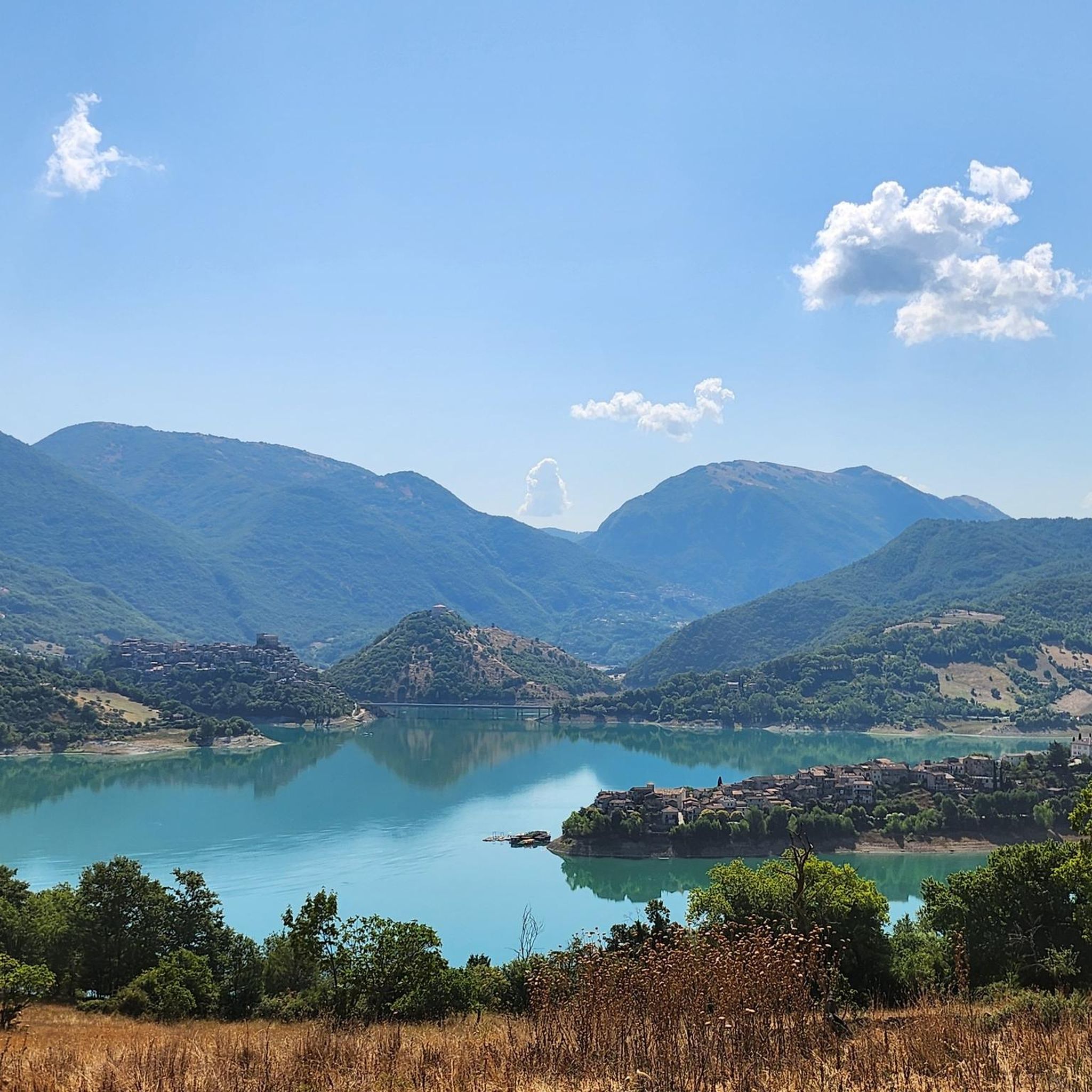
From the Lucretili site: "On the relief overlooking Lake Fraturno, in the Rovine Morella area, the remains of the medieval settlement of Castel del Lago were found. Not much remains of what once must have been an agglomeration of various buildings with a fortification walls: only a wall on the edge of the slope, some minor walls, traces of stone alignments and scattered construction material, all surrounded by vegetation which makes their identification even more problematic. The settlement of Castel del Lago, initially made up of rural houses in no particular order, it was donated to the Abbey of Farfa in the 12th century. Its strategic position, on the watershed between the Aniene and Turano rivers, was at the origin of the aims of the powerful Roman families, who over the centuries alternated as owners of the land.A document from 1116 relating to the Lateran Council testifies how the Abbey of Farfa complained about the usurpation of some assets, including Castel del Lago, which became a fief of the Colonna di Riofreddo family. Granted by Boniface VIII to the Orsini family, it was destroyed in 1492. When the settlement came into the possession of the Borghese family in the 17th century, the area was characterized by the presence of agricultural crops and large spaces now used as pasture".
0
0

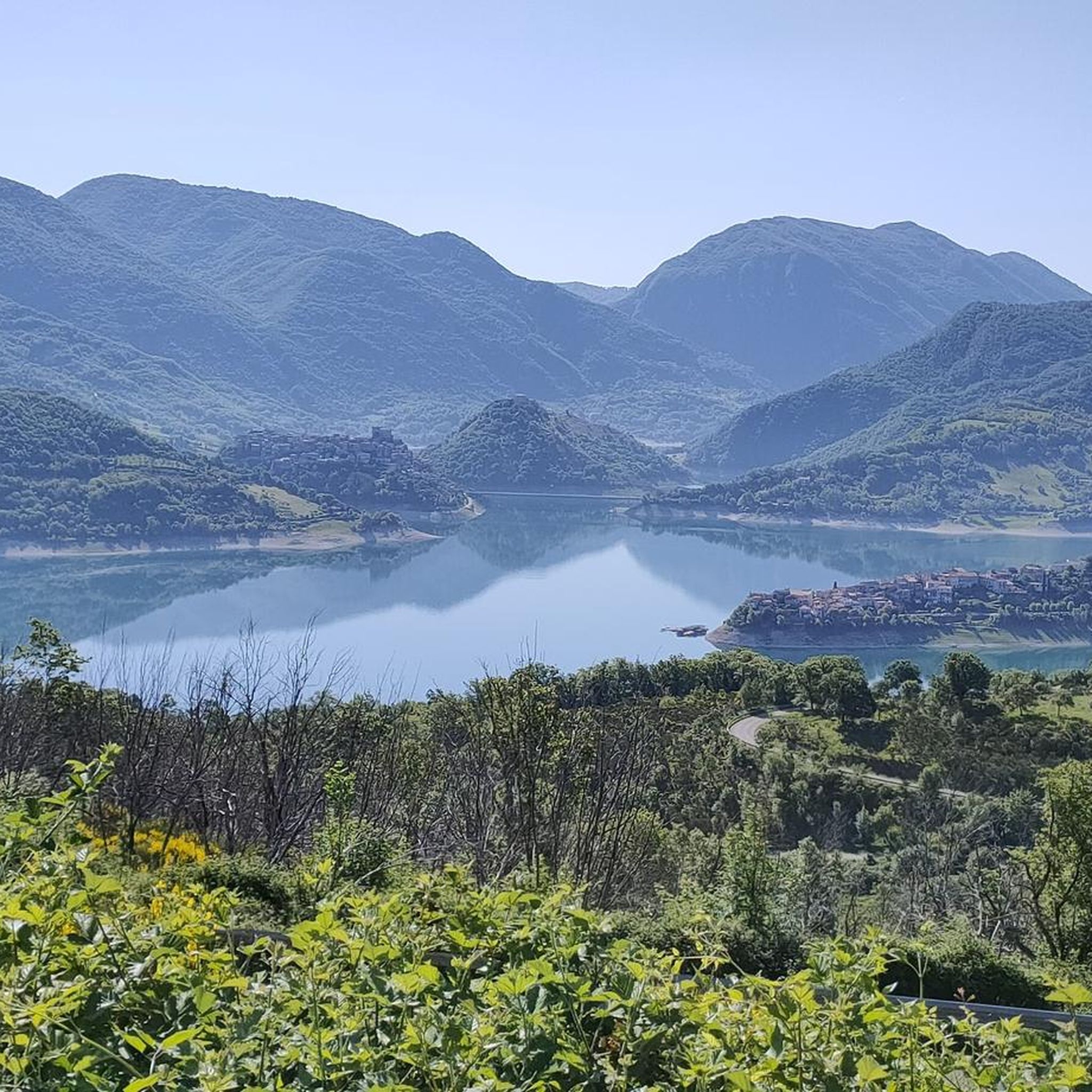
Cineto Romano is a small town that dominates the valley of the Ferrata stream. The old village rises right around the Orsini castle which, with its grandeur, defines the profile. From the town, with a short and simple walk also for families, you can reach the Rio Scuro waterfalls, a pleasant place surrounded by nature.
2
0

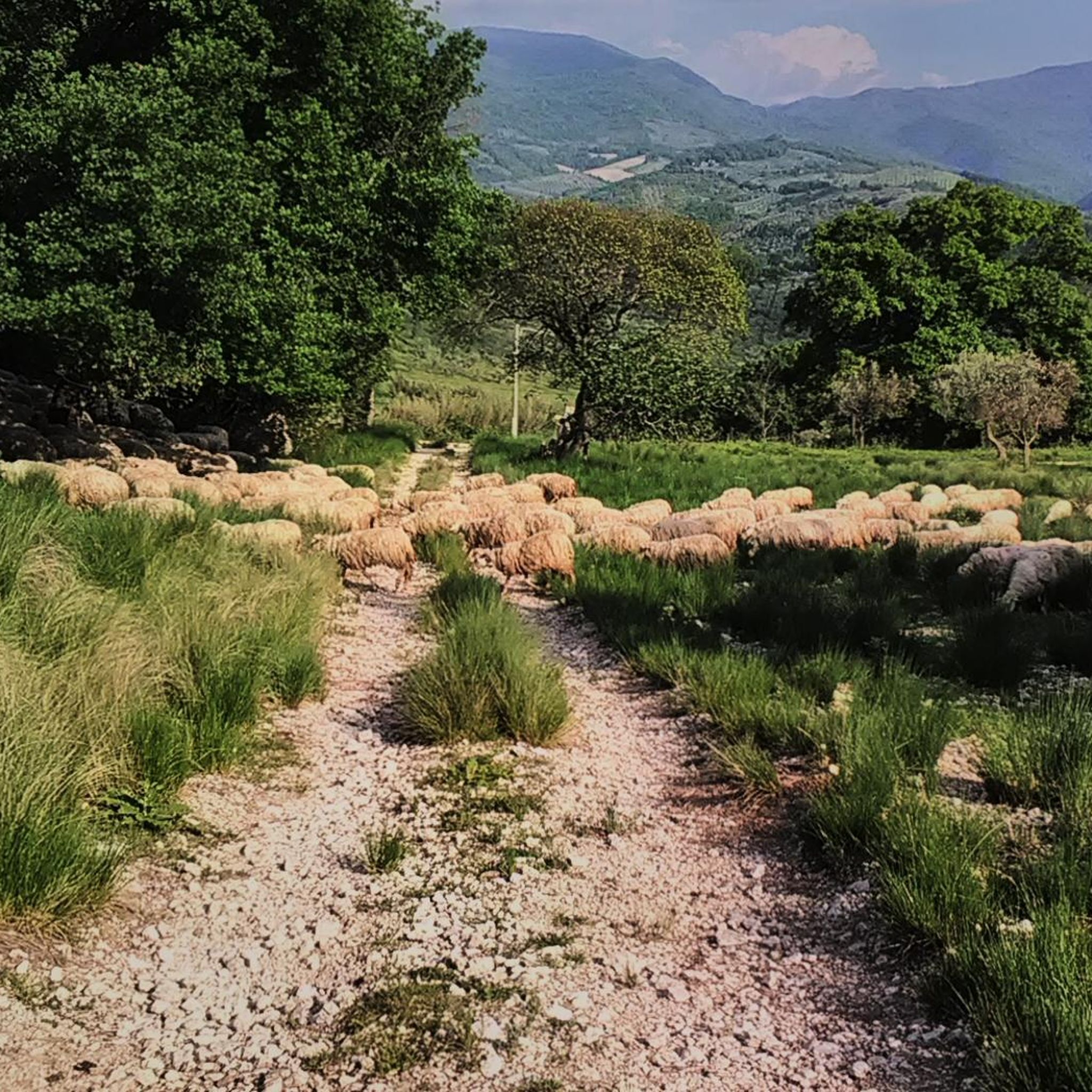
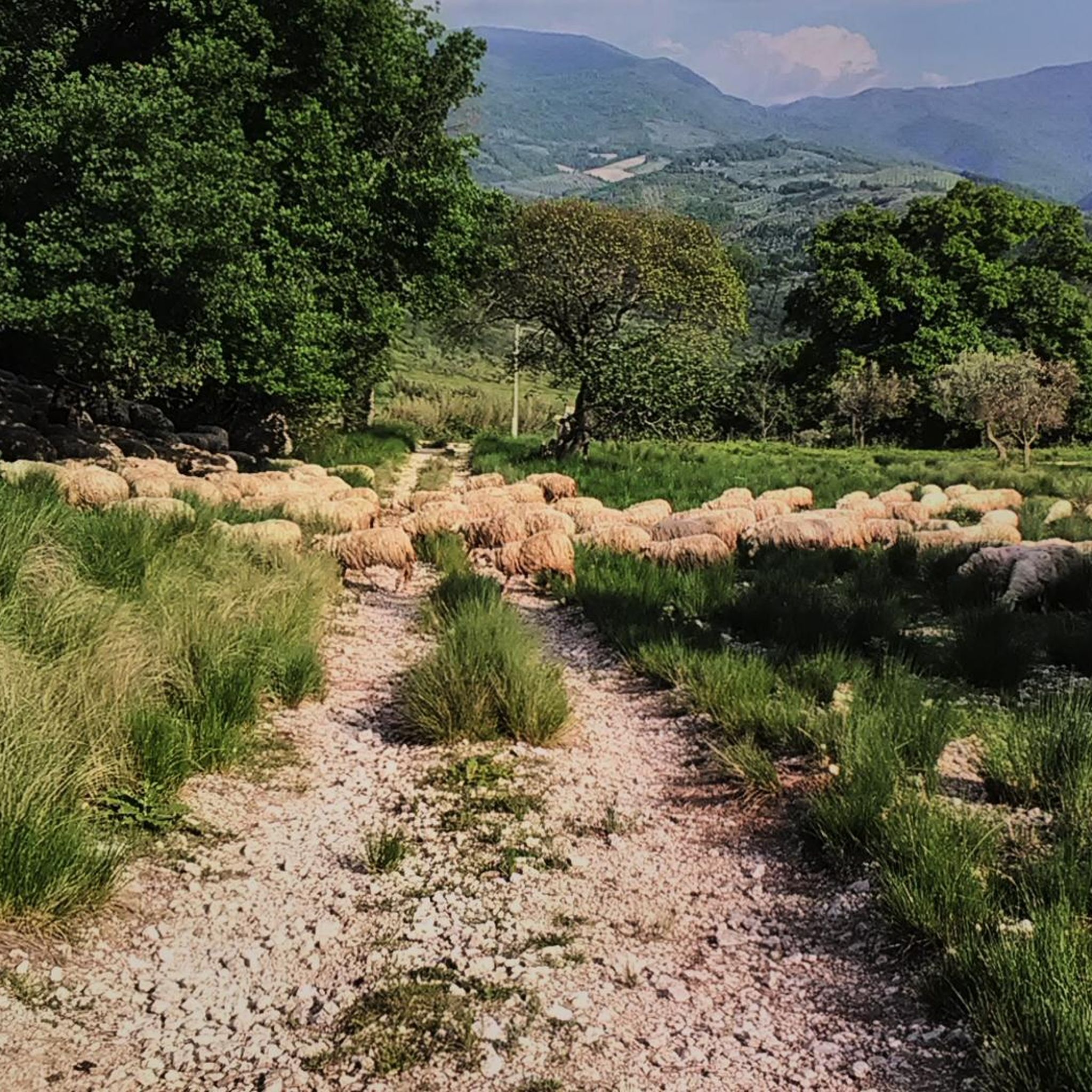
From here we can reach the ruins of an old settlement, which was built around a fortified castle which dates back to the 15th century.
2
0


Orvinio is an Italian municipality of 387 inhabitants in the province of Rieti, in Lazio, which stands on a hill around its imposing castle belonging to the family of the Marchesi Malvezzi Campeggi. It is part of the club of the most beautiful villages in Italy. I highly recommend a night walk through its alleys
3
0
Frequently Asked Questions
What kind of historical sites can I expect to see when visiting castles around Scandriglia?
The Scandriglia area offers a mix of historical remnants, well-preserved palaces, and settlements built around ancient fortifications. You'll find sites like the original Castrum Scandriliae and 'La Rocca' which provide insights into medieval defensive structures, even if not fully intact. There's also the well-preserved Palazzo degli Anguillara, showcasing Renaissance and late Gothic architecture. Other sites like Orvinio and Cineto Romano are charming villages centered around their historical castles.
Are there any well-preserved castles or palaces in Scandriglia itself?
While Scandriglia doesn't have a fully preserved medieval castle in the traditional sense, the Palazzo degli Anguillara is a notable exception. Dating back to the 1400s, this palace is a well-preserved example of Renaissance architecture with late Gothic features, offering a glimpse into the grandeur of the noble families who once resided there. The site of 'La Rocca' also provides distinct medieval evidence of the town's original fortress.
Which castle settlements around Scandriglia are particularly beautiful or noteworthy?
Many visitors are drawn to Orvinio, a settlement recognized as one of Italy's most beautiful villages, standing on a hill around its imposing castle. Another must-see is Cineto Romano, where the old village rises around the Orsini castle, offering a picturesque setting and access to nearby natural attractions.
Can I visit historical ruins of castles in the area?
Yes, the area is rich in historical ruins. You can explore the Morella Ruins, which are the remains of an old settlement built around a fortified 15th-century castle. Additionally, the Ruins of Stazzano Vecchio offer a fascinating look at a village abandoned after an earthquake, with its castle origins still evident. The Ruins of Castel del Lago (Morella) also provide a glimpse into a medieval settlement with a strategic past.
Are there family-friendly castle sites near Scandriglia?
Yes, Cineto Romano is considered family-friendly. The old village around the Orsini castle is pleasant to explore, and from there, you can take a short and simple walk to the Rio Scuro waterfalls, making it a great outing for families. Many of the village-centric castle sites offer easy exploration within their historical centers.
What outdoor activities can I do near the castles around Scandriglia?
The region around Scandriglia offers various outdoor activities. You can find numerous routes for running, road cycling, and touring bicycles. For example, there are running trails like the 'Castel Di Tora – S.Maria del Piano Trail' or the 'Lago Fraturno – Morella loop from Percile'. Cyclists can enjoy routes such as the 'Castel di Tora – Rocca Sinibalda loop from Scandriglia'. You can find more details and routes in the Running Trails around Scandriglia, Road Cycling Routes around Scandriglia, and Cycling around Scandriglia guides.
What is the best time of year to visit the castles around Scandriglia?
The best time to visit is generally during the spring (April to June) and autumn (September to October) months. During these periods, the weather is mild and pleasant for exploring historical sites and enjoying outdoor activities. Summers can be hot, while winters are cooler and some facilities might have reduced hours.
Are there any unique historical accommodations near Scandriglia?
Yes, for a unique experience, consider Castello Alma. While not a public historical site, it's a prestigious farmhouse available for exclusive rental, offering a blend of historical ambiance with luxurious modern comforts. It features ancient walls, elegant furnishings, and a crenellated terrace with 360-degree views of the Lazio hills, providing an immersive stay within a historically significant structure.
What do visitors appreciate most about the castles and historical sites around Scandriglia?
Visitors often appreciate the rich history and strategic past evident in these sites. The komoot community has contributed 19 photos and 12 upvotes, highlighting the charm of places like Orvinio, which is described as a 'little village gem'. The blend of historical exploration with natural surroundings, such as the waterfalls near Cineto Romano, is also highly valued.
Are there viewpoints offering scenic views of the castles or surrounding landscape?
Many of the castle settlements, due to their strategic hilltop locations, offer excellent viewpoints. Orvinio, for instance, stands on a hill around its imposing castle, providing panoramic views. The Morella Ruins also offer a viewpoint over the surrounding area, connecting you to the medieval past and the landscape.
Is it possible to reach these castle sites by public transport?
Reaching some of the smaller, more remote castle sites directly by public transport can be challenging. Scandriglia itself is accessible by bus, but for many of the surrounding villages and ruins, a car is often the most convenient option. It's advisable to check local bus schedules for specific destinations in advance, as services can be infrequent.
Are there options for parking near the castle sites?
In the larger villages like Orvinio and Cineto Romano, you will typically find designated parking areas near the historical centers. For more remote ruins like Morella Ruins or Ruins of Stazzano Vecchio, parking might be less formal, often involving roadside spots or small clearings near trailheads. Always ensure you park responsibly and do not obstruct local access.
Can I bring my dog to the castle sites or on nearby trails?
Many of the outdoor historical sites and trails in the Scandriglia area are dog-friendly, especially the ruins and natural areas. However, if you plan to enter any specific buildings or more formal historical sites, it's best to check their individual policies beforehand. Always keep your dog on a leash and clean up after them to ensure a pleasant experience for everyone.
How long should I plan for a visit to the castles around Scandriglia?
The duration of your visit depends on how many sites you wish to see and your interest level. For a single village like Orvinio or Cineto Romano, a few hours are sufficient to explore the village and its castle. If you plan to visit multiple sites, including some ruins and perhaps combine it with a hike, a full day or even a weekend would allow for a more relaxed and comprehensive exploration of the region's historical offerings.
Most popular attractions around Scandriglia

Get inspired with the komoot mobile app


Explore more
Looking for the best castles somewhere else? Discover other guides around Scandriglia:
