Top 4 Caves around Montopoli Di Sabina
Best caves around Montopoli Di Sabina offer a journey into the historical and natural landscape of the Sabina region. This area is known for its ancient underground formations and sites of archaeological interest, providing insights into past civilizations. The terrain features various natural attractions, including karst sinkholes and rock-carved structures. Montopoli Di Sabina's caves blend natural geological features with significant cultural heritage.
Best caves around Montopoli Di Sabina
- The most popular caves is Hermitage of San Leonardo, a religious…
Last updated: May 18, 2026
San Michele Cave
Highlight • Cave
Translated by Google •
Tip by

Meri del Soratte Karst Sinkholes
Highlight • Cave
Translated by Google •
Tip by

Sign up now to discover places like this
Get recommendations on the best single tracks, peaks, & plenty of other exciting outdoor places.
Sign up for free
Hermitage of San Leonardo
Highlight • Religious Site
It is a real jewel in the mountains, the work of a follower of …
Translated by Google •
Tip by

Church of Santa Romana
Highlight • Religious Site
Translated by Google •
Tip by
Nice single trail
Highlight (Segment) • Trail
Tip by

Start today with a free account
Your next adventure awaits.
Login or Signup

Tips from the Community

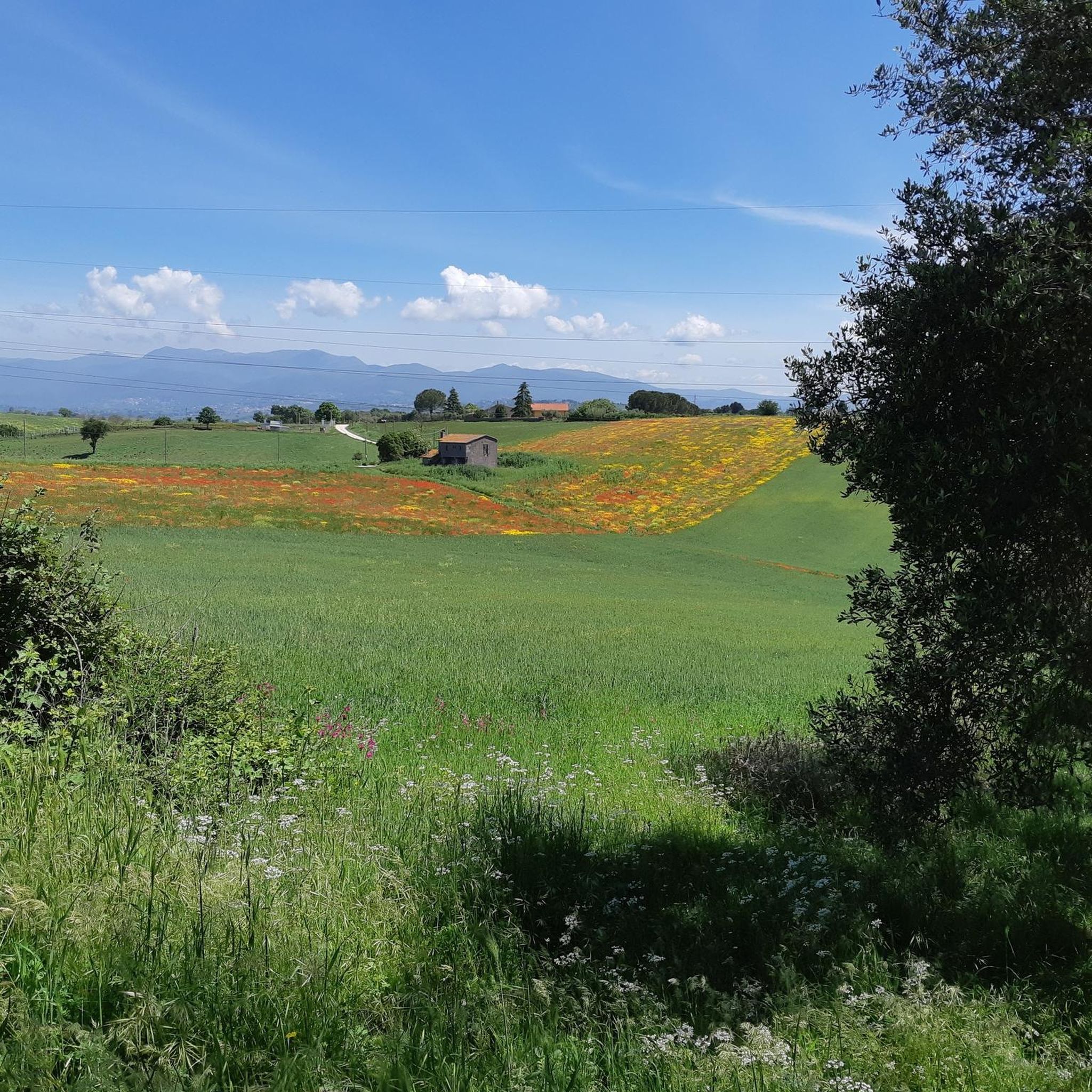
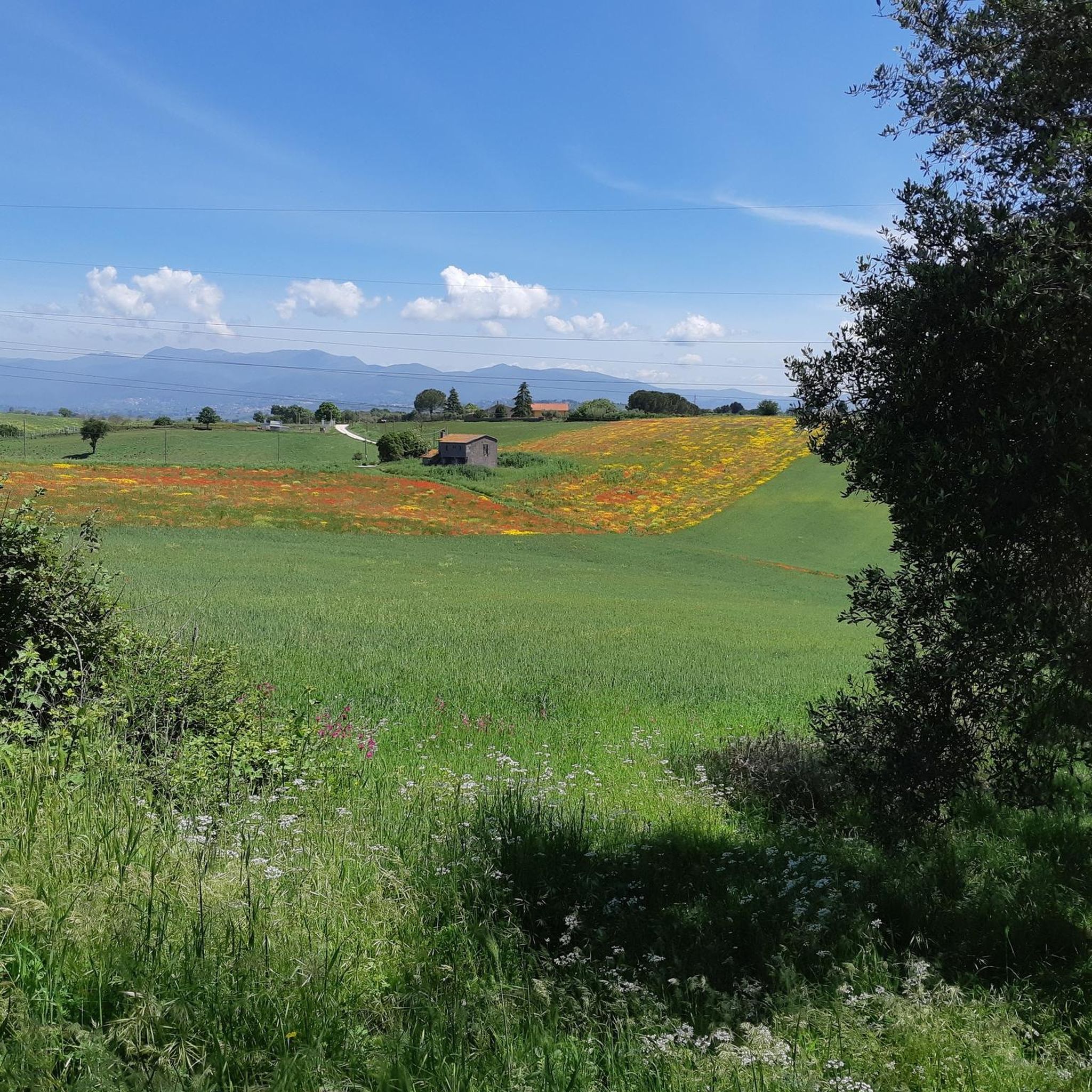
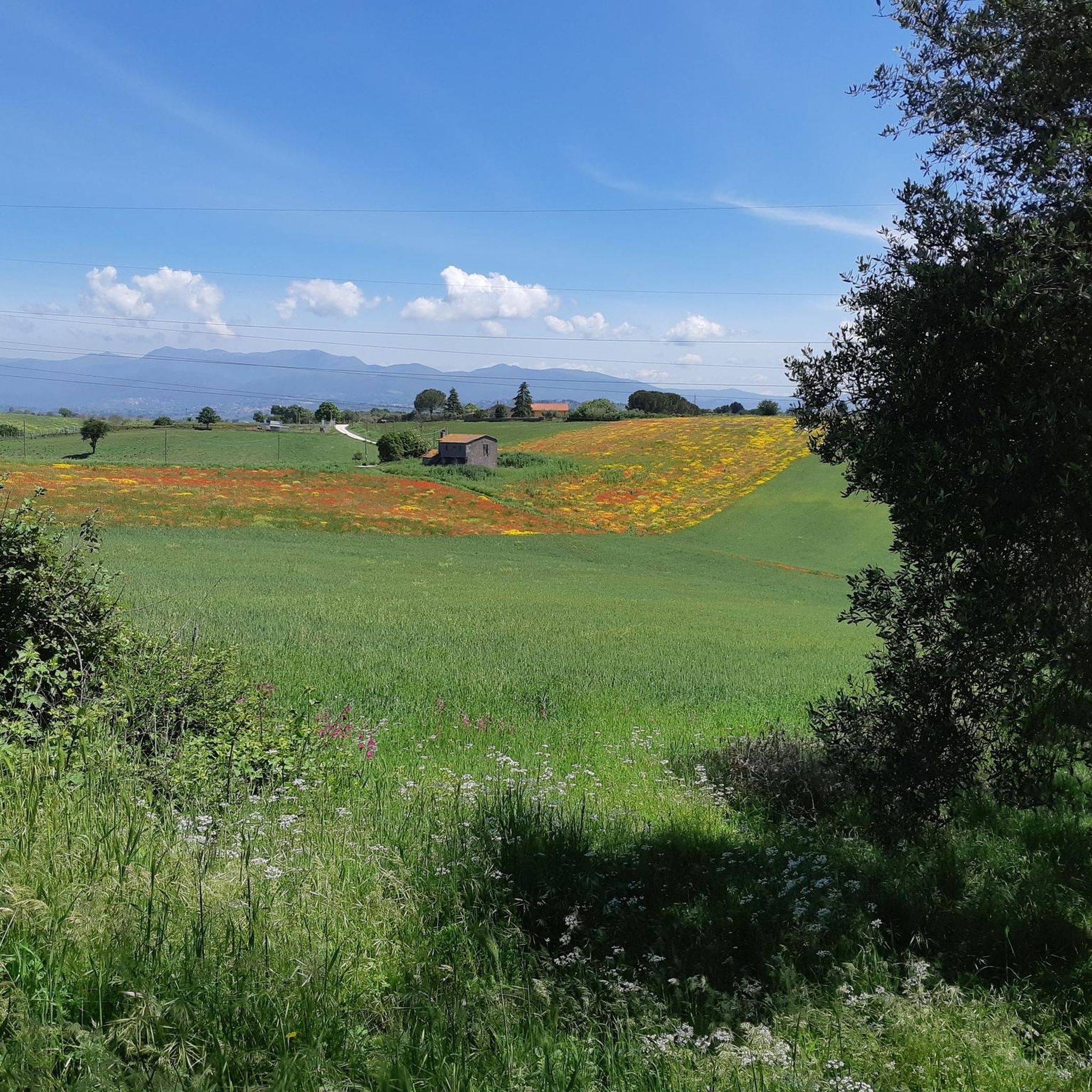
The meri are very deep karst cavities. Easy path to follow. Start from the large Sant'Oreste car park, the one below the road. There are three of them, all close together. On the same path, a little further on, there is the church in the cave of Santa Romana, a beautiful place that deserves to be visited.
0
0

crossroads for the hermitage of San Michele
0
0
this is the hermitage of san leonardo
0
0

This grotto was dedicated to "San Michele Arcangelo". His portrait can be found as a fresco on the rock wall. The name of the archangel Michael (coming from the Hebrew language) means “Who is like God?” He is often depicted - in paintings or as a statue - with a flaming sword, and occasionally a lance. Michael is - together with Raphael and Gabriel, occasionally Uriel is also included - one of the three or four archangels who (according to human understanding) occupy the highest rank in the heavenly hierarchy of angelic beings. Their common feast day in the saints' calendar is September 29th.
0
0

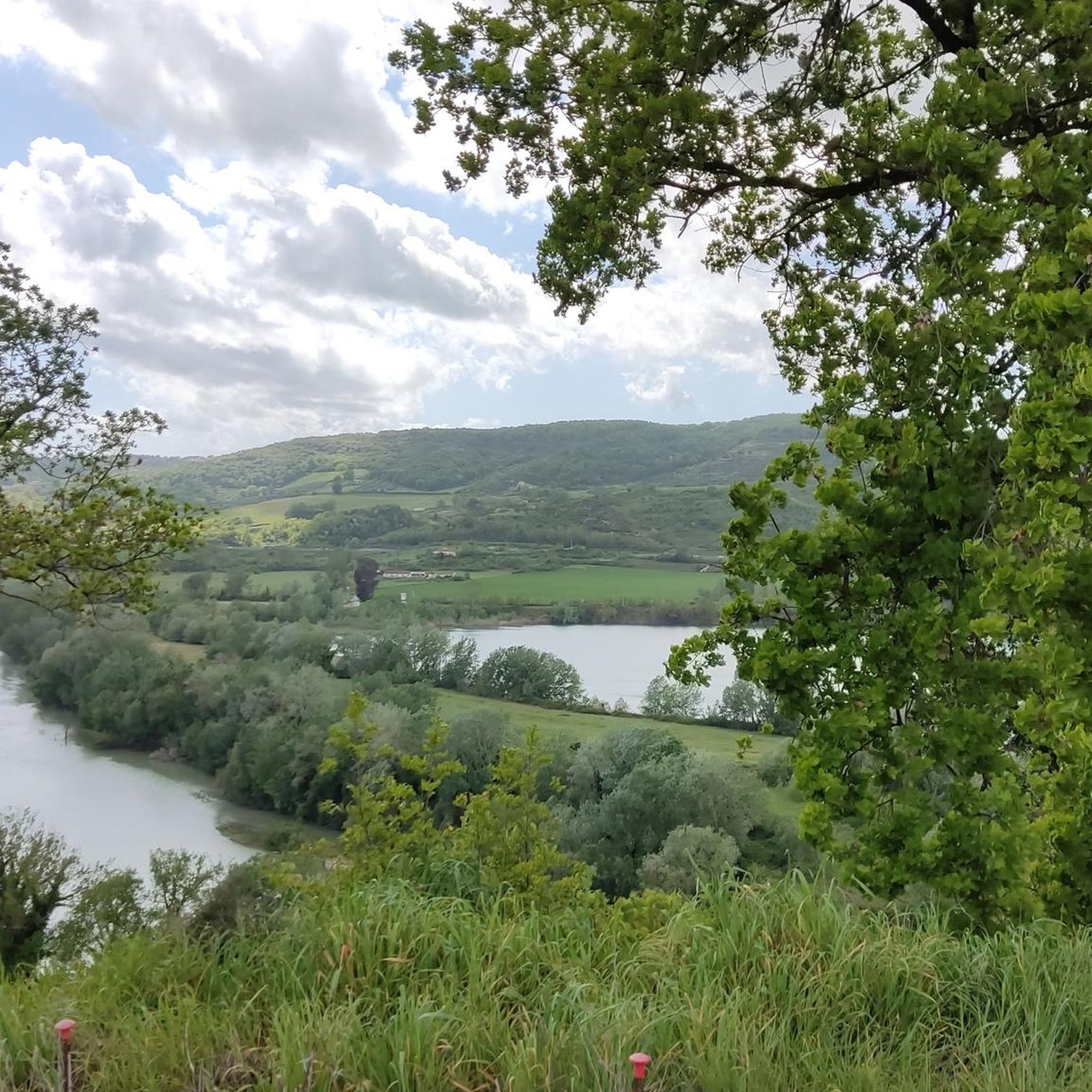
Arriving in this cave in the woods after having walked the stone staircase arouses a deep emotion. Legend has it that the Archangel Michael, following a battle, locked up a demon in the bowels of the mountain and that he now watches over that this being does not return to earth. This place today is above all a destination for climbers who find something to enjoy themselves in the nearby limestone cliff.
2
0

Rock hermitage dating back to the 8th-9th century, it takes its name from Leonardo da Noblac. It is a real jewel in the mountains, the work of a follower of the Saint. It consists of two rooms, both carved into the rock: one for living and one for prayer. On the walls some much later frescoes depicting San Leonardo and Santa Caterina.
3
0
Frequently Asked Questions
What is the historical significance of the caves in Montopoli Di Sabina?
The caves in Montopoli Di Sabina are deeply rooted in history, offering a glimpse into ancient civilizations. Sites like the Hermitage of San Leonardo date back to the 8th-9th century, serving as rock-carved living and prayer spaces. The Church of Santa Romana, consecrated in 1218, is notable for being built entirely inside a cave. Additionally, the Grotta della Santaccia was an ancient cult site associated with the goddess Turan, and the Grotte di Torri area has been inhabited since pre-Roman times, featuring archaeological remains.
Are there any ancient cult sites or religious caves in the region?
Yes, the region has several significant religious and cult sites. The Grotta della Santaccia is historically documented as a cult site for the goddess Turan. The Hermitage of San Leonardo is a rock hermitage with rooms carved for living and prayer, featuring ancient frescoes. The Church of Santa Romana is uniquely built within a cave, and the San Michele Cave is named after Archangel Michael, with a fresco of him on the rock wall.
What natural geological features can I expect to see in the caves?
Montopoli Di Sabina is known for its karst formations. You can explore the Meri del Soratte Karst Sinkholes, which are three interconnected deep karst cavities mentioned by Pliny the Elder. The Grotta della Santaccia also features a fascinating array of stalactites and stalagmites, showcasing natural beauty alongside its historical significance.
Are there family-friendly caves or activities around Montopoli Di Sabina?
Yes, the Meri del Soratte Karst Sinkholes are considered family-friendly, offering an easy path to follow and an interesting natural monument to explore. While some historical caves may have limited access, the sinkholes provide an accessible natural experience for families.
What outdoor activities can I do near the caves in Montopoli Di Sabina?
The area around Montopoli Di Sabina offers various outdoor activities. You can find numerous hiking routes, including moderate trails like the 'Poggio Mirteto, Monte San Cosimo, and Poggio Catino Loop'. There are also road cycling routes, such as the 'Abbazia di Farfa e i borghi della Sabina' loop, and running trails like the 'Trail Run from Fara in Sabina to the Abbey of Farfa'.
What is the best time to visit the caves in Montopoli Di Sabina?
While specific opening hours for all caves are not readily available, visiting during spring or autumn generally offers pleasant weather for exploring the outdoor areas and archaeological sites around the caves. These seasons avoid the intense heat of summer and the colder, potentially wetter conditions of winter, making hiking and exploration more comfortable.
What do visitors enjoy most about the caves and surrounding area?
Visitors appreciate the blend of natural beauty and profound historical significance. The unique experience of discovering rock-carved hermitages and churches built within caves, along with the ancient legends associated with sites like the San Michele Cave, creates a deep emotional connection to the past. The natural karst features also add to the appeal.
Are there any caves that are primarily of archaeological interest?
Yes, the Grotte di Torri locality is particularly known for its archaeological importance, with evidence of habitation since pre-Roman times and cyclopean walls. While explicit details about currently accessible natural caves for tourism are limited, its historical landscape is significant. The Grotta della Santaccia also holds immense archaeological value as an ancient cult site.
Can I find any unique rock-carved structures in the area?
Absolutely. The Hermitage of San Leonardo is a prime example, consisting of two rooms entirely carved into the rock for living and prayer. The Church of Santa Romana is another unique structure, consecrated within a natural cave, showcasing remarkable human adaptation of natural spaces.
Is there parking available near the caves or trailheads?
For sites like the Meri del Soratte Karst Sinkholes, you can typically find parking at the large Sant'Oreste car park, which serves as a starting point for exploring the area. For other sites, especially those less developed for tourism, local guidance or checking specific access points for parking is recommended.
Are there any caves that are popular for climbing?
The San Michele Cave, while historically and religiously significant, is also a destination for climbers who find opportunities in the nearby limestone cliff.
Most popular routes around Montopoli Di Sabina
Most popular attractions around Montopoli Di Sabina

Get inspired with the komoot mobile app


Explore more
Extend your search for the best caves by checking out these guides of the top ones around Montopoli Di Sabina:
