Top 5 Castles around Blera
Best castles around Blera are found in a region rich in Etruscan and Roman history. Blera is characterized by its medieval village architecture, with houses built into tufa stone, and extensive Etruscan necropolises. The landscape features ancient Roman bridges and rock-hewn tombs, offering a profound historical experience. This area provides a unique glimpse into layered history, from ancient civilizations to the medieval period.
Best castles around Blera
- The most popular castles is Civitella Cesi, a settlement that includes a…
Last updated: August 23, 2026
Frangipane Fortress of Tolfa
Highlight • Castle
Translated by Google •
Tip by

Civitella Cesi
Highlight • Settlement
Translated by Google •
Tip by
Sign up now to discover places like this
Get recommendations on the best single tracks, peaks, & plenty of other exciting outdoor places.
Sign up for free
San Giovenale Necropolis
Highlight • Historical Site
Translated by Google •
Tip by

Tolfa Castle and Panoramic Views
Highlight • Castle
Translated by Google •
Tip by

Clock Tower
Highlight • Monument
Tip by

Sign up for free to discover even more castles around Blera.
Sign up for free
Already have an account?
Start today with a free account
Your next adventure awaits.
Login or Signup
Tips from the Community

Picturesque view of the entrance of the village. The bridge which serves as the only access route to the historic centre of Capranica, and the 18th-century clock gate, which stands in the remains of a medieval castle that was demolished on the orders of Pope Paul II.
0
0


Coffee break and terrace landscape.
0
0


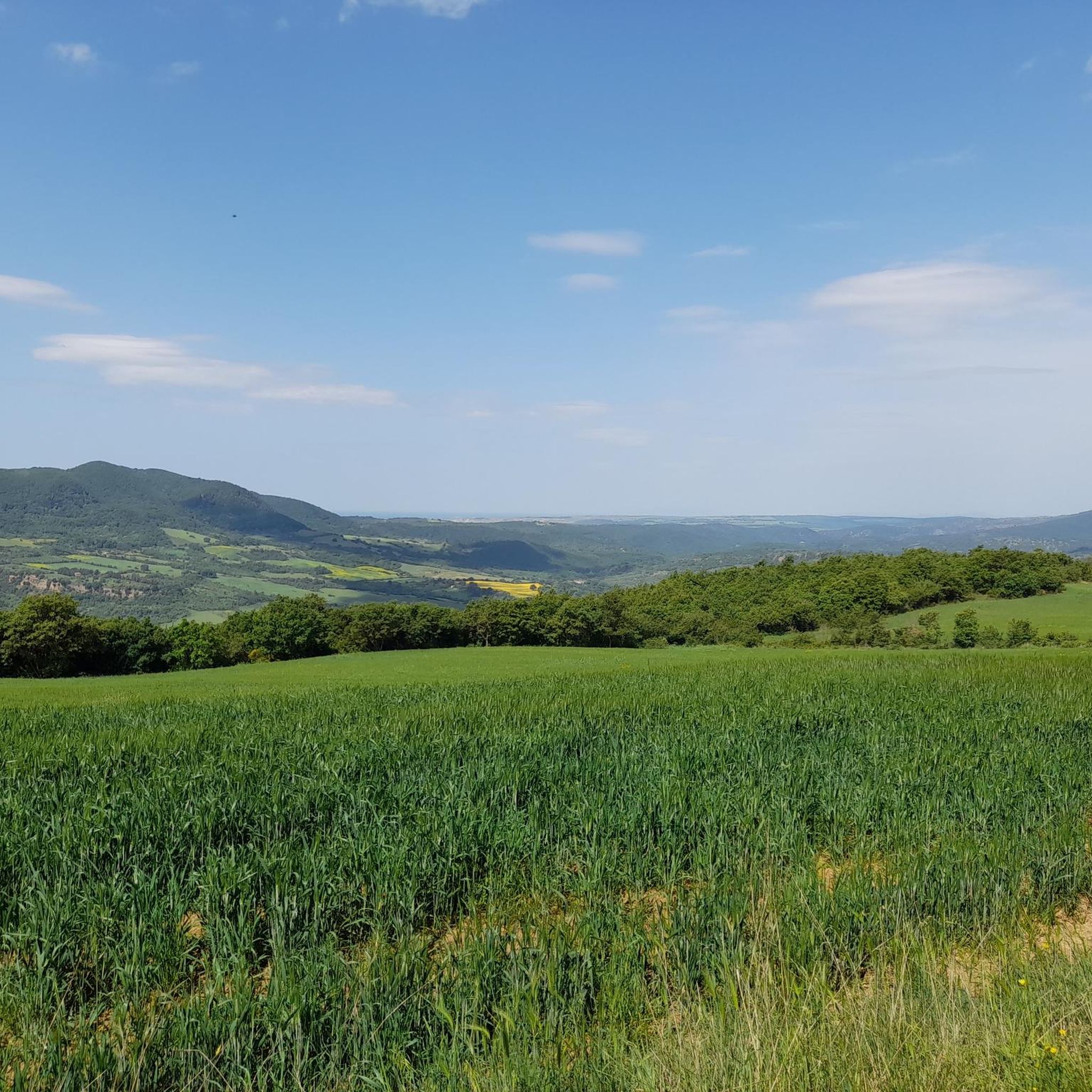
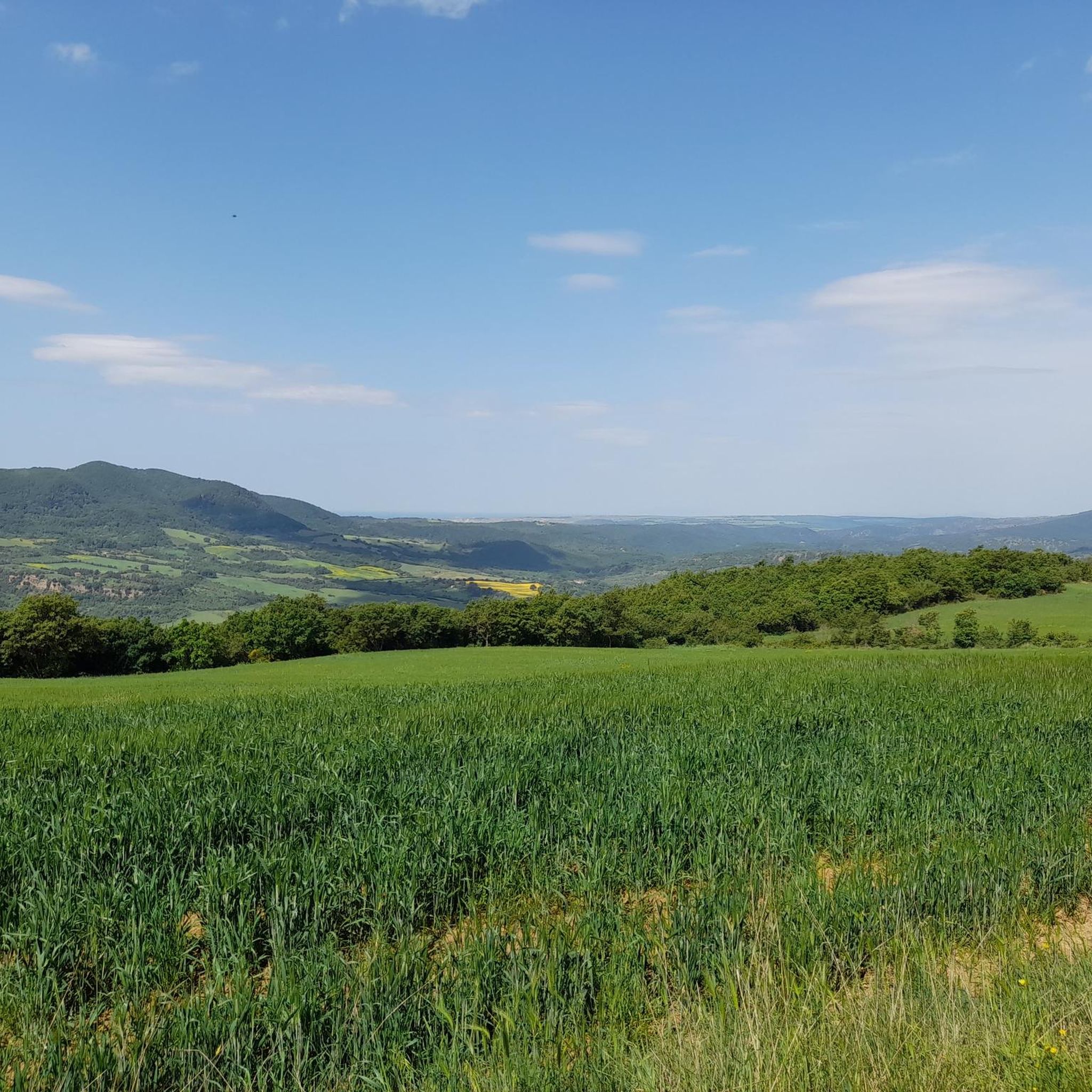
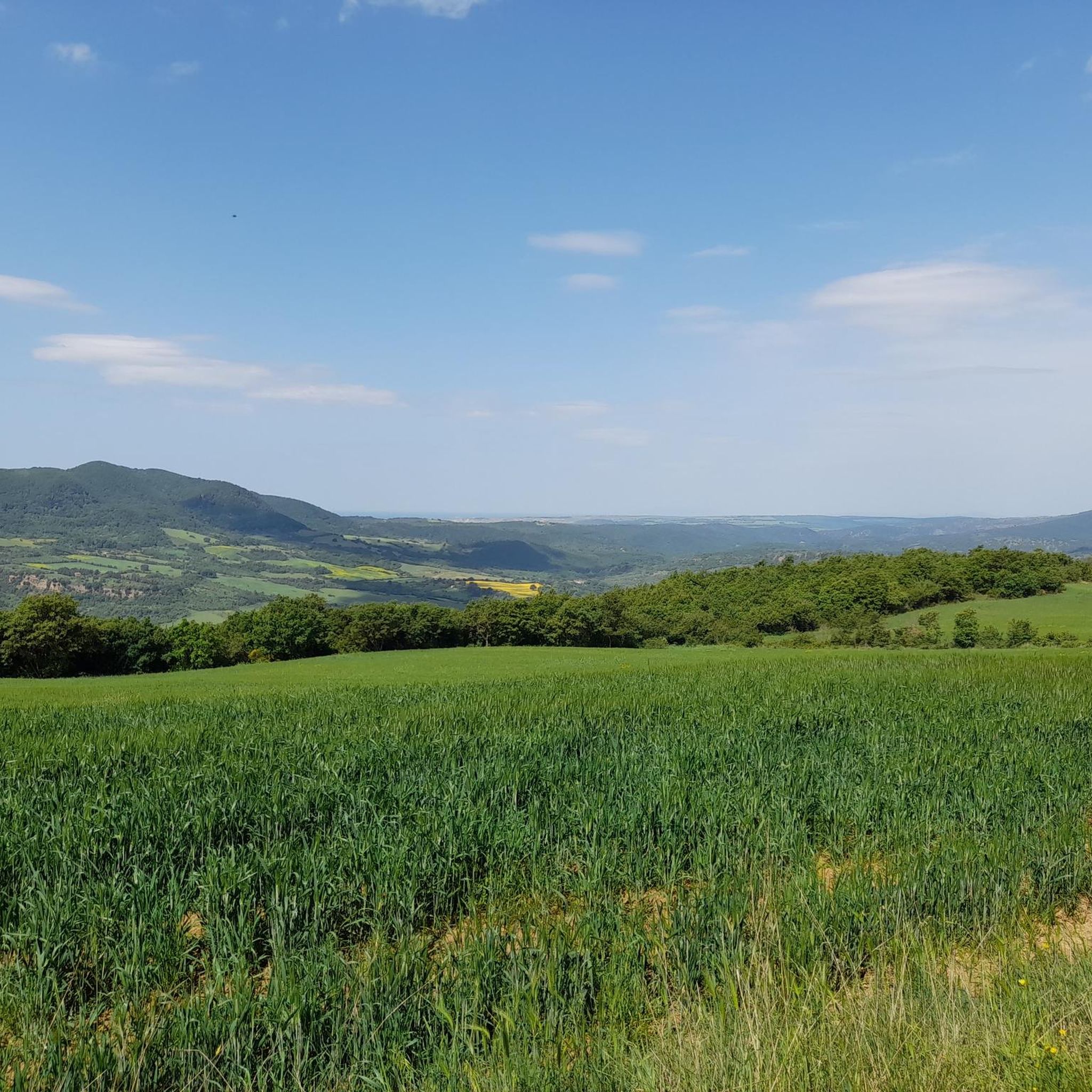
Very nice village nestled in the Tolfa Mountains, all around fabulous landscapes and wild nature
4
0

Necropolis of Etruscan origin dating back to the 7th century BC. In addition to the Etruscan tumulus and dice tombs, there are also the ruins of the later castle of medieval origins, where San Giovenale, the first bishop of Nanni, was buried.
0
0
Small village in Tuscia, very interesting Castello Torlonia, which can be visited by appointment. In the square there is a fountain for stocking up on water.
3
0

Tolfa is definitely a country to visit. Get a good supply of water before taking the road to Manziana
1
0
Frequently Asked Questions
What are the most historically significant castles or fortified sites near Blera?
The region around Blera is rich in history. One of the most significant sites is Castello Torlonia in Civitella Cesi, which has foundations dating back to Etruscan fortifications from the 4th century B.C. and was later transformed into a stately home. Another notable site is the Frangipane Fortress of Tolfa, known for its historical importance and panoramic views. Additionally, the San Giovenale Necropolis features Etruscan origins alongside the ruins of a medieval castle.
Are there any family-friendly castles or historical sites to visit near Blera?
Yes, Civitella Cesi, which includes Castello Torlonia, is considered family-friendly. Its historical significance and the surrounding wild nature offer an engaging experience for all ages. Exploring the village and its ancient origins can be a fascinating outing for families.
What kind of natural features or viewpoints can I expect to see near these castles?
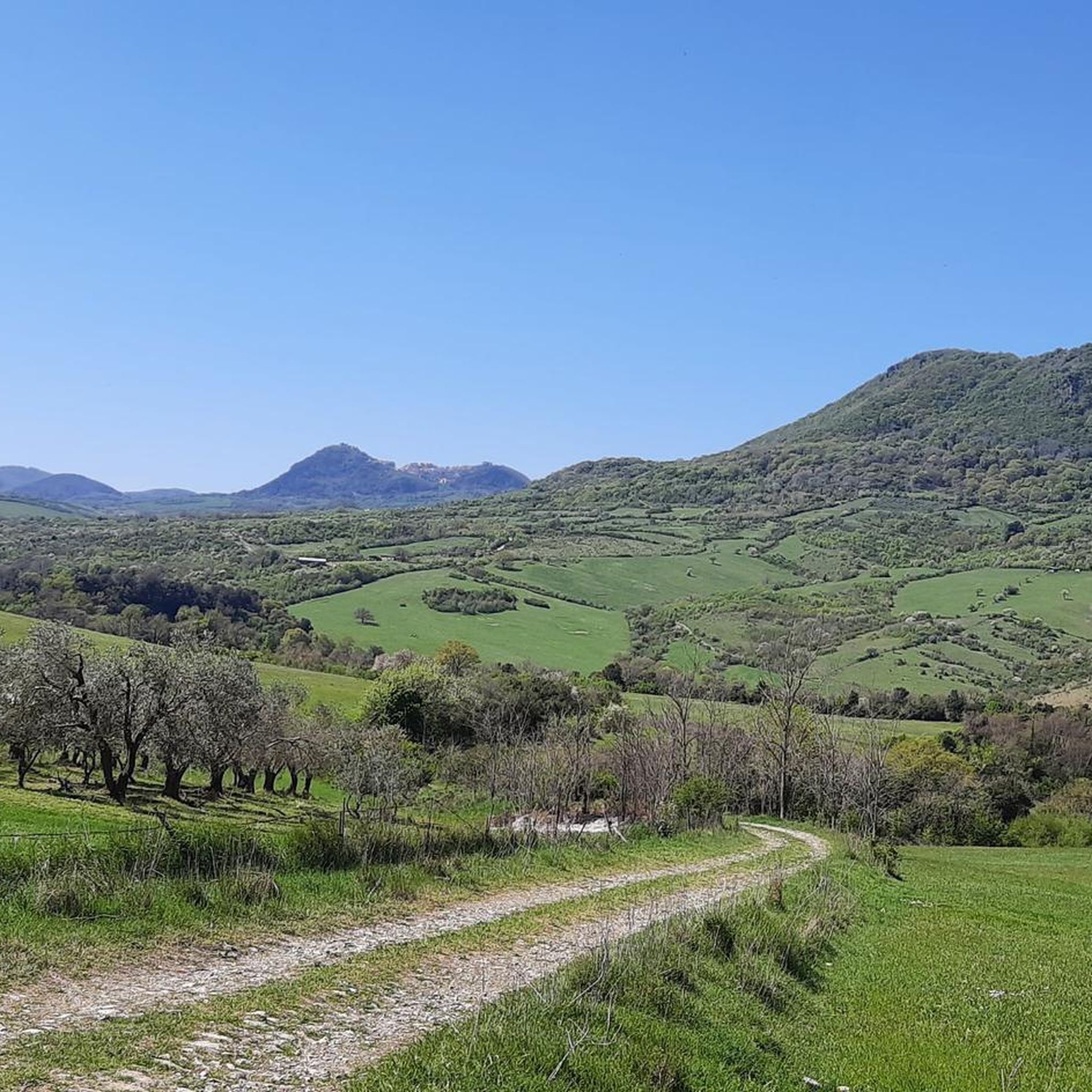
Many castles and historical sites in the Blera region offer stunning natural views. For instance, Civitella Cesi is nestled in the Tolfa Mountains, providing fabulous landscapes and wild nature. The Frangipane Fortress of Tolfa is also a popular viewpoint, offering panoramic vistas that are well worth the effort to reach. The Blera area itself is characterized by its tufa stone cliffs, ancient Roman bridges, and extensive Etruscan necropolises, which are often set in picturesque natural surroundings.
What outdoor activities can I do near the castles around Blera?
The area around Blera offers various outdoor activities. You can find numerous routes for cycling, running, and mountain biking. For example, there are several cycling routes like 'In the Marturanum regional park from Barbarano Romano' and 'Former Blera Railway Station – Via Francigena, Capranica loop'. Running enthusiasts can explore trails such as the 'Red Path' or various loops around Vetralla. Mountain bikers have options like 'Civitella Cesi – Blera loop' and 'Blera – Area Rita Chiodi loop'. You can find more details on these activities in the cycling, running, and MTB guides for Blera.
Are there any castle ruins or less preserved historical sites to explore?
Yes, the region has several sites with castle ruins. The San Giovenale Necropolis not only features Etruscan tombs but also the ruins of a medieval castle. Additionally, you can visit the Ruins of the Church of San Pietro and the Castle of the Di Vico, which was destroyed in the 15th century and offers a glimpse into the area's turbulent past.
What is the best time of year to visit castles and historical sites around Blera?
The best time to visit the castles and historical sites around Blera is generally during the spring (April-June) and autumn (September-October). During these seasons, the weather is typically mild and pleasant, making it ideal for exploring outdoor sites and enjoying the natural landscapes without the intense heat of summer or the chill of winter. This also avoids the peak tourist crowds.
Can I visit Castello Torlonia in Civitella Cesi?
Yes, Castello Torlonia in Civitella Cesi can be visited, though it is typically by appointment. It's advisable to check local information or contact the relevant authorities in advance to arrange a visit and confirm accessibility.
Are there any dog-friendly walks or areas near the castles?
While specific dog-friendly policies for each castle may vary, the natural surroundings and many of the hiking and walking trails in the Blera region are generally suitable for walks with dogs. For example, the wild nature around Civitella Cesi and the numerous trails in the Marturanum Regional Park offer opportunities for dog-friendly outdoor activities. Always ensure dogs are kept on a leash and follow local regulations.
What makes the castles and historical sites around Blera unique compared to other regions?
The uniqueness of the castles and historical sites around Blera lies in their deep connection to the region's layered history, particularly its Etruscan and Roman past. Many sites, like Castello Torlonia, are built upon ancient Etruscan foundations, offering a rare blend of pre-Roman, Roman, and medieval architecture. The integration of these structures with the distinctive tufa stone landscape and extensive Etruscan necropolises provides a profound historical experience that is characteristic of this specific part of Italy.
Are there any cafes or restaurants near the castles for refreshments?
While the immediate vicinity of some castle ruins might be remote, the villages and towns where the castles are located, such as Civitella Cesi and Tolfa, will have local cafes, pubs, and restaurants. Blera itself, being a historic town, offers options for refreshments and meals. It's a good idea to plan your visit to coincide with meal times in these towns.
How long does it typically take to visit a castle or historical site in the Blera region?
The duration of a visit can vary depending on the site. For a site like Civitella Cesi and Castello Torlonia, you might spend 1-2 hours exploring the village and its historical elements. More extensive sites like the San Giovenale Necropolis, which includes castle ruins and Etruscan tombs, could take 2-3 hours or more, especially if you combine it with some walking. For sites like the Frangipane Fortress of Tolfa, the visit might be shorter, focusing on the fortress itself and the panoramic views.
What are the parking facilities like for visiting castles in the Blera area?
Parking facilities vary by location. In smaller villages like Civitella Cesi or Tolfa, you can typically find public parking areas within or near the historical centers. For more remote castle ruins or necropolises, designated parking might be available at trailheads or access points. It's always recommended to check specific location details before your visit, especially during peak seasons.
Most popular attractions around Blera

Get inspired with the komoot mobile app


Explore more
Looking for the best castles somewhere else? Discover other guides around Blera:
