Top 3 Lakes around Civitaquana
Best lakes around Civitaquana, a comune in Italy's Abruzzo region, offers access to diverse lake experiences. While Civitaquana itself is a historic town, the surrounding Abruzzo area features several notable lakes. The region is characterized by varied natural landscapes, from artificial lakes with submerged historical sites to natural reserves rich in wildlife.
Best lakes around Civitaquana
- The most popular lakes is Lake Capodacqua, a lake that is an artificial jewel originating from a spring that feeds the Tirino river.…
Last updated: July 13, 2026
Lake Capodacqua
Highlight • Lake
Translated by Google •
Tip by

Penne Lake
Highlight • Lake
Showing Translation
Tip by

Sign up now to discover places like this
Get recommendations on the best single tracks, peaks, & plenty of other exciting outdoor places.
Sign up for free
Lake Capodacqua
Highlight • Lake
Translated by Google •
Tip by

Lago di Penne Regional Nature Reserve
Highlight • Lake
Translated by Google •
Tip by

Penne Dam
Highlight • Structure
Showing Translation
Tip by
Sign up for free to discover even more lakes around Civitaquana.
Sign up for free
Already have an account?
Start today with a free account
Your next adventure awaits.
Login or Signup
Other adventures around Civitaquana

Tips from the Community

The dam of Lago di Penne (diga di Penne) is an important infrastructural work that formed the basis for the current nature reserve. Some technical data and brief history: The construction of the dam began in 1965 and was completed in the second half of the 1960s. The dam wall has a height of 30 meters. The dam blocks the Tavo river, which originates in the Gran Sasso massif. In addition, the basin collects water from the Gallero stream. The dam is owned and technically maintained by the Consorzio di Bonifica Centro
5
0
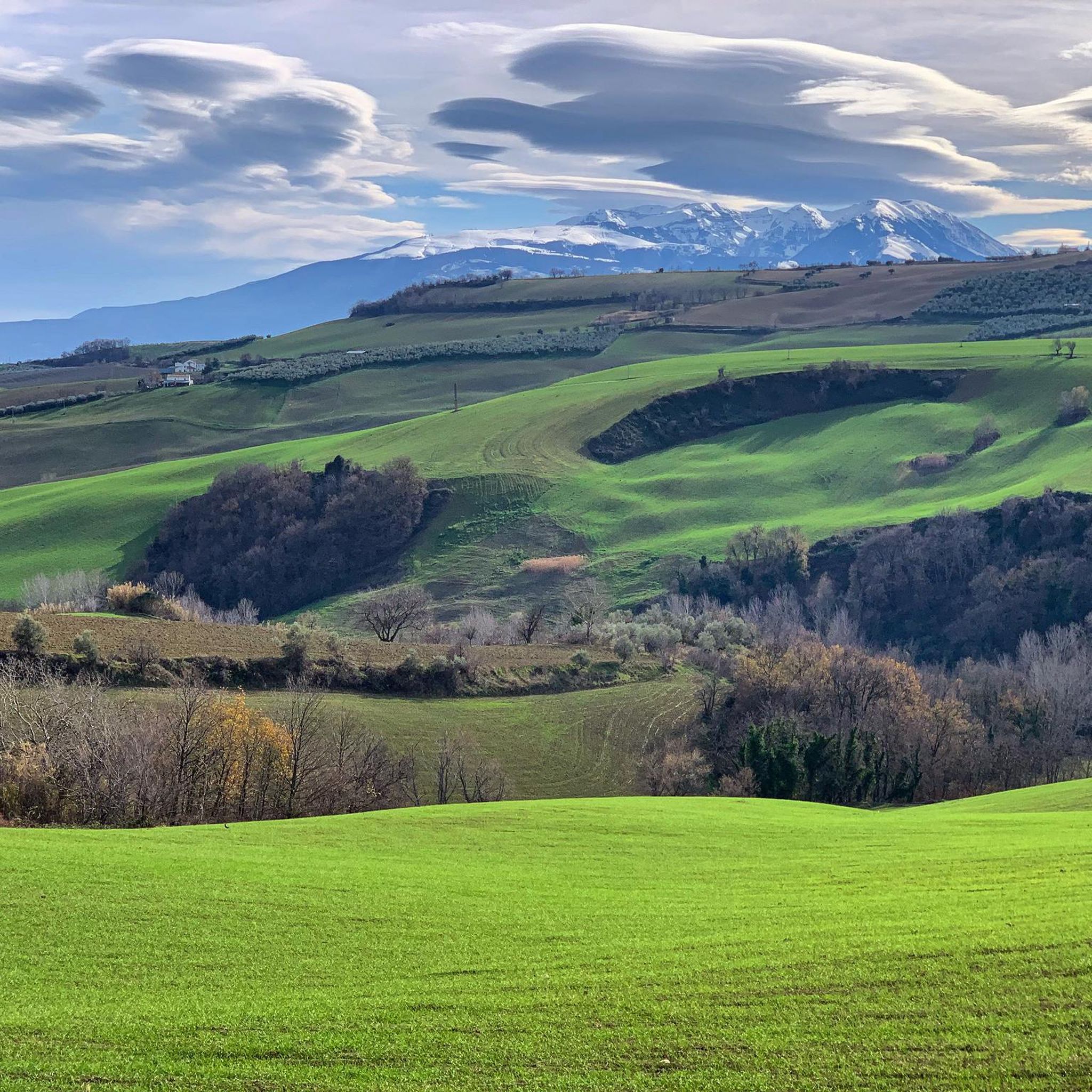
What began in the second half of the sixties as an artificial reservoir through the construction of a dam on the Tavo river has today become a true natural paradise. The lake forms the heart of the region's first WWF oasis and offers a varied landscape of water, deciduous forests, and wetlands.
4
0


The environmental protection provided by the park prohibits snorkeling and even just bathing, the only activity allowed is the diving organized by the Atlantide diving school, the only holder of the authorizations for guided diving and which manages the lake and guarantees a lower impact on the tranquility of the fauna that comes to winter in the lake during migrations.
0
0
The Reserve is an important resting and breeding place for sedentary, migrating and nesting avifauna.
0
0

The picturesque lake of Capodacqua, an artificial jewel of Abruzzo, originates from the spring of the same name, one of the three sources that feed the Tirino river. A landscape gem that testifies to the beauty and majesty of nature in this region.
1
0

The artificial lake from which the Tirino river originates is easily accessible at any time of the year, preferably from spring onwards when it is possible to make excursions on the lake by boat Calipso to admire its backdrop.
0
0

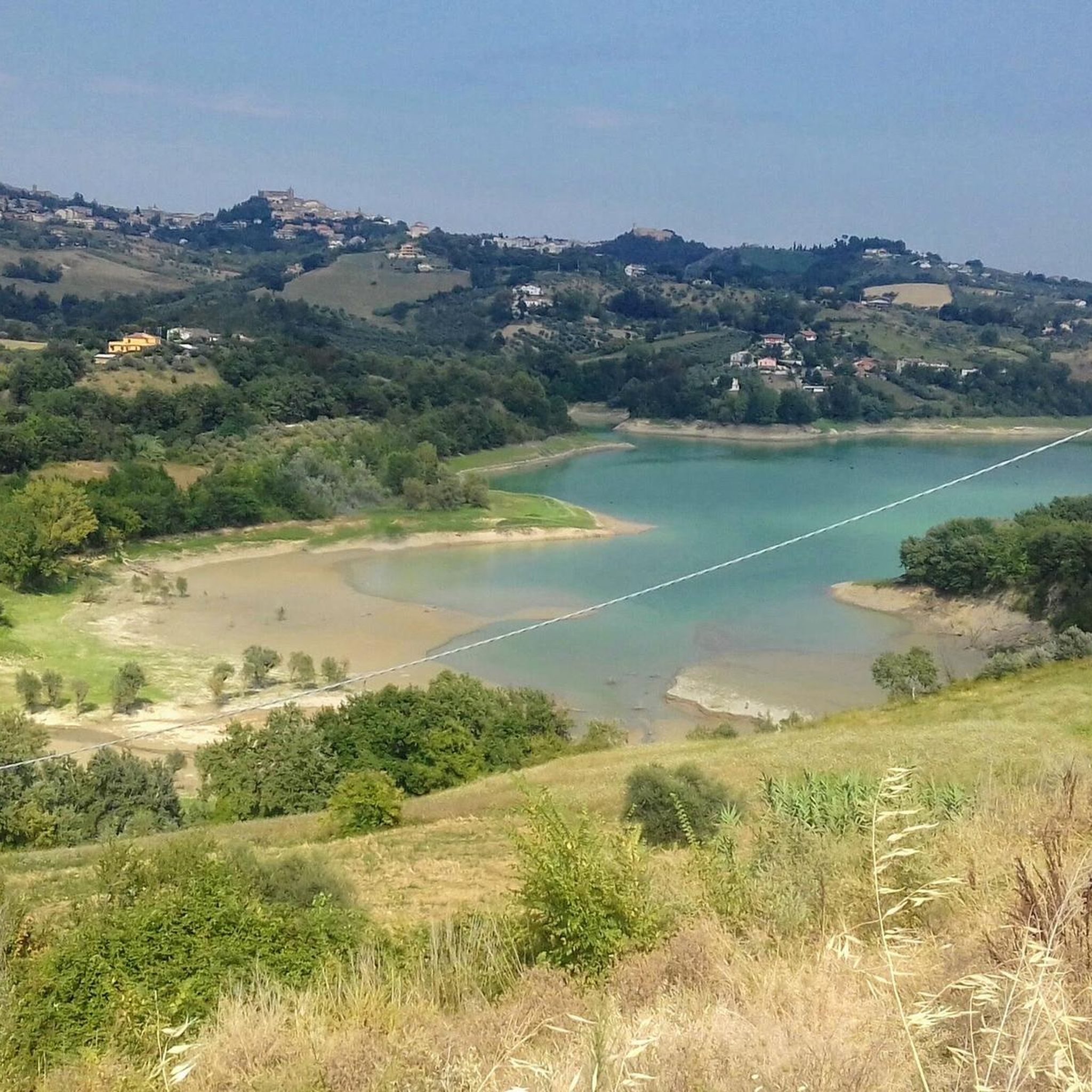
Lake Penne is an artificial lake, which today is part of a regional reserve and a special conservation area, managed by WWF Italy. The lake covers 1300 hectares, and 214 species of birds have been counted.
3
0
Frequently Asked Questions
Which lakes near Civitaquana are most popular for visitors?
Among the most visited lakes in the region, Lake Capodacqua is renowned for its unique underwater village, attracting divers and those interested in its clear waters. Penne Lake is highly popular for its rich wildlife and status as a WWF oasis, drawing nature lovers and birdwatchers. Lake Scanno, known for its distinctive heart shape, also attracts many for its scenic beauty and recreational activities.
Can I go diving in any of the lakes near Civitaquana?
Yes, Lake Capodacqua is a prime destination for diving. It's famous for the remarkably preserved remains of a submerged medieval village, including mills and ancient lanes. Diving is organized by the Atlantis Sports Association, which manages access to protect the site.
Are there opportunities for birdwatching around the lakes?
Absolutely. Penne Lake, a regional reserve managed by WWF Italy, is a haven for birdwatchers, with 214 species recorded, including a significant colony of black-crowned night herons. Lake Campotosto is also an important site, observing up to 5,000 coots and 1,000 pochards annually.
What kind of water sports can I do on these lakes?
Lake Campotosto is excellent for various water sports like kayaking, kitesurfing, and windsurfing. At Lake Scanno, visitors can enjoy swimming, rowing, canoeing, and pedalo rides. For a unique experience, guided canoe tours are available on the dam at Penne Lake.
Are there hiking or cycling trails around the lakes?
Yes, the areas around these lakes offer numerous trails. Lake Campotosto's 40 km lakefront is popular for cycling, jogging, and trekking. Penne Lake features nature trails for walking or biking. For more extensive options, you can explore various hiking routes and cycling routes in the broader Civitaquana region.
Are the lakes around Civitaquana suitable for families?
Many of the lakes are family-friendly. Lake Capodacqua offers electric boats with transparent glass bottoms for viewing underwater ruins, which can be fascinating for children. Penne Lake has a Centre for Environmental Education and picnic areas. Lake Scanno provides opportunities for swimming and pedalo rides, while Lake San Domenico offers easy hikes suitable for families.
Which lake is known for its unique historical features?
Lake Capodacqua, often called the 'Atlantis of Abruzzo,' is famous for its submerged medieval village. Divers can explore ancient mills and paved lanes beneath its surface. Lake San Domenico also features the historic Hermitage of San Domenico and an ancient Roman bridge.
Is there a lake with a distinctive natural shape?
Yes, Lake Scanno is famously known for its distinctive heart shape when viewed from above. This unique natural feature makes it a popular spot for photography and scenic appreciation.
Are there any protected natural reserves among the lakes?
Yes, Penne Lake is part of a regional reserve and a special conservation area managed by WWF Italy, making it a protected haven for wildlife. Lake Campotosto is located within the Gran Sasso e Monti della Laga National Park, ensuring its pristine natural environment is preserved.
What is the best time of year to visit the lakes near Civitaquana?
The lakes are beautiful year-round, but spring and summer (April to September) are ideal for outdoor activities like hiking, cycling, and water sports, with pleasant temperatures. Autumn offers stunning foliage, especially around Lake Scanno and Lake San Domenico. Winter can be serene, particularly for birdwatching at Lake Campotosto, though some activities might be limited by weather.
Is parking available at the lakes?
While specific parking details vary by location, generally, parking facilities are available near the main access points of the larger lakes like Lake Capodacqua, Penne Lake, Lake Scanno, and Lake Campotosto to accommodate visitors.
Can I reach these lakes by public transport from Civitaquana?
Public transport options from Civitaquana to some of the more distant lakes can be limited. It is generally recommended to use a car for flexibility, especially when visiting multiple locations or less accessible spots. For specific routes, it's best to check local bus schedules, as direct connections might not always be available.
Most popular attractions around Civitaquana

Get inspired with the komoot mobile app


Explore more
Still not found your perfect lake around Civitaquana? Check out the guides of these regions to see even more beautiful places.
