Top 10 Castles around Campiglia Marittima
Best castles around Campiglia Marittima reveal a rich history reflected in well-preserved historical structures. This charming medieval village in Tuscany offers a landscape of fortified buildings and ancient ruins. From its elevated positions, the area provides panoramic views of the Tuscan countryside, the Val di Cornia, and the sea. The region's historical significance is evident in its architectural heritage.
Best castles around Campiglia Marittima
- The most popular castles is Populonia — Historic Village and Fortress, a historical site that…
Last updated: July 13, 2026
Historic Center of Campiglia Marittima
Highlight • Settlement
Translated by Google •
Tip by

Populonia historic village and fortress
Highlight • Historical Site
Showing Translation
Tip by

Sign up now to discover places like this
Get recommendations on the best single tracks, peaks, & plenty of other exciting outdoor places.
Sign up for free
Torrione and Rivellino of Piombino
Highlight • Historical Site
Translated by Google •
Tip by

Church of the Most Holy Annunciation (Ruins)
Highlight • Religious Site
Located on a wonderful bike route
Translated by Google •
Tip by

San Silvestro Fortress
Highlight • Castle
Translated by Google •
Tip by

Sign up for free to discover even more castles around Campiglia Marittima.
Sign up for free
Already have an account?
Start today with a free account
Your next adventure awaits.
Login or Signup
Popular around Campiglia Marittima

Other adventures around Campiglia Marittima

Tips from the Community

Sassetta (LI), the Church and Fountain of the Annunciation is an ancient religious building located in a wooded valley along the provincial road connecting Sassetta to Suvereto, in the Prata area. The main church of the village is that of Sant’Andrea Apostolo (famous for the rock crystal crucifix). The Church of the Annunciation is a small Romanesque church in a precarious state of preservation, immersed in vegetation. Next to the church, there is still an active water fountain, protected by a small, also degraded, masonry structure.
0
0
The historic center of Campiglia Marittima is a well-preserved medieval Tuscan village on the Etruscan Coast, perched on a hill with panoramic views. Characterized by cobbled alleys, arches, and ancient walls, it houses the Rocca di Campiglia, the Palazzo Pretorio, the Pieve di San Giovanni, and offers picturesque views, artisan shops, and typical taverns.
0
0

beautiful Tuscan village, easily reachable with a not too challenging climb
1
0

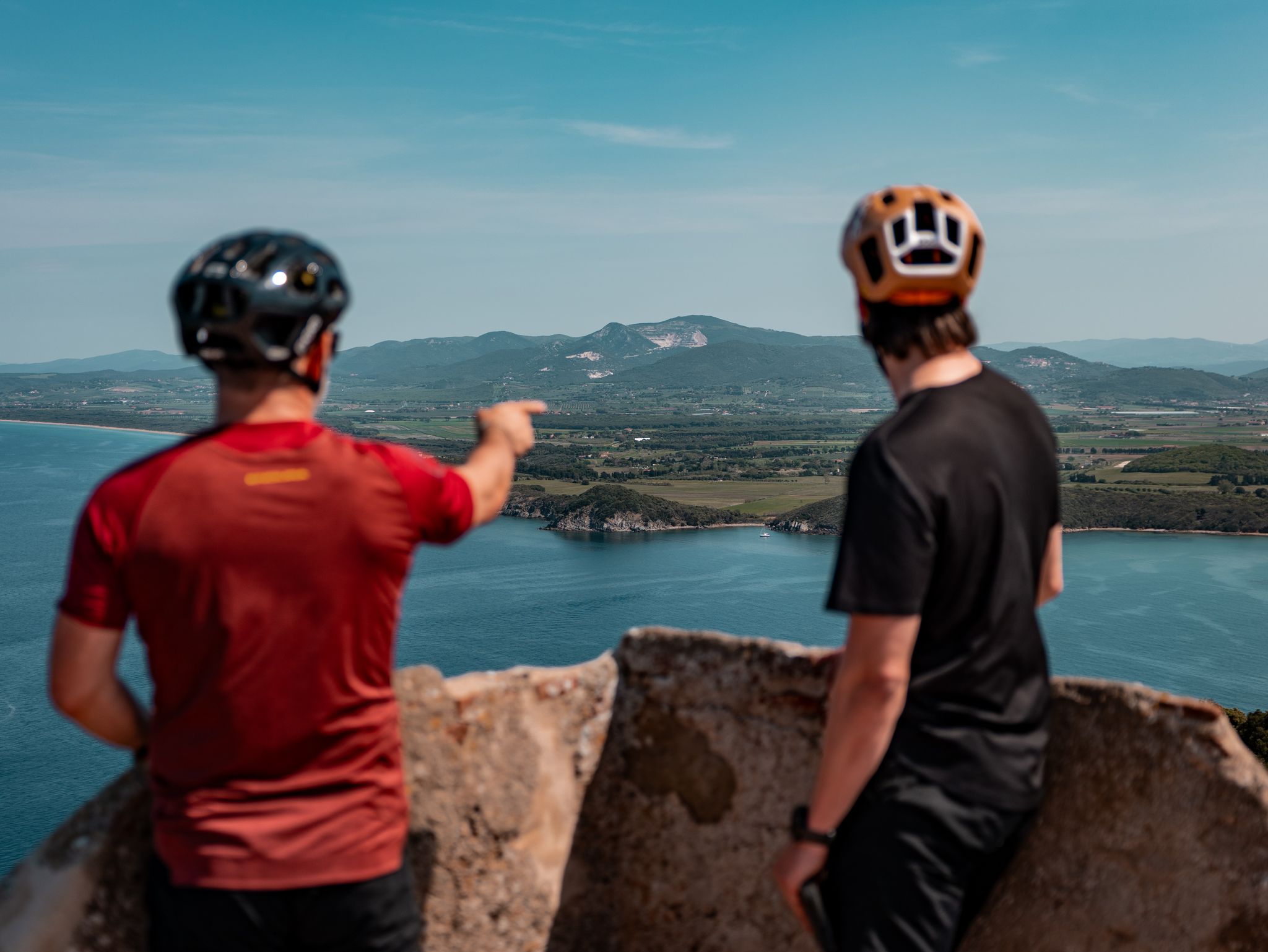
Populonia is situated high above the sea, from up here you have a wonderful view. It is a very old Etruscan town. You can still sense its important past when you look at the magnificent buildings.
2
1

The tower is the ancient gate of the city, it was built in 1212 at the behest of Rinaldo Orsini, lord of Piombino. In 1447 it was modified, with the insertion of another structure, the Rivellino, which was added to improve the artillery defense. Currently only the 15th century part and the arch, built in the mid-19th century, are open to the public.
1
0
The high tower is the oldest part of the complex and dates back to 1212, when Piombino was a free commune, the only surviving evidence of that period. It is where the city's land gate opened, which was rebuilt in the 15th century. The tower, also called the Tower of Sant'Antonio or Porta Inferi, was probably equipped with one or more bells in the highest part, under the arch, to be used on special occasions or in times of danger. At the beginning of the 15th century, the forecourt and a front door were added, on which there is still a plaque dated 1417. The ravelin was placed around the tower to protect it from artillery, but the date of construction is uncertain. Although the plaque that attributes its construction to Rinaldo Orsini indicates the year 1447, numerous construction elements, including the access door in lateral position, the proportions of the shoe and the muzzles, lead us to a dating between 1470 and 1504. The same tufa quarry material from the quarries of Populonia was used, which had also been used to build the Etruscan works in the area. The Rivellino has a semicircular shape and dates back to the reign of Rinaldo Orsini, husband of Caterina Appiani, when the siege of Alfonso V of Aragon was successfully thwarted. It must once have been surrounded by a moat and equipped with a drawbridge.
0
0

In the 12th-13th centuries The Torrione was built in the 18th century and later equipped with arches again in 1848. In 1447 the Rivellino was built as a semicircular fortress to make Piombino even safer from attackers. With a moat and a drawbridge as the only possible access, the wall was intended to secure the eastern part of the fortress.
0
0

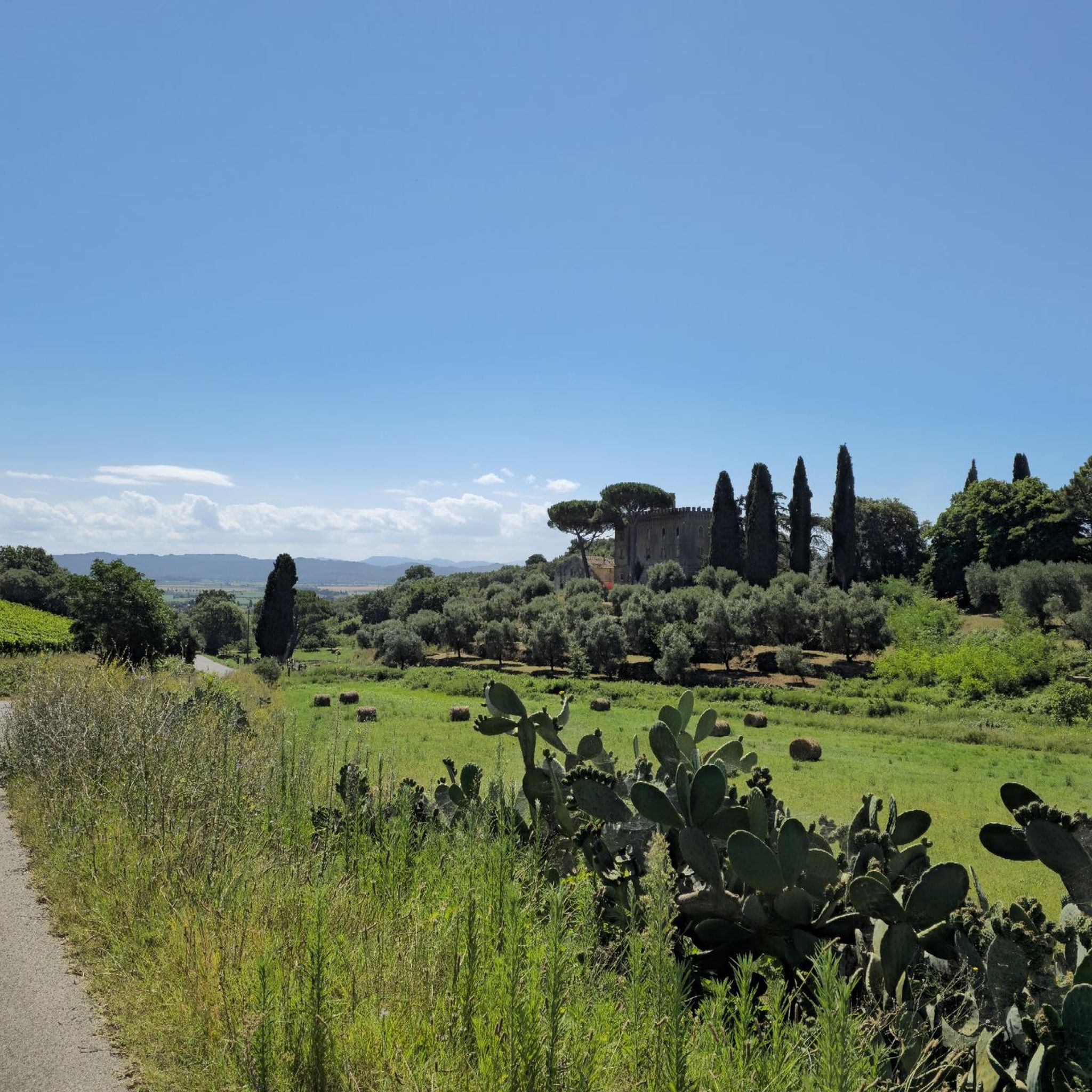
The village of Campiglia Marittima is certainly worth a visit to appreciate and enjoy the essence of Tuscan villages from the Renaissance to today
2
0
Frequently Asked Questions
What are the most historically significant castles and fortified sites to visit in Campiglia Marittima?
The region around Campiglia Marittima is rich in history. Key sites include the Rocca di Campiglia, a monumental complex with origins in the 11th century, functioning as an open-air museum. Another significant site is the Palazzo Pretorio, a 13th-century building that served as the residence of the Capitano di Giustizia and now houses several museums. Additionally, the San Silvestro Fortress offers a unique glimpse into a medieval mining village.
Are there any family-friendly castles or historical sites in the Campiglia Marittima area?
Yes, several sites are suitable for families. The Populonia — Historic Village and Fortress is a great option, offering historical exploration and stunning views. The San Silvestro Fortress, part of the San Silvestro Archaeological Mining Park, is also considered family-friendly, especially with its tours that can include a train ride through mountain tunnels, making history engaging for children.
What kind of views can I expect from the castles in Campiglia Marittima?
From its elevated position, the Rocca di Campiglia offers breathtaking panoramic views of the Tuscan countryside, the Val di Cornia, the sea, and the islands of the Tuscan Archipelago. Similarly, Populonia — Historic Village and Fortress is situated high above the sea, providing wonderful vistas of the Gulf of Baratti.
What outdoor activities can I do near these castles?
The area around Campiglia Marittima offers various outdoor activities. You can find numerous running trails, road cycling routes, and mountain biking trails. For example, there are running loops like the 'Shaded Forest Trail' and road cycling routes such as the 'Val di Cornia and the 99 Bends Loop'. You can explore more options on the Running Trails around Campiglia Marittima, Road Cycling Routes around Campiglia Marittima, and MTB Trails around Campiglia Marittima guide pages.
What is unique about the San Silvestro Fortress?
The San Silvestro Fortress is an evocative example of a small, fully fortified medieval village, now largely in ruins, located within the San Silvestro Archaeological Mining Park. It provides a unique glimpse into the region's ancient mining history and the social life of a medieval village built to protect these resources. An interesting detail is the 'Merels board' engraving found on the steps, suggesting medieval games played by soldiers.
What can I find inside the Palazzo Pretorio in Campiglia Marittima?
The Palazzo Pretorio, a 13th-century building, now houses the Historical Archives of the Municipality, a Children's Library, the Carlo Guarnieri Museum (an art gallery), and the Mineral Museum, which displays local and international mineral specimens, including a piece of an asteroid. It also serves as an information and promotion center for the Etruscan Coast Wine Road.
Are there any castles or fortresses that are less commonly known but worth visiting?
While not a 'hidden gem' in the sense of being unknown, the Aldobrandesca Fortress of Suvereto offers significant historical and architectural interest. It was commissioned by the Aldobrandeschi family and features a quadrangular tower and walls made of worked stone, providing insight into the region's medieval administrative history.
What is the best time of year to visit the castles and historical sites in Campiglia Marittima?
The Tuscan region generally enjoys pleasant weather in spring (April-May) and early autumn (September-October), making these ideal times for exploring historical sites and engaging in outdoor activities like hiking. The temperatures are milder, and the landscapes are beautiful, avoiding the peak heat of summer.
What kind of historical artifacts can be seen at the Rocca di Campiglia?
The Museum of the Rocca, inaugurated in 2008 following archaeological excavations, houses artifacts unearthed during these digs. Visitors can see a nearly intact cuirass, a helmet, and a small collection of weapons, providing insights into the fortress's history and medieval village life.
What are some notable features of the Torrione and Rivellino of Piombino?
The Torrione and Rivellino of Piombino are picturesque remains of a medieval fortress that significantly contribute to the character of Piombino's old town. They offer a glimpse into the defensive architecture of the past and are appreciated by visitors for their historical charm.
Are there any religious historical sites near the castles in Campiglia Marittima?
Yes, the Church of the Most Holy Annunciation (Ruins) is a historical religious building located on a wonderful bike route. While in ruins, it offers a glimpse into the area's past ecclesiastical structures.
What do visitors appreciate most about the castles and historical sites in this region?
Visitors frequently appreciate the rich history, the well-preserved structures, and the stunning panoramic views offered from many of the elevated sites. The combination of historical exploration with beautiful Tuscan landscapes and the opportunity for outdoor activities makes the region particularly appealing.
Most popular routes around Campiglia Marittima
Most popular attractions around Campiglia Marittima

Get inspired with the komoot mobile app


Explore more
Looking for the best castles somewhere else? Discover other guides around Campiglia Marittima:
