Top 5 Castles around Pietrabruna
Castles near Pietrabruna offer insights into the region's historical fortified villages and defensive past. Pietrabruna, located in Liguria, features remnants of ancient structures that highlight its strategic importance. The area's landscape includes hills and valleys, providing a setting for historical sites. Exploring these locations reveals the architectural evolution and military history of the Ligurian hinterland.
Best castles around Pietrabruna
- The most popular castles is Bestagno Castle, a castle built on masonry structures from various periods between the 12th and…
Last updated: June 29, 2026
Bestagno Castle
Highlight • Castle
Translated by Google •
Tip by

Prelà Castle Ruins
Highlight • Castle
Translated by Google •
Tip by
Sign up now to discover places like this
Get recommendations on the best single tracks, peaks, & plenty of other exciting outdoor places.
Sign up for free
Ancient Cobblestone Path and Ruins of Vasia Castle
Highlight • Castle
Translated by Google •
Tip by
Doria Castle of Prelà
Highlight • Castle
Translated by Google •
Tip by
Descent from Prelà Castle
Highlight (Segment) • Trail
Translated by Google •
Tip by
Start today with a free account
Your next adventure awaits.
Login or Signup

Tips from the Community

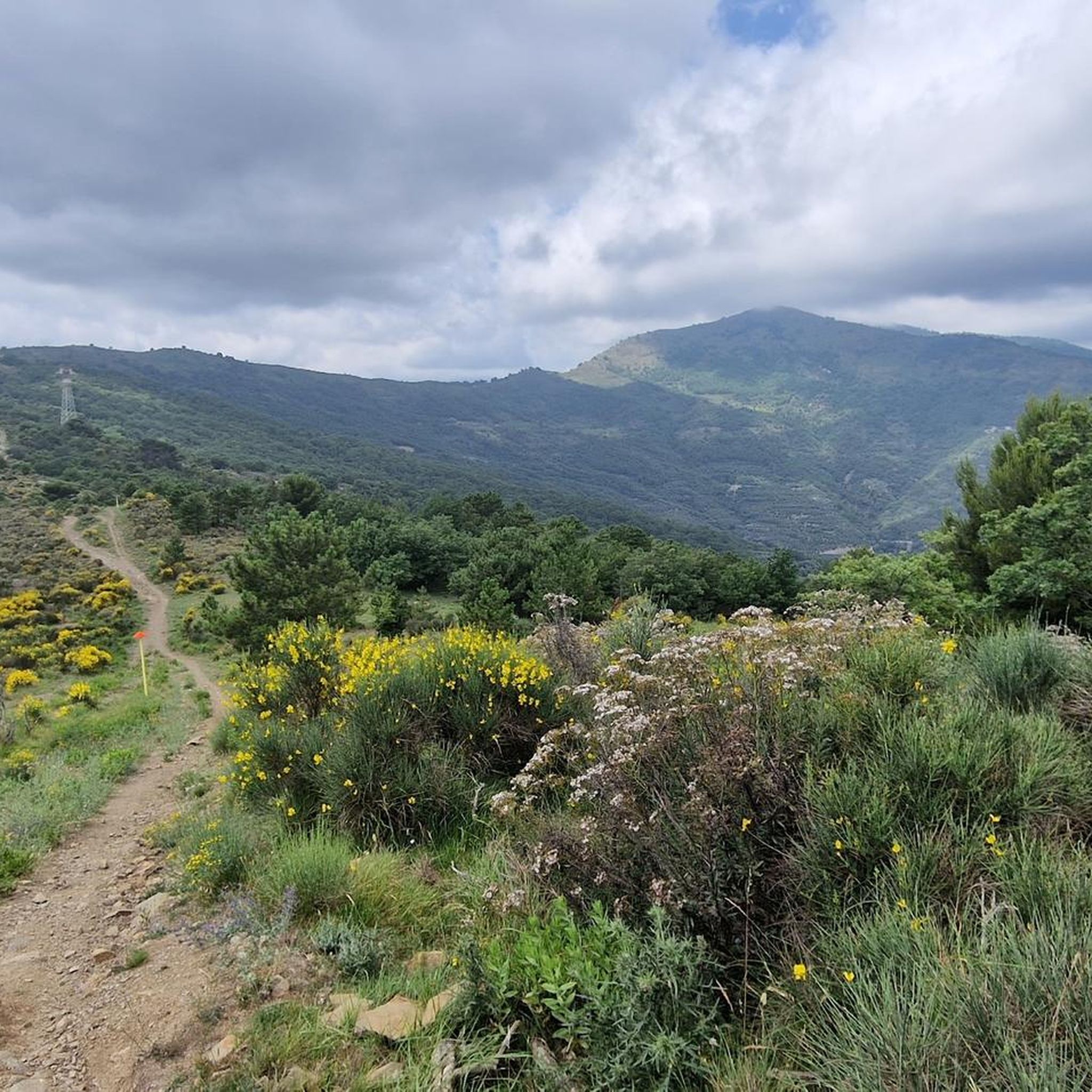
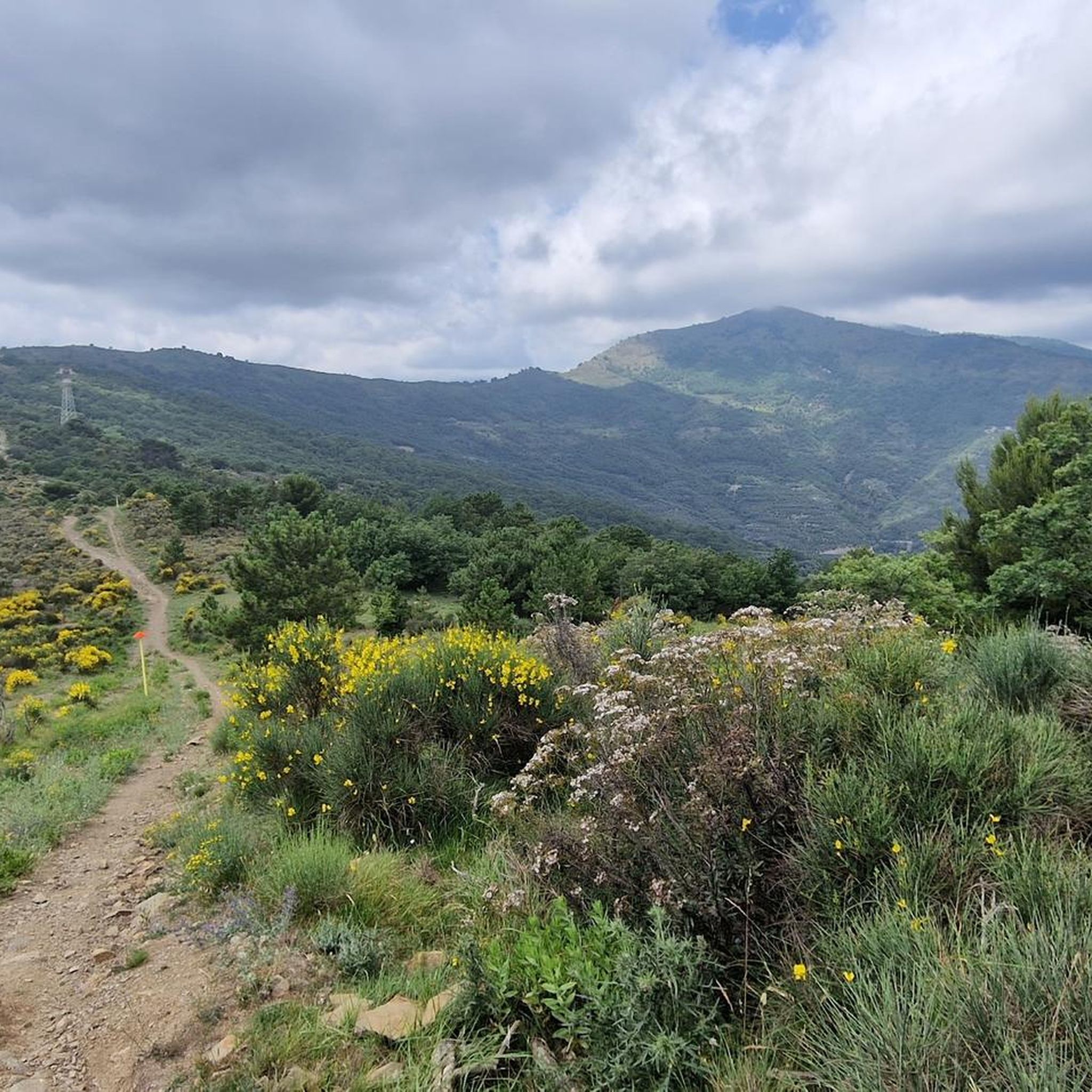
MTB descent from Prelà Castello to Molini di Prelà, all on a well-maintained mule track but with frequent curves. Excellent for MTB, very fun, never too steep. Some difficult passages.
0
0
ancient castle of the Doria, placed to guard the road of fortification towards the Via del Sale that passed from Prelà Castello. Destroyed by the Spanish and never rebuilt. It was paired with the Maro castle of which only a few stones remain. It was recently purchased by a foreigner who began the restoration with the intent of rebuilding it as it was. The works, however, have been stopped for a few years. Currently the castle has at least been cleaned and made safe.
0
0
The castle is built on masonry structures from various periods between the 12th and 14th centuries, which bear the signs of destruction by the Spanish in 1611. An ancient stronghold and the scene of fierce battles, it constitutes, at least in its original layout, an excellent example of medieval military architecture from the 12th century. The construction of the castle probably dates back to the first half of the 10th century.
0
0
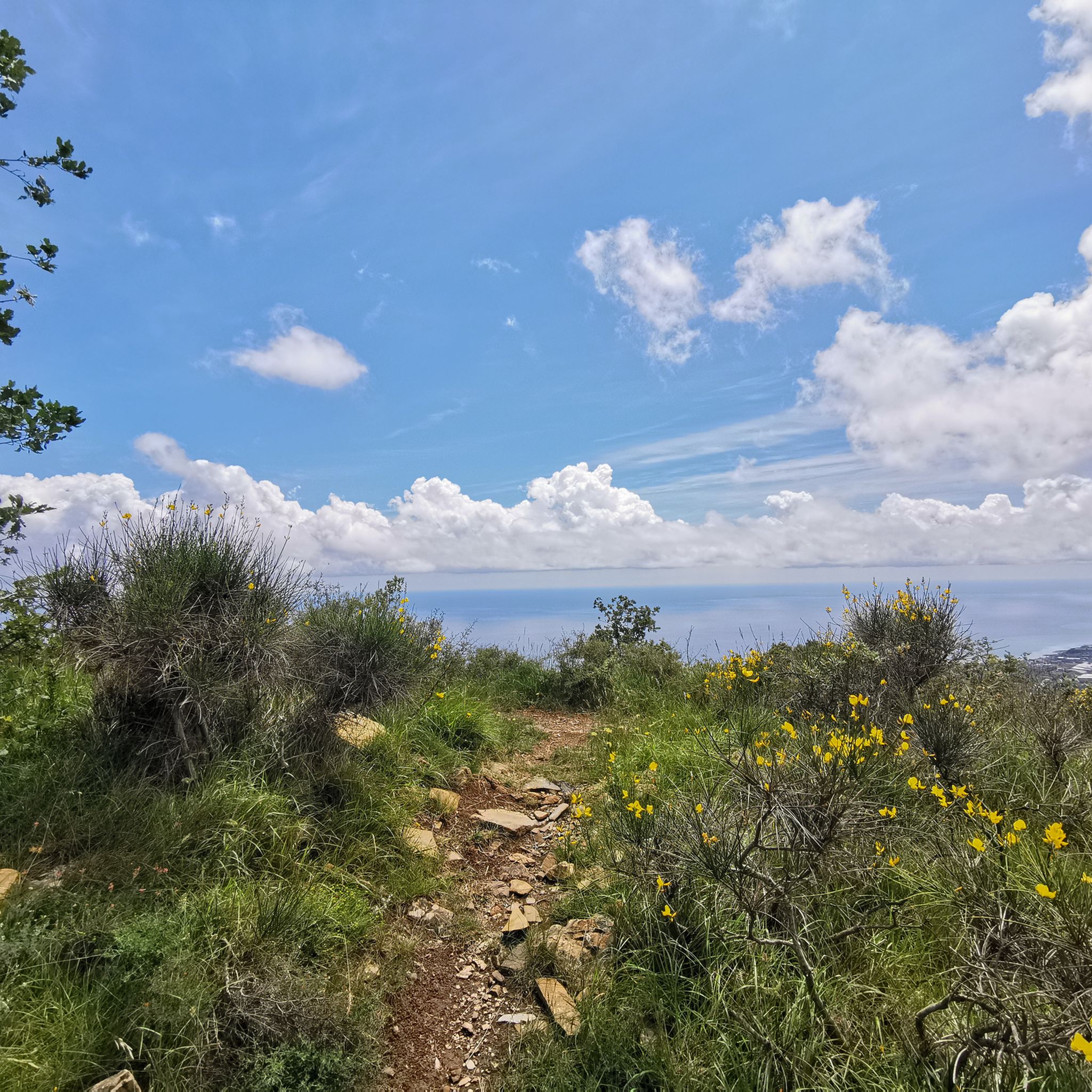
This trait Brevisismo has recently been redone as it once was, that is, with stones positioned cut and stuck together, without concrete. The result is one of the few occasions to see how the mule tracks used to be, when they were still well maintained, without weeds and years of neglect. In addition, from here you can take excellent photos of the town, the castle and towards Vasia PS: you can go down on foot, gravel or MTB
0
0
The village of Prela is now reduced to a few houses, a row of buildings almost entirely restored by foreign owners who understood the value of the country years ago. The houses are compressed between the ruins of the ancient castle and the church of SS. Giacomo and Nicolò, which closes the village downstream. This place took its name from the "petralata" that is the large stone on which the feudal lords had built the fortress several times destroyed and rebuilt. The castle, placed to guard the via Marenca, which connects with the via del Sale, was demolished after the last Genoese reconquest. Antonio Doria in 1340 destroyed the castle of Prela Soprana from the very foundations; the castle itself was later rebuilt further down on the rocky spur, where the remains of the four semicircular towers can still be seen today. The massive construction with huge irregular stone blocks, a wall and a contiguous tower, have some slits in the upper part and traces of internal stairs for the disengagement of the various floors and environments. The external tower was connected to the castle; according to popular tradition, the various "colombere" or watchtowers located in the surroundings were also connected by means of tunnels. Since the early 2000s it has been owned by a German private individual who is taking care of its restoration. The church at the end of the village, recently restored, stands on a mass of overlapping rocks segregated from each other so as to leave interstices and underground caves, which, pushing under the floor of the church, form a kind of impracticable and deep underground, within where until 1845 the dead were laid, through a hole in the center of the floor of the main nave. Inside there are decorations, stuccoes and a complete organ from around 1700. The church is the matrix of all the others in the valley (i.e. the one that first generated all the other churches, making new copies of the original sacred scriptures)
0
0
Frequently Asked Questions
What kind of historical fortifications can I expect to see around Pietrabruna?
Pietrabruna and its surroundings feature remnants of ancient defensive structures, including the ruins of a 15th-century watchtower upstream of the town. You'll find evidence of medieval military architecture, such as Bestagno Castle, and hints of even older, pre-Roman walls that influenced the town's name, 'Pietrabruna' (brown stone).
Are there any specific castle ruins worth visiting near Pietrabruna?
Yes, several notable ruins offer historical insights. You can explore Bestagno Castle, which dates back to the 12th-14th centuries and shows signs of destruction from 1611. Another significant site is the Ancient Cobblestone Path and Ruins of Vasia Castle, offering views of the town and its historical fortifications. The Doria Castle of Prelà, though destroyed, has been cleaned and made safe for visitors.
What is the history behind Bestagno Castle?
Bestagno Castle is built on masonry structures from various periods between the 12th and 14th centuries. It's an ancient stronghold that was the scene of fierce battles and bears the signs of destruction by the Spanish in 1611. Its original layout is considered an excellent example of 12th-century medieval military architecture.
Can I visit the Doria Castle of Prelà?
The Doria Castle of Prelà was strategically placed to guard the road towards the Via del Sale. Although it was destroyed by the Spanish and never rebuilt, the site has been cleaned and made safe for visitors to explore its ruins and understand its historical significance.
What is unique about the Ancient Cobblestone Path and Ruins of Vasia Castle?
The Ancient Cobblestone Path and Ruins of Vasia Castle features a recently restored cobblestone path, showcasing how traditional mule tracks were constructed with carefully positioned stones. This path offers excellent views of the town of Vasia and its castle ruins, providing a unique historical perspective.
Beyond castles, are there other historical sites in Pietrabruna?
Yes, in Pietrabruna itself, the 14th-century Palazzo Pagliari is a significant historical building. It showcases various architectural styles from different periods and now houses the Civic Museum, offering a deeper dive into the town's cultural heritage.
Are there outdoor activities or routes near the castles around Pietrabruna?
Absolutely. The region around Pietrabruna offers various outdoor activities. You can find numerous routes for gravel biking, cycling, and road cycling. For example, there are several gravel biking routes like the 'San Lorenzo Tunnel loop' or cycling tours such as 'In the hinterland of Imperia'. You can explore these options further in the Gravel biking around Pietrabruna or Cycling around Pietrabruna guides.
Are there hiking opportunities around the castles?
While specific hiking trails directly to every castle ruin aren't detailed, the historical sites are often situated in areas conducive to walking and exploring. The Ancient Cobblestone Path and Ruins of Vasia Castle is an example of a restored historical trail. The general landscape of hills and valleys around Pietrabruna provides a scenic backdrop for walks, and you can find many hiking routes in the broader region.
What kind of terrain can I expect when exploring the castle areas?
The terrain around Pietrabruna's historical sites typically involves hilly landscapes and valleys. Paths leading to ruins like the Ancient Cobblestone Path and Ruins of Vasia Castle can be traditional mule tracks, sometimes recently restored. Expect varied surfaces, from natural earth to stone paths, reflecting the region's historical infrastructure.
Is it possible to visit the castles with a dog?
Many outdoor historical sites and ruins in the Pietrabruna area, especially those accessible via trails, are generally dog-friendly. However, it's always advisable to keep dogs on a leash and be mindful of any specific local regulations or signage at each individual site to ensure a pleasant visit for everyone.
What is the best time of year to visit the castles around Pietrabruna?
The Liguria region, where Pietrabruna is located, generally enjoys a mild climate. Spring (April-June) and Autumn (September-October) are often considered the best times to visit. During these seasons, the weather is pleasant for exploring outdoor ruins and trails, avoiding the peak heat of summer and the cooler, potentially wetter days of winter.
Are there cafes or restaurants near the castle sites?
While the castle ruins themselves might be in more secluded, historical locations, the nearby villages and towns like Pietrabruna, Vasia, or Prelà will offer local cafes and restaurants where you can find refreshments and traditional Ligurian cuisine. It's a good idea to check local listings for specific establishments in the villages closest to the ruins you plan to visit.
Most popular routes around Pietrabruna
Most popular attractions around Pietrabruna

Get inspired with the komoot mobile app


Explore more
Looking for the best castles somewhere else? Discover other guides around Pietrabruna:
