Top 5 Castles around Minucciano
Best castles around Minucciano are found in a picturesque commune in Tuscany, notable for its well-preserved medieval fortified village. Perched on a high rock, Minucciano controlled ancient routes connecting Garfagnana with Lunigiana, making it a strategic location. The area offers a tangible connection to medieval history, showcasing the architectural and strategic importance of fortified settlements. Visitors can explore the old town center, with its preserved medieval plan and ancient structures.
Best castles around Minucciano
- The most popular castles is Rocca…
Last updated: July 13, 2026
Rocca di Camporgiano
Highlight • Castle
Translated by Google •
Tip by

Verrucola Fortress
Highlight • Castle
Translated by Google •
Tip by

Sign up now to discover places like this
Get recommendations on the best single tracks, peaks, & plenty of other exciting outdoor places.
Sign up for free
Verrucole Fortress
Highlight • Castle
Translated by Google •
Tip by

View of Monzone and its castle
Highlight • Viewpoint
Translated by Google •
Tip by

Castello dell'Aquila di Gragnola
Highlight • Castle
Translated by Google •
Tip by

Start today with a free account
Your next adventure awaits.
Login or Signup
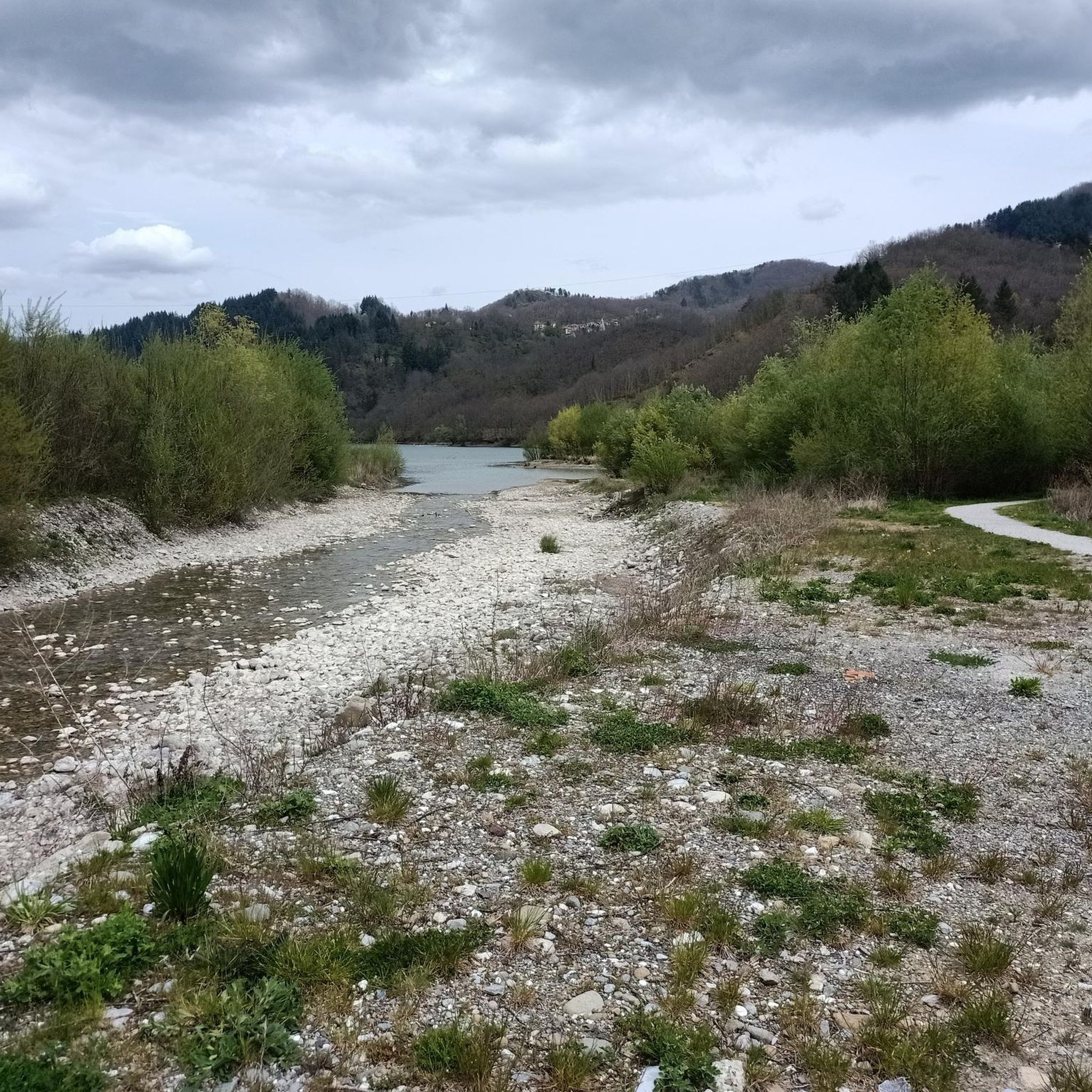
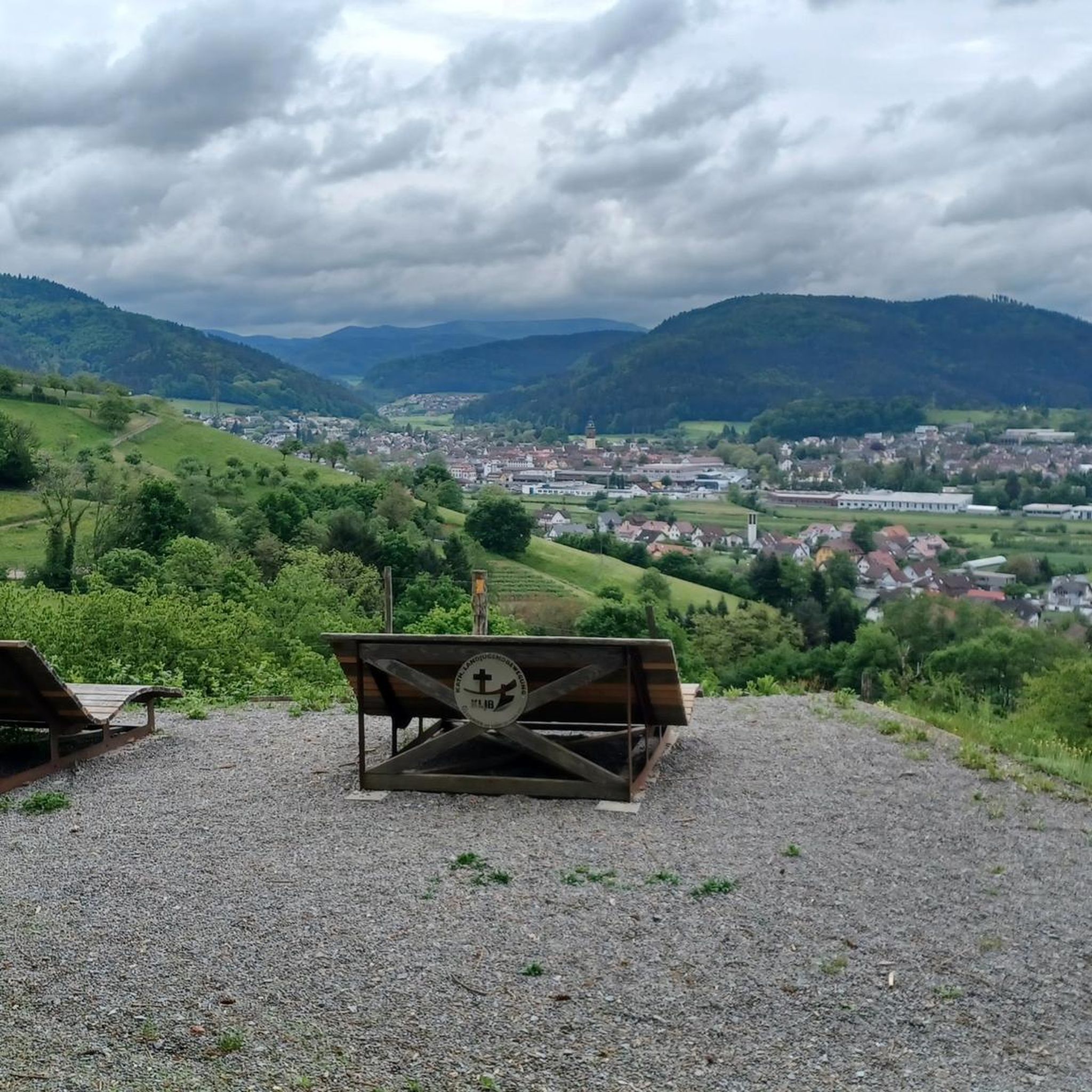
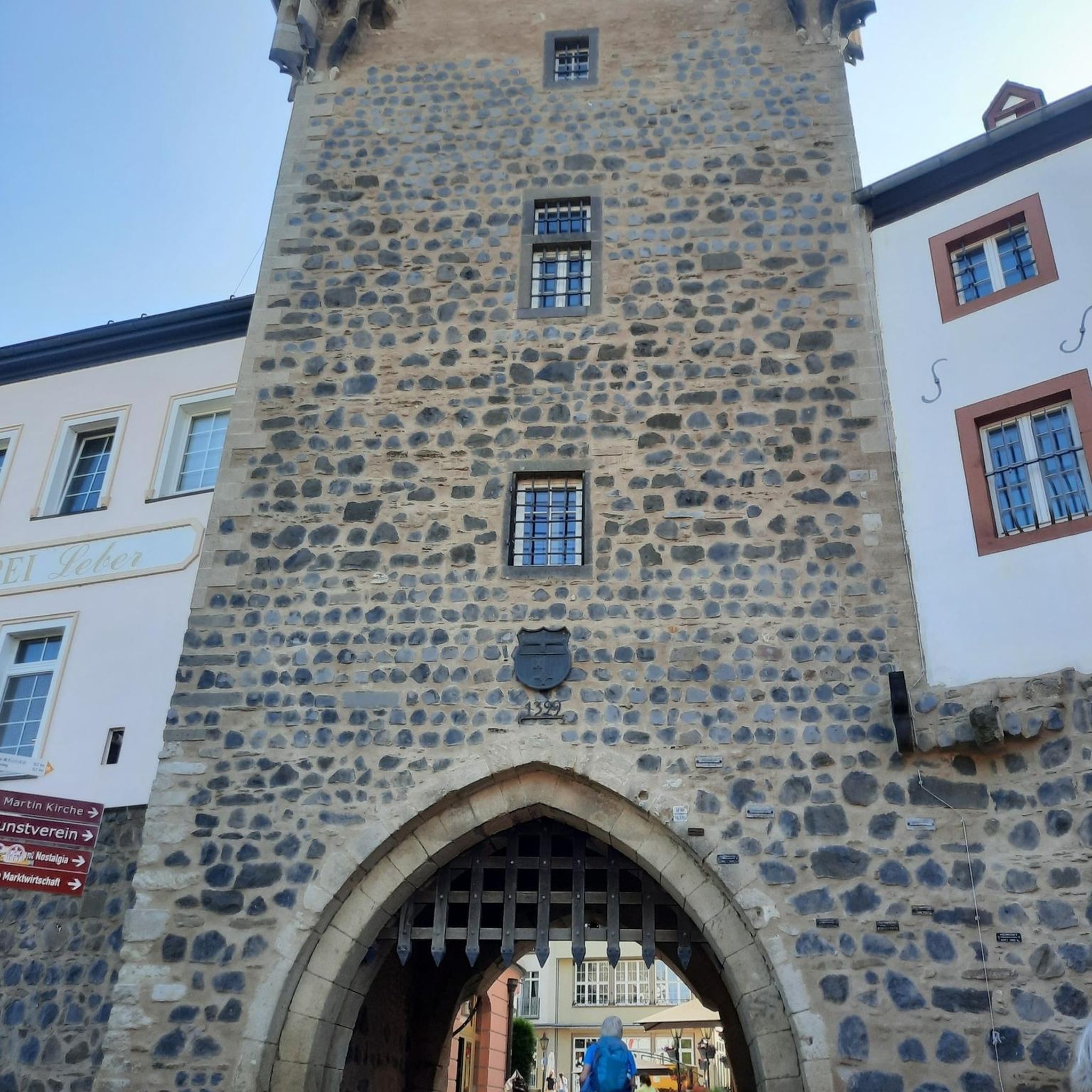
Tips from the Community

In the center of the village, the Malaspina castle stands out in all its grandeur: towers of different sizes, shapes and heights joined to the central palace form a whole where the military function coexists with the residential one. Low houses outline a sort of wall on the perimeter of that “verrucula” (small wart) that rises between the Mommio stream and the Collegnago canal; a real dive into the Middle Ages. Verrucola was embellished by the sculptor and painter Pietro Cascella with some works, especially fountains, placed to decorate the town at the end of a skillful restoration.
0
0

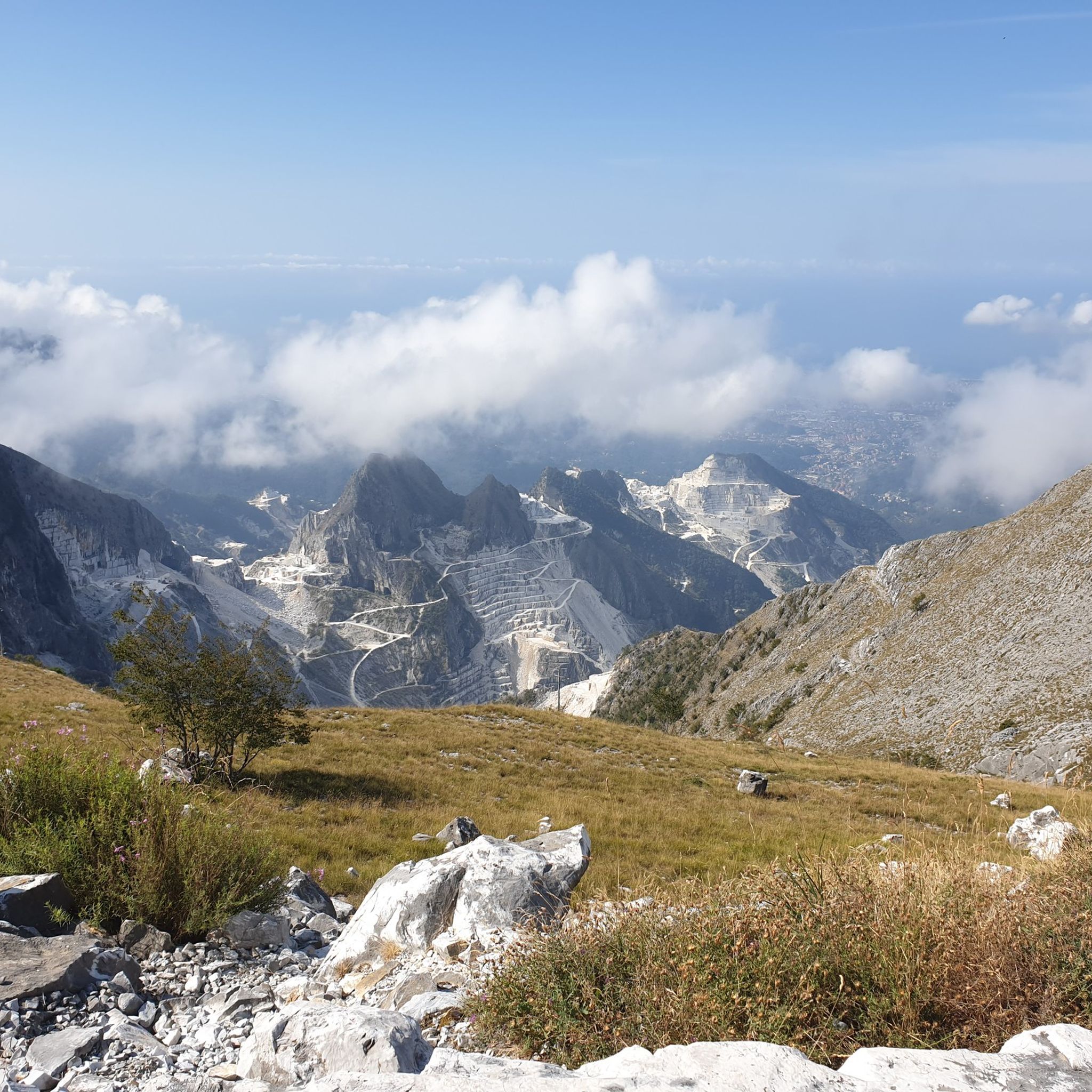
The tortuous valley of Lucido dug by water over millions of years, which has eroded day after day, grain after grain, the bottom and sides, carving dizzying furrows in the stone. Approaching the Balzone the hard rock towers impressively over the valley floor. Man wanted to make it his own by building a daring list to steal from the mountain its white stone, a miracle of geological formation. From below, passing along the adventurous railway that crosses the valley of Lucido and Aulella, the village of Monzone appears perched on a rocky tooth, almost threatening on days of bad weather. I have defined the railway as adventurous, because its construction lasted, in portions, for a good 67 years, from 1892 to 1959, crossing the impervious valleys of Lucido, Aulella and Serchio
0
0

Camporgiano is located on the right bank of the Serchio River, in a verdant valley that divides the mountain ranges of the Apuan Alps and the Apennines. Of Roman origin, the town was contested by numerous families and lordships since the Middle Ages; in 1446 it became part of the dominions of the Este family, until the Unification of Italy. The undisputed “star” of Camporgiano is the Rocca Estense, built on a rocky spur, and whose bulk dominates the main square of the town. At the top of the Rocca there is a sort of hanging garden in which some conifers stand out, giving the fortress an unmistakable character, dialoguing from afar with the fir trees that cover the heights of the surrounding reliefs. The fortress was built for defensive purposes in the 15th century and is an emblematic example of Este military architecture of the 15th century, with its trapezoidal wall and truncated conical corner towers protruding from the plan profile. Once the medieval center of the city, today the fortress does not retain much of its original structure due to the earthquake that struck the entire area in 1920. At the foot of the fortress you can also admire a stone fountain traditionally called the pilon. The main tower of the fortress houses the Civic Collection of Renaissance Ceramics, which brings together ceramics from a period ranging from the early fifteenth century to the second half of the seventeenth century, mostly found in the wells of the fortification during restoration work.
0
0

Framed by the Apuan peaks, the castle, which was also the residence of the Malaspina family, dominates the village.
0
0

The Verrucola fortress, whose first documented information dates back to the beginning of the 12th century, preserves all the elements of a medieval castrum with a true system of fortifications that responds to the military and legal organization of a feudal dominion. The castle walls include the courtyard, the chapel and several towers.
2
0

Fortezza delle Verrucole: Very imposing medieval fortress. From its walls you have a really fantastic view of the surrounding area. Mondays are days off here, otherwise the opening times depend on the season. The opening times and admission prices can be found here: https://www.fortezzaverrucolearcheopark.it/it/informazioni.html However, I cannot really recommend the museum of the castle.
0
0

The Verrucole Fortress in San Romano in Garfagnana, founded by the Gherardinghi family over a previous human settlement, dates back to a period between the 10th and 13th centuries. In 1986 the municipality of San Romano in Garfagnana bought the Fortress, starting the conservative and reconstructive restoration, completed in 2012. Since 2013, the Fortress can be visited regularly thanks to the Fortezza Verrucole Archeopark project.
2
0

Just fantastic this little village. The narrow streets and the never-ending steps. just great.
1
0
Frequently Asked Questions
What kind of historical sites can I expect to find in Minucciano?
Minucciano is primarily known for its well-preserved medieval fortified village, rather than multiple grand castles. The main attractions are the **fortified complex of Minucciano**, which includes a significant cylindrical tower and remnants of its ancient *rocca* (fortress) and surrounding walls. The village itself offers insight into medieval defensive urban planning.
Are there other notable castles or fortresses to visit near Minucciano?
Yes, beyond Minucciano's fortified village, you can explore several other significant historical sites. These include Rocca di Camporgiano, an emblematic 15th-century Este military fortress, and Verrucola Fortress, which preserves all elements of a medieval *castrum*. Another option is Verrucole Fortress, a medieval site offering fantastic views of the surrounding area.
What is special about the fortified village of Minucciano?
Minucciano's fortified village is special due to its strategic location on a high rock, controlling ancient routes. It offers a tangible connection to medieval history, showcasing architectural and strategic importance. The village has a tight medieval plan with houses grouped around the central fortification, and its prominent cylindrical tower, originally military, now serves as the bell tower for the parish church of San Michele.
What kind of views can I expect from these historical sites?
Given their strategic positions, many of the castles and fortified villages offer panoramic views. For instance, from the walls of Verrucole Fortress, visitors can enjoy fantastic views of the surrounding area. Minucciano itself, perched on a rocky outcrop, provides scenic vistas of the Garfagnana and Apuan Alps landscape.
Are the castles and fortified sites around Minucciano accessible for visitors?
Yes, recent restoration efforts have made parts of Minucciano's fortified complex, including the tower and the *rocca*, more accessible for visitors. For specific details on accessibility for other fortresses like Verrucole Fortress, it's advisable to check their official websites for current information on opening times and facilities.
What is the best time of year to visit the castles and fortified villages in this region?
The region around Minucciano is beautiful year-round. However, for comfortable exploration of the outdoor sites and to fully enjoy the panoramic views, spring (April-May) and autumn (September-October) offer pleasant temperatures and often clear skies. Summer can be warm, but also provides long daylight hours for sightseeing.
Are there any family-friendly activities or features at these castles?
Exploring the medieval fortified village of Minucciano itself can be an engaging experience for families, offering a glimpse into history. The restored tower and *rocca* provide an interactive historical setting. For Verrucole Fortress, the 'Fortezza Verrucole Archeopark' project suggests an educational and immersive experience, though specific family activities should be confirmed on their site.
What outdoor activities can I do near the castles around Minucciano?
The area around Minucciano is excellent for outdoor enthusiasts. You can find various MTB trails, mountain hikes, and road cycling routes. Options range from moderate MTB loops like 'Da Gorfigliano a Campocatino' to challenging mountain hikes such as 'Ferrata Tordini-Galligani loop from Minucciano'.
Are there hiking trails that incorporate visits to these castles?
While specific trails directly leading to every castle might vary, the region offers numerous hiking opportunities that allow you to explore the historical landscape. You can find various mountain hikes and MTB trails in the vicinity that pass through or near historical villages and offer views of the fortresses, allowing you to combine outdoor activity with historical exploration.
What do visitors enjoy most about the castles and fortified sites in the Minucciano area?
Visitors appreciate the tangible connection to medieval history and the architectural insight offered by these sites. The strategic locations provide stunning panoramic views of the surrounding Garfagnana and Apuan Alps. The well-preserved medieval character and the opportunity to explore ancient structures like the *rocca* and towers are also highly valued.
Is there a 'hidden gem' castle or viewpoint in the Minucciano area?
While not a 'hidden gem' in the traditional sense, the View of Monzone and its castle offers a unique perspective. The village of Monzone, perched on a rocky tooth, provides a dramatic sight, especially when viewed from the tortuous valley of Lucido. It's a fantastic little village to explore with its narrow streets and steps.
Most popular routes around Minucciano
Most popular attractions around Minucciano

Get inspired with the komoot mobile app


Explore more
Looking for the best castles somewhere else? Discover other guides around Minucciano:
