Top 11 Castles around Castel D'Aiano
Best castles around Castel D'Aiano are found in a region historically significant as a borderland disputed between Modena and Bologna. While grand, intact castles are not prevalent, the area features notable historical defensive structures and fortified settlements. These sites offer tangible links to the region's turbulent past, including its role on the Gothic Line during World War II. Located in the Bolognese Apennines, these locations provide insights into past architectural styles and defensive strategies amidst scenic landscapes.
Best castles around Castel D'Aiano
- The most popular castles is Rocchetta Mattei, a castle that eclectically mixes different styles, from medieval to Moorish. Built on the ruins of the thirteenth-century Rocca di Savignano, it underwent various construction phases with numerous additions and modifications.
- Another must-see spot is Castellino delle Formiche, a castle whose name derives from the medieval Latin expression Castrum Formigis (formidable castle). Visitors can expect to see the church of Santo Stefano built inside the castle and a rectory with a 15th-century portal.
- Visitors also love Ancient Village of Samone, a historical site with a history dating back to 1048. This medieval village is special for its ancient summit, once occupied by a castle, and its fourteenth-century tower house with frescoes.
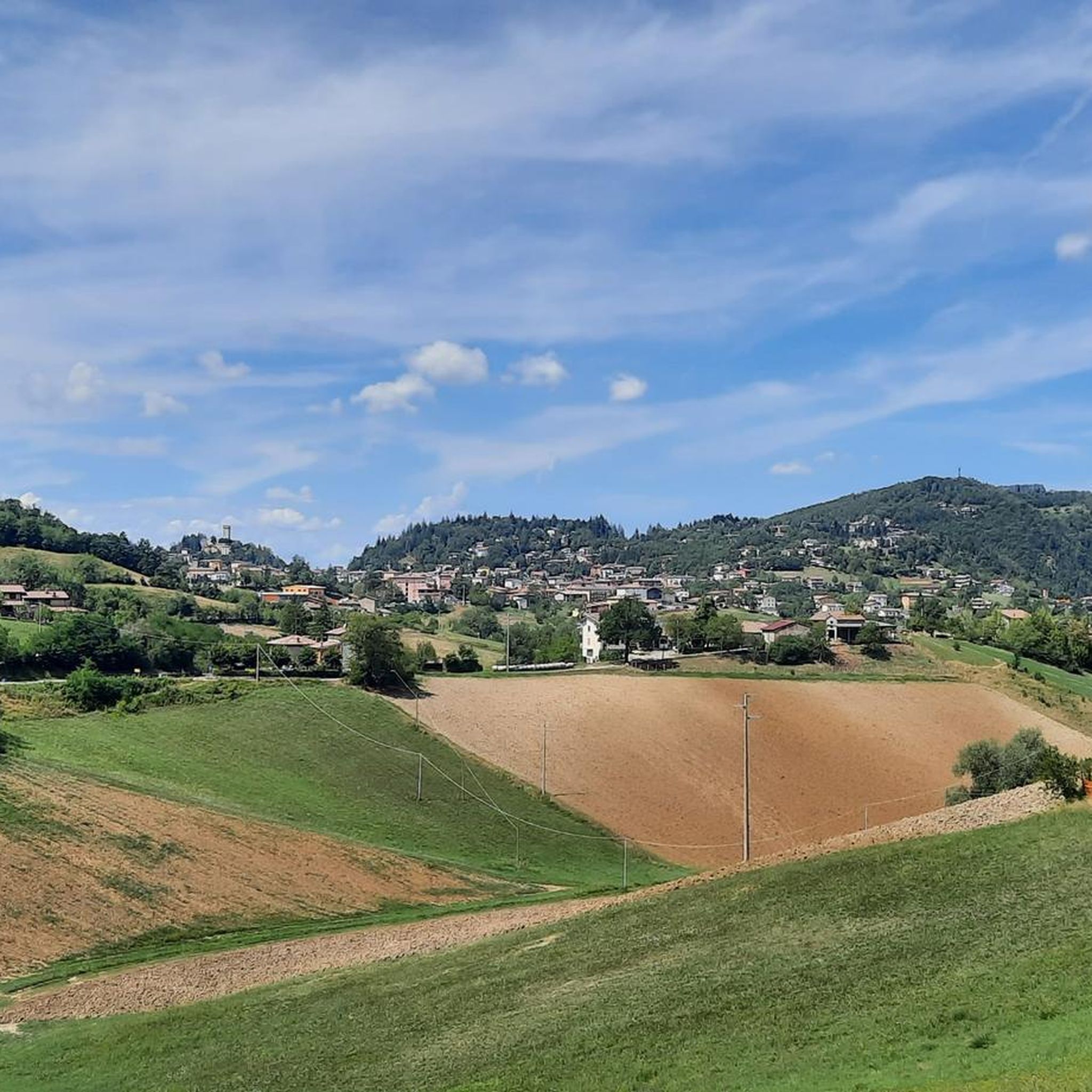
- Castel D'Aiano is known for its fortified settlements, tower-houses, and castle remnants. These sites offer a variety of historical structures to see and explore, reflecting the region's defensive past.
- The castles around Castel D'Aiano are appreciated by the komoot community, with more than 140 upvotes and 60 photos.
Last updated: July 13, 2026
Rocchetta Mattei
Highlight • Castle
Translated by Google •
Tip by

Castellino delle Formiche
Highlight • Castle
The church of Santo Stefano was built inside the castle, near the oratory of San Lorenzo already documented in the 13th century; the rectory has a 15th century portal, made with powerful sandstone ashlars arranged in a pointed arch. Inside the building of worship, there is a baptismal font from 1662 in sculpted sandstone, 17th century paintings and terracotta tiles depicting the Via Crucis.
Translated by Google •
Tip by

Sign up now to discover places like this
Get recommendations on the best single tracks, peaks, & plenty of other exciting outdoor places.
Sign up for free
Ancient Village of Samone
Highlight • Historical Site
Translated by Google •
Tip by
Rocca di Montese
Highlight • Castle
Showing Translation
Tip by

Montetortore Castle
Highlight • Castle
Translated by Google •
Tip by

Sign up for free to discover even more castles around Castel D'Aiano.
Sign up for free
Already have an account?
Start today with a free account
Your next adventure awaits.
Login or Signup

Tips from the Community

Montese is located along the Appennino bike tour. Only a short detour is needed to enter the beautiful town center.
4
0

Built by Count Cesare Mattei, it consists of countless rooms connected by various staircases, a kind of labyrinth with several towers. Worth a visit.
0
0

There are benches in the square in front of the church. I don't think I saw a fountain.
0
0


A beautiful village, especially the bell tower
0
0

The first mention of the hamlet located at 623 meters above sea level dates back to 1048. The parish church of San Nicola, from the 12th century, houses an 18th century painting of the saint and a gilded panel depicting the Madonna and Child. The bell tower, begun in 1678, is adorned with a crenellated tower added in 1866. The ancient summit, occupied by the castle, is the Poggiolino which reveals buildings with underpass, portals and pointed windows from the 1300s and 1400s. The oratory of Sant'Antonio, then of the Madonna della Neve, which preserves a silvered bronze chalice from the 16th century, should also be mentioned. On site, a large vault leads into a courtyard where you can see a sacred terracotta image from the 18th century.
0
0
The name of Castellino delle Formiche can be traced back to the popular translation of the medieval Latin expression Castrum Formigis (formidable castle). The fort was the residence of a branch of the Malatigni family, coming from the area of the Sassi fortresses of Roccamalatina. In the 14th century, the castle was acquired by the Montecuccoli; in 1623 it was added to the Podesteria of Guiglia, which in turn was ceded in 1630 as a fief to the Montecuccoli.[2] The church of Santo Stefano was built inside the castle, near the oratory of San Lorenzo already documented in the 13th century; the rectory has a 15th century portal, made with powerful sandstone ashlars arranged in a pointed arch. Inside the building of worship, there is a baptismal font from 1662 in sculpted sandstone, 17th century paintings and terracotta tiles depicting the Via Crucis.
1
0
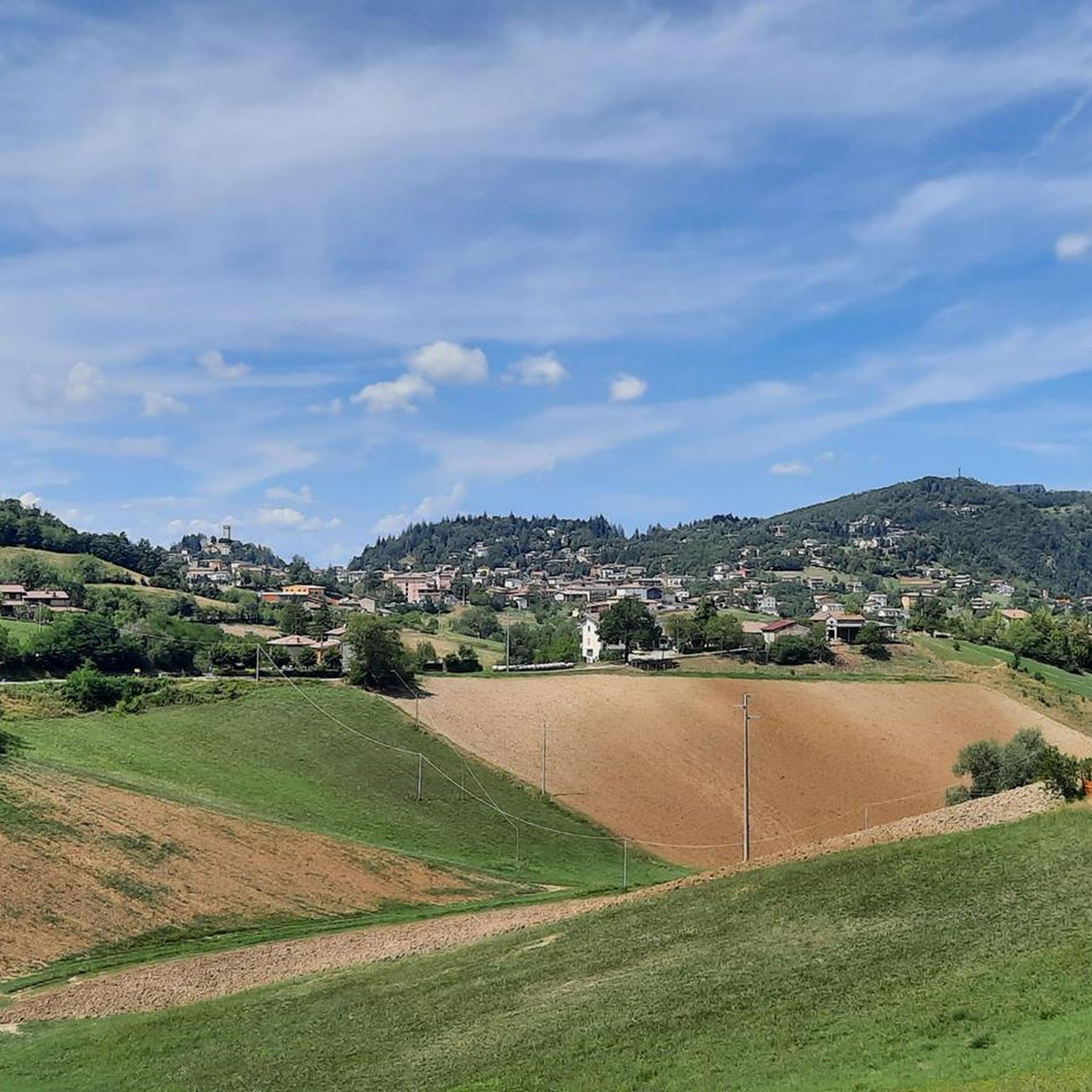
Samone The first mention of the hamlet located at 623 meters above sea level dates back to 1048. The parish church of San Nicola, from the 12th century, houses an 18th century painting of the saint and a gilded panel depicting the Madonna and Child. The bell tower, begun in 1678, is adorned with a crenellated tower added in 1866. The ancient summit, occupied by the castle, is the Poggiolino which reveals buildings with underpass, portals and pointed windows from the 1300s and 1400s. The oratory of Sant'Antonio, then of the Madonna della Neve, which preserves a silvered bronze chalice from the 16th century, should also be mentioned. On site, a large vault leads into a courtyard where you can see a sacred terracotta image from the 18th century.
0
0
Frequently Asked Questions
What kind of historical structures can I expect to see around Castel D'Aiano?
The Castel D'Aiano region, historically a borderland, features notable defensive structures and fortified settlements rather than grand, intact castles. You'll find architectural traces like ancient tower-houses, fortified points, and castle remnants that reflect the area's turbulent past, including its role on the Gothic Line during World War II.
Which are the most popular historical sites to visit in the area?
Among the most popular sites is Rocchetta Mattei, known for its eclectic mix of architectural styles. Visitors also highly appreciate Castellino delle Formiche, a formidable castle site with a church and a 15th-century rectory, and the Ancient Village of Samone, a medieval village with a history dating back to 1048 and a tower house with frescoes.
Are there any family-friendly historical sites or castles to visit?
Yes, Rocchetta Mattei is categorized as family-friendly, offering an engaging experience with its unique architecture and historical background. The historical villages and fortified points often provide open spaces and interesting features for families to explore together.
What outdoor activities can I do near these historical sites?
The Bolognese Apennines offer a variety of outdoor activities. You can find numerous cycling routes, including challenging ones like the 'Gaggio Montano – View of Corno alle Scale loop' or the 'Labante Caves – Rocca di Montese loop'. For gravel biking, explore routes such as the 'Labante Caves and Waterfall – Nativity Scene in the Cave loop'. There are also running trails, including the 'Monte Pero loop' and the 'Picco del Falco loop'. You can find more details on these activities in the Cycling around Castel D'Aiano, Gravel biking around Castel D'Aiano, and Running Trails around Castel D'Aiano guides.
What natural features or viewpoints can I enjoy while visiting the castles?
Many of these historical sites are nestled in picturesque landscapes, offering stunning views. For instance, Rocca di Montese provides panoramic views over the Panaro river valley. The region generally offers beautiful vistas of the Reno and Panaro valleys and Mount Cimone, making the journey between sites as rewarding as the destinations themselves.
Are there any less crowded or 'hidden gem' historical sites to explore?
While not widely publicized, sites like Rocca di Roffeno, with its ancient tower-houses such as 'Poggiolo e Civetta' and 'Monzone,' offer a preserved historical atmosphere away from larger crowds. The Fortress-house of Famaticcia and the fortified village of Sassomolare are also interesting, less-traveled points for those seeking deeper historical immersion.
What is the historical significance of the Castel D'Aiano region?
The region was a borderland constantly disputed between Modena and Bologna in the Middle Ages, and later played a crucial role on the Gothic Line during World War II. The remaining defensive structures and fortified settlements offer tangible links to this turbulent history, showcasing past architectural styles and defensive strategies.
What do visitors enjoy most about the historical sites around Castel D'Aiano?
Visitors particularly enjoy the unique architecture and historical depth of sites like Rocchetta Mattei, often described as a 'Moorish fantasy castle.' The preserved atmosphere of medieval villages like the Ancient Village of Samone and the strategic views from places like Rocca di Montese are also highly appreciated. The komoot community has contributed over 60 photos and 140 upvotes, highlighting the visual appeal and historical interest of these locations.
Can I visit these historical sites using public transport?
While specific public transport routes directly to all individual sites can be limited in rural Apennine areas, major towns near the sites may have bus connections. It's advisable to check local public transport schedules for routes connecting to towns like Grizzana Morandi (for Rocchetta Mattei) or Montese (for Rocca di Montese) and plan accordingly, as some sites might require a final walk or taxi.
Are there any specific architectural features I should look out for?
Absolutely. Look for the eclectic mix of styles at Rocchetta Mattei, ranging from medieval to Moorish. At Castellino delle Formiche, note the 15th-century portal of the rectory. In the Ancient Village of Samone, seek out the fourteenth-century tower house with its frescoes and the ancient summit with 1300s and 1400s buildings featuring underpasses and pointed windows.
What is the best time of year to visit the historical sites around Castel D'Aiano?
The Bolognese Apennines are beautiful throughout the year. Spring and autumn offer pleasant temperatures for exploring and hiking, with vibrant foliage or blooming landscapes. Summer is also popular, though it can be warmer. Winter visits can be picturesque, especially if there's snow, but some routes or sites might have limited access or shorter opening hours.
Most popular routes around Castel D'Aiano
Most popular attractions around Castel D'Aiano

Get inspired with the komoot mobile app


Explore more
Looking for the best castles somewhere else? Discover other guides around Castel D'Aiano:
