Top 5 Caves around Rossana
Caves around Rossana offer a unique exploration of the region's geological and historical landscape. Located in the Piedmont region, the area features a mix of natural rock shelters and historical quarries. These sites provide insights into past human activity and the local geology, characterized by unique rock formations. The diverse cave systems present opportunities for exploration and understanding the area's heritage.
Best caves around Rossana
- The most popular caves is Pink Alabaster Caves of Busca, a series of gorges and quarries. These are five gorges from which alabaster stone was obtained, located on private land near the Eremo Belmonte.
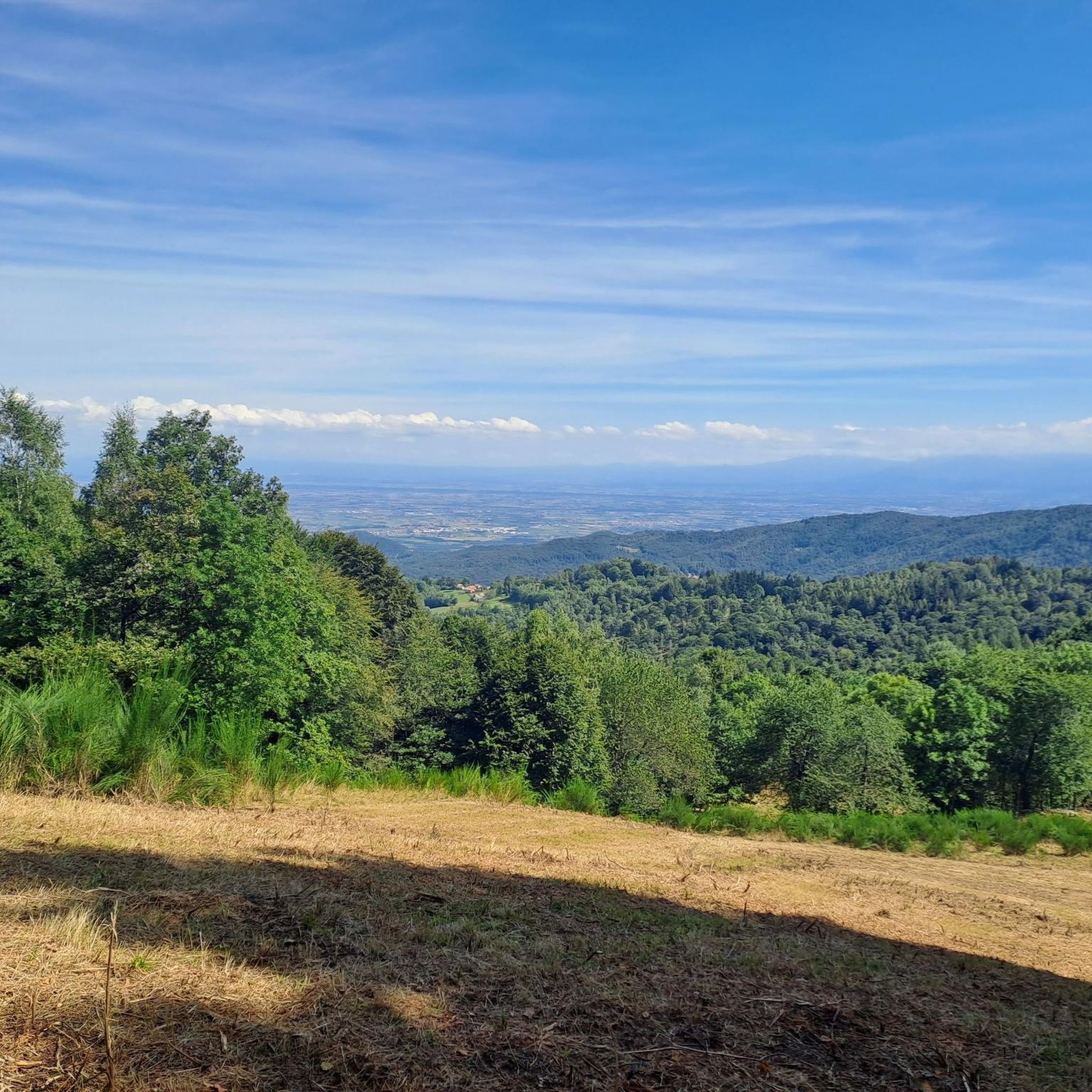
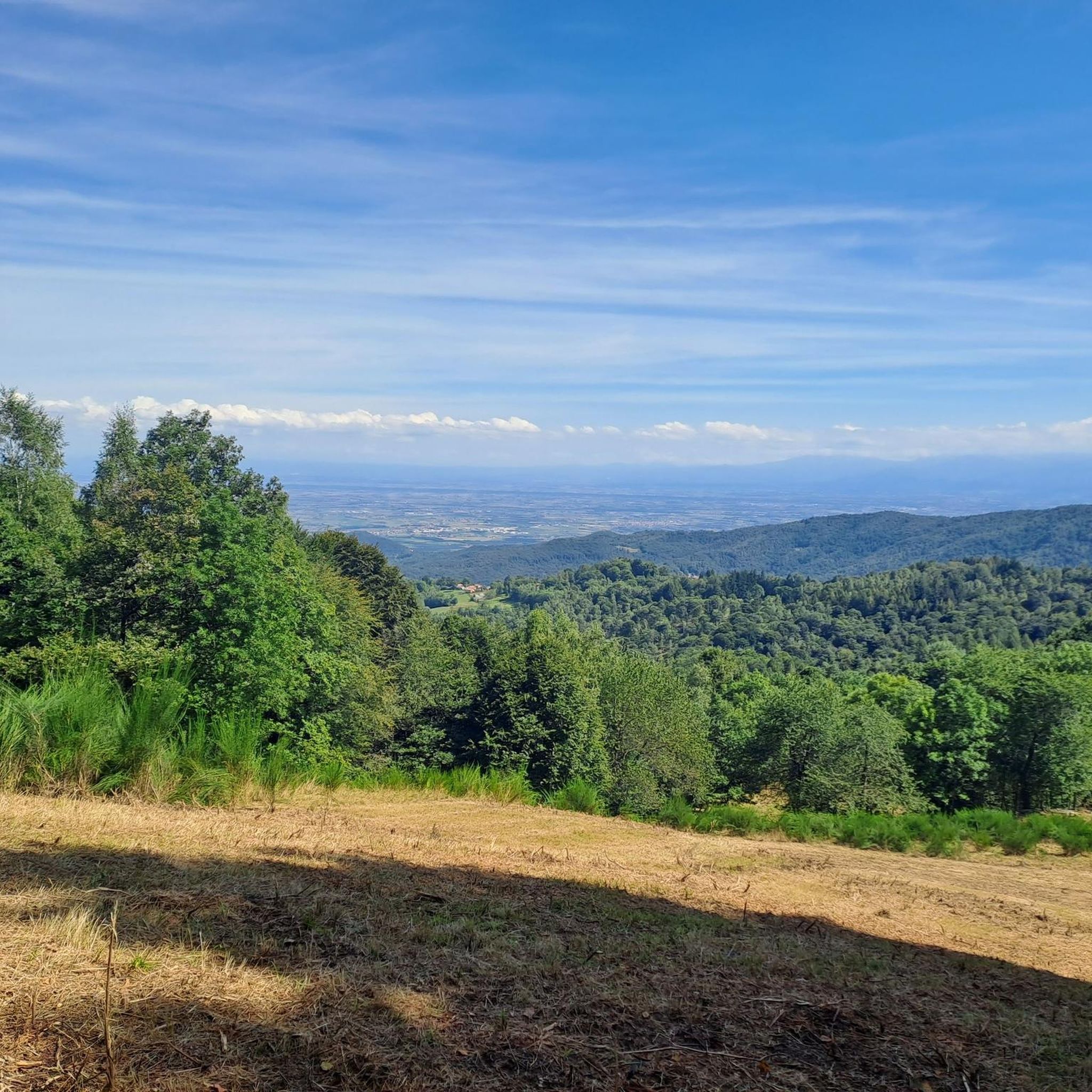
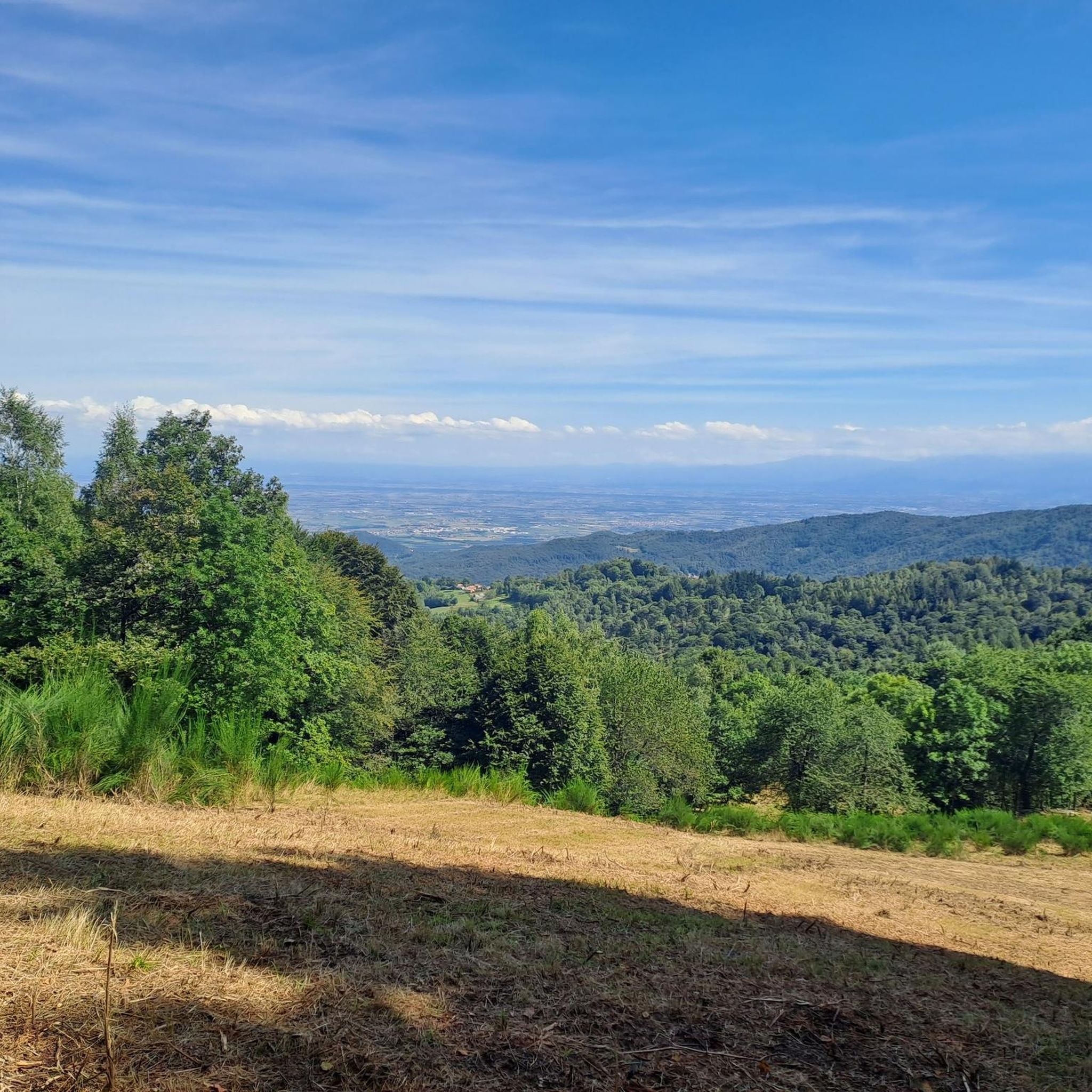
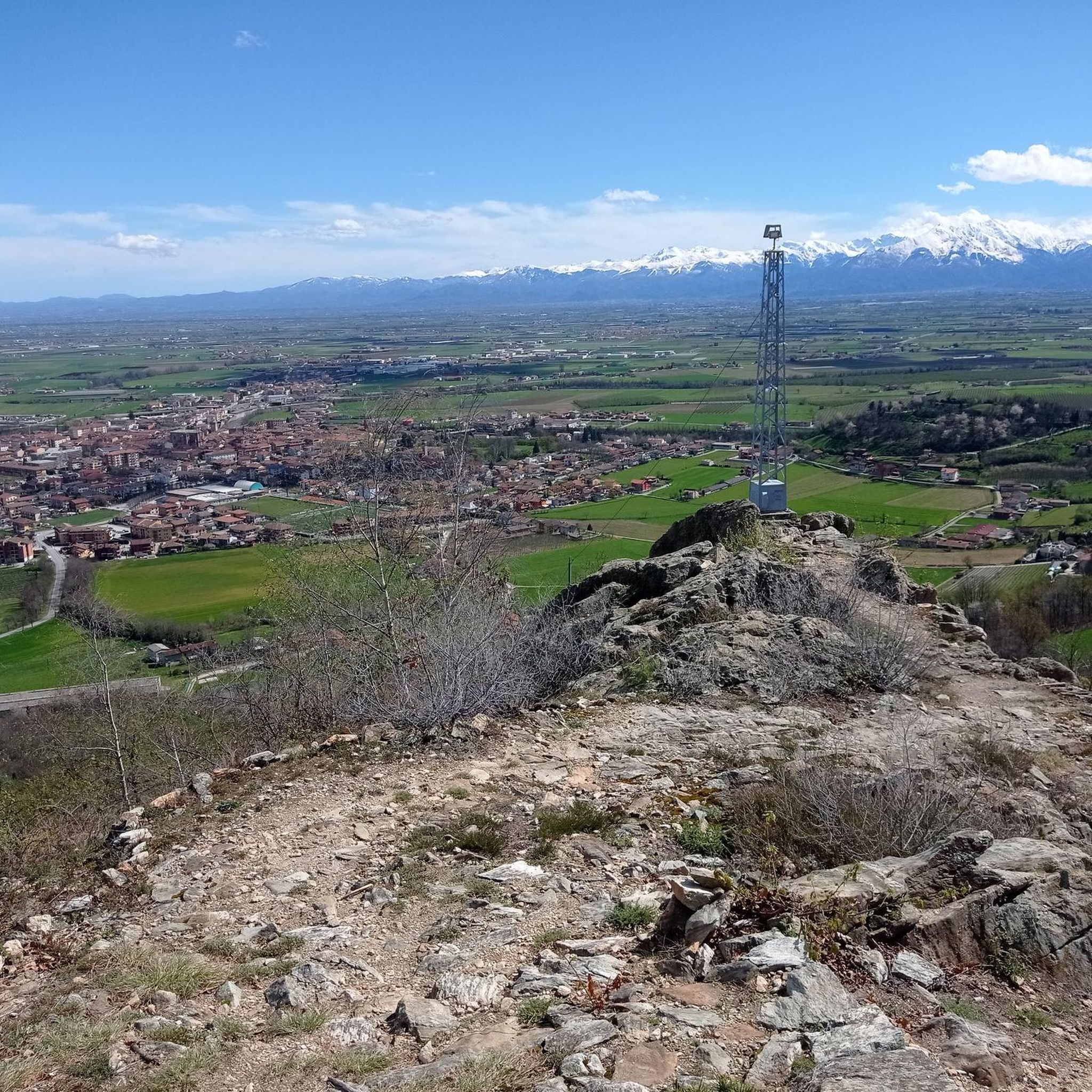
- Another must-see spot is Balmascura Cave, a large cave with a beautiful view of the plain below. Visitors can find many smooth stones placed in the shape of a pyramid or balanced inside.
- Visitors also love Partisan Cave, a small historical cave. It was used by a group of partisans to store food and provisions, with a small grange nearby that served as a dormitory.
- Rossana is known for historical caves, natural rock shelters, and former quarries. These sites offer a variety of experiences, from geological exploration to insights into local history.
- The caves around Rossana are appreciated by the komoot community, with more than 50 upvotes and 100 photos shared by visitors.
Last updated: May 2, 2026
Pink Alabaster Caves of Busca
Highlight • Cave
Translated by Google •
Tip by

Balmascura Cave
Highlight • Cave
Translated by Google •
Tip by
Sign up now to discover places like this
Get recommendations on the best single tracks, peaks, & plenty of other exciting outdoor places.
Sign up for free
Partisan Cave
Highlight • Cave
Translated by Google •
Tip by

route to access Alabaster quarries by bike
Highlight (Segment) • Cave
The other access (lower) involves portage on steps.
Translated by Google •
Tip by

The Camossere Quarry
Highlight • Structure
Translated by Google •
Tip by

Sign up for free to discover even more caves around Rossana.
Sign up for free
Already have an account?
Start today with a free account
Your next adventure awaits.
Login or Signup

Tips from the Community

Even today you can see the excavations of the lime quarry. You can find an information panel that reports an episode narrated in 1883 by Aurelio Stella, professor of mineralogy at the Polytechnic of Turin, to the students during a visit to the Varaita Valley. In addition, you will find some interesting information and testimonies of a family about their life in the valley, between departures and returns through the woods.
1
0

Old quarry along the dirt road for costigliole
0
0

Balmascura Cave Inside a precious spring of water flows constantly. In front of the cave, about 20 meters away, the majestic balconies with engraved domes of the Massi Isoardi begin, above the cave there are numerous engraved domes. The second anthropomorphic specimen discovered in the immediate vicinity of this cave suggests that in that distant time it was the home of the shaman (or the) shaman or priest or “king” who succeeded one another in these places and were most likely the creators of those many domes and figures present on the site. Source: "https://www.coppelleroccere.com/sito-archeologico"
0
0

Beautiful ... it deserves the walk suitable for everyone
0
0

Narrow sheer walls lead to the alabaster quarries, and as soon as you enter the temperature drops drastically as the sun's rays are unable to reach this small passage. There are two different ones, at different altitudes. They are worth a visit
1
0

This is the best access to get to the alabaster quarries by bike. The other access (lower) involves portage on steps.
0
0
It is located on the path to Mount Roccerè. Inside this cave there are many smooth stones placed in the shape of a pyramid or balanced
1
0

It is not really easy to find them, the indications are null, use a track
0
0
Frequently Asked Questions
What are the most unique geological features found in caves around Rossana?
The region offers diverse geological formations. You can explore the Pink Alabaster Caves of Busca, known for their distinctive red-colored earth and alabaster stone quarries. Further afield, the Grotta di Rio Martino features unique erosive and corrosive surfaces, including 'scallops' formed by water flow, and is a glacial formation. The Grotta dei Dossi is renowned for its vibrant, polychrome concretions like stalactites and stalagmites, making it one of Italy's most colorful caves.
Are there any historical caves or quarries to visit near Rossana?
Yes, the area is rich in historical sites. The Partisan Cave is a small historical cave used by partisans to store provisions during wartime. You can also visit The Camossere Quarry, an old lime quarry with an information panel detailing its history. The Grotta dei Dossi also holds historical significance as the first cave discovered in the Cuneo Province and the first in Italy to be illuminated with electric lights.
What is the best time to visit the caves in the Rossana area?
The best time depends on the specific cave. The Grotta di Rio Martino is generally open during summer months but is closed from November to March to protect hibernating bats. The Grotta dei Dossi is accessible year-round, with guided tours available, and even hosts special events like nativity scenes during Christmas. For the Pink Alabaster Caves of Busca and Balmascura Cave, warmer, drier months are typically more comfortable for exploration.
Are there family-friendly caves or activities suitable for children?
The Grotta dei Dossi, with its illuminated pedestrian path and guided tours through colorful chambers, is a good option for families. The constant internal temperature of 8-9 degrees Celsius makes it a comfortable visit. For a more adventurous family, the Grotta di Rio Martino offers didactic caving tours during summer, with walkways installed to aid less experienced visitors, though a personal light source is required.
What should I wear or bring when visiting caves in the region?
For caves like Grotta dei Dossi, which has a constant internal temperature of 8-9 degrees Celsius, appropriate clothing and non-slip shoes are recommended. For more natural caves like Grotta di Rio Martino, you will definitely need your own light source, and sturdy footwear is essential due to somewhat rough paths with steps and bridges. Always dress in layers, as cave temperatures are consistently cool regardless of outside weather.
What outdoor activities can I combine with a cave visit near Rossana?
The area around Rossana offers various outdoor activities. You can find numerous running trails, road cycling routes, and general cycling routes. Many of these routes pass near historical sites or offer scenic views that complement a cave exploration. For example, some routes lead to the Pink Alabaster Caves of Busca or The Camossere Quarry.
Are there any caves with significant ecological importance in the area?
Yes, the Grotta di Rio Martino holds significant ecological value. It serves as a crucial habitat for rare and specialized fauna, particularly bats. It is a vital winter aggregation site in Italy, hosting at least 10 different protected bat species, with over 350 Barbastelle bats recorded during hibernation. This is why the cave is closed to visitors during the winter months (November to March).
How accessible are the caves for general tourists?
Accessibility varies. The Grotta dei Dossi is well-equipped with an illuminated pedestrian path and guided tours, making it quite accessible for general tourists. The Grotta di Rio Martino, while not a fully developed show cave, has had safety measures like walkways installed in its 'Lower Branch' to facilitate visits for less experienced individuals during summer. However, visitors should expect a somewhat rough path and need their own light source. Caves like Pink Alabaster Caves of Busca and Balmascura Cave may require more adventurous exploration.
What makes the Grotta dei Dossi a unique cave to visit?
The Grotta dei Dossi is unique for several reasons. It was the first cave discovered in the Cuneo Province (1797) and the first in Italy to be illuminated with electric lights. Its most striking feature is its vibrant, polychrome concretions, including stalactites, stalagmites, and columns, which come in various shapes and sizes and are known for their rich coloration due to mineral salts. The cave also features a wonderful labyrinth of halls and galleries, with named chambers like the 'Lake Hall' and 'Hall of Tapestries'.
What can I expect when visiting the Grotta di Rio Martino?
When visiting the Grotta di Rio Martino during its open season (summer), you can expect to explore a significant glacial and river cave system. The lower branch features an active river and culminates in a stunning 40-meter-high waterfall, 'Sala del Pissai.' You'll observe unique erosive and corrosive surfaces rather than typical speleothems. While walkways are present, the path can be rough, and you'll need to bring your own light source. The cave is located at 1,530 m a.s.l., requiring a walk uphill from Crissolo.
Are there any caves near Rossana that offer panoramic views?
Yes, the Balmascura Cave is known for offering a beautiful view of the plain below. It's a large cave located on the path to Mount Roccerè, providing a scenic backdrop to your exploration.
Where can I find more information about visiting the Grotta di Rio Martino or Grotta dei Dossi?
For detailed information regarding opening hours, guided tours, and accessibility for the Grotta di Rio Martino, you can visit the official tourism site: visitcuneese.it. Similarly, for the Grotta dei Dossi, information is available at visitcuneese.it.
Most popular routes around Rossana
Most popular attractions around Rossana

Get inspired with the komoot mobile app


Explore more
Extend your search for the best caves by checking out these guides of the top ones around Rossana:
