Top 5 Lakes around Vernasca
Lakes around Vernasca are primarily man-made reservoirs set within the scenic Apennine landscapes of this Italian municipality. Vernasca is known for its medieval villages and offers a blend of historical sites and outdoor activities. While natural lakes are not abundant directly within the municipality, the area provides opportunities for tranquil walks and picnics around its water bodies. The region's appeal extends to its historical sites and gastronomic traditions.
Best lakes around Vernasca
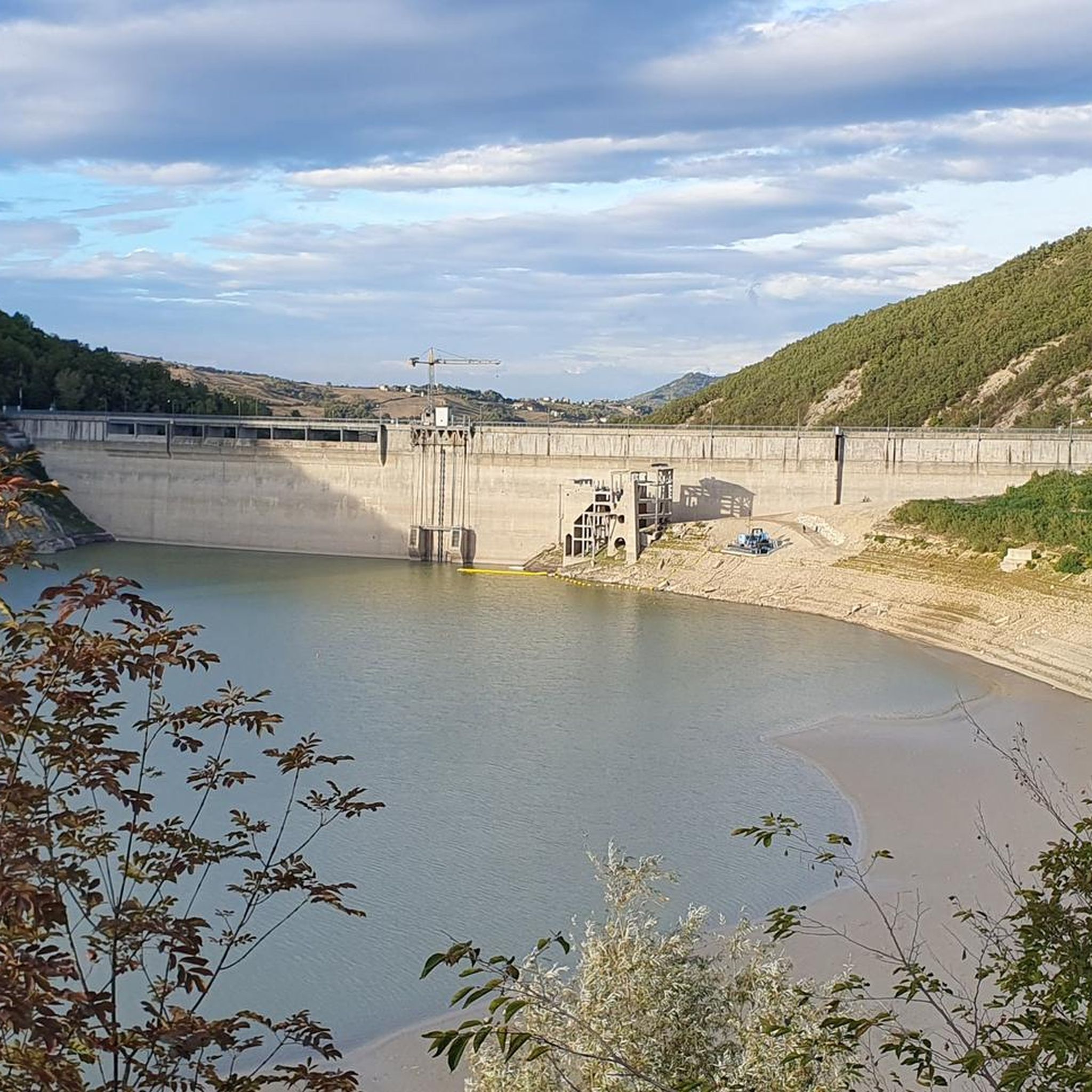
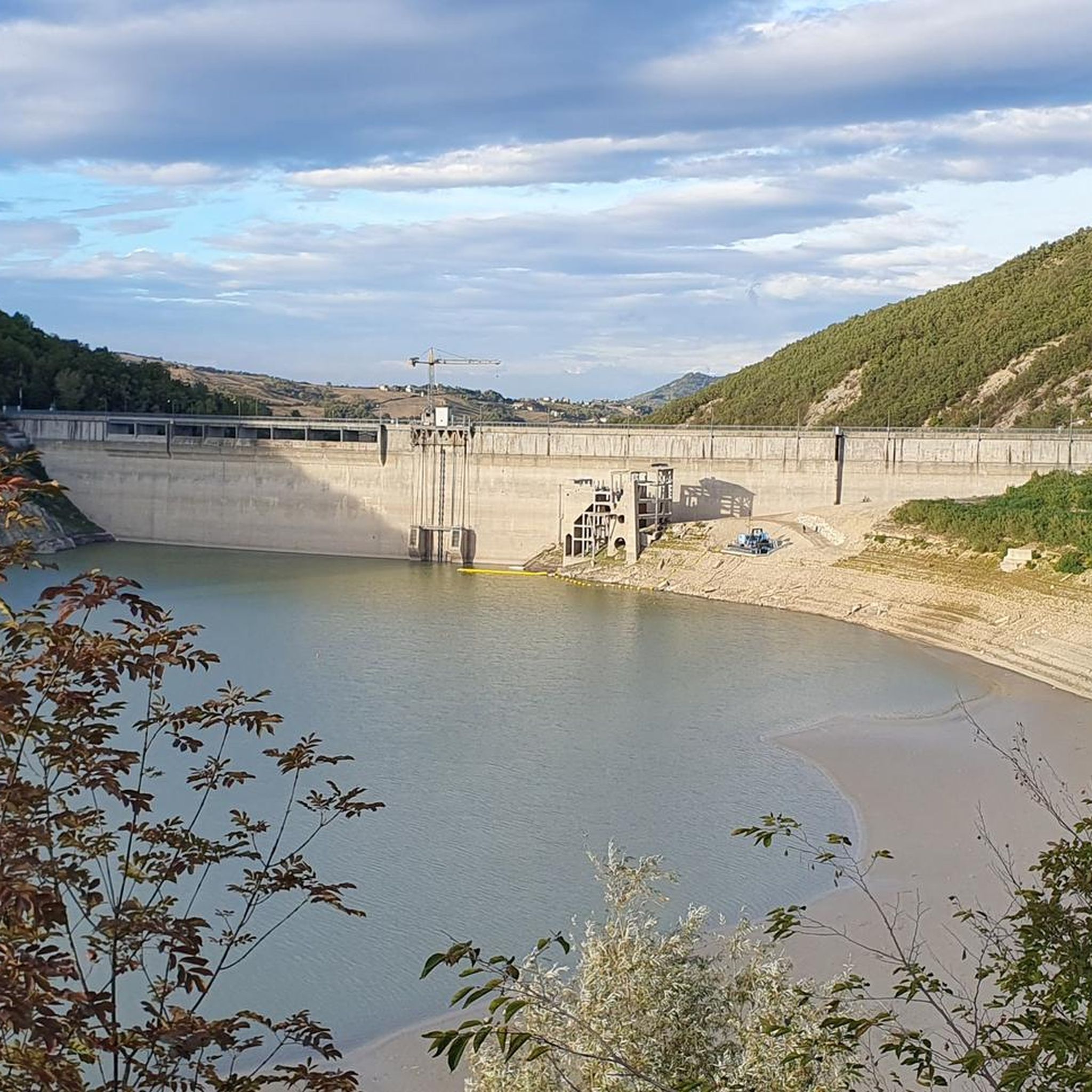
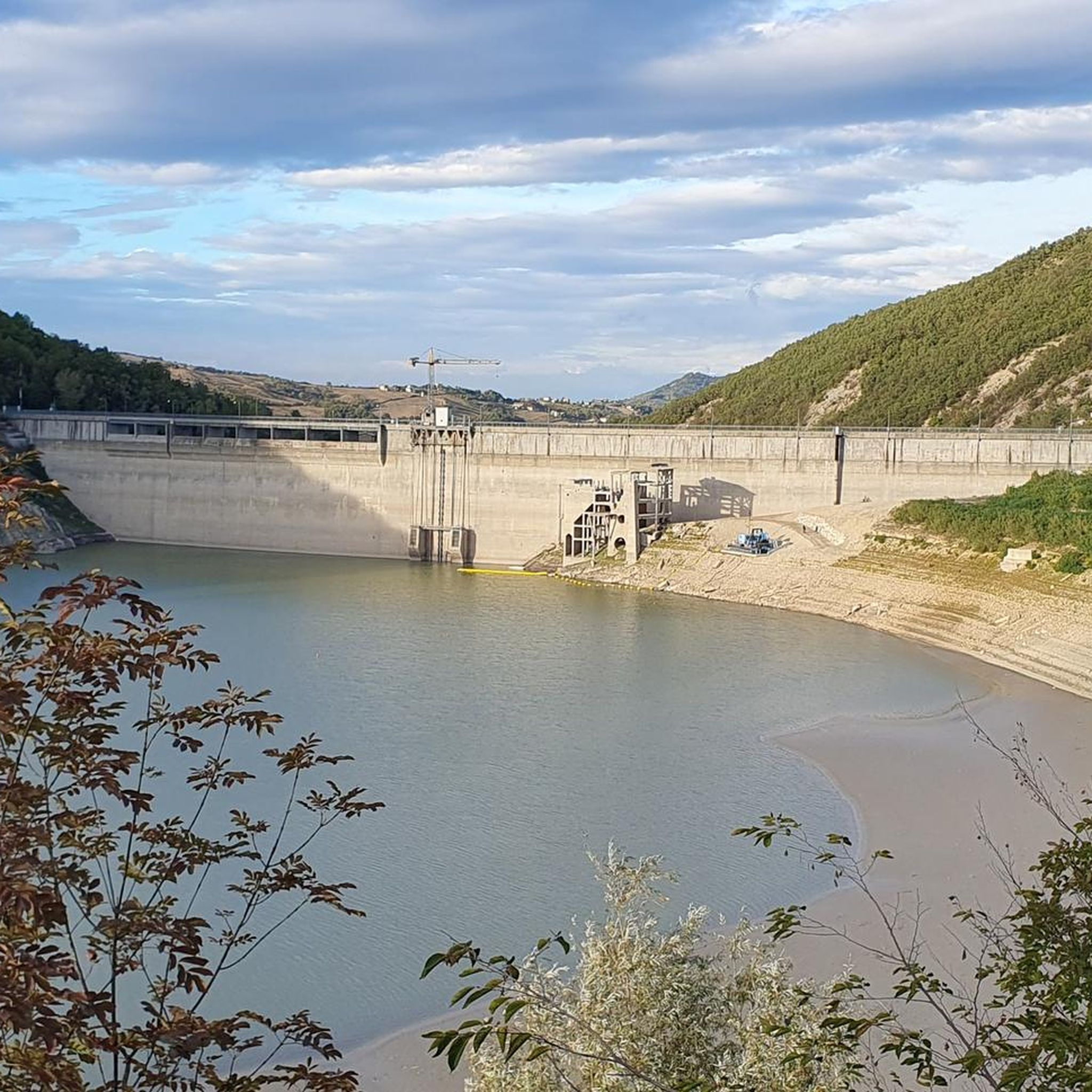
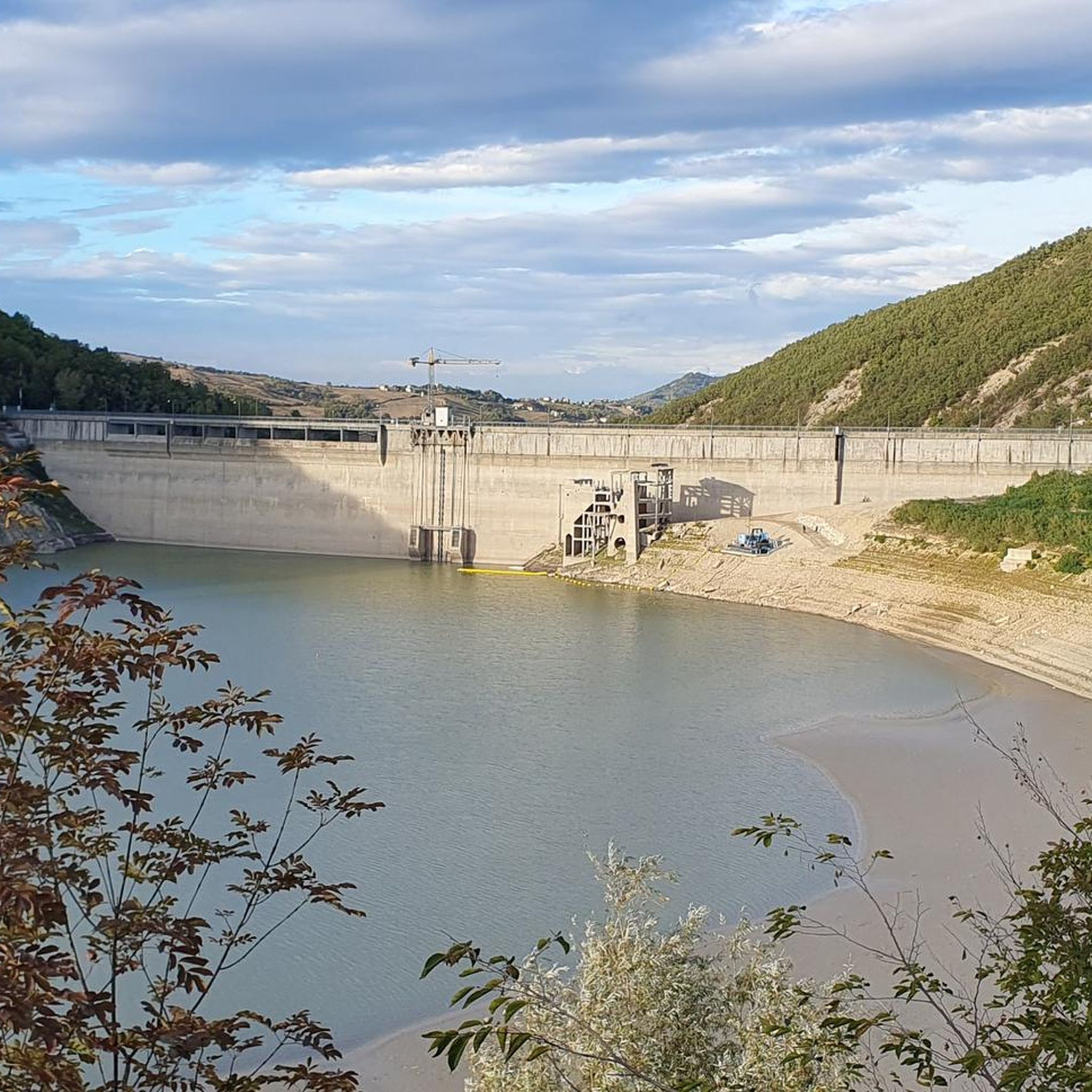
- The most popular lakes is Mignano Dam,…
Last updated: June 29, 2026
Mignano Dam
Highlight • Monument
Translated by Google •
Tip by

Pietra Nera Quarry Pond
Highlight • Lake
Translated by Google •
Tip by

Sign up now to discover places like this
Get recommendations on the best single tracks, peaks, & plenty of other exciting outdoor places.
Sign up for free
Riglio Waterfalls
Highlight • Waterfall
Translated by Google •
Tip by

Lago del Rudo
Highlight • Lake
Translated by Google •
Tip by
Lago dei Lupi
Highlight • Lake
Translated by Google •
Tip by

Start today with a free account
Your next adventure awaits.
Login or Signup

Tips from the Community

When you arrive, it feels like stepping into a fairy tale. The lake nestled between rock walls is very evocative.
0
0

The road is passable with one-way traffic regulated by traffic lights.
0
0

Nice, but it's called Lake of the Wolves
0
0

Lago del Rudo is a small natural lake at the foot of Monte Cravola and close to the Lama massif; and nearby, just a little lower, is the larger Lago del Gallo. The lakes were created by the “moraines” formed by the movements of the ancient glacier that descended from the overlying Monte Lama.
2
0
The waterfall is beautiful but it is not marked by a CAI route
0
0
The path winds through a forest rich in vegetation, which upon arrival frames the blue of the waterfalls. Here you will see the water plunging into two lakes, which are Lago del Lino and Lago delle Pecore. In the past, when in summer the flow of water was less and only small pools remained, these places were used to give the animals to drink.
2
0

Pietra Nera, a beautiful rocky outcrop of ophiolitic origin (Mesozoic era, Jurassic period, about 155 million years ago), is located on the right bank of the Stirone stream and at the foot of the Borgo di Vigoleno. This area was previously dedicated to the extraction of serpentinite (ophiolite from the Greek "ophis" -> snake), composed of silicates of magnesium and iron and small quantities of magnetite whose crystalline structure leads these minerals to overlap in thin flakes which give the rock a "scaly" shape similar to the skin of reptiles) and the small lake, located at the foot of the rock, is due precisely to these quarrying activities.
1
0

Suggestive lake nestled between the dark surrounding rocks
4
0
Frequently Asked Questions
What kind of lakes can I expect to find around Vernasca?
The Vernasca area primarily features man-made reservoirs, often created for hydroelectric purposes, which now serve as local attractions. You'll also find smaller natural lakes formed by geological processes, such as those resulting from past quarrying activities or glacial movements.
Are there any family-friendly lakes in the Vernasca region?
Yes, Lago dei Lupi is considered family-friendly. It's a beautiful pond where you can see water lilies in bloom during the summer months, offering a pleasant spot for a family outing.
What is the Mignano Dam and what can I do there?
The Mignano Dam is a significant man-made monument and lake, originally built for hydroelectric energy production. It now functions as a water reserve and offers visitors picnic areas and walking paths to enjoy the tranquil surroundings.
Can I find unique natural features among the lakes?
Absolutely. The Pietra Nera Quarry Pond is a suggestive small lake nestled between dark rocks, a result of historical quarrying activities. Another unique spot is Riglio Waterfalls, where water plunges into two lakes, Lago del Lino and Lago delle Pecore, accessible via a path through a rich forest.
Are there hiking or walking trails near the lakes around Vernasca?
Yes, many of the lakes, like the area around Mignano Dam, offer walking paths. For more extensive hiking, you can explore various trails in the broader Vernasca region. You can find detailed running trails, including routes like the 'Ertara dei Briganti loop from Vigoleno' or 'Vigoleno Castle – Keep of Vigoleno loop from Vernasca', on the Running Trails around Vernasca guide.
What are some lesser-known or 'hidden gem' lakes in the area?
Beyond the more prominent spots, you might enjoy Lago del Rudo, a small natural lake situated at the foot of Monte Cravola, close to the Lama massif. It was formed by ancient glacial movements, offering a glimpse into the region's geological past.
What outdoor activities can I do near the lakes in Vernasca?
Besides walking and picnicking around the lakes, the Vernasca area is excellent for cycling and gravel biking. You can find routes like 'View of Tabiano Castle – Tabiano Castle loop from Salsomaggiore Terme' in the Gravel biking around Vernasca guide, or 'Stirone Cycle Path – Salsomaggiore Thermal Baths loop from Vigoleno' in the Cycling around Vernasca guide.
What is the best time of year to visit the lakes around Vernasca?
The warmer months, from spring through early autumn, are generally the best time to visit. During this period, the weather is pleasant for outdoor activities like walking, picnicking, and enjoying the natural beauty, such as the water lilies at Lago dei Lupi.
Are there any tips for visiting the Mignano Dam?
When visiting Mignano Dam, be aware that the road to access it can have one-way traffic regulated by traffic lights. There's also an equipped area for stopping near a restaurant bar, making it convenient for a break.
What do visitors appreciate most about the lakes in Vernasca?
Visitors often appreciate the tranquility and scenic beauty of the lakes, especially the peaceful retreat offered by areas like Mignano Dam with its walking paths. The unique geological formations around spots like Pietra Nera Quarry Pond and the lush forest path to Riglio Waterfalls are also highly valued.
Is parking available near the lakes?
While specific parking details for every lake are not always provided, popular spots like the Mignano Dam area often have equipped stopping points. For hiking and cycling routes in the broader Vernasca region, parking is typically available at trailheads or nearby villages.
Most popular routes around Vernasca
Most popular attractions around Vernasca

Get inspired with the komoot mobile app


Explore more
Still not found your perfect lake around Vernasca? Check out the guides of these regions to see even more beautiful places.
