Top 5 Caves around Zermeghedo
Best caves around Zermeghedo are primarily found within the broader Berici Hills region, known for its unique geological formations and historical significance. This area features a landscape shaped by ancient stone quarries and natural subterranean spaces. The local geology, characterized by Vicenza stone, has led to the creation of both natural caves and extensive man-made underground complexes. These sites offer insights into the region's natural history and its industrial heritage.
Best caves around Zermeghedo
- The most popular caves is Sengia…
Last updated: May 2, 2026
Sengia dei Meoni Rock House
Highlight • Historical Site
Translated by Google •
Tip by

Le Priare di Montecchio Underground Complex
Highlight • Cave
Translated by Google •
Tip by
Sign up now to discover places like this
Get recommendations on the best single tracks, peaks, & plenty of other exciting outdoor places.
Sign up for free
Covolo dell'Orco
Highlight • Cave
Translated by Google •
Tip by
Cava Arcari Entrance
Highlight • Cave
Translated by Google •
Tip by

Grotta del Scaranton
Highlight (Segment) • Cave
Translated by Google •
Tip by

Sign up for free to discover even more caves around Zermeghedo.
Sign up for free
Already have an account?
Start today with a free account
Your next adventure awaits.
Login or Signup
Tips from the Community

The Grotta dell'Orco, also known as the Grotta del Boscòn, is the largest natural cave in the area: a large cavern of about twenty meters that originated from the intersection of various fractures in the rock and shaped by meteoric erosion. Frequented by men since prehistoric times, it was used over the centuries as a shelter for shepherds and a humble home for poor families. Legend has it that a disturbing ogre lived here who took it out on travelers with his cries and his lugubrious laugh.
0
0
This unique, rare, and fascinating two-story cave dwelling was ingeniously carved out of a depleted stone quarry, sealing off the openings and creating internal spaces with walls, exploiting every nook and cranny until it completely integrated with the quarry. This cave dwelling is known as 'Sengia dei Meoni,' after the last family who lived there until 1959. But on August 11th of that year, during a violent storm, lightning struck from the chimney, starting a fire, shaking the walls and making the building uninhabitable. The family survived, but the dwelling was permanently abandoned. It was restored in 2013, with original rustic furnishings from the early 1900s, becoming a museum open only on specific months, days, and times: a blast from the past! For information: https://www.facebook.com/p/Museo-della-Pietra-a-Zovencedo-Coop-Scatola-Cultura-100063707821673/?locale=it_IT
3
0
An extremely evocative and interesting site, hidden and unexpected, almost surreal: it surprises with its vastness and the slender square columns supporting the titanic ceiling... it feels like being inside a temple in ancient Mesopotamia or in the mines of Moria from Tolkien's memory! The Priàre (from 'pria', meaning stone in the Venetian dialect) are a complex of underground quarries and tunnels for the extraction of the renowned "soft Vicenza stone," active from Roman times until the mid-20th century. During the bombings of World War II, the quarries were used by the inhabitants of Montecchio as a refuge; between 1972 and 1985, they were exploited as a mushroom farm, thanks to the humidity and constant temperature throughout the year; Afterwards, they were abandoned until their redevelopment and safety measures in 2000. Vicenza Stone is a highly prized material, always highly appreciated and sought after in architecture and construction: beyond its aesthetic appeal, it is soft and malleable when freshly quarried, but upon contact with air, it "seasons," hardening and becoming extremely resistant over time. This rock was used to build the Montecchio fortresses and by Andrea Palladio for his works. It has always been quarried strictly by hand, using the same technique for millennia, in square blocks; this is why the quarries have such a geometric appearance. Open Sunday afternoon; entry is only possible with a (very interesting) guided tour lasting about 40 minutes; admission is €3. Please note that payment by POS is not possible due to the lack of signal. https://www.prolocoaltemontecchio.it/cosa-vedere/le-priare/
2
0

The site can be visited in the summer
1
0

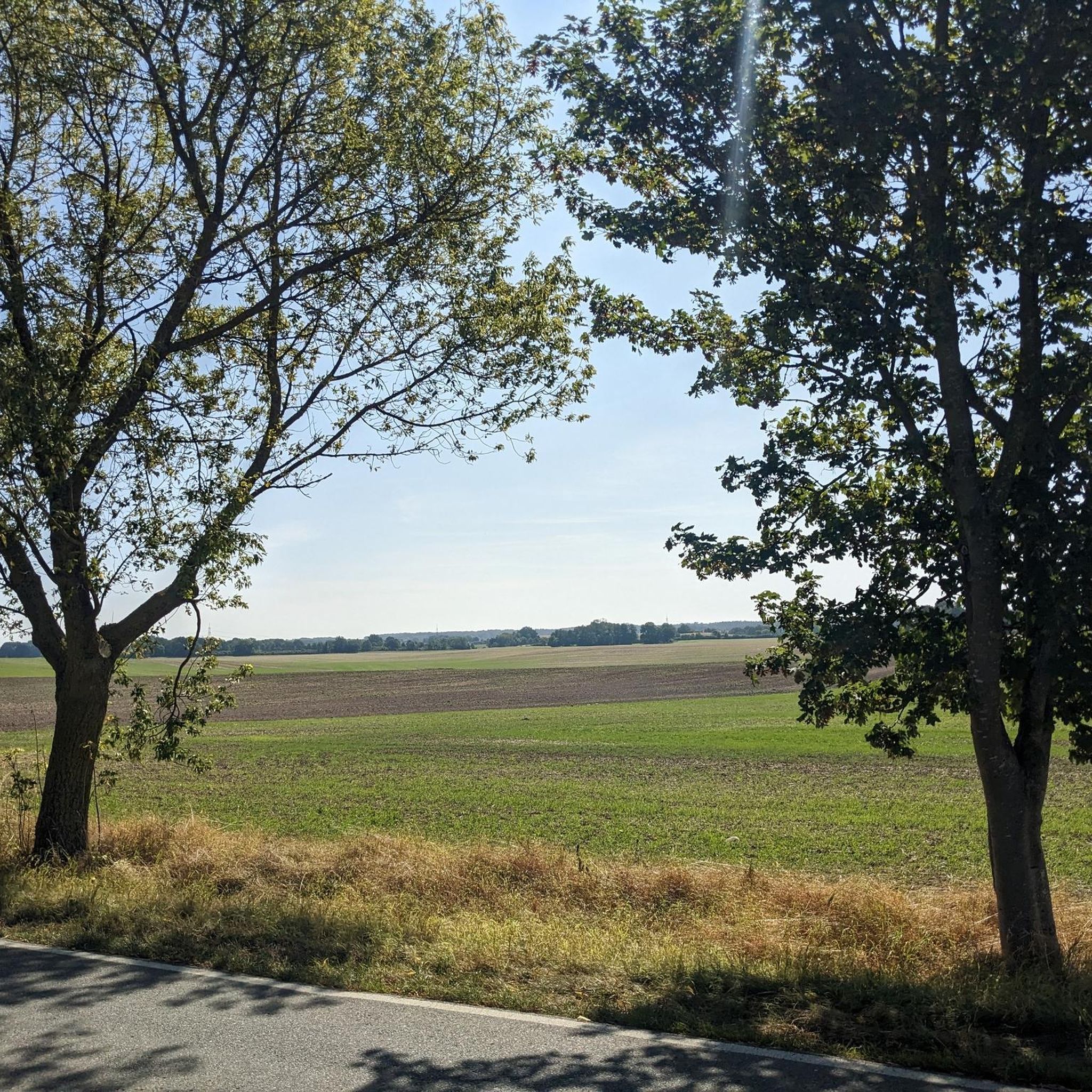
path that runs along the mountain with splendid views of Brendola alta with Castello and Incompiuta. The path is quite steep and narrow where you have to be careful not to slip into the bush below.
0
0

This plaque is affixed to the side of the closed entrance gate on the cart road that goes up from the SP 19. Going down the path from Via Priare you can reach the quarries but not visit the interior, which is also used for shows. Visit the site https://divisare.com/projects/390814-david-chipperfield-architects-marco-zanta-cava-arcari
1
0
Frequently Asked Questions
What types of caves can I explore around Zermeghedo?
The region around Zermeghedo offers a diverse range of subterranean sites. You can find historical cave dwellings like the Sengia dei Meoni Rock House, extensive underground quarries such as Le Priare di Montecchio Underground Complex, and natural cave formations like Covolo dell'Orco. There are also unique geological features like the Tri Oci Sinkhole, a vertical natural well.
Are there any historical cave dwellings to visit?
Yes, the Sengia dei Meoni Rock House is a notable historical cave dwelling. This unique two-story home was carved out of a depleted stone quarry and was inhabited until 1959. It has since been restored and functions as a museum, offering a glimpse into past living conditions.
Can I explore historical stone quarries in the area?
Absolutely. The Berici Hills region is known for its historical stone quarries. You can visit Le Priare di Montecchio Underground Complex, a vast network of underground quarries and tunnels where Vicenza stone was extracted. Another site is the Cava Arcari Entrance, which provides a view into the large-scale stone extraction operations that characterized the region for centuries.
What is the Tri Oci Sinkhole and is it accessible?
The Tri Oci Sinkhole, meaning 'Three Eyes' in Venetian dialect, is a vertically developed natural cave, approximately 8-10 meters deep, characterized by three openings. It was once part of an educational speleological park but is now abandoned. While old metal stairs exist, they are corroded and unmaintained, so descending is at your own risk and requires careful assessment of their condition and stability. It's suitable for those seeking a more rugged, less-developed natural exploration.
Are there any natural caves with legends or unique features?
Yes, Covolo dell'Orco, also known as Grotta del Boscòn, is the largest natural cave in the area. This large cavern was formed by geological fractures and erosion. It has been frequented since prehistoric times and legend says a disturbing ogre once lived there.
What should I know before visiting Le Priare di Montecchio Underground Complex?
Le Priare di Montecchio Underground Complex is an evocative site with vast chambers and slender columns. It's typically open on Sunday afternoons, and entry is only possible with a guided tour lasting about 40 minutes. There is an admission fee of €3, and it's important to note that payment by POS is not possible due to lack of signal. You can find more information at prolocoaltemontecchio.it.
What outdoor activities can I do near these caves?
The region around Zermeghedo offers various outdoor activities. You can find numerous MTB Trails, including moderate to difficult routes like the 'Rocky Trail in the Forest' loops. For road cycling enthusiasts, there are several Road Cycling Routes, such as the 'Sanctuary of Monte Berico' loop. Additionally, there are Running Trails, like the 'Val del Chiampo Cycle Path' loop.
Are there any family-friendly cave experiences?
While some sites like the Tri Oci Sinkhole require caution due to unmaintained conditions, the Sengia dei Meoni Rock House, which functions as a museum, can be an educational and engaging visit for families interested in history and unique dwellings. Guided tours at Le Priare di Montecchio Underground Complex also offer an accessible way to learn about the region's industrial heritage.
What is the best time to visit the caves around Zermeghedo?
For sites like Le Priare di Montecchio Underground Complex, visiting in the summer is recommended as it's typically open during this season. The constant temperature inside the underground complexes makes them a comfortable option even on warmer days. For natural outdoor sites, spring and autumn generally offer pleasant weather for exploration.
What makes the Berici Hills region significant for caves and quarries?
The Berici Hills are renowned for their unique geology, particularly the presence of Vicenza stone. This soft, malleable stone was extensively quarried from Roman times, leading to the creation of vast underground complexes. The stone hardens upon exposure to air, making it highly prized for architecture. This history of extraction has shaped the landscape, creating both natural caves and impressive man-made subterranean sites that reflect the region's industrial heritage.
Is there a site that showcases the historical methods of stone extraction?
Yes, the Former Stone Quarry in Gallery, located in the broader Berici Hills, is an excellent example. It features a majestic entrance and considerable height, with square cuts visible on the walls and ceiling. These marks illustrate the historical methods of stone extraction, where layers were isolated and large blocks detached using non-invasive explosives and metal pins. It's a fascinating site for industrial archaeology enthusiasts.
Most popular routes around Zermeghedo
Most popular attractions around Zermeghedo

Get inspired with the komoot mobile app


Explore more
Extend your search for the best caves by checking out these guides of the top ones around Zermeghedo:
