The 9 Most Amazing Peaks around San Pietro Mussolino
Best mountain peaks around San Pietro Mussolino are found in the province of Vicenza, Veneto, Italy, serving as a gateway to the Piccole Dolomiti and Lessini Mountains. The region features rugged alpine scenery and extensive natural parks. These areas offer diverse landscapes, from the distinct rock formations of the Piccole Dolomiti to the paleontological heritage of the Lessini Mountains.
Best mountain peaks around San Pietro Mussolino
- The most popular mountain peaks is Cima Marana Summit Cross, a summit that is a mountain in the Tre Croci chain in the Little Dolomites. It embraces the entire mountainous part of the Municipality of Crespadoro, in the province of Vicenza.
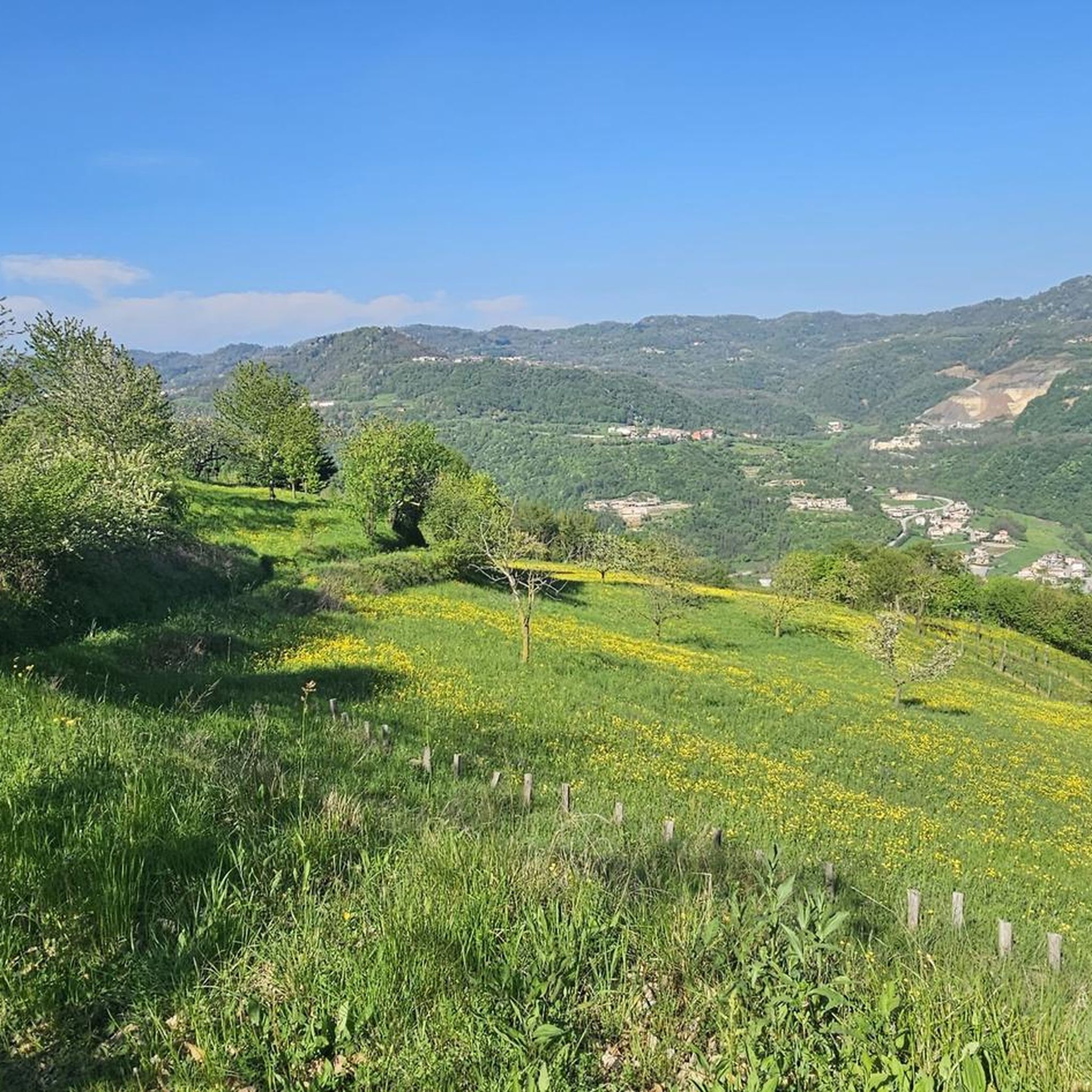
- Another must-see spot is View from Monte Verlaldo, a viewpoint. From this point, visitors can enjoy a special view over the Agno valley and the Piccole Dolomiti, thanks to its position and summit free from shrubs.
- Visitors also love Monte Telegrafo (1,562 m), a summit. This peak offers magnificent 360° views on clear days and is reachable by a steep path starting from Campofontana.
- San Pietro Mussolino is known for summits, viewpoints, and natural monuments. The area offers a variety of mountain peaks to see and explore, from challenging climbs to panoramic vistas and historical sites.
- The mountain peaks around San Pietro Mussolino are appreciated by the komoot community, with 12 upvotes and 7 photos shared by visitors.
Last updated: July 13, 2026
Croce del Sojo (Monte Soglio)
Highlight • Summit
Precisely because of its dominant position and the view it offers, during the First World War it was integrated into the defensive line of Ortogonale 1: after the offensive of 1916, when the danger of an Austro-Hungarian advance towards the plain became concrete, it became a stronghold with numerous loopholes, observation posts and positions for light weapons dug into the rock.
Translated by Google •
Tip by

Croce dei Castiglieri
Highlight • Summit
'Castiglieri' is the name of the ridge of spiers of which the cross represents the central and summit point.
Translated by Google •
Tip by
Sign up now to discover places like this
Get recommendations on the best single tracks, peaks, & plenty of other exciting outdoor places.
Sign up for free
Monte Telegrafo (1,562 m)
Highlight • Summit
Translated by Google •
Tip by

Monte Falcone Hut
Highlight • Mountain Hut
Translated by Google •
Tip by

Cima Marana Summit Cross
Highlight • Summit
more information: it.wikipedia.org/wiki/Cima_Marana
Translated by Google •
Tip by

Sign up for free to discover even more peaks around San Pietro Mussolino.
Sign up for free
Already have an account?
Start today with a free account
Your next adventure awaits.
Login or Signup
Tips from the Community

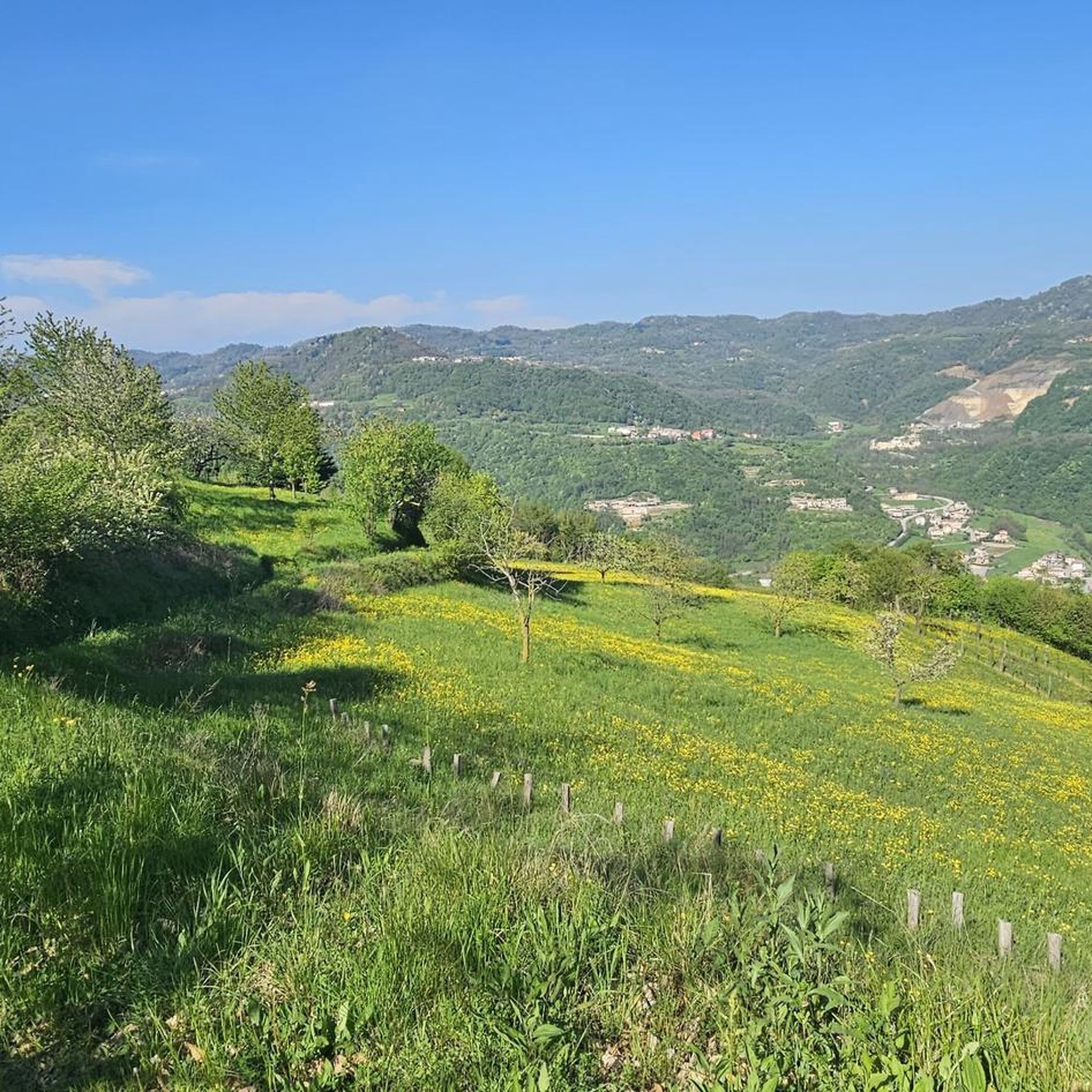
Monte Sojo (in the Vicenza dialect) or Soglio (in Italian) is a large rocky spur 700m above sea level. The summit offers a wide panorama of the Alto Vicentino, the Pedemontana, the entrance to the Val Leogra and the Piccole Dolomiti that surround it: Pasubio, Novegno and Summano. Precisely because of its dominant position and the view it offers, during the First World War it was integrated into the defensive line of Ortogonale 1: after the offensive of 1916, when the danger of an Austro-Hungarian advance towards the plain became concrete, it became a stronghold with numerous loopholes, observation posts and positions for light weapons dug into the rock.
2
0
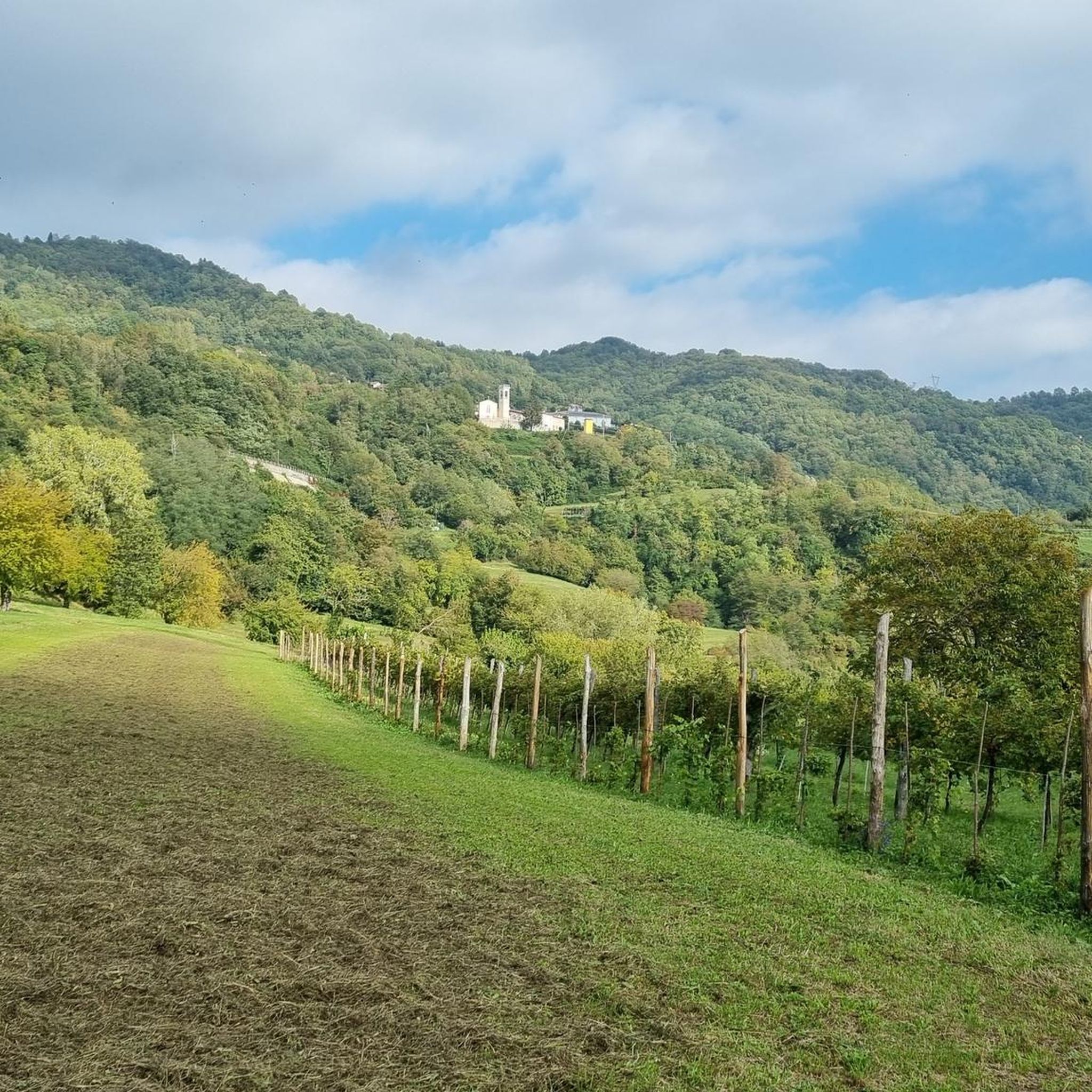
The Croce dei Castiglieri hosts a wonderful terrace with a 360° view that ranges from the Little Dolomites to the Asiago Plateau, and over the valleys, districts, hills and plains. The climb is quite demanding and has exposed sections in the steep forest. 'Castiglieri' is the name of the ridge of spiers of which the cross represents the central and summit point.
2
0

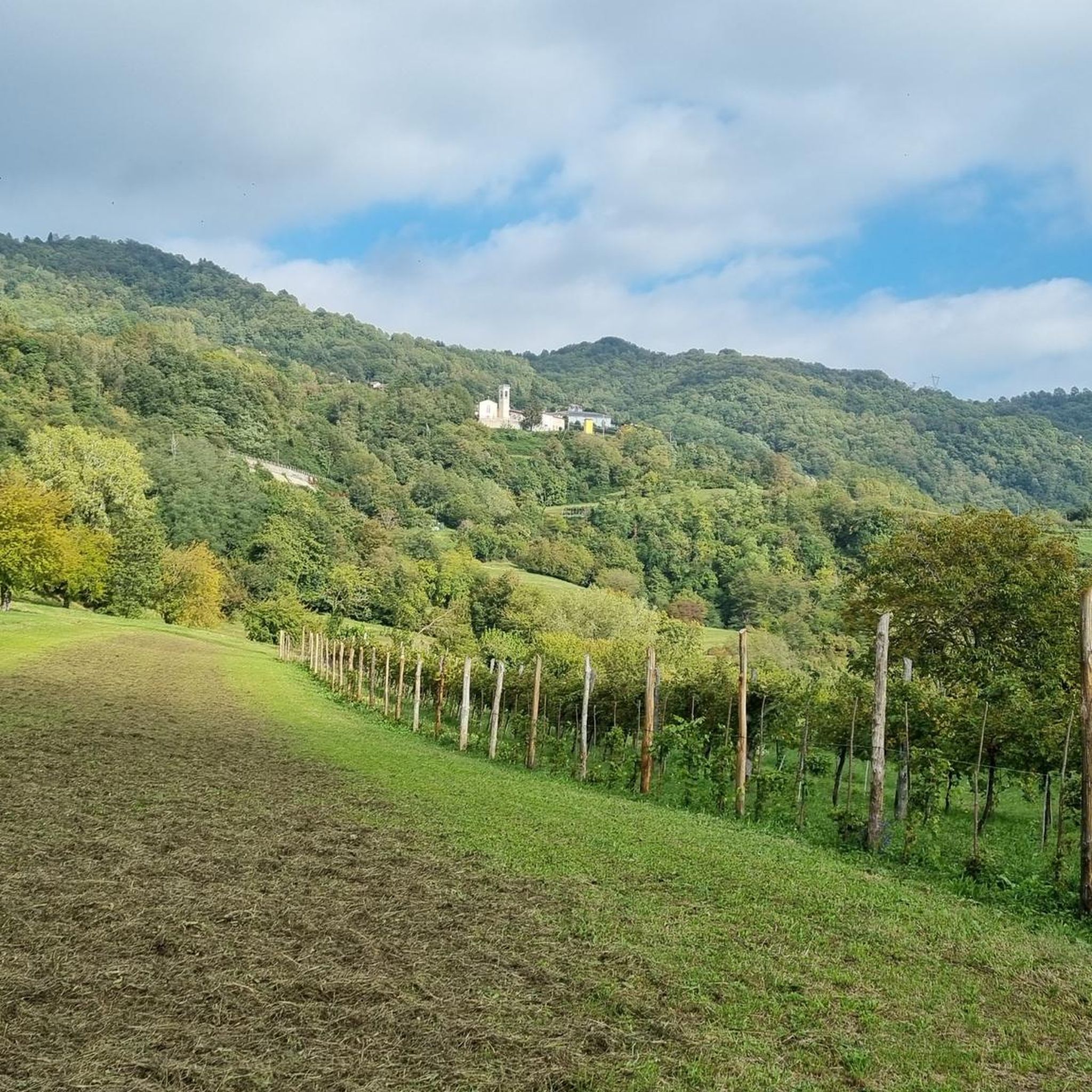
If you do the ring starting from Rancani (Crespadoro) the difference in altitude of 700 is steep. It's practically a single climb. I highly recommend doing it clockwise because the way down is worse than the way up. For the rest, bring a sandwich and a bar to eat at the summit!
0
0

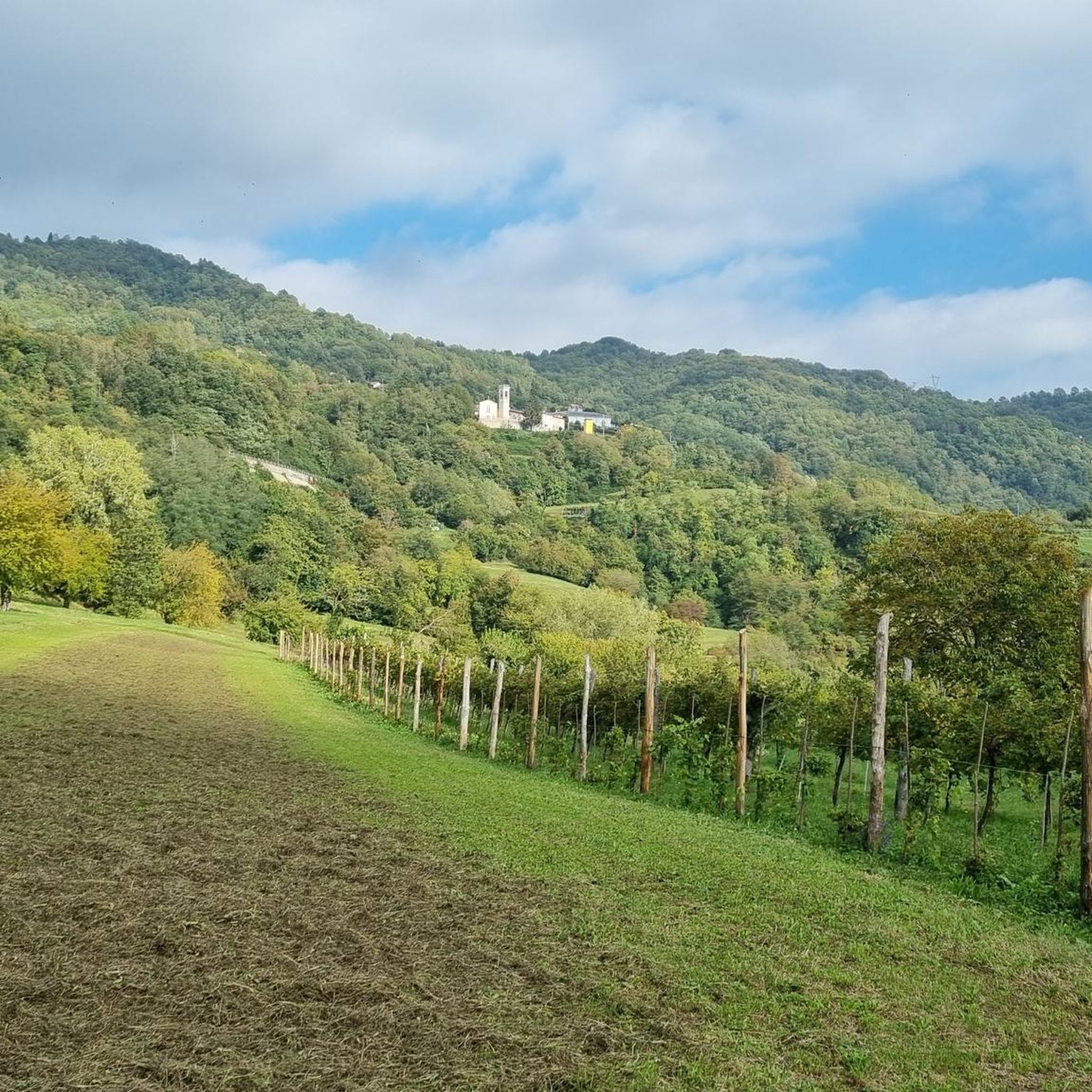
The Castilian cross or the highest point of the path, from there you can admire the surrounding mountains with binoculars and you can even see Monte Falcone
0
0

Cima Marana is a mountain in the Tre Croci chain in the Little Dolomites. It embraces the entire mountainous part of the Municipality of Crespadoro, in the province of Vicenza. more information: https://it.wikipedia.org/wiki/Cima_Marana
2
0

Not to be confused with Cima Telegrafo on Monte Baldo. It is "easily" reachable by a very steep path that starts from Campofontana. Magnificent 360 ° view on clear days.
4
0

Descended with an enduro mtb ktm .... descent at times very demanding .. caution ... but breathtaking landscapes and the possibility to connect to other trails and other peaks .. * wonderful experience I recommend it *
0
0

The forest road that starts from the Bertagnoli refuge is difficult in some places for a gravel bike equipped with narrow tires. The descent towards Recoaro Mille is carried out partly by following the former ski slope and partly by the service path of the former chairlift.
2
0
Frequently Asked Questions
What are the most popular mountain peaks and viewpoints around San Pietro Mussolino?
The area around San Pietro Mussolino offers a variety of popular peaks and viewpoints. Among them, Cima Marana Summit Cross is a highly appreciated mountain in the Tre Croci chain of the Little Dolomites. Another favorite is the View from Monte Verlaldo, which provides a special panorama over the Agno valley and the Piccole Dolomiti. For those seeking magnificent 360° views on clear days, Monte Telegrafo (1,562 m) is a notable summit.
What kind of terrain and difficulty can I expect from the mountain peaks near San Pietro Mussolino?
The region features two distinct mountain ranges. The Piccole Dolomiti (Little Dolomites) to the north offer rugged, alpine scenery with challenging hikes and climbs, similar to the main Dolomites but often less crowded. Peaks like Cima Carega (2259m) and Monte Baffelan (1793m) provide demanding routes. To the west, the Lessini Mountains present a more rolling, often forested terrain with peaks like Cima Trapola (1865m) and Monte Sparavieri (1797m), offering pleasant hikes through woodlands and pastures, suitable for a wider range of skill levels.
Are there family-friendly mountain peaks or trails around San Pietro Mussolino?
While specific highlights aren't explicitly marked as 'family-friendly', the Lessini Mountains, with their rolling terrain and ancient woodlands, generally offer more accessible and pleasant hikes suitable for families. For example, the Fossil Cave of Bolca loop from Crespadoro is an easy hiking route that could be suitable for families interested in nature and geology.
What natural features and landmarks can I discover in the mountains near San Pietro Mussolino?
You can explore diverse natural features. The Piccole Dolomiti are known for their striking, rugged rock formations and panoramic views from summits like Croce del Sojo (Monte Soglio). The Lessini Mountains are renowned for their rich paleontological heritage, including the world-famous Fossil Cave of Bolca, which is a significant site for ancient fish fossils. The Lessinia Regional Natural Park also protects unique geological formations and diverse ecosystems.
What historical sites are present in the mountain peaks area?
The Piccole Dolomiti hold significant historical importance, having been a site of intense fighting during World War I. Remnants from this period are scattered throughout the landscape, offering a poignant connection to the past. For instance, Croce del Sojo (Monte Soglio) was integrated into a defensive line during WWI, featuring loopholes and observation posts dug into the rock.
What outdoor activities can I do near the mountain peaks around San Pietro Mussolino?
The area provides numerous opportunities for outdoor activities. You can find a variety of hiking trails, ranging from moderate to challenging, including routes like the Pesciaia Trail. For runners, there are several running trails, such as the Monte Madarosa – Monte Persico loop. Mountain biking enthusiasts can explore MTB trails, including the challenging Scenic Trail – Monte Campetto loop.
Are there any circular hiking routes available near San Pietro Mussolino's peaks?
Yes, there are several circular hiking routes. For example, the Fossil Cave of Bolca loop from Crespadoro is an easy option. Other moderate circular hikes include the El Mas-Ciàro mural – Church of Peace of Alvese loop from San Pietro Mussolino and the Vaia Bee Sculpture loop from San Pietro Mussolino.
What is the best time to visit the mountains around San Pietro Mussolino for hiking?
While specific data isn't provided, generally, the best time for hiking in mountain regions like the Piccole Dolomiti and Lessini Mountains is during the spring, summer, and early autumn months (typically May to October). During these periods, the weather is usually more stable, trails are clear of snow, and temperatures are pleasant for outdoor activities. Always check local weather conditions before heading out.
What do visitors enjoy most about the mountain peaks and viewpoints in this region?
Visitors particularly appreciate the stunning panoramic views offered from various summits and viewpoints. For instance, the View from Monte Verlaldo is loved for its special vista over the Agno valley and the Piccole Dolomiti. The Monte Telegrafo (1,562 m) is praised for its magnificent 360° views on clear days. The rugged beauty of the Piccole Dolomiti and the unique paleontological sites in the Lessini Mountains also draw significant interest.
Are there any challenging climbs or trails for experienced hikers?
Yes, the Piccole Dolomiti range, in particular, offers challenging climbs and demanding routes for experienced hikers and mountaineers. Peaks like Cima Carega (2259m), Cima Palon (2232m), and Soglio Dell'Incudine (2114m) provide rewarding experiences. Monte Telegrafo (1,562 m) is also reachable by a very steep path, making it a challenging ascent.
Can I find trails that lead to significant natural monuments or historical sites?
Absolutely. Many trails in the region lead to significant natural and historical points of interest. For example, the Croce del Sojo (Monte Soglio) is both a summit and a historical site, integrated into a WWI defensive line. In the Lessini Mountains, the Pesciaia Trail leads to the world-renowned Fossil Cave of Bolca, a unique paleontological site.
Most popular routes around San Pietro Mussolino
Most popular attractions around San Pietro Mussolino

Get inspired with the komoot mobile app


Explore more
See even more amazing summits around San Pietro Mussolino with these guides:
