Top 7 Castles around Isola Vicentina
Best castles around Isola Vicentina are found within the wider Vicenza province, a region rich in history and strategic importance. While Isola Vicentina itself features historical sites like an 18th-century villa, the surrounding area offers a diverse collection of fortifications. These historical sites around Isola Vicentina range from medieval fortresses to elegant fortified palaces. The area's past, dating back to Roman times, is reflected in its numerous historical structures.
Best castles around Isola Vicentina
- The most popular castles is Villa…
Last updated: July 13, 2026
Villa La Rotonda
Highlight • Historical Site
Translated by Google •
Tip by

Villa Castle or Romeo's Castle
Highlight • Castle
Translated by Google •
Tip by

Sign up now to discover places like this
Get recommendations on the best single tracks, peaks, & plenty of other exciting outdoor places.
Sign up for free
Torrione di Porta Castello
Highlight • Historical Site
Translated by Google •
Tip by

Colle di San Vittore
Highlight • Trail
Translated by Google •
Tip by
Tower of the Castle in Piazza Castello, Vicenza
Highlight • Castle
Translated by Google •
Tip by

Sign up for free to discover even more castles around Isola Vicentina.
Sign up for free
Already have an account?
Start today with a free account
Your next adventure awaits.
Login or Signup

Tips from the Community

Piazza Castello, another beautiful destination in Vicenza
0
0
Beautiful gate of the city walls of Vicenza, with tower
0
0

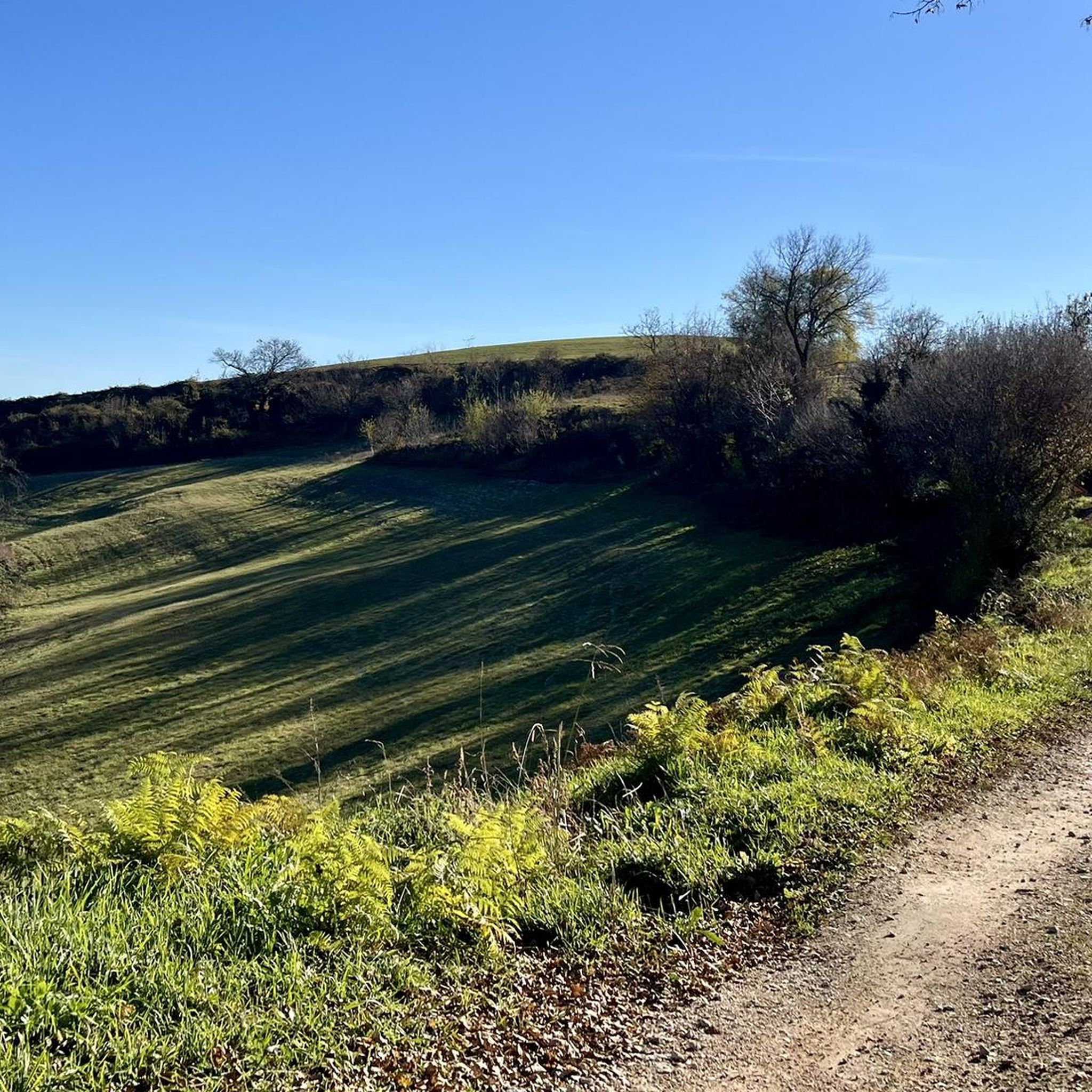
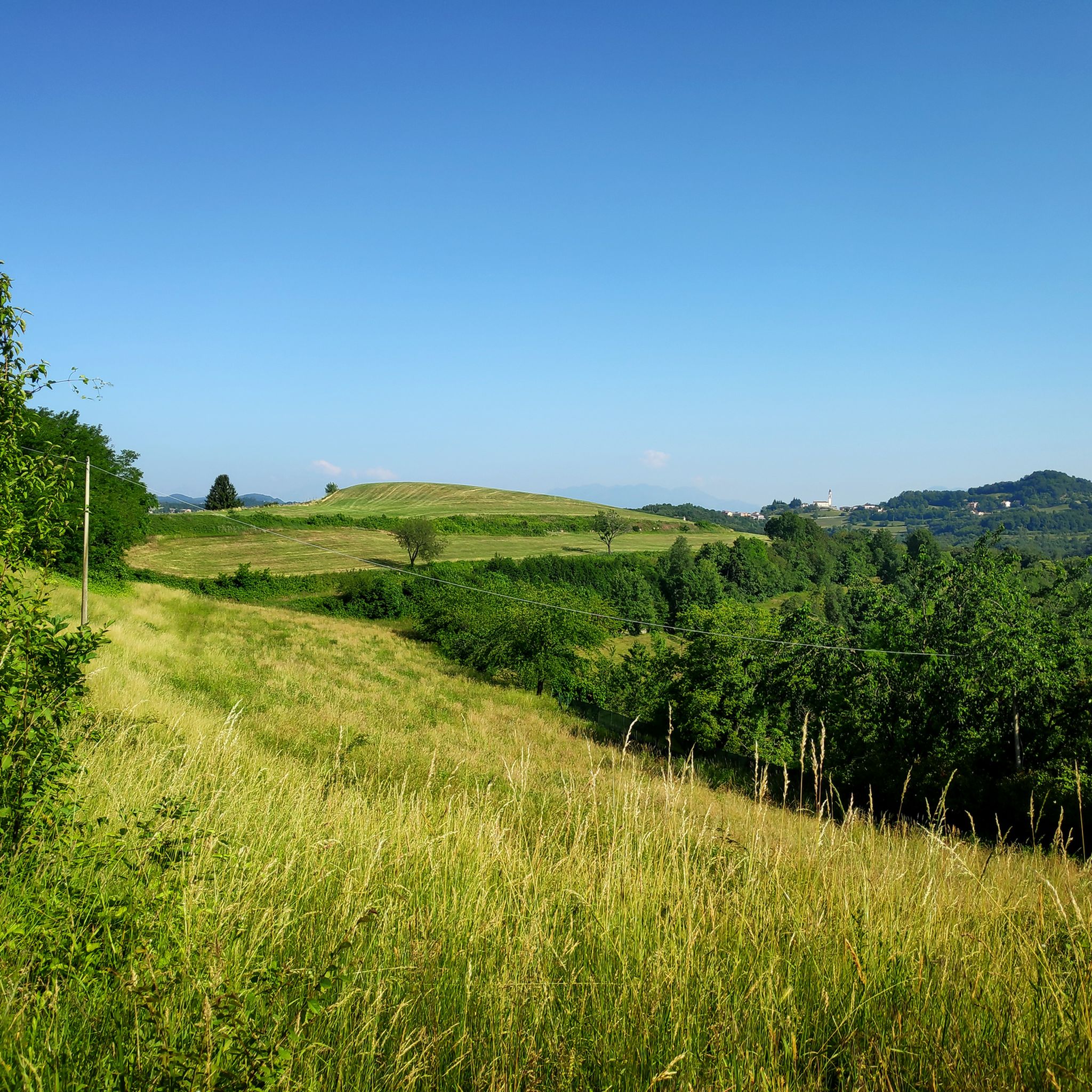
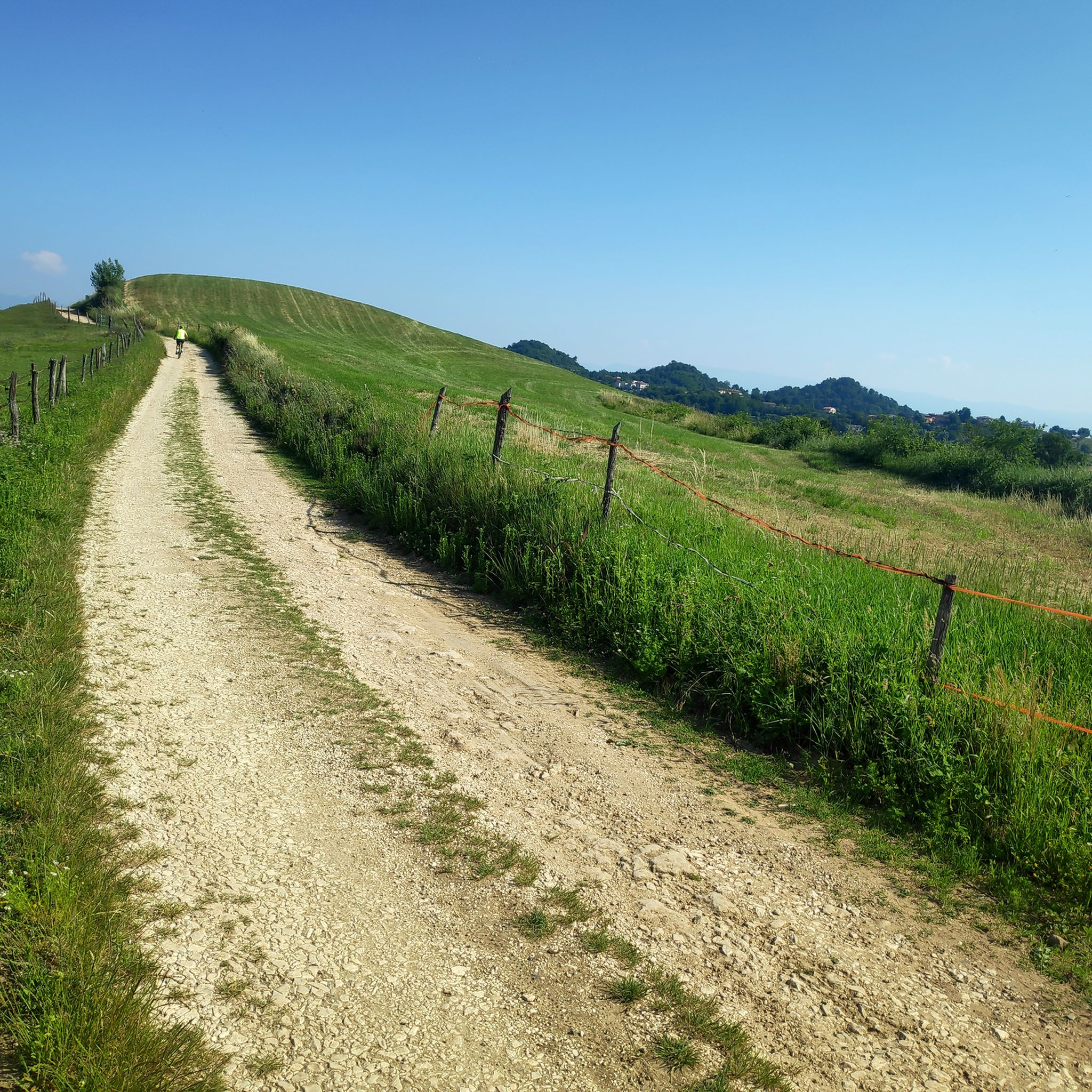
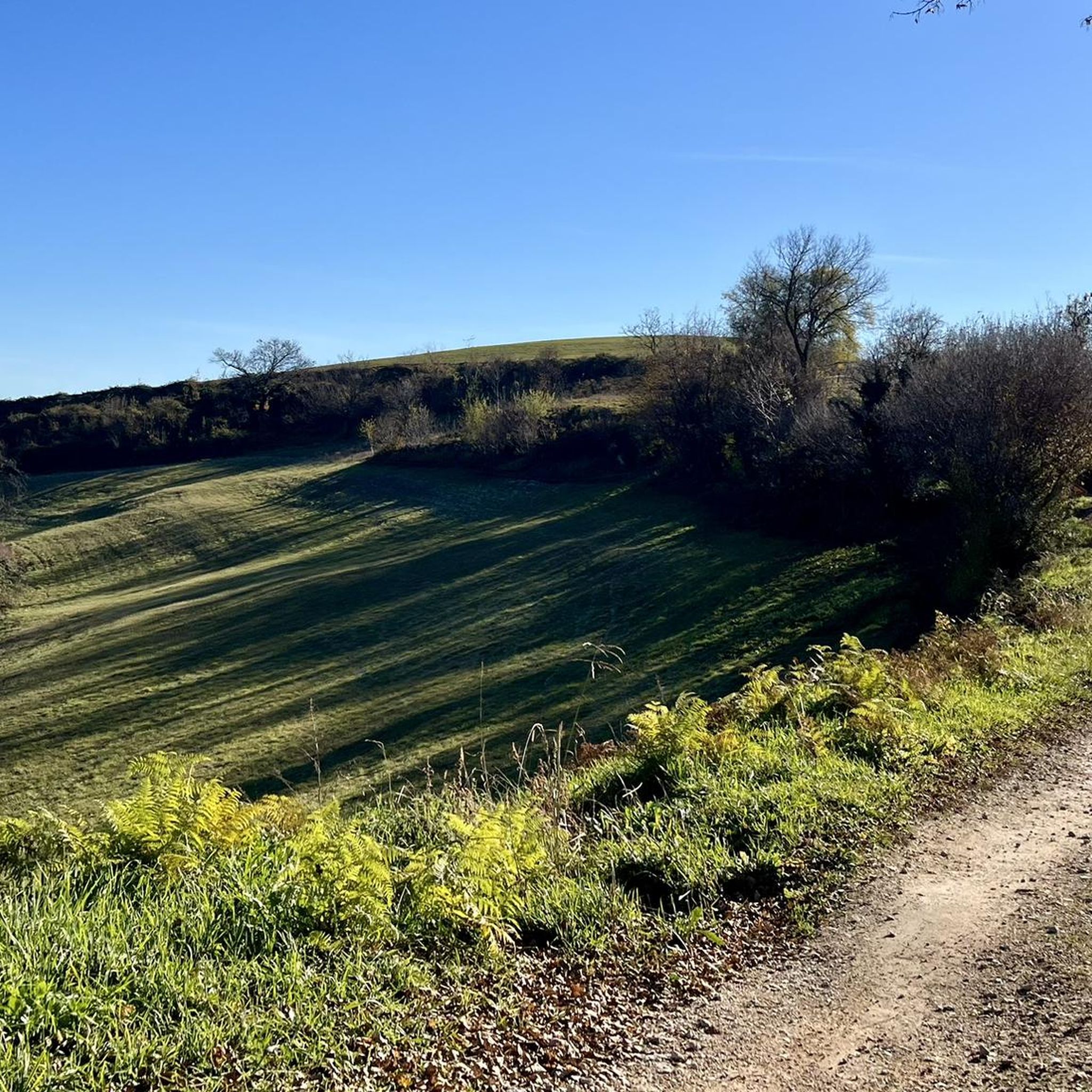
Colle di San Vittore is a silent, secluded and suggestive place that dominates a strategic passage between the Alta Pianura Vicentina and the Valle dell'Agno, with a view of the piedmont: precisely because of its position, it hosted the castle of Pietramala (ancient name of Priabona), built in the 8th-9th century and destroyed in 1250. For many centuries the hill was the center of the village, in a protected position, with the construction of the first parish church and the cemetery. Until quieter times pushed the inhabitants to go down to a more comfortable position, along the pass and the current road: the new church and the new cemetery were built. Today the hill hosts an unusual gathering of eras and styles: the church (with an appearance distorted over the centuries), the characteristic and squat bell tower, the ancient oratory (what remains of the castle), the deconsecrated cemetery and the 'recent' abandoned convent. https://padovasorprendi.it/loratorio-di-san-vittore-di-priabona-e-il-colle-ponimo/
2
0

Vicenza's medieval western city gate is quite impressive. The foundations date from the 12th century. The name of the nearby square tells us that this location was the site of the great Ezzelini fortress in the 14th century. It was a square area with a castle and a wet vest. In the 17th century the fortress lost its defensive role and the site changed shape and purpose. The north wing was converted into a palace overlooking the old garden. Dr fortress was almost completely dismantled by the 17th and 18th centuries. The only silent witnesses from these early Middle Ages are the Torrione and the parade ground.
7
0

Magnificent view on one side of Sovizzo and on the other of Montecchio Maggiore. Sometimes it hosts events (theatre, open-air cinema, medieval events).
0
0

The tower was built in the 12th century at the western entrance to the historic center of the city of Vicenza. In 1343 it was heavily rebuilt during the Scaliger occupation and became part of the medieval city walls. In modern times, for traffic reasons, the actual entrance arch was doubled and extended by two pedestrian walkways.
2
0
A medieval fortress, destroyed and rebuilt several times over the centuries, built on the hills of Montecchio Maggiore for its strategic position along the Via Postumia, controlling the passage between Verona and Vicenza. A previous fortification likely existed in Roman times. It is known as "Romeo's Castle" by tradition and folklore: Luigi da Porto, a military leader and man of letters, retired from military life and wrote the first novel about Romeo and Juliet in 1531 in his residence in Montorso, overlooking the two castles. In the 19th century, at the height of Romanticism, legend arose that the two castles, so close yet so far away, inspired him to imagine them as belonging to the rival families of the Montecchi and the Cappelletti. Shakespeare later drew inspiration from his work to make the tragic love story famous. Today, the castle occasionally hosts cultural events (concerts, theater, open-air cinema); it is open on weekends (see link); Free access to both the walls and the tower, from the top of which you can enjoy a magnificent 360° panorama. https://www.prolocoaltemontecchio.it/cosa-vedere/castelli-di-giulietta-e-romeo/ https://it.wikipedia.org/wiki/Castelli_di_Romeo_e_Giulietta
2
0

Vicenza is a city in the Veneto region of northeastern Italy. The city is known for the elegant buildings designed by architect Andrea Palladio in the 16th century, including the Basilica Palladiana and the Palazzo Chiericati, now used as an art gallery. The design for the nearby Teatro Olimpico, whose interior resembles a classical amphitheater, was also by Palladio. On a hill outside the city lies Villa La Rotonda with its 4 identical facades. Source:Wikipedia
1
0
Frequently Asked Questions
Which castles near Isola Vicentina offer the best panoramic views?
For magnificent panoramic views, visit Villa Castle, also known as Romeo's Castle, in Montecchio Maggiore. You can access its walls and tower for a 360-degree vista of the surrounding area.
Are there family-friendly castles to visit near Isola Vicentina?
Yes, several castles and historical sites are suitable for families. Villa Castle (Romeo's Castle) and Torrione di Porta Castello are both listed as family-friendly. Exploring these sites offers an engaging way for all ages to learn about local history.
What is the historical significance of castles in the Vicenza area?
The castles in the Vicenza province, including those near Isola Vicentina, reflect a rich history dating back to Roman times. They were strategically important, controlling passages and serving as defensive structures. Sites like Villa Castle are steeped in folklore, inspiring tales like Romeo and Juliet, while others like Torrione di Porta Castello showcase medieval defensive architecture.
What kind of outdoor activities can I do near these castles?
The area around Isola Vicentina offers various outdoor activities. You can find numerous road cycling routes, running trails, and general cycling paths. For example, there are several road cycling routes and running trails that pass through scenic landscapes, often near historical sites. These routes vary in difficulty from moderate to difficult.
Which castle offers a unique architectural style?
The Castello di Thiene stands out for its unique Venetian Gothic villa-castle architecture. Built in the 15th century, it blends defensive features with the elegance of a residential villa, featuring a distinctive T-shaped blueprint, deep loggia with ogival arches, and 18th-century frescoes.
What is the best season to visit the castles near Isola Vicentina?
The best season to visit is generally spring (April-June) and autumn (September-October) when the weather is mild and pleasant for exploring. Summer can be hot, but many sites remain open. Winter visits are possible, but some attractions might have reduced hours or be closed.
Are there any UNESCO World Heritage sites among the castles?
Yes, Villa La Rotonda, a historical site near Isola Vicentina, was included in the UNESCO list of world cultural heritage in 1994. It's a prime example of Palladian architecture.
How much time should I allocate for visiting a castle?
The time needed varies by castle. For a site like Villa Castle (Romeo's Castle), you might spend 1-2 hours exploring the walls and enjoying the views. Larger sites or those with extensive interiors like Castello di Thiene could require 2-3 hours or more for a thorough visit.
What are the parking options for these castles?
Parking availability varies by location. For castles situated in towns or cities, such as Torrione di Porta Castello in Vicenza, you'll typically find public parking lots or street parking nearby. For sites like Villa Castle in Montecchio Maggiore, there is usually dedicated parking available at or near the entrance.
Can I reach these castles by public transport?
Public transport options are available, especially for castles located in larger towns like Vicenza (for Torrione di Porta Castello) or Thiene (for Castello di Thiene). For sites like Villa Castle in Montecchio Maggiore, you might need a combination of bus and a short walk, or a taxi from the nearest train station.
Are there any less crowded castles to visit for a quieter experience?
While popular sites like Villa La Rotonda and Romeo's Castle can attract crowds, visiting during off-peak hours (early morning or late afternoon) or during the shoulder seasons (spring and autumn) can provide a more tranquil experience. Castello di Thiene, while notable, might also offer a less crowded visit compared to the more famous sites.
What should I bring for a castle visit?
Comfortable walking shoes are highly recommended, as many castles involve walking on uneven terrain, stairs, or extensive grounds. Depending on the season, bring water, sun protection (hat, sunscreen), or layers for cooler weather. A camera is also a must to capture the historical architecture and scenic views.
Most popular routes around Isola Vicentina
Most popular attractions around Isola Vicentina

Get inspired with the komoot mobile app


Explore more
Looking for the best castles somewhere else? Discover other guides around Isola Vicentina:
