Top 3 Caves around Pradalunga
Best caves around Pradalunga offer a blend of historical mining sites and natural geological formations. Situated in Val Seriana, the area is historically significant for its ancient whetstone quarries, which were vital to the regional economy for centuries. Beyond these industrial heritage sites, the surrounding landscape features natural caves, providing diverse exploration opportunities. These natural features and historical sites make the region a unique destination for those interested in geology and industrial archaeology.
Best caves around Pradalunga
- The most popular…
Last updated: June 29, 2026
Corno Buco Cave
Highlight • Cave
Translated by Google •
Tip by

Madonnina Cave of Selvino
Highlight • Cave
Translated by Google •
Tip by

Sign up now to discover places like this
Get recommendations on the best single tracks, peaks, & plenty of other exciting outdoor places.
Sign up for free
Grotta Paradis di Asegn
Highlight • Cave
Translated by Google •
Tip by

Grotta dei Laghetti
Highlight • Cave
Translated by Google •
Tip by

Start today with a free account
Your next adventure awaits.
Login or Signup
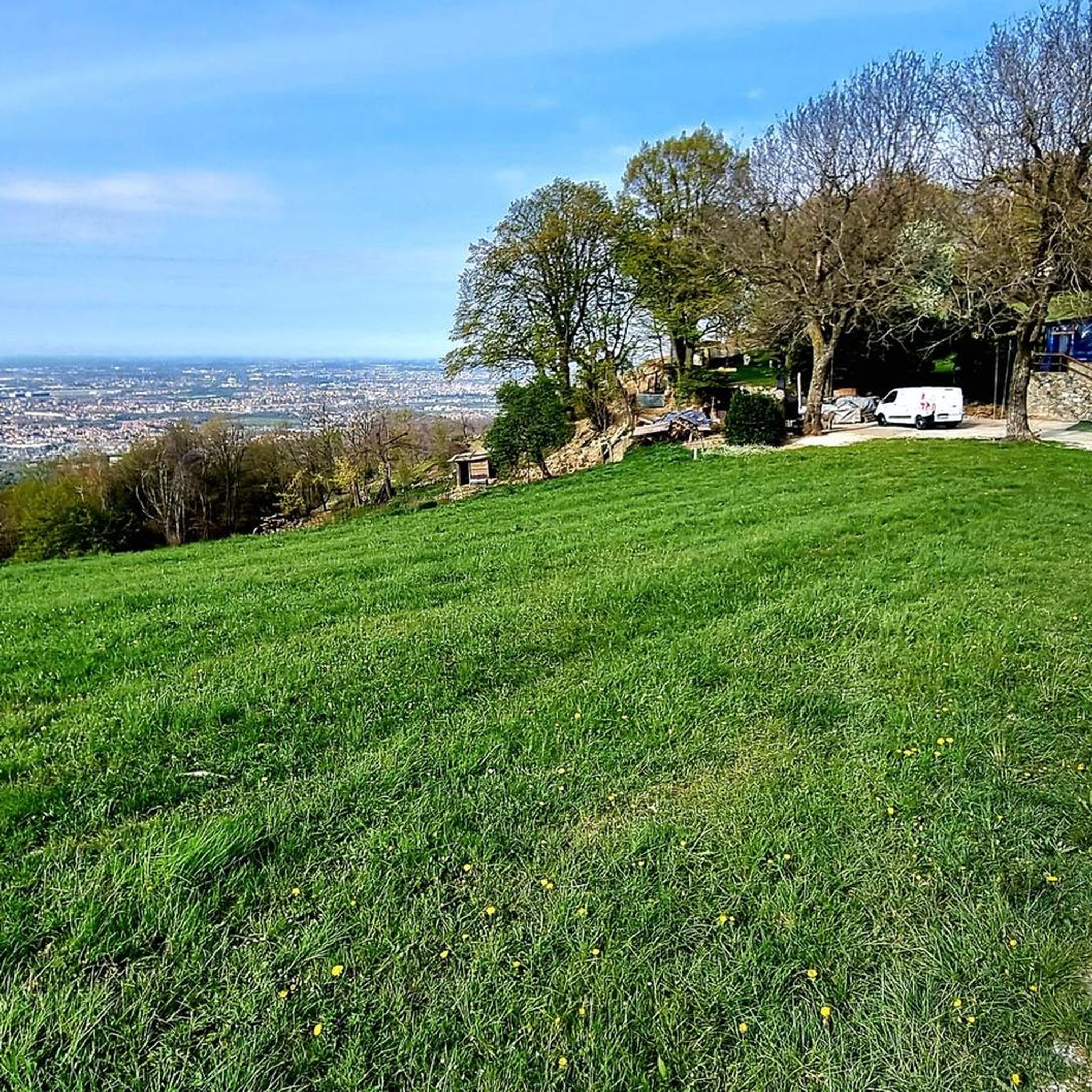
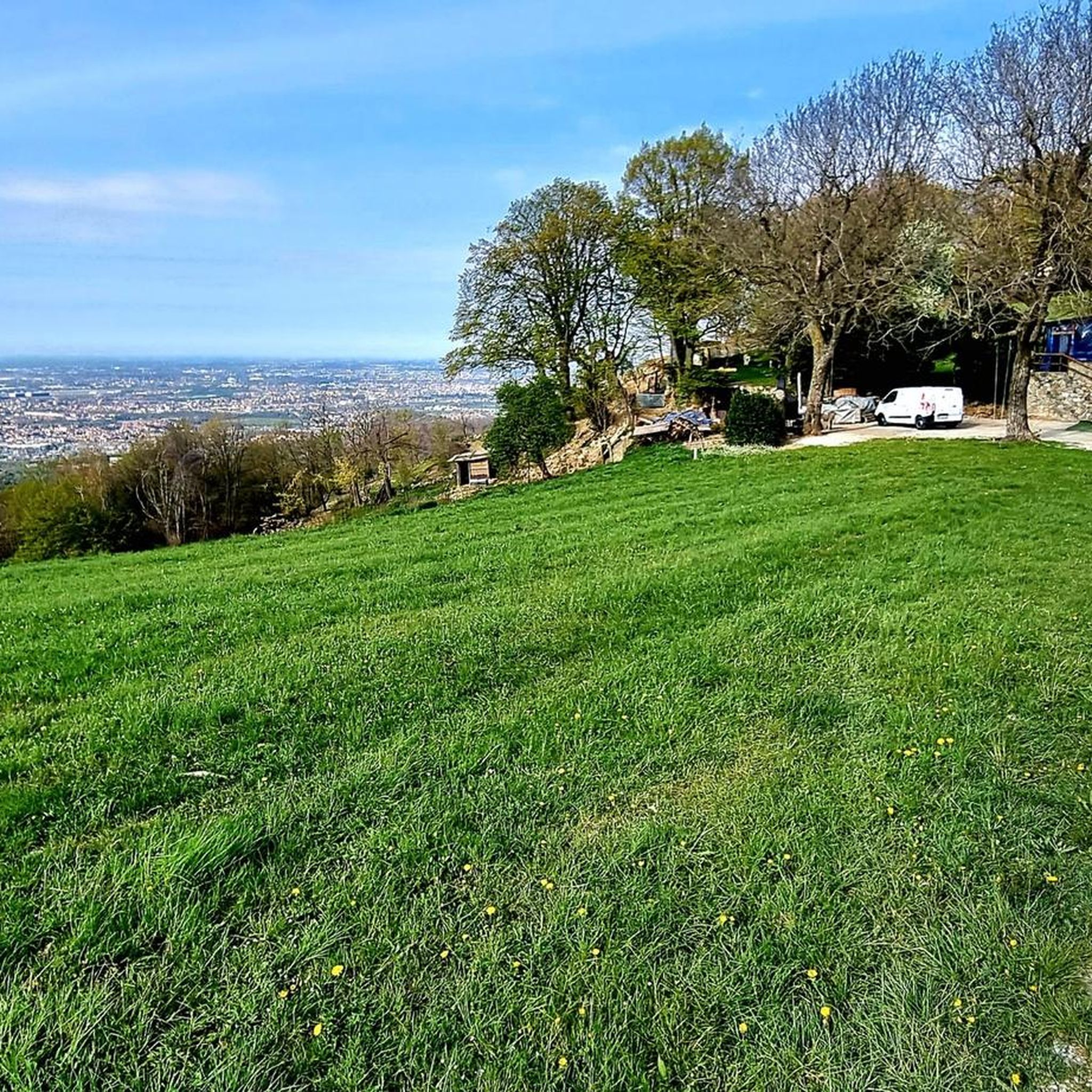
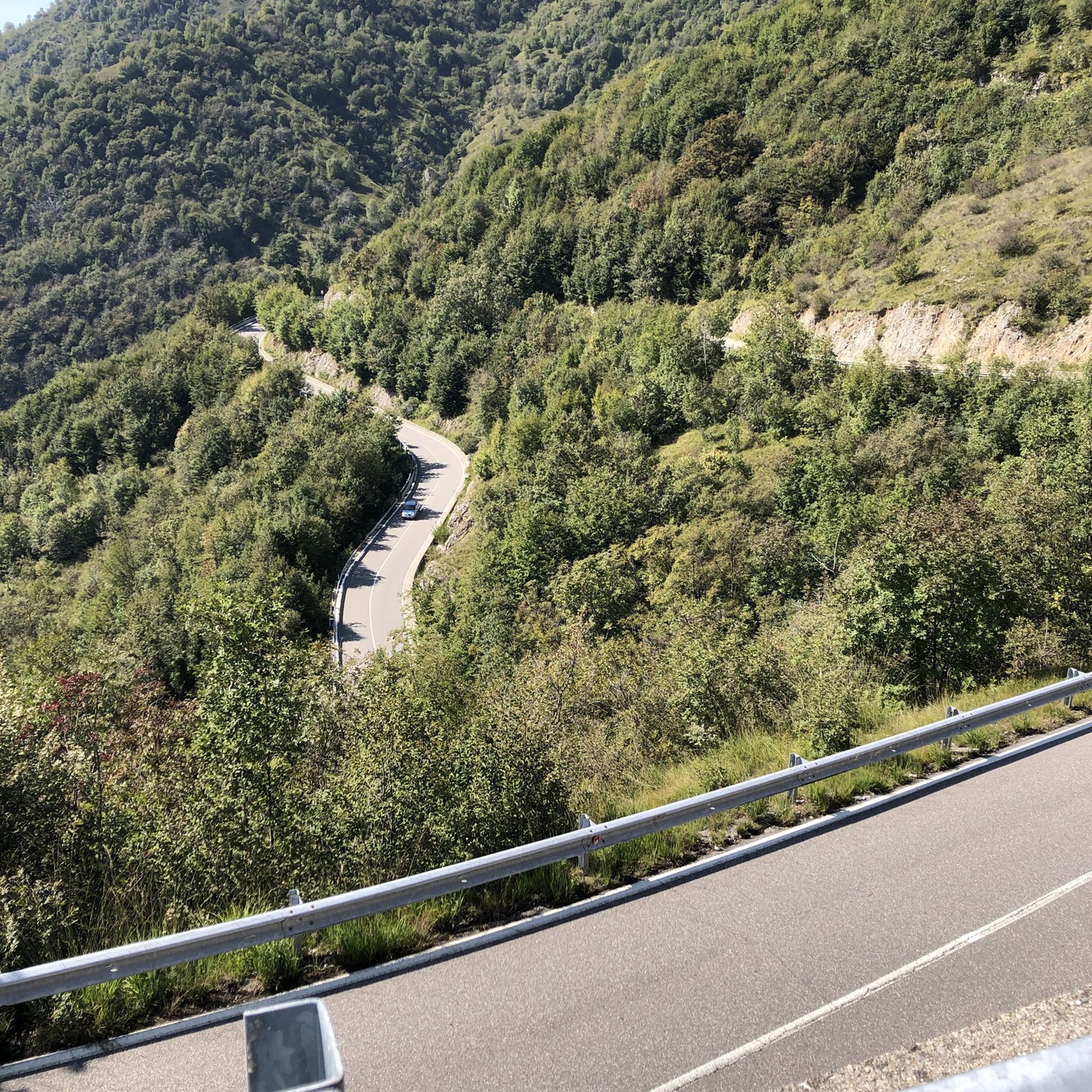
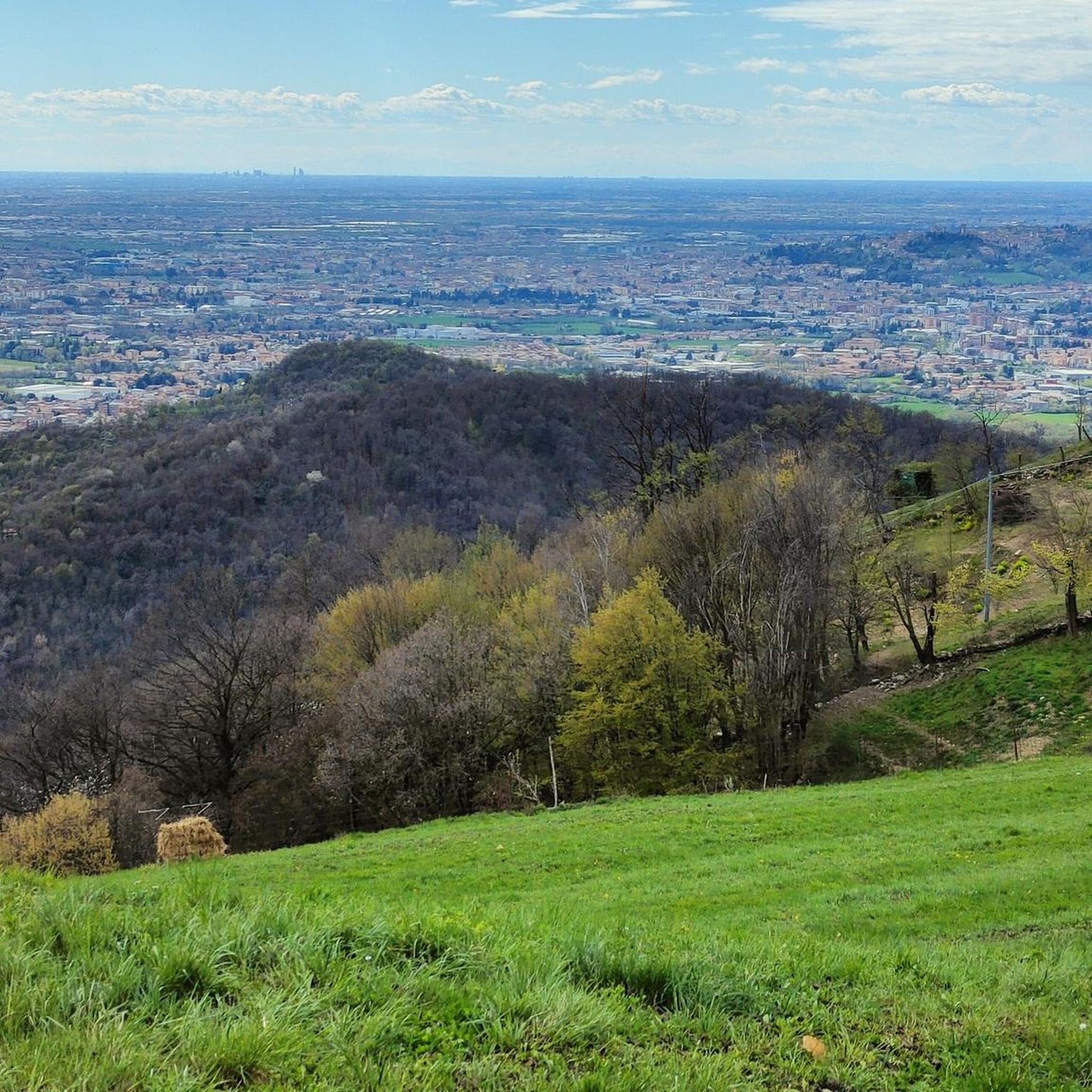

Tips from the Community

To maintain the sacredness of the place, it is better to remove the map 🧐
0
0

nice cave, about ten meters long, beautiful concretions.
0
0

Semi-hidden cave with no signs.
0
0

Very large alabaster cave that can be reached quickly from the mule track. The last part of the path is classified EE because there is a very short section where you have to climb. You can also look from below without climbing the iron steps.
0
0

The cave is natural, the religious people have inserted a Madonna inside. I ask visitors not to place waste there. Respect the environment!
0
0
Natural cave used as a sanctuary of the Madonnina.
0
0
Frequently Asked Questions
What types of caves can I explore around Pradalunga?
The area around Pradalunga offers a unique blend of experiences. You can explore natural geological formations, such as the impressive Corno Buco Cave or the Alabaster Cave. Additionally, Pradalunga is historically significant for its ancient whetstone quarries, which are mining tunnels often referred to as 'caves' and offer a glimpse into the region's industrial past.
Are there any historically significant caves in Pradalunga?
Yes, Pradalunga is renowned for its historical whetstone (pietre coti) quarries, which are ancient mining tunnels. Sites like Cava di pietre coti Bertù, Cava di pietre coti Gavazzi (also known as Vena Madre), and Cava di pietre coti Forcella illustrate centuries of mining practices and the arduous conditions faced by miners. These sites are significant for industrial archaeology and local history.
Where can I find natural caves with impressive formations near Pradalunga?
For classic natural cave formations, the Grotte delle Meraviglie (Caves of Wonders) in nearby Zogno are highly recommended. These caves feature beautiful speleothems and are formed within limestone rich in fossilized corals. They offer guided tours and maintain a cool temperature of 12 °C.
Are there family-friendly options for visiting caves in the area?
The Grotte delle Meraviglie in Zogno are generally considered family-friendly, offering guided tours through an easily accessible artificial entrance tunnel. For the historical mining caves in Pradalunga, while fascinating, some tunnels can be narrow, so it's advisable to check specific access details if visiting with very young children.
What is the best time to visit the caves around Pradalunga?
The Grotte delle Meraviglie in Zogno are typically open on specific Sundays from May to September, and booking is required. For the historical mining caves and natural highlights like Madonnina Cave of Selvino, access is generally possible year-round, though weather conditions for reaching them via hiking trails should be considered, especially in winter.
What outdoor activities can I combine with a visit to the caves?
The region around Pradalunga offers various outdoor activities. You can explore numerous cycling routes, including options for gravel biking, mountain biking, and road cycling. Many caves, like Corno Buco Cave and Alabaster Cave, are accessible via hiking paths, allowing you to combine cave exploration with scenic walks.
How challenging is it to reach some of the natural caves?
Some natural caves, such as Grotta Paradis di Asegn and Grotta dei Laghetti, are classified as challenging to reach. They may involve sections requiring climbing, sometimes with ropes or iron steps. It's advisable to check the specific route difficulty and be prepared with appropriate footwear and gear.
What unique natural features can I observe in the caves?
In the Alabaster Cave, you can see a polished alabaster rock at the entrance, demonstrating the material's transformation. The Grotte delle Meraviglie in Zogno are known for their beautiful speleothems (cave formations) and limestone rich in fossilized corals. Other caves like Corno Buco Cave are notable natural monuments and gorges.
Are there any caves with religious significance?
Yes, the Madonnina Cave of Selvino is a natural cave that has been used as a sanctuary. It is located on the path connecting Selvino to the Lonno-Podona crossroads and features a Madonna statue inside, making it a site of local religious devotion.
What do visitors enjoy most about the caves around Pradalunga?
Visitors appreciate the blend of natural beauty and historical significance. The natural caves offer suggestive formations and unique geological insights, while the historical whetstone quarries provide a fascinating look into the region's industrial past and the challenging lives of the miners. The komoot community has shared over 30 photos and given more than 40 upvotes for the caves in the area.
How accessible are the Grotte delle Meraviglie in Zogno?
The Grotte delle Meraviglie are accessed via an artificial entrance tunnel, 73 meters long, carved into the rock, making them relatively easy to enter. There is a 15-minute walk from the parking area to the cave entrance. Guided tours are available, typically lasting 45 minutes.
Can I learn more about the whetstone mining history of Pradalunga?
Yes, the Laboratorio-Museo Pietre Coti di Pradalunga preserves and exhibits tools and processes related to whetstone extraction and shaping. This museum, along with visits to historical quarry sites like Cava di pietre coti Gavazzi, offers deep insights into the profound historical impact of whetstone production on the region.
Most popular routes around Pradalunga
Most popular attractions around Pradalunga

Get inspired with the komoot mobile app


Explore more
Extend your search for the best caves by checking out these guides of the top ones around Pradalunga:
