Top 16 Caves around Fiavè
Best caves around Fiavè, a town on the Lomaso high plateau in Trentino, Italy, offers a combination of natural and historical underground sites. The area is known for its archaeological heritage, particularly prehistoric pile-dwelling settlements. A notable natural feature is the Camerona cave, characterized by its large entrance and spacious interior. Fiavè provides opportunities to explore both geological formations and ancient human history.
Best caves around Fiavè
- The most popular caves is The Statuary Stone Quarries of Vastrè, a…
Last updated: July 13, 2026
Varone Waterfall and Botanical Garden
Highlight • Waterfall
Translated by Google •
Tip by

Cave with a View of Torbole and Nago
Highlight • Cave
Translated by Google •
Tip by

Sign up now to discover places like this
Get recommendations on the best single tracks, peaks, & plenty of other exciting outdoor places.
Sign up for free
The Statuary Stone Quarries of Vastrè
Highlight • Cave
Translated by Google •
Tip by

World War I Tunnels and Fortifications on Cima Rocca
Highlight • Historical Site
Translated by Google •
Tip by

Colle di Santo Stefano War Memorial
Highlight • Monument
trentinograndeguerra.it/context.jsp?area=101&ID_LINK=250&id_context=4801
Translated by Google •
Tip by

Sign up for free to discover even more caves around Fiavè.
Sign up for free
Already have an account?
Start today with a free account
Your next adventure awaits.
Login or Signup
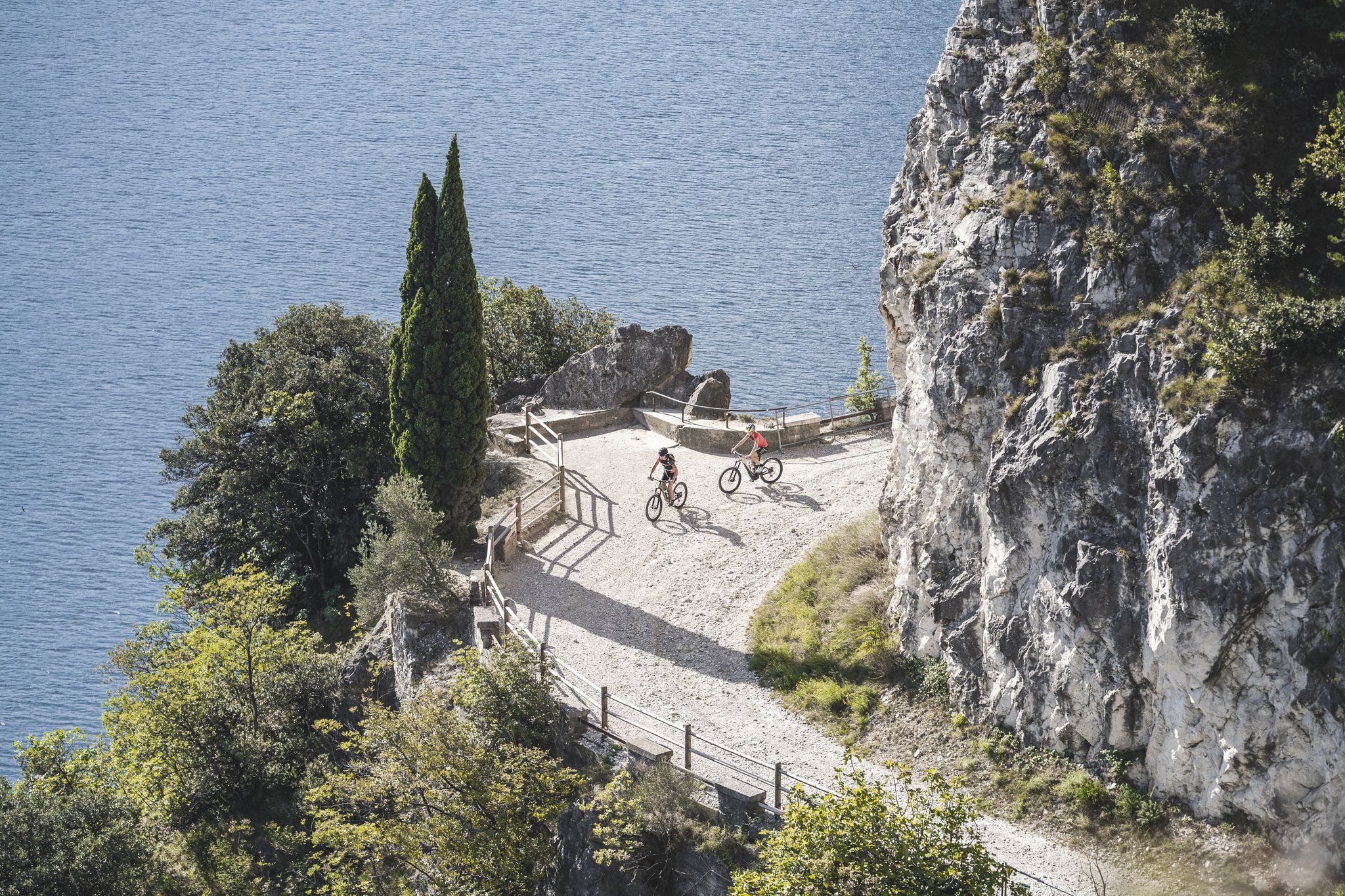
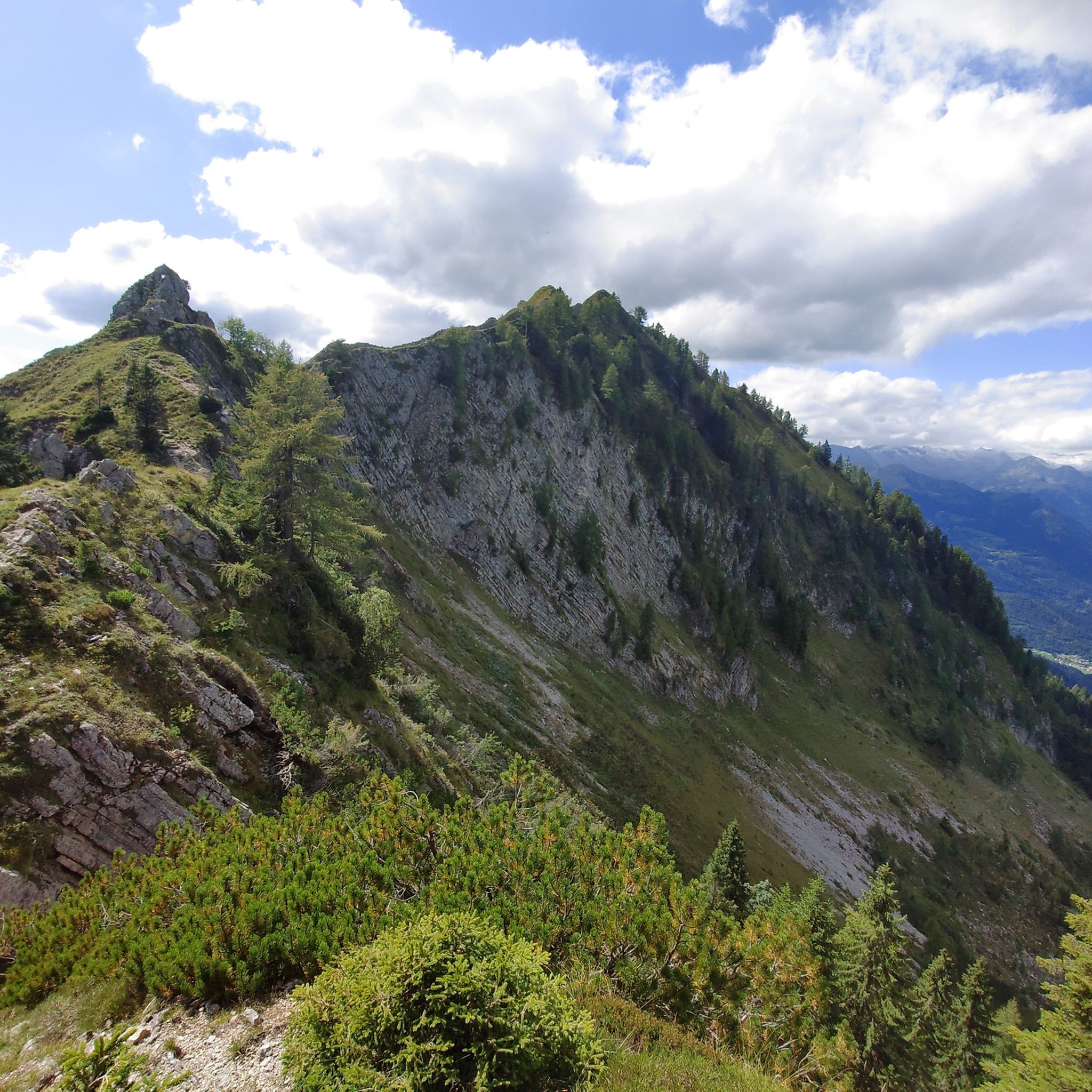
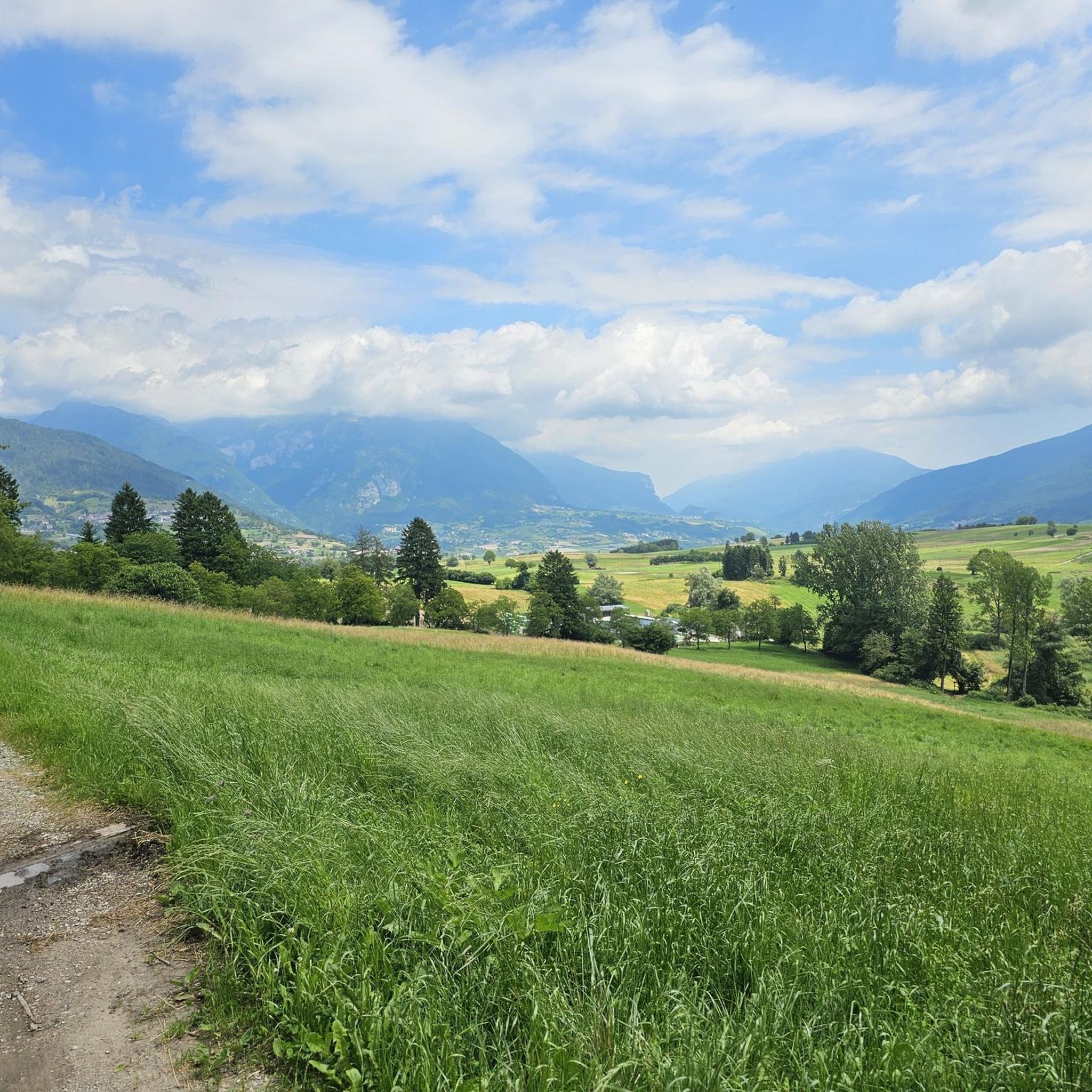
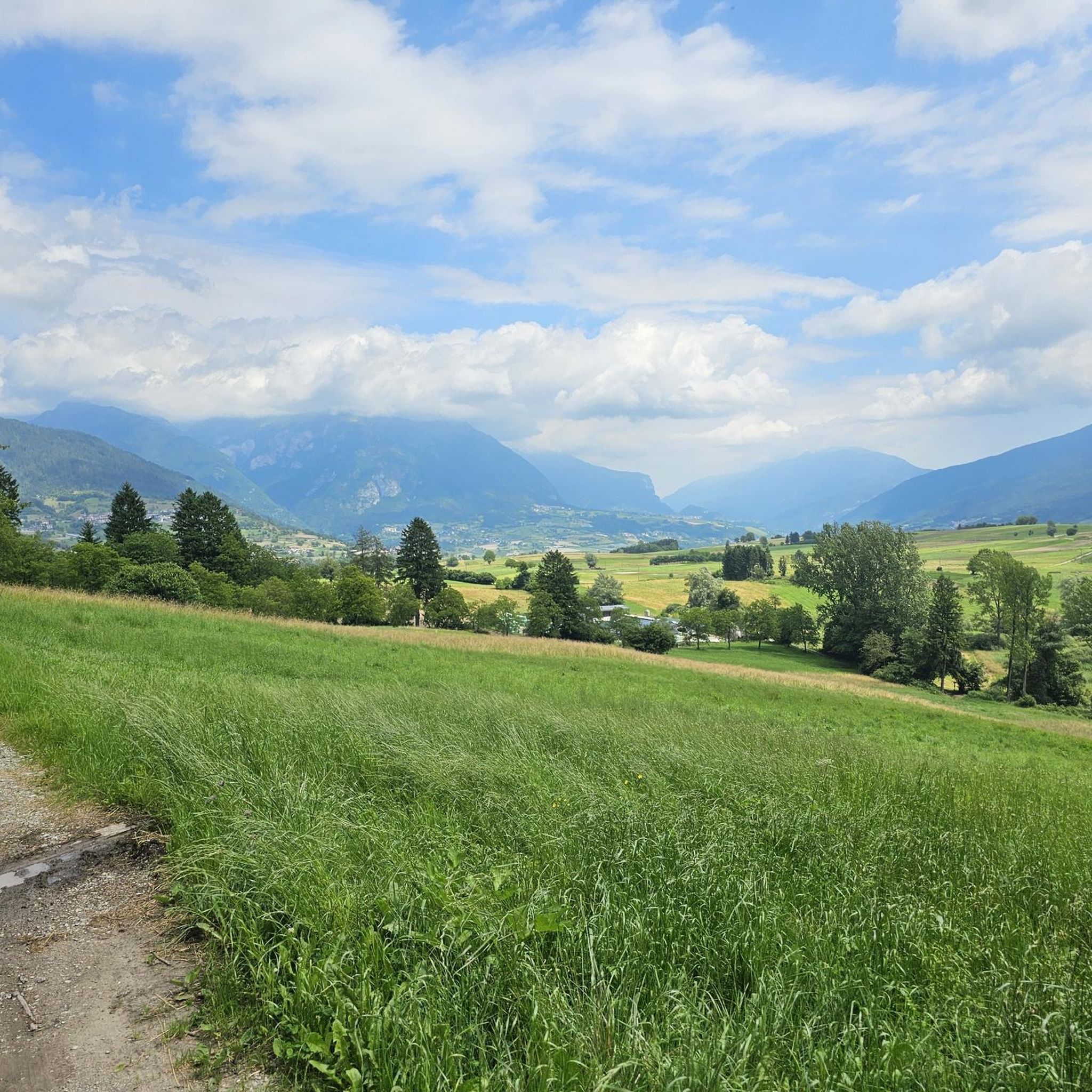


Other adventures around Fiavè

Tips from the Community

The via ferratas on Cima Rocca are easy to do and lead through historic trenches and long tunnels through the mountain. An experience following historical traces with fantastic views of Riva, the Ledro Valley, and Lake Garda.
0
0

More information about opening times etc. can be found here: https://www.cascata-varone.com/de/ Make sure you take a rain jacket with you... no one comes out dry here 😜😂! We were there at the end of October and were glad to have a change of clothes in the car 😉. Definitely a welcome refreshment in the summer ☀️
6
1

Very interesting you should take a look
1
0
You should take a look, it is very interesting there with caves and trenches from the 1st World War
1
0

It is well worth seeing and it is oppressive when you walk through the bunkers, trenches and loopholes. A legacy that must be continued.
2
0

Here, on the Via Nuova, you get a nice first view and impression of the Varone waterfall! For 7 euros entry and enough time, you can of course see more of it. Unfortunately, the location is already very touristy: https://www.cascata-varone.com/de/varone-wasserfall.htm
6
0

Oolite stone quarries dug in the Vastrè hills. The extracted stone, called "statuary stone", was used above all for portals, fountains and statues as it is easily workable. The stone extracted from the quarries was used to create statues that adorn the Taro bridge in Parma, the fountain in Piazza Duomo in Trento, the statues that adorn the Prato della Valle in Padua, some statues found in the Collegiate Church of Arco and the statue of Moses located in the square of Arco. I advise you to enter the quarries and tackle the route inside. The location is truly very suggestive and I would say unique. The extraction planes are inclined about 30° towards the west and in the middle there are rock columns which were used to prevent the roof from collapsing.
1
1

Nice rest area with a great view.
1
0
Frequently Asked Questions
What is the primary natural cave attraction near Fiavè?
The most notable natural cave is the Camerona, located near Ballino. It features an exceptionally large entrance, about 20 meters wide and 12 meters high, and extends for 60-70 meters with a spacious interior.
Are there historical or archaeological 'caves' to explore in Fiavè?
Yes, Fiavè is renowned for its archaeological heritage, particularly the Fiavé pile-dwelling site. This UNESCO World Heritage site offers insights into prehistoric communities with reconstructions at the Archeo Natura Park and artifacts at the Pile-Dwelling Museum.
What unique man-made cave experiences can I find around Fiavè?
You can explore The Statuary Stone Quarries of Vastrè, which are oolite stone quarries dug into the hills, historically used for protection during wartime. Another option is the World War I Tunnels and Fortifications on Cima Rocca, offering historical traces and views.
Are there family-friendly cave attractions in the Fiavè area?
Absolutely. The Waterfall and Grotto at Parco Grotta Cascata Varone is a popular family destination, featuring a waterfall flowing through caves with scenographic lighting. The Archeo Natura Park at Fiavé also provides an engaging, educational experience for all ages with its pile-dwelling reconstructions.
How accessible is the Camerona cave?
The Camerona cave is accessible via a restored path from the center of Ballino. The walk takes approximately 15-20 minutes to reach the cavity.
What kind of geological features can be observed in the Camerona cave?
Inside the Camerona cave, you can observe large rock blocks on the floor from fallen layers and diffuse honeycombs on rock surfaces. The innermost section of the ceiling is also adorned with large, thick stalactites, showcasing its formation within the Misone Limestone.
Can I combine cave exploration with hiking near Fiavè?
Yes, the path to the Camerona cave is a short hike itself. For more extensive hiking, you can find numerous trails in the region. Explore options like the 'Climb to Monte Misone' or 'Garda-Brenta Itinerary - Stage 7' by visiting the Hiking around Fiavè guide.
What other outdoor activities are available near the caves of Fiavè?
Beyond hiking, the Fiavè area offers excellent opportunities for gravel biking and mountain biking. You can find routes like the 'Km0 UNESCO Comano Gravel Experience' or the 'Monte Casale Trail Route - 952'. Check out the Gravel biking around Fiavè guide and the MTB Trails around Fiavè guide for more details.
What makes the Fiavé pile-dwelling site historically significant?
The Fiavé pile-dwelling site is a UNESCO World Heritage site, preserving evidence of prehistoric communities from as early as 3800-3600 BC. Excavations have revealed exceptionally well-preserved wooden objects, pottery, and foodstuffs, offering unparalleled insights into Bronze Age life and technology.
Is there a museum related to the Fiavé archaeological sites?
Yes, the Pile-Dwelling Museum in Fiavè houses a vast collection of artifacts from the archaeological site, including unique wooden objects, bronze jewelry, and amber items. It provides a detailed understanding of the different settlement phases.
What should I know about visiting the Waterfall and Grotto at Parco Grotta Cascata Varone?
This attraction features a waterfall flowing through various caves with artificial walkways and lighting. There is an entrance fee, and visitors often recommend bringing a rain jacket as you can get wet inside. It can get crowded during summer and on public holidays.
Are there any caves with scenic views around Fiavè?
Yes, the Cave with a View of Torbole and Nago offers a grandiose view of the Sarca from a narrow rocky edge, accessible from a path between rocks.
What is the best time of year to visit the caves and archaeological sites in Fiavè?
The spring and autumn months generally offer pleasant weather for exploring both natural caves and outdoor archaeological sites. Summer can be warm, but the cool interiors of caves provide a refreshing escape. Winter caving is possible for some sites, but accessibility might be limited for others.
Are there any tips for exploring The Statuary Stone Quarries of Vastrè?
When visiting The Statuary Stone Quarries of Vastrè, it's highly recommended to enter inside and tackle the route. The location is very suggestive, with extraction planes inclined at about 30° and rock columns that prevented roof collapse. It's a unique historical experience.
Most popular routes around Fiavè
Most popular attractions around Fiavè

Get inspired with the komoot mobile app


Explore more
Extend your search for the best caves by checking out these guides of the top ones around Fiavè:
