Top 6 Caves around Carzano
Best caves around Carzano are found within the Valsugana and Lagorai region, an area characterized by its morphology that has led to the formation of numerous caves and holes. Carzano, situated on the northern edge of the alluvial plain of Scurelle, serves as a gateway to this geologically rich landscape. The region's karst features contribute to a diverse range of natural and historical underground formations.
Best caves around Carzano
- The most popular caves is Quota 2093 / Biancardi Gallery WW1…
Last updated: June 29, 2026
Cima Caldiera Logistics Base Caves (World War I)
Highlight • Historical Site
Translated by Google •
Tip by

Quota 2093 / Biancardi Gallery WW1
Highlight • Historical Site
Translated by Google •
Tip by

Sign up now to discover places like this
Get recommendations on the best single tracks, peaks, & plenty of other exciting outdoor places.
Sign up for free
Busa del Can Sinkhole
Highlight • Cave
Translated by Google •
Tip by

Buso dei Quaranta
Highlight • Cave
Translated by Google •
Tip by
Chasm below Cima XII
Highlight • Cave
Translated by Google •
Tip by
Sign up for free to discover even more caves around Carzano.
Sign up for free
Already have an account?
Start today with a free account
Your next adventure awaits.
Login or Signup
Tips from the Community

Very steep section that leads to the top of Ortigara, it is useful to have a headlamp with you
1
0

The tunnel was initially an Austro-Hungarian machine gun emplacement (2093 m), designed to defend the overlooking 2101 m of Mount Ortigara. It was later captured by the Alpine troops during the first attack on June 10, 1917, becoming the headquarters of the Italian command of Colonel Pietro Biancardi, from whom it takes its current name. A must-see on the trail connecting the summit of Mount Ortigara to the Agnella Pass: fascinating, steep, and facilitated by steps and ropes. The imperial emplacements are accessed by descending into a shaft using metal supports (technical descent, only for experts).
1
0
During the First World War, in view of the Battle of Ortigara in 1917, the area on the eastern slopes of Cima Caldiera was transformed into an Italian logistics base of enormous tactical importance: one of the main storage centers for food, ammunition, tools and materials needed for combat and the sustenance of the troops. It was located on the slope sheltered from enemy fire, but close to the front line, to which it was connected by a web of walkways; it was accessible via a wide and comfortable road from Piazzale Lozze, which is now used as a path; the six tunnels dug one after the other, connected internally by a single corridor, served as warehouses and were hidden from view by external wooden barracks that, leaning against the rock, covered the entrances. Two interesting tables show the inventory of the goods stored: food for the soldiers, daily rations and materials for the Engineers.
0
0

Trenches along the path that leads to Cima Caldiera. They are part of the Eco Museum of the Great War. The trenches and the excavated cavities served as warehouses for supplies for the troops of Ortigara.
0
0

Karst gorge typical of this type of mountain. There are many throughout the plateau, just look carefully at the maps
1
0

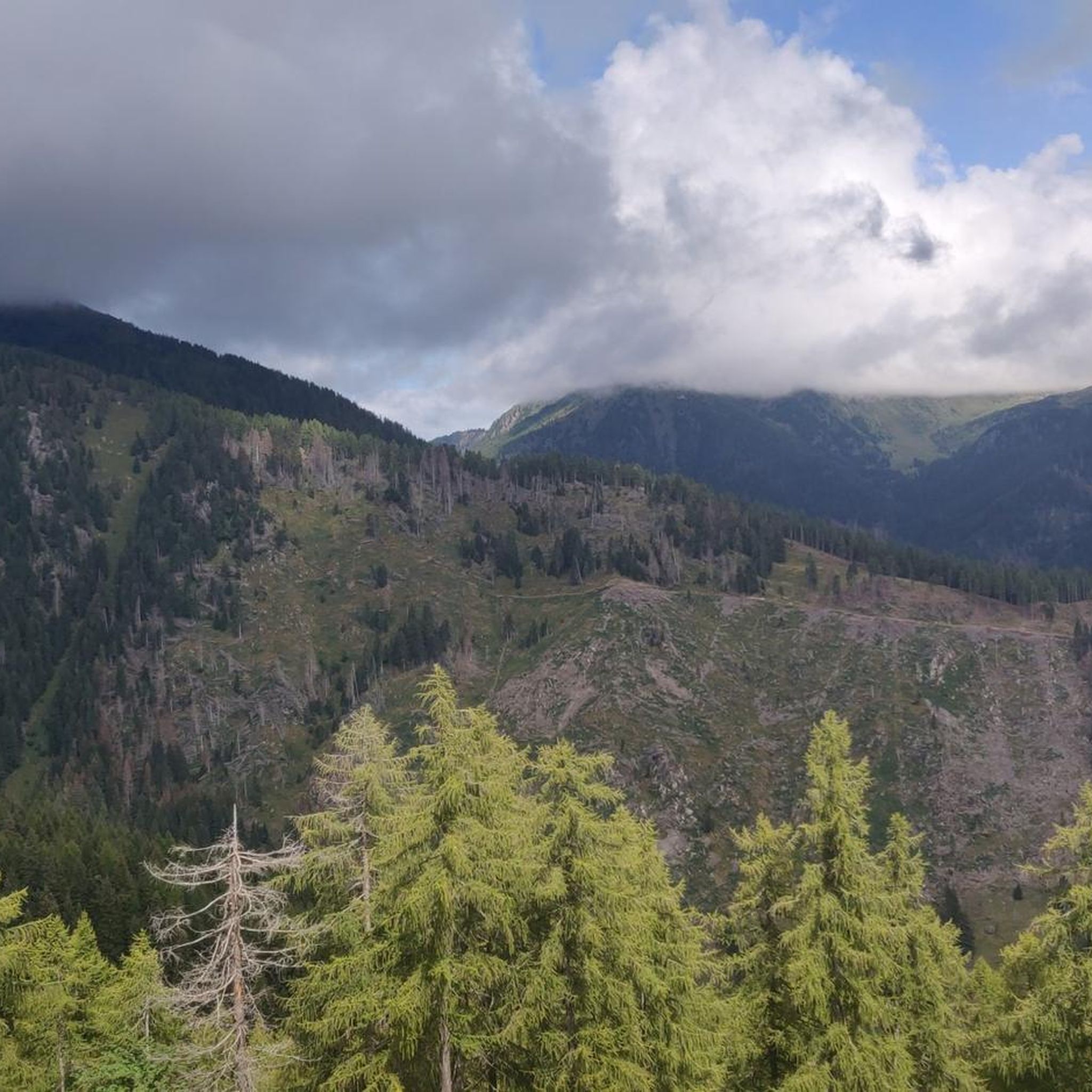
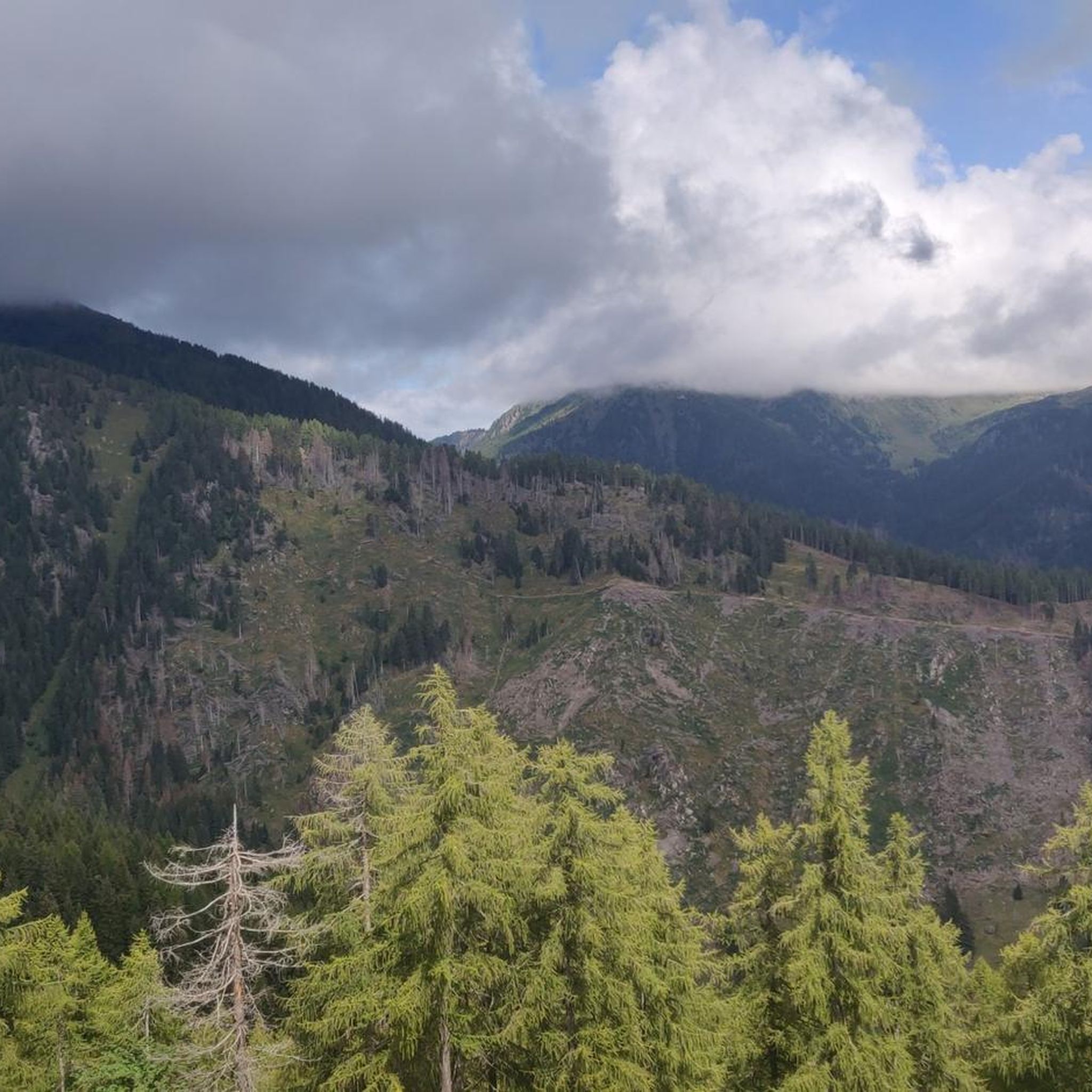
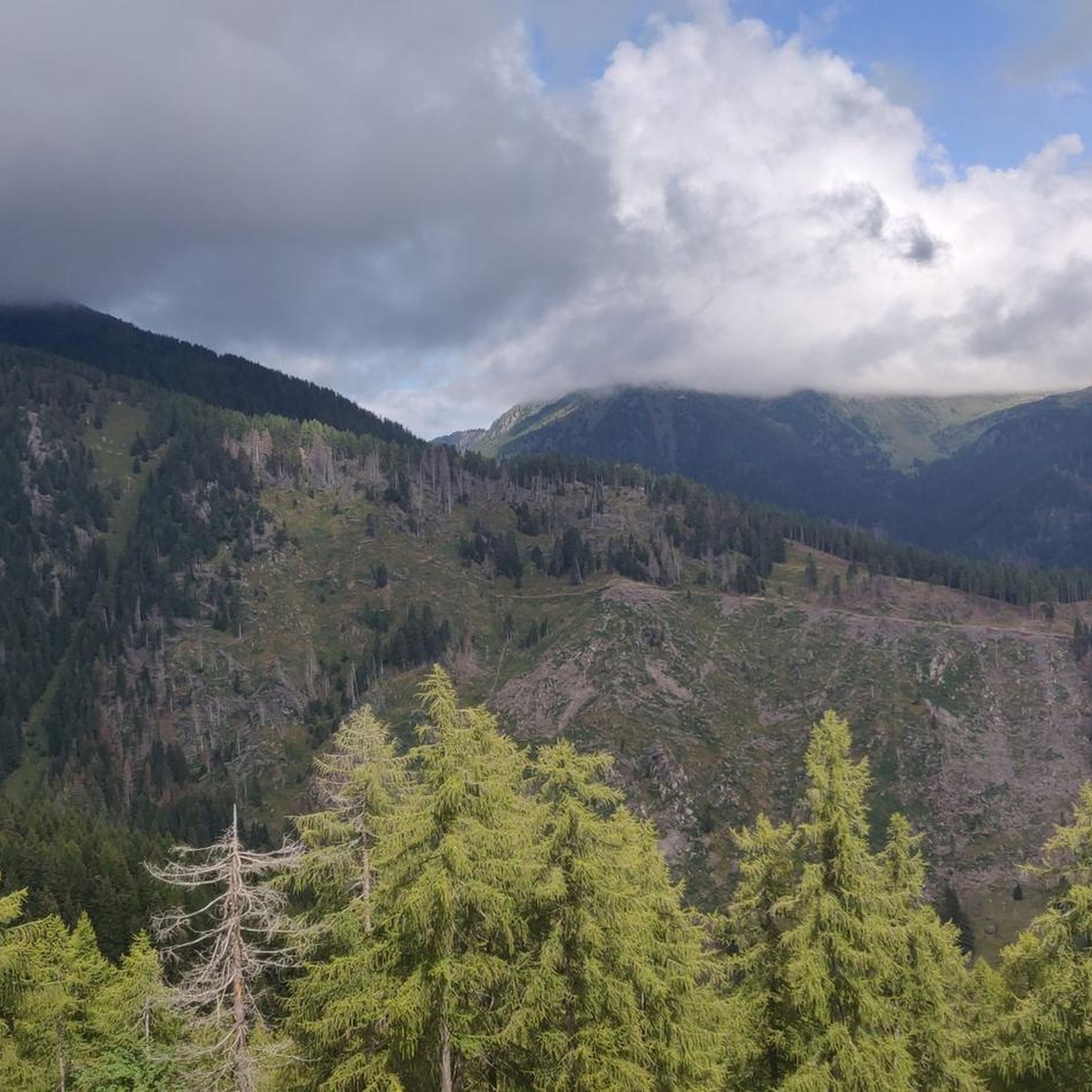
Unpaved stretch, not too demanding, from where you can enjoy very beautiful landscapes and on occasion not very frequented passages
1
0

Along the road that goes from Campogallina to Selletta Mecenseffy and Bivio Italia, you come across this very deep well classified in the Venetian speleological register. The entrance to the well is located at street level and is not protected in any way. Therefore, pay maximum attention especially if you have children or even animals. It could be very dangerous.
5
0
Deep karst chasm a few steps from the path that goes up to Cima Dodici: on the perpetually shaded bottom, the snow resists even in summer. The entire area is a harsh and evocative environment with strong and typical karst characteristics: sinkholes, fissures, bushes, furrowed fields.
0
0
Frequently Asked Questions
What types of caves can I explore around Carzano?
The Valsugana and Lagorai region, near Carzano, offers a variety of underground formations. You can explore historical military caves, such as World War I fortifications, and natural geological wonders like sinkholes and karst chasms. Examples include the historical Quota 2093 / Biancardi Gallery WW1 and the natural Buso dei Quaranta sinkhole.
Are there any publicly accessible caves in the wider Trentino region near Carzano?
While many caves in the immediate Valsugana and Lagorai region are suitable only for expert visitors with a guide, the Cave of Castello Tesino is the only cave in the entire Trentino area generally accessible to the public. It's a notable option if you're looking for a guided, accessible cave experience.
What historical caves related to World War I can I visit near Carzano?
The area around Carzano is rich in World War I history. You can visit sites like the Quota 2093 / Biancardi Gallery WW1, which was an Austro-Hungarian machine gun emplacement and later an Italian command headquarters. Another significant site is the Cima Caldiera Logistics Base Caves (World War I), which served as an Italian logistics base for supplies during the Battle of Ortigara.
Are there any family-friendly caves or cave-like attractions around Carzano?
Many of the natural karst features and historical tunnels in the Carzano area, such as deep sinkholes and WWI emplacements, can be challenging and may not be suitable for young children due to steep sections or unprotected entrances. For a generally accessible option, consider the Cave of Castello Tesino, which is known for public access in the broader Trentino region.
What natural geological formations are prominent in the caves around Carzano?
The region is characterized by significant karst features. You can find spectacular sinkholes like Buso dei Quaranta, a large collapse sinkhole bordered by vertical rock walls. There are also deep karst chasms, such as the Chasm below Cima XII, where snow can persist even in summer due to its perpetually shaded bottom.
What should I wear when exploring caves or historical tunnels in this region?
When exploring historical tunnels or natural karst features, it's advisable to wear sturdy hiking boots and bring a headlamp, especially for sites like Quota 2093 / Biancardi Gallery WW1, which has steep sections. Temperatures inside can be cooler, so layers are recommended.
What outdoor activities can I combine with a visit to the caves near Carzano?
The Carzano area is excellent for various outdoor activities. You can find numerous hiking trails, including challenging mountain hikes. For cycling enthusiasts, there are gravel biking routes. Explore options like Hiking around Carzano or Gravel biking around Carzano for routes that might pass near some of these geological or historical sites.
Are there any challenging cave experiences for experienced cavers near Carzano?
Yes, the Valsugana and Lagorai region has many caves and holes that are only suitable for expert visitors accompanied by a guide. Features like the Busa del Can Sinkhole, a very deep well, require extreme caution and are not protected, making them suitable only for experienced individuals aware of the risks.
What is the best time of year to visit the caves and surrounding area near Carzano?
The best time to visit the caves and explore the surrounding area generally depends on the specific activity. For hiking and exploring outdoor cave entrances or historical tunnels, late spring through early autumn (May to October) offers more favorable weather. However, some deep karst chasms, like the Chasm below Cima XII, retain snow even in summer, so be prepared for cooler conditions inside.
Where can I find more information about the caves in the Valsugana region?
For additional information about the caves and natural attractions in the broader Valsugana region, you can consult resources like the official Valsugana tourism website. For example, visitvalsugana.it provides details on the region's natural caves.
Are there any specific safety considerations when visiting natural sinkholes or chasms?
Yes, extreme caution is advised. Natural formations like the Busa del Can Sinkhole have unprotected entrances at street level and can be very dangerous, especially if you have children or animals. Always be aware of your surroundings and respect any warning signs.
Most popular routes around Carzano
Most popular attractions around Carzano

Get inspired with the komoot mobile app


Explore more
Extend your search for the best caves by checking out these guides of the top ones around Carzano:
