Top 11 Caves around Trento
Best caves around Trento are located in a region known for its mountainous landscape, including parts of the Dolomites, and its historical significance. The area features a diverse underground environment, ranging from extensive karstic systems to sites with archaeological importance. This combination offers varied exploration opportunities for visitors.
Best caves around Trento
- The most popular caves is Cave Trail, a trail that features bizarre rock formations with small and large grottos. This path offers views of the surrounding mountains and includes a short, adventurous section.
- Another must-see spot is Rock-Cut Trail and Tunnel, a trail with sections dug into the rock and cycle tunnels. This stretch of trail is particularly evocative for its unique construction.
- Visitors also love Soprasasso Military Tunnel (1915), a historical site featuring a tunnel carved into rock and reinforced with concrete. This tunnel was part of the fortifications on the Soprasasso mountain.
- Trento is known for its natural karstic caves, historical military tunnels, and trails featuring rock-cut sections. The variety of caves to see and explore includes both natural formations and man-made structures.
- The caves around Trento are appreciated by the komoot community. Users have contributed more than 120 photos and over 180 upvotes, highlighting the appeal of these underground attractions.
Last updated: August 23, 2026
Cave Trail
Highlight (Segment) • Trail
Translated by Google •
Tip by

La Cosina Cave
Highlight • Cave
In 1912, during an archaeological excavation, Don Felice Vogt and Giacomo Roberti, an important Trentino scholar of ancient history and archaeology, discovered some very ancient tombs... but I had seen them a long time before!
The bones date back to prehistoric times: think, they are more than 4000 years old! Together with
bones found a beautiful blade
of a flint dagger, a weapon which in the funerary rites of the time probably served to accompany the deceased into the afterlife.
Translated by Google •
Tip by

Sign up now to discover places like this
Get recommendations on the best single tracks, peaks, & plenty of other exciting outdoor places.
Sign up for free
Via Ferrata Giulio Segata – Upper Section
Highlight • Climb
Translated by Google •
Tip by

Soprasasso Military Tunnel (1915)
Highlight • Historical Site
Translated by Google •
Tip by

Canopa Dos del Raita
Highlight • Cave
Translated by Google •
Tip by

Sign up for free to discover even more caves around Trento.
Sign up for free
Already have an account?
Start today with a free account
Your next adventure awaits.
Login or Signup
Popular around Trento
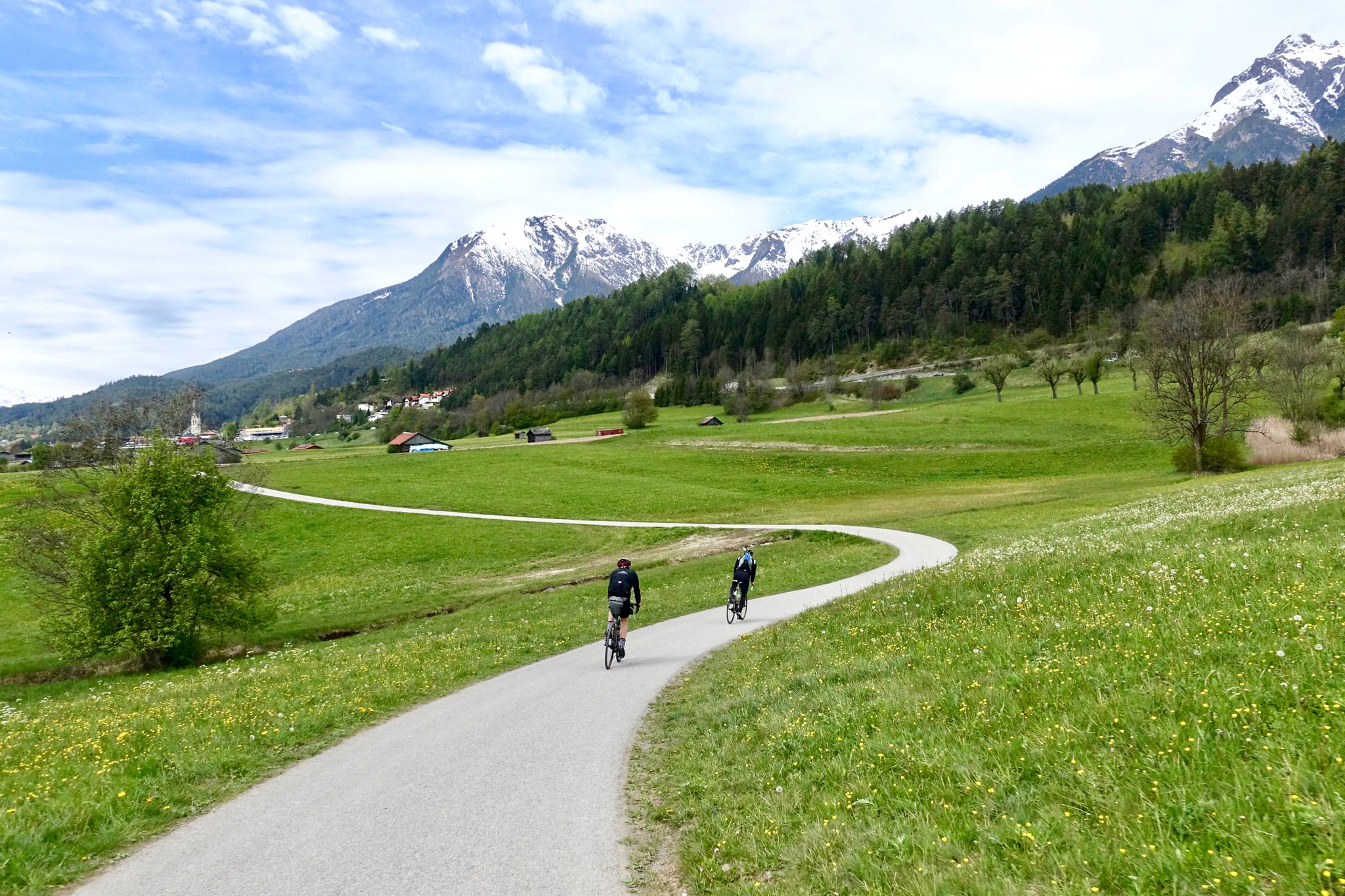
Rando Imperator — a road bike dream with gravel
Via Claudia Augusta – Your first transalp
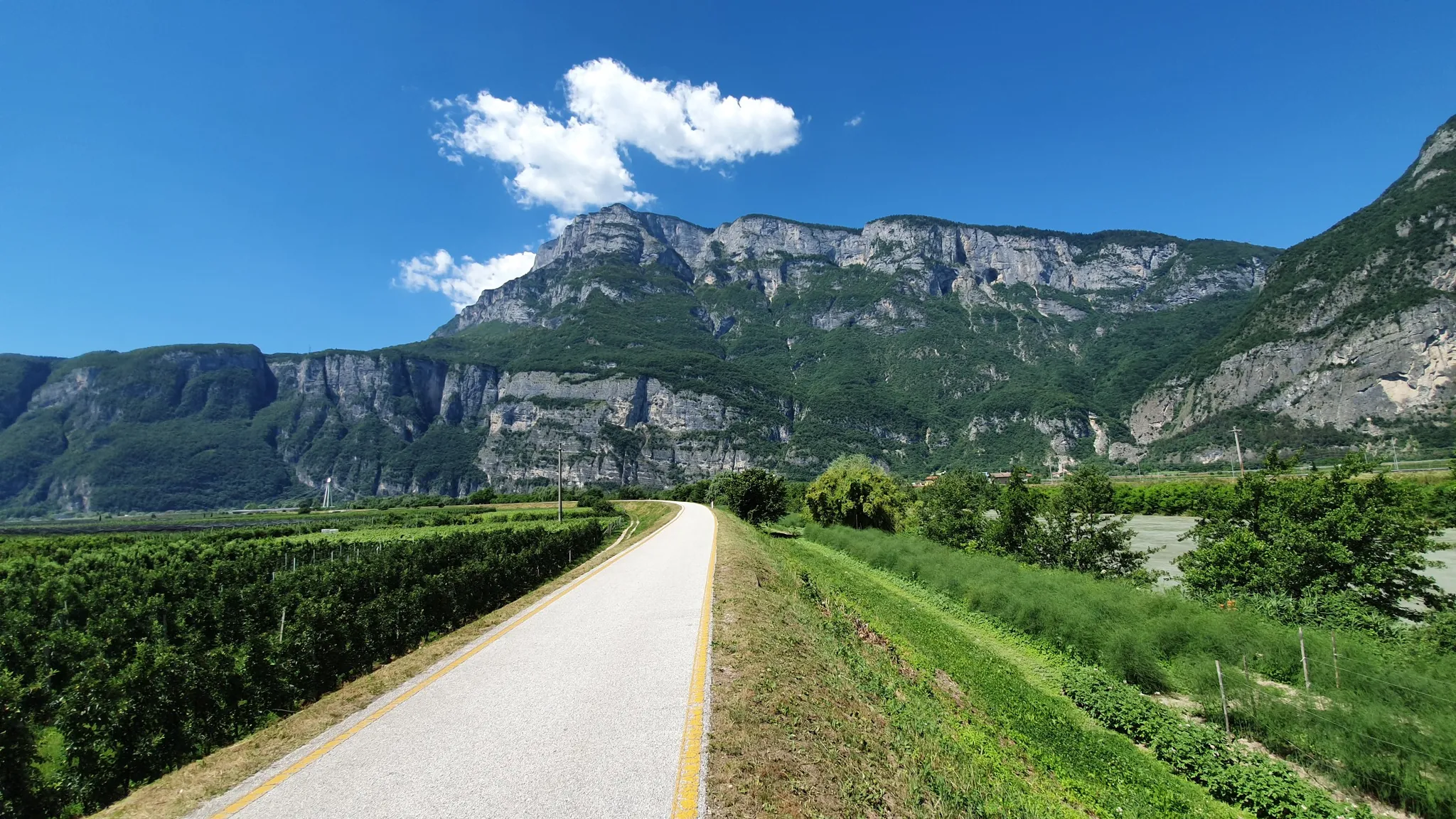
Ride a Roman road in Northern Italy – Claudia Augusta Cycle Path
Ciclopista del Sole – Brenner Pass to Florence by bike
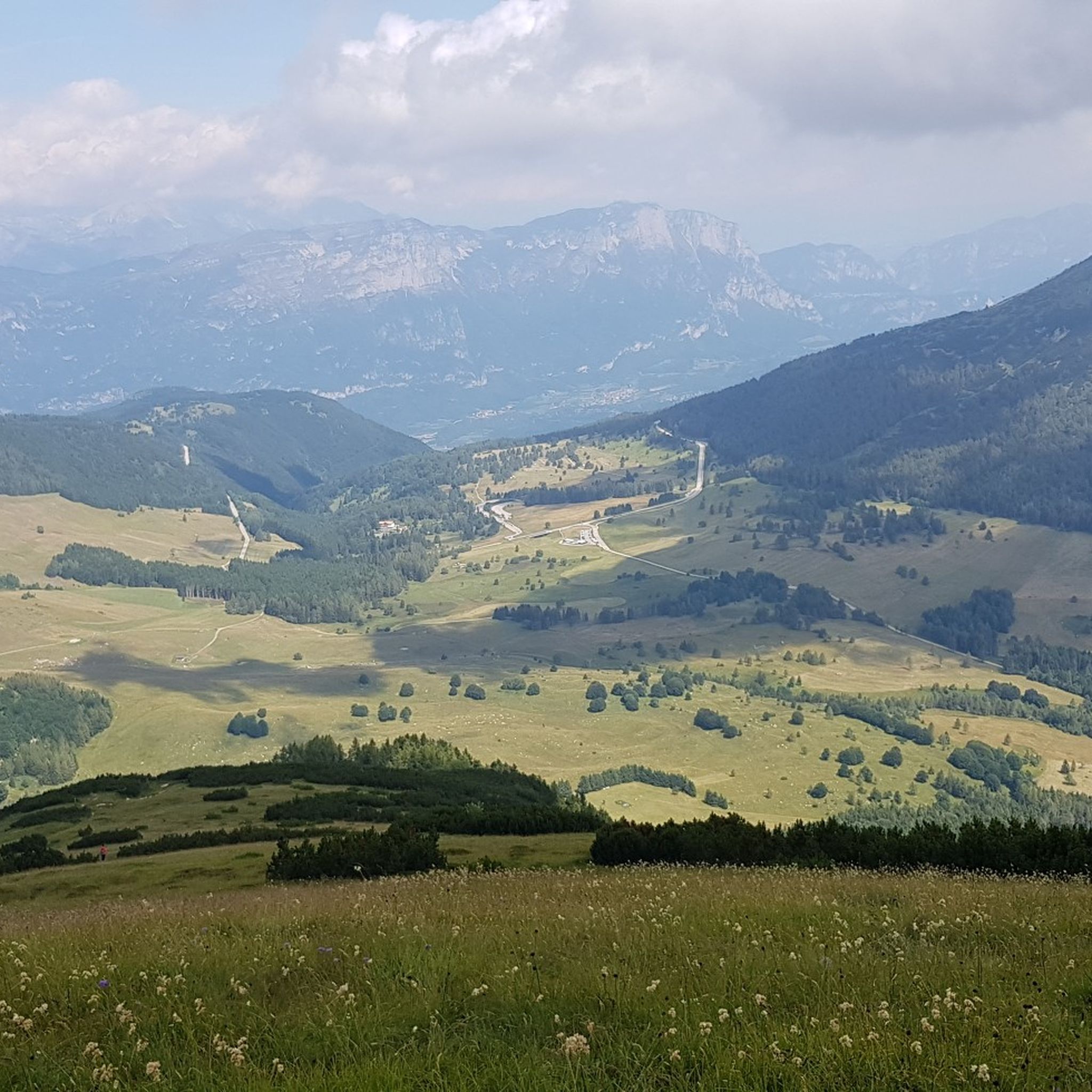
Hiking around Trento
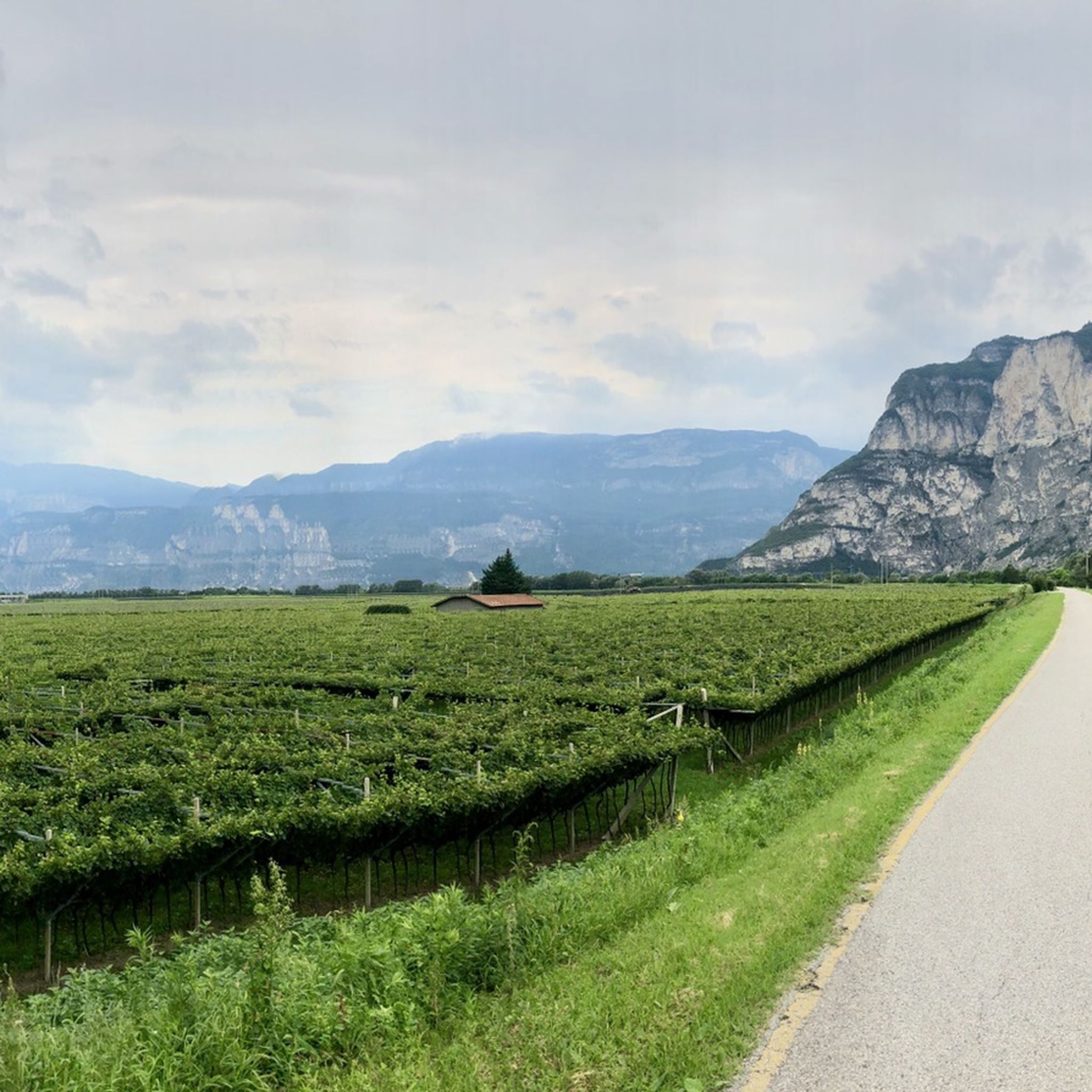
Cycling around Trento
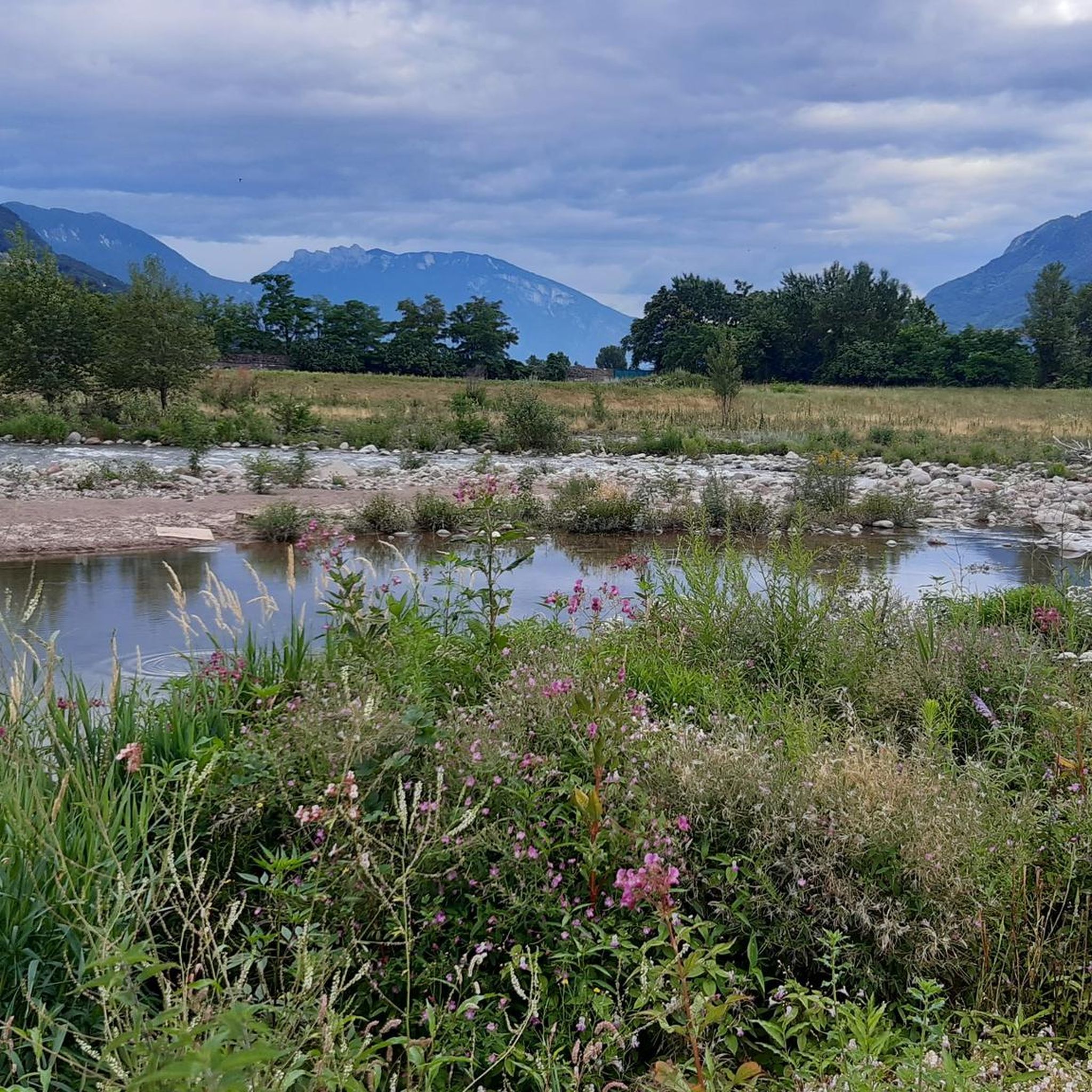
Road Cycling Routes around Trento
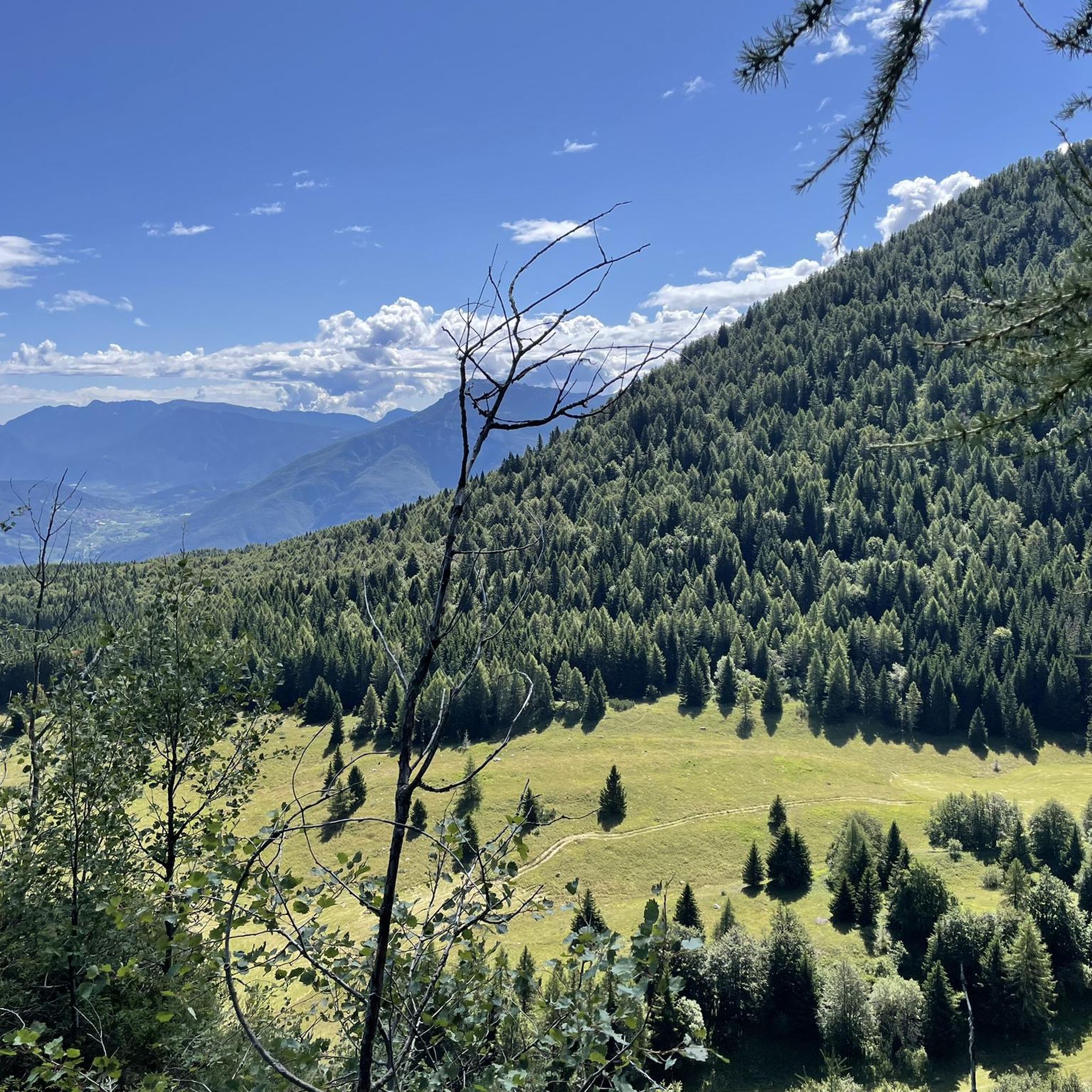
MTB Trails around Trento
Running Trails around Trento

Mountain Hikes around Trento
Other adventures around Trento


Tips from the Community

It is located on the hill above the Prati della Casara, heading towards the Canopa del Raita
0
0

Unexpectedly, coming out of the woods the view opens up with a beautiful panorama, recommended especially on a clear day. The place is barren and dry, I find the contrast with the woods all around enchanting: when you return to the trees you feel even more like the forest is full of life.
0
0

Have you ever thought about what you would do in a cave? The one you see was used as a shelter by shepherds for a very long time. Inside there is a natural fireplace, perhaps for this reason it was called "Cosina", which in our dialect means "kitchen". In 1912, during an archaeological excavation, Don Felice Vogt and Giacomo Roberti, an important Trentino scholar of ancient history and archaeology, discovered some very ancient tombs... but I had seen them a long time before! The bones date back to prehistoric times: think, they are more than 4000 years old! Together with bones found a beautiful blade of a flint dagger, a weapon which in the funerary rites of the time probably served to accompany the deceased into the afterlife.
0
0

The Vis Ferrata Giulio Segata is a short, tough via ferrata that is divided into two sections. The second section is even harder than the first section, but becomes easier again as you go up. It starts over long smooth steep walls (E). At the top you climb through a cave with all kinds of stepping aids (C).
2
0

A tunnel carved into the rock and reinforced with reinforced concrete, which was part of the fortifications on the Soprasasso. There are still numerous such caverns and tunnels on this mountain, some of which are in varying states of preservation. They served as camp or crew quarters.
0
0

Very nice section with grotto, rock breakthrough, narrow rock path
1
0

beautifully dug out of the rocks
1
0

extremely difficult via ferrata and not signposted the approach ... personally I did not find the start, I traveled back through the life of escape and climbed the second stretch .... do not contend with the nearby aided path .... you can see immediately when it goes up that this via ferrata is not trivial
2
0
Frequently Asked Questions
What types of caves can I explore around Trento?
The Trento region offers a diverse underground world, including natural karstic caves with impressive formations, historical military tunnels from World War I, and trails featuring rock-cut sections. You can find extensive systems for expert speleologists, as well as sites with significant archaeological importance.
Are there any caves with historical or archaeological significance in Trentino?
Yes, the region has several. The La Cosina Cave was used as a shelter by shepherds and contains ancient tombs dating back over 4000 years. The Grotta di Ernesto is notable for intact remains of a prehistoric hunter settlement, including animal bones and tools from the late Upper Paleolithic and early Mesolithic periods. Additionally, the Soprasasso Military Tunnel (1915) is a historical site that was part of World War I fortifications.
Which caves are suitable for public visits with guided tours?
The Castello Tesino Cave is the only cave in Trentino that is generally open for public visits with guided tours, making it highly accessible. It features galleries, rock arabesques, stalactites, and stalagmites, and unique marks from *Ursus spelaeus* (the cave bear).
What are some of the most challenging caves for experienced speleologists?
For expert speleologists, the Calgeron Cave offers an extensive network of horizontal galleries, ponds, siphons, and rivers, spanning approximately 3610 meters. The Bigonda Cave is considered the widest in Trentino and the largest in Italy with a single entrance, developing into 27 km of galleries, and is known for its complex, flood-prone nature. The Buso della Neve is also a significant attraction for its unique ice formations and challenging exploration opportunities.
Are there any family-friendly cave experiences near Trento?
While many natural caves require specific equipment or expertise, the Parco Grotta Cascata Varone offers a different kind of 'cave' experience. Here, the Varone Waterfall flows within various caves, enhanced by scenic lighting and artificial walkways, making it a popular and accessible attraction for families, though it can get crowded.
What natural features can I expect to see in the caves around Trento?
Many caves feature impressive karstic formations such as stalactites, stalagmites, and calcite basins. Calgeron Cave boasts an 80-meter cavern and 11 lakes, while Buso della Neve is known for its unique ice formations, including enormous ice flows and bulbous ice stalagmites. The Cave Trail also features bizarre rock formations and grottos.
What is the best time to visit caves in the Trento region?
For publicly accessible caves like Castello Tesino, it's best to check their specific operating hours, as they are generally open during tourist seasons. For expert-level caves like Bigonda, access to its innermost parts is typically restricted to between January and March each year due to water levels. Always check current accessibility and conditions before planning a visit, especially for less accessible caves, as some may have temporary restrictions for bat monitoring.
Are there hiking or cycling routes near the caves around Trento?
Yes, the region offers numerous outdoor activities. You can find many hiking trails around Trento, including the Giro del Sorasass: Historic WWI Loop. For cyclists, there are extensive cycling routes like the Adige River Cycle Path. There are also running trails available.
Do I need a permit to explore certain caves in Trentino?
For expert-level caves like Calgeron and Bigonda, it is crucial to confirm current accessibility and any necessary permits or guided tours, as these are often reserved for experienced speleologists and may require guidance from local caving groups. Publicly accessible caves like Castello Tesino typically do not require individual permits beyond the entrance fee for guided tours.
What makes the <a href="https://www.komoot.com/highlight/5149941" target="_blank" rel="noopener">Via Ferrata Giulio Segata – Upper Section</a> unique among cave experiences?
This via ferrata offers a challenging climbing experience that involves traversing through two caves. It's known for its crisp route, with sections that can be quite difficult, especially if wet. It provides a unique blend of caving and climbing for those seeking an adventurous and physically demanding experience.
What is the <a href="https://www.komoot.com/highlight/1687493" target="_blank" rel="noopener">Rock-Cut Trail and Tunnel</a>?
This is an evocative trail that features sections dug directly into the rock and includes cycle tunnels. It offers a unique experience of interacting with the landscape where human engineering has carved paths through natural rock formations.
Most popular routes around Trento
Most popular attractions around Trento

Get inspired with the komoot mobile app


Explore more
Extend your search for the best caves by checking out these guides of the top ones around Trento:
