Top 4 Gorges around Monte Sant'Angelo
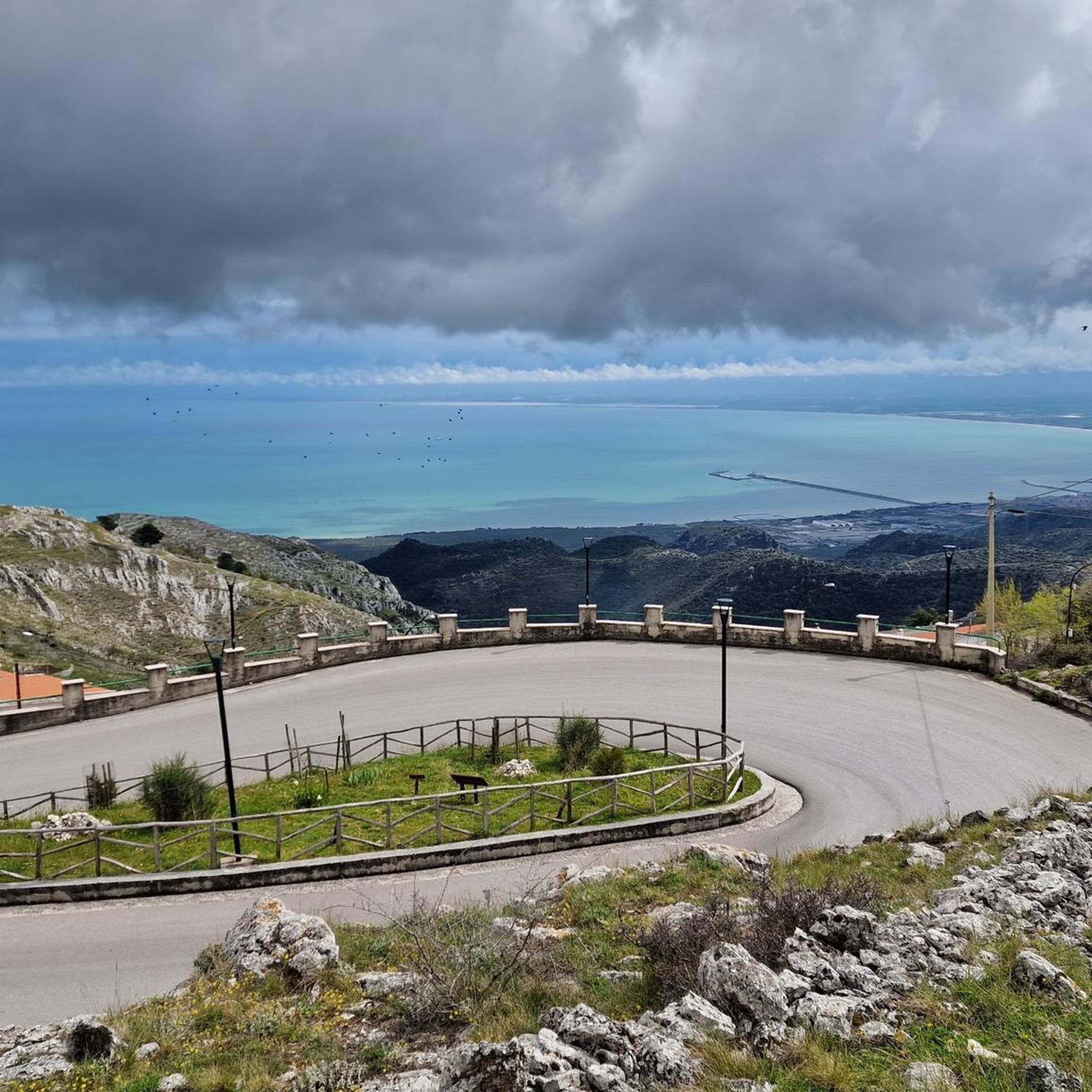
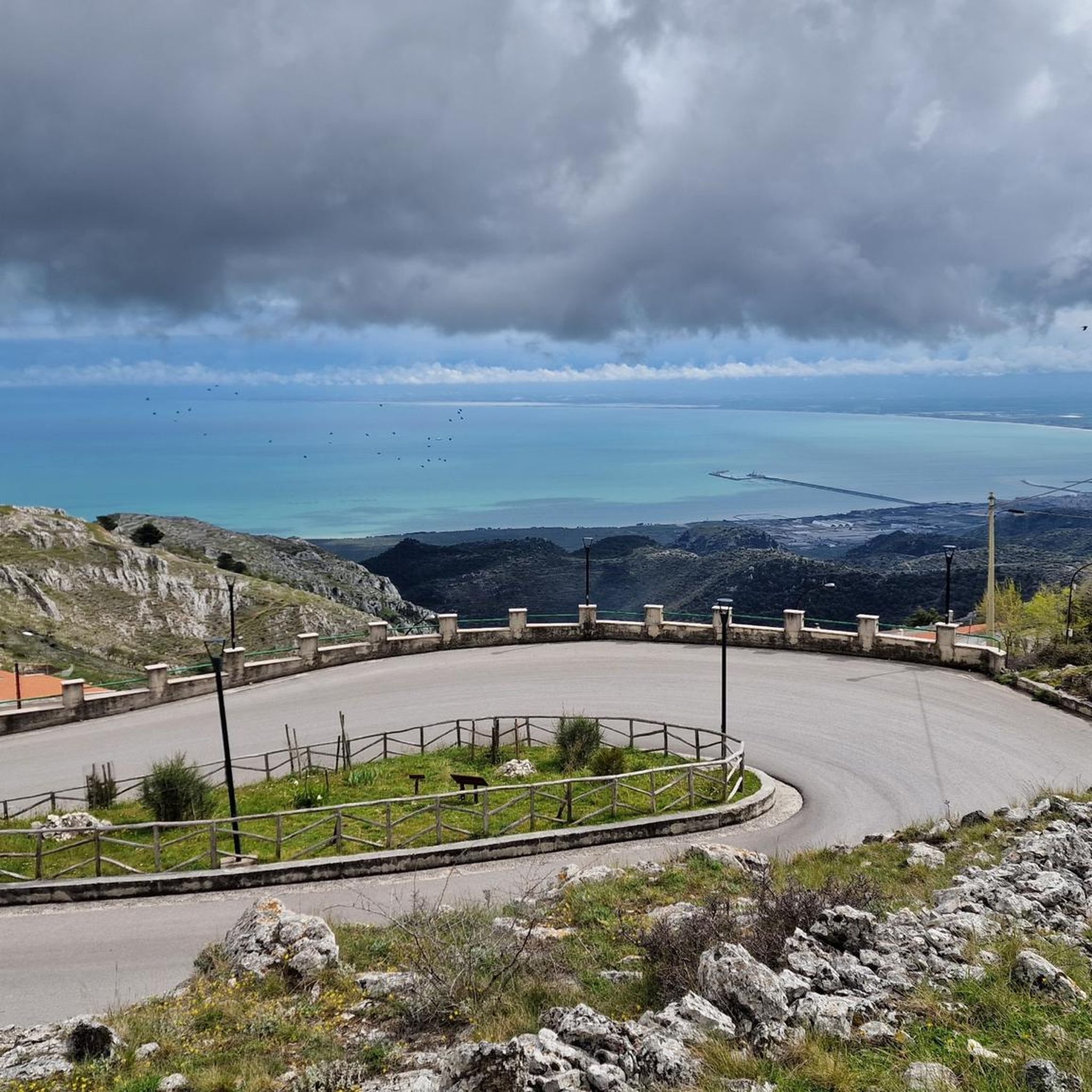
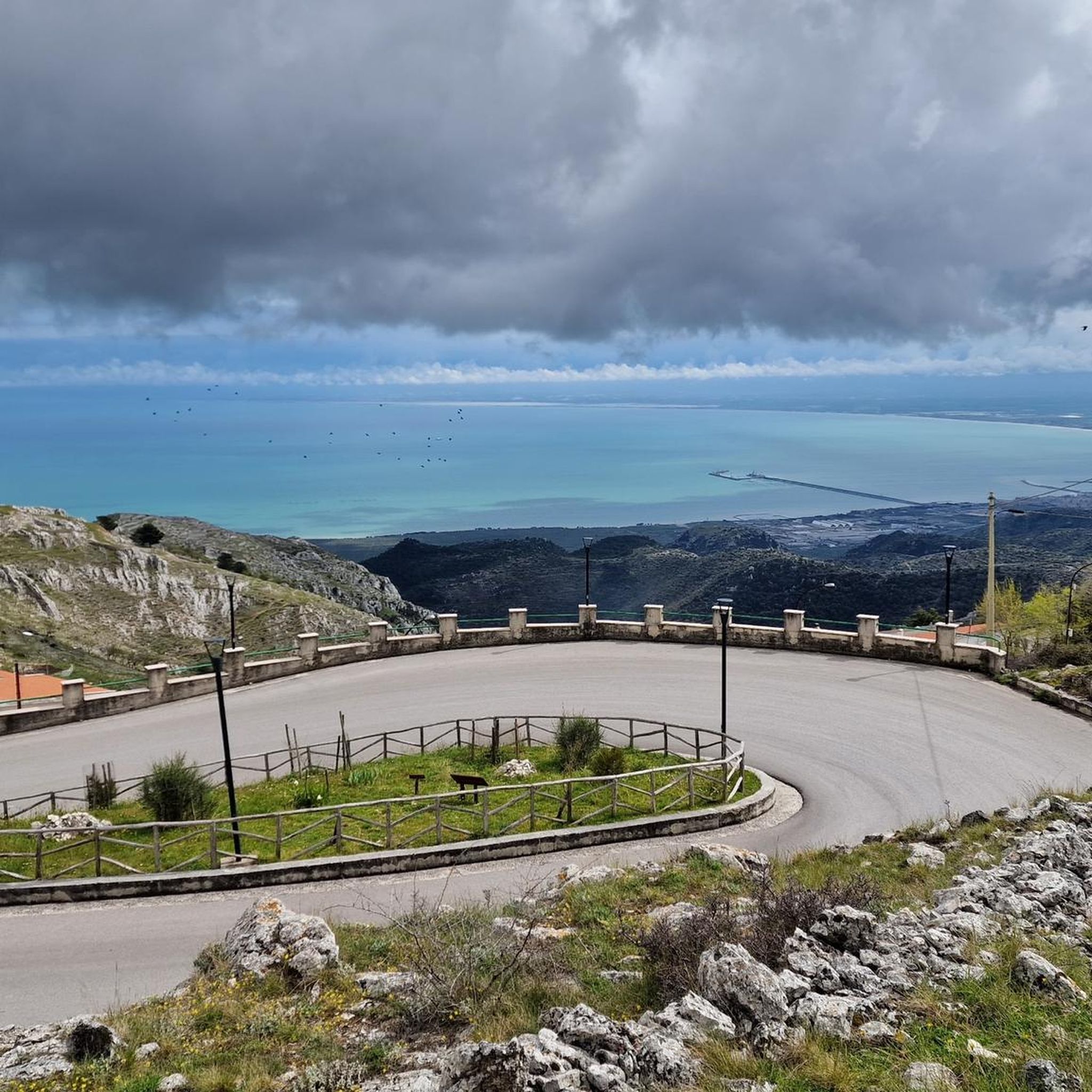
Best canyons around Monte Sant'Angelo are found within the Gargano promontory, a region characterized by its limestone composition and significant karstic features. Monte Sant'Angelo itself is situated on an elevated limestone escarpment, offering views of the surrounding geological landscape. The area's history of erosion and tectonic activity has sculpted a diverse environment, including deep valleys and canyon-like formations. This geological context provides a setting for exploring natural incisions and unique landforms.
Best canyons around Monte Sant'Angelo
- The most popular canyons…
Last updated: June 29, 2026
Ragusa Valley
Highlight • Forest
Translated by Google •
Tip by

The Split Mountain of Acqua del Confine
Highlight • Gorge
Translated by Google •
Tip by

Sign up now to discover places like this
Get recommendations on the best single tracks, peaks, & plenty of other exciting outdoor places.
Sign up for free
Caves of the Valley of Hell
Highlight • Cave
Translated by Google •
Tip by

Inferno Valley
Highlight • Gorge
These gullies were created by the corrosive action of rainwater. There are numerous caves to visit in the valley.
Translated by Google •
Tip by
Start today with a free account
Your next adventure awaits.
Login or Signup

Tips from the Community

Don't miss, if you're in the Bosco Quarto, with its hornbeams and beech trees, the Ragusa Valley, formed by one of the numerous east-west oriented tectonic fissures that mark the Gargano promontory between the Umbra Forest and the area of San Marco in Lamis. It's very easy to cycle through and can be reached by anyone with a basic understanding of cartography and navigation, yet the impression is of being immersed in an environment profoundly removed from any human presence. On the southern slope, near Coppa del Giglio and Casa Natura, runs what was the line of a Decauville a century ago.
0
0
On the Romandato side you almost enter a fantasy, so much is the surprise and the suggestion in front of this short stretch of narrow gorge, with flint and limestone walls up to twenty meters high, which leads to a waterfall. I thank my friend Leo Del Viscio for having introduced me to this very particular place.
0
0

Caves characterized by suggestive karst forms, such as stalactites, stalagmites, grooves, corrosion basins and furrows. A spectacle of nature.
4
0
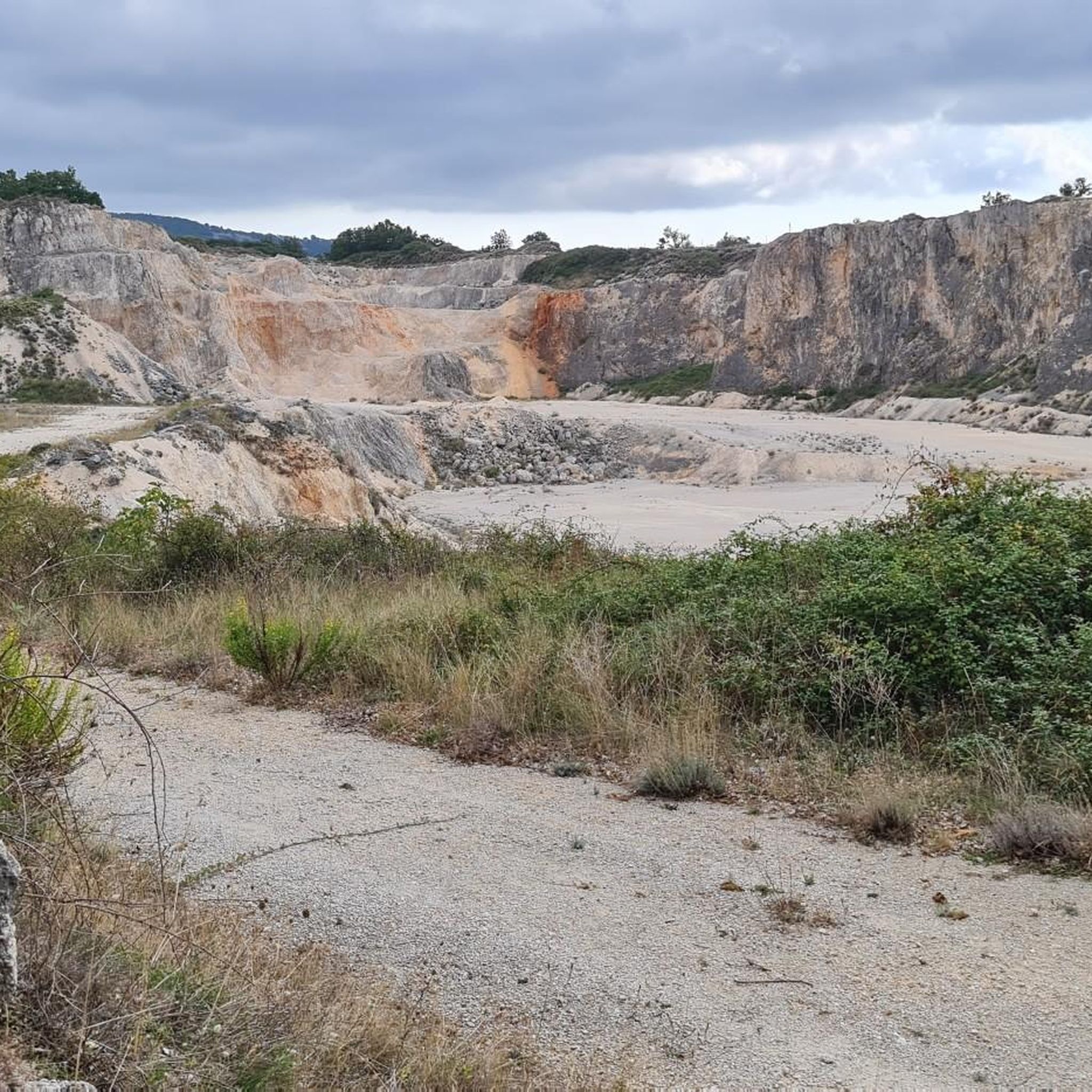
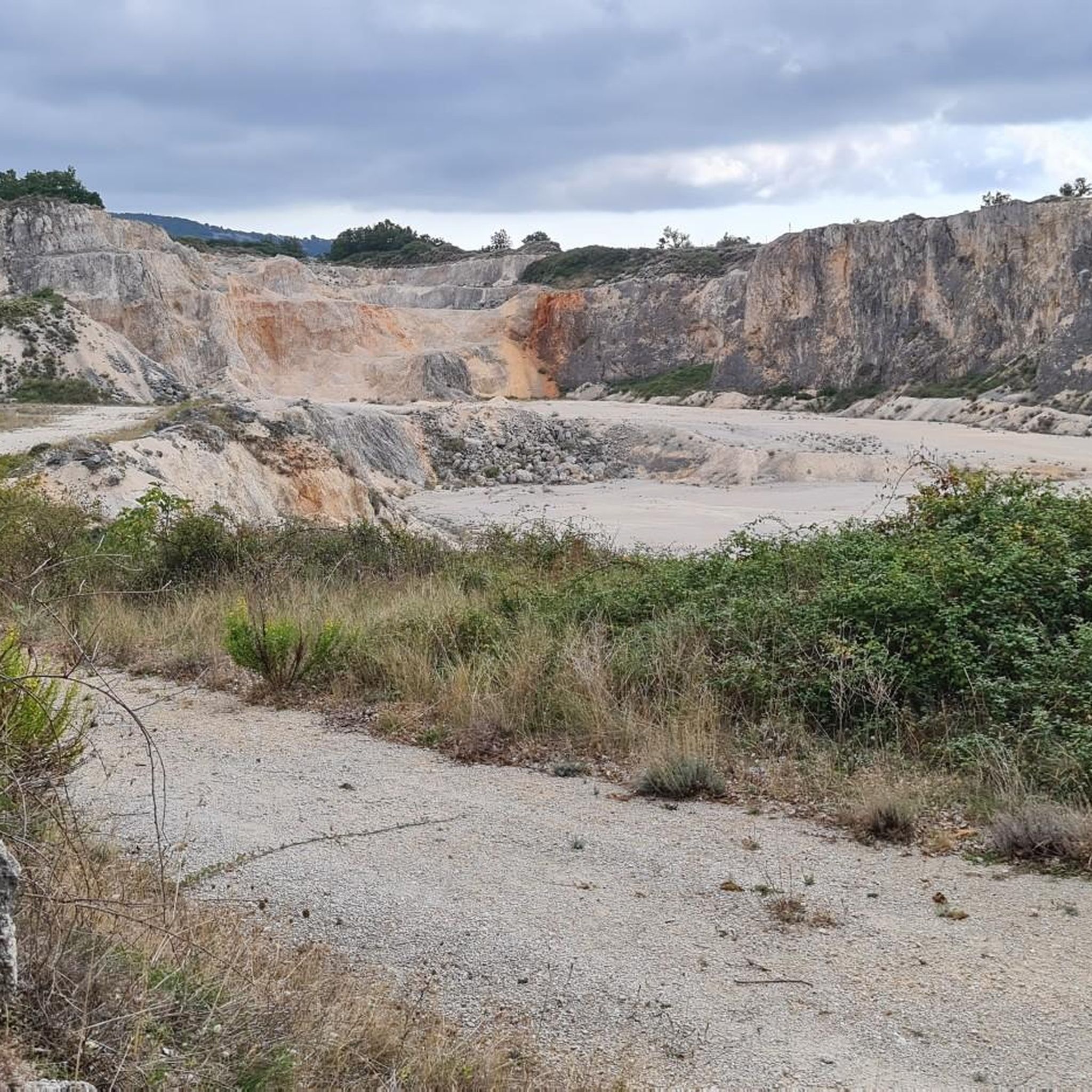
Valley made up of large limestone ridges and thick vegetation made up of shrubs. These gullies were created by the corrosive action of rainwater. There are numerous caves to visit in the valley.
2
0

Included between two hills, Coppa del Monaco to the north and Coppa del Giglio to the south, the long karst valley, running east-west, called Valle Pezzente in the initial section and Valle Ragusa in the final one, is a small forest paradise in the heart of the largest Fourth Wood. A dense and continuous arboreal vault with large trees is found along the whole valley which can be covered completely given the presence of a forest track on the bottom. The valley can be reached and traveled more easily by entering from the San Marco in Lamis-Cagnano Varano road. At the bottom you live immersed under a thick forest vault among Hornbeams, Maples Cerri giants for which a typical association of the Gargano has been recognized and has been defined as Doronico-carpinetum or Doronico-carpinetum birches. The presence of rich formations of ferns, mosses and lichens is also exceptional, testifying to a hot humid climate, a characterizing element of the place. To get an overview of the valley, you need to look out from one of the two hills that delimit them, the Coppa del Monaco to the north and the Coppa del Giglio to the south. Coppa del Giglio is easier to reach starting from the nearby forest barracks.
2
0

Exciting
0
0
Frequently Asked Questions
What types of canyon-like formations can I explore around Monte Sant'Angelo?
The region around Monte Sant'Angelo, part of the Gargano promontory, is rich in karstic features. You'll find deep valleys, gorges, and significant geological incisions. These include formations like the Torrente Romandato, often called 'Il Canyon del Gargano,' which is a 15-km long incision with rocky walls, and other notable karst valleys such as Ragusa Valley and Inferno Valley.
What unique geological features are worth visiting in the Monte Sant'Angelo area?
Beyond the gorges, the area boasts impressive karstic dolines, which are large sinkholes. Two of Europe's largest, Doline Pozzantina and Doline Centopozzi, are found in the broader Gargano area. The Monte Sant'Angelo fault also creates dramatic steep scarps, offering visually striking scenery. Additionally, the Caves of the Valley of Hell feature suggestive karst forms like stalactites and stalagmites.
Are there any 'hidden gem' canyon areas near Monte Sant'Angelo?
The dried-up bed of the Torrente Romandato, known as 'Il Canyon del Gargano,' is a remarkable, less-traveled spot. It offers a journey back in time with its ancient riverbed, flint nodules, and a unique atmosphere created by dense vegetation that barely filters sunlight. It's ideal for nature photography and experiencing untouched natural beauty.
What makes the Ragusa Valley a notable canyon-like area?
Ragusa Valley is a long karst valley nestled between two hills, Coppa del Monaco and Coppa del Giglio. It's a small forest paradise within the larger Fourth Wood, characterized by a dense, continuous arboreal canopy with large hornbeams and maples. This unique forest association, along with rich formations of ferns, mosses, and lichens, creates a hot, humid microclimate, making it a distinctive natural environment.
What can I expect when visiting The Split Mountain of Acqua del Confine?
The Split Mountain of Acqua del Confine offers an exciting experience. It's a narrow gorge with flint and limestone walls reaching up to 20 meters high, leading to a waterfall. The surprise and suggestion of this short, dramatic stretch make it a very particular and memorable place to explore.
What is special about Inferno Valley?
Inferno Valley is characterized by large limestone ridges and thick vegetation, primarily shrubs. The valley features gullies created by the corrosive action of rainwater and contains numerous caves to explore, showcasing the powerful effects of natural erosion on the landscape.
Are there opportunities for hiking in the valleys and gorges around Monte Sant'Angelo?
Yes, the region offers varied exploration opportunities through its karst valleys, gorges, and canyon-like features. Many of these areas, like Ragusa Valley, have forest tracks that allow for easy travel. The impressive geological formations and unique ecosystems make for rewarding hiking experiences.
What outdoor activities can I do near the canyon-like areas of Monte Sant'Angelo?
The diverse landscape around Monte Sant'Angelo is excellent for various outdoor activities. You can find numerous routes for gravel biking, road cycling, and touring bicycle adventures. For example, explore routes like 'Umbra Pond – Cutino d'Otri loop' for gravel biking or 'Pizzomunno Rock – View of Trabucco Near Vieste loop' for road cycling. You can find more details on these and other routes in the Gravel biking around Monte Sant'Angelo, Road Cycling Routes around Monte Sant'Angelo, and Cycling around Monte Sant'Angelo guides.
Are there any beginner-friendly routes for exploring the gorges?
Many of the valleys and gorges, such as sections of Ragusa Valley, are accessible via forest tracks, making them suitable for those with basic navigation skills. While some areas might involve uneven terrain, the general impression is often one of being immersed in nature without extreme difficulty, making them approachable for beginners.
What is the best time to visit the canyons and gorges around Monte Sant'Angelo?
The Gargano region generally enjoys a Mediterranean climate. Spring and autumn offer pleasant temperatures for exploring, avoiding the intense heat of summer. During these seasons, the vegetation is lush, and the conditions are ideal for hiking and outdoor activities. Summer can be hot, but some canyon areas with dense tree cover, like Ragusa Valley, can offer shade.
Are the canyon-like areas around Monte Sant'Angelo suitable for families?
Many of the valleys and gorges, particularly those with established tracks, can be suitable for families who enjoy nature walks. Areas like Ragusa Valley offer relatively easy paths through a beautiful forest environment. Always check specific route details for difficulty and terrain to ensure it matches your family's capabilities.
What do visitors enjoy most about the canyon-like areas near Monte Sant'Angelo?
Visitors appreciate the profound sense of immersion in nature and the unique geological formations. The dense arboreal canopy, the impressive rocky walls, and the presence of ancient karstic features create a distinctive atmosphere. The blend of natural beauty with the region's rich history and the feeling of discovering a 'hidden gem' are frequently highlighted by those who explore these areas.
Most popular routes around Monte Sant'Angelo
Most popular attractions around Monte Sant'Angelo

Get inspired with the komoot mobile app


