Top 10 Castles around Sequals
Best castles around Sequals are found within the broader Friuli-Venezia Giulia region, offering a rich historical landscape. This municipality provides access to various fortified structures and historical sites. The region is characterized by its diverse terrain, from river valleys like the Tagliamento to hillsides where many castles are strategically located. These historical landmarks offer insights into the area's past.
Best castles around Sequals
- The most popular castles is Pinzano Castle and View of the Tagliamento River, a castle that…
Last updated: August 23, 2026
Pinzano Castle and View of the Tagliamento River
Highlight • Castle
Translated by Google •
Tip by

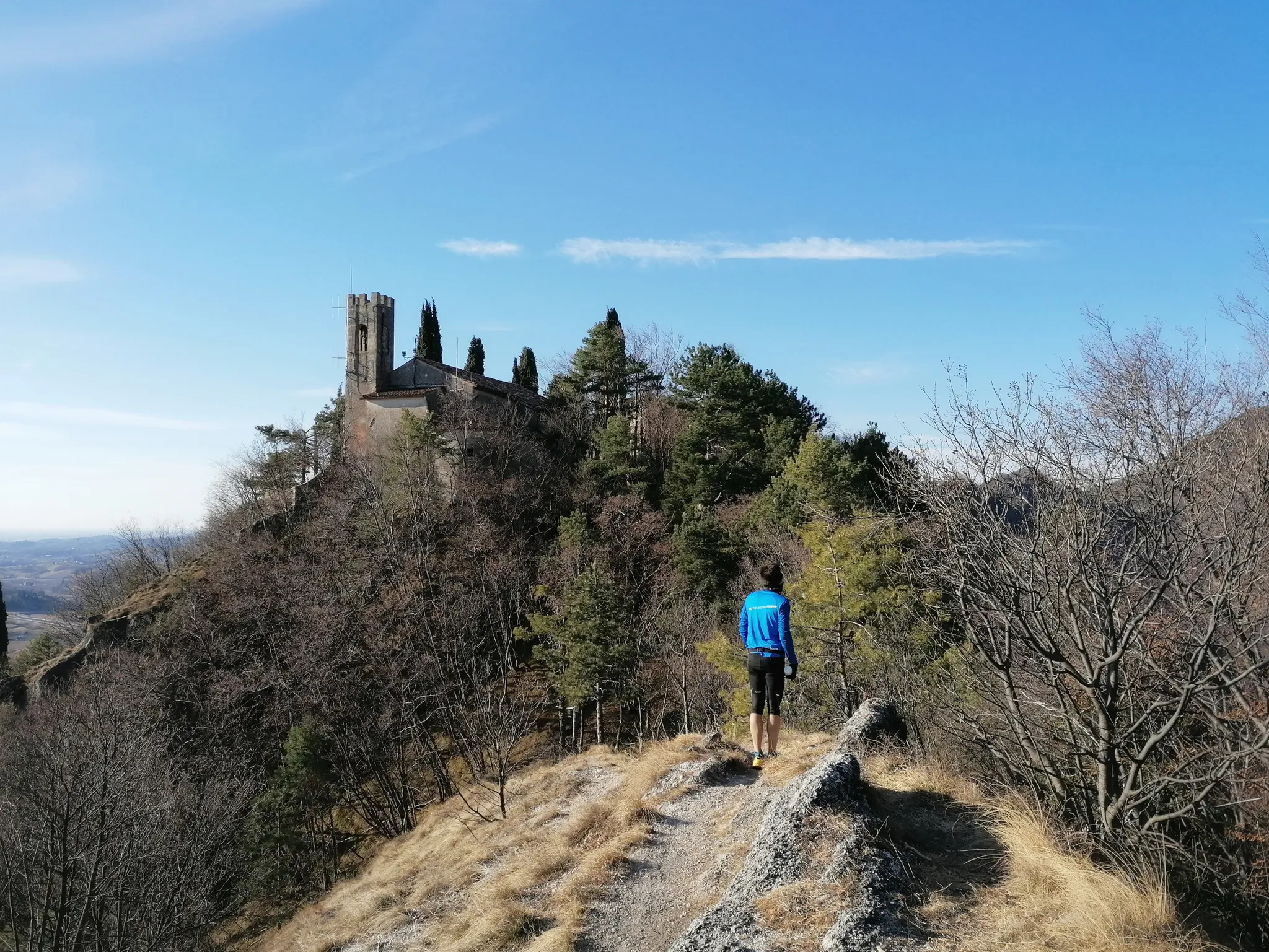
Toppo Castle
Highlight • Castle
Damaged in the 1976 earthquake, it was …
Translated by Google •
Tip by

Sign up now to discover places like this
Get recommendations on the best single tracks, peaks, & plenty of other exciting outdoor places.
Sign up for free
Cathedral of Santa Maria Maggiore (Spilimbergo)
Highlight • Religious Site
Translated by Google •
Tip by

Internal road Travesio - Meduno
Highlight (Segment) • Trail
Translated by Google •
Tip by
Toppo Castle
Highlight • Castle
Translated by Google •
Tip by

Sign up for free to discover even more castles around Sequals.
Sign up for free
Already have an account?
Start today with a free account
Your next adventure awaits.
Login or Signup

Other adventures around Sequals

Tips from the Community

Recently renovated, fine structure and beautiful view
0
0

Wonderful all-round view
0
0

Highly visible from the plain, the Toppo castle, dating back to around 1100 AD, created a belt of manors on the Pordenone foothills.
0
0

The façade is adorned with seven oculi and is extremely sober. The symbolic number seven recalls several texts of the Bible, first and foremost the lamb with "seven horns and seven eyes" from the Apocalypse of John. Two of the seven oculi, walled up in 1858, were reopened in 2011. The north side of the Cathedral, on Piazza del Duomo The main entrance is not the one on the façade, but the portal built on the northern façade, which overlooks Piazza Duomo. This was built in 1376 by Zenone da Campione and was originally reserved for the entrance of lords. Interior The Pordenone - Conversion of Saul - Organ door. The large organ, in the central nave The interior consists of three naves. In the central nave, second span, there is the Renaissance organ relocated here in 1981 after the restoration work following the earthquake in Friuli. The original instrument, a 1515 work by Bernardino Vicentino from Venice, had been lost over the centuries and was restored by Francesco Zanin using period materials and methods. It is used for liturgy, concerts and numerous recordings. The chest, among the oldest in the world, is decorated with canvases and panels painted by Pordenone in 1525. The organ doors contain three depictions: Assumption of Mary (closed doors); Fall of Simon Magus (open door on the left); Conversion of Saul (open door on the right). In the parapet of the choir there are five panels with the Stories of the Virgin, while in the lateral spaces some Pages are depicted. Presbytery The presbytery is decorated with a cycle of fourteenth-century frescoes, clearly derived from the lesson that Vitale da Bologna had left in the cathedral of Udine. The unknown author is cited as the Master of the Pavilions and his works date back to the period 1350-1380. The right wall is decorated with stories from the Old Testament: Master of the Pavilions - Susanna bathing. Creation of Adam and Eve Expulsion from Paradise Adam's Work Killing of Abel Lameus kills Cain Noah's Ark Sacrifice of Isaac Jews in the desert Capture of Jericho David and Goliath Death of Absalom Return of Tobias and Sarah Susanna bathing King Solomon Still life On the left wall, instead, there are stories from the life of Christ, derived from the New Testament: Master of the Pavilions - Stories of Christ. Nativity Adoration of the Shepherds Presentation at the Temple Flight into Egypt Massacre of the Innocents Christ among the Doctors Wedding at Cana Expulsion of the Merchants from the Temple Transfiguration Entry into Jerusalem Prayer in Gethsemane Capture of Christ Flagellation Ascent to Calvary The back wall is dominated by the dramatic scene of the Crucifixion. Crypt The burial ark of Walterpertoldo. The lower church consists of five rooms, one of which has recently been closed. The northern chapel contains the burial ark of Walterpertoldo, who died in 1382, lord of Spilimbergo and podestà of Treviso. Until 1964 the ark was on display in the square next to the church, and was then placed in the crypt. Chapel of the Rosary Chapel of the Rosary - the painting Presentation at the Temple with inserts by Gasparo Narvesa. Chapel of the Rosary - Giovanni Martini - Presentation at the Temple. The chapel is dominated by the altarpiece Presentation at the Temple by Giovanni Martini (1503), with a frame between the vegetal intrigues the Mysteries of the Rosary and the Madonna of the Rosary with the Child Jesus and Saint Dominic, work of Gasparo Narvesa (1626-1627).
0
0
The church was commissioned by the lord of Spilimbergo Walterpertoldo in 1284 and the first stone was laid on October 4 of the same year. Construction continued until about 1359, although the cathedral was consecrated only in 1453. The irregularity of the building plan is due, more than to rethinking or remaking, to the exploitation of existing structures and the conformation of the territory. In fact, the building was built leaning against a wall, and the bell tower was built on a portal of the same.
0
0

beautiful square, with a cobbled ground
0
0
fantastic road, shame about the asphalt not perfect for high speeds. between 20 and 25 km/h it's perfect
0
0

One of many castle ruins in the foothills of the surrounding mountains. Very well restored with information signs. From the ruins there is a beautiful view towards Val Colvera di Jof and far into the Friulian plain. The ascent is on a forest path, partly with coarser rock. It is worth a visit, impressively illuminated in the dark.
0
0
Frequently Asked Questions
What are some notable castles directly near Sequals?
While Sequals itself is a small municipality, the immediate vicinity offers historical sites like Castello di Solimbergo, which has ties to Sequals and features preserved curtain walls and visible moats. Another significant site is Toppo Castle, a Lombard-era defensive structure that, despite earthquake damage, still offers a beautiful panorama from its renovated remains.
Which castles in the broader Friuli-Venezia Giulia region are highly recommended?
Beyond Sequals, the Friuli-Venezia Giulia region boasts several impressive castles. These include the stunning Castello di Miramare in Trieste, known for its sea views and original furnishings; Castello di Duino, perched on a cliff overlooking the Adriatic; and Castello di Gorizia, which houses the Museum of Gorizia Middle Ages. Another must-see is Castello di Udine, offering city and mountain views, and Castello di Villalta, known for its original fortified layout and 17th-century frescoes.
Are there any castles around Sequals that offer great viewpoints?
Yes, several castles in the area provide excellent views. Pinzano Castle and View of the Tagliamento River offers a 360° panorama from its hill. Similarly, Toppo Castle, even in its renovated state, dominates the Borgo di Toppo and provides a beautiful vista. You can also get a beautiful view of Castello di Pinzano from nearby Pinzano.
What kind of historical significance do the castles near Sequals hold?
The castles in the Sequals area and broader Friuli-Venezia Giulia region are rich in history, reflecting centuries of strategic importance. Castello di Solimbergo dates back to the Ottonian era, while Toppo Castle has Lombard origins. Many, like Castello di Gorizia and Castello di Villalta, were central to powerful families and underwent multiple destructions and reconstructions, showcasing the region's turbulent past and architectural evolution.
What outdoor activities can I do near these castles?
The area around Sequals offers various outdoor activities. You can find numerous hiking trails, such as the 'Castello di Solimbergo – Col Pallis loop' which has both easy and moderate options. For mountain biking, routes like the 'Toppo Castle loop' are available. Road cycling enthusiasts can explore longer routes like the 'Lake Cornino – Lake Cavazzo loop'. You can find more details on these and other routes in the Hiking around Sequals, MTB Trails around Sequals, and Road Cycling Routes around Sequals guides.
Are there family-friendly historical sites near Sequals?
Yes, the region offers sites suitable for families. While not a castle, the Cathedral of Santa Maria Maggiore in Spilimbergo is considered family-friendly and is located near the suggestive Spilimbergo Castle. Exploring the grounds of castles like Toppo Castle or the foundations of Pinzano Castle can also be an engaging historical experience for all ages, especially with the scenic views.
What is the best time to visit the castles around Sequals for hiking?
The best time to visit the castles around Sequals for hiking is generally during spring (April-June) and autumn (September-October). During these seasons, the weather is typically mild and pleasant, making outdoor exploration comfortable. Summer can be warm, while winter might bring colder temperatures and potentially less accessible trails, though some castles remain open year-round.
Are there any other significant historical landmarks near Sequals besides castles?
Yes, beyond castles, the region offers other historical landmarks. The Cathedral of Santa Maria Maggiore in Spilimbergo is a prime example, built between 1284 and 1359. It's one of Friuli's most valuable Romanesque-Gothic architectural examples, featuring 14th-century frescoes and a 16th-century organ. This site provides a different historical perspective on the area's rich past.
What do visitors appreciate most about the castles in this region?
Visitors frequently highlight the historical atmosphere and the stunning panoramic views offered by many of these sites. For instance, Pinzano Castle and View of the Tagliamento River is praised for its 360° view. The suggestive nature of ruins and the opportunity to understand how defensive fortresses were built, as seen at Toppo Castle, are also highly valued by the komoot community.
Can I find information about the history of the Friuli-Venezia Giulia region's castles?
Yes, the castles in the Friuli-Venezia Giulia region offer a deep dive into its history. Many, like Castello di Solimbergo and Toppo Castle, have origins dating back to the Lombard or Ottonian eras. They reflect the strategic importance of the area through various periods, from medieval feudalism to later conflicts. For a broader overview of castles and palaces in the region, you might find resources on the Visit Italy website helpful.
Are there any castles near Sequals that are dog-friendly?
While specific dog policies for each castle can vary, many outdoor castle ruins and surrounding areas, like the grounds around Pinzano Castle or Toppo Castle, are often accessible for dogs on a leash. It's always recommended to check individual site regulations before visiting, especially for interior access or specific gardens.
What are the parking options like for castles near Sequals?
Parking availability varies by castle. For sites like Toppo Castle, you can typically find parking in the nearby village of Toppo. For more remote ruins like Pinzano Castle, parking might be available at the base of the hill or along access roads, often requiring a short walk to the site itself. It's advisable to check local signage upon arrival.
Most popular routes around Sequals
Most popular attractions around Sequals

Get inspired with the komoot mobile app


Explore more
Looking for the best castles somewhere else? Discover other guides around Sequals:
