Top 4 Castles around Torviscosa
Castles around Torviscosa are part of a region known for its unique historical and architectural significance, particularly its Fascist-era industrial and urban planning. While Torviscosa itself is a "foundation city" established in the late 1930s with rationalist design, the broader area features historical sites including ancient castle ruins and preserved medieval structures. The town offers insights into 20th-century urban planning and industrial heritage, with its SNIA Viscosa complex and Piazza del Popolo. Visitors can explore the CID Documentation Information Center…
Last updated: June 29, 2026
Strassoldo Medieval Village and Watermills
Highlight • Historical Site
Translated by Google •
Tip by

Strassoldo Village
Highlight • Settlement
Translated by Google •
Tip by

Sign up now to discover places like this
Get recommendations on the best single tracks, peaks, & plenty of other exciting outdoor places.
Sign up for free
Strassoldo di Sopra Castle
Highlight • Castle
Translated by Google •
Tip by

Saciletto Castle
Highlight • Castle
Translated by Google •
Tip by

The Structure of the Palmanova Fortress
Highlight • Historical Site
Translated by Google •
Tip by

Sign up for free to discover even more castles around Torviscosa.
Sign up for free
Already have an account?
Start today with a free account
Your next adventure awaits.
Login or Signup
Tips from the Community

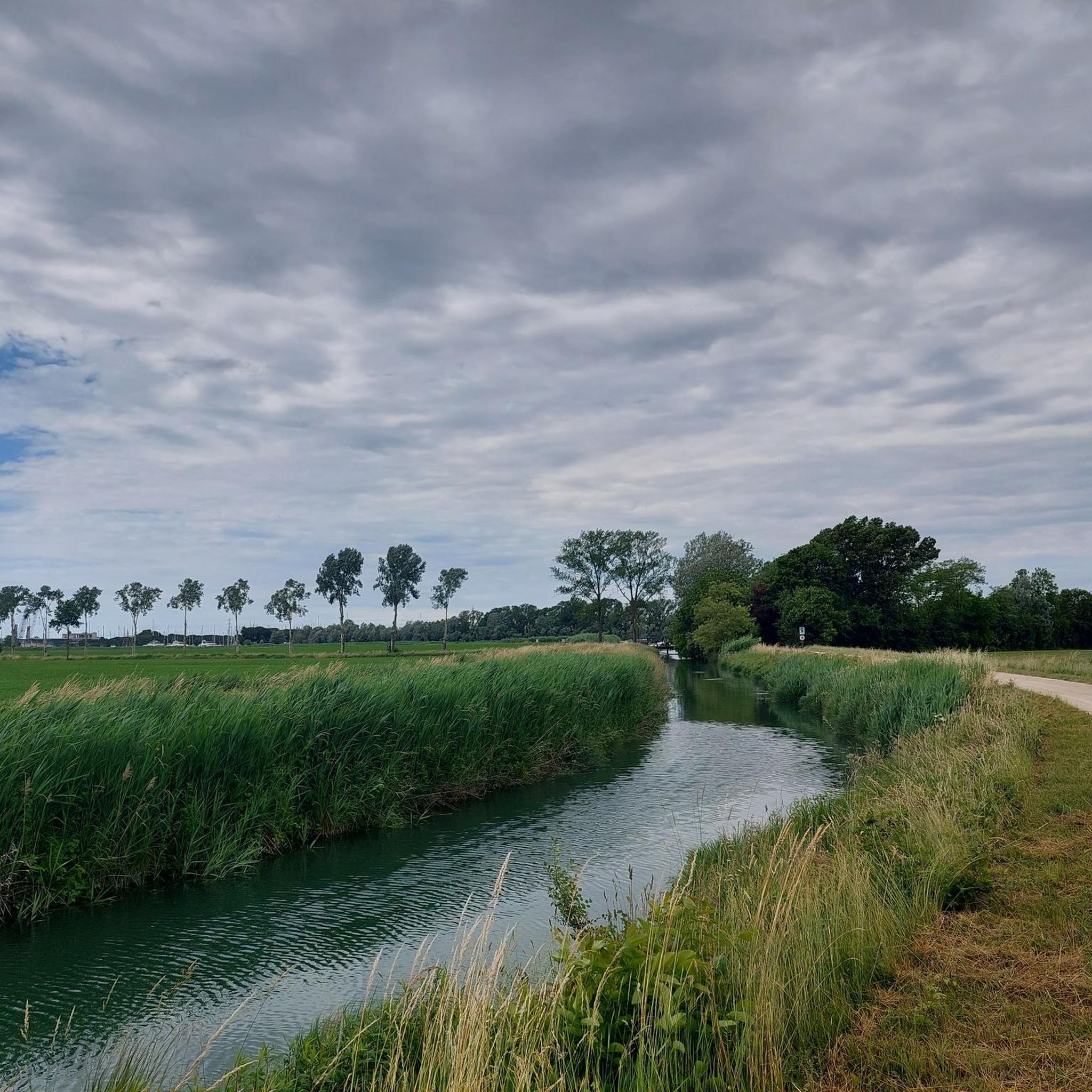
Documented at least since 1274 as "Castrum Zazilet", but in all probability much older, the Saciletto castle, strategically positioned to control the ancient road that led from Aquileia to Cividale, was repeatedly contested between the patriarch and the counts of Gorizia due to its relevant strategic position for the patriarchal dominion in lower Friuli. Source: consorziocastelli.it
0
0

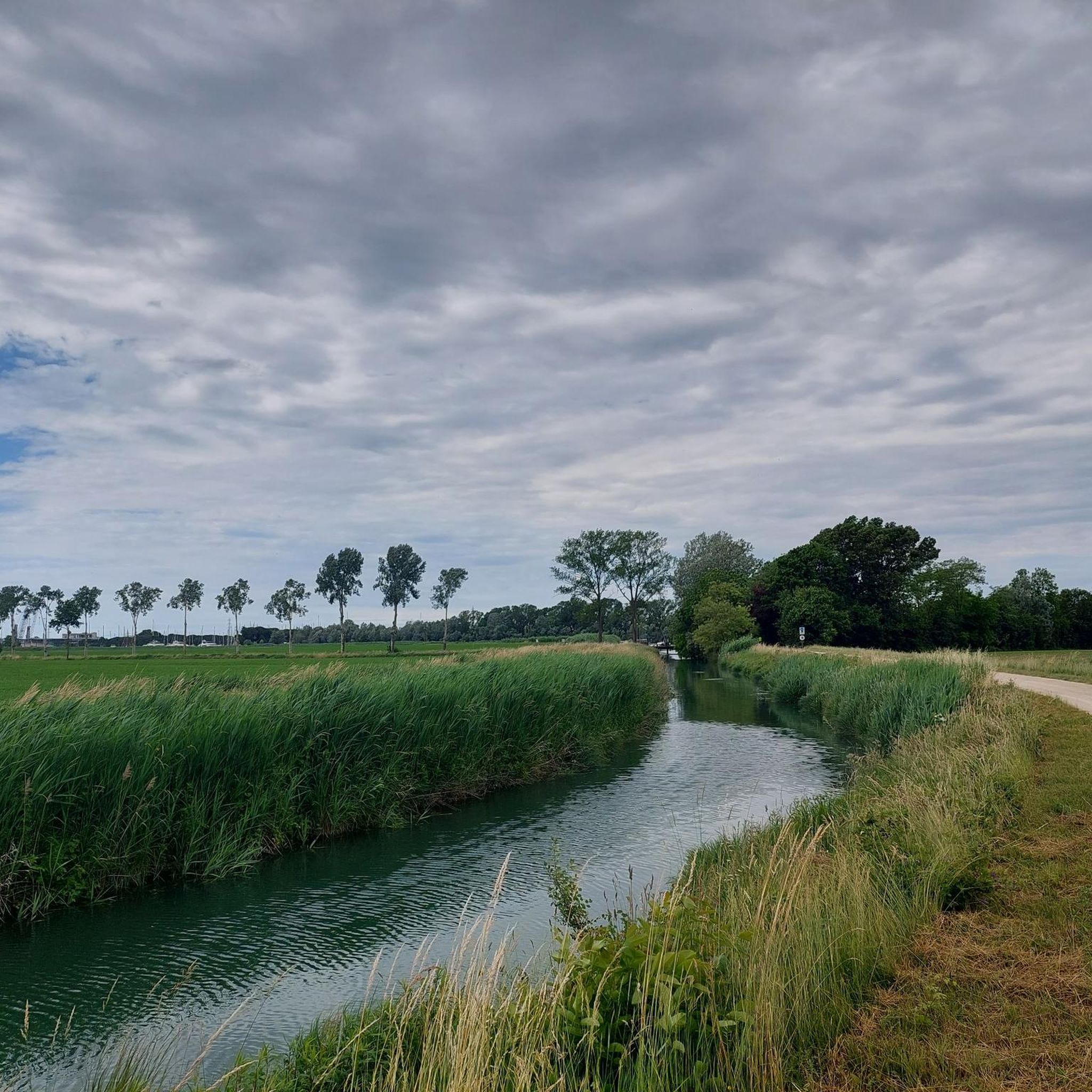
The star-shaped city, a fortress city that represents a masterpiece of military engineering commissioned by the Serenissima Republic of Venice and then expanded in the 19th century by Napoleon Bonaparte who added the second ring of walls.
0
0

Palmanova is a fortress-city built by the Republic of Venice based on a precise design developed by a team of engineers and contractors from the Fortifications Office, under the guidance of Superintendent General Giulio Savorgnan. To strengthen the defenses of Friuli against Turkish raids and the expansionist ambitions of the Habsburgs, Venice decided to build a fortress in the center of the Friulian plain, a mature example of late-Renaissance "modern" fortification.
0
0

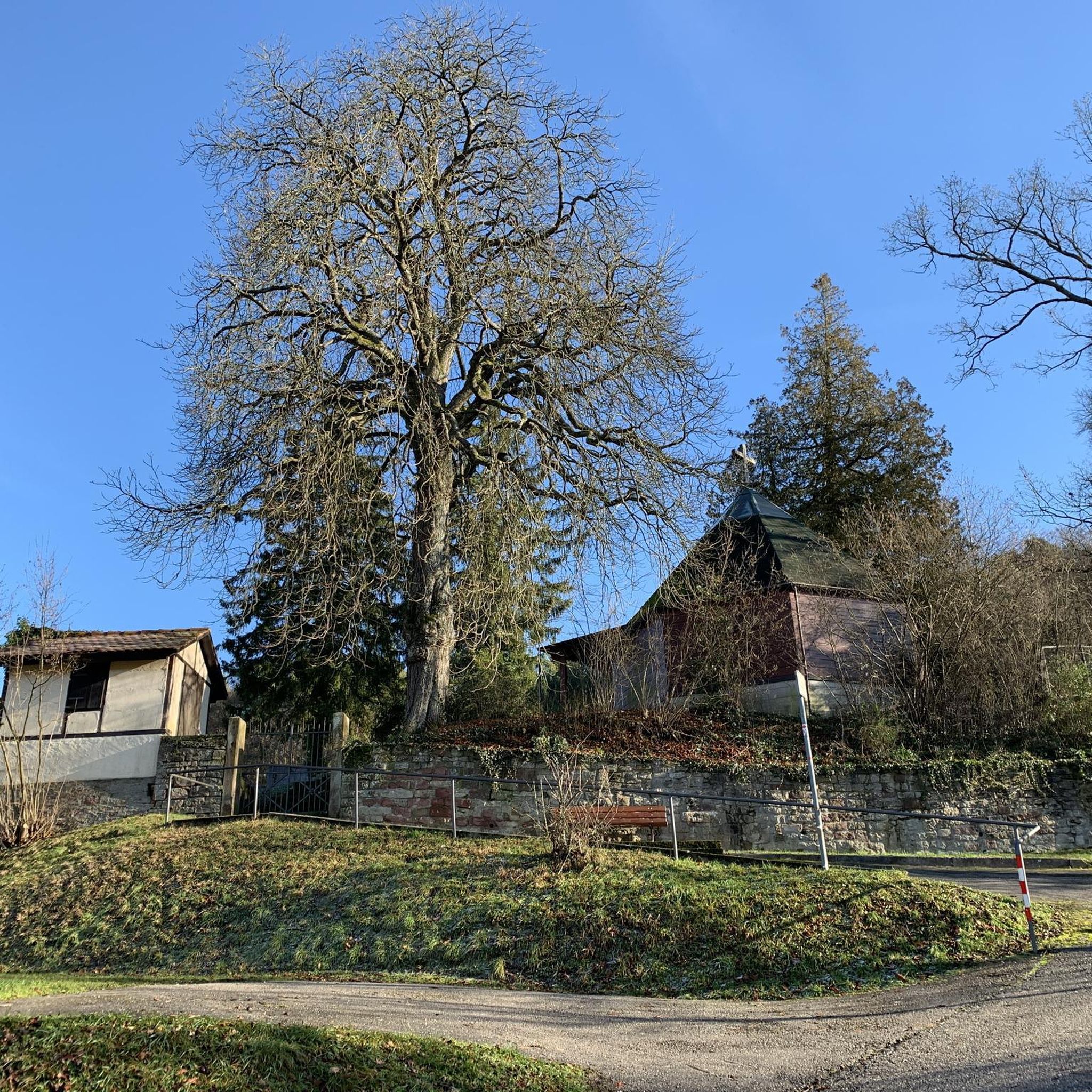
A fortified building has been documented at the castle site since 1263. It was purchased by the Patriarch of Aquileia in 1303 and destroyed in 1309. In 1491, the building was sold to Bernardino di Floriano Antonini, who had it converted into a residential building. At the beginning of the 20th century, Enrico Paolo Salem, who had acquired the building in 1923, had the core of the complex completely rebuilt in the Romanesque style. Today, it is fully restored and serves as a private residence. Source: Wikipedia
0
0
Strassoldo is a medieval village that was included in the 2019 list of the "Borghi più belli d'Italia" (Most Beautiful Villages in Italy). With its two castles, Strassoldo represents a rare example of a well-preserved medieval village of exceptional charm. The Strassoldo family is one of the few examples of feudal lords who have remained in possession of the castles since their foundation and continue to inhabit them to this day. The castles can be entered through two entrance gates, and the paths inside are paved. The village surrounding the castle has continually expanded and has been well preserved and restored. Two mills with working wheels are particularly charming, one of which dates back to the 12th century and has been in operation for over seven hundred years. Full information: https://www.borghibellifvg.it/de/die-dorfer/strassoldo
1
0
Strassoldo is a medieval village that was included in the 2019 list of the "Borghi più belli d'Italia" (Most Beautiful Villages in Italy). With its two castles, Strassoldo represents a rare example of a well-preserved medieval village of exceptional charm. The Strassoldo family is one of the few examples of feudal lords who have remained in possession of the castles since their foundation and continue to inhabit them to this day. The castles can be entered through two entrance gates, and the paths inside are paved. The village surrounding the castle has continually expanded and has been well preserved and restored. Two mills with working wheels are particularly charming, one of which dates back to the 12th century and has been in operation for over seven hundred years. Full information: https://www.borghibellifvg.it/de/die-dorfer/strassoldo
0
0

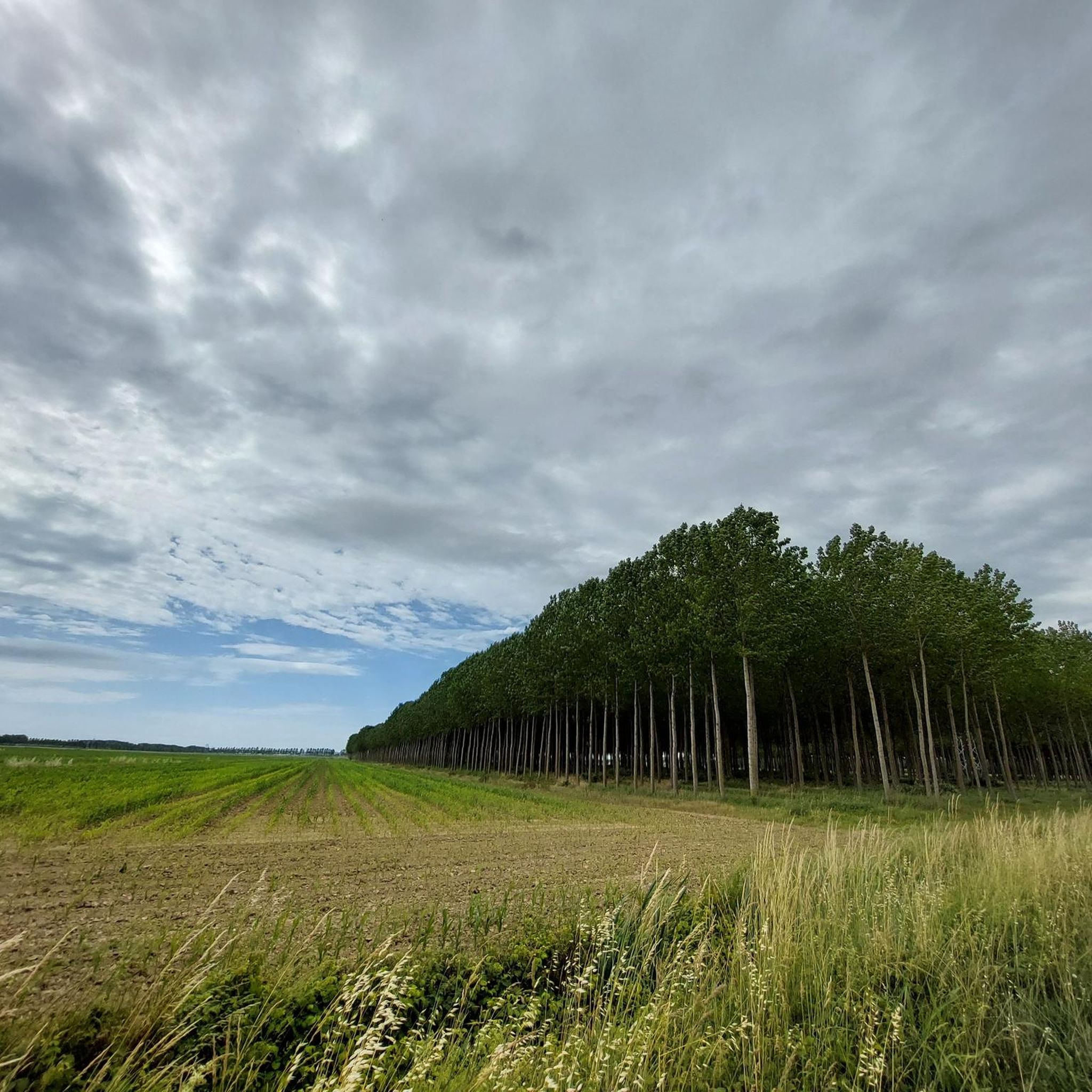
A beautiful place I really liked
0
0

The Castello di Strassoldo di Sotto is one of the historic castles in the Strassoldo region, near Udine. It is a well-preserved medieval castle with a typical defensive structure, battlements, and painted interiors. The complex is one of the three Strassoldo castles and often offers tranquil gardens, courtyards, and insights into regional history. Visitors can often enjoy guided tours or events, depending on the season.
0
0
Frequently Asked Questions
What kind of castles can I expect to find around Torviscosa?
While Torviscosa itself is known for its unique industrial architecture, the surrounding region offers a variety of historical sites and castle-like structures. You'll find medieval villages with castle complexes like Strassoldo Medieval Village and Watermills, privately owned castles such as Saciletto Castle, and impressive fortress cities like The Structure of the Palmanova Fortress.
Are there any family-friendly castles or historical sites near Torviscosa?
Yes, several sites are suitable for families. The Strassoldo Medieval Village and Watermills and Strassoldo Village are considered family-friendly, offering a chance to explore a preserved medieval town. The Palmanova Fortress, with its unique star shape, can also be an engaging experience for all ages.
Can I visit the castles or are they private residences?
Some castles are private. For instance, Strassoldo di Sopra Castle is privately owned, though you may be allowed to visit the premises. Saciletto Castle is also a fully restored private residence. However, the medieval villages and the Palmanova Fortress are generally accessible for exploration.
What outdoor activities can I do near these castles?
The area around Torviscosa offers various cycling and mountain biking opportunities. You can find routes like the 'Roman Forum of Aquileia – Belvedere Pine Tree Avenue loop' for cycling or the 'View of the Grado Lagoon – Nice bike path loop' for mountain biking. For more options, explore the Cycling around Torviscosa, Traffic-free bike rides around Torviscosa, and MTB Trails around Torviscosa guides.
Are there any walking or hiking routes that include castles?
While specific hiking routes directly connecting to castles are not detailed, you can combine visits to sites like the Strassoldo Medieval Village or the Palmanova Fortress with local walks. The star-shaped design of Palmanova, for example, makes for an interesting walk around its fortifications.
What do visitors enjoy most about the Strassoldo Medieval Village?
Visitors frequently praise Strassoldo Medieval Village for being a beautifully preserved and interesting medieval town. It's often described as a 'must-see' and one of the most beautiful villages in Italy, offering a journey back in time with its castles and watermills.
Is there parking available at the castles or historical sites?
Parking availability varies by location. For the Palmanova Fortress, parking is generally available around the town. For the Strassoldo villages, you can typically find parking nearby, though some areas within the village might be private roads. It's advisable to check local signage upon arrival.
What is the best time of year to visit the castles around Torviscosa?
The spring and autumn months generally offer pleasant weather for exploring the castles and historical sites in the Friuli Venezia Giulia region, avoiding the peak heat of summer and the colder, potentially wetter conditions of winter. This allows for comfortable walking and outdoor activities.
Are there cafes or restaurants near these historical sites?
Yes, you will find cafes and restaurants in the towns associated with these sites. For example, the town of Palmanova, home to The Structure of the Palmanova Fortress, has various dining options. Similarly, the medieval villages like Strassoldo often have local eateries or agriturismos nearby.
Are the castles around Torviscosa accessible by public transport?
Public transport options to these specific castle sites can be limited. While Torviscosa itself has some bus connections, reaching smaller medieval villages like Strassoldo or private castles like Saciletto might require a car. Palmanova is generally better connected by public transport due to its larger size.
What is the historical significance of the Palmanova Fortress?
The Structure of the Palmanova Fortress is a highly significant historical site. It is a star-shaped fortress-city built by the Republic of Venice in the late Renaissance as a masterpiece of military engineering. Its purpose was to strengthen defenses against Turkish raids and Habsburg expansion, later expanded by Napoleon Bonaparte.
Most popular routes around Torviscosa
Most popular attractions around Torviscosa

Get inspired with the komoot mobile app


Explore more
Looking for the best castles somewhere else? Discover other guides around Torviscosa:
