Top 9 Castles around Brugnera
Best castles around Brugnera are situated in a region marked by its historical significance and the presence of the Livenza river. This area, once strategically important for guarding river passes, features remnants of ancient fortifications and noble residences. The landscape combines natural elements with historical architecture, reflecting centuries of aristocratic life and defensive needs.
Best castles around Brugnera
- The most popular castles is Caneva Castle, a castle that dates back to 1034 AD and may have been built on…
Last updated: October 3, 2026
Porcia Castle
Highlight • Castle
Built with a …
Translated by Google •
Tip by

Caneva Castle
Highlight • Castle
Translated by Google •
Tip by

Sign up now to discover places like this
Get recommendations on the best single tracks, peaks, & plenty of other exciting outdoor places.
Castello di Torre and Archaeological Museum of Western Friuli
Highlight • Castle
Translated by Google •
Tip by

Laghetto delle Risorgive di Porcia
Highlight • Lake
Translated by Google •
Tip by

Mantova Castle
Highlight • Castle
Translated by Google •
Tip by

Start today with a free account
Your next adventure awaits.

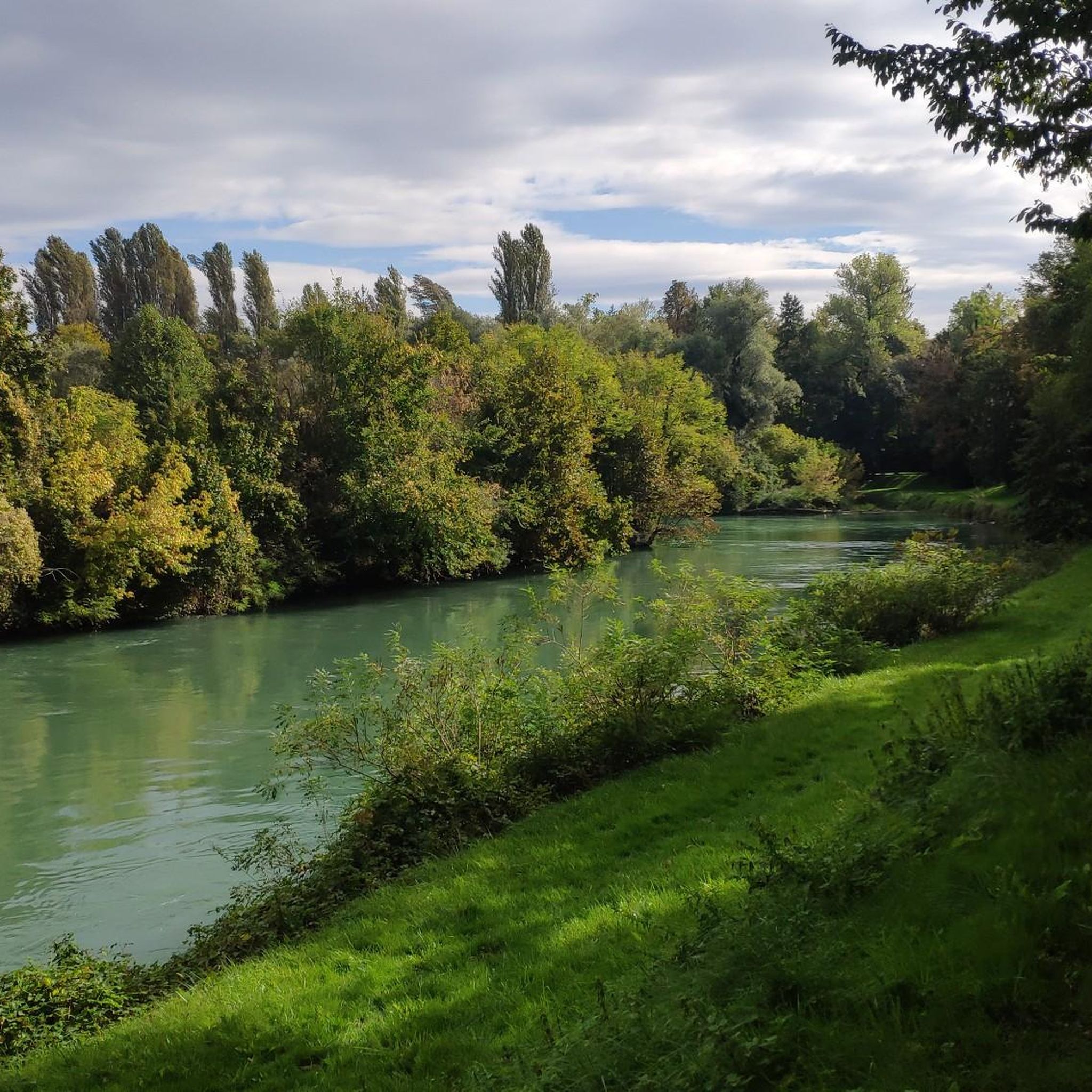
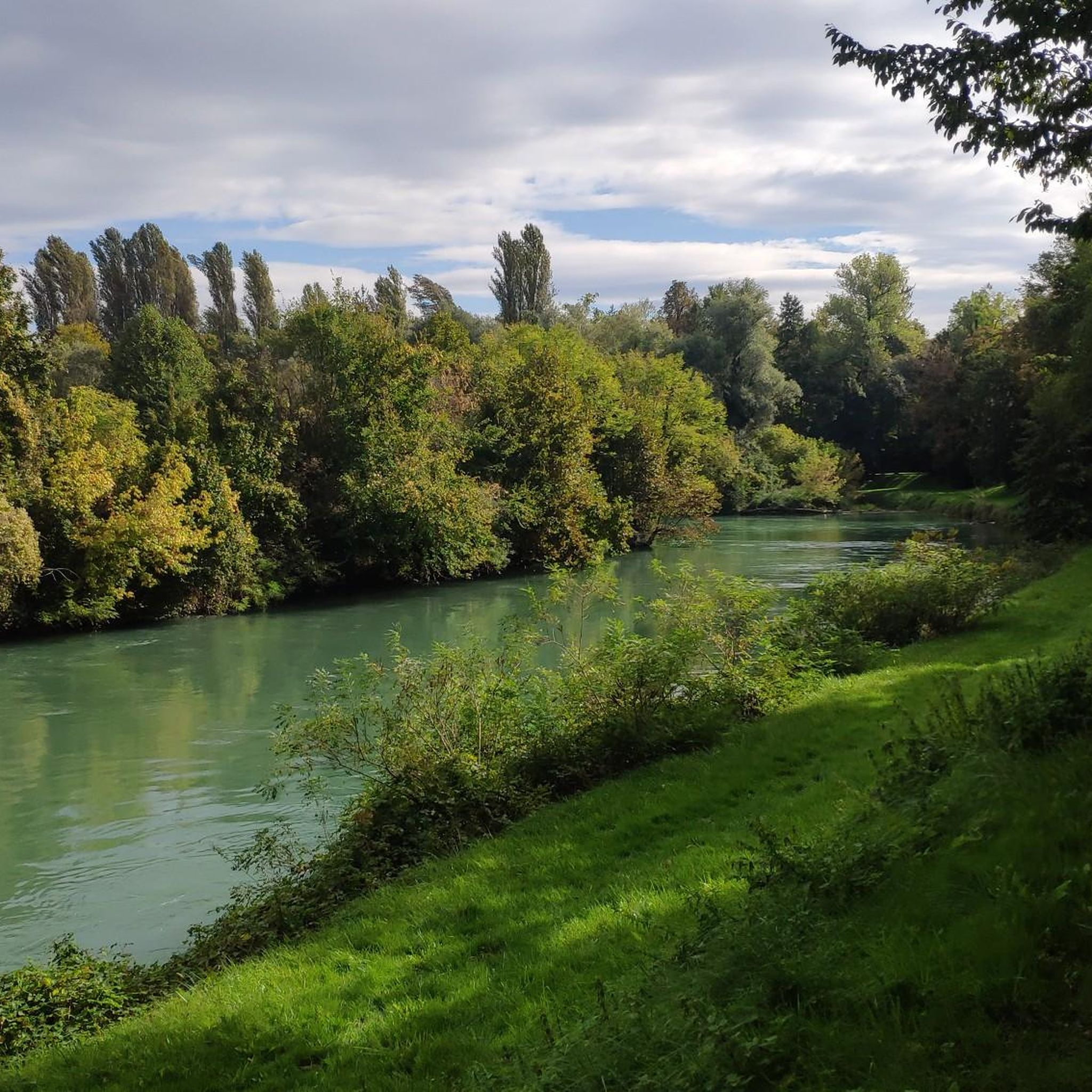
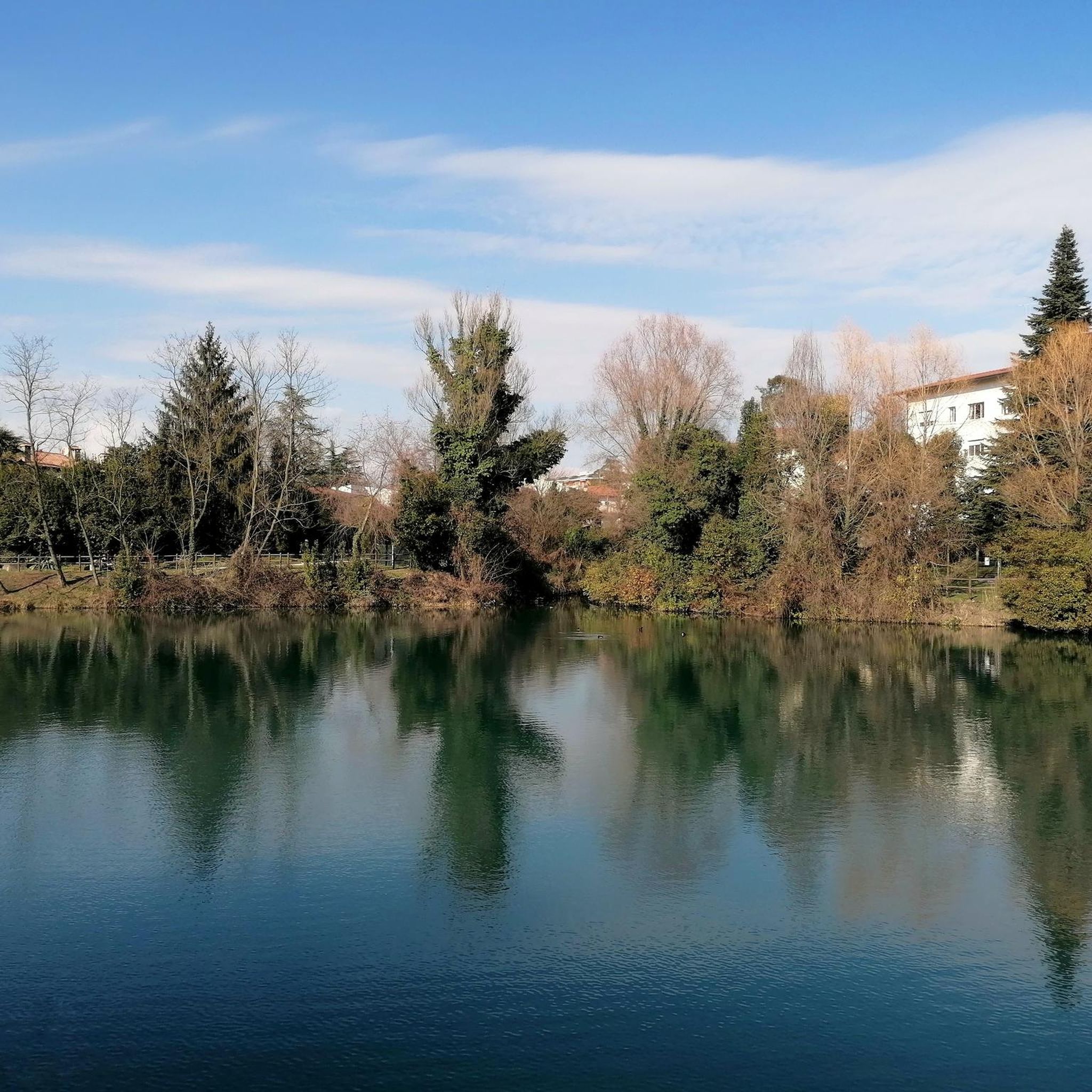
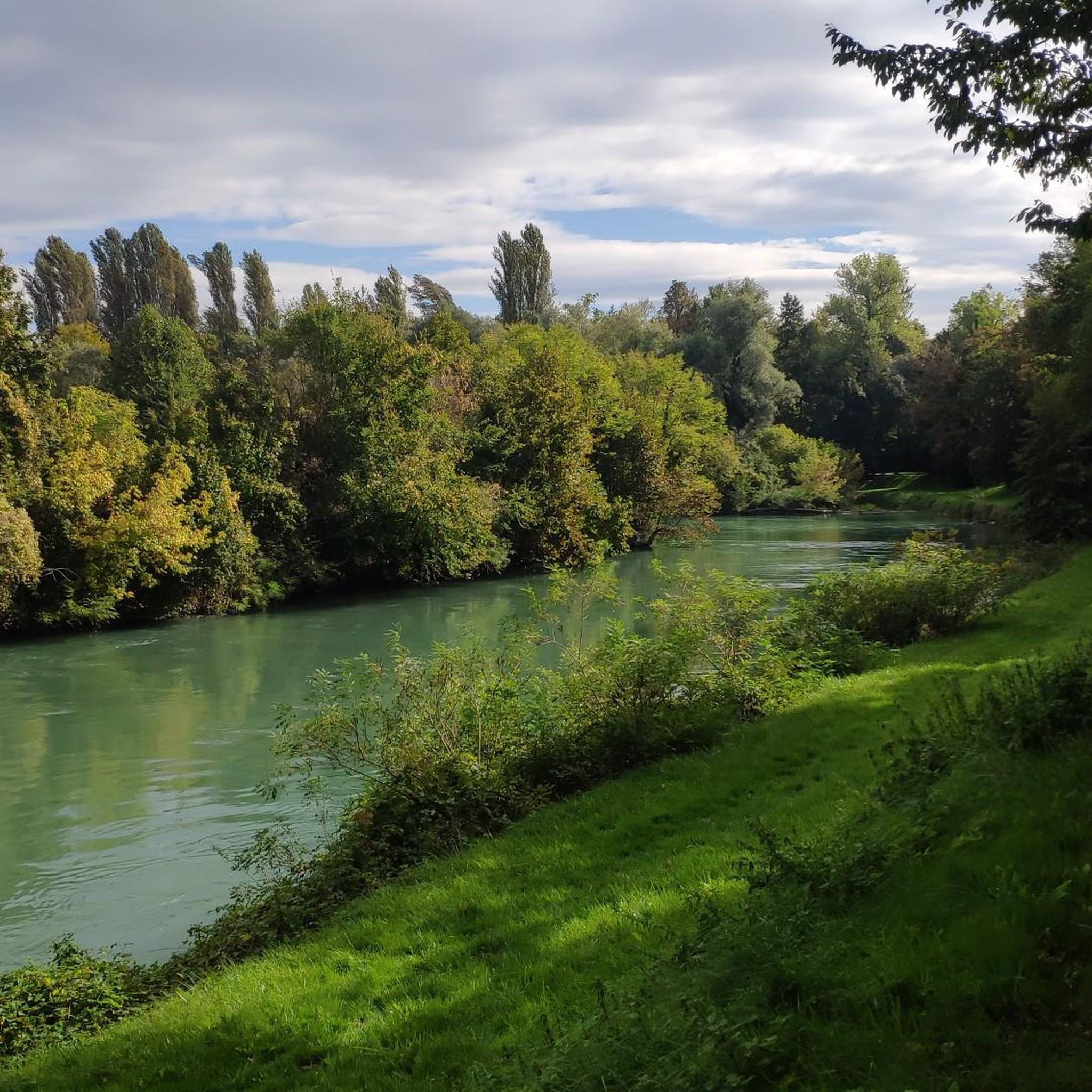
Tips from the Community

As I write this, the medieval day is underway at Caneva Castle. The area near the castle hosts food and wine stands. When I arrive by e-bike, preparations for the festival are in full swing.
0
0
The eleventh-century church of Santa Lucia, together with the bell tower and the walls, is what remains of the Caneva castle.
0
0
Caneva Castle dates back to 1034 AD. Studies suggest that the castle was built on the remains of a Roman tower. The remains of the walls are still visible, as is the church of Santa Lucia inside.
1
0

The castle of Torre was built in the Middle Ages where the complex of the large Roman villa once stood. The oldest part of the fortification is represented by a square-based tower, characterized by mighty walls, probably built in the second half of the 13th century by the Patriarch of Aquileia, who initially entrusted it to the ancient House of the Lords of Prata. Long the object of contention between the nobles of Porcia, the Count of Gorizia and the Carraresi, in 1391 the Patriarch of Aquileia, Giovanni di Moravia, granted the castle of Torre to Giovannino di Ragogna. After the first half of the 15th century, with the Venetian conquest of Friuli, the castle was transformed into a noble residence and was involved in a vast program of architectural and artistic interventions including the fresco decoration with the Annunciation on the ground floor, attributed to Gianfrancesco da Tolmezzo (1450-1511). The staircase leading to the main floor and the loggia were probably built during the second half of the seventeenth century. Between the end of the seventeenth century and the beginning of the eighteenth century, the fresco depicting the main protagonists of the defense of Vienna from the siege of the Turks in 1683 was created in the vault of the ground floor of the tower-keep, probably to commemorate the participation of a member of the Ragogna family in the clash. Various additions and structural modifications were made to the building during the eighteenth and nineteenth centuries. At the end of the nineteenth century, in the southern sector of the castle, the old loggia building was demolished and a new building was built, which was placed against the northern wall of the main tower. In 1926, the building was replaced with the one that still exists today. In 1970, the Count of Ragogna died, leaving the Castello di Torre as an inheritance to the Friuli Venezia Giulia Region; in the end, after various testamentary events, the building came to the Municipality of Pordenone. After a careful restoration that took place in the early 2000s, since 2006 it has been home to the Archaeological Museum of Western Friuli.
0
0

not very challenging route with some panoramic views.
0
0

the "castle of Mantua" is an ancient residence located near the so-called Bosc de Mantua, in official sources the Bosco della Mantua. The ancient toponym, already mentioned in documents from 1237, appears in various lexical forms (think of Mantua, Mantoa, Mantova) and over the history of the term, has given rise to various street names in the area, such as Via Vecchia di Mantova , the ancient road that led to the forest and which continued up to the administrative borders of the Municipality reaching S. Andrea di Pasiano. As regards the linguistic derivation, the name immediately recalls the Lombard city of the same name: in reality, the popular legend linked to the name narrates that a rural building in this area, due to being massive and surmounted by a tower-shaped pigeon loft, was called the castle of Mantua. This was the residence of the "counts of Mantua", who gave the area its name from their place of Lombard origin. The territory of Mantua was once covered with dense natural forests and wild brambles and in recent decades, thanks to important archaeological excavations, it has emerged that one of the most developed civilizations in the world lived here in the primitive age before the arrival of the Romans. Friulian prehistory. The meaning of the name Mantua, therefore, could date back to the primitive age and recall the Mediterranean echo word Manta which is the basis of the words cloak, robe, blanket. Hence, perhaps, the name Mantua, attributed to the area, could be linked to the nature of the territory, a true wooded cover of varied and dense vegetation https://www.curaticonstile.it/files/4WynL2/azzano_x-castello_della_mantova-fagnigola.pdf
0
0

Casone with Guardian in Armor on the tower (Tiezzo fraction of Azzano X)
1
0

I agree. The road from Fiaschetti is easily covered by mtb and is very suggestive. The descent along the Sentiero dei Morti (Sentiero dei Morti) is a must (so called because in the past it was the path that was followed during funerals, when the deceased was accompanied to the burial) which, even if it leads to the back of the hill, is still beautiful and not too challenging
1
0
Frequently Asked Questions
What kind of historical sites can I expect to find around Brugnera?
The area around Brugnera features a mix of ancient castle ruins, well-preserved aristocratic estates, and historical villas. You'll find sites like Caneva Castle, which dates back to 1034 AD, and the elegant 15th-century Venetian Porcia Castle, which served both military and residential purposes.
Are there any family-friendly castles or historical sites to visit?
Yes, several sites are suitable for families. Caneva Castle is considered family-friendly, offering an engaging historical experience. Additionally, the area around Laghetto delle Risorgive di Porcia, where a castle once stood, is also noted as family-friendly, combining nature with history.
What natural features can I explore near these castles?
Many historical sites are set within beautiful natural surroundings. For instance, Villa Varda boasts an extensive English-style park along the Livenza river, featuring diverse trees, an orangery, and a picturesque river inlet. The area around Laghetto delle Risorgive di Porcia also offers natural beauty alongside its historical significance.
What outdoor activities can I do near the castles around Brugnera?
You can enjoy various outdoor activities. For hiking, consider the Mausoleum of Villa Varda loop from Brugnera. Cycling enthusiasts can explore routes like the Porcia Castle – Porcia Cathedral loop from Brugnera. There are also several running trails available, such as the Running loop from Brugnera.
Which castles are particularly interesting for history enthusiasts?
History enthusiasts will appreciate Porcia Castle, a complex with a central keep, Renaissance wing, and Venetian-style building, which was home to the noble Porcía and Brugnera family for centuries. Castello di Torre and Archaeological Museum of Western Friuli is another excellent choice, offering insights into medieval fortifications and Roman history.
Is there a castle that offers a unique historical perspective on the region?
Yes, Castello di Torre and Archaeological Museum of Western Friuli provides a unique perspective. Built on the site of a large Roman villa, it evolved from a medieval fortification to a noble residence and now houses an archaeological museum, showcasing centuries of regional history.
What is special about Villa Varda near Brugnera?
Villa Varda is a significant 15th-century Venetian villa known for its elegant architecture and extensive English-style park. The park features unique elements like an orangery, a neo-Gothic chapel, an ice house, and a mausoleum, offering a glimpse into aristocratic life and serene natural beauty.
Can I visit the site of an ancient castle that guarded the Livenza pass?
While the original ancient castle no longer stands, you can visit Casa Porcia (now Brenelli). This 17th-century house is built on the very site of one of the province's oldest castles, which was strategically important for guarding the Livenza pass, offering a connection to Brugnera's deep historical and defensive roots.
What do visitors enjoy most about the castles and historical sites around Brugnera?
Visitors frequently appreciate the blend of historical significance and natural beauty. The serene environments, the architectural details of the villas and castles, and the rich history embedded in each site are often highlighted. The komoot community has shared over 50 photos and given more than 50 upvotes for these attractions.
Are there any hidden gems among the castles or historical sites in the area?
While not a traditional castle, the site of Mantova Castle, an ancient residence near the Bosc de Mantua, is a lesser-known spot with a rich history. Archaeological excavations here have revealed a developed civilization from the primitive age, making it a fascinating 'hidden gem' for those interested in deeper historical layers.
What is the best way to approach Caneva Castle?
For a more scenic and immersive experience, it's recommended to approach Caneva Castle from Fiaschetti (near the sports facilities) along the ancient dirt road. This path winds through vineyards and woods, allowing the castle to appear suddenly at the top, enhancing the medieval atmosphere. You can also descend via the 'Sentiero dei Morti' (Path of the Dead) for another unique route.
Most popular routes around Brugnera
Most popular attractions around Brugnera

Get inspired with the komoot mobile app


Explore more
Looking for the best castles somewhere else? Discover other guides around Brugnera:
