Top 3 Caves around Stregna
Best caves around Stregna are found in the Julian Prealps, a region characterized by its karst topography and rich geological history. This area, part of Friuli-Venezia Giulia, features numerous natural cavities, some of which have historical or religious significance. The landscape offers a mix of natural wonders and cultural heritage, making it a notable destination for exploring underground formations.
Best caves around Stregna
- The most popular caves is Kozlov Rob Cave, a cave that is approximately 20 meters deep…
Last updated: October 3, 2026
Duga Baba and Zadlaška Cave
Highlight • Cave
Translated by Google •
Tip by

Kozlov Rob Castle
Highlight • Castle
Translated by Google •
Tip by

Sign up now to discover places like this
Get recommendations on the best single tracks, peaks, & plenty of other exciting outdoor places.
San Giovanni d'Antro Cave and Church
Highlight • Cave
Translated by Google •
Tip by

World War I Shelter Caves
Highlight • Historical Site
Showing Translation
Tip by

Shrine of the Virgin Mary in the Cave near Kanal
Highlight • Religious Site
Translated by Google •
Tip by

Start today with a free account
Your next adventure awaits.
Popular around Stregna
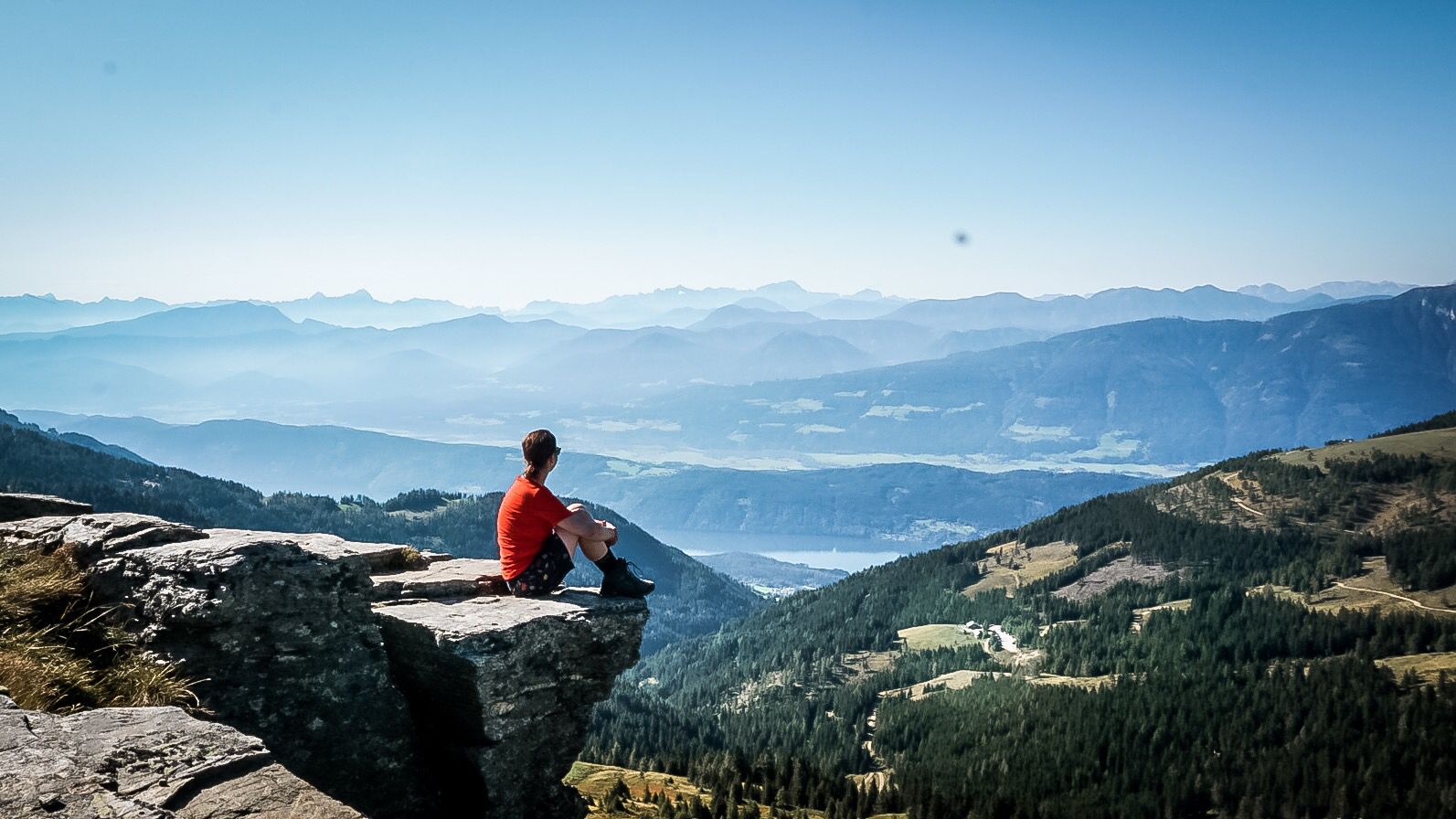
Alpe-Adria-Trail: My long-distance hike from the glacier to the sea
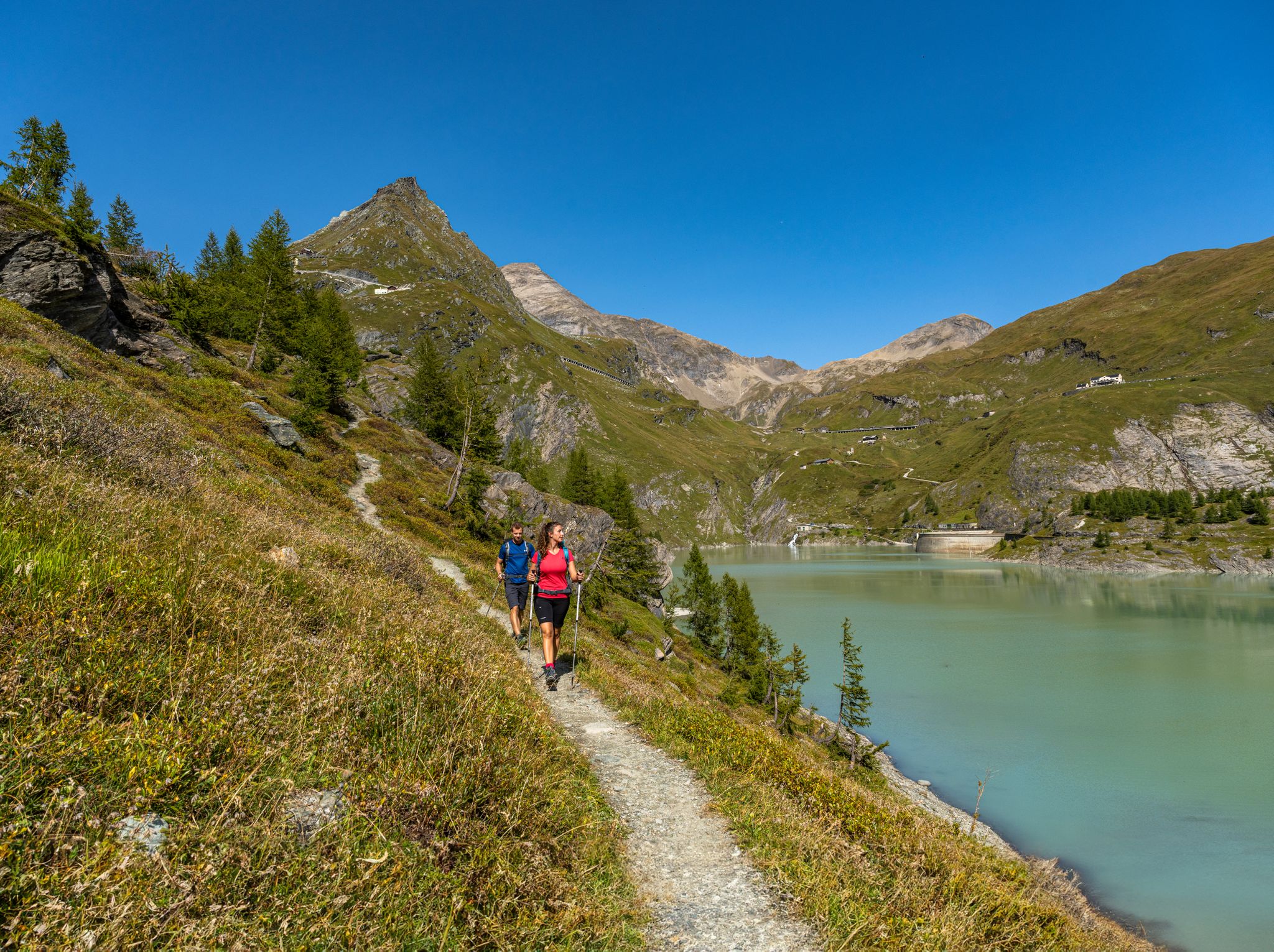
From the Grossglockner to the sea on the Alpe Adria Trail
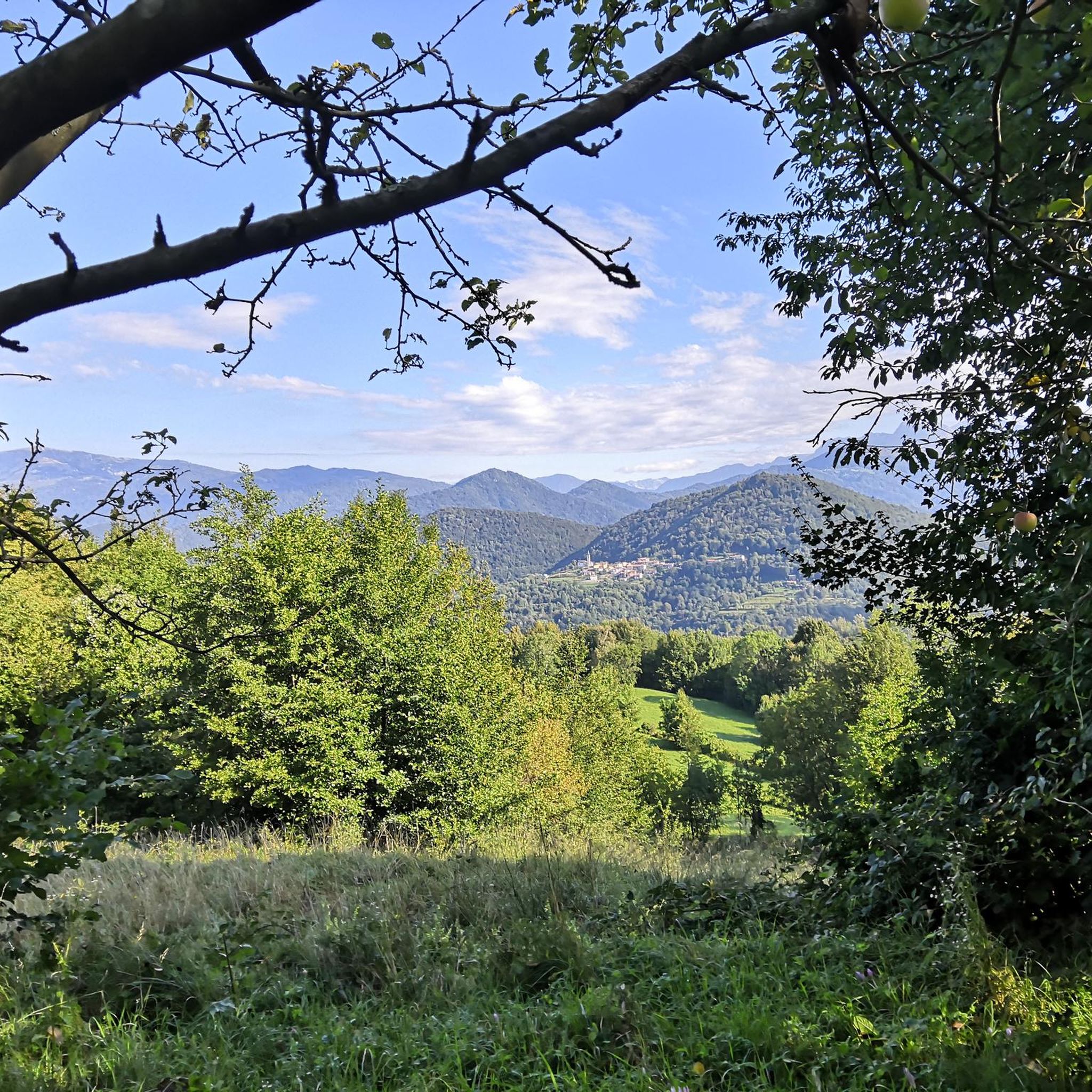
Hiking around Stregna
Cycling around Stregna
Road Cycling Routes around Stregna
MTB Trails around Stregna

Gravel biking around Stregna
Running Trails around Stregna

Mountain Hikes around Stregna


Tips from the Community

The Duga baba is a figure from the folk tales of Posočje: a “wild woman” with long, disheveled green hair, a crooked nose, and black claws, who according to legend lived in the Zadlaška jama above the gorge. From there, she guarded the path to the confluence – she demanded that every stranger carry her piggyback over the bridge. Those who passed were allowed to continue into the gorge; those who failed were served her infamous bread with snot. A wooden sculpture on the Klammweg trail commemorates the legend. ▪️ Sculpture directly on the circular trail, short photo stop ▪️ Information board on site, legend also known in Slovenian as “Duga baba se da nositi čez brv” ▪️ Nice story for children – the bridge at the confluence is “her” bridge
0
0

Note the opening hours. The cave will be closed in September 2026. :)
1
0

In the period of the Isonzo Front, the fighting between the Austro-Hungarian and Italian armies on Mount Smerle lasted 29 months, from the beginning of June 1915 to October 24, 1917. For a large part of this period, the slope above the Pretovc mountain pasture was defended by the third battalion of the 46th infantry regiment from Saghedino in Hungary. The members of this unit built an extensive system of trenches and caves in the rocks, naming one of them after their commander, Major Maximilian Diendorfer. The cave served as a safe shelter for the soldiers and the numerous wounded. In it, they placed an altar dedicated to the Virgin Mary with the inscription: Virgin Mary, our mother, be the protector of your people.
0
0

Coming from Avce, just before the village of Kanal, there's a small cave with a statue of the Madonna. It's very impressively depicted—well worth seeing!
0
0

Short tour up the mountain to the castle (currently under construction 24.7.2025)
2
0

2 more highlights at the end of the gorge
1
0
There are plenty of caves in this area
2
0

The castle ruins show the preserved foundations of a castle that was fought over for centuries and has a strategic location. There are many benches from which you can admire the magnificent 360-degree panorama of the Soča Valley and the surrounding mountains on the edge of Triglav National Park.
0
0
Frequently Asked Questions
What are some notable caves to visit in the region around Stregna?
Beyond the local Duga Baba and Zadlaška Cave, the broader Friuli-Venezia Giulia region offers several significant cave systems. These include the Pradis Green Caves, known for their unique green hues and family-friendly walkways, and the monumental Grotta Gigante, once the world's largest show cave, offering awe-inspiring scale and guided tours. Another unique option is the San Giovanni d'Antro Cave and Church, which houses a rock-hewn church within its complex.
Are there family-friendly caves near Stregna?
Yes, the Pradis Green Caves are often considered suitable for families with children, featuring equipped walkways and an evocative natural setting. The Slivia Caves also offer guided tours via stairs and walkways, making them generally suitable for visits with children.
What kind of geological features can I expect to see in the caves around Stregna?
The caves in the region, particularly those in the Trieste Karst like Grotta Gigante and Slivia Caves, are renowned for impressive karst formations. You can expect to see monumental stalactites, stalagmites, intricate calcite flows, and large open chambers sculpted by water over millennia. The Pradis Green Caves are notable for their moss-covered walls and small waterfalls.
What historical sites are integrated with the caves in this area?
The San Giovanni d'Antro Cave and Church is a prime example, featuring a rock-hewn church within its entrance, reflecting centuries of use as a place of worship and refuge. Additionally, the World War I Shelter Caves offer a glimpse into military history, having served as shelters during the Isonzo Front battles.
What is the best time of year to visit the caves around Stregna?
Caves generally maintain a consistent temperature year-round, making them a good option in any season. However, for the most comfortable experience, especially if combining with outdoor activities, spring and autumn offer pleasant weather. Summer can be a great escape from the heat, while winter visits are also possible, though access roads might require checking for snow conditions for some locations.
What outdoor activities can I do near these caves?
The Stregna area is excellent for various outdoor pursuits. You can explore numerous running trails, including challenging loops like the Mount Nachnoi – Kolovrat Open-Air Museum. For cyclists, there are diverse MTB trails and road cycling routes, such as the panoramic View of the Adriatic Sea loop or the Banks of the Natisone River route.
Are there any caves that require crawling or are particularly challenging?
Yes, the Duga Baba and Zadlaška Cave offers sections where you can crawl, but it's noted that this requires not suffering from claustrophobia. The first 10 meters are easily accessible, but it becomes more difficult further in. The Kozlov Rob Cave is also described as challenging and almost pitch black, being about 20 meters deep.
Are permits required for caving around Stregna?
For organized tourist caves like Grotta Gigante, Pradis Green Caves, or Slivia Caves, entry is typically managed through tickets and guided tours, so no separate permit is needed beyond the entrance fee. For exploring undeveloped or wilder caves, specialized equipment and permits from local caving associations or authorities may be required. Always check local regulations for specific sites.
What should I wear when visiting caves in the Stregna region?
Caves maintain a cool, constant temperature, often around 10-12°C (50-54°F), regardless of the outside weather. It's advisable to wear layers, including a light jacket or sweater, and comfortable, sturdy shoes with good grip, as surfaces can be damp and uneven. Some caves may have water features, so waterproof footwear can be beneficial.
Is there public transport available to reach the caves?
Public transport options to reach specific cave sites directly can be limited, especially for those in more rural areas. While Stregna itself might have some local bus services, reaching the larger cave systems like Grotta Gigante or Pradis Green Caves often requires a combination of regional buses and then potentially a short taxi ride or personal vehicle. It's recommended to check local bus schedules and routes for each specific cave you plan to visit.
Are there any caves near Stregna that are part of a larger historical complex?
Yes, the Kozlov Rob Castle ruins, located on a mountain, include a cave within its vicinity. This offers a unique combination of exploring historical castle ruins and a natural cave, providing both cultural and natural insights in one visit.
Most popular routes around Stregna
Most popular attractions around Stregna

Get inspired with the komoot mobile app


Explore more
Extend your search for the best caves by checking out these guides of the top ones around Stregna:
