Top 6 Caves around Tavernerio
Caves around Tavernerio offer a glimpse into the geological and historical past of the Como province. While Tavernerio itself is a small municipality, the surrounding region features significant cave systems. These natural formations provide insights into ancient geological processes and prehistoric life. The area's landscape is characterized by the Prealps, where karst phenomena have created impressive underground environments.
Best caves around Tavernerio
- The most popular caves is Buco del Piombo, a cave that is a huge cavity of karst…
Last updated: August 23, 2026
Buco del Piombo
Highlight • Cave
Translated by Google •
Tip by

Scalota del Cico
Highlight • Trail
Translated by Google •
Tip by
Sign up now to discover places like this
Get recommendations on the best single tracks, peaks, & plenty of other exciting outdoor places.
Sign up for free
Grotta del Cepp
Highlight • Cave
Translated by Google •
Tip by

Marenghi Park Marian Grotto
Highlight • Cave
Before climbing the steps of the lighthouse, on the left is the small Marenghi park with a Marian grotto.
Translated by Google •
Tip by

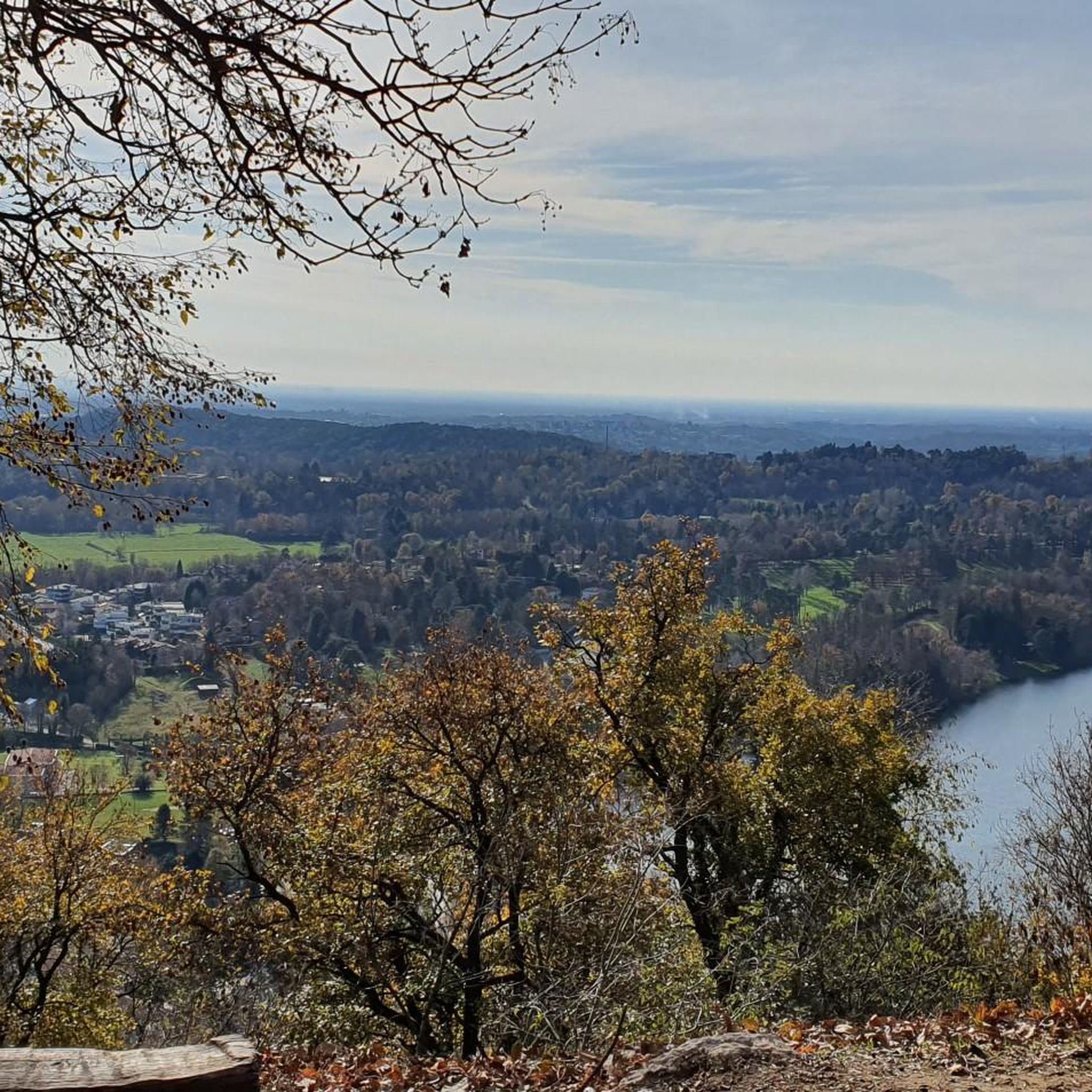
View of the Cliffs of Val Bova
Highlight • Viewpoint
Translated by Google •
Tip by
Sign up for free to discover even more caves around Tavernerio.
Sign up for free
Already have an account?
Start today with a free account
Your next adventure awaits.
Login or Signup
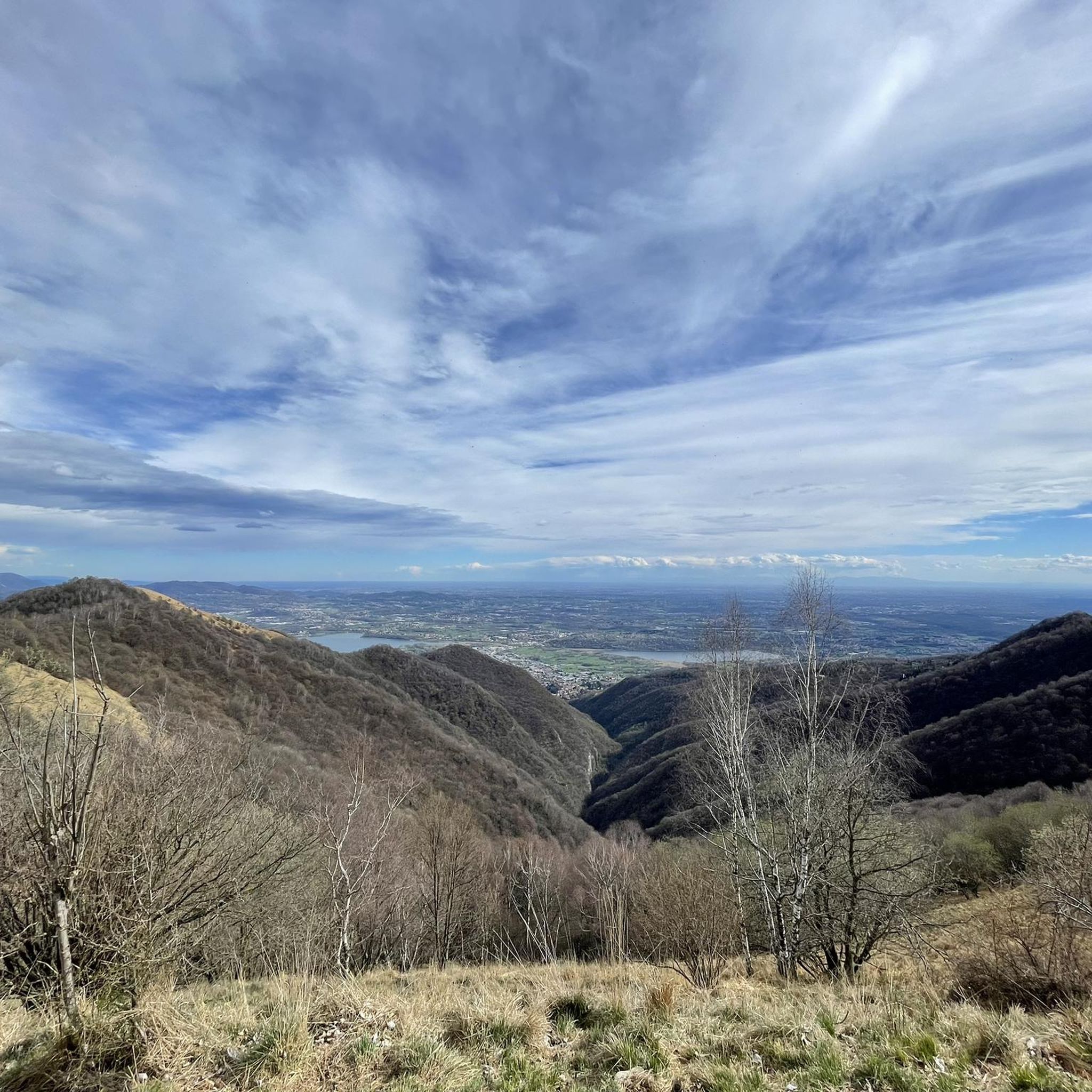
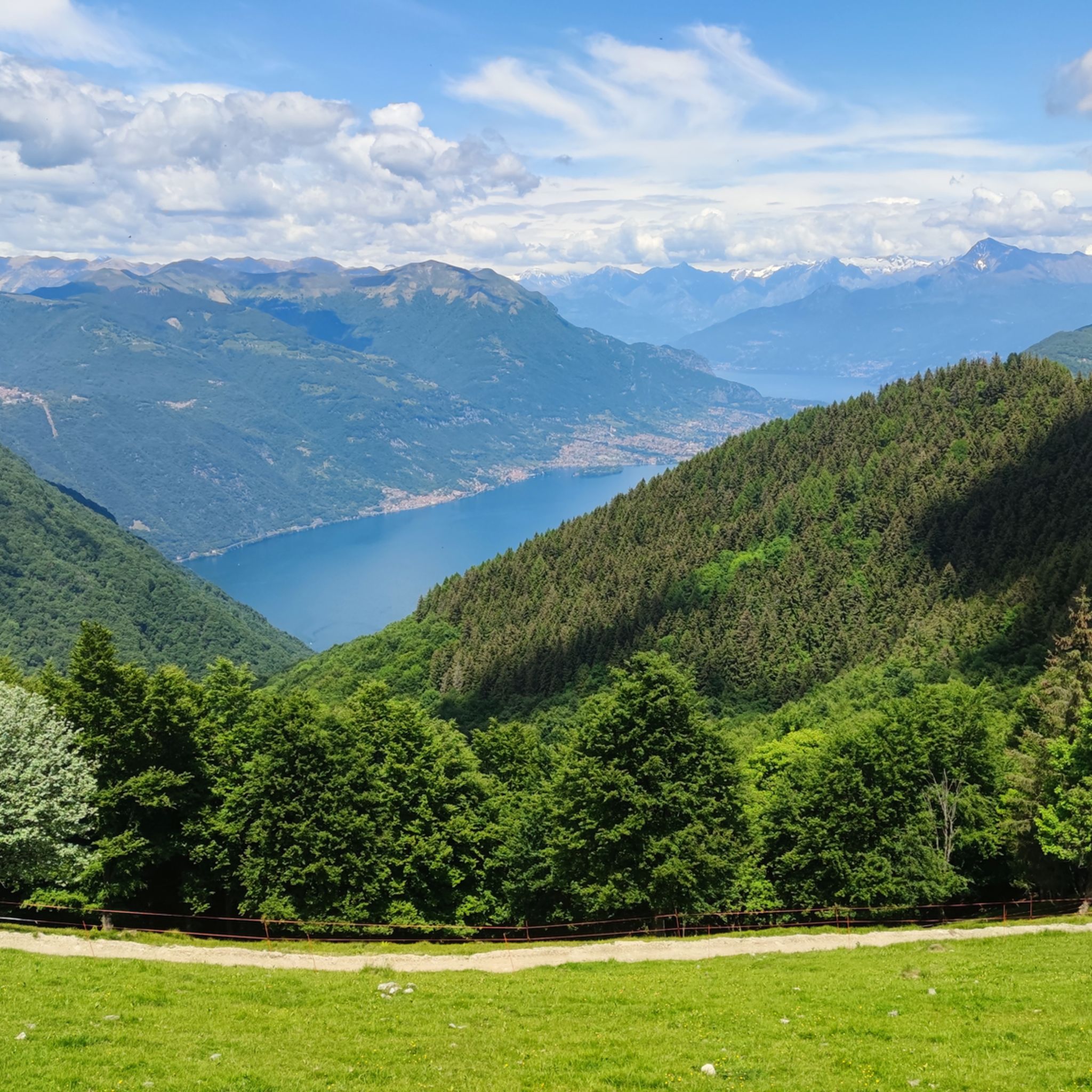
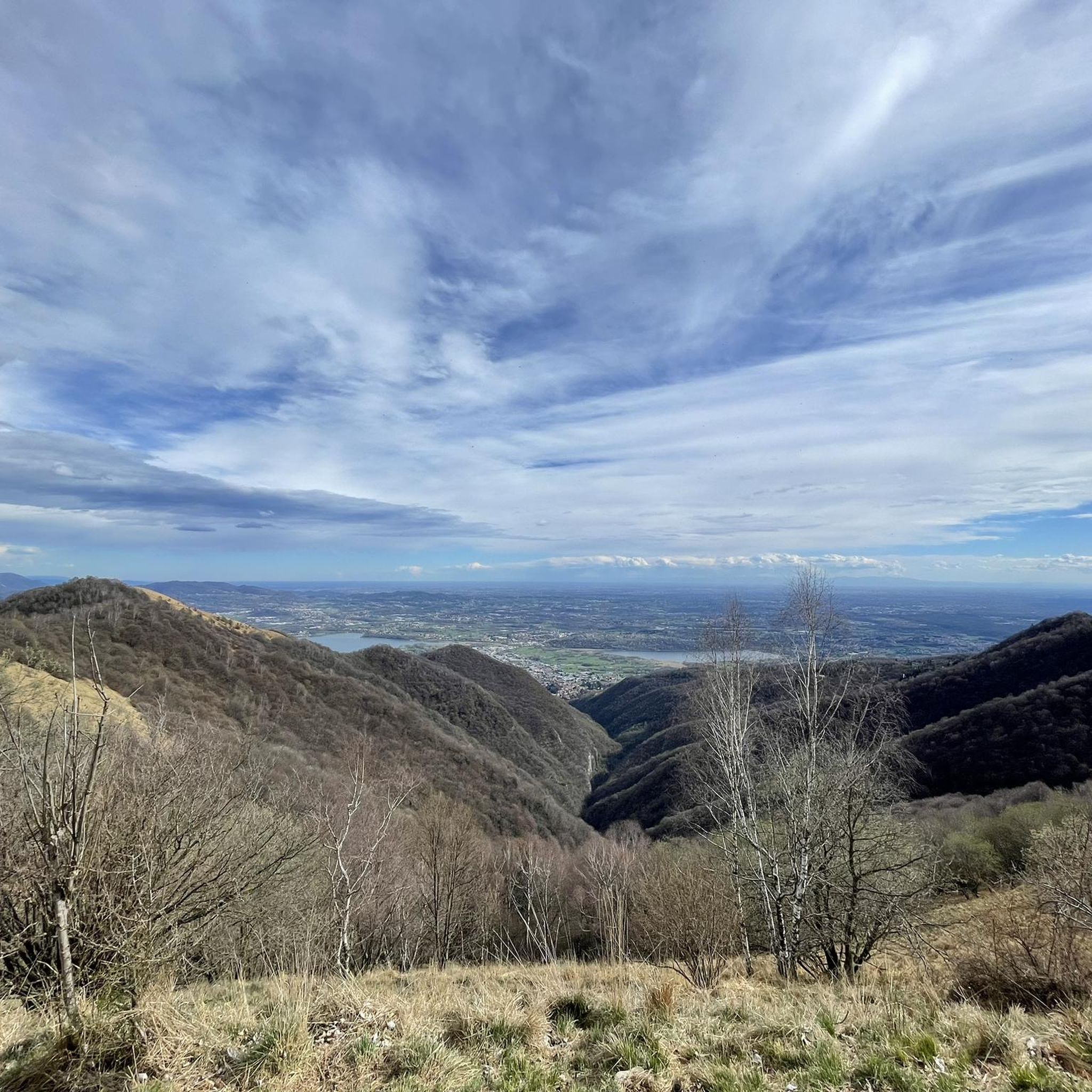
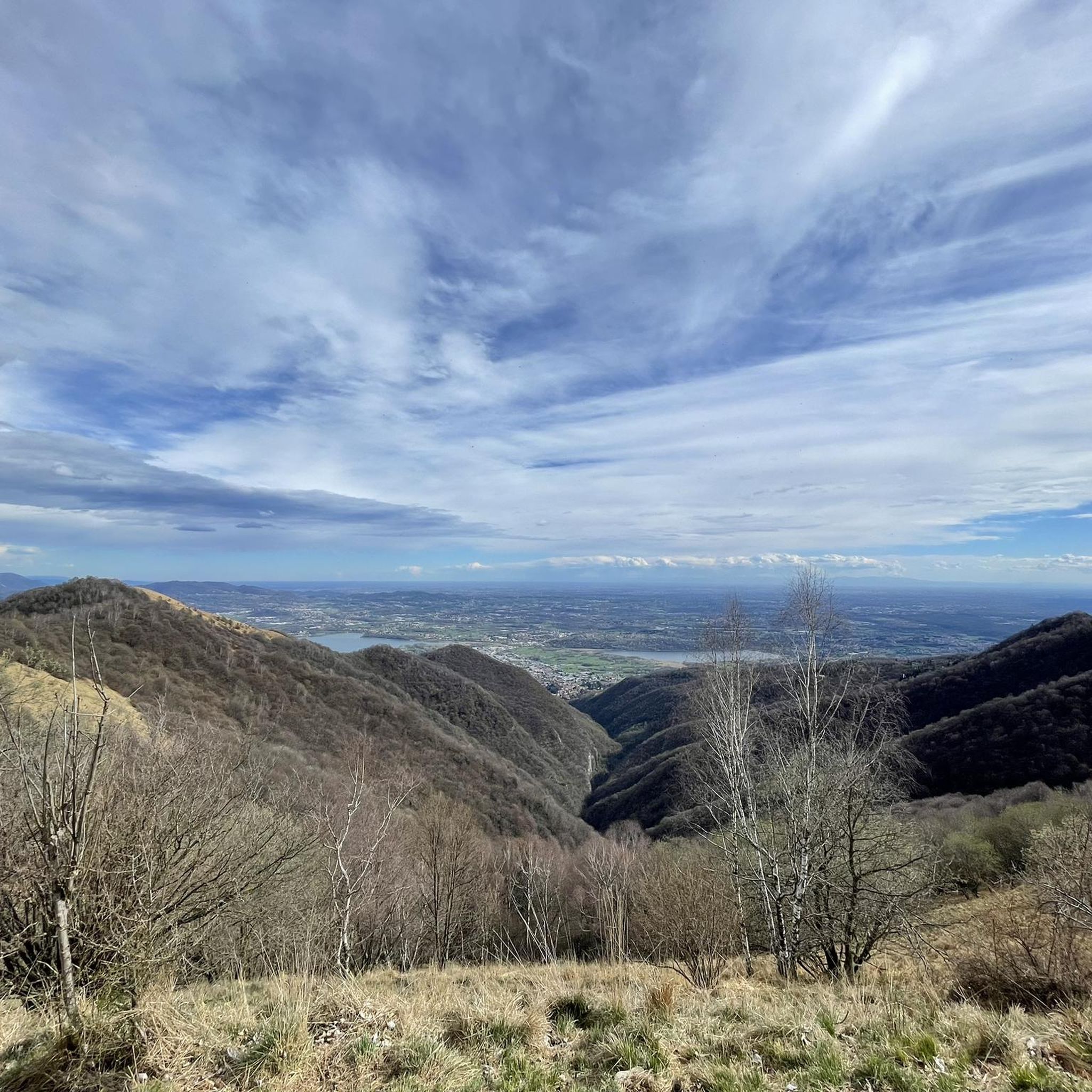

Tips from the Community

October 2025: The trail is closed by a gate but still worth a visit
0
0

suggestive path among the remains of a mine
0
0

From the Grotta del Cepp locality, numerous paths begin that lead to Monte Boletto, Monte Bolettone and Alpe del Vicerè in the Albese Valley.
0
0


Originating from the action of rain, over millions of years, on the sedimentary rock called Majolica which is nothing but the bottom of an ancient ocean from the Mesozoic era, which emerged 140 million years ago, the cave is the point of entrance to an intricate system of tunnels that develop under the Alpe del Viceré.
1
0
View of the overhanging rock face in the center of which is the entrance to a large cave: the Buco del Piombo
1
0
Frequently Asked Questions
What are the most significant caves to explore near Tavernerio?
While Tavernerio itself is a small municipality, the broader Como province offers impressive cave systems. The most prominent are the Buco del Piombo, known for its immense entrance and geological formations, and the Grotta Generosa (also called Grotta dell'Orso), famous for its paleontological discoveries.
What makes the Buco del Piombo cave special?
The Buco del Piombo is an imposing natural cave in Erba, featuring a dramatic entrance 45 meters high and 38 meters wide. It's renowned for its intricate stalactites and stalagmites, formed over millions of years. It also holds significant historical and paleontological value, with evidence of human presence dating back to the Paleolithic period and findings of Neanderthal man.
What is the historical and paleontological importance of Grotta Generosa?
The Grotta Generosa, also known as the Grotta dell'Orso (Bear's Cave), is an incredibly important paleontological site. It's famous for the discovery of over 40,000 fossils of the extinct Ursus spelaeus (cave bear). Additionally, flint fragments used by Neanderthal man between 40,000 and 60,000 years ago have been found here, making it a site of both significant paleontological and archaeological interest.
Are there any family-friendly caves or grottoes near Tavernerio?
Yes, the Marenghi Park Marian Grotto is categorized as family-friendly. While the major caves like Buco del Piombo offer guided tours suitable for families, this grotto provides a more accessible and gentle experience.
What kind of geological features can I expect to see in the caves?
The caves in the Como province, particularly the Buco del Piombo, are primarily karst formations. You can expect to see impressive stalactites, stalagmites, and other calcareous concretions formed by mineral-rich water over millennia. The immense scale of the entrances, carved into limestone rock, is also a notable geological feature.
What is the best time to visit the caves around Tavernerio?
The best time to visit caves like Buco del Piombo and Grotta Generosa is generally during the spring, summer, and early autumn months when guided tours are more regularly available and the weather is pleasant for accessing the sites. It's always advisable to check specific opening hours and tour schedules before planning your visit.
Are there guided tours available for the caves?
Yes, both the Buco del Piombo and Grotta Generosa offer guided tours. These tours provide valuable insights into the geological formations, historical significance, and paleontological discoveries within the caves. For Grotta Generosa, tours are available in Italian and English and are conducted by specialized guides.
What other cave-related attractions are there besides the main caves?
Beyond the major cave systems, you can explore the Scalota del Cico, a trail that features a suggestive path among the remains of an old mine. There's also the Grotta del Cepp, which is a cave and religious building, serving as a starting point for various paths.
Can I find hiking trails that incorporate cave features near Tavernerio?
Yes, the region offers trails that lead to or pass by cave features. For instance, the Grotta del Cepp is a starting point for numerous paths leading to Monte Boletto, Monte Bolettone, and Alpe del Vicerè. The Scalota del Cico is a steep path among mine remains that connects to the Carate - Murelli refuge mule track.
What outdoor activities can I combine with a visit to the caves?
The area around Tavernerio and the caves offers various outdoor activities. You can find numerous MTB trails, road cycling routes, and general cycling routes. Many of these routes explore the scenic landscapes of the Como Prealps, often passing by viewpoints or natural monuments like the View of the Cliffs of Val Bova, which overlooks the entrance to the Buco del Piombo.
Is parking available near the prominent caves?
For caves like the Buco del Piombo, parking facilities are typically available nearby, often at the entrance to the natural reserve or visitor center. It's recommended to check specific visitor information for each cave to confirm parking options and any associated fees before your visit.
What kind of wildlife or ancient life evidence can be found in these caves?
The Grotta Generosa is particularly rich in evidence of ancient life, with over 40,000 fossils of the extinct Ursus spelaeus (cave bear). The Buco del Piombo also has paleontological significance, with important remains of the cave bear discovered there, alongside archaeological evidence of early human presence.
Most popular routes around Tavernerio
Most popular attractions around Tavernerio

Get inspired with the komoot mobile app


Explore more
Extend your search for the best caves by checking out these guides of the top ones around Tavernerio:
