Top 4 Caves around Cremia
Best caves around Cremia provide diverse experiences, from natural formations to historical sites, within the wider Lake Como region. Cremia is situated on the western shore of Lake Como, known for its ancient origins and scenic lakeside promenade. While direct prominent caves are not within Cremia itself, the surrounding area offers several notable cave systems. These natural features contribute to the region's appeal for outdoor exploration.
Best caves around Cremia
- The most popular caves is Casiss Mines, a historical…
Last updated: May 2, 2026
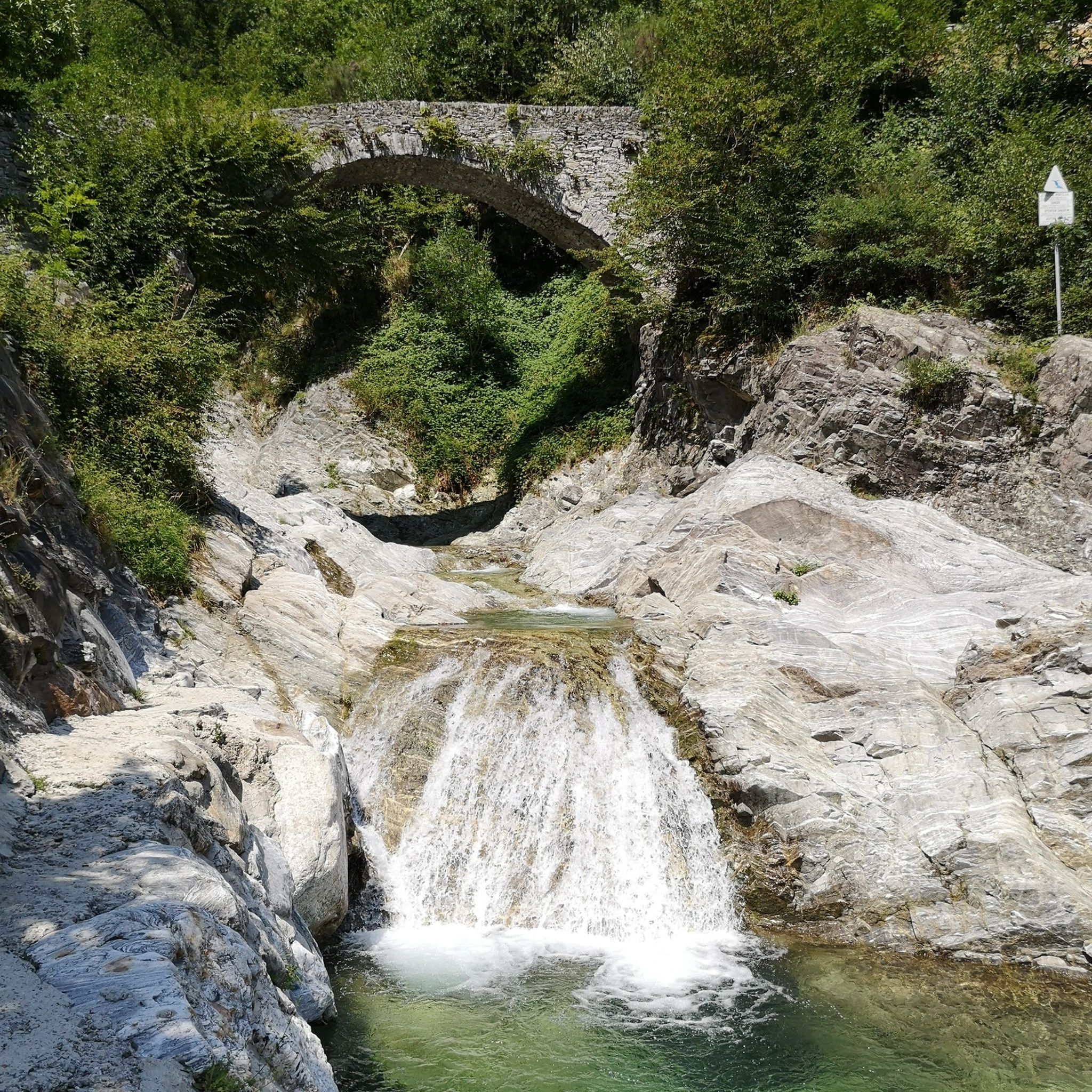
Between Lake Como and Dangri
Highlight (Segment) • Waterfall
Translated by Google •
Tip by

Casiss Mines
Highlight • Structure
Translated by Google •
Tip by

Sign up now to discover places like this
Get recommendations on the best single tracks, peaks, & plenty of other exciting outdoor places.
Sign up for free
Baitello Il Cassis
Highlight • Mountain Hut
Translated by Google •
Tip by
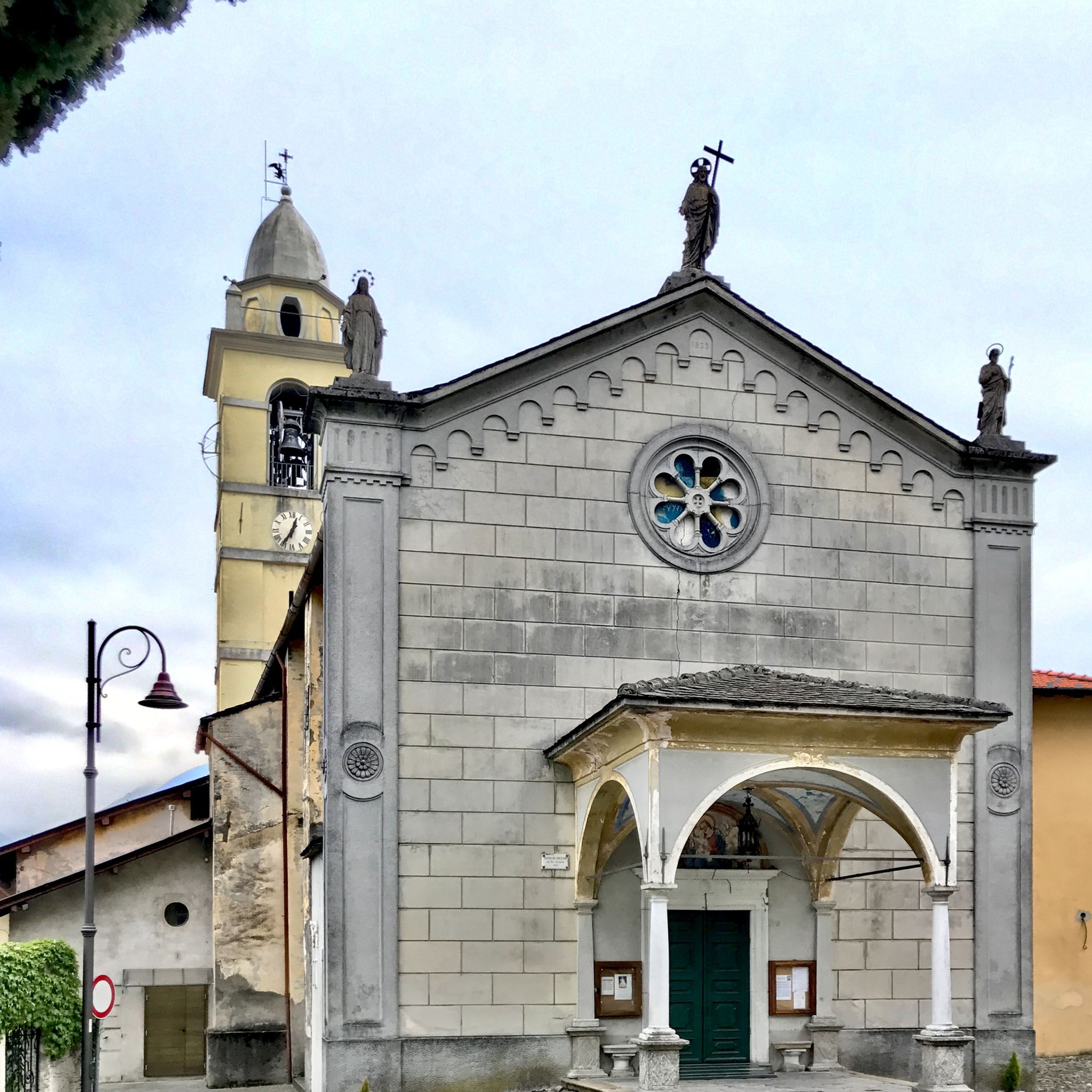
Grotta di Lourdes
Highlight • Religious Site
Access to the abbey is only permitted on foot. There is also a sign indicating that access is only permitted with long items.
Translated by Google •
Tip by

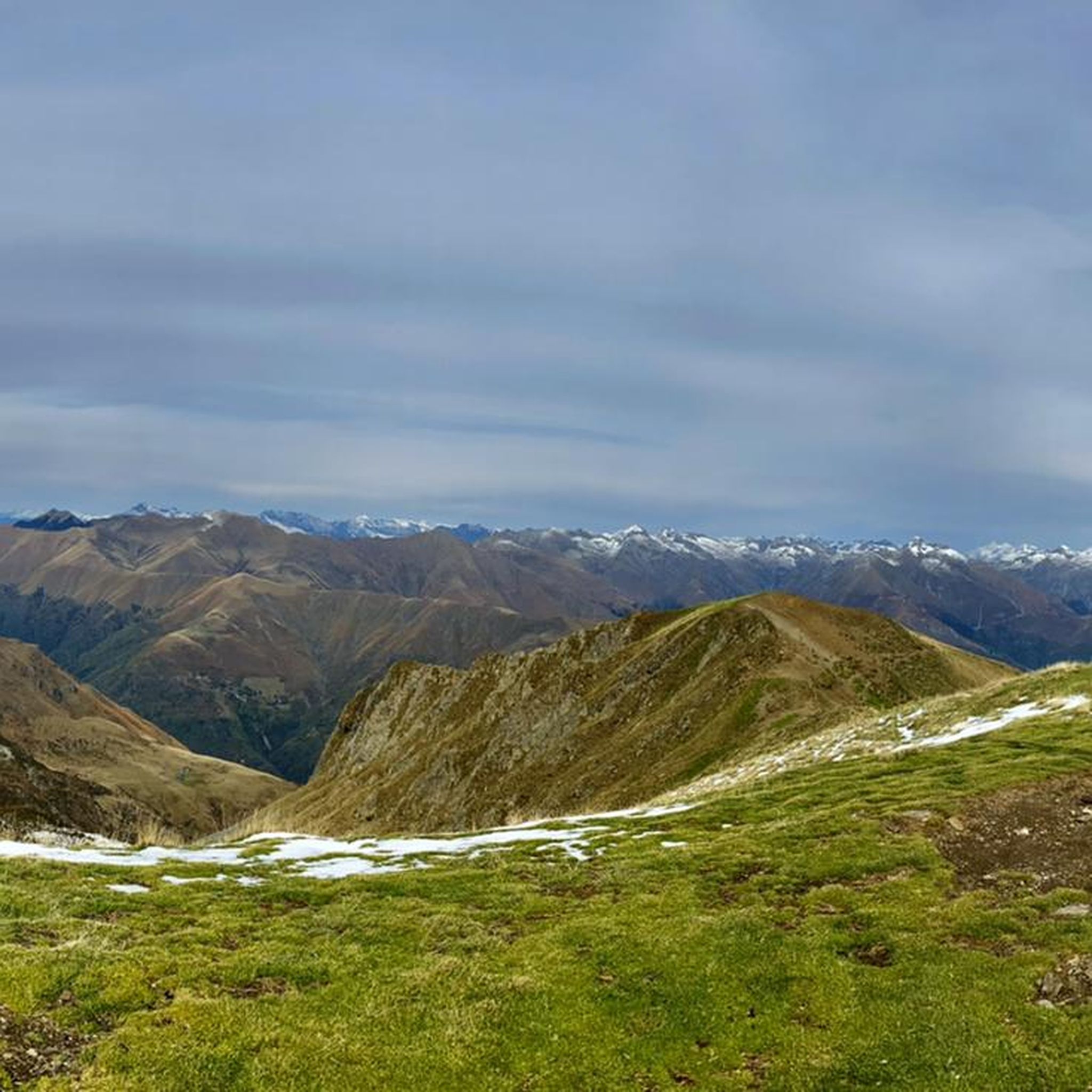
Trail No. 1 from Parlasco to the Bocchetta di Cavèe
Highlight (Segment) • Trail
Translated by Google •
Tip by

Start today with a free account
Your next adventure awaits.
Login or Signup


Tips from the Community

Path n°1 that from Parlasco leads to Bocchetta di Cavèe. Path with some technical difficulty, requires sure footing and a minimum of experience.
0
0

Freely accessible grotto with seating to pause and enjoy the peace and quiet. Access to the abbey is only permitted on foot. There is also a sign indicating that access is only permitted with long items.
0
0

Once it was the refuge of the miners of Esino; then the volunteers of Esino have arranged it and now it is a bivouac open to all, with respect for the place.
0
0
The miners of Esino extracted the Manganese to sell it to small companies in Lecco and Valsassina under development.
1
0

Beautiful tour to the Grotte di Dangri with a nice restaurant in beautiful surroundings.
1
0

Romantic campsite in the vineyard
3
0

Frequently Asked Questions
What types of caves can I explore around Cremia?
The area around Cremia offers a variety of cave experiences, from natural formations to historical sites and religious grottoes. You can visit natural wonders like the Fiumelatte Caves, known for their milky-white river, or the Rescia Caves with their ancient stalactites and stalagmites. Historical sites include the Casiss Mines, which were once used for manganese extraction, and the archaeological Bear Cave (Grotta dell'Orso) with remains of prehistoric animals. There's also the serene Grotta di Lourdes, a religious grotto.
Are there any historical or archaeological caves near Cremia?
Yes, the region offers significant historical and archaeological cave sites. The Casiss Mines are a historical site where manganese was extracted to supply companies in Lecco and Valsassina. Further afield, the Bear Cave (Grotta dell'Orso) on Monte Generoso is an important archaeological site where remains of over 500 cave bears and findings attributed to Neanderthal Man have been discovered, offering a captivating journey into prehistory.
What are some natural cave formations or unique geological features to see?
The Lake Como region boasts several unique natural cave formations. The Fiumelatte Caves are famous for being the source of the Fiumelatte River, one of Italy's shortest rivers, known for its milky-white waters. The Rescia Caves feature impressive primary formations, with water having sculpted soft bends in the stone, creating majestic stalactites and stalagmites over 80 million years. Additionally, the Grotte di Dangri Waterfalls offer a scenic cave and waterfall system.
Are there family-friendly caves to visit near Cremia?
Yes, the Grotta di Lourdes is freely accessible and offers a peaceful setting with seating, making it suitable for families. The Rescia Caves are also generally accessible to the public from April to September and provide an engaging experience for all ages to observe intricate limestone sculptures and a nearby 70-meter-high waterfall.
What is the best time to visit the caves around Cremia?
The best time to visit varies by cave. The Fiumelatte Caves are often best visited during February or extended dry periods when the water flow might be less intense, allowing for better access. The Rescia Caves are accessible to the public from April to September. For other caves, it's generally advisable to visit during milder weather conditions, avoiding heavy rain which can affect accessibility or safety.
Are there any caves that involve hiking or more challenging access?
Yes, some caves are integrated into hiking trails or require more challenging access. The Trail No. 1 from Parlasco to the Bocchetta di Cavèe incorporates a cave and features technical sections, requiring sure footing and some experience. The Casiss Mines are also categorized as challenging, suggesting a more demanding visit.
What outdoor activities can I combine with a visit to the caves near Cremia?
The area around Cremia offers numerous outdoor activities that can be combined with cave visits. You can explore various hiking trails, including moderate options like the 'Rifugio La Canua e Alpe Rescanscia – loop hike' or easier paths like 'Panorami sopra Santa Maria – giro ad anello'. There are also running routes and mountain biking trails available for different skill levels.
Can I swim near any of the caves?
Yes, the Grotte di Dangri Waterfalls are known as a great place to swim. This location is appreciated for its scenic surroundings and offers opportunities to cool off in the water.
What should I wear when visiting caves in the Cremia area?
When visiting caves, it's generally advisable to wear sturdy, closed-toe shoes with good grip, as surfaces can be uneven and wet. Layers of clothing are recommended, as cave temperatures can be cooler than outside, even in summer. For more challenging cave explorations or trails, appropriate hiking gear is essential.
Are there any caves with waterfalls nearby?
Yes, the Grotte di Dangri Waterfalls is a notable location that combines a cave system with scenic waterfalls. Additionally, the visit to the Rescia Caves often includes views of the Orrido of Santa Giulia, a marvelous canyon featuring a 70-meter-high waterfall.
Are there any dog-friendly options for visiting caves?
While specific dog-friendly policies for each cave are not always explicitly stated, natural outdoor areas and trails leading to caves are generally more accommodating. For instance, the Grotta di Lourdes is freely accessible, which might allow for well-behaved dogs on a leash. Always check local regulations or contact specific cave attractions beforehand for their pet policies.
Most popular routes around Cremia
Most popular attractions around Cremia

Get inspired with the komoot mobile app


Explore more
Extend your search for the best caves by checking out these guides of the top ones around Cremia:
