Top 7 Castles around Zeri
Best castles around Zeri are found within the broader Lunigiana region, of which Zeri is a part. Zeri itself is a historically significant area, though its primary historical castle, Castrum Zirri, is largely disappeared with only traces of ancient walls remaining. The region offers a landscape characterized by hills and mountains, providing a setting for exploring historical sites and trekking routes. Visitors seeking castle structures typically explore the wider Lunigiana area.
Best castles around Zeri
- The most popular castles is…
Last updated: June 29, 2026
Historic Center of Pontremoli
Highlight • Historical Site
You will find a beautiful church on the central square of …
Translated by Google •
Tip by

Piagnaro Castle and Museum of Lunigiana Stele Statues
Highlight • Castle
Translated by Google •
Tip by

Sign up now to discover places like this
Get recommendations on the best single tracks, peaks, & plenty of other exciting outdoor places.
Sign up for free
Castello di Villa di Tresana
Highlight • Castle
Translated by Google •
Tip by

Castello di Calice al Cornoviglio
Highlight • Castle
Translated by Google •
Tip by

Castevoli Castle
Highlight • Castle
Translated by Google •
Tip by
Sign up for free to discover even more castles around Zeri.
Sign up for free
Already have an account?
Start today with a free account
Your next adventure awaits.
Login or Signup

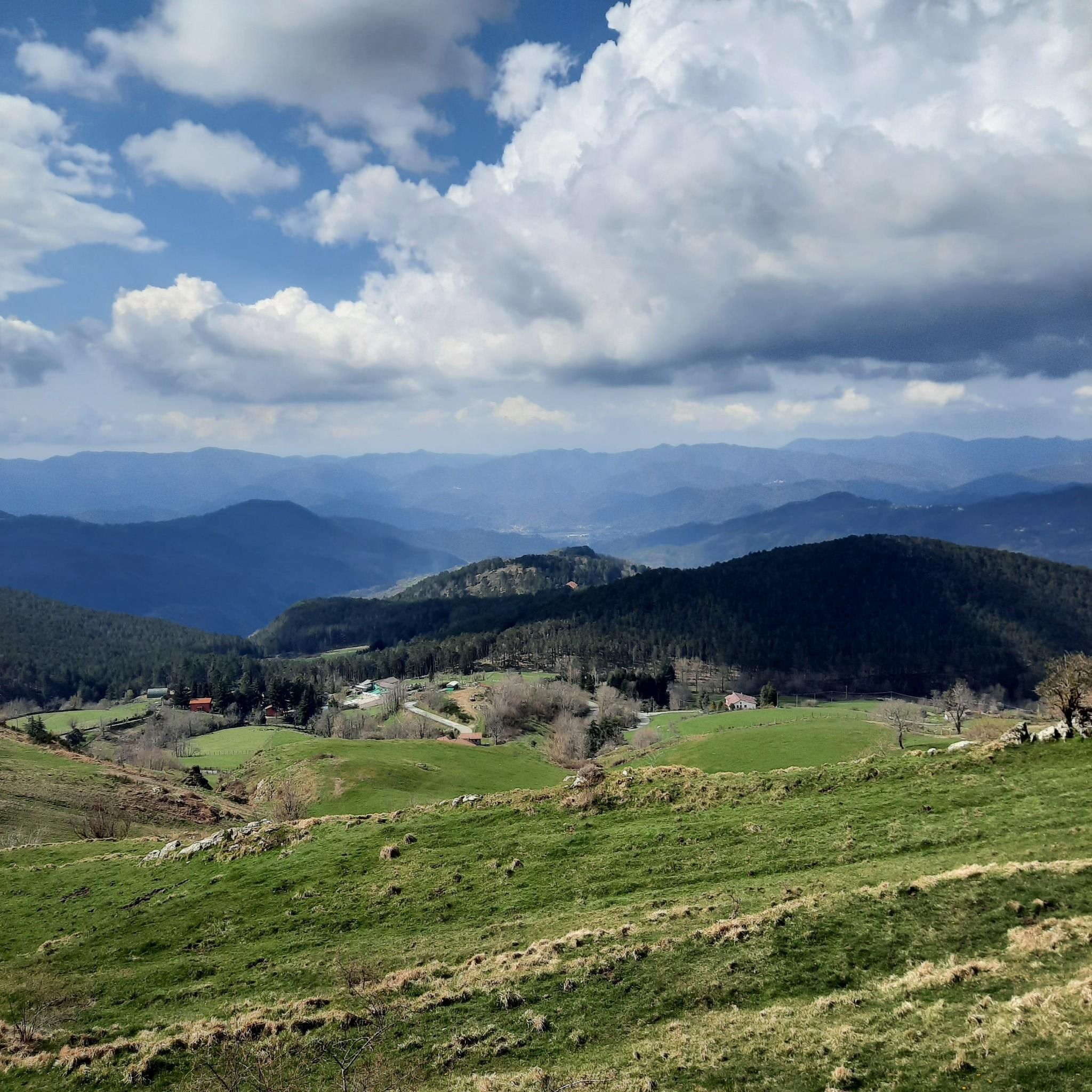
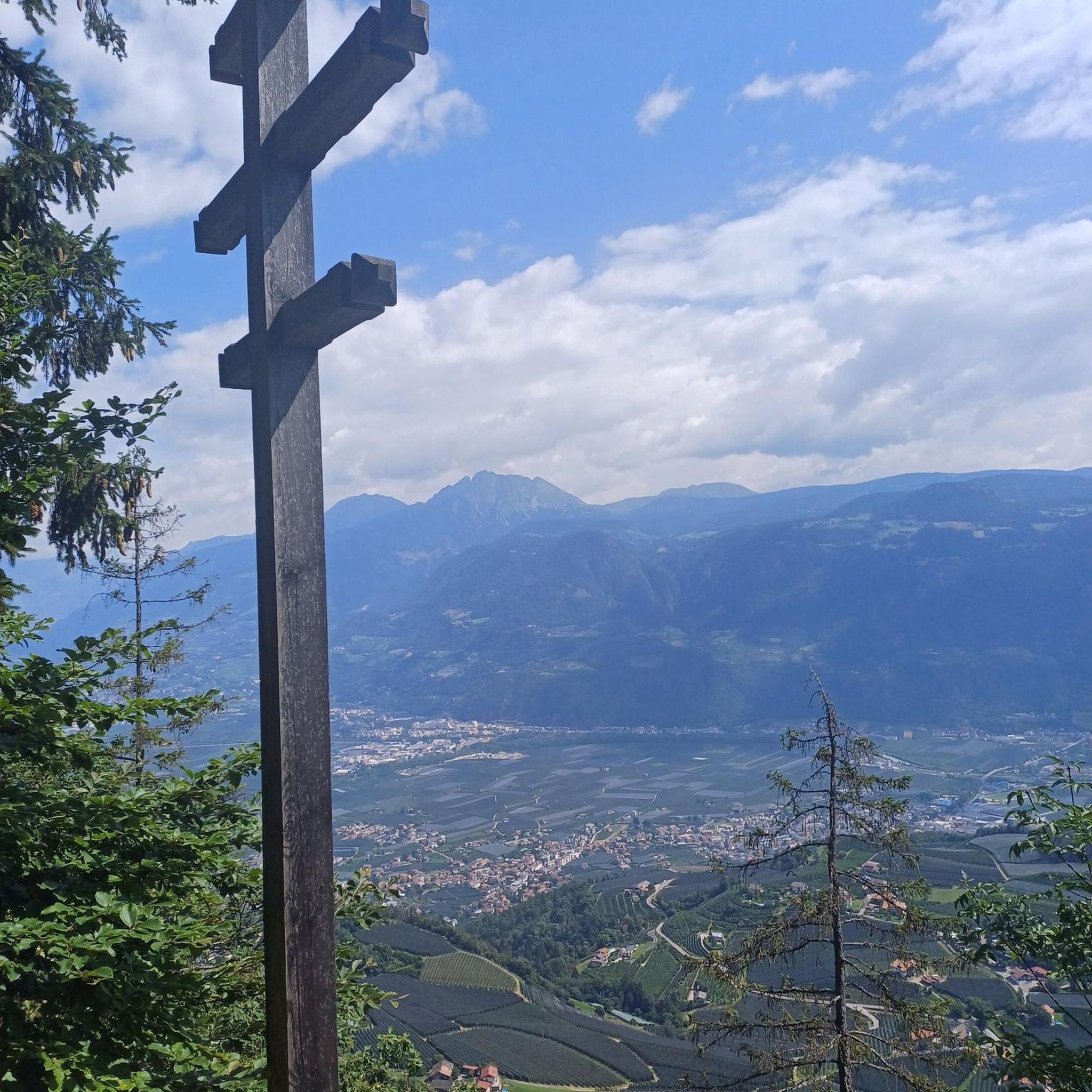
Other adventures around Zeri

Tips from the Community

The Statue Stele are anthropomorphic vertical stone sculptures, of variable size but generally between 2 and 3 meters in height. These mysterious works of art are testimonies to the culture and spirituality of the ancient peoples who inhabited Lunigiana. Their exact function remains a subject of debate among scholars. Some hypothesize that the Statue Stele could represent ancient gods or local deities, while others suggest they could be funerary symbols or commemorative monuments. The carved figures often feature enigmatic and abstract symbols, such as concentric circles, cupules, and linear engravings, which may have religious, astronomical, or ritualistic significance. The understanding of these symbols is still the subject of research and study by archaeologists and experts.
0
0

The name Calice al Cornoviglio combines two distinctive elements of the village: "Calice," of uncertain origin but perhaps derived from the Latin calix (cup), referring to the site's concave shape, and "Cornoviglio," the mountain (561 m) that overlooks the village and lends its name to the entire ridge. This toponym appears in medieval documents and recalls the village's ancient connection with the surrounding Apennine territory. Calice was long ruled by the Malaspina dello Spino Secco family, who built a strategic castle there, documented since the 11th century and modified several times over the centuries. Today, the fortress houses the Diocesan Museum of Sacred Art and the Chestnut Documentation Center, two testimonies to the profound intertwining of history, spirituality, and the territory's resources. A short distance away is the parish church of Santa Maria Lauretana, an elegant 18th-century Baroque building with exquisite decorations and a polychrome marble high altar. The village comes alive throughout the year with traditional events such as the Feast of Our Lady of Loreto (September), the Chestnut Festival (October) and various summer festivals, which highlight the historical and cultural roots of the place.
0
0

The Piagnaro Castle is a fortress built in a strategic point to protect the Apennine passes and around which the first medieval nucleus was formed, built around the year 1000. For centuries it has been an integral part of the city's defensive system. In its thousand-year history it has undergone numerous destructions and subsequent reconstructions that have brought it to its current appearance. The Castle maintained its military function until the end of the 18th century. Its name derives from the so-called piagne, the gray sandstone slabs used in Lunigiana to cover the roofs of buildings, including that of the castle.
0
0

The hike up to the castle is worth it. Great views!
0
0
The village of Castevoli, tiny and intimate, stands on a spur overlooking the Mangiola valley. It is a place that seems made for silence and contemplation. Here, time seems to pass more slowly, and the castle, which stands in the center of the town, appears almost like a silent guardian of its history. It was one of the residences of the Malaspina family, who profoundly influenced the medieval history of Lunigiana. The castle of Castevoli, in particular, belonged to the “Spino Secco” branch of the family, which governed this part of the territory with a balance between authority and diplomacy. Unlike other more austere fortifications, that of Castevoli is a castle that has a double soul in its appearance: on the one hand, the defensive function, evidenced by the towers, the walls and the elevated position; on the other, the residential soul, which can be perceived in the internal courtyards, in the covered passages, in the sculpted portals and in the remains of noble rooms that suggest a past of daily life, meetings, hospitality and culture. Visiting it, you have the feeling of touching the traces of centuries of history. Some parts of the castle have been renovated today, others maintain a more rough and authentic charm, with walls covered in ivy and rooms that tell the story of the passing of time. From the patrol path or from some windows there is a splendid view of the valley, the deep green of the woods and the profiles of the hills, which change color with the seasons. Castevoli was not only a place of defense or government, but also a point of passage and meeting. The castle was in fact located along ancient local communication routes, and even today, a dirt road for cycling and walking connects the village to Gavedo, another nearby Malaspina center. Walking or cycling along that path, it is easy to imagine wayfarers, knights and messengers who once came and went between the courts of the Malaspina, bringing news, goods and stories.
0
0
The construction of the castle probably dates back to the 14th century, when it was erected as a simple quadrangular fortification, entirely in stone with mortar joints. During the 15th century, the structure was expanded with the addition of two cylindrical towers placed diagonally at opposite corners, equipped with slits for firearms, evidence of the evolution of the defensive techniques of the time. The Castle of Villa di Tresana was part of the vast defensive system of the Malaspina, a powerful noble family that dominated Lunigiana. Located along the Via Francigena, the castle had a strategic function in controlling the communication routes and offered hospitality to pilgrims and travellers in transit. Over the centuries, the castle underwent various vicissitudes. In the 17th century it came under the influence of the Medici, while remaining under the control of the Malaspina. Subsequently, it was used as an agricultural building and fell into a state of abandonment. Only recently has it been the subject of careful restoration, which has preserved its original structure and restored its ancient splendor. Currently, the Castle of Villa di Tresana is a private property and is not open to the public. However, it is possible to admire it from the outside, especially during the autumn, when the climbing ivy that covers it takes on suggestive colors, giving the castle a fairy-tale appearance.
0
0

Campanone is a term used in Pontremoli to refer to a medieval tower, the only remaining part of a medieval fortress called Fortezza di Cazzaguerra. The tower was built in 1322. Its purpose was to keep the Guelph and Ghibelline factions of the city separated. The central tower was equipped from the beginning with a bell to warn the citizens of possible dangers. Only later was the tower raised and the actual bell tower built.
4
0

The Lunigiana stele statues on display are worth seeing. I found it quite interesting. From the top you have a beautiful view of the city
0
0
Frequently Asked Questions
What castles can I visit in the Zeri area, given that Zeri itself has no intact castles?
While Zeri's historical castle, Castrum Zirri, is largely disappeared, you can explore several notable castles in the broader Lunigiana region. These include Piagnaro Castle and Museum of Lunigiana Stele Statues in Pontremoli, the historical site of Historic Center of Pontremoli which provides access to Piagnaro Castle, and Castello di Calice al Cornoviglio.
Are there any castles near Zeri that offer museums or cultural experiences?
Yes, Piagnaro Castle and Museum of Lunigiana Stele Statues houses the Museum of the Stele statues, offering a unique cultural insight. Additionally, Castello di Calice al Cornoviglio hosts the Diocesan Museum of Sacred Art and a Chestnut Documentation Center, blending history with local traditions.
Can I see any castles that were part of the historical Malaspina defensive system?
Several castles in the region were part of the Malaspina defensive system. You can admire Castello di Villa di Tresana from the outside, which was a 14th-century Malaspina fortification. Castello di Calice al Cornoviglio was also long ruled by the Malaspina dello Spino Secco family. Suvero Castle, though now a private residence and not open to visitors, was expanded and renovated by Marquis Rinaldo Malaspina in 1549.
What is the best time of year to visit the castles around Zeri?
The Lunigiana region, where these castles are located, is beautiful throughout the year. Spring and autumn offer pleasant weather for exploring, with autumn providing particularly suggestive colors around castles like Castello di Villa di Tresana due to its climbing ivy. Summer is also popular, though it can be warmer.
Are there family-friendly castles or historical sites to visit near Zeri?
The Historic Center of Pontremoli is considered family-friendly, offering a chance to explore medieval bridges and buildings, and providing access to Piagnaro Castle with its museum. The historical context and unique architecture can be engaging for all ages.
What outdoor activities can I do near these castles?
The region around Zeri and its castles offers various outdoor activities. You can find numerous cycling routes, including those for touring bicycles, gravel biking, and road cycling. For example, there are routes like 'Castles and villages of Lunigiana — Ring tour' or 'Historic Center of Pontremoli – Prati di Logarghena loop'. You can explore these and more on the Cycling around Zeri, Gravel biking around Zeri, and Road Cycling Routes around Zeri guide pages.
Are there any castles that offer scenic viewpoints?
Piagnaro Castle is located on a hill overlooking Pontremoli, offering excellent views of the historic center. Castello di Calice al Cornoviglio also provides a strategic viewpoint, overlooking the village and the surrounding Apennine territory.
What historical significance does the Historic Center of Pontremoli hold?
The Historic Center of Pontremoli is a treasure trove of artistic and monumental memories. It features medieval bridges, cobbled streets, and buildings like the Villa Dosi Delfini, a Baroque masterpiece. It's also home to the Campanone, a medieval tower that once separated the Guelph and Ghibelline factions, and provides access to Piagnaro Castle.
Can I visit Suvero Castle?
Suvero Castle, while historically significant and beautifully restored, is currently used as a private residence and is not open to the public for visits. However, you can still admire its exterior and the nearby church of San Giovanni Battista.
What do visitors enjoy most about the castles and historical sites in this region?
Visitors appreciate the rich history and well-preserved structures. The Piagnaro Castle is noted for its beauty and historical significance, especially with the Museum of the Stele statues. The medieval charm of the Historic Center of Pontremoli, with its bridges and ancient buildings, is also a highlight.
Are there any hidden gems or lesser-known castles to discover?
While not entirely hidden, Castello di Villa di Tresana is a private property that can be admired from the outside. Its 14th-century origins and role in the Malaspina defensive system make it a fascinating, less-frequented sight, especially when its ivy takes on autumn colors.
What kind of natural features can I expect to see around the castles?
The castles are situated within the Lunigiana region, characterized by hills and mountains. You'll find them nestled in landscapes that offer scenic views, often overlooking valleys or rivers. For instance, Piagnaro Castle overlooks Pontremoli, and Castello di Calice al Cornoviglio is overlooked by the Cornoviglio mountain, providing a blend of historical architecture and natural beauty.
Most popular attractions around Zeri

Get inspired with the komoot mobile app


Explore more
Looking for the best castles somewhere else? Discover other guides around Zeri:
