Top 6 Castles around Corniglio
Best castles around Corniglio are found in a municipality in the Province of Parma, Italy, known for its historical defensive structures. The region is characterized by its location overlooking the valleys of Parma and Bratica, offering strategic views. Corniglio's historical significance is tied to its role in controlling communication routes between the Po Valley, Tuscany, and Liguria. The area provides a tangible link to centuries of local history and medieval architecture.
Best castles around Corniglio
- The most popular castles is…
Last updated: October 3, 2026
Historic Center of Pontremoli
Highlight • Historical Site
You will find a beautiful church on the central square of …
Translated by Google •
Tip by

Piagnaro Castle and Museum of Lunigiana Stele Statues
Highlight • Castle
Translated by Google •
Tip by

Sign up now to discover places like this
Get recommendations on the best single tracks, peaks, & plenty of other exciting outdoor places.
Castello di Corniglio
Highlight • Castle
Translated by Google •
Tip by

Entrance to Malgrate Castle
Highlight • Castle
Translated by Google •
Tip by

Berceto
Highlight • Settlement
Translated by Google •
Tip by
Sign up for free to discover even more castles around Corniglio.
Already have an account?
Start today with a free account
Your next adventure awaits.
Popular around Corniglio
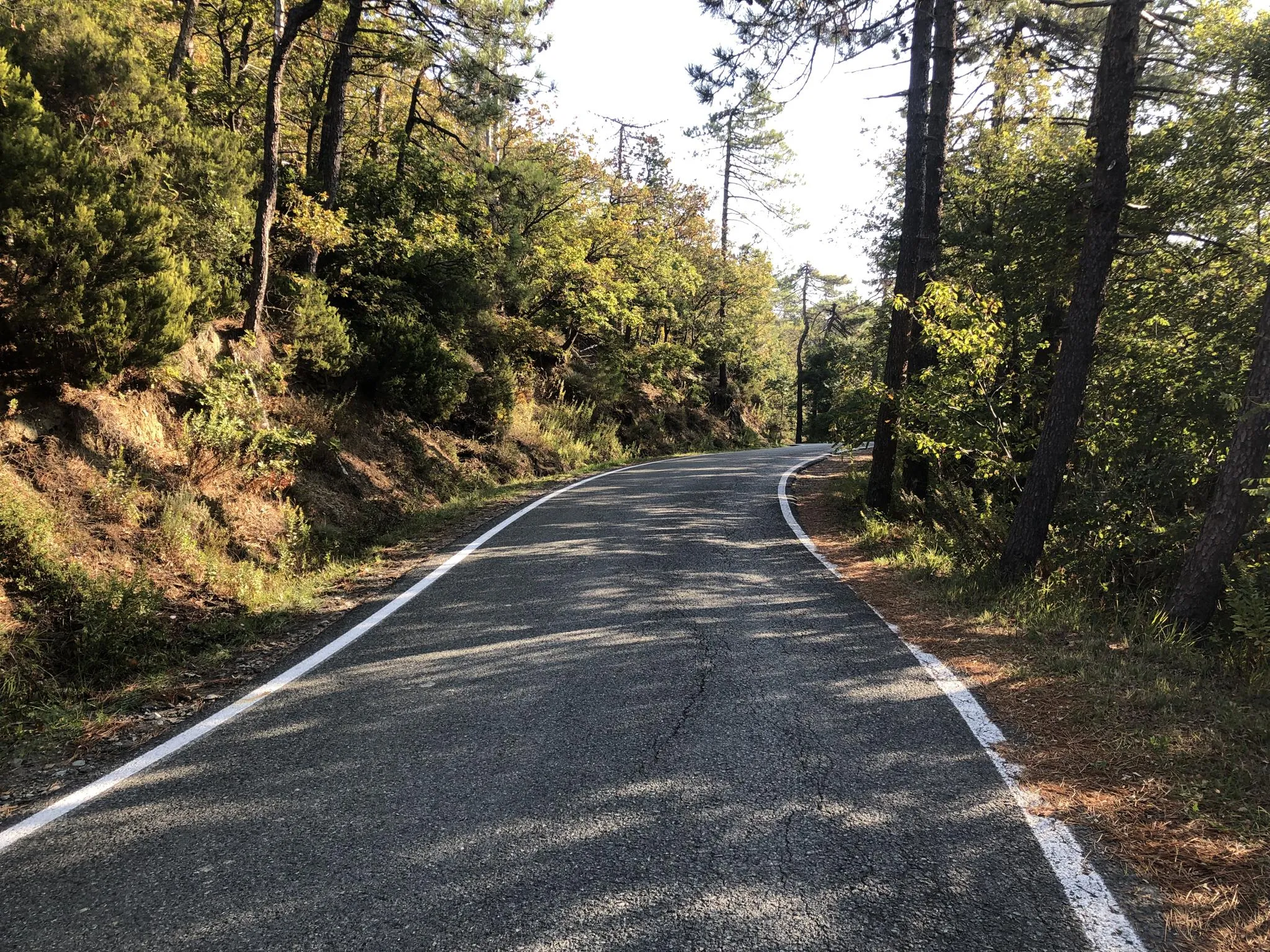
Apennine Cycle Route (Part 1) - From Liguria to Umbria
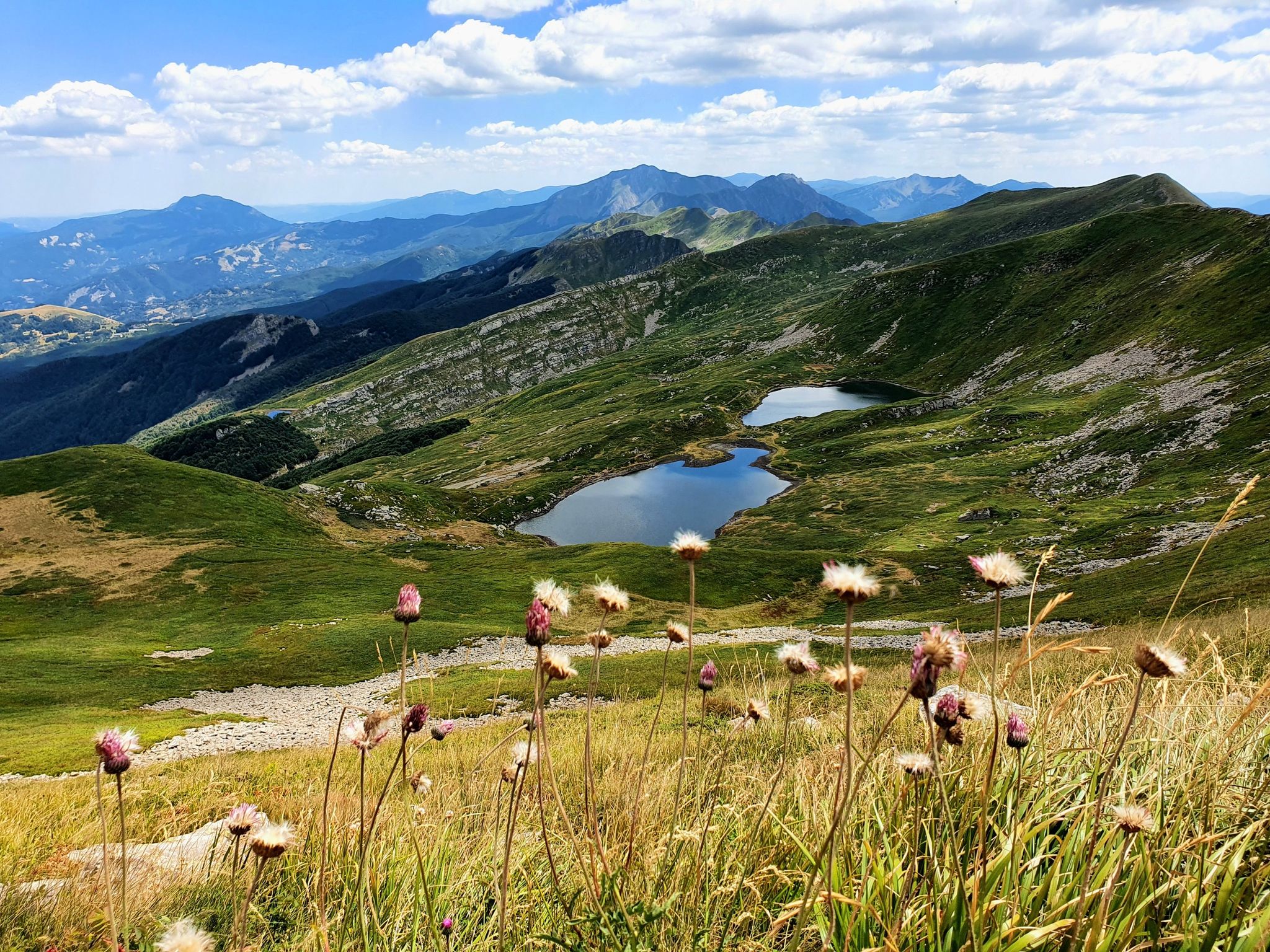
Berceto to Abetone – Alta Via dei Parchi (part 1)
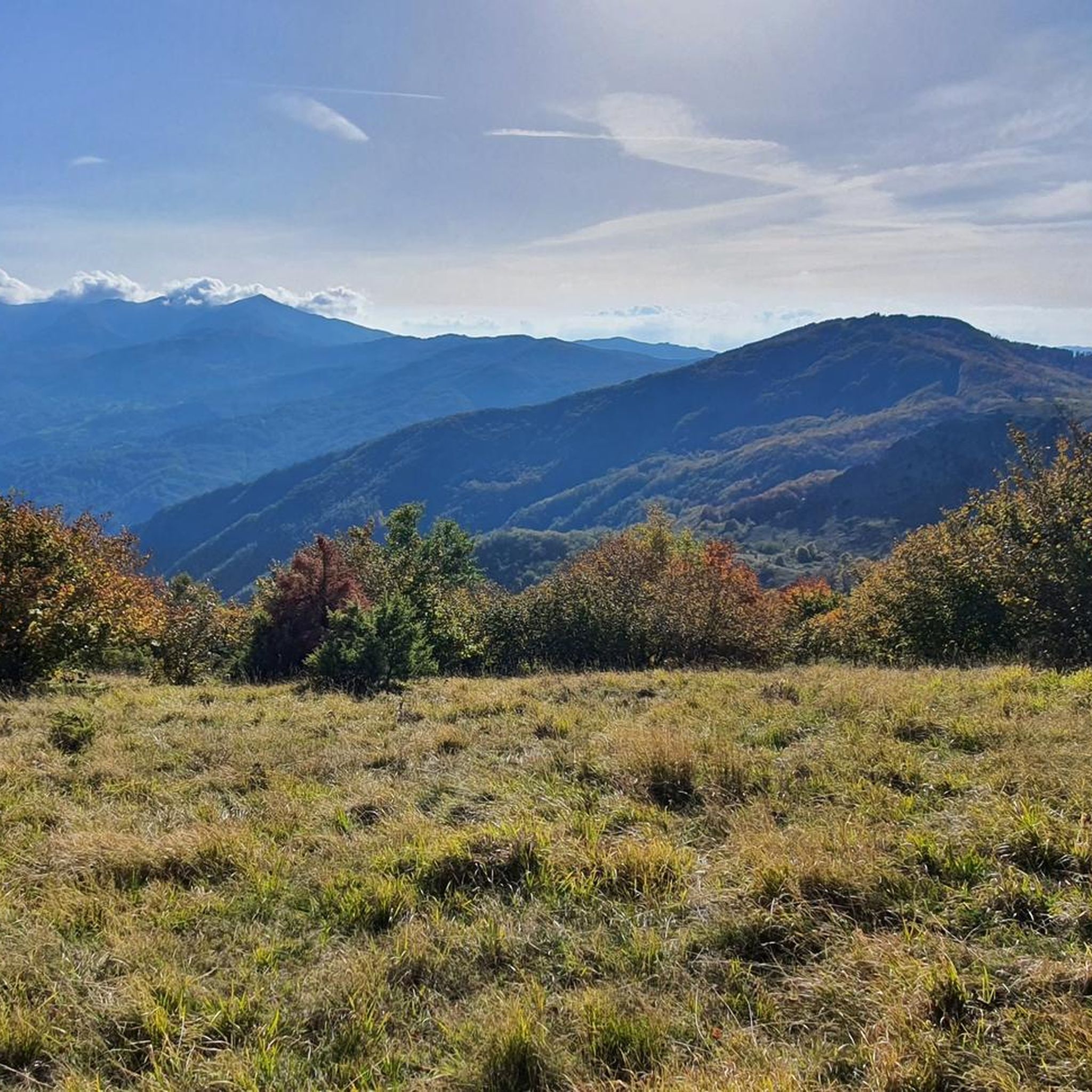
Hiking around Corniglio
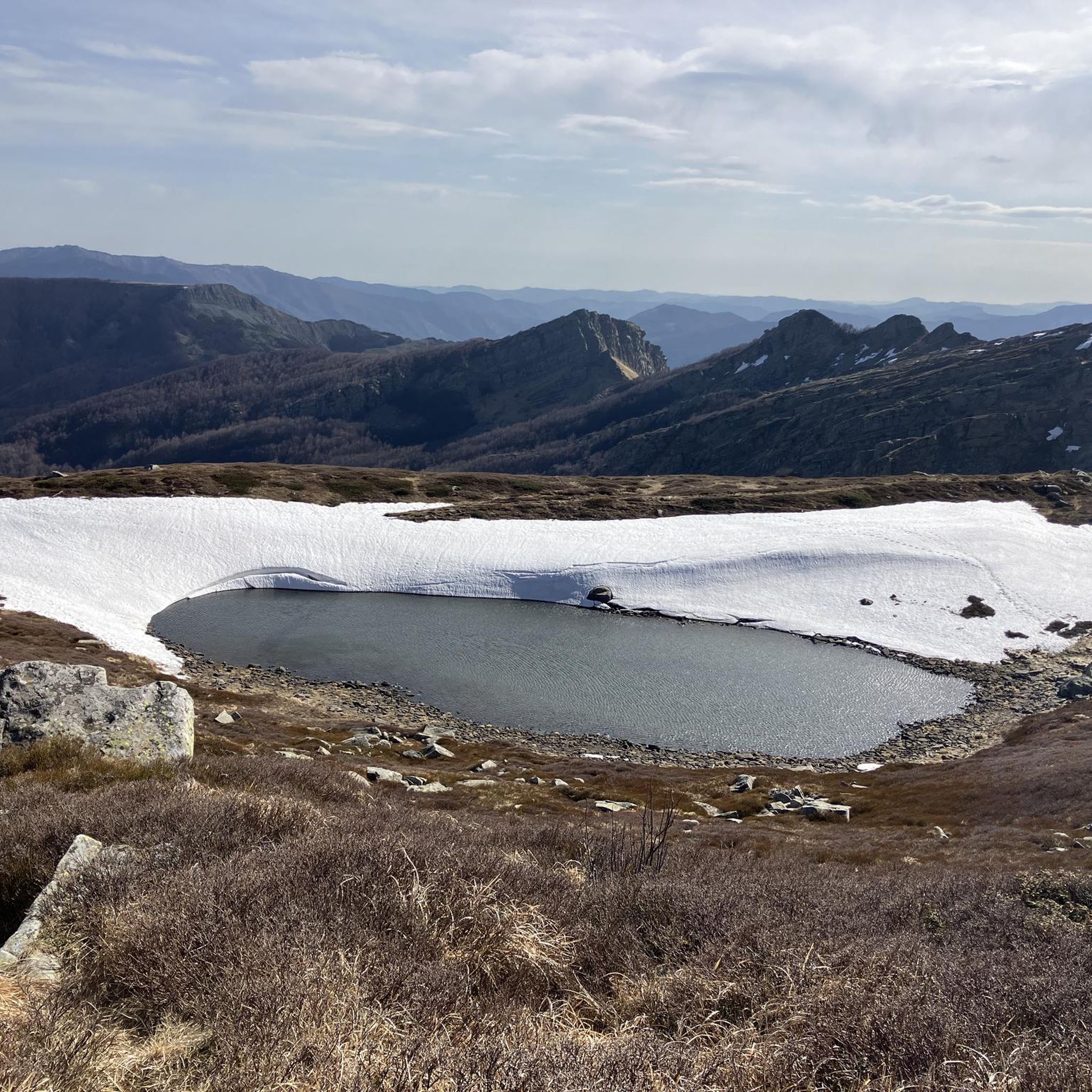
MTB Trails around Corniglio
Running Trails around Corniglio
Cycling around Corniglio
Road Cycling Routes around Corniglio

Gravel biking around Corniglio

Mountain Hikes around Corniglio


Tips from the Community

Pontremoli lies on the historic Via Francigena pilgrimage route, which leads from Canterbury/Southern England to Rome. A medieval gem in northern Tuscany.
1
0

The Castello di Corniglio is a historic medieval defensive structure located on a rocky spur at an altitude of 700 meters in the municipality of Corniglio, in the province of Parma. Built entirely of sandstone, it stands in a strategic position at the confluence of the Alta Val Parma and Val Bratica to historically control access to the Apennine valleys.
0
0
The entrance to Malgrate Castle in Villafranca in Lunigiana is preceded by an ancient moat crossed by a stone bridge that has replaced the old drawbridge, leading to a short staircase and a pointed arch gateway.
0
0
The Castello del Piagnaro and the Museum of the Lunigianesi Stele Statues "Augusto Cesare Ambrosi" form one of the most fascinating historical and archaeological complexes in Tuscany. Located in Pontremoli (Massa-Carrara), this millennial site dominates the medieval village and holds a prehistoric enigma unique in Europe.
0
0

During the Appennino bike tour, a short detour is necessary to enter the historic center of the town. But it is absolutely worth it.
3
0

The Statue Stele are anthropomorphic vertical stone sculptures, of variable size but generally between 2 and 3 meters in height. These mysterious works of art are testimonies to the culture and spirituality of the ancient peoples who inhabited Lunigiana. Their exact function remains a subject of debate among scholars. Some hypothesize that the Statue Stele could represent ancient gods or local deities, while others suggest they could be funerary symbols or commemorative monuments. The carved figures often feature enigmatic and abstract symbols, such as concentric circles, cupules, and linear engravings, which may have religious, astronomical, or ritualistic significance. The understanding of these symbols is still the subject of research and study by archaeologists and experts.
1
0

A beautiful town in the Parma Apennines. Worth a visit.
0
0

Frequently Asked Questions
What is the historical significance of the castles in Corniglio?
The castles in Corniglio, such as the Castello di Corniglio, played a crucial role in controlling communication routes between the Po Valley, Tuscany, and Liguria. They were strategically located to oversee important passes like Cisa and Lagastrello, which were part of ancient Roman roads. These structures, some dating back to the 13th century, reflect centuries of local history and the region's defensive importance.
Which castles in the Corniglio area offer a glimpse into medieval architecture?
The Castello di Corniglio, first mentioned in 1240, still retains elements of its medieval past, including scarped spurs of outer perimeter walls and angular bastions. While much has been altered, its structure reflects the Rossi period. The Rocca di Bosco, though largely in ruins, also offers a glimpse into the broader defensive network of the area from the 14th century.
Are there family-friendly castles to visit near Corniglio?
Yes, several castles and historical sites in the area are considered family-friendly. The Castello di Corniglio is located in the town center and is easily accessible. The Historic Center of Pontremoli, which includes access to the Piagnaro Castle and Museum of Lunigiana Stele Statues, is also a great option for families to explore medieval bridges and cobbled streets.
What outdoor activities can I combine with a castle visit in Corniglio?
The Corniglio region is excellent for outdoor activities. You can combine castle visits with hiking or road cycling. For hiking, consider routes like 'Lago Santo and Monte Orsaro – loop from Rifugio Lagdei' or 'Valle di Badignana – loop from Rifugio Lagoni'. If you prefer road cycling, there are routes such as 'Passo del Cirone – Silara Pass loop from Bosco di Corniglio'. You can find more details on these and other routes in the Hiking around Corniglio and Road Cycling Routes around Corniglio guides.
What is the best time of year to visit the castles around Corniglio?
The castles around Corniglio are generally enjoyable throughout the year. However, for the most pleasant experience, especially if you plan to combine your visit with outdoor activities like hiking, spring (April-June) and autumn (September-October) offer mild temperatures and beautiful scenery. Summer can also be a good time, though it might be warmer.
How can I reach the castles in Corniglio by public transport?
The Castello di Corniglio is located in the center of Corniglio, making it accessible within the town. For reaching Corniglio itself, public transport options, including bus services from Parma, are available. It's advisable to check local bus schedules for the most up-to-date information on routes and timings to plan your visit.
Is parking available at the castles in Corniglio?
For the Castello di Corniglio, which serves as the municipal headquarters, parking is generally available in the town center. While specific castle parking might be limited, you can usually find parking options within walking distance in Corniglio. For other castles or historical sites, parking availability may vary, so it's best to check local signage.
Are there any castles or historical sites that offer scenic viewpoints in the Corniglio area?
Yes, the Castello di Corniglio is perched on a terrace overlooking the surrounding valleys of Parma and Bratica, offering commanding views of the town and the picturesque landscape. The Piagnaro Castle in Pontremoli is also noted as a viewpoint, providing excellent vistas of the historic center.
What are some unique features of the castles in the Corniglio region?
The Castello di Corniglio is unique for its transformation from a medieval defensive structure to the current municipal headquarters, housing a hostel. Its history includes ownership by powerful families like the Rossi and Farnese. The Piagnaro Castle is notable for its name derived from 'piagne' (sandstone slabs) and for housing the Museum of Lunigiana Stele Statues, offering a unique cultural experience.
Are the castles around Corniglio dog-friendly?
While the outdoor areas around many historical sites and castles in the Corniglio region are generally accessible for dogs on a leash, specific rules may apply to interior spaces or museums. For example, the Castello di Corniglio, as a municipal building, might have restrictions. It's always recommended to check with individual sites regarding their pet policies before your visit.
How much time should I allocate for visiting the castles in Corniglio?
For a thorough visit to the Castello di Corniglio and exploring the town, you might want to allocate 1-2 hours. If you plan to visit multiple sites like the Piagnaro Castle and Museum in Pontremoli, or the Historic Center of Pontremoli, a half-day or full-day trip would be more appropriate to fully appreciate the history and architecture.
What kind of historical sites can I find in the Corniglio region besides castles?
Beyond the castles, the Corniglio region offers other significant historical sites. The Historic Center of Pontremoli is a treasure trove of medieval architecture, including bridges and cobbled streets, and is home to the Campanone, a medieval tower. The village of Berceto, a stop on the Via Francigena, also preserves the character of the Middle Ages with its stone houses and the Cathedral of St. Moderanno.
Most popular routes around Corniglio
Most popular attractions around Corniglio

Get inspired with the komoot mobile app


Explore more
Looking for the best castles somewhere else? Discover other guides around Corniglio:
