Top 14 Caves around Marèo - Enneberg - Marebbe
Caves around Marèo - Enneberg - Marebbe are located in South Tyrol, within the Italian Dolomites. This region offers access to several notable caves, featuring unique natural formations and historical significance. The mountainous landscape provides diverse geological and cultural exploration opportunities for those interested in Dolomites caves Marebbe.
Best caves around Marèo - Enneberg - Marebbe
- The most popular caves include the Kaiserjägersteig Trail, a trail and historical site that features tunnels used during the "Big War" for transport.…
Last updated: May 18, 2026
Kaiserjägersteig Trail
Highlight • Trail
Tip by

Snow Cave
Highlight • Cave
Translated by Google •
Tip by

Sign up now to discover places like this
Get recommendations on the best single tracks, peaks, & plenty of other exciting outdoor places.
Sign up for free
Lagazuoi Tunnels and World War I Trenches
Highlight • Historical Site
Descend better in the tunnel and choose a different route for ascent over the (quite simple) via ferrata
Translated by Google •
Tip by

Cengia Martini World War I Outpost
Highlight • Historical Site
Translated by Google •
Tip by

Goiginger Tunnel
Highlight (Segment) • Cave
Translated by Google •
Tip by

Sign up for free to discover even more caves around Marèo - Enneberg - Marebbe.
Sign up for free
Already have an account?
Start today with a free account
Your next adventure awaits.
Login or Signup
Popular around Marèo - Enneberg - Marebbe
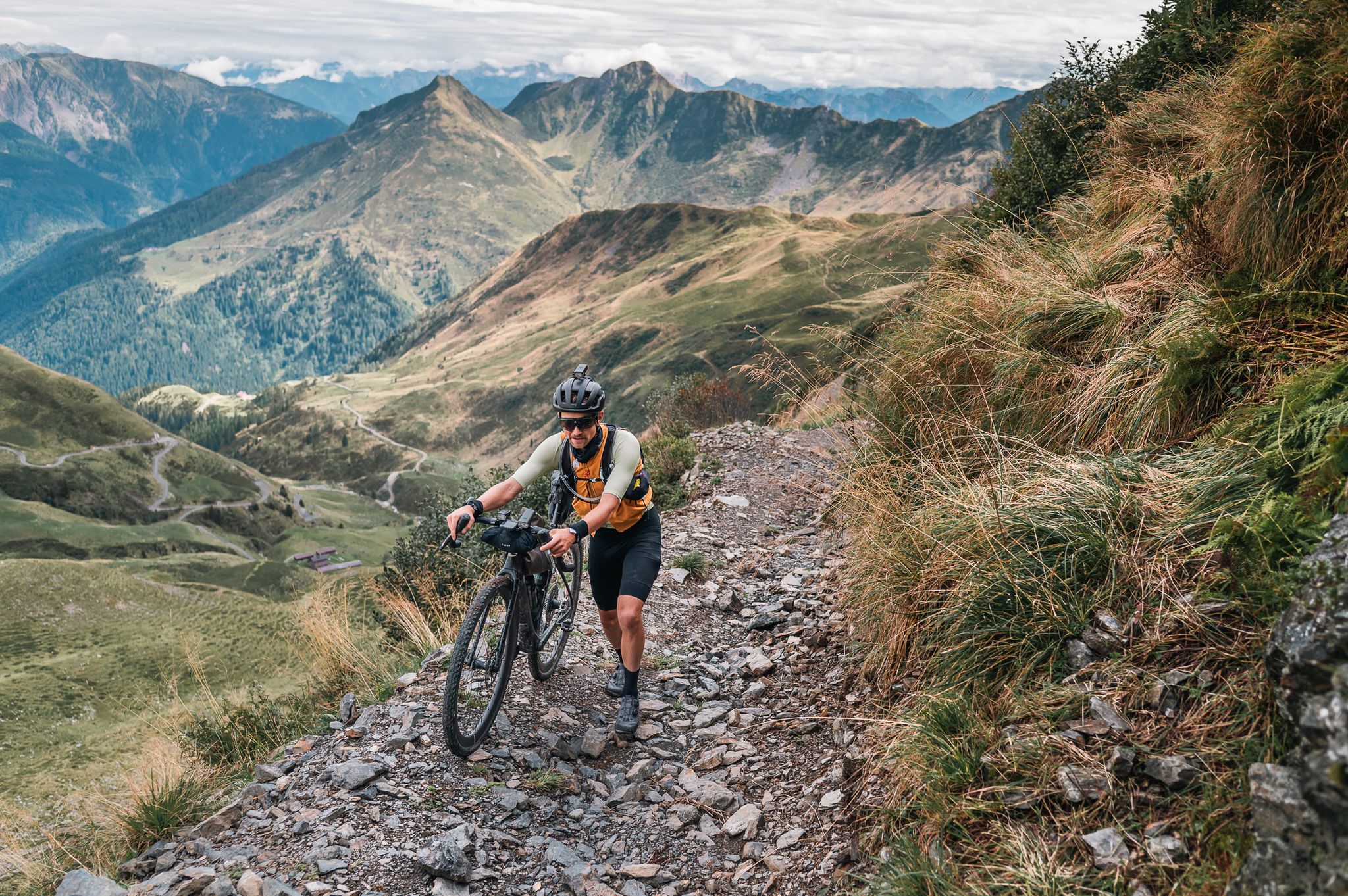
Sneak Peaks ADVENTURE 🥇
Dolomites gold on the Kronplatz – the most beautiful Tours!
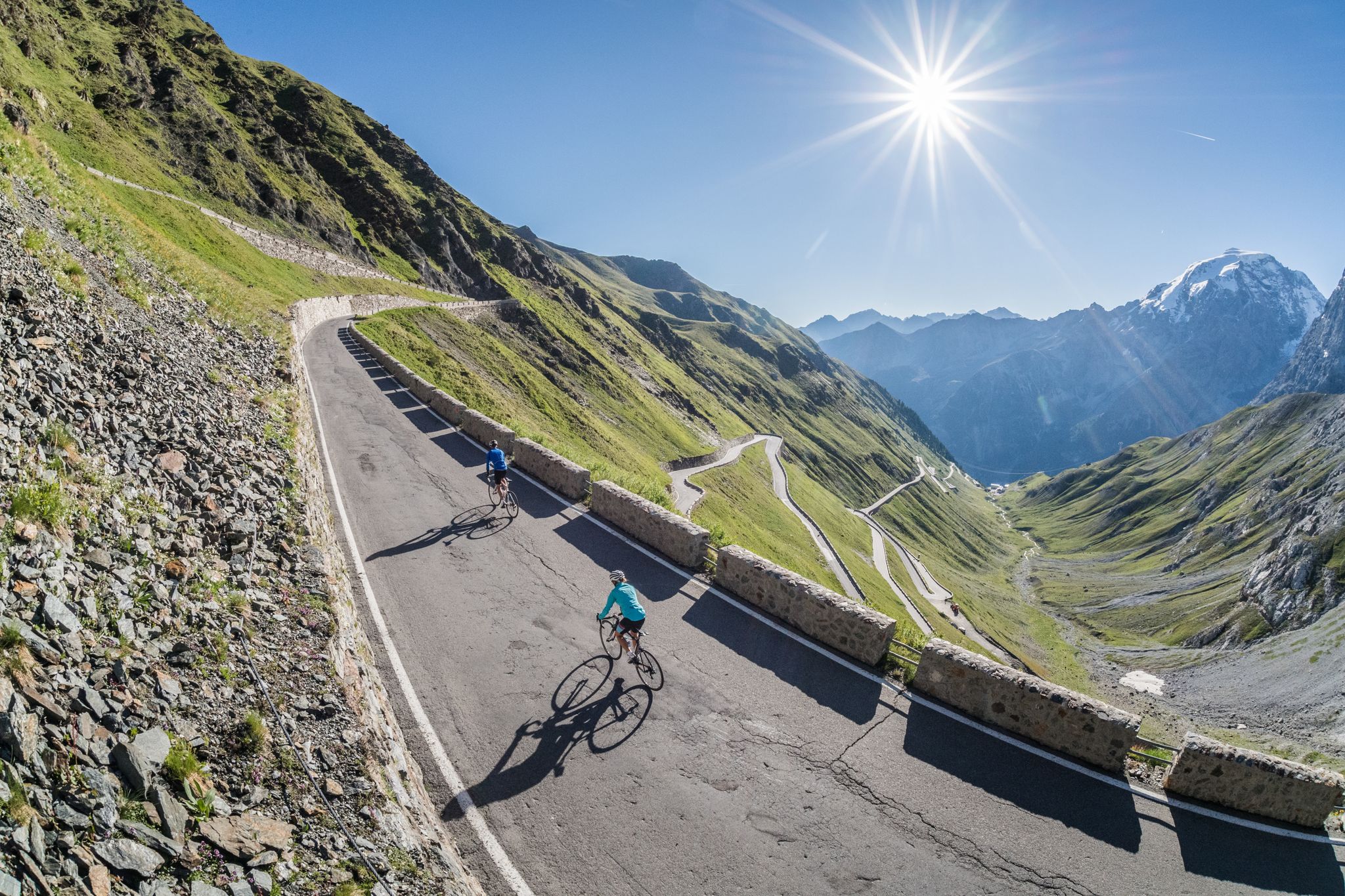
Road biking in South Tyrol
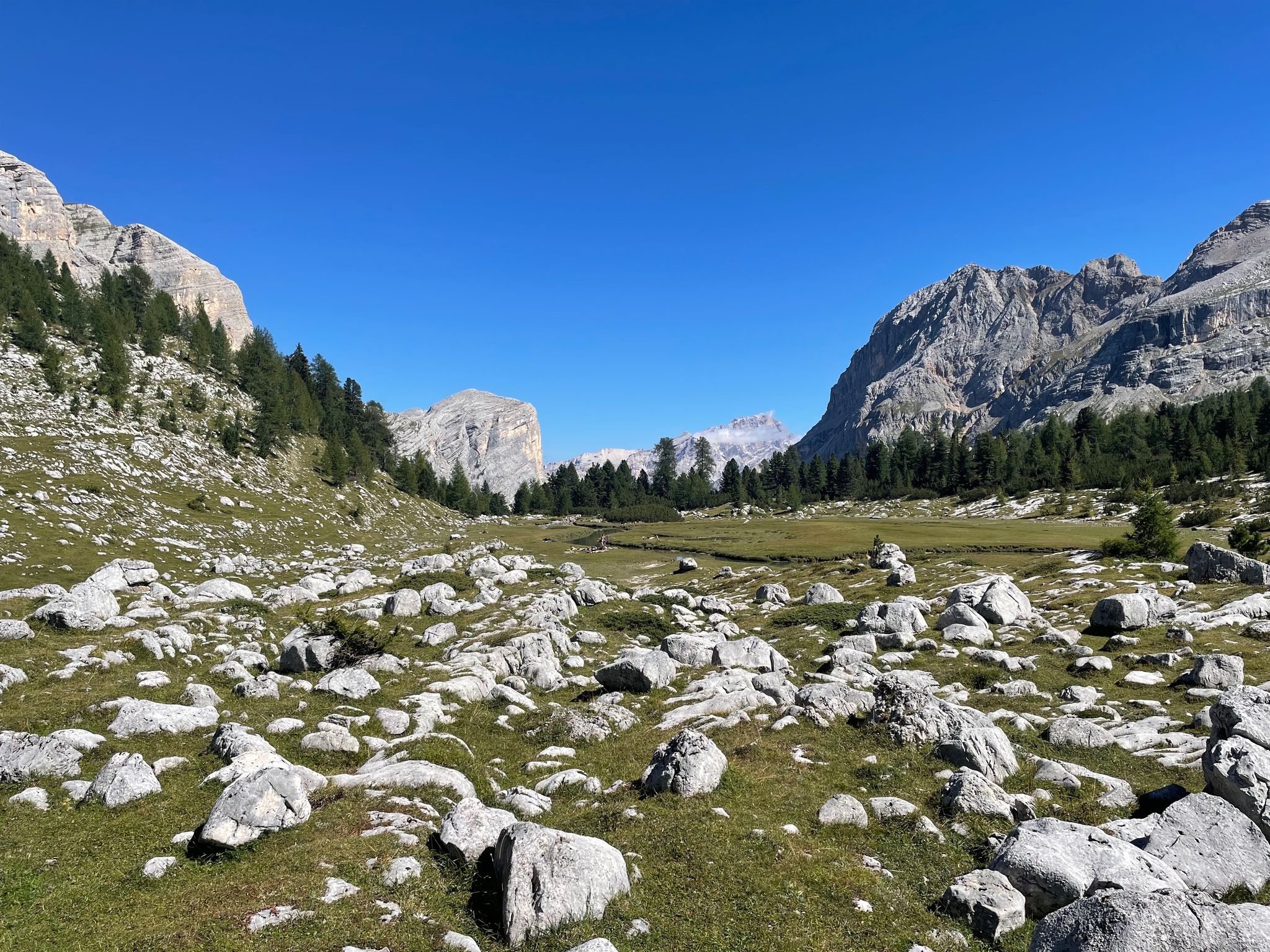
The rugged peaks of Trentino - Hiking in South Tyrol
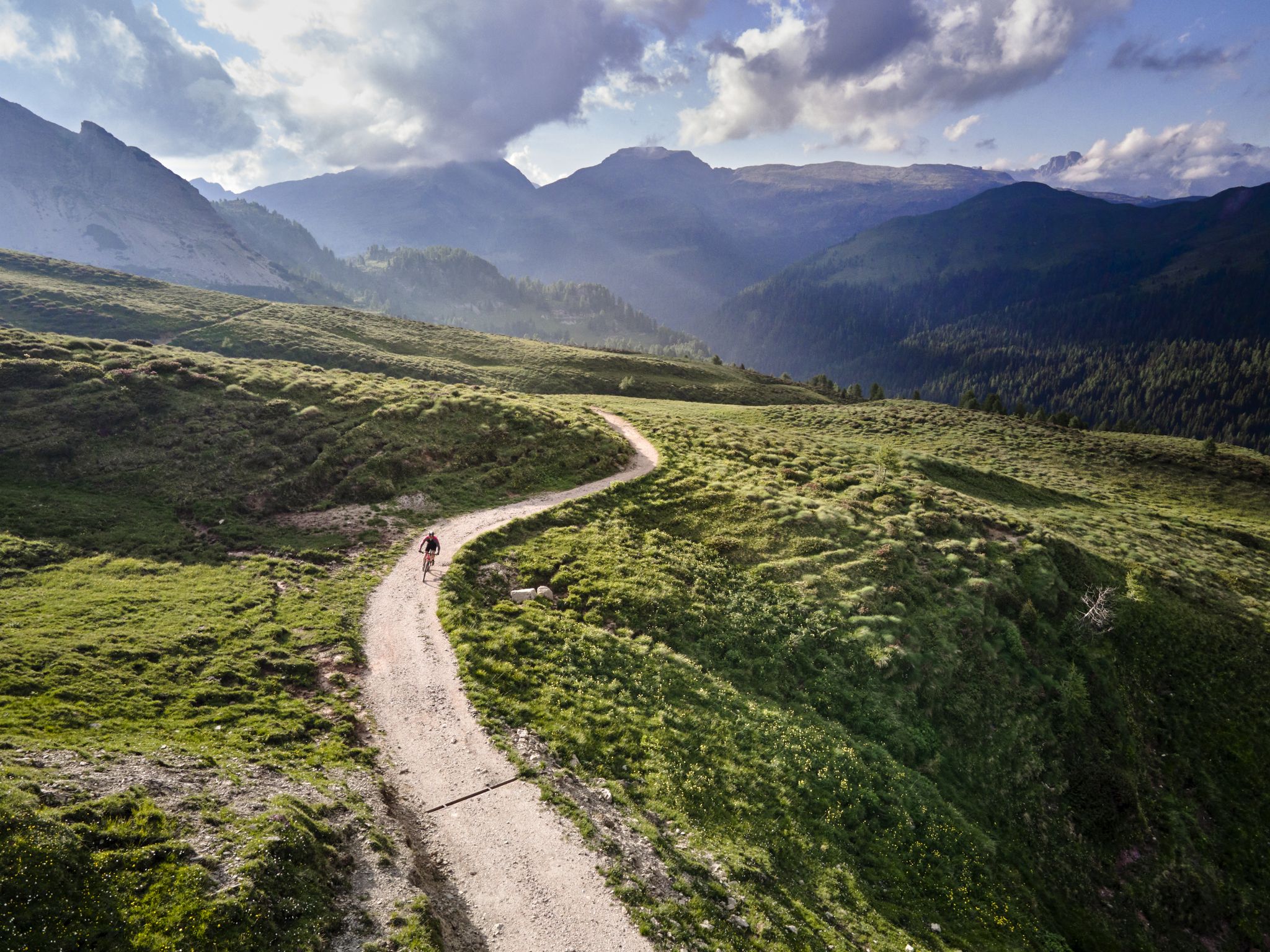
Mountain biking in the heart of the Dolomites
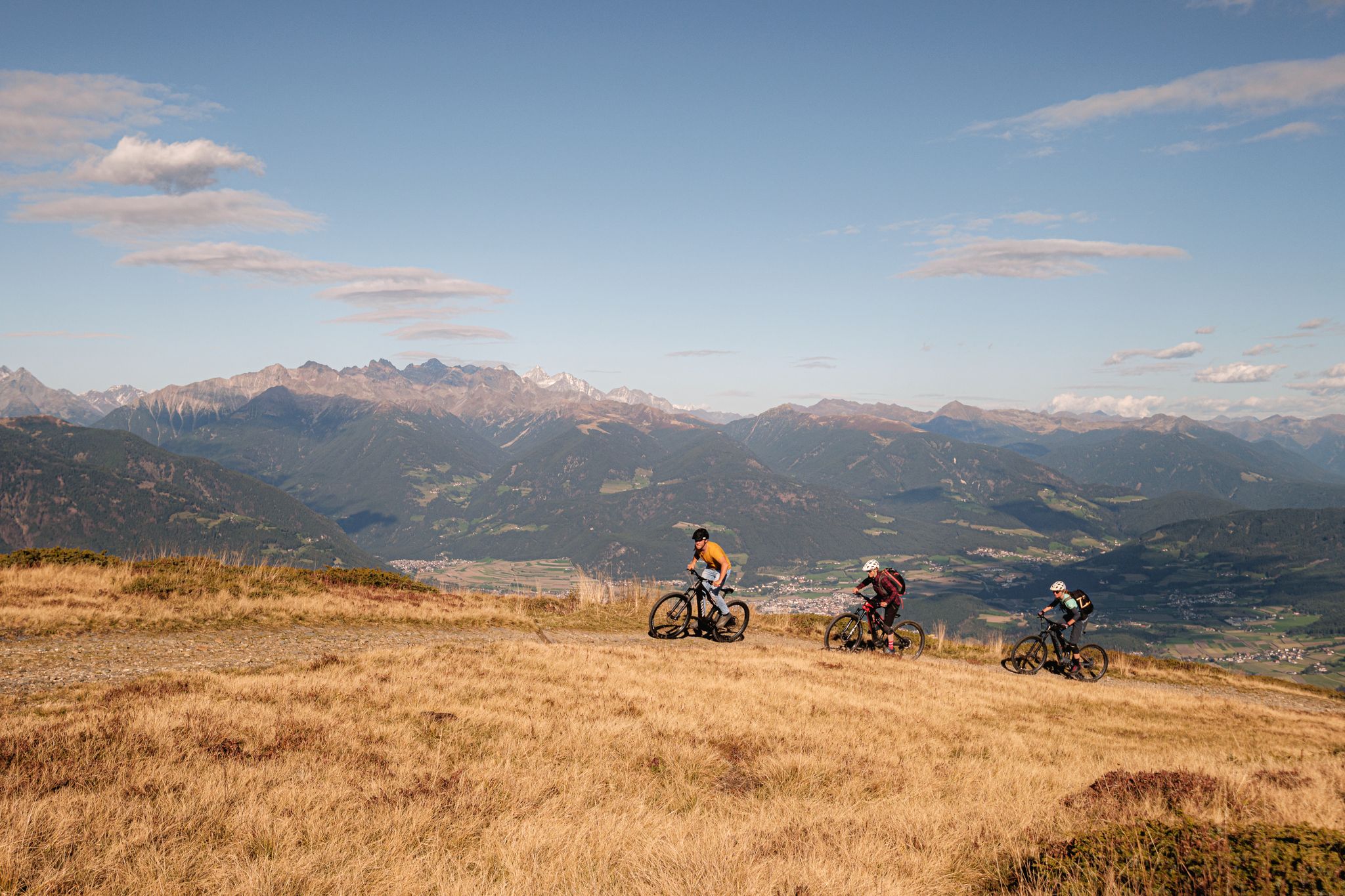
Glorious autumn – the coolest MTB Tours in South Tyrol
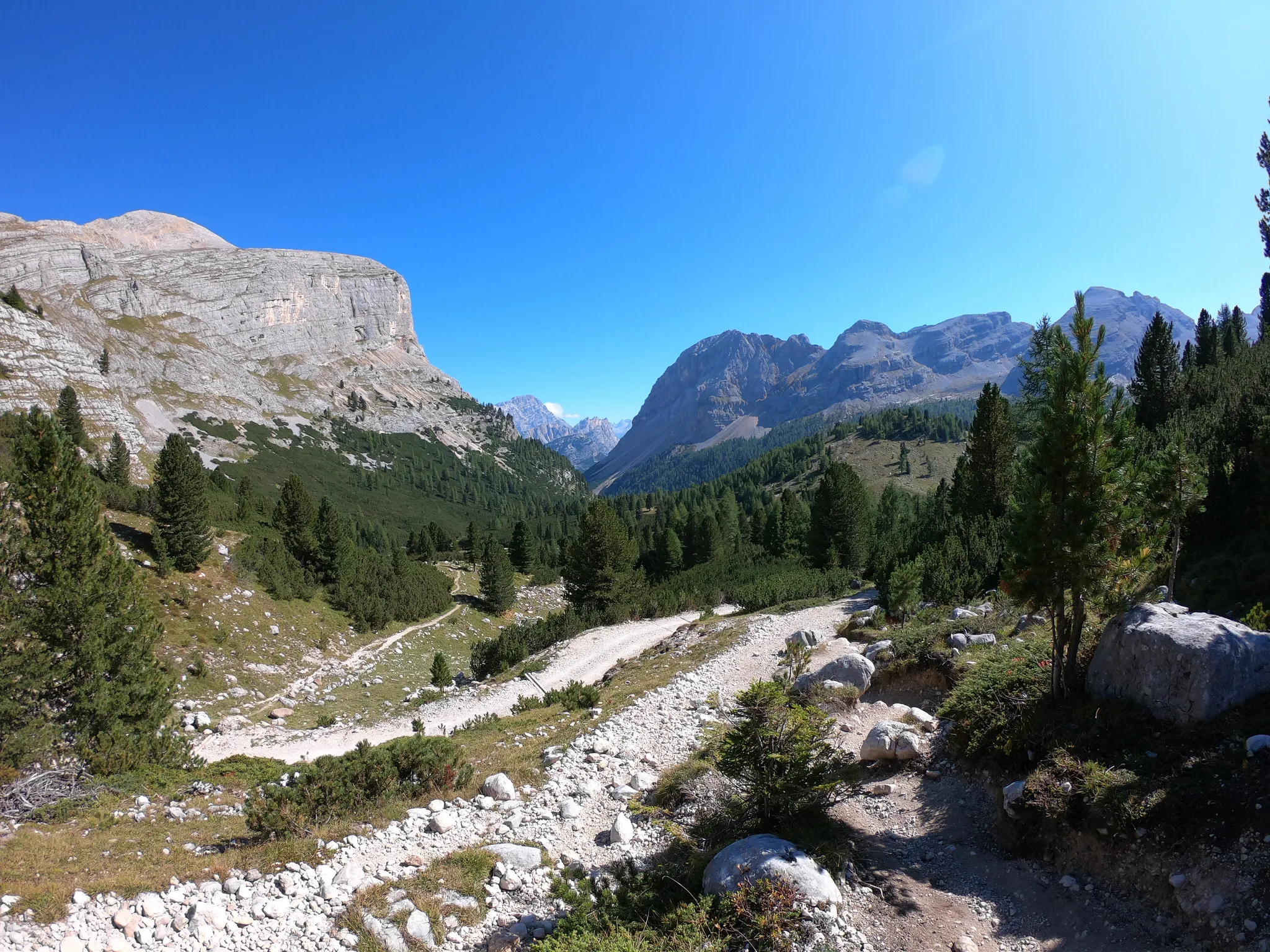
Run through the clouds – Alta Via 1 in the Dolomites
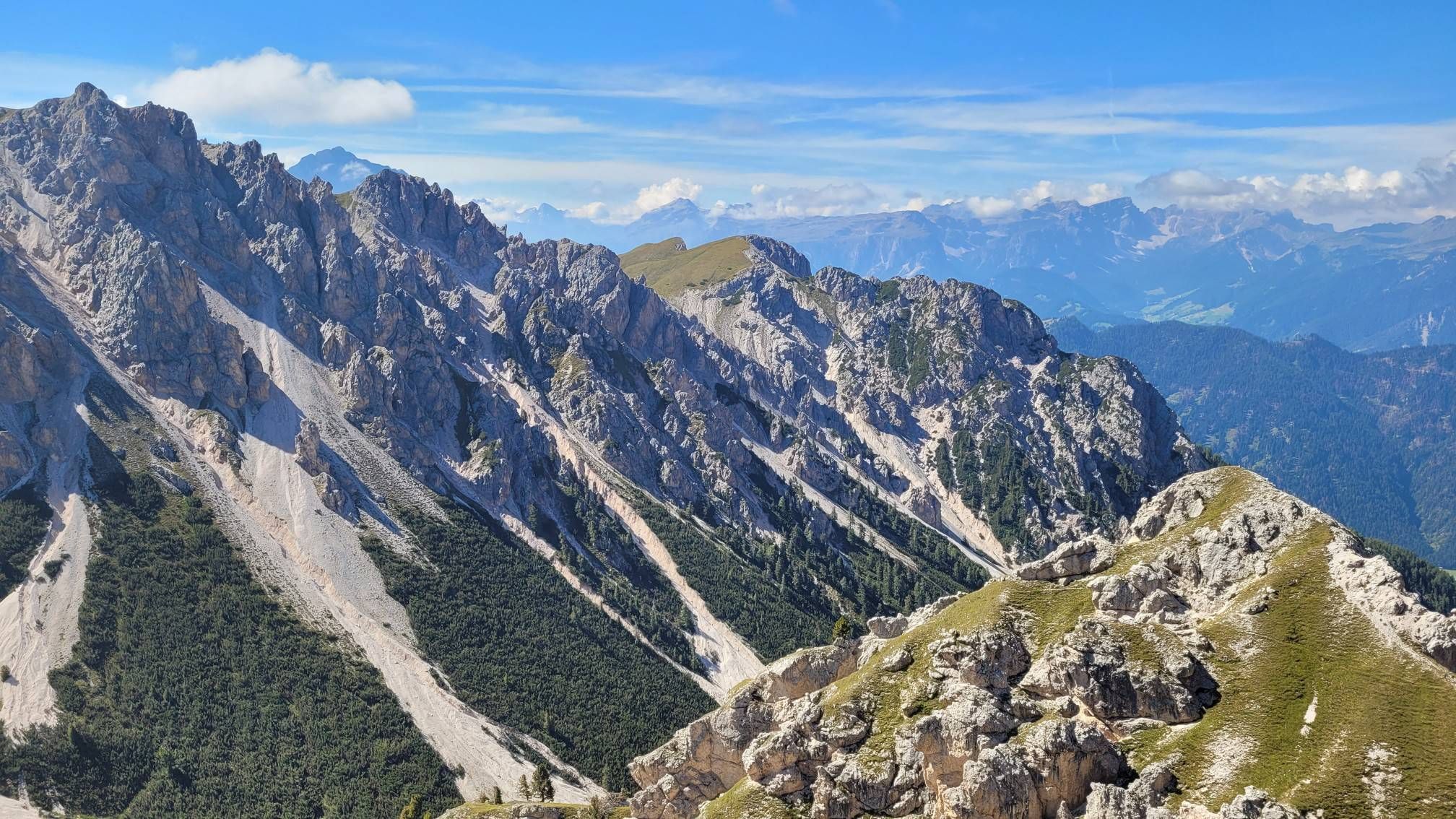
Impressive hikes in the mountains around South Tyrol’s Bruneck
Hiking one step from heaven – Alta Via delle Dolomiti 1
Bike & hike in the Dolomites – MTB hut Tour with summit hikes
Other adventures around Marèo - Enneberg - Marebbe


Tips from the Community

Wonderful panoramic viewpoint overlooking the Falzarego Pass.
0
0

Temporary ice cave which disappears in the late summer months
1
0

Easy to reach from Armentara, less easy to get there from the La Crusc refuge
1
0
Unusual and magical place, watch out for the rocks that continually roll down from above
2
0

Partially restored fortifications from the First World War, which make the tunnels even more tangible.
3
0

Imposing construction built by the army of the Kingdom of Italy to conquer the Austro-Hungarian lines positioned on the Lagazuoi. A mine tunnel was built to bring down the top of the mountain, but the operation failed and the huge crater can still be seen. To be covered with a minimum of attention and the right equipment
2
1

the route is provided by cables on some sections. There are a few wooden or metal steps. The route is feasible without belay equipment for people without vertigo and experienced. A helmet is definitely not a bad decision, although I didn't see any rockfall during my visit.
2
2

In early summer, the ice cave is still there. You should have seen it
0
0
Frequently Asked Questions
What types of caves can I explore in the Marèo - Enneberg - Marebbe region?
The region offers a diverse range of caves, from historical World War I tunnels and fortifications like the Kaiserjägersteig Trail and Goiginger Tunnel, to unique natural formations such as ephemeral snow caves and alpine grottoes. You can find sites of paleontological significance, like the Conturines Cave, and smaller natural caves like Mooser Cave.
Are there any caves with significant historical importance in the area?
Yes, the Marèo - Enneberg - Marebbe area is rich in historical caves, particularly those related to World War I. Notable sites include the Kaiserjägersteig Trail, which features tunnels used for transport during the war, the approximately 500-meter-long Goiginger Tunnel, and the Cengia Martini World War I Outpost with its partially restored fortifications and tunnels.
Can I visit natural ice or snow caves in Marèo - Enneberg - Marebbe?
Yes, the Snow Cave at Sas dla Crusc is an ephemeral natural wonder that forms during harsh winters. While access inside is prohibited due to collapse risks, visitors can view its entrance. It's known for its unique 'reverse chimney effect' during summer melts, creating majestic ice walls.
What should I know about visiting the Conturines Cave?
The Conturines Cave, located in the Fanes-Senes-Braies Natural Park, is famous for the discovery of the prehistoric cave bear, *Ursus ladinicus*. Visiting the cave involves a challenging mountain tour from Capanna Alpina. Access to the interior is restricted and only permitted through guided hikes organized by the Alta Badia Tourism Cooperative. Findings from the cave are exhibited at the Museum Ladin Ursus ladinicus in San Cassiano.
Are there guided tours available for exploring caves in the region?
Yes, for specific and challenging caves like the Conturines Cave, guided hikes are organized by local tourism cooperatives. For historical sites such as the Lagazuoi Tunnels and World War I Trenches, while self-exploration is possible with proper equipment, guided tours can offer deeper historical context.
What equipment do I need for exploring caves in this area?
For many of the historical tunnels and natural caves, proper equipment is essential. This typically includes a helmet and a headlamp or flashlight, as sections can be pitch dark. Sturdy hiking boots are also recommended due to uneven and potentially slippery terrain.
Are there family-friendly cave options in Marèo - Enneberg - Marebbe?
For families, the Mooser Cave in the Drei Zinnen Nature Park offers a small, approximately 5-meter deep natural cave that can be explored with a flashlight. Some sections of the historical tunnels, like parts of the Lagazuoi Tunnels, can also be navigated by families, though they may involve many steps and require caution.
What is the best time of year to visit the caves in Marèo - Enneberg - Marebbe?
The best time to visit depends on the type of cave. Historical tunnels and some natural grottoes are generally accessible from late spring to early autumn. The Snow Cave at Sas dla Crusc is best viewed in late spring or early summer when the ice formations are most prominent due to melting, but before it fully collapses. Winter conditions can make access to many high-altitude caves challenging or impossible due to snow and ice.
Can I bring my dog to the caves or nearby trails?
While specific rules for individual caves may vary, dogs are generally allowed on many hiking trails in the Fanes-Senes-Braies Natural Park, where some caves are located. Always keep dogs on a leash and be mindful of other hikers and wildlife. Check specific park regulations or local signage for any restrictions, especially near sensitive natural or historical sites.
What other outdoor activities can I do near the caves?
The Marèo - Enneberg - Marebbe region offers a wide range of outdoor activities. You can find numerous running trails, road cycling routes, and gravel biking opportunities throughout the area. Many of these routes pass through stunning Dolomite landscapes, offering a chance to combine cave exploration with other adventures.
Are there any caves offering panoramic views of the Dolomites?
Yes, the Tre Cime di Lavaredo Cave, though slightly further afield, is located within the iconic Tre Cime di Lavaredo loop hike and offers breathtaking views of the famous peaks. Many smaller caves in that area, some historically used during World War I, are also found directly up a small hill from the trail near Rifugio Auronzo and Rifugio Locatelli.
What makes the Lagazuoi Tunnels a unique cave experience?
The Lagazuoi Tunnels and World War I Trenches offer a historical goosebump experience. These galleries were part of the extensive fortifications during the First World War. Exploring them provides a tangible connection to the past, with many steps and sections that require a helmet and headlamp. It's an immersive way to understand the wartime conditions in the Dolomites.
Most popular routes around Marèo - Enneberg - Marebbe
Most popular attractions around Marèo - Enneberg - Marebbe

Get inspired with the komoot mobile app


Explore more
Extend your search for the best caves by checking out these guides of the top ones around Marèo - Enneberg - Marebbe:
