Top 6 Castles around Vita
Best castles around Vita offers a journey through historical landscapes. This region features a collection of ancient fortifications and archaeological sites, reflecting centuries of diverse cultural influences. Visitors can explore well-preserved structures and enjoy panoramic views from elevated positions. The area provides opportunities to discover significant historical events and architectural heritage.
Best castles around Vita
- The most popular castles is Segesta Archaeological Park, a historical site that includes a Doric temple and an ancient Greek-style theater. It is one…
Last updated: October 3, 2026
Segesta Archaeological Park
Highlight • Historical Site
Translated by Google •
Tip by

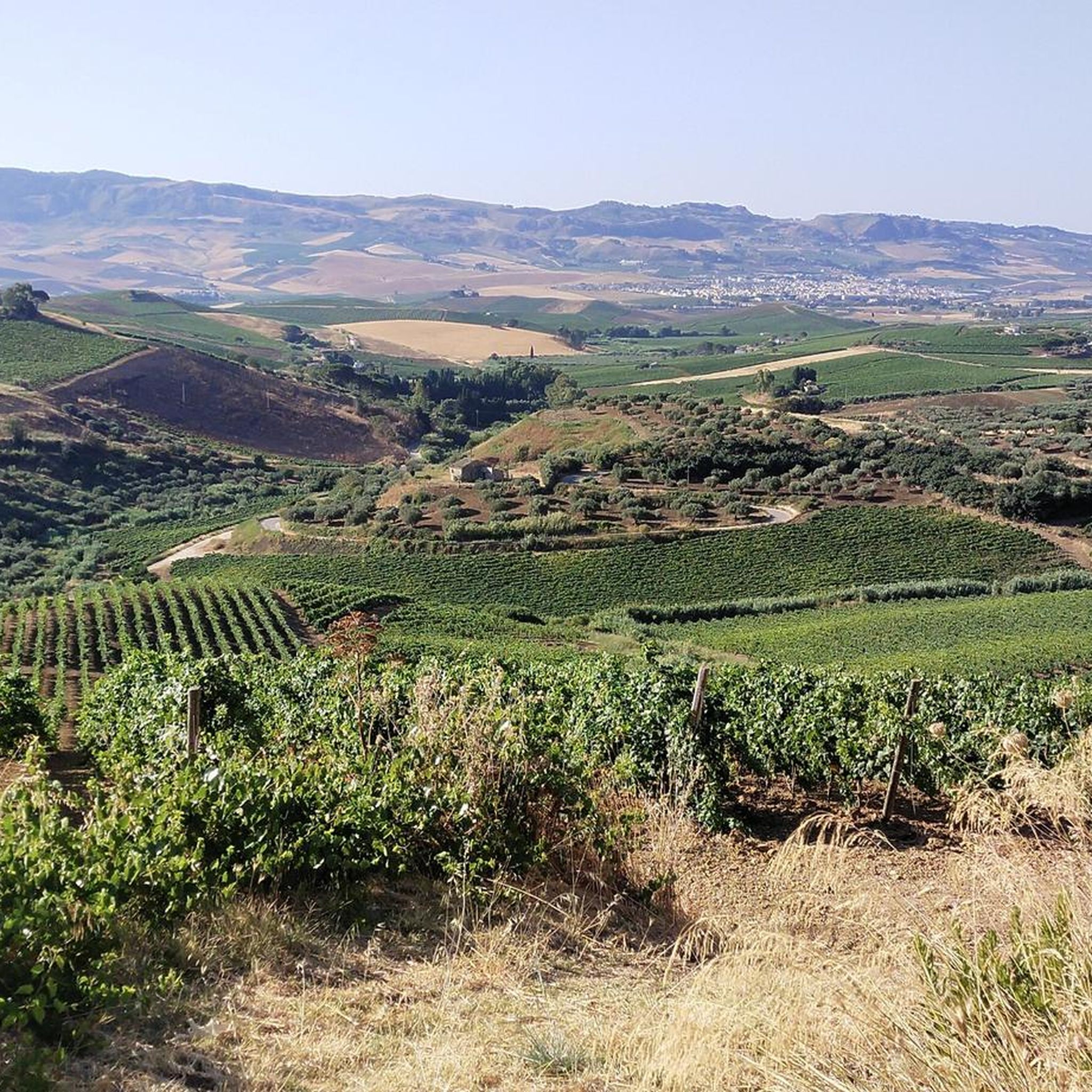
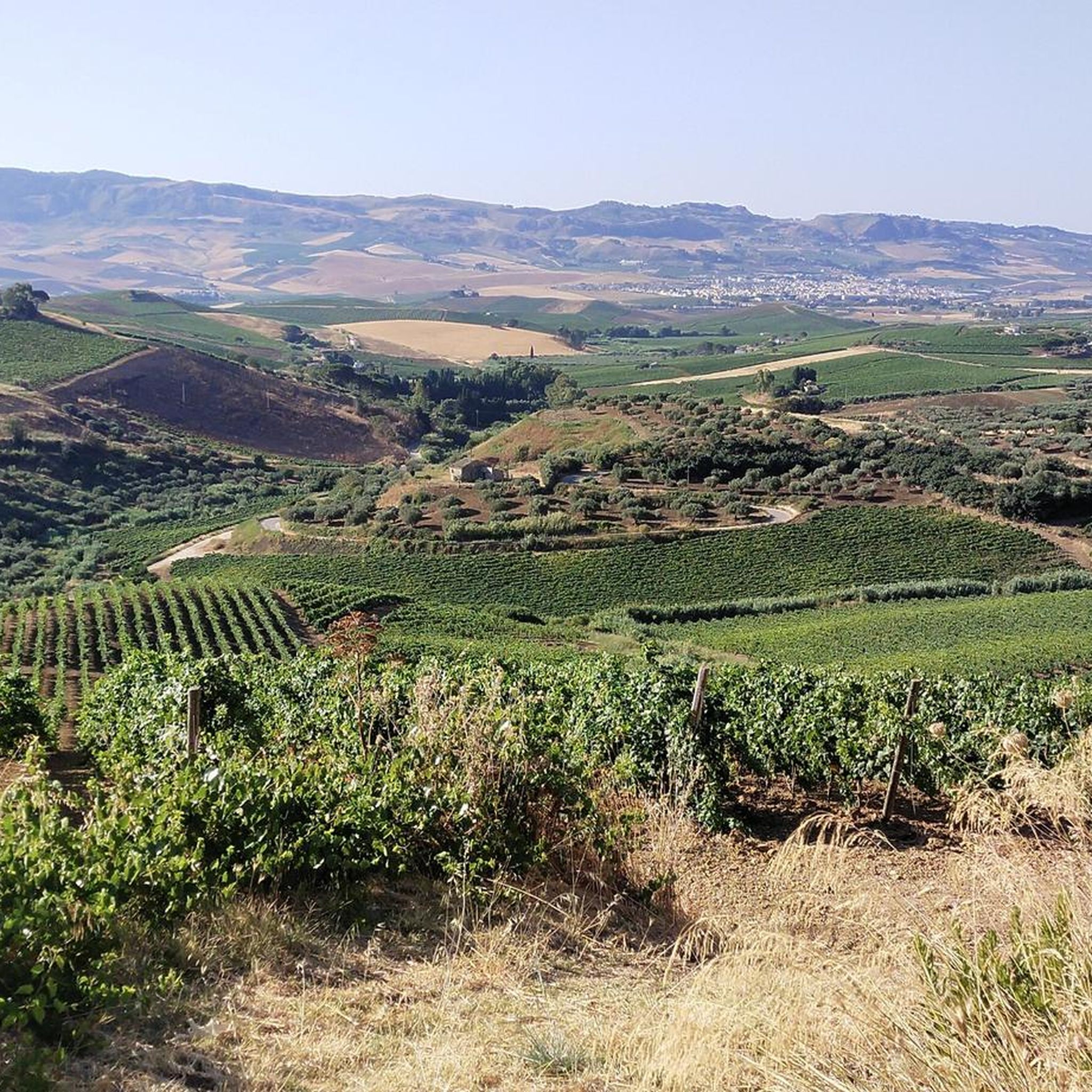
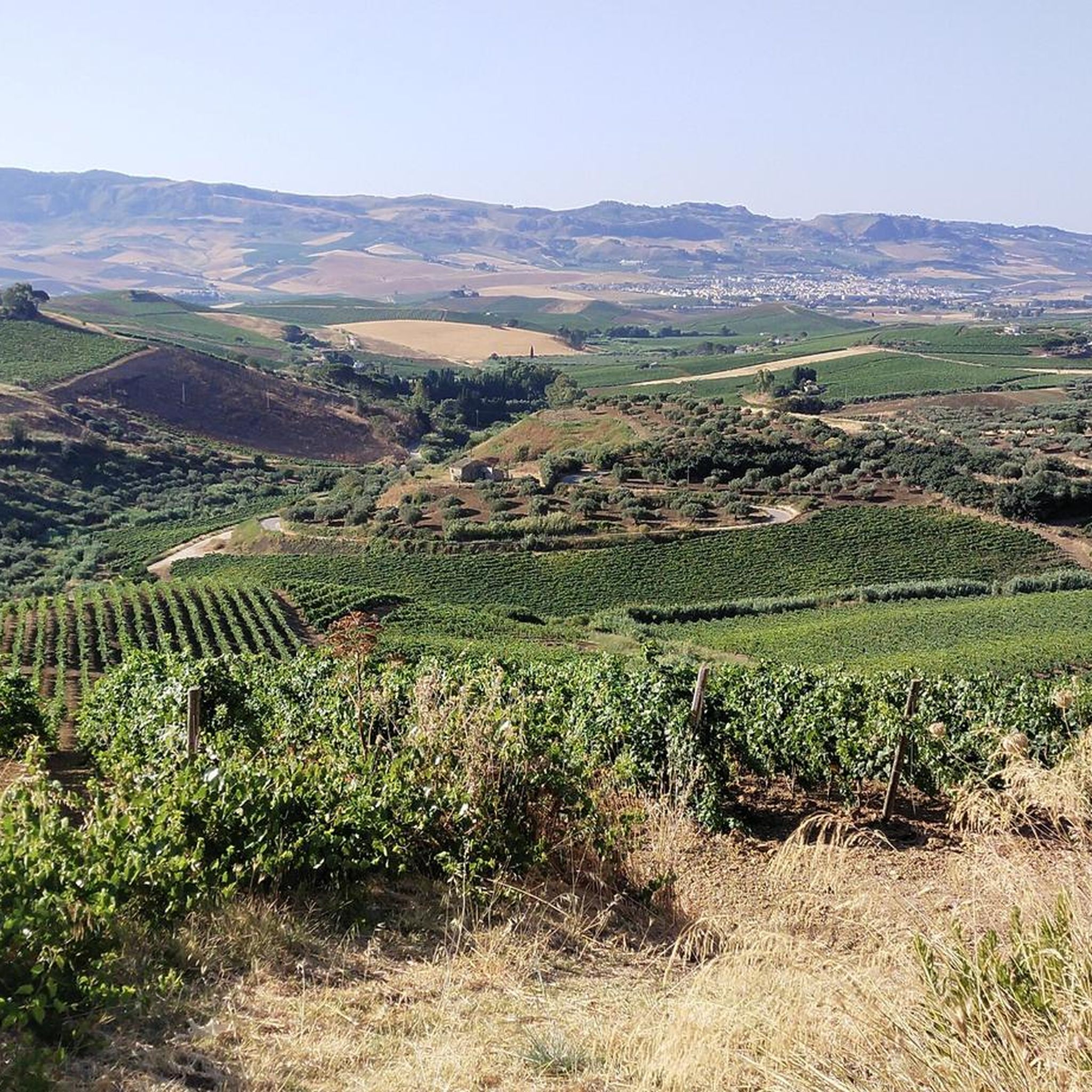
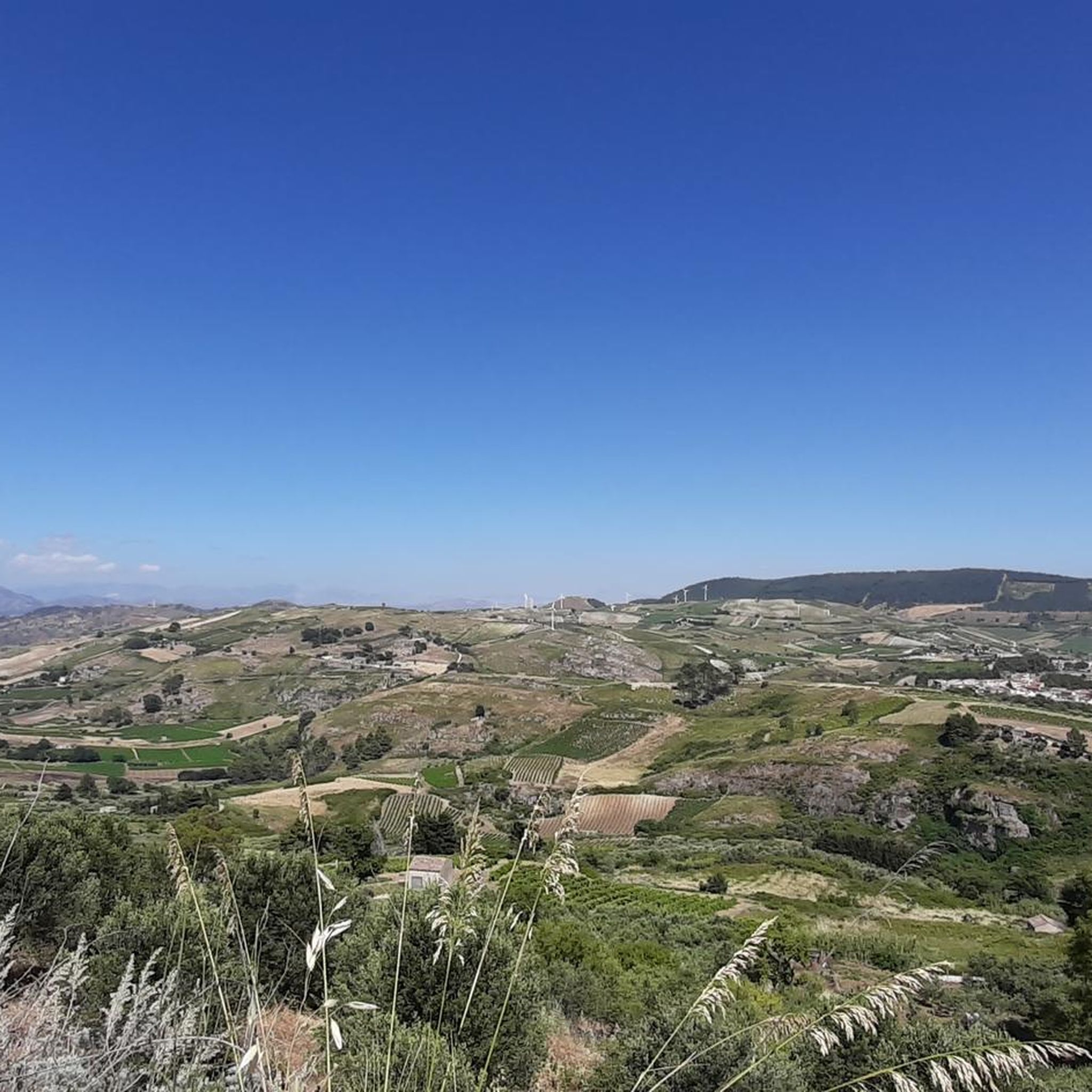
Wonderful view of Salemi
Highlight • Viewpoint
Translated by Google •
Tip by

Sign up now to discover places like this
Get recommendations on the best single tracks, peaks, & plenty of other exciting outdoor places.
Historic Centre of Salemi
Highlight • Historical Site
Translated by Google •
Tip by

Salemi Norman Castle and ruins of the ancient church
Highlight • Castle
Translated by Google •
Tip by
Alcamo-Gibellina new
Highlight (Segment) • Castle
Translated by Google •
Tip by

Sign up for free to discover even more castles around Vita.
Already have an account?
Start today with a free account
Your next adventure awaits.
Tips from the Community

Information about the archaeological site of Segesta.
24
0
A country that is absolutely worth visiting, it was the first capital of Italy, even if only for one day.
0
0

History, culture and breathtaking views of the hilly surroundings are all mixed here. The view of the Norman-Swabian castle that towers over the town is particularly impressive - a perfect destination after a challenging stage. The climb, especially in the Monte delle Rose district, is quite demanding, but the reward is worth it: a spectacular view of the old town and the castle. Salemi is not only a visual highlight, but also steeped in history. In May 1860, Giuseppe Garibaldi briefly proclaimed Salemi the first capital of a united Italy - even if the title only lasted for one day. This town combines the legacy of a turbulent past with the charm of a typical Sicilian village, which lies about 400 meters above sea level. Salemi not only offers a historical insight, but also a challenging but worthwhile route through the rural region. When you drive through the winding streets here, you can literally feel how history and the present merge into one another.
0
0
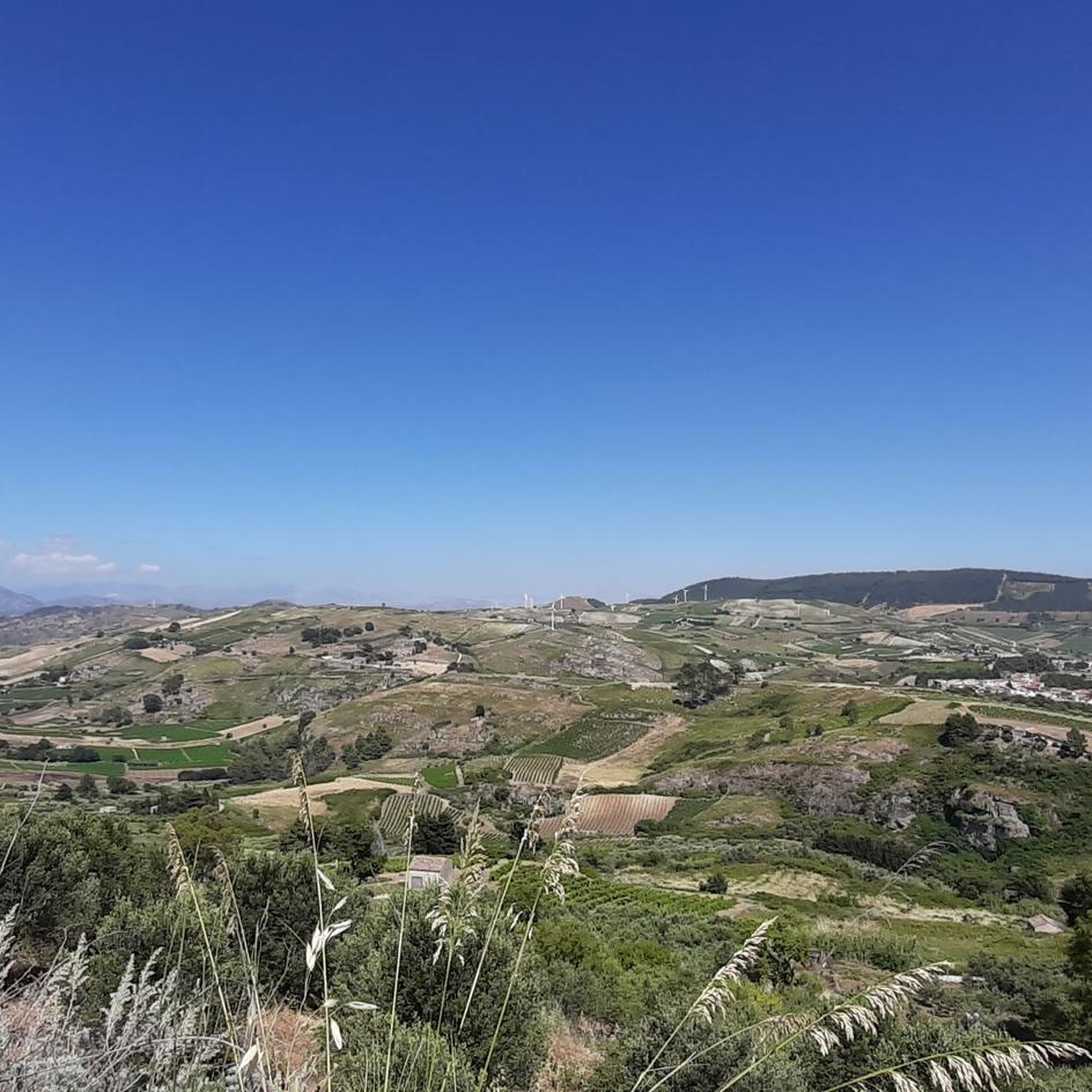
The Doric Temple of Segesta is impressively embedded in the hills of Sicily and invites not only history lovers to take a walk into the past. The unfinished construction gives the temple a rough look, but that is precisely what makes it so attractive - the columns still have the original protective layer that would normally have been removed after completion. The hiking trail up rewards you with a wonderful view of the surrounding landscape and the Gulf of Castellammare. What I particularly liked: From the temple, a beautiful path leads further up to the theater, which is located on the top of the hill. If you choose to walk instead of taking the shuttle, you will be rewarded with many smaller discoveries and fantastic views. The entire complex exudes a special calm - it is a place that invites you to linger and makes history tangible. The magic of the ancient site can be enjoyed wonderfully here, especially in the off-season, when there is less going on.
3
1

On 14 May 1860 Giuseppe Garibaldi landed in Marsala and headed towards Salemi. Here he hoisted the Italian flag, a nation that was then forming, on the Norman-Swabian castle, proclaiming Salemi the capital of Italy, an informal title that he retained for only one day. Today Salemi is a splendid town of around 10,000 inhabitants, part of the most beautiful villages in Italy according to the National Association of Italian Municipalities.
3
0

Salemi, the first capital of Italy. Sicilian village located on a hill, with a beautiful Norman castle
2
0
A historical marvel, the Norman castle
0
0
The former Mother Church, dedicated to San Nicola di Bari, collapsed following the earthquake of 1968, stood on the acropolis of the city, now Piazza Alicia, perhaps on the site of a pre-existing pagan temple, which was followed by an Arab mosque. The construction, begun in 1615 on a project by Mariano Smeriglio, was completed in 1761. The recovery intervention by the architect Alvaro Siza intended to leave the ruins of the apse as the scenic background of the square, in memory of the earthquake and as a sign of the consequent rebirth of the town. The large churchyard, between the apse and what remains of the side chapels, has become a meeting and meeting place especially for young people.
11
0
Frequently Asked Questions
What historical sites can I explore around Vita?
The Vita region is rich in history. You can visit the Segesta Archaeological Park, which features a Doric temple and an ancient Greek-style theater, with a history dating back to the 11th century BC. Another significant site is the Historic Centre of Salemi, which showcases influences from various cultures including the Carthaginians and Normans, who built the fortress dominating the city.
Are there any family-friendly castles or historical sites in Vita?
Yes, the Segesta Archaeological Park is considered family-friendly, offering an engaging historical experience. Additionally, the Salemi Norman Castle and ruins of the ancient church is also suitable for families, providing a glimpse into the region's past.
Where can I find panoramic views of the Vita region?
For stunning panoramic views, visit the Wonderful view of Salemi. This viewpoint offers scenic vistas of the town and the surrounding landscape. It's also historically significant as the place where Giuseppe Garibaldi hoisted the Italian flag in 1860.
What outdoor activities are available near the castles in Vita?
The Vita region offers various outdoor activities. You can explore cycling routes with options like the 'Parco del Belice — Ring tour' or 'The Star of Belìce – Cretto di Burri loop from Salemi-Gibellina'. For mountain biking, consider trails such as 'Vita and Monte Baronia – loop from Salemi'. Running enthusiasts can find routes like 'Bosco Finestrelle loop from Salemi-Gibellina'. Find more details on these activities in the Cycling around Vita, MTB Trails around Vita, and Running Trails around Vita guides.
Can you tell me more about the Norman castles in the Vita area?
The Vita region features significant Norman architecture. The Salemi Norman Castle, also known as the Norman-Swabian Castle, was built by Roger the Norman around 1077 on pre-existing Greco-Roman fortifications. It was later remodeled by Frederick II of Swabia in the 13th century. This castle, along with the Norman Castle of Salemi, stands as a testament to the region's diverse historical influences.
What is the significance of Salemi in Italian history?
Salemi holds a unique place in Italian history. It was the first capital of Italy, albeit informally and for only one day, when Giuseppe Garibaldi hoisted the Italian flag on the Norman-Swabian castle in 1860. The Historic Centre of Salemi reflects this rich past, having experienced domination from various cultures over centuries.
What kind of archaeological discoveries can be made at Segesta?
At Segesta Archaeological Park, you can explore the impressive Doric temple, which, though never completed, stands majestically in the landscape. The site also features an ancient Greek-style theater, built in the 1st century BC and later rebuilt by the Romans. The area was inhabited as early as the 11th century BC by the Elimi people, offering deep insights into ancient Sicilian history.
What do visitors appreciate most about the castles and historical sites around Vita?
Visitors to the Vita region appreciate the journey through historical landscapes, the well-preserved ancient fortifications, and the archaeological sites. The panoramic views from elevated positions, such as the Wonderful view of Salemi, are also highly valued. The komoot community has shared over 110 photos and given more than 110 upvotes, highlighting the region's appeal.
Are there any specific historical events tied to the castles in Vita?
Yes, the Norman Castle of Salemi was the site where, on December 11, 1441, a confederation of several towns, including Salemi, Trapani, and Mazara, was formed to defend Queen Bianca of Aragon. The castle also played a role in Garibaldi's expedition, as he proclaimed Salemi the capital of Italy from its grounds in 1860.
What is the difficulty level of cycling routes near Vita's castles?
Cycling routes near Vita vary in difficulty. For example, the 'Parco del Belice — Ring tour' and 'The Star of Belìce – Cretto di Burri loop from Salemi-Gibellina' are considered difficult. However, there are also routes of moderate difficulty available. You can find more details on specific routes and their difficulty in the Cycling around Vita guide.
What is the best way to experience the historical depth of Salemi?
To fully experience the historical depth of Salemi, begin by exploring the Historic Centre of Salemi, which reveals layers of Carthaginian, Norman, and other influences. Then, visit the Salemi Norman Castle to understand its strategic importance and role in Italian unification. Don't miss the ruins of the ancient church, a poignant reminder of the 1968 earthquake and the town's resilience.
Most popular attractions around Vita

Get inspired with the komoot mobile app


Explore more
Looking for the best castles somewhere else? Discover other guides around Vita:
