Top 4 Caves around Naro
Best caves around Naro are situated in a region rich with historical and archaeological significance. Naro, a historic town in Sicily, is characterized by its medieval and Baroque architecture. The surrounding landscape features ancient underground structures, including paleochristian necropolises and rock-cut formations. These sites provide a direct glimpse into the region's past, from Roman domination through Byzantine influence.
Best caves around Naro
- The most popular caves is Byzantine Rock-Cut Tombs, a historical site. These graves are carved directly out…
Last updated: June 30, 2026
Petra di Calathansuderj
Highlight • Historical Site
Translated by Google •
Tip by

Byzantine Rock-Cut Tombs
Highlight • Historical Site
Translated by Google •
Tip by

Sign up now to discover places like this
Get recommendations on the best single tracks, peaks, & plenty of other exciting outdoor places.
Sign up for free
Grotte 👀
Highlight • Settlement
Translated by Google •
Tip by

Riesi Caves and Piazza of the Church of the Most Holy Chain
Highlight • Cave
Translated by Google •
Tip by

Monte Saraceno
Highlight • Summit
Translated by Google •
Tip by
Start today with a free account
Your next adventure awaits.
Login or Signup
Tips from the Community


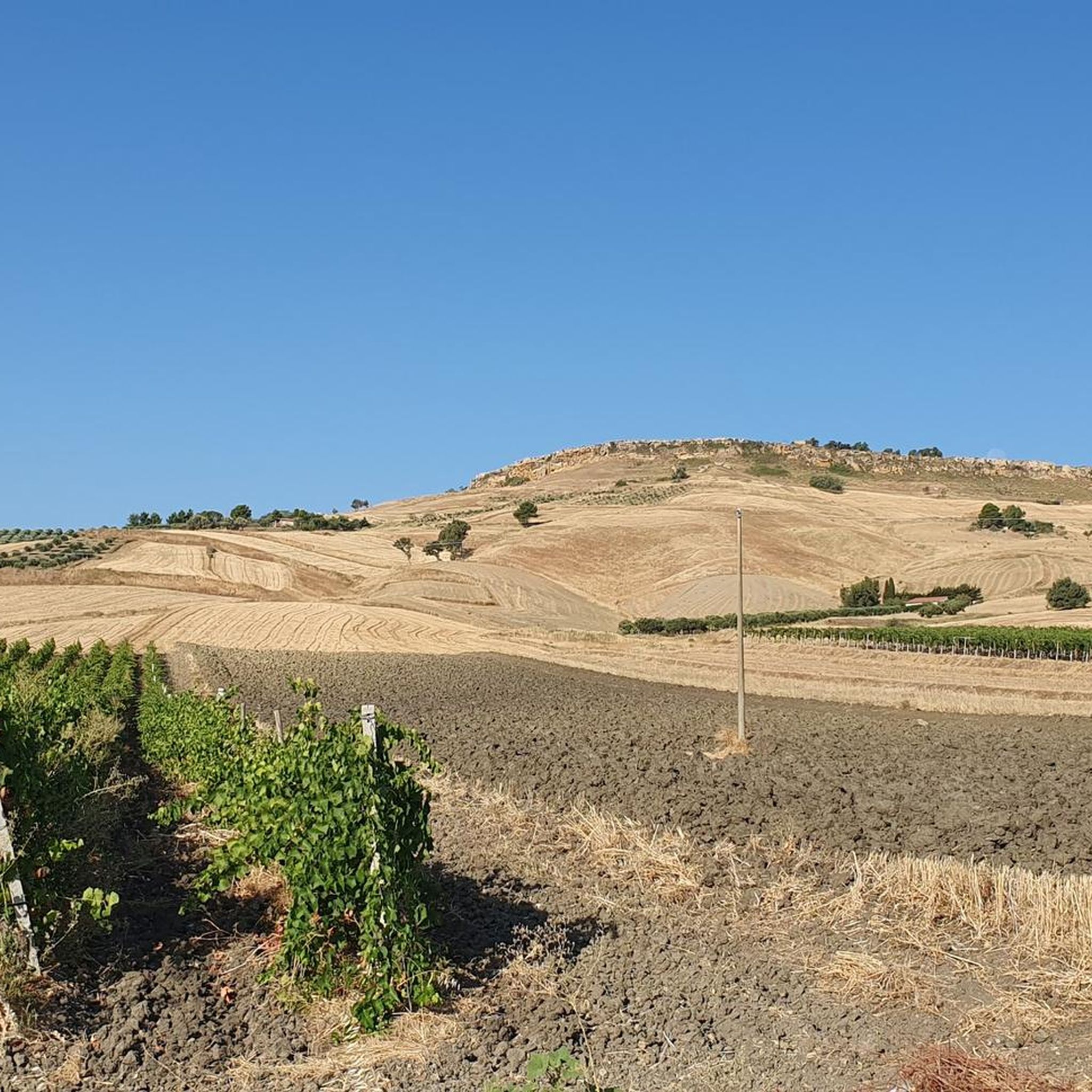
The archaeological area of Petra of Calathansuderj hides a unique stronghold, testimony to the Byzantine-Arab-Norman influence, with an imposing structure 30 meters high and 40 meters wide, full of tunnels dug for the defense and control of the roads communication. The discovery of numerous ceramic finds, dated between the 2nd and 14th centuries AD, reveals the strategic importance of this site through the centuries.
4
0

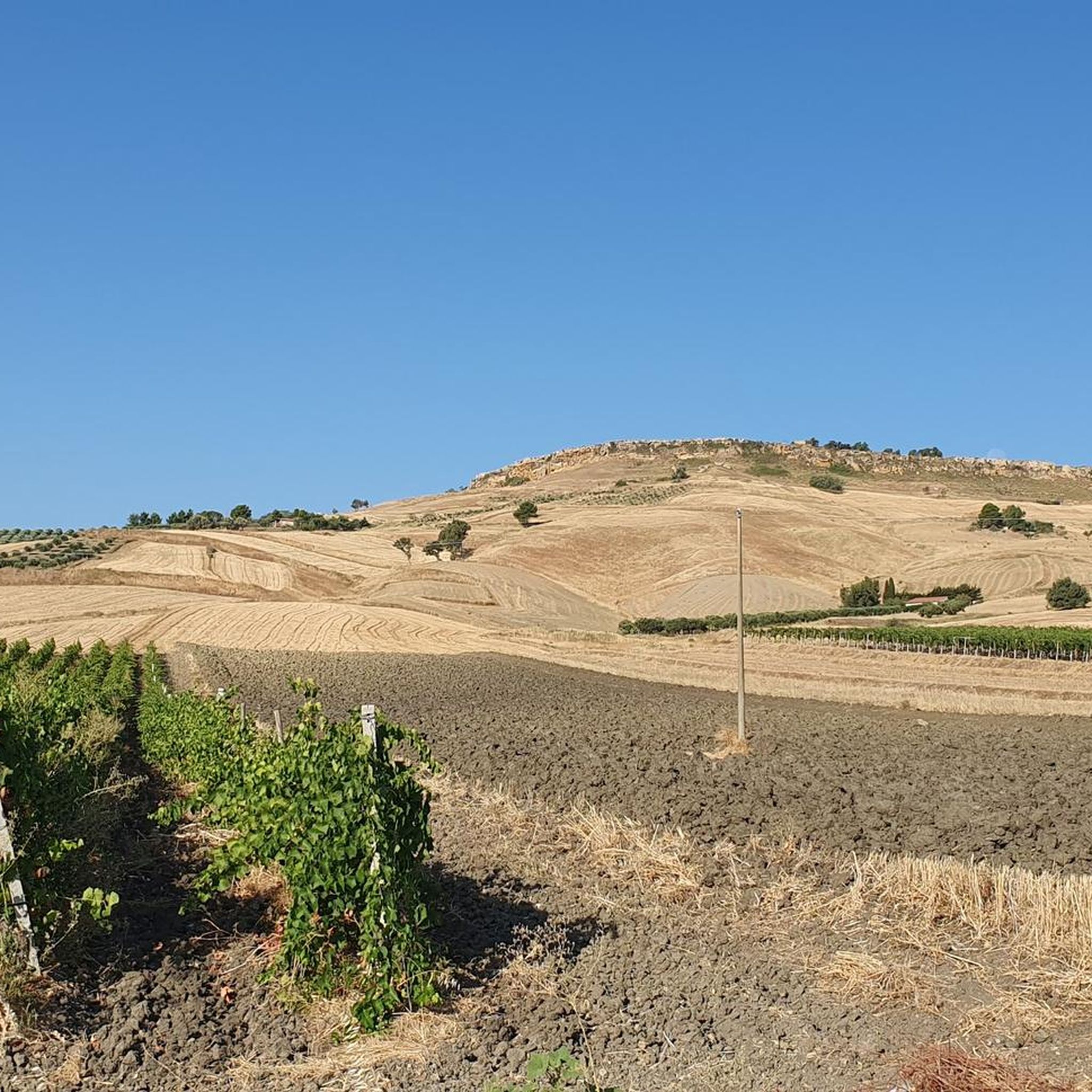
A beautiful archaeological site from which the materials preserved in the Archaeological Museum of Agrigento derive. I recommend a stop to visit it.
0
0
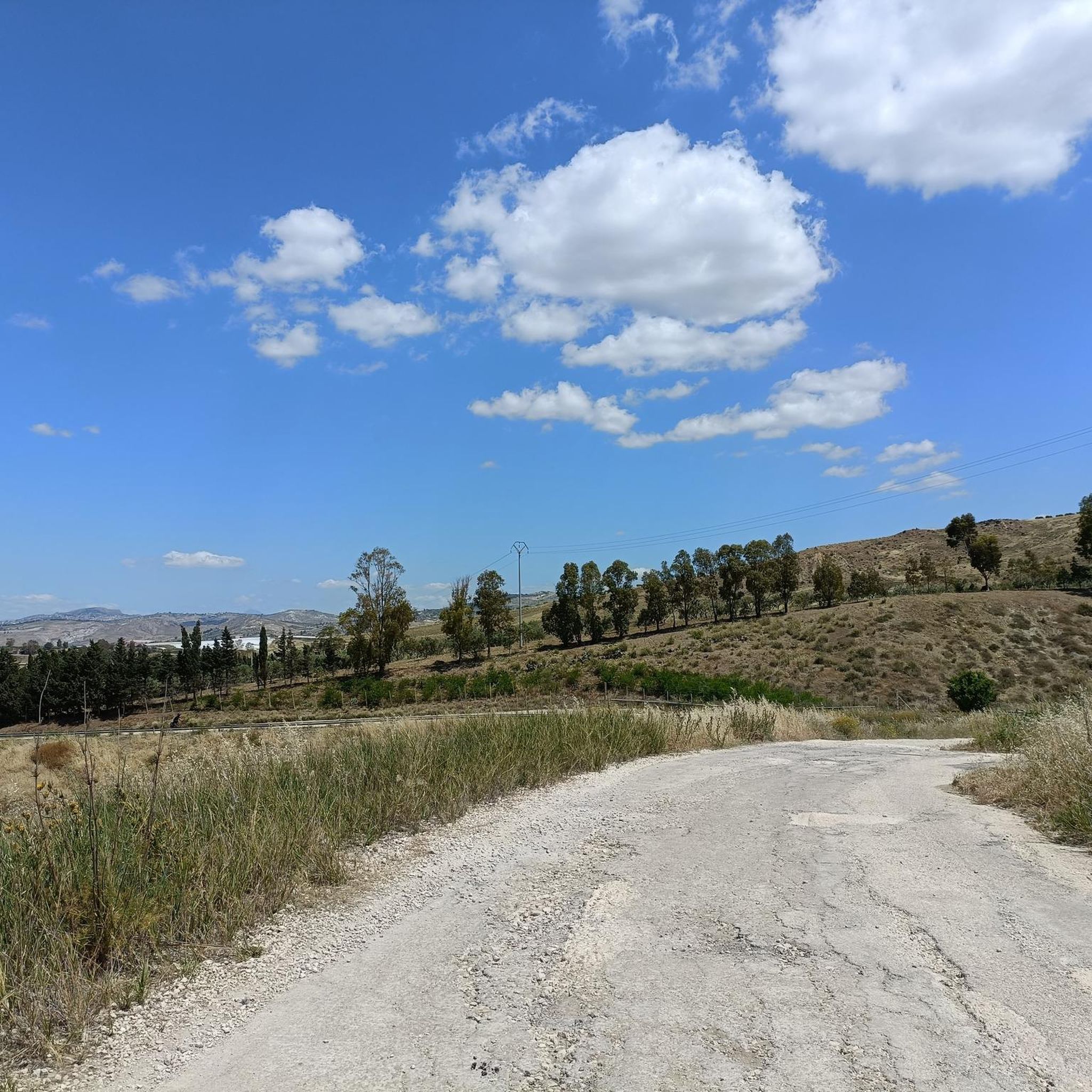
Small city where you can breathe Sicilian life, I recommend a visit to the square of the Church of the Santissima della Catena and a search for the Riesi caves.
0
0

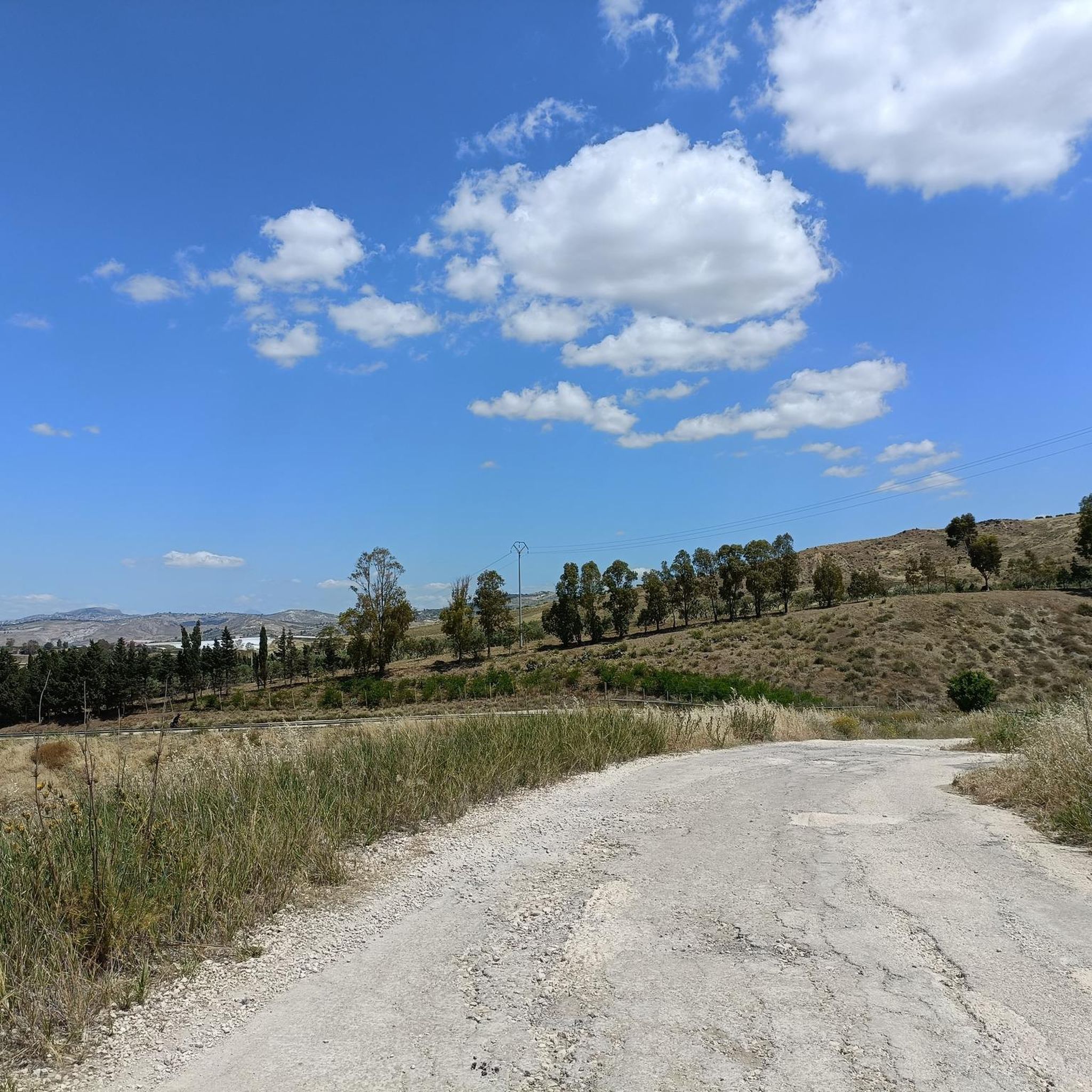
Some Byzantine burial caves can still be seen in the remains of the city wall.
2
0


Village square with possibility for catering
1
0
Frequently Asked Questions
What historical cave sites can I explore around Naro?
Naro is rich in historical cave sites. You can visit the Byzantine Rock-Cut Tombs, which are graves carved directly out of rock, some still visible within ancient city walls. Another significant site is Petra di Calathansuderj, an archaeological area featuring a unique stronghold with tunnels dug for defense. Additionally, the Grotta delle Meraviglie (Cave of Wonders) near Naro is a paleochristian necropolis used between the 4th and 6th centuries A.D., offering a glimpse into early Christian burial practices.
Are there any archaeological caves near Naro?
Yes, the Grotta delle Meraviglie (Cave of Wonders) is a prominent archaeological cave site near Naro. It served as a paleochristian necropolis, primarily between the 4th and 6th centuries A.D., and contains intact tombs and artifacts like pottery fragments and African oil lamps decorated with Christian symbols.
What makes Petra di Calathansuderj unique among the caves in the Naro region?
Petra di Calathansuderj is unique for its imposing structure, 30 meters high and 40 meters wide, which contains tunnels dug for defense and control of communication routes. It's an archaeological area that testifies to Byzantine-Arab-Norman influence and its strategic importance through the centuries.
What kind of historical artifacts have been found in the caves around Naro?
Archaeological findings from the Grotta delle Meraviglie and surrounding areas include a bronze coin of Valentinian II, various pottery fragments, and five African oil lamps. Some oil lamps are decorated with Christian symbols such as the lamb, the tree of life, and a leaping fish, providing insights into the region's late antiquity.
Are there any family-friendly locations or settlements near the caves?
Yes, Grotte 👀 is a settlement with historical significance that is appreciated for its tranquility and considered family-friendly. It offers a village square with possibilities for catering.
What outdoor activities can I do near the caves around Naro?
Beyond exploring the caves, you can find various outdoor activities nearby. There are numerous cycling routes, including road cycling and touring bicycle options, with guides like Road Cycling Routes around Naro and Cycling around Naro. For runners, there are also several Running Trails around Naro.
What do visitors appreciate most about the caves and surrounding area of Naro?
Visitors appreciate the historical significance and the glimpse into the past offered by sites like the paleochristian necropolises and rock-cut tombs. The tranquility of certain locations, such as Grotte 👀, is also highly valued by the community.
Are there any other notable cave systems or historical sites beyond the main ones mentioned?
While the Grotta delle Meraviglie, Byzantine Rock-Cut Tombs, and Petra di Calathansuderj are the most prominent, the region also features Riesi Caves, which are part of a small city where you can experience Sicilian life. Additionally, Monte Saraceno is an archaeological site with materials preserved in the Archaeological Museum of Agrigento, also containing caves.
What is the historical context of the Grotta delle Meraviglie?
The Grotta delle Meraviglie is a paleochristian necropolis primarily used between the 4th and 6th centuries A.D. It provides evidence of a thriving village during the Roman domination and into the Byzantine conquest, reflecting the burial practices and early Christian community of the Naro region.
Are there any legends associated with the caves around Naro?
The Grotta delle Meraviglie, known since the Middle Ages as the 'Cave of Wonders,' has inspired local legends and popular imagination. These stories are sometimes linked to giants or 'Saracens,' adding a layer of folklore to its historical significance.
What kind of geological features can be found in the caves near Naro?
The caves around Naro are primarily known for their anthropogenic features rather than natural geological formations. They consist of rock-cut tombs, hypogea (underground burial chambers), and defensive tunnels carved into the rock, reflecting human activity and historical use rather than natural cave development.
How long does it typically take to explore the historical cave sites near Naro?
The time required to explore depends on the specific site. For instance, visiting the Grotta delle Meraviglie or the Byzantine Rock-Cut Tombs might take an hour or two for a thorough look at the archaeological features. Larger sites like Petra di Calathansuderj, with its extensive tunnels and archaeological area, could require more time, potentially half a day, to fully appreciate its scale and historical context.
Most popular attractions around Naro

Get inspired with the komoot mobile app


