Top 9 Caves around Rombiolo
Best caves around Rombiolo are primarily located within the broader Calabria region, offering a mix of natural grottoes and historical rock-cut settlements. This area provides insights into ancient human habitation and unique geological formations. The landscape features coastal areas and inland hills, where many cave systems are found. Visitors can explore a range of cave experiences, from historical dwellings to scenic coastal grottoes.
Best caves around Rombiolo
- The most popular caves is Zungri Cave Settlement, a cave and historical…
Last updated: June 30, 2026
Zungri Cave Settlement
Highlight • Cave
Translated by Google •
Tip by

Descent to the Zungri Caves
Highlight (Segment) • Cave
Start of the beautiful circular hike around …
Translated by Google •
Tip by

Sign up now to discover places like this
Get recommendations on the best single tracks, peaks, & plenty of other exciting outdoor places.
Sign up for free
Palombaro Grotto
Highlight • Cave
Translated by Google •
Tip by
Riaci Bay
Highlight • Beach
Translated by Google •
Tip by

Blue Grotto of Tropea
Highlight • Cave
Translated by Google •
Tip by

Sign up for free to discover even more caves around Rombiolo.
Sign up for free
Already have an account?
Start today with a free account
Your next adventure awaits.
Login or Signup
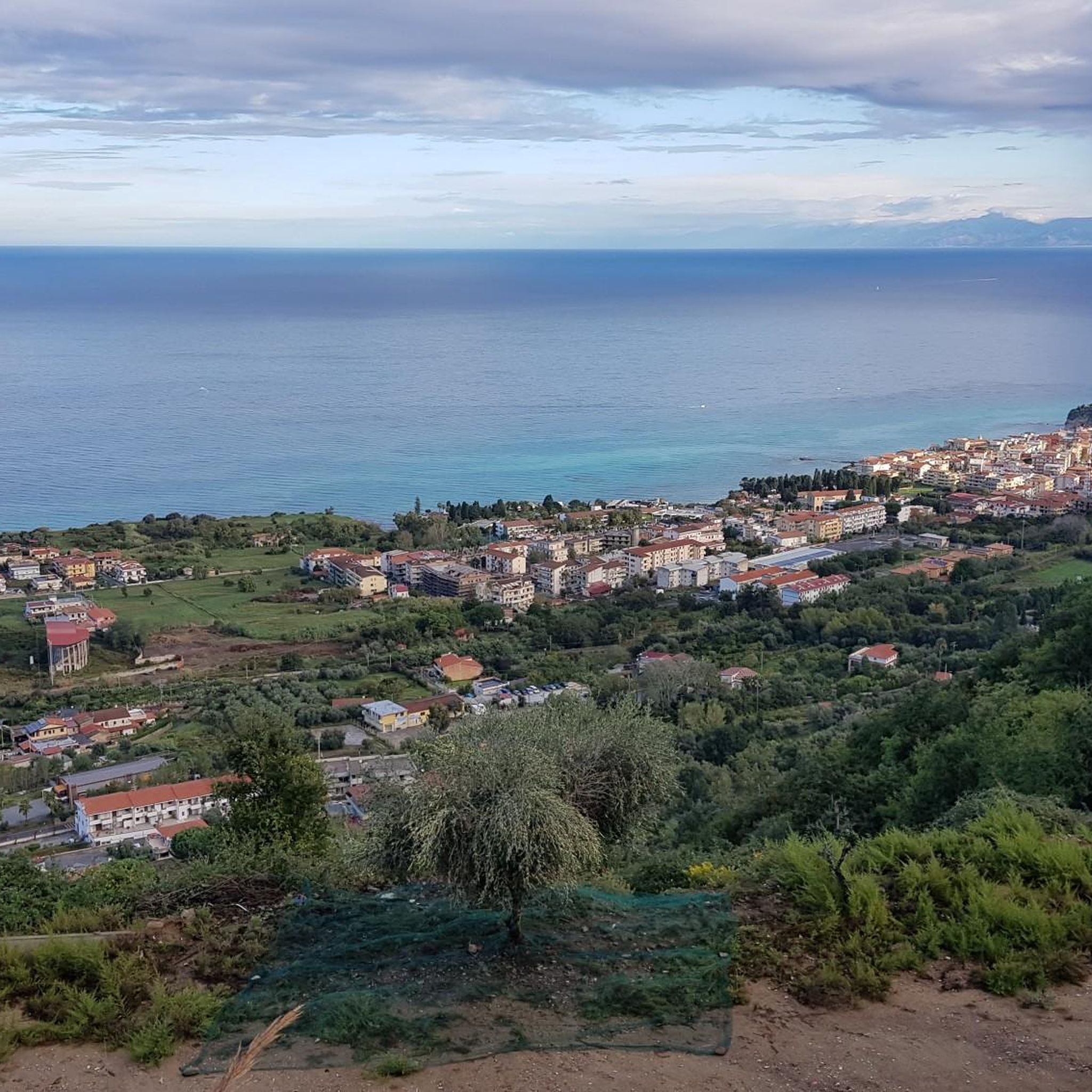
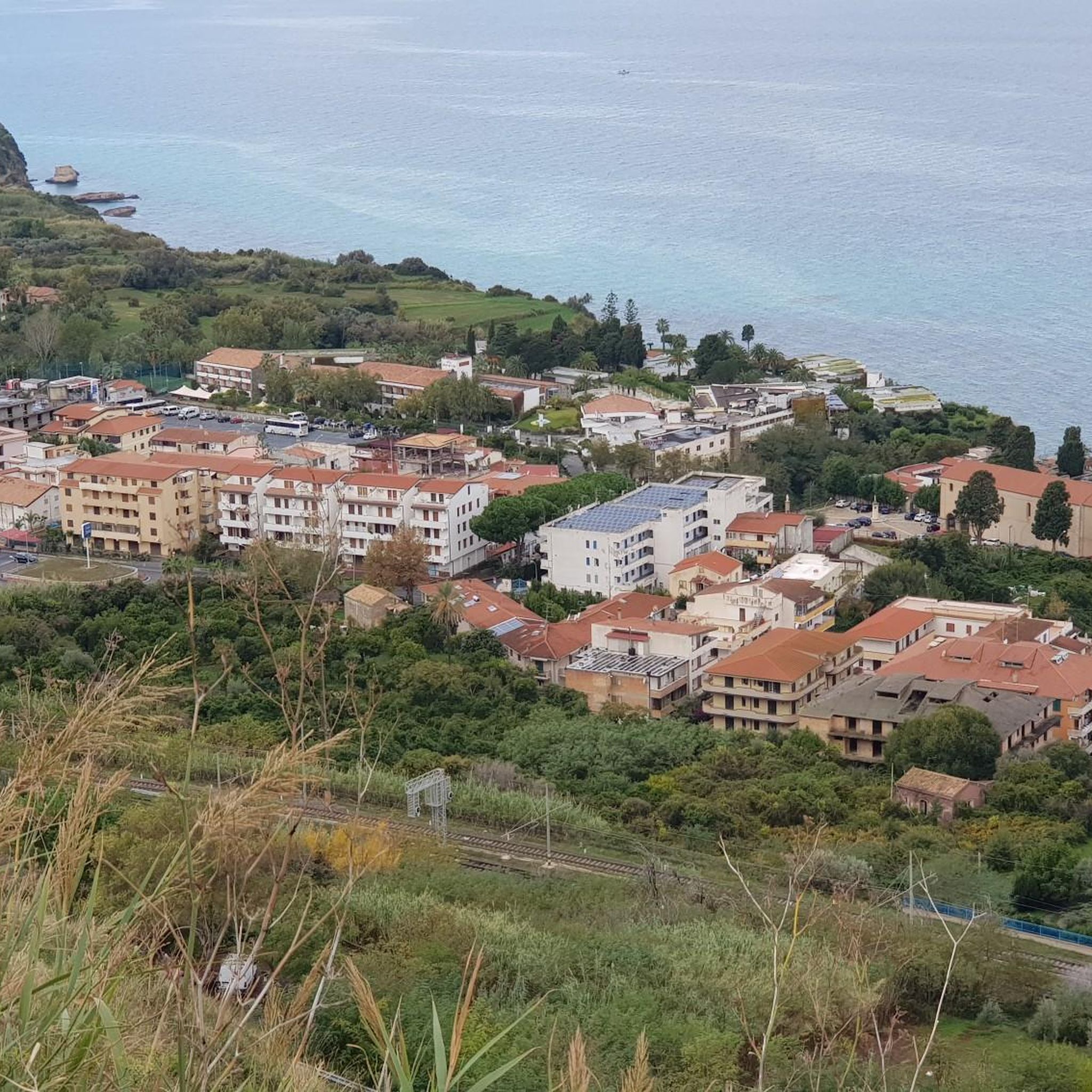
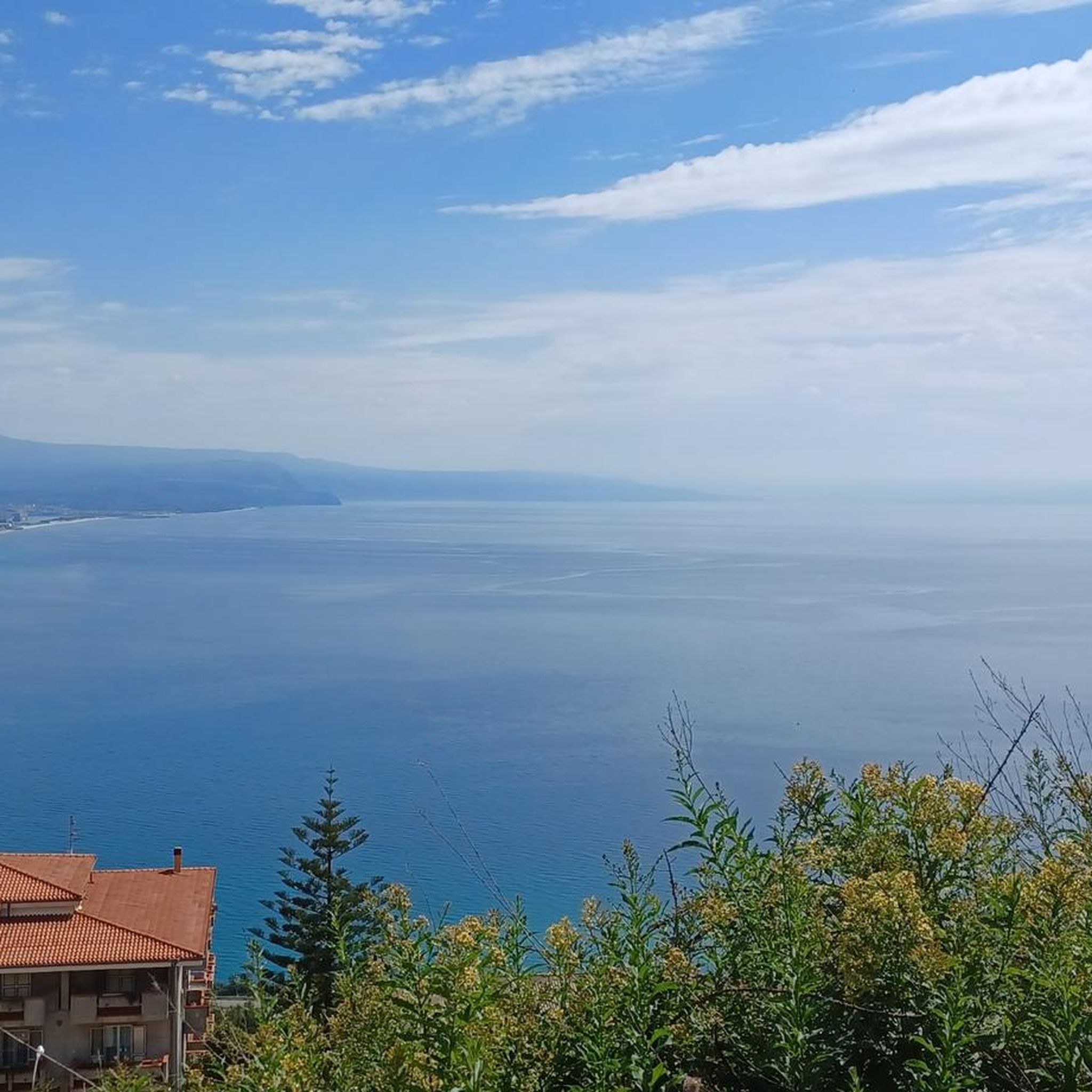
Tips from the Community

Great sea cave. Wonderful place for sunbathing along the rocks with crystal clear water.
0
0


Located under the very famous Marina of the island of Tropea, a spectacular and immense cave with a very white beach can be reached from the sea
0
0
Famous for its crystal-clear waters, golden white sand, and a striking rock rising from the water, creating a unique landscape. The bay is ideal for snorkeling thanks to its seabed rich in marine life and numerous caves.
0
0

Beach to visit early in the morning, if you want to find it in August, in the other months, quieter. Enchanting place
0
0
The Bay of Riaci is located in the heart of the Costa degli Dei. To the north you can glimpse Tropea, while the southern part becomes less crowded after passing the rocks. In the center the mythical rock, with the caves. Attention, the best time to enjoy it is absolutely before and after August.
0
0

It's no longer possible as described in the Rother hiking guide, 2nd edition! I then went back and took a small detour through the village to get back on the tour. The further you get from the village, the paths get worse and are only used to get to the olive trees. Everything would become impenetrable if the farmers didn't "clear" them again. I was lucky because it looked as if this had only been done recently. The ground was very dusty and you sink a few centimeters into dust. Once you've overcome this difficult section, it gets better. The path is now tarred and I didn't encounter any further obstacles after that. I didn't meet any other hikers on the entire tour.
0
0

A mixture of local history museum and contemporary history. The collections range from old clay pots to a wedding dress from 1990. Included in the entrance fee to the grottos (4 euros in 2024), there are toilets with washbasins.
0
0
Frequently Asked Questions
What types of caves can I explore around Rombiolo?
The Rombiolo area, part of the broader Calabria region, offers a diverse range of cave experiences. You can find both natural grottoes, such as the Palombaro Grotto and the Blue Grotto of Tropea, as well as unique historical rock-cut settlements like the Zungri Cave Settlement. These sites provide insights into ancient human habitation and fascinating geological formations.
Are there any historical cave sites near Rombiolo?
Yes, the most significant historical site is the Zungri Cave Settlement. Located about 20 km from Tropea, this ancient village comprises around one hundred caves carved into sandstone, believed to have been established by Basilian monks in the 6th or 7th century. These caves served as homes or granaries, offering a unique glimpse into a different culture and ancient way of life.
What are some natural grottoes or sea caves worth visiting?
For natural grottoes, consider the Palombaro Grotto, which is located under a monastery and accessible from the sea side, offering a challenging experience. Another enchanting option is the Blue Grotto of Tropea, a natural cave found on a beach, best visited early in the morning for a quieter experience.
Are there family-friendly cave options around Rombiolo?
Yes, the Zungri Cave Settlement is considered family-friendly, offering an educational and immersive experience into ancient history. Additionally, Riaci Bay, which features caves, is also noted as family-friendly, combining beach activities with natural exploration.
What is the best time to visit the caves around Rombiolo?
For coastal caves like the Blue Grotto of Tropea and the caves at Riaci Bay, visiting early in the morning is recommended, especially during peak season (August), to enjoy a quieter experience and avoid crowds. Generally, the months before and after August are ideal for a more relaxed visit to the beaches and their associated caves.
What kind of outdoor activities can I do near the caves?
The region around Rombiolo offers various outdoor activities. You can find numerous hiking and cycling routes. For hiking, consider trails like the 'Zungri Cave Settlement – Chiesa di Santa Maria, Zungri loop from Zungri' or the 'Cammino di Ulisse loop from Caria'. You can find more details on these and other routes in the Hiking around Rombiolo guide. For cycling, there are routes such as the 'Castello di Nicotera – Riaci Beach loop from Limbadi' in the Cycling around Rombiolo guide.
Are there any challenging cave explorations in the area?
Yes, the Palombaro Grotto is described as offering a challenging experience, particularly as it's accessible from the sea side. For those seeking more rugged terrain, some trails leading to historical sites, such as the 'Descent to the Zungri Caves', have been noted as challenging due to overgrown paths, though access can sometimes be restricted.
What are the geological features of the caves around Rombiolo?
The caves in the Rombiolo area are primarily formed in sandstone, as seen in the Zungri Cave Settlement where caves were carved directly into the rock. Natural grottoes like the Palombaro Grotto and the Blue Grotto of Tropea are natural monuments, often found along the coast or within gorges, showcasing the region's unique rock formations and coastal erosion processes.
Can I find natural freshwater springs near any of the cave sites?
Yes, the Zungri Cave Settlement is known for its natural freshwater springs, adding to the unique and magical atmosphere of this ancient site.
What do visitors appreciate most about the caves in this region?
Visitors particularly appreciate the unique blend of history and nature. The Zungri Cave Settlement is often described as a magical place where one can immerse themselves in ancient culture. Coastal caves and bays like Riaci Bay are loved for their beautiful, panoramic views and enchanting natural settings, making them ideal for relaxation and exploration.
Are there any caves associated with local legends or religious figures?
While not explicitly listed in the guide data, regional research indicates that the broader Calabria area has caves with local lore. For instance, the Grotta di Santa Cristina (Scaliti Cave) near San Calogero is rich in legends, and the Grotta di Malacuruna (Grotta di San Leoluca) in Vena Superiore is named after Saint Leoluca, who is said to have spent his final years there, adding cultural and religious significance to these sites.
Most popular attractions around Rombiolo

Get inspired with the komoot mobile app


Explore more
Extend your search for the best caves by checking out these guides of the top ones around Rombiolo:
