Top 10 Caves around Drapia
Best caves around Drapia are found in the surrounding region, particularly near Tropea, offering diverse experiences. The area is characterized by its coastal landscape, historical significance, and unique geological formations. Visitors can explore ancient rock settlements and impressive sea caves. This region provides insights into past civilizations and natural wonders.
Best caves around Drapia
- The most popular caves is Zungri Cave Settlement, a cave and historical site consisting of about a hundred cave houses carved into sandstone. This unique…
Last updated: June 30, 2026
Zungri Cave Settlement
Highlight • Cave
Translated by Google •
Tip by

Descent to the Zungri Caves
Highlight (Segment) • Cave
Start of the beautiful circular hike around …
Translated by Google •
Tip by

Sign up now to discover places like this
Get recommendations on the best single tracks, peaks, & plenty of other exciting outdoor places.
Sign up for free
Palombaro Grotto
Highlight • Cave
Translated by Google •
Tip by
Grotta del Palombaro
Highlight • Cave
Translated by Google •
Tip by

Riaci Bay
Highlight • Beach
Translated by Google •
Tip by

Sign up for free to discover even more caves around Drapia.
Sign up for free
Already have an account?
Start today with a free account
Your next adventure awaits.
Login or Signup
Tips from the Community

Great sea cave. Wonderful place for sunbathing along the rocks with crystal clear water.
0
0


Located under the very famous Marina of the island of Tropea, a spectacular and immense cave with a very white beach can be reached from the sea
0
0
Famous for its crystal-clear waters, golden white sand, and a striking rock rising from the water, creating a unique landscape. The bay is ideal for snorkeling thanks to its seabed rich in marine life and numerous caves.
0
0


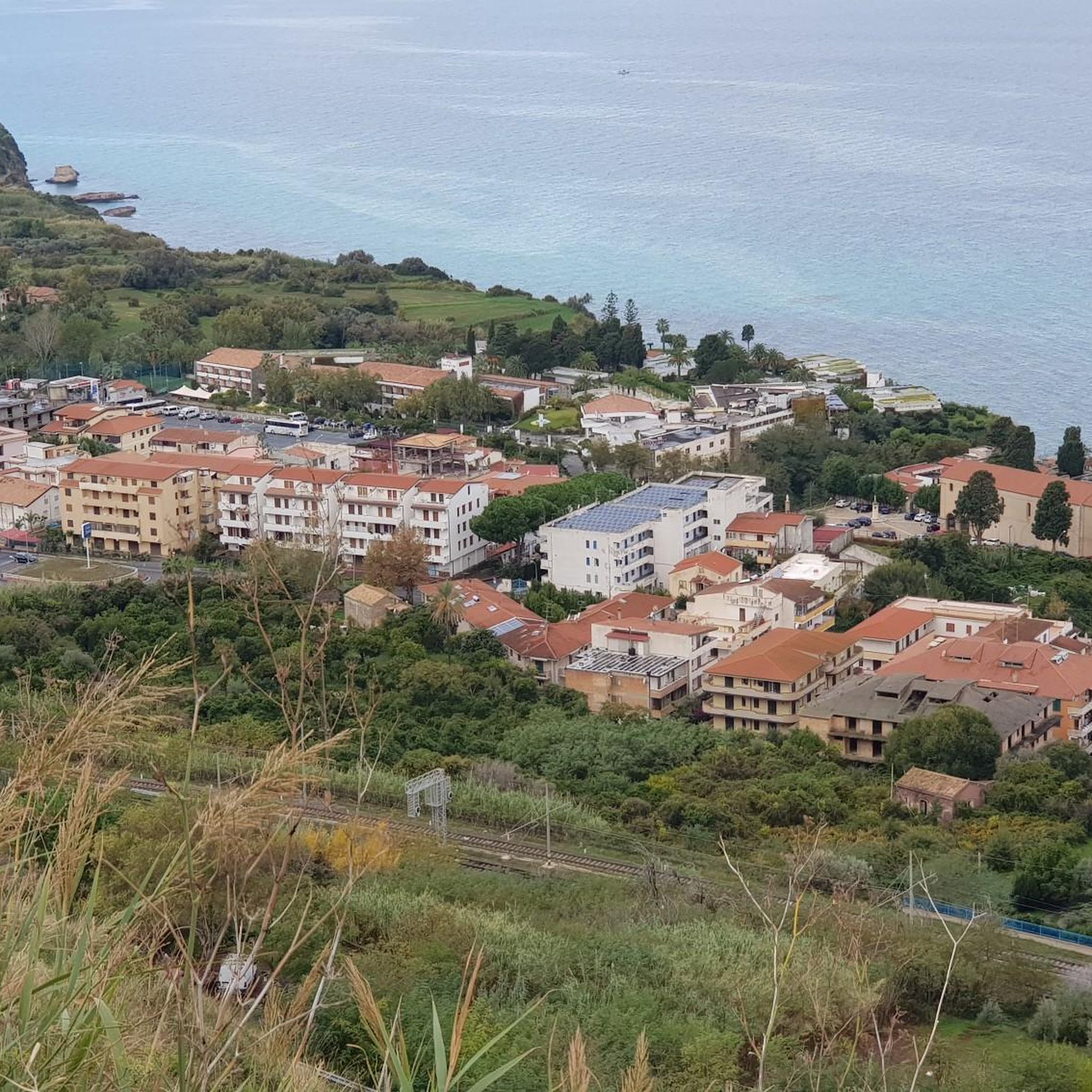
The Bay of Riaci is located in the heart of the Costa degli Dei. To the north you can glimpse Tropea, while the southern part becomes less crowded after passing the rocks. In the center the mythical rock, with the caves. Attention, the best time to enjoy it is absolutely before and after August.
0
0

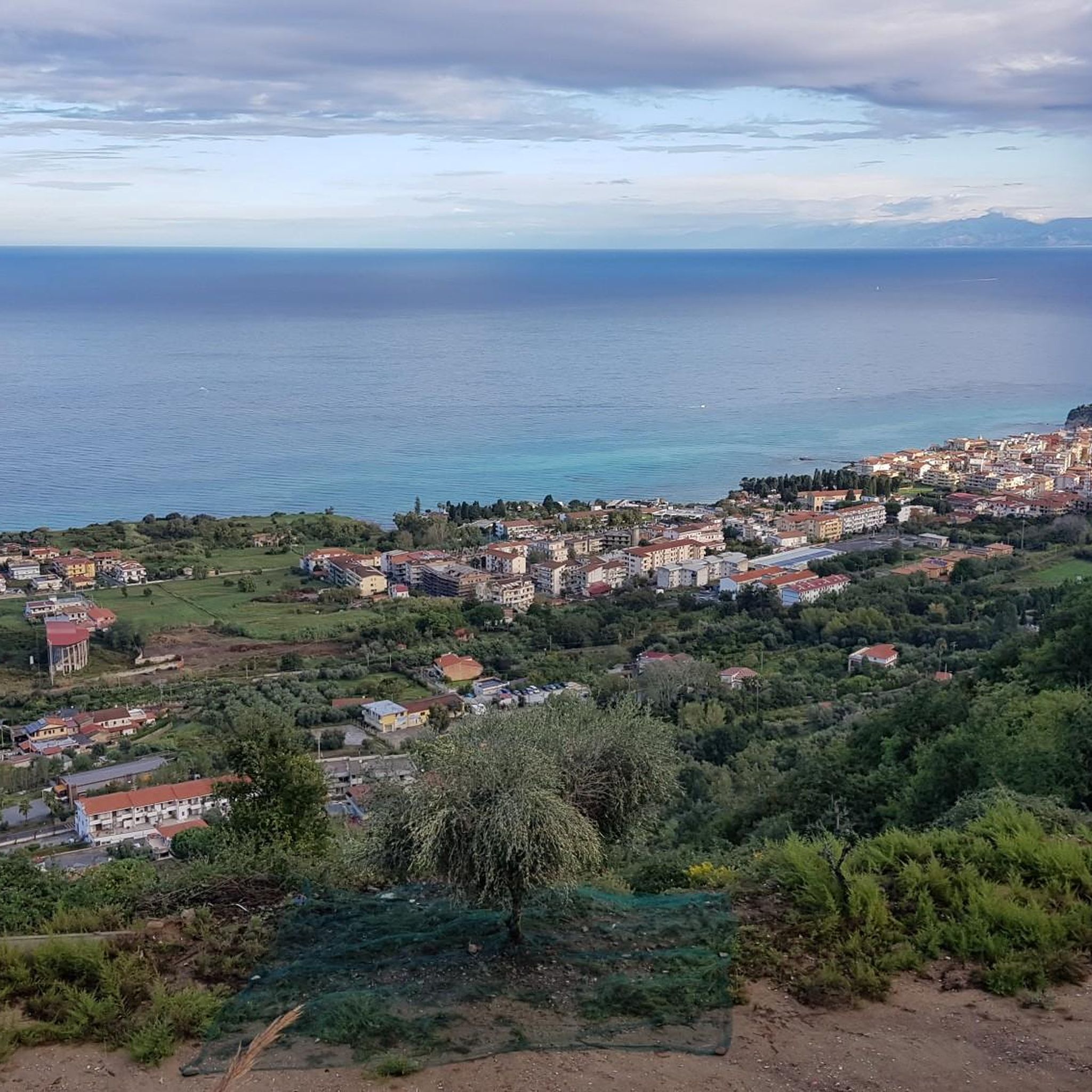
It's no longer possible as described in the Rother hiking guide, 2nd edition! I then went back and took a small detour through the village to get back on the tour. The further you get from the village, the paths get worse and are only used to get to the olive trees. Everything would become impenetrable if the farmers didn't "clear" them again. I was lucky because it looked as if this had only been done recently. The ground was very dusty and you sink a few centimeters into dust. Once you've overcome this difficult section, it gets better. The path is now tarred and I didn't encounter any further obstacles after that. I didn't meet any other hikers on the entire tour.
0
0

Is there another reliable source besides komoot and OpenStreetMap that attests to the name "Grotta del Palombaro"? Or is it perhaps a confusion with the grotto of the same name in Tropea?
0
0
Frequently Asked Questions
What types of caves can I explore around Drapia?
The region around Drapia offers a diverse range of cave experiences. You can explore ancient rock settlements like the Zungri Cave Settlement, which features carved cave houses, or discover stunning sea caves such as the Palombaro Grotto and the Blue Grotto of Tropea.
Are there any historical cave sites near Drapia?
Yes, the most notable historical site is the Zungri Cave Settlement. This ancient rock settlement, often called the 'stone city,' comprises about a hundred cave houses carved into sandstone, believed to have been inhabited since prehistoric times and later by Basilian monks. Further inland, the Grotta del Romito in Papasidero is an important archaeological site with prehistoric art and ancient burials.
What is unique about the Zungri Cave Settlement?
The Zungri Cave Settlement is a unique historical and cultural site featuring approximately one hundred cave houses carved into sandstone. These include one- and two-room dwellings, some with two stories, connected by narrow streets and steps. It offers a glimpse into past civilizations, with the oldest parts developing on four levels and even featuring a fish-like incised drawing.
How can I access the sea caves near Drapia?
Sea caves like the Palombaro Grotto and the Blue Grotto of Tropea are primarily accessible from the sea. Boat tours around Tropea are a popular way to visit these spectacular locations, allowing you to experience their unique features and stunning views.
What is the best time to visit the Blue Grotto of Tropea?
The Blue Grotto of Tropea is known for its stunning visual effect of light refracting through the water, creating intense turquoise shades. This effect is most pronounced between 11:00 AM and 2:00 PM when the sun is high, making it the ideal time for a visit.
Are there family-friendly cave attractions around Drapia?
Yes, the Zungri Cave Settlement is considered family-friendly. Its historical and cultural significance, combined with the unique experience of exploring ancient cave dwellings, makes it an engaging visit for all ages.
What outdoor activities can I do near the caves around Drapia?
The area around Drapia and Tropea offers various outdoor activities. You can find numerous running trails, such as the 'Capo Vaticano loop from Tropea' or 'Area necropoli Bagneria loop from Tropea'. For cyclists, there are road cycling routes like 'Between Tropea and Capo Vaticano via Zungri' and general cycling tours. You can explore more options on the Running Trails around Drapia, Road Cycling Routes around Drapia, and Cycling around Drapia guide pages.
Can I swim or snorkel in the sea caves?
Yes, in sea caves like the Blue Grotto of Tropea, visitors can swim or snorkel inside when sea conditions are calm. The clear, cobalt blue water makes for a magical and refreshing experience.
What should I know before visiting the Zungri Cave Settlement?
The Zungri Cave Settlement is a unique rock formation where you can immerse yourself in another culture. While some paths leading to the caves might be challenging or overgrown, the site itself is a fascinating historical experience. It's advisable to check local conditions for access, as some older routes may be closed.
Are there any caves known for unique natural phenomena?
The Blue Grotto of Tropea is renowned for its unique natural phenomena. It's known for its cobalt blue water and dramatic light rays that create a stunning visual effect as sunlight refracts through the water, coloring it in intense turquoise shades.
What is the 'Grotta del Palombaro' like?
The Palombaro Grotto, located under the Marina of Tropea Island, is described as a spectacular and immense sea cave featuring a very white beach. It's a natural monument that offers fantastic views and is a popular spot for boat tours.
Most popular attractions around Drapia

Get inspired with the komoot mobile app


Explore more
Extend your search for the best caves by checking out these guides of the top ones around Drapia:
