Top 5 Caves around Santadi
Best caves around Santadi are primarily located in the Sulcis region of Sardinia, an area characterized by ancient geological formations. The landscape features the Monte Meana dolomite massif, which is approximately 530 million years old, providing a rich environment for natural cave systems. These caves often combine natural geological wonders with significant archaeological findings, reflecting a long history of human interaction with the subterranean world. The region offers a diverse range of underground experiences, from natural grottoes to ancient burial…
Last updated: June 30, 2026
Montessu Necropolis
Highlight • Historical Site
Translated by Google •
Tip by

Tombs 29–35
Highlight (Segment) • Historical Site
Translated by Google •
Tip by

Sign up now to discover places like this
Get recommendations on the best single tracks, peaks, & plenty of other exciting outdoor places.
Sign up for free
Caves of Is Zuddas
Highlight • Cave
Translated by Google •
Tip by

Domus de Janas Tombs 1–5
Highlight (Segment) • Historical Site
This is followed by grave 2, which is particularly impressive because of the carved spiral and arch pattern.
Translated by Google •
Tip by
Acquacadda Cave Su Montixeddu
Highlight • Cave
Translated by Google •
Tip by

Start today with a free account
Your next adventure awaits.
Login or Signup
Popular around Santadi
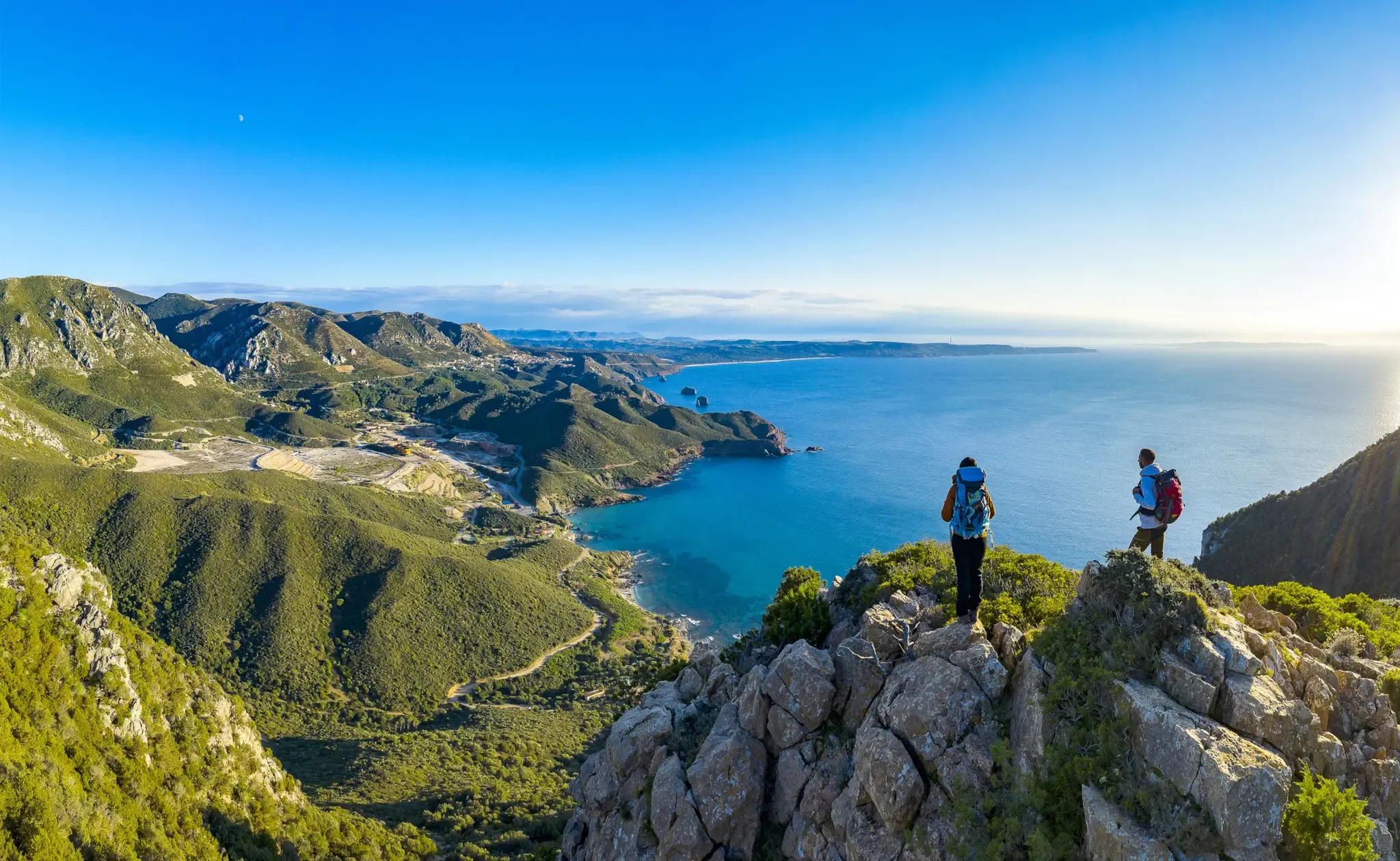
Cammino Minerario di Santa Barbara – memories of ancient Sardinia
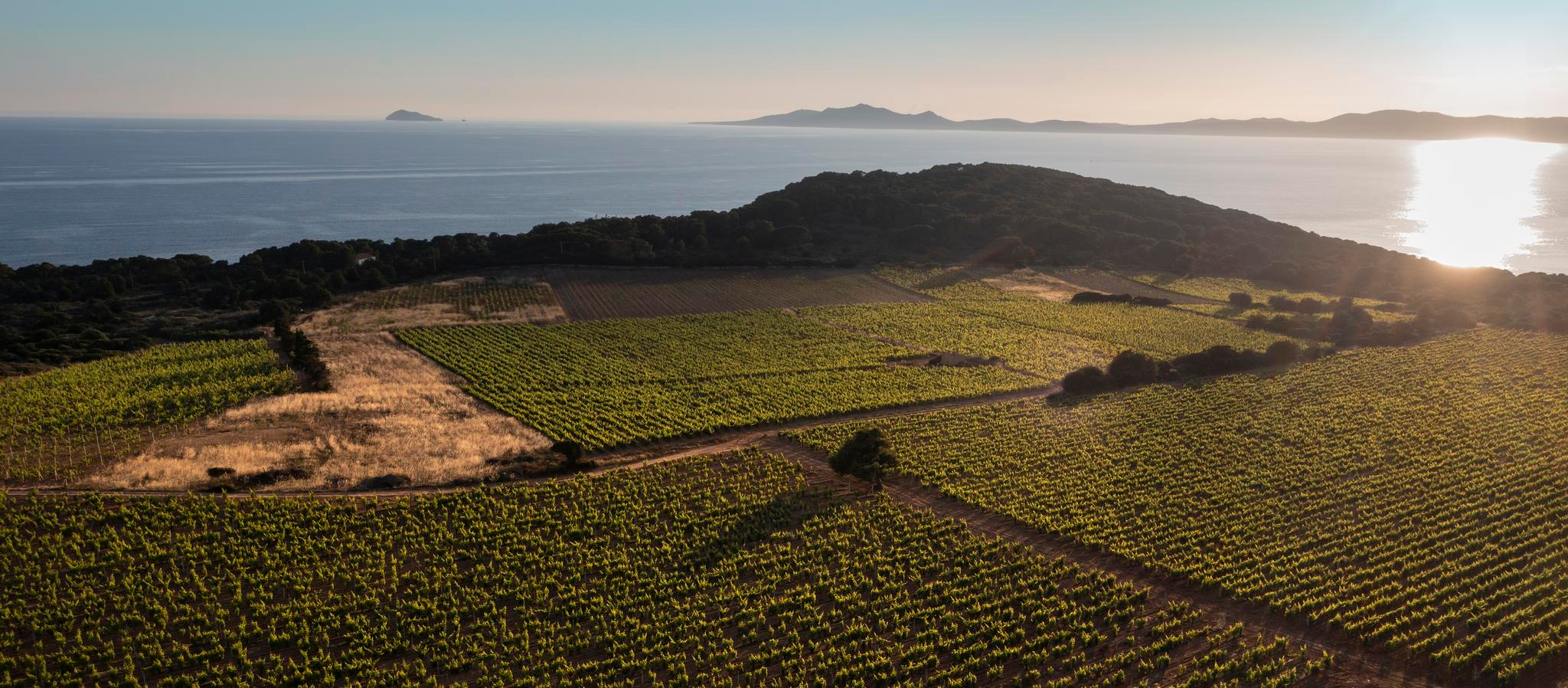
Trails among Carignano's vineyards – Cammino Minerario di Santa Barbara
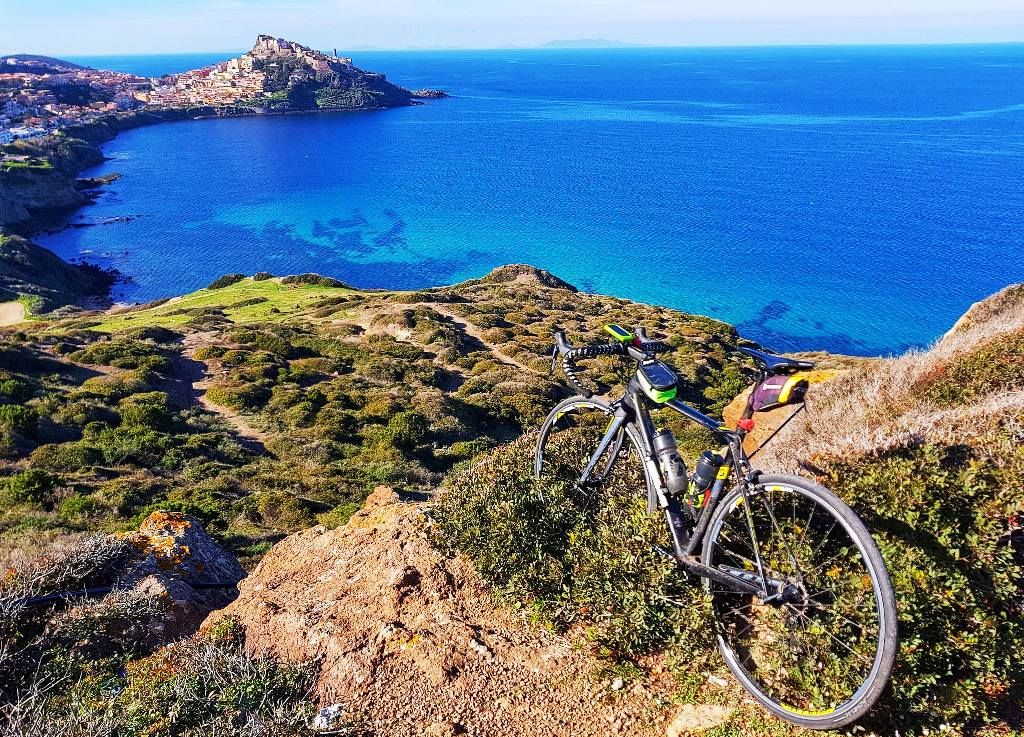
Sardinia by road bike – ten routes to discover the island
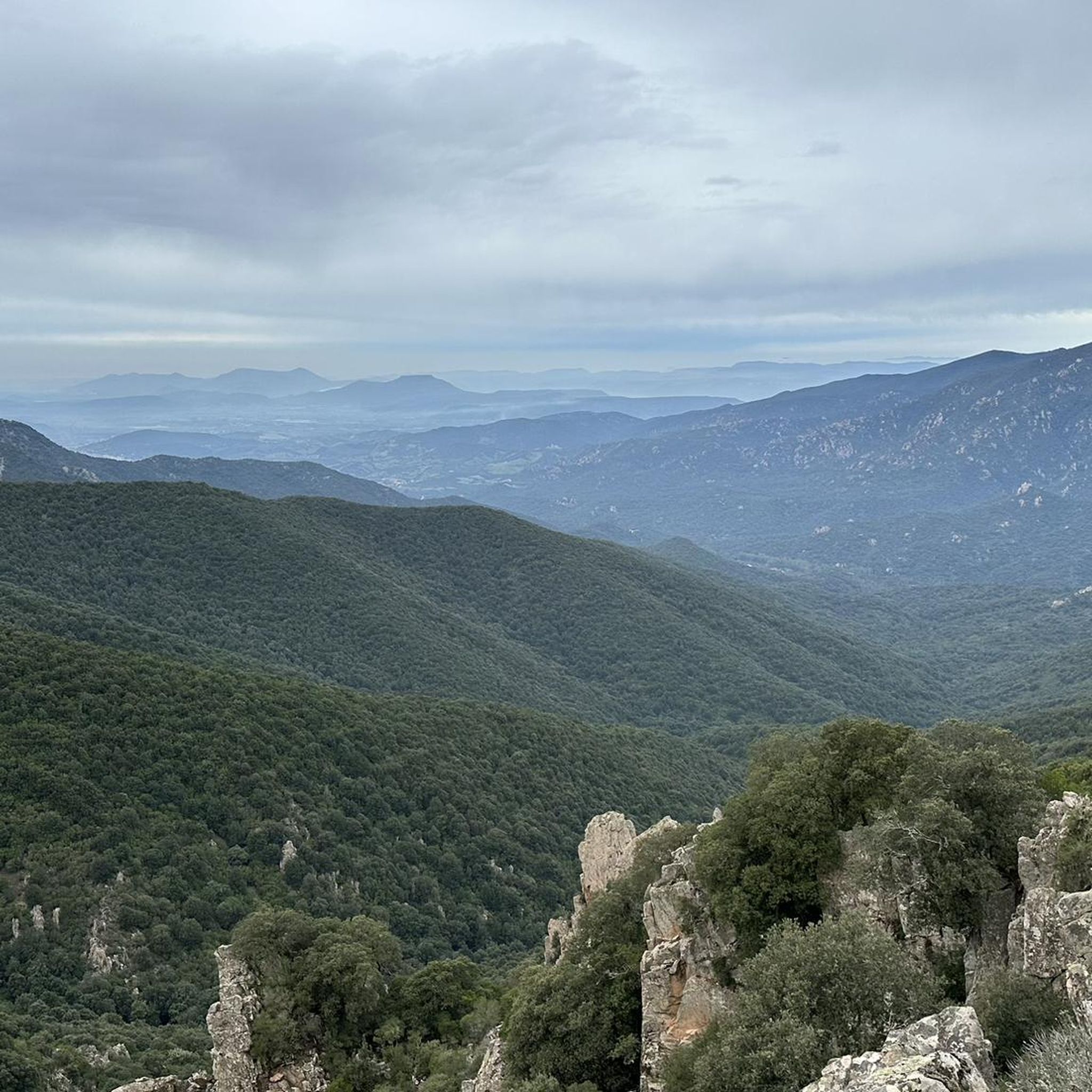
Road Cycling Routes around Santadi
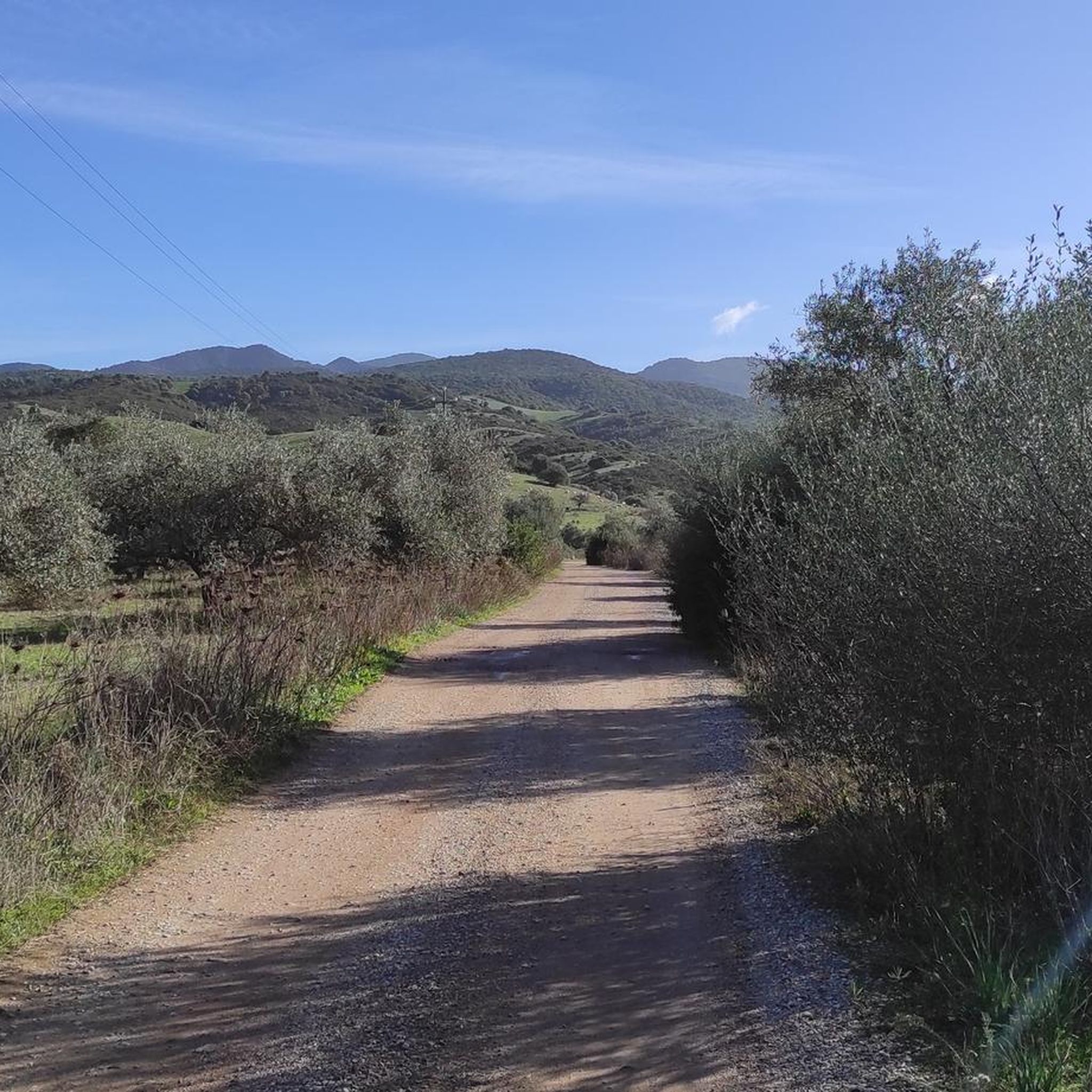
Hiking around Santadi
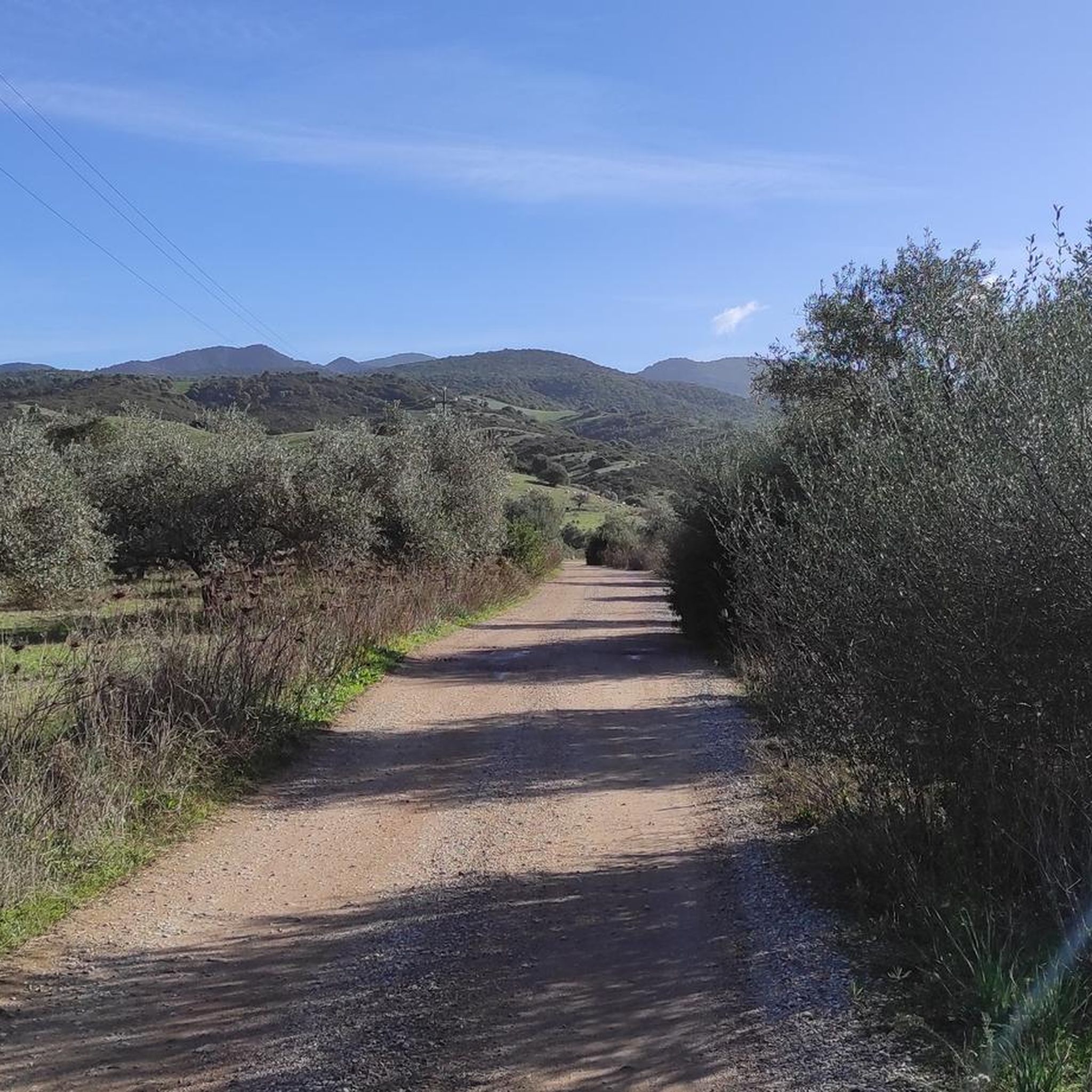
MTB Trails around Santadi
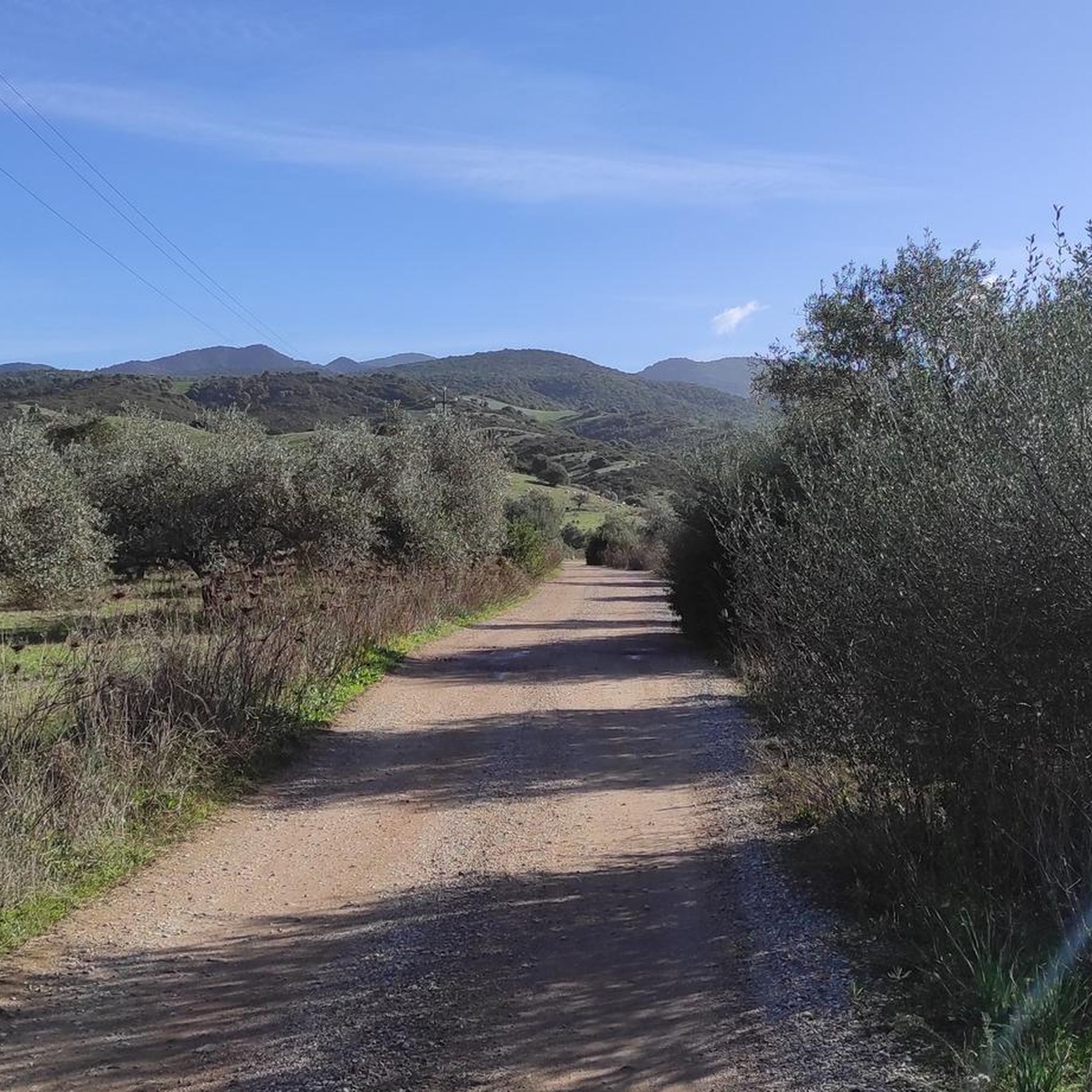
Cycling around Santadi
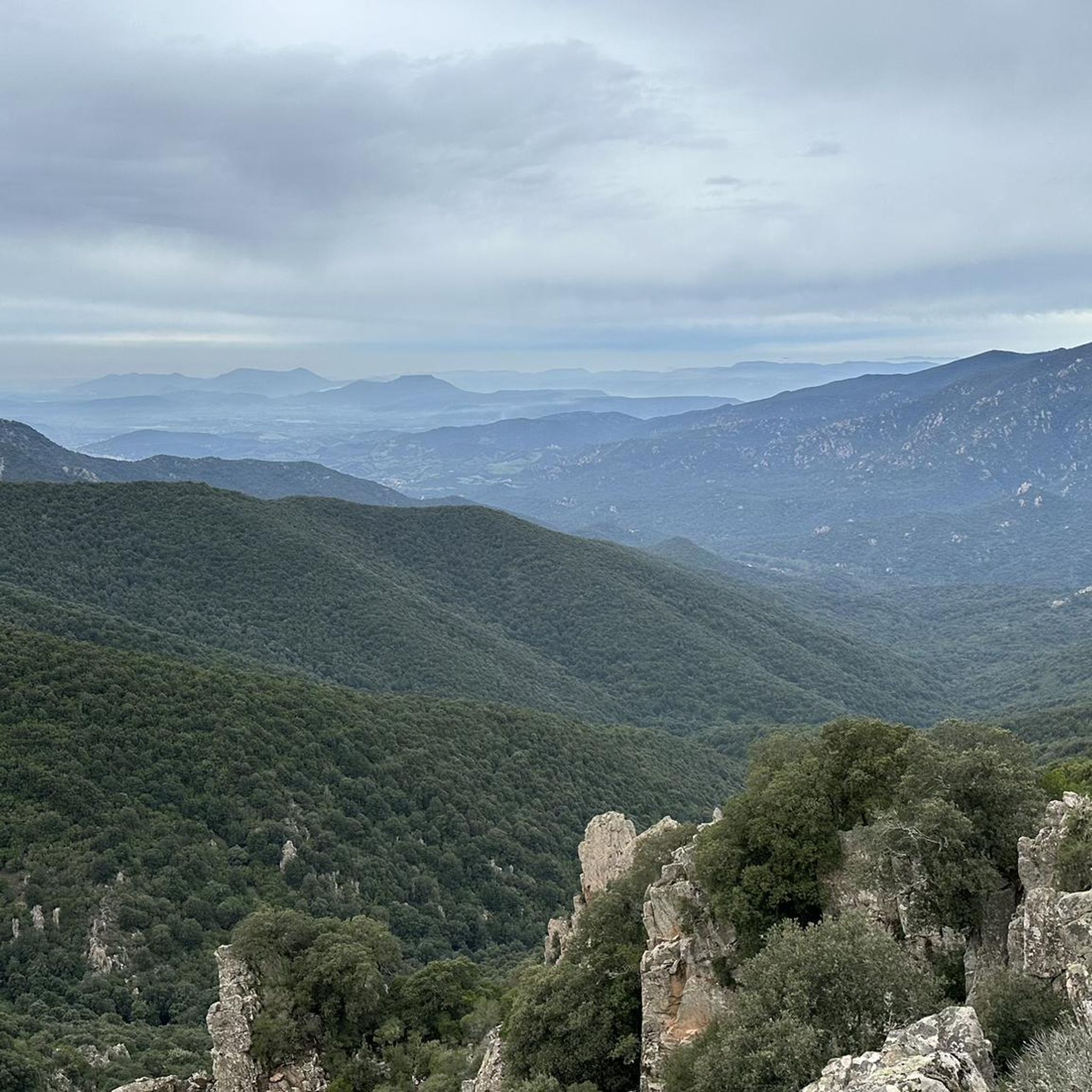
Running Trails around Santadi
Gravel biking around Santadi
Other adventures around Santadi


Tips from the Community

Entry is only allowed with a guide, every 15-30 min. The last tour before the lunch break is at 12:15, afterwards at 15:00.
0
0

A visit including a guided tour is worthwhile. It takes about 1 hour.
0
0

The Is Zuddas caves, located in Sulcis near Santadi, are located in Monte Meana, a 530 million year old Dolomite massif. Discovered in 1971, these active caves maintain a constant temperature of 16°C and high humidity. The 500-meter route reveals remarkable concretions, including the rare needle-shaped aragonites called "cave flowers", and in the initial part there are fossil remains of Prolagus sardus, an extinct endemic lagomorph.
2
0


The Is Zuddas caves were discovered in 1971. They can be visited upon reservation and checking the timetable.
0
0

The Acquacadda Cave, in the Nuxis area, is an important archaeological site used for religious and funerary purposes since the Copper Age (3rd millennium BC). Excavations, begun in the 1960s by the University of Cagliari and resumed in 2019 using modern research techniques, have revealed artifacts of great historical value. For more information and to book your visit, visit the website: https://www.sitosamarchesa.it/index.php/it/
0
1

The park of the Necropolis of Montessu, surrounded by greenery, is beautiful and interesting
0
0
Frequently Asked Questions
What unique geological features can I expect to see in the caves around Santadi?
The caves in the Santadi area, particularly the Caves of Is Zuddas, are renowned for their spectacular concretions. You can admire a diverse array of formations, including stalactites, stalagmites, flowstones, and delicate 'canulas'. Is Zuddas is especially famous for its unique concentration of needle-shaped aragonites, often called 'cave flowers,' and spectacular helictite aragonites, which are thread-like formations that seem to defy gravity.
Are there historical or archaeological cave sites to visit near Santadi?
Yes, the region is rich in historical cave sites. The Montessu Necropolis is a complex of about 40 tombs dating back almost 5000 years, offering a glimpse into ancient burial practices. Another significant site is the Acquacadda Cave Su Montixeddu, an important archaeological site used for religious and funerary purposes since the Copper Age.
What is the typical temperature inside the caves around Santadi?
The active caves in the region, such as the Caves of Is Zuddas, maintain a constant temperature of 16°C (61°F) and high humidity year-round. It's advisable to bring appropriate clothing, even on warm days.
How long does a typical guided cave tour last?
Guided tours at the Caves of Is Zuddas typically last around an hour. This allows visitors to explore the 500-meter tourist route and admire the various chambers and formations.
Are the caves around Santadi family-friendly?
Yes, the Caves of Is Zuddas are considered family-friendly. The tourist route is well-maintained with stairs, making it accessible for most visitors. The unique formations and fossil remains of Prolagus sardus can be fascinating for children.
What should I wear for a cave exploration in Santadi?
Given the constant temperature of 16°C (61°F) and high humidity inside the caves, it's recommended to wear comfortable walking shoes and bring a light jacket or sweater, even if it's warm outside.
What kind of fossil remains can be found in the caves?
In the initial part of the Caves of Is Zuddas, fossil remains of Prolagus sardus have been found. This was an extinct endemic lagomorph, a small mammal native to Sardinia and Corsica.
What outdoor activities can I do near the caves around Santadi?
The area around Santadi offers various outdoor activities. You can explore numerous hiking trails, including routes like the 'Necropolis of Montessu from Villaperuccio' or the 'Menhir Luxia Arrabiosa – Caves of Is Zuddas loop'. There are also road cycling and mountain biking routes available. For more details, you can check out the Hiking around Santadi guide.
Is there parking available at the Caves of Is Zuddas?
Yes, the Caves of Is Zuddas have official parking facilities for visitors.
Are there any cafes or amenities near the caves?
The Caves of Is Zuddas, being a popular tourist attraction, typically have amenities such as cafes or refreshment points nearby. Santadi itself also offers various local amenities.
What is the best season to visit the caves around Santadi?
The caves maintain a constant temperature year-round, making them a suitable visit in any season. However, visiting during spring or autumn might offer more pleasant weather for exploring the surrounding region before or after your cave tour.
Are there any other notable historical cave sites besides Montessu and Acquacadda?
Yes, the region also features other significant historical cave sites such as Tombs 29–35 and Domus de Janas Tombs 1–5, which are part of ancient necropolises with carved chambers and unique patterns.
Most popular attractions around Santadi

Get inspired with the komoot mobile app


Explore more
Extend your search for the best caves by checking out these guides of the top ones around Santadi:
