Top 13 Castles around Carpegna
Best castles around Carpegna are found in the charming village of Carpegna, located in Italy's Marche region, deeply intertwined with the historical Montefeltro area. This region is characterized by its rugged terrain and historical significance, offering a blend of natural beauty and ancient architecture. The primary historical structure is the Palazzo dei Principi di Carpegna, a grand palace with a "palace-fortress" character. The area provides a unique glimpse into noble family history and architectural styles.
Best castles around Carpegna
- The…
Last updated: October 3, 2026
Rocca di Maioletto
Highlight • Castle
═════════════════
👇 here the video in 4K 👇
Translated by Google •
Tip by

Montecopiolo Castle
Highlight • Castle
Translated by Google •
Tip by

Sign up now to discover places like this
Get recommendations on the best single tracks, peaks, & plenty of other exciting outdoor places.
Pietrarubbia village
Highlight • Settlement
Translated by Google •
Tip by

Rocca di Maioletto
Highlight (Segment) • Castle
Translated by Google •
Tip by

Monte San Marco Castle Ruins
Highlight • Castle
Translated by Google •
Tip by
Sign up for free to discover even more castles around Carpegna.
Already have an account?
Start today with a free account
Your next adventure awaits.
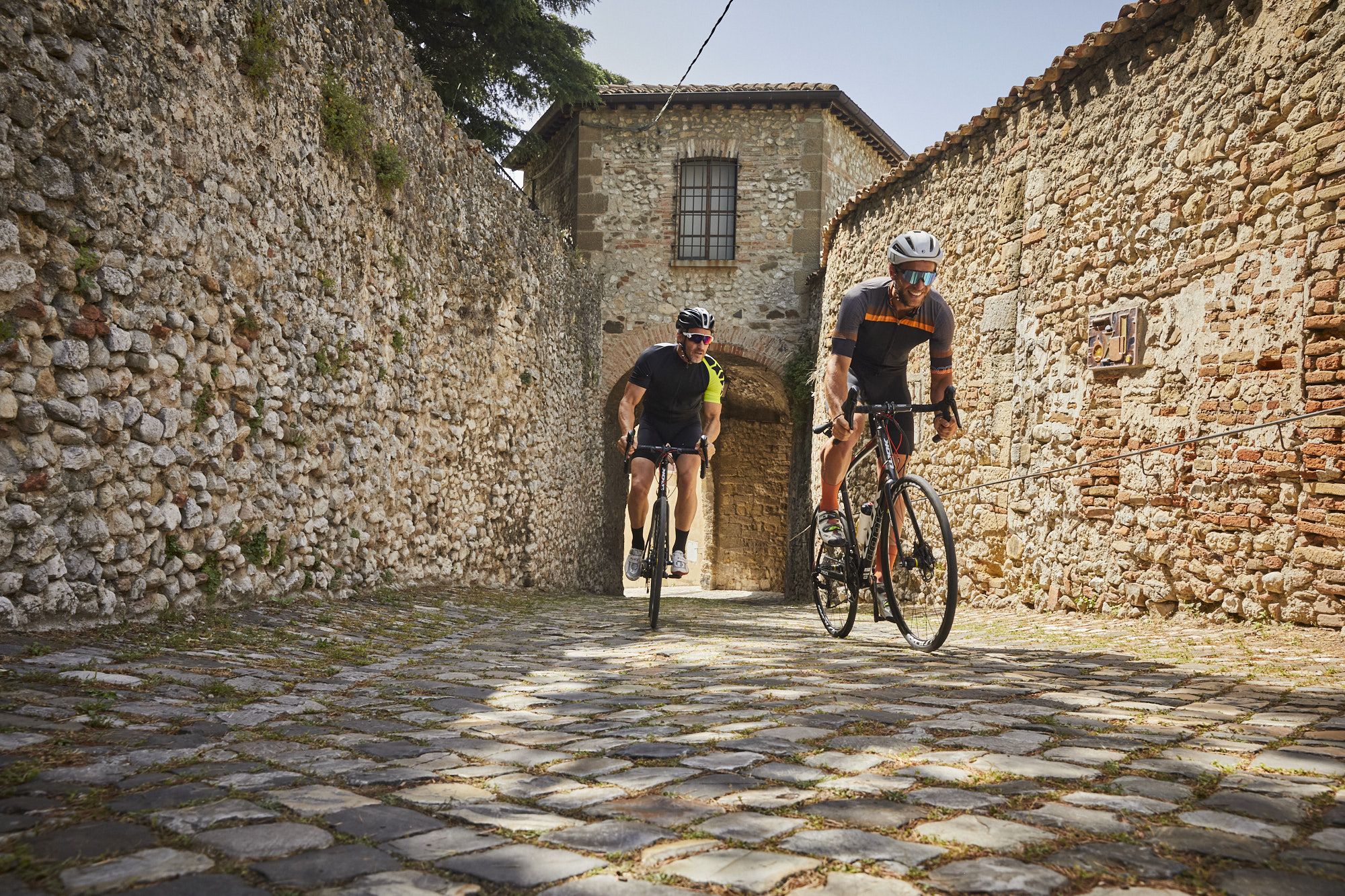
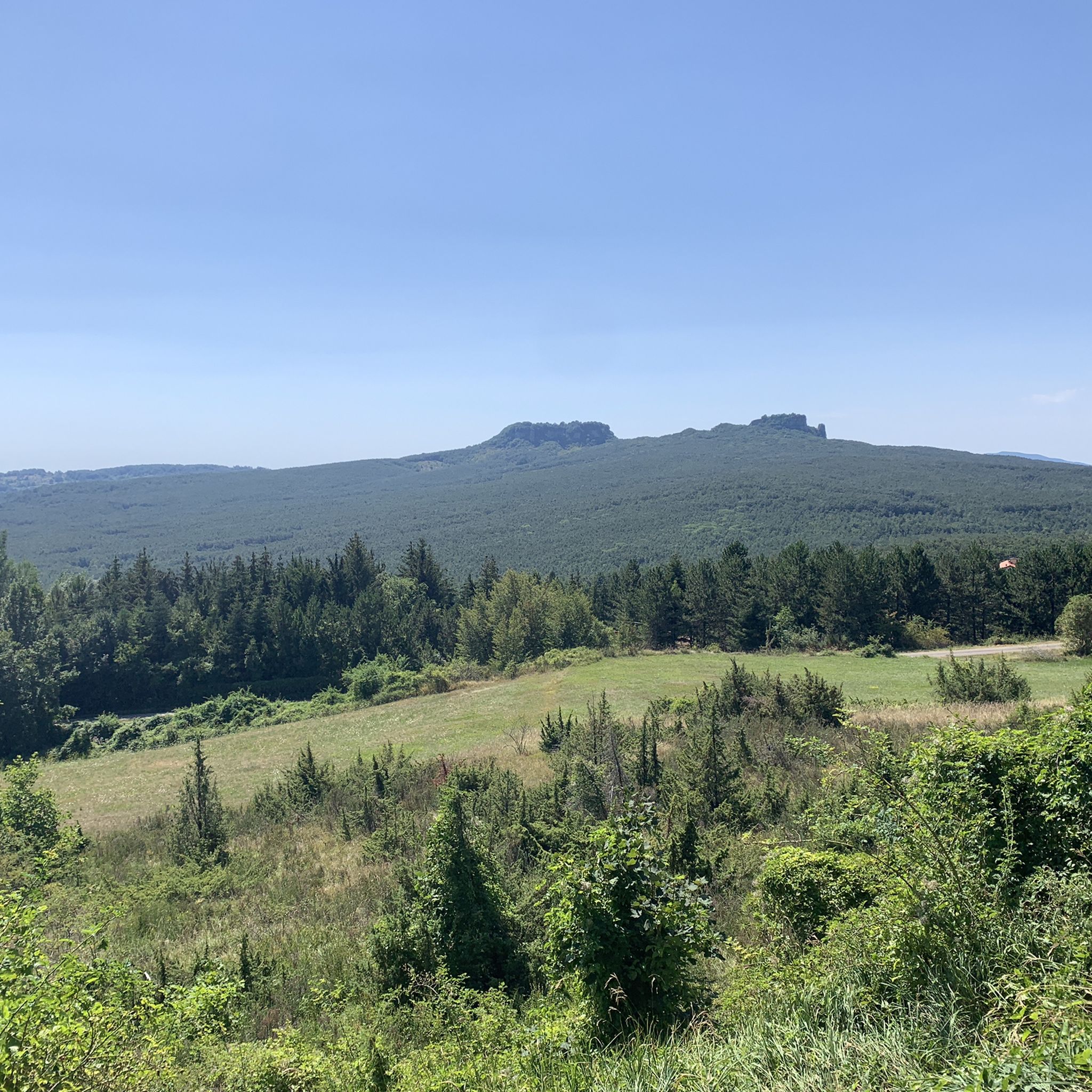
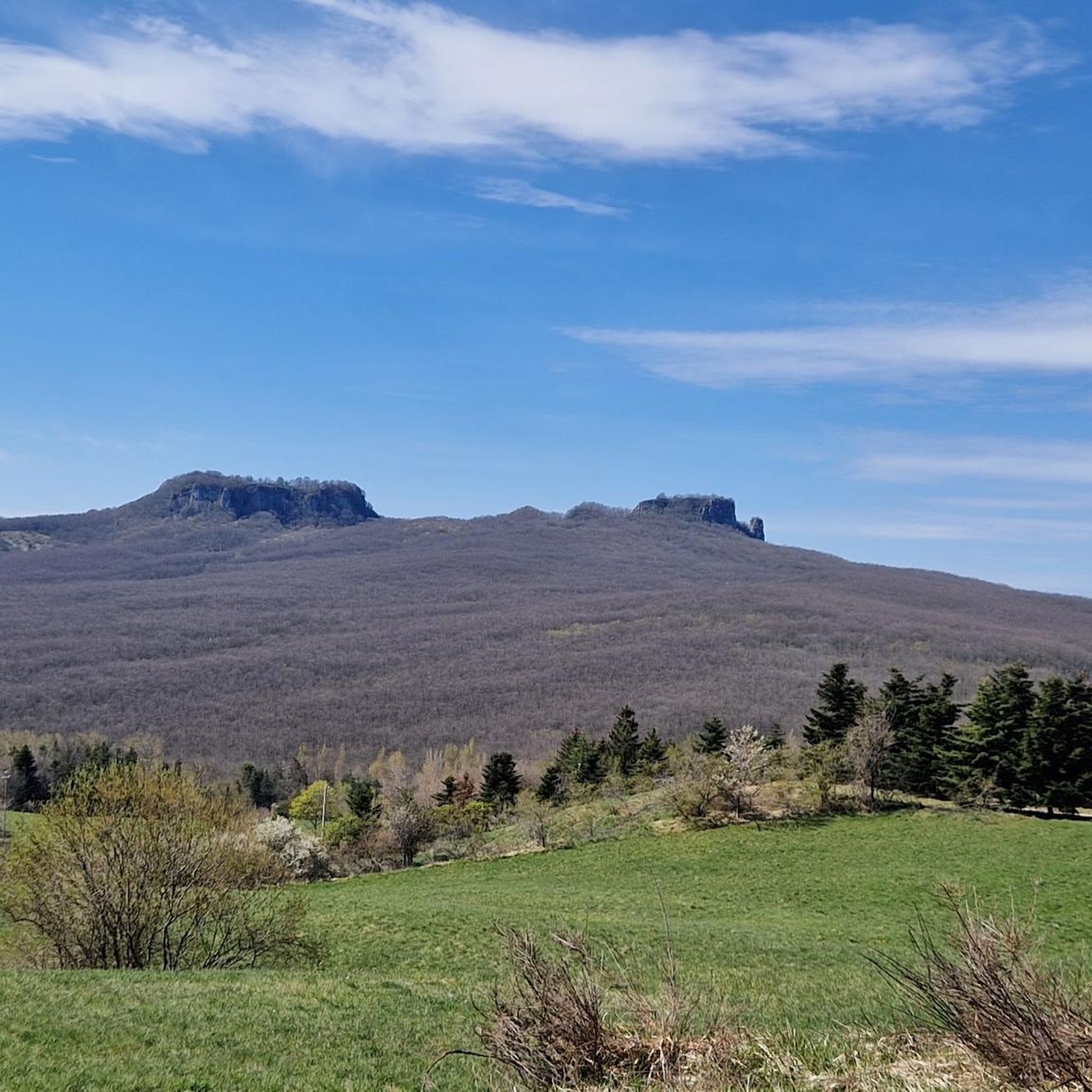
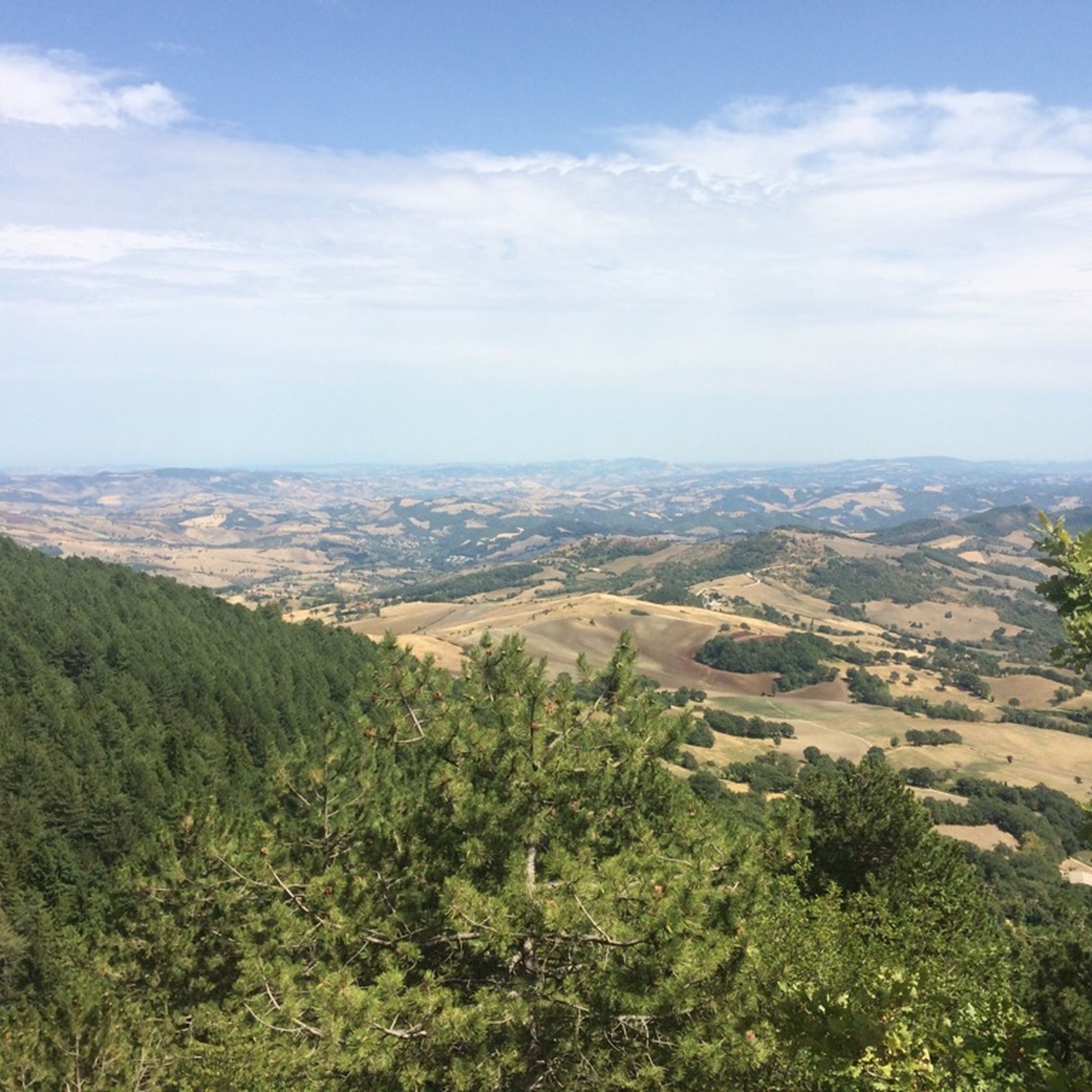
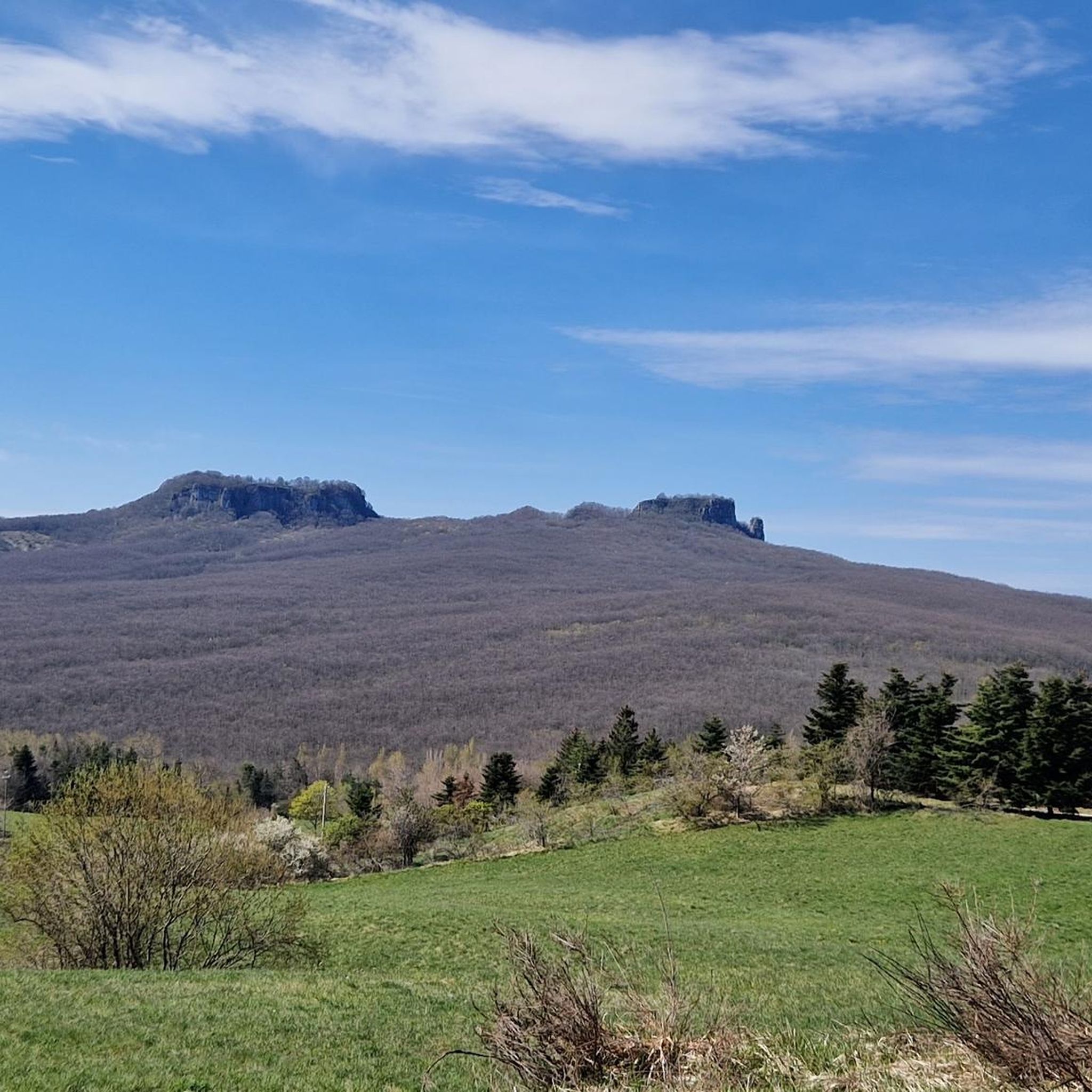
Other adventures around Carpegna

Tips from the Community

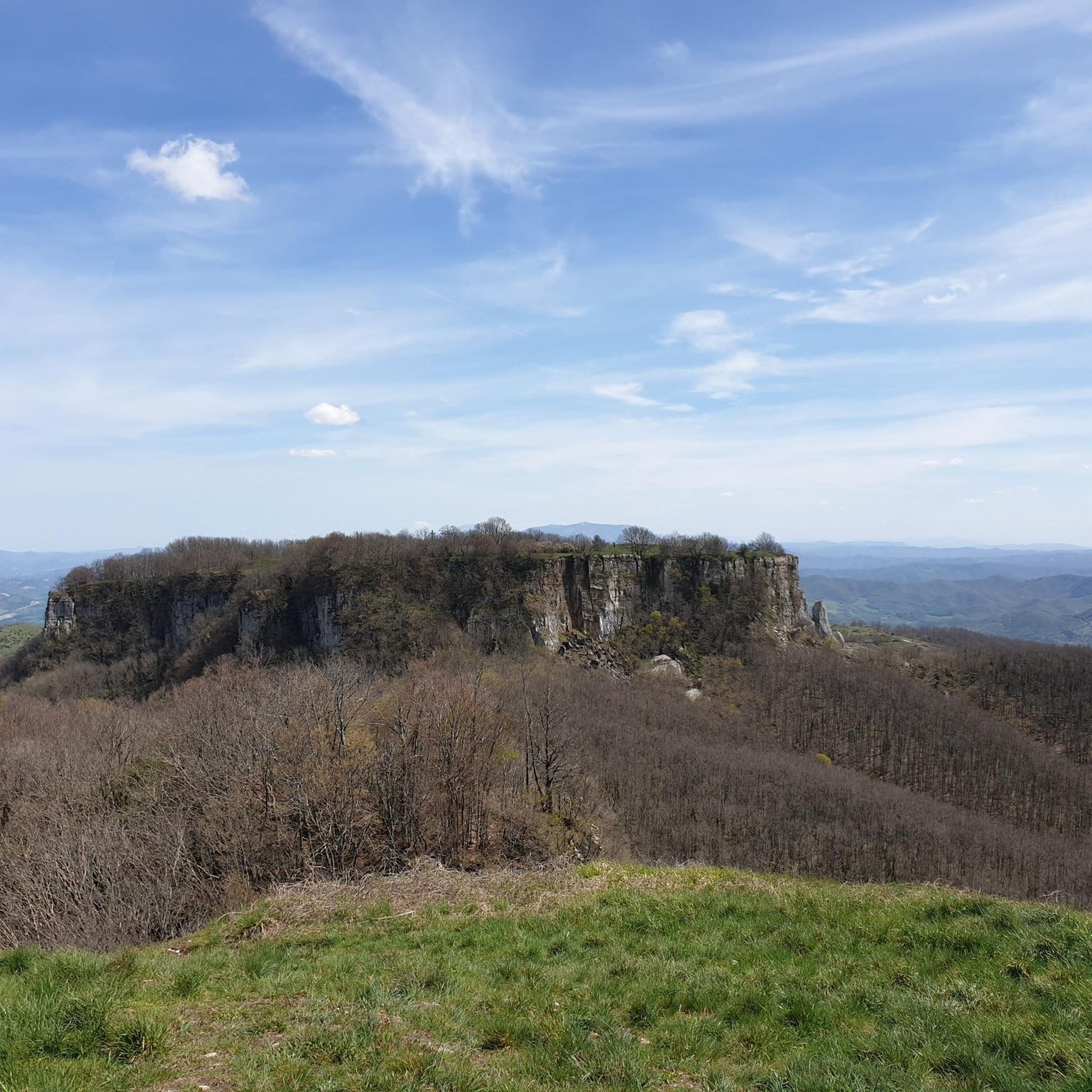
La Rocca di Maioletto stands on the remains of the ancient village destroyed by the landslide of the 1700s, one of the most serious geological events in the area. Of medieval origin, the fortress played an important defensive role thanks to its strategic position. From here you can enjoy an excellent panorama. The path is very steep and slippery in places, suitable shoes are required, however, you can also use a rope.
1
0

The tiny village of Pietarubbia is located on the slopes of Mount Carpegna in a quiet and panoramic position. It is one of the oldest fortified villages in Montefeltro and is dominated by a Castle of which only one tower remains today. The name derives from Pietra Rubea, meaning "red stone", due to the reddish color of the rocks on which it stands.
0
0

Perched on a rock overlooking the Apsa torrent valley, on the southern slopes of Mount Carpegna, the village of Pietrarubbia is one of the oldest (if not the oldest) of the entire Montefeltro, with its origins that can be dated around the year 1000 ... What is certainly certain is that the village belonged to the Counts of Carpegna as early as 1137, and was equipped with an imposing Castle that stood on a red stone rock (from which the name petra rubea derives, later becoming Pietrarubbia) overlooking the valley below, characterized by excellent natural defenses so much so that it was later called "castrum inexpugnabile". The Montefeltro family originated from a branch of the Counts of Carpegna family, which gradually extended its influence throughout the Duchy of Urbino, with Pietrarubbia playing the role of an important defensive bulwark ... In the following centuries Pietrarubbia was the scene of bloody battles, first between the Guelph and Ghibelline factions within the Montefeltro family, and then between the Montefeltros and the Malatestas, who fought for a long time for control of the Castle, which changed hands several times. ... The following centuries were certainly quieter than the era of great battles that had just ended, however Pietrarubbia, precisely because of its particular conformation that transformed it into an almost impregnable fortress, went through a phase of decline and progressive abandonment, as in a period of peace the defensive function of the Castle became superfluous, and the inhabitants gradually but inexorably moved towards the valley ... The ancient village was completely depopulated around 1960, going through a phase of further decline, interrupted in the last years of the last century thanks also to the intervention of the famous sculptor Arnaldo Pomodoro who, after having acquired the ownership of some of the most important buildings in the town, founded in 1990 the T.A.M., a school dedicated to the treatment of metals located right inside the historic center of Pietrarubbia. Nowadays the village is completely renovated and, although not permanently inhabited, it is very popular with tourists or simply curious people attracted by this place that presents itself as a real open-air museum. (Source: https://www.borghipesarourbino.it/castelli-e-rocche/pietrarubbia/ )
0
0
The Rocca di Maioletto is an ancient fortress located in Maiolo, in the province of Rimini, Emilia Romagna, Italy. The fortress was built on a gigantic mass of sand and clay and dominates the valley.
0
0
The Rocca di Maioletto is an ancient fortress located in Maiolo, in the province of Rimini, Emilia Romagna, Italy. The Rocca di Maioletto was built on a gigantic boulder of sand and clay and the few restored ruins are the remains of one of the most difficult fortresses to conquer in the entire Valmarecchia and Montefeltro. Legend has it that the fortress of Maioletto and the village below were destroyed by a landslide, which tradition indicates occurred between 29 and 30 May 1700 as divine punishment for an "angelic dance held within the castle walls".
1
0
Very beautiful route, the first stretch from Boscara is entirely on asphalt, then when you reach the first part of the gully you walk on clay and then you can climb via a ladder and a stretch of rope up to the castle.
0
0

Rocca Di Maiolo (or Maioletto) ═════════════════ 👇 here the video in 4K 👇 https://youtu.be/ikL1t7IUx3c
1
0

getting to the fortress involves some physical effort, you have to be careful of the sandy ground and help yourself with a rope, so wear suitable shoes
0
0
Frequently Asked Questions
What is the main historical structure to visit in Carpegna itself?
The primary historical structure in Carpegna is the Palazzo dei Principi di Carpegna. This grand palace, also known as Palazzo Carpegna, was designed by Giovanni Antonio de Rossi and completed in the late 17th century. It offers a unique glimpse into the opulent lifestyle of a powerful Italian noble family and features period furnishings, a rich library, and archaeological artifacts. You can tour the palace by appointment on Saturdays and Sundays, and by reservation on other days.
What are some other significant historical castles or ruins in the Carpegna region?
Beyond the Palazzo dei Principi, the region offers several other historically rich sites. You can explore Montecopiolo Castle, the birthplace of the noble Montefeltro family, now an ancient walled village in ruins. Another must-see is Rocca di Maioletto, an ancient fortress with few restored ruins, known as one of the most difficult fortresses to conquer in the Valmarecchia and Montefeltro regions. The Petrella Guidi Medieval Village also features a historical castle, assigned by Honorius II in 1125.
Are there opportunities for outdoor activities near the castles around Carpegna?
Yes, the area around Carpegna is excellent for outdoor activities. You can find numerous routes for hiking, mountain biking, and road cycling. For example, there are challenging MTB trails like the 'Carpegna boundary stone – Passo Marco Pantani loop' and scenic cycling routes such as the 'Marco Pantani Pass – Ascent to Monte Carpegna loop'. Hikers can enjoy trails like 'From Passo Cantoniera to Sasso Simone' or 'From Carpegna to Monte Carpegna'. You can find more details on these activities in the Hiking around Carpegna, MTB Trails around Carpegna, and Cycling around Carpegna guides.
What is the best time of year to visit the castles around Carpegna?
The best time to visit the castles and explore the Carpegna region is generally during the spring (April to June) and autumn (September to October). During these seasons, the weather is typically mild and pleasant for exploring historical sites and engaging in outdoor activities like hiking and cycling. Summer can be warm, while winter might bring colder temperatures and potentially snow, especially at higher elevations.
Are there any family-friendly castle experiences in the Carpegna area?
While specific 'family-friendly' designations for each castle are not always available, exploring the historical villages and ruins can be an engaging experience for families. The Petrella Guidi Medieval Village, for instance, offers a chance to wander through an ancient settlement with a castle, which can spark imagination. The Pietrarubbia village, completely renovated and presenting itself as an open-air museum, can also be an interesting and educational visit for families.
Can I bring my dog to the castles or nearby areas?
Many outdoor areas and trails around Carpegna are dog-friendly, allowing you to enjoy walks with your pet. However, specific rules for bringing dogs inside historical buildings like the Palazzo dei Principi di Carpegna or within the immediate ruins of other castles may vary. It's advisable to check directly with the specific site you plan to visit regarding their pet policies. Generally, exploring the exterior grounds of ruins like Montecopiolo Castle or the Rocca di Maioletto is often permissible with leashed dogs.
Are there any castles with notable viewpoints in the Carpegna region?
Yes, several historical sites offer impressive viewpoints. The Montecopiolo Castle is located on the Roccaccia hill, providing an unparalleled natural setting. The Rocca di Maioletto, built on a gigantic boulder, also offers panoramic views of the Valmarecchia and Montefeltro regions. Additionally, the Monte San Marco Castle Ruins are situated on a limestone peak, offering expansive vistas.
How can I reach the castles around Carpegna by public transport?
Reaching some of the more remote castle ruins and historical sites around Carpegna primarily relies on personal transportation. While Carpegna village itself has some local bus services, direct public transport links to all individual castle highlights are limited. For the Palazzo dei Principi di Carpegna, located within the village, it is more accessible. For sites like Montecopiolo Castle or Rocca di Maioletto, a car is generally recommended for convenience and flexibility.
What makes the Carpegna region's castles historically important?
The castles and historical sites around Carpegna are deeply intertwined with the powerful Carpegna-Falconieri and Montefeltro families, two of Italy's noblest lineages. The region was a strategic stronghold, with structures like Montecopiolo Castle being the birthplace of the Montefeltro family, and Pietrarubbia village serving as an important defensive bulwark. These sites witnessed centuries of battles and political maneuvering, reflecting the region's significance in the history of the Duchy of Urbino and the Papal States.
Are there any less crowded or unique historical sites to explore near Carpegna?
For a unique and less crowded experience, consider visiting the Pietrarubbia village. Perched on a rock overlooking the Apsa torrent valley, it's one of the oldest villages in Montefeltro, once considered a 'castrum inexpugnabile'. Although largely depopulated in the past, it has been renovated and now functions as an open-air museum, offering a tranquil exploration of its ancient history and the remains of its castle. The Monte San Marco Castle Ruins also offer a more rugged and less frequented historical exploration on a prominent limestone peak.
Where can I find dining options when visiting the castles around Carpegna?
Carpegna village itself offers various dining options, including local restaurants and cafes where you can enjoy traditional Marche cuisine. For castles located further afield, such as Montecopiolo Castle or Petrella Guidi Medieval Village, you might find small eateries in nearby towns or villages. It's a good idea to check local listings or plan your visit to coincide with a return to Carpegna for a wider selection of dining choices.
Most popular routes around Carpegna
Most popular attractions around Carpegna

Get inspired with the komoot mobile app


Explore more
Looking for the best castles somewhere else? Discover other guides around Carpegna:
