Top 11 Caves around Levico Terme
Best caves around Levico Terme are found in the surrounding Valsugana and Lagorai region, characterized by diverse karstic formations. While the immediate vicinity of Levico Terme features natural sinkholes and chasms, the broader area offers a range of underground explorations. This region is known for its geological features, including both accessible tourist caves and more challenging systems for experienced speleologists. The landscape provides a natural setting for discovering these unique subterranean environments.
Best caves around Levico Terme
- The most popular…
Last updated: June 30, 2026
Siesòn Cave (or Sciasòn Chasm)
Highlight • Cave
Translated by Google •
Tip by

Stonhaus Sinkhole
Highlight • Cave
Translated by Google •
Tip by

Sign up now to discover places like this
Get recommendations on the best single tracks, peaks, & plenty of other exciting outdoor places.
Sign up for free
Gorgo Santo
Highlight • Cave
Rainwater and snow water are not retained by the Luserna Plateau due to the karst composition of the …
Translated by Google •
Tip by
Busa del Can Sinkhole
Highlight • Cave
Translated by Google •
Tip by

Tarbisa Trail
Highlight (Segment) • Trail
Translated by Google •
Tip by
Sign up for free to discover even more caves around Levico Terme.
Sign up for free
Already have an account?
Start today with a free account
Your next adventure awaits.
Login or Signup
Popular around Levico Terme
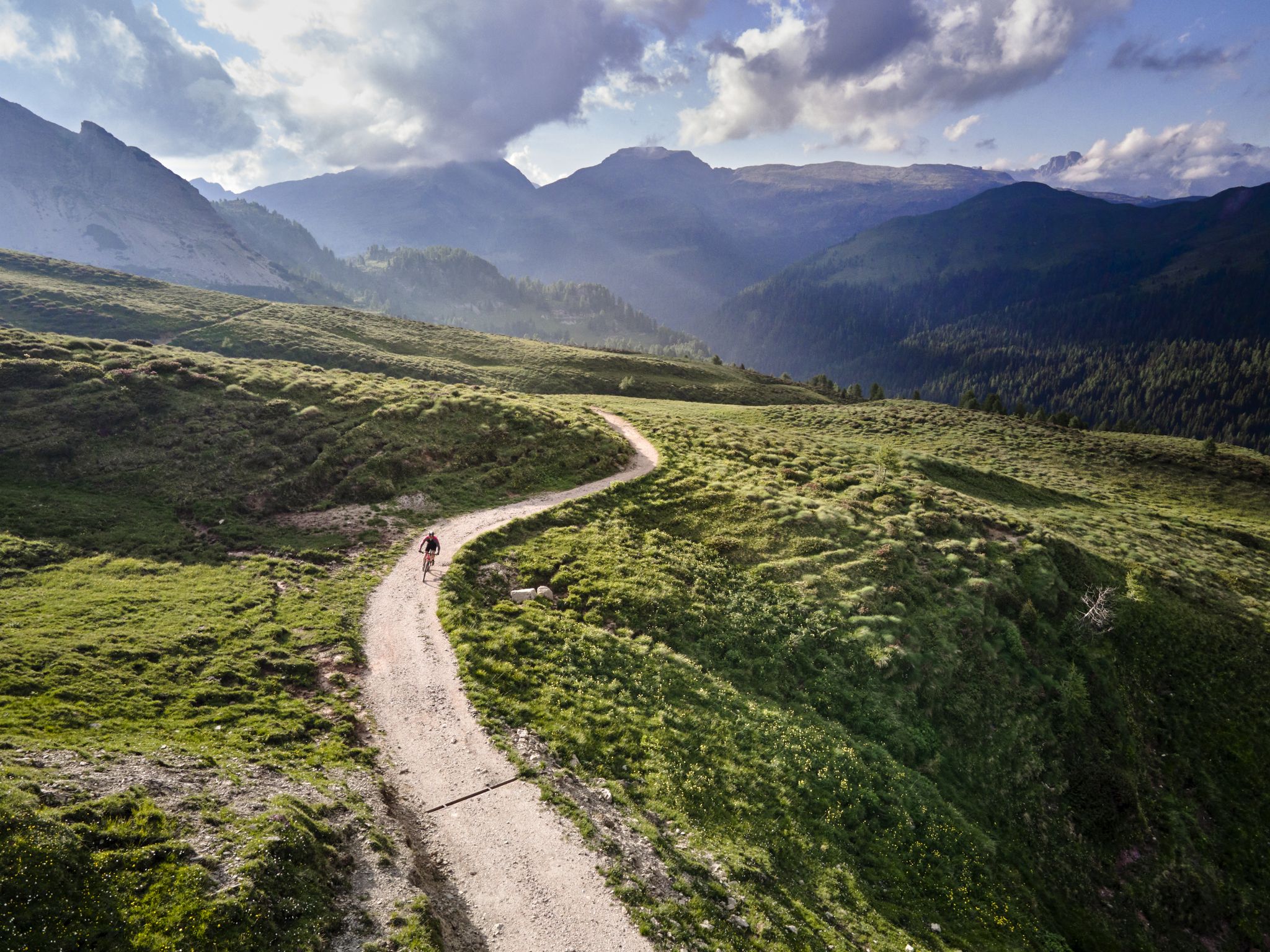
Mountain biking in the heart of the Dolomites
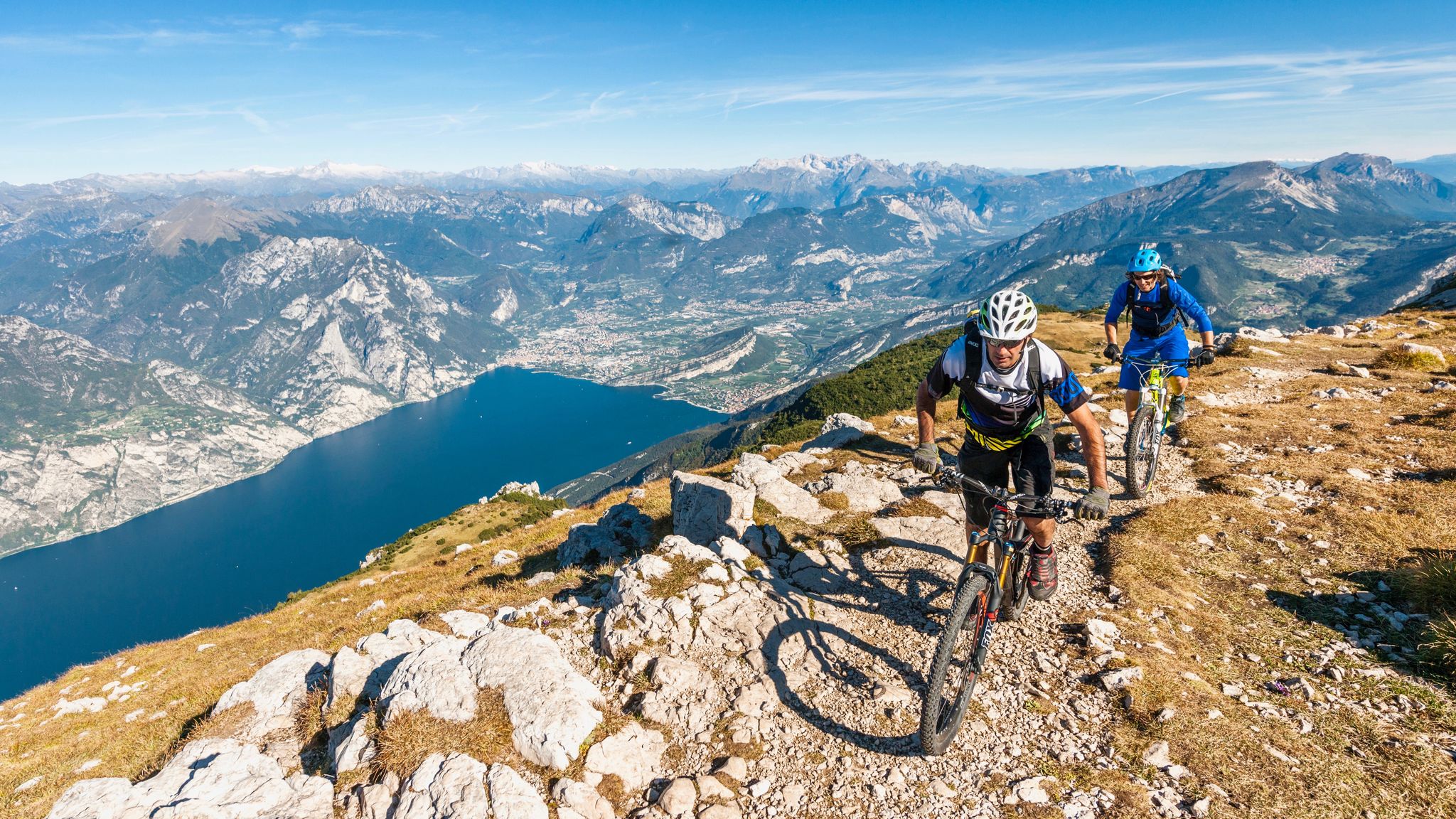
Mediterranean bike tours in alpine altitudes
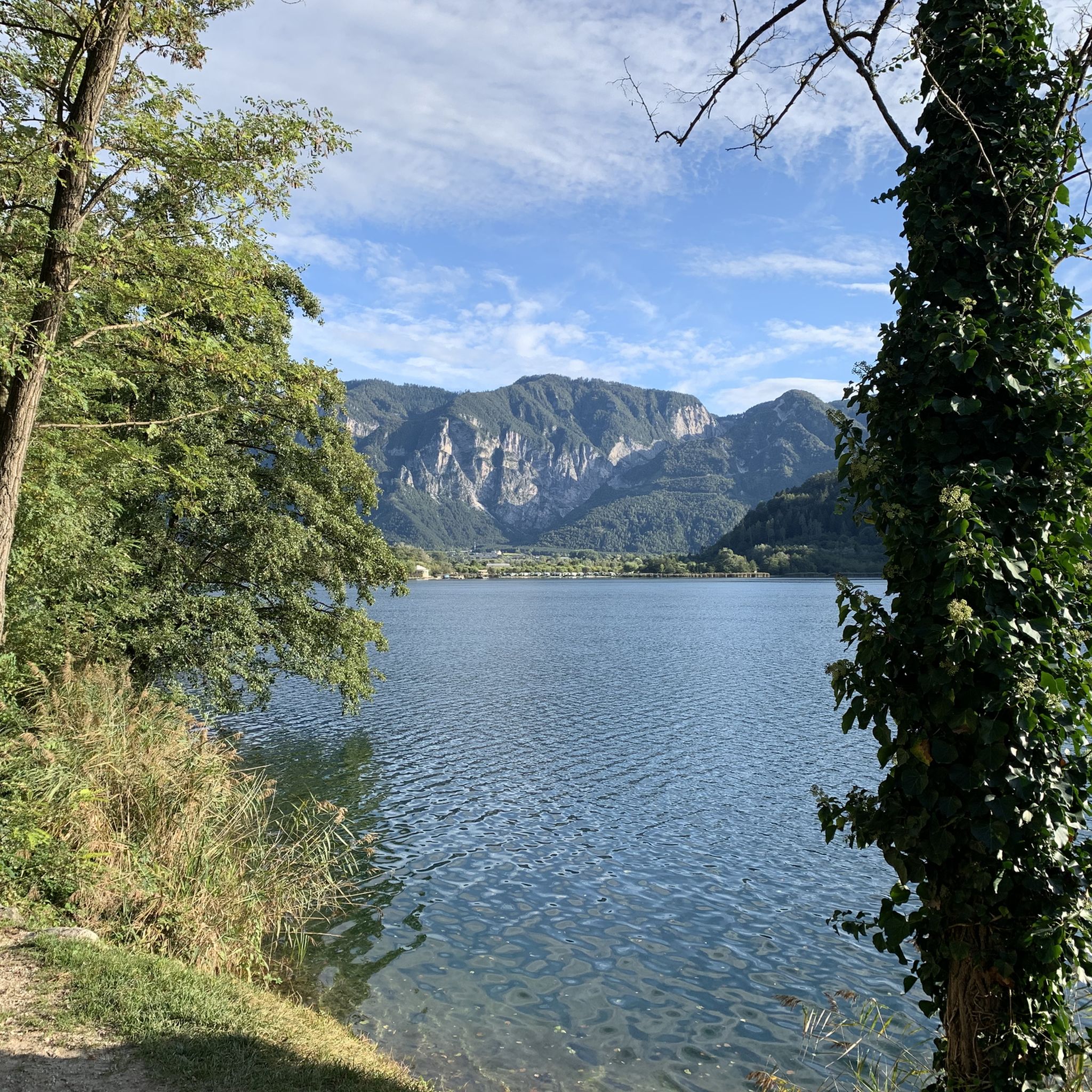
Hiking around Levico Terme
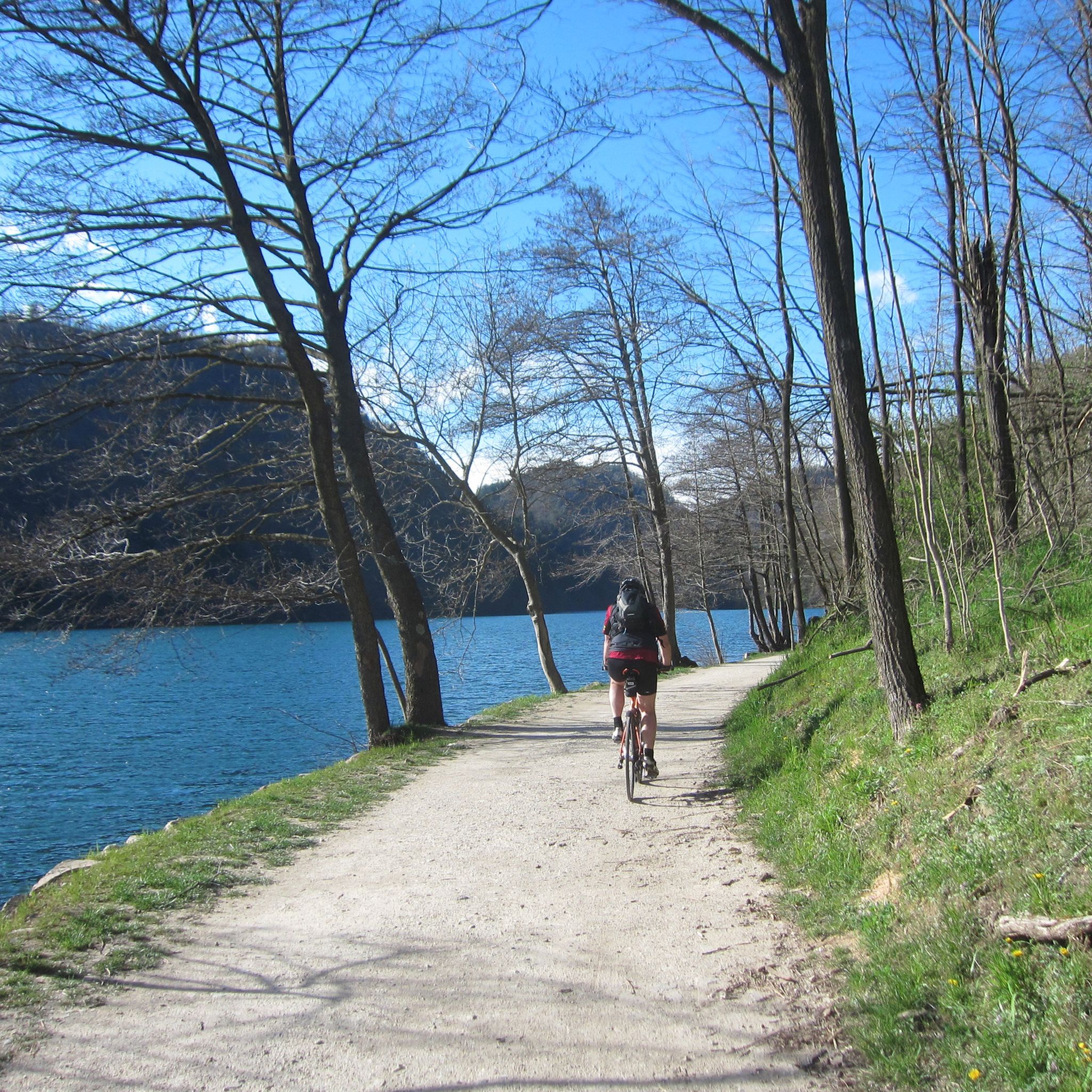
Cycling around Levico Terme
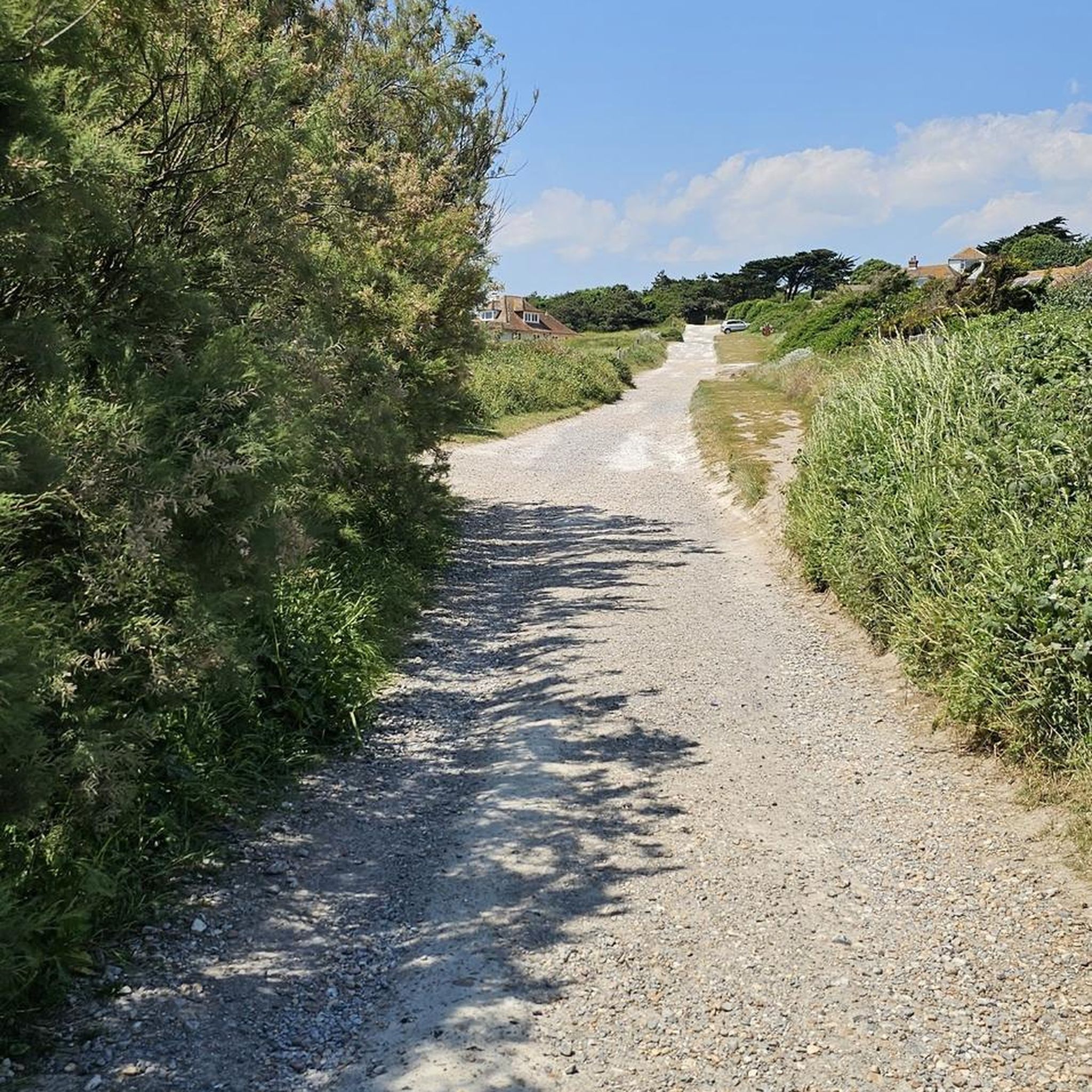
MTB Trails around Levico Terme
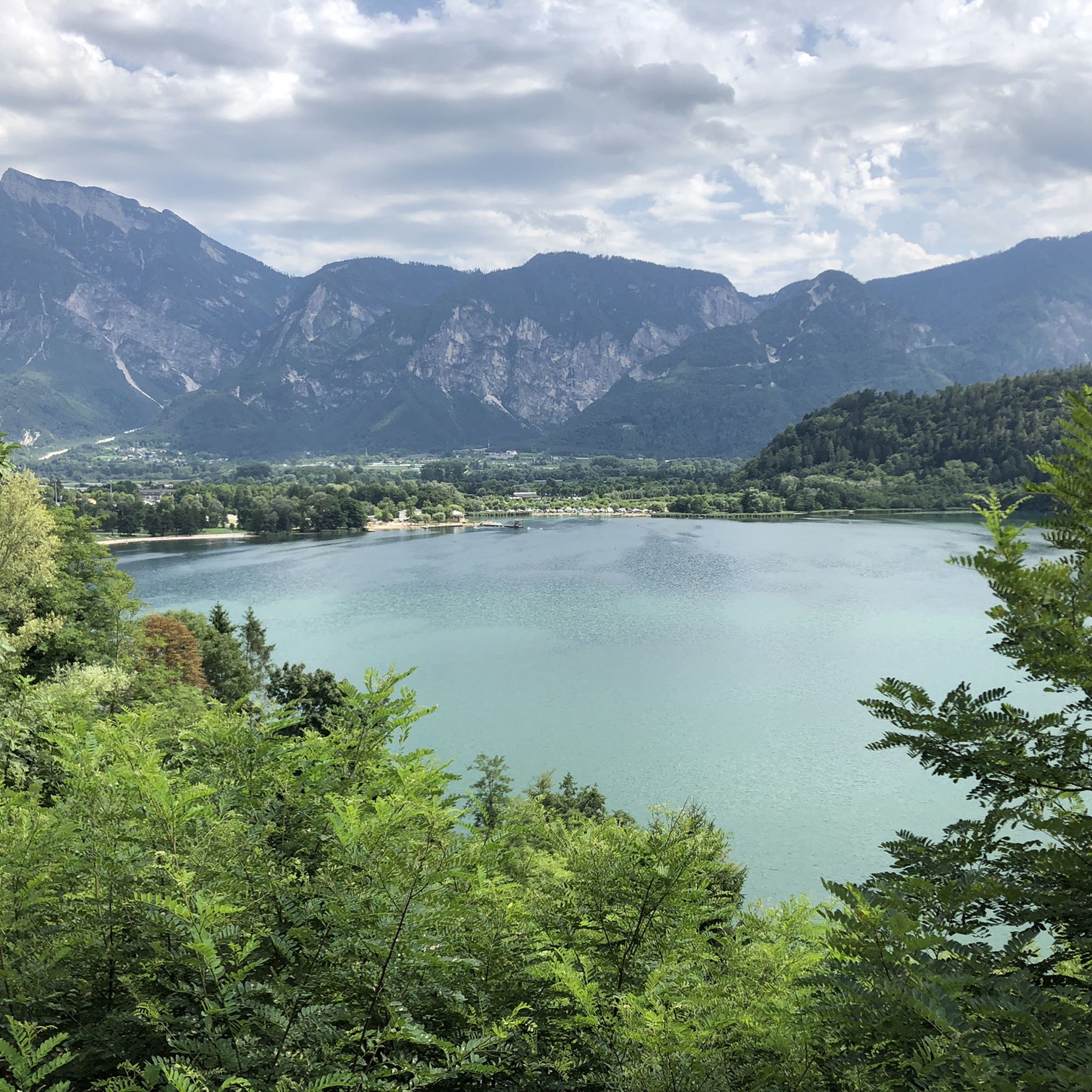
Road Cycling Routes around Levico Terme
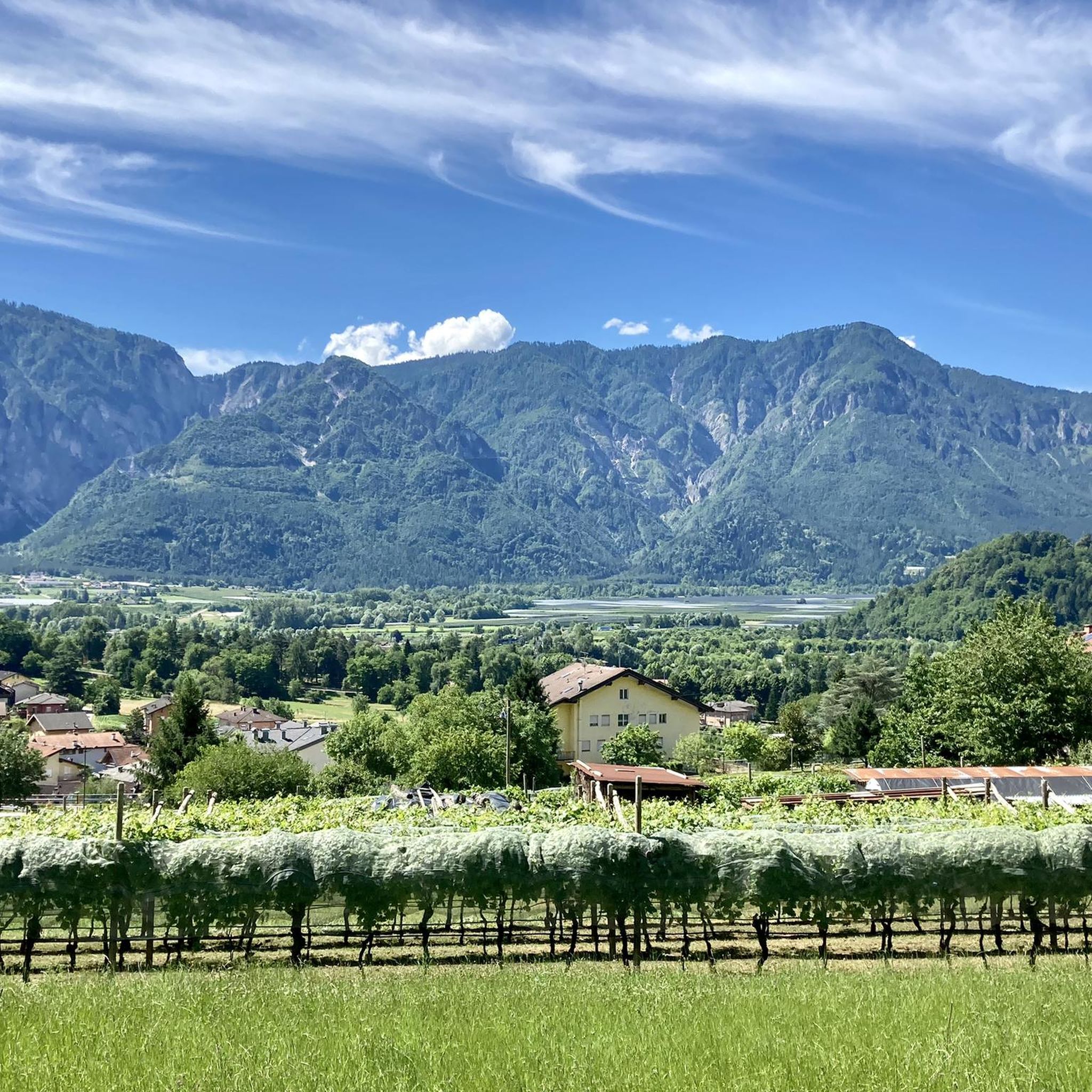
Running Trails around Levico Terme

Gravel biking around Levico Terme
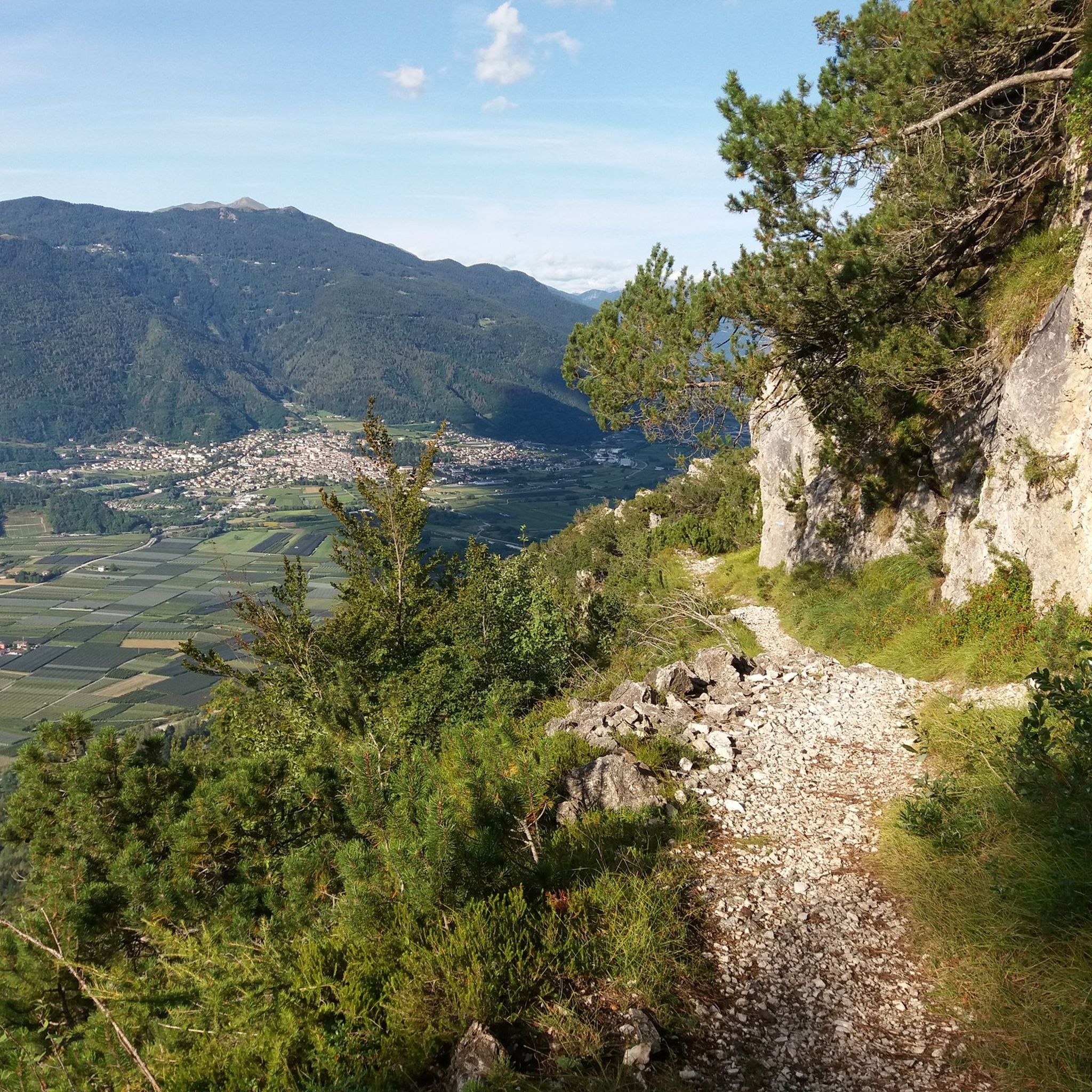
Mountain Hikes around Levico Terme


Tips from the Community

the sinkhole is quite impressive and quite intimidating
0
0

A foaming and thunderous waterfall cascades from the spring known as 'Gorgo Santo' (which can be visited a little further along, climbing the trail —> see related highlight). The small bridge actually spans two waterfalls, one upstream and one downstream. I recommend descending to the paved road below, on the border between the hamlets of Scalzeri and Longhi, for a spectacular view of the stream cascading through a series of rapid drops before flowing into the Astico River. I also recommend visiting this site after days of rain or when the snow has melted in the mountains, to see the water swollen and rushing!
0
0

The diameter and depth of the chasm are impressive. It's scary. I advise caution in the cold months (and not only) as there is ice everywhere and the area becomes a skating rink, although there are protective barriers. I speak from lived experience....
2
0

Natural chasm that nature is now recovering, worth seeing if you pass through the area
0
0

Karst gorge typical of this type of mountain. There are many throughout the plateau, just look carefully at the maps
1
0

Unpaved stretch, not too demanding, from where you can enjoy very beautiful landscapes and on occasion not very frequented passages
1
0

Along the road that goes from Campogallina to Selletta Mecenseffy and Bivio Italia, you come across this very deep well classified in the Venetian speleological register. The entrance to the well is located at street level and is not protected in any way. Therefore, pay maximum attention especially if you have children or even animals. It could be very dangerous.
5
0
The Gorgo Santo is a spring that features a very rare phenomenon... Rainwater and snow water are not retained by the Luserna Plateau due to the karst composition of the terrain; instead, it flows down the valley through tortuous underground passages. Under normal conditions, it flows from the lower Gorgo Santo cave; however, in heavy rain or snow, the cave may be unable to handle the full flow, so the water is also released from the upper Gorgo Santo cave... a sort of safety valve. Pope Boniface IV (7th century) happened to pass through these parts during a trip and blessed the whirlpool: hence the name "santo." But there is another, more evocative and legendary, theory behind the name: it is said that here, Saint George defeated the Great Dragon that dwelt in the cave and dominated the valley! The presence or absence of water depends on rainfall or snowfall: to find a good flow of water, you should visit on days after it has rained; otherwise, you'll visit the whirlpool in its "dry" state.
0
0
Frequently Asked Questions
Which caves near Levico Terme are suitable for general tourists?
The Caves of Castello Tesino are the only ones in the Trentino region specifically equipped for tourist visits. They offer guided tours through 400 meters of fascinating karstic formations, including stalactites, stalagmites, and traces of the extinct cave bear. The tours last about 1 hour and 30 minutes inside the cave, with a total activity duration of 3-3.5 hours.
What kind of geological formations can I expect to see in the caves around Levico Terme?
The region is rich in diverse karstic formations. In tourist-accessible caves like the Caves of Castello Tesino, you'll find intricate stalactites and stalagmites, rock arabesques, and underground galleries. Other notable features in the area include impressive sinkholes and chasms, such as the Siesòn Cave (or Sciasòn Chasm) and the Stonhaus Sinkhole, which are natural monuments formed by the collapse of cave roofs or deep karst wells.
Are there caves for experienced speleologists in the region?
Yes, the Valsugana and Lagorai region offers several significant caves primarily suited for experienced speleologists. These include the **Cave of Bigonda** (the largest in Trentino with over 27 kilometers of tunnels), the **Calgeron Cave** (known for its large horizontal galleries and impressive concretions), and the **Cave of Costalta**. Access to these caves is often restricted and requires accompaniment by specialized groups or prior booking due to their challenging nature.
What is the best time of year to visit the caves around Levico Terme?
Caves generally maintain a constant temperature year-round (e.g., 8 degrees Celsius in the Caves of Castello Tesino), making them a good option in various seasons. However, for the Gorgo Santo, visiting after periods of rain or snowmelt is recommended to see its impressive waterfall in full flow. For the Cave of Costalta, visits are only possible during the summer.
What should I wear when visiting caves in the Levico Terme area?
Given the constant cool temperatures inside caves, even in summer, it's advisable to wear warm layers. For the Caves of Castello Tesino, trekking boots and a waterproof jacket are specifically recommended due to the temperature of about 8 degrees Celsius and high humidity. For more challenging speleological caves, specialized gear is essential.
Are there any historical or archaeological findings in the local caves?
Yes, some caves in the region hold significant historical and archaeological value. The Caves of Castello Tesino preserve rare and well-defined traces attributed to *Ursus spelaeus*, the extinct cave bear. Additionally, the Ernesto Cave (though generally closed to the public) contains archaeological remains from the Paleolithic and Mesolithic periods, including evidence of prehistoric hunters.
Can I visit the Caves of Castello Tesino with children?
The Caves of Castello Tesino are well-suited for families and general visitors, as they are specifically equipped for tourist visits. Guided tours provide an informative and safe experience for exploring the underground world. Remember to dress children in warm layers and appropriate footwear, as the cave maintains a cool temperature.
How do I access the Caves of Castello Tesino?
The Caves of Castello Tesino are accessible via a scenic 40-minute walk to the entrance from the parking area. For detailed directions and transport options, it's best to consult local tourism information or the official website: visitvalsugana.it.
What other outdoor activities can I do near the caves around Levico Terme?
The area around Levico Terme offers a variety of outdoor activities. You can explore numerous running trails, mountain hikes, and gravel biking routes. For instance, you can find routes for gravel biking, running, and mountain hikes, including trails that pass by historical sites or offer scenic viewpoints.
What is unique about the Siesòn Cave (or Sciasòn Chasm)?
The Siesòn Cave (or Sciasòn Chasm) is an impressive sinkhole of karst origin, descending to an overall depth of 96 meters. Its dark mouth is dramatically illuminated by a natural skylight, and ice remains at the bottom throughout the year, creating a unique and striking natural spectacle. Visitors describe it as spectacular and advise caution due to ice, especially in colder months.
What is the story behind the Stonhaus Sinkhole?
The Stonhaus Sinkhole, meaning 'House of Stone' in the Cimbrian language, is a spectacular chasm formed by the collapse of a huge karst cave roof. It features an opening about 20 meters in diameter and a depth of at least 30 meters, with a natural stone arch and fir trees growing from the bottom. Local legend says it's the home of an ogre who takes naughty children there until they repent.
How does the water flow work at Gorgo Santo?
The Gorgo Santo is a unique spring where rainwater and snowmelt from the Luserna Plateau flow through underground passages. Under normal conditions, water emerges from the lower cave. However, during heavy rain or snow, the system acts as a safety valve, with water also being released from the upper Gorgo Santo cave, creating a powerful, foaming waterfall. The name 'Santo' (holy) comes from a legend of Pope Boniface IV blessing the whirlpool or Saint George defeating a dragon there.
Most popular routes around Levico Terme
Most popular attractions around Levico Terme

Get inspired with the komoot mobile app


Explore more
Extend your search for the best caves by checking out these guides of the top ones around Levico Terme:
