Top 4 Castles around Roana
Best castles around Roana are primarily historical World War I forts located on the Asiago Plateau in Italy. This mountainous region is characterized by its strategic historical importance and offers panoramic views. The area features several significant fortifications that provide insight into early 20th-century military architecture and history. These sites are often considered "castles" in a broader historical and tourism context.
Best castles around Roana
- The most popular castles is Forte Interrotto, a historical site that was a military…
Last updated: June 30, 2026
Forte Interrotto
Highlight • Historical Site
Tip by

Fort Belvedere-Gschwent
Highlight • Historical Site
Translated by Google •
Tip by

Sign up now to discover places like this
Get recommendations on the best single tracks, peaks, & plenty of other exciting outdoor places.
Sign up for free
Forte Verena
Highlight • Historical Site
Translated by Google •
Tip by

Fort Corbin (WWI)
Highlight • Historical Site
Translated by Google •
Tip by

Castello di Meda and Hermitage
Highlight • Historical Site
Translated by Google •
Tip by
Sign up for free to discover even more castles around Roana.
Sign up for free
Already have an account?
Start today with a free account
Your next adventure awaits.
Login or Signup
Popular around Roana
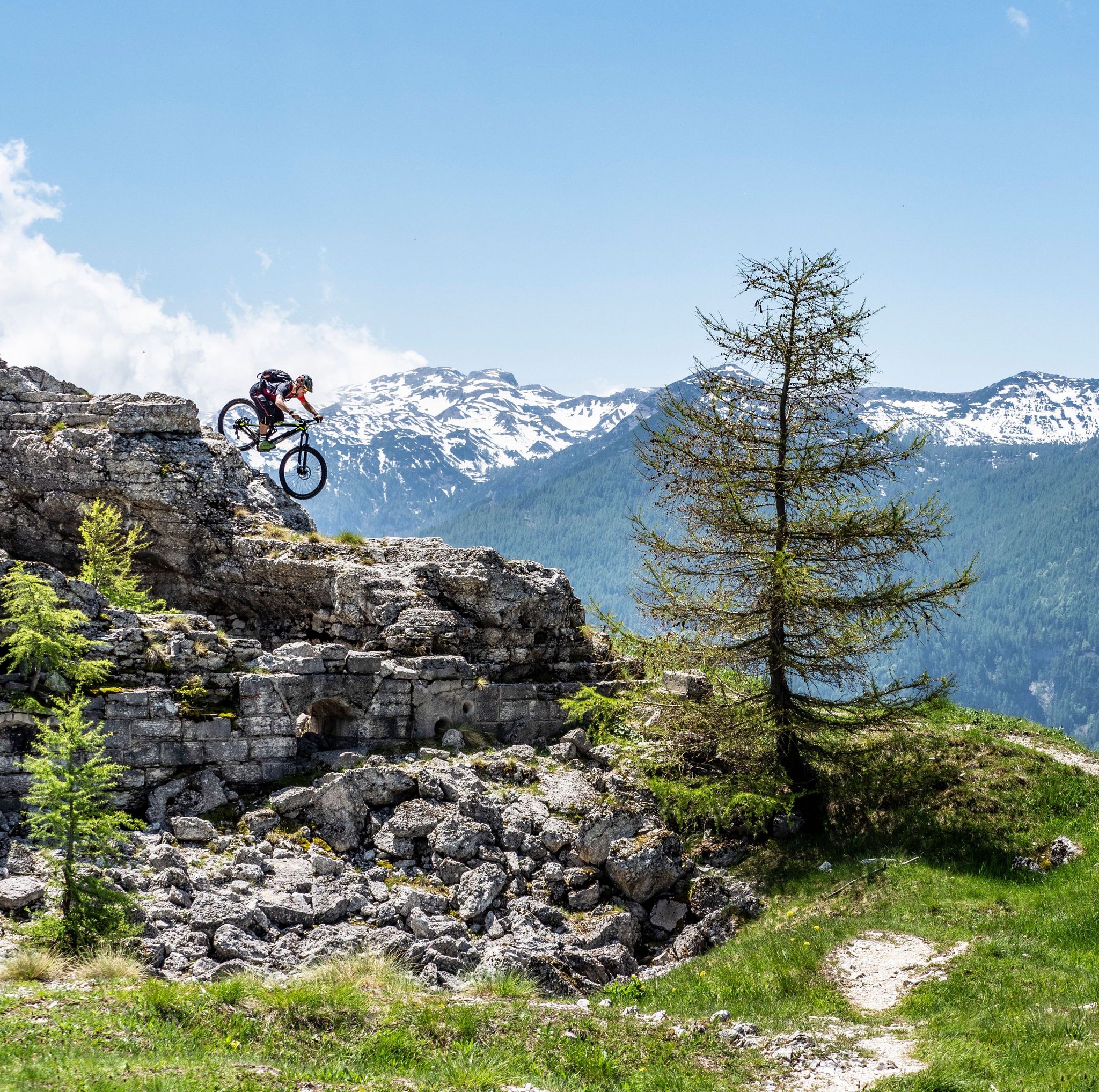
Free your energy! The mountain bike routes of Alpe Cimbra
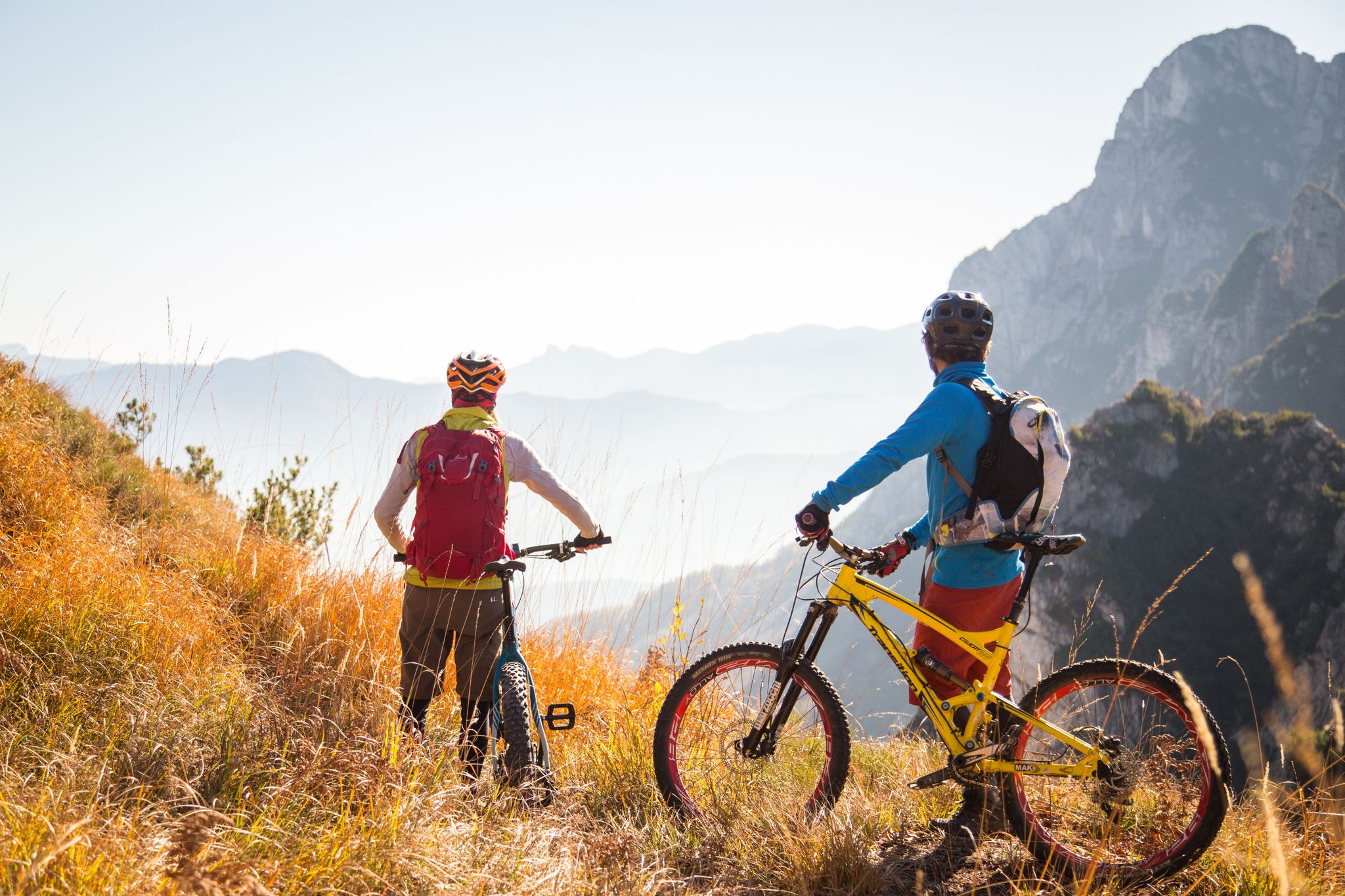
Fantastic autumnal cycling routes through Trentino – Italy’s MTB hotspot
Hiking around Roana
MTB Trails around Roana
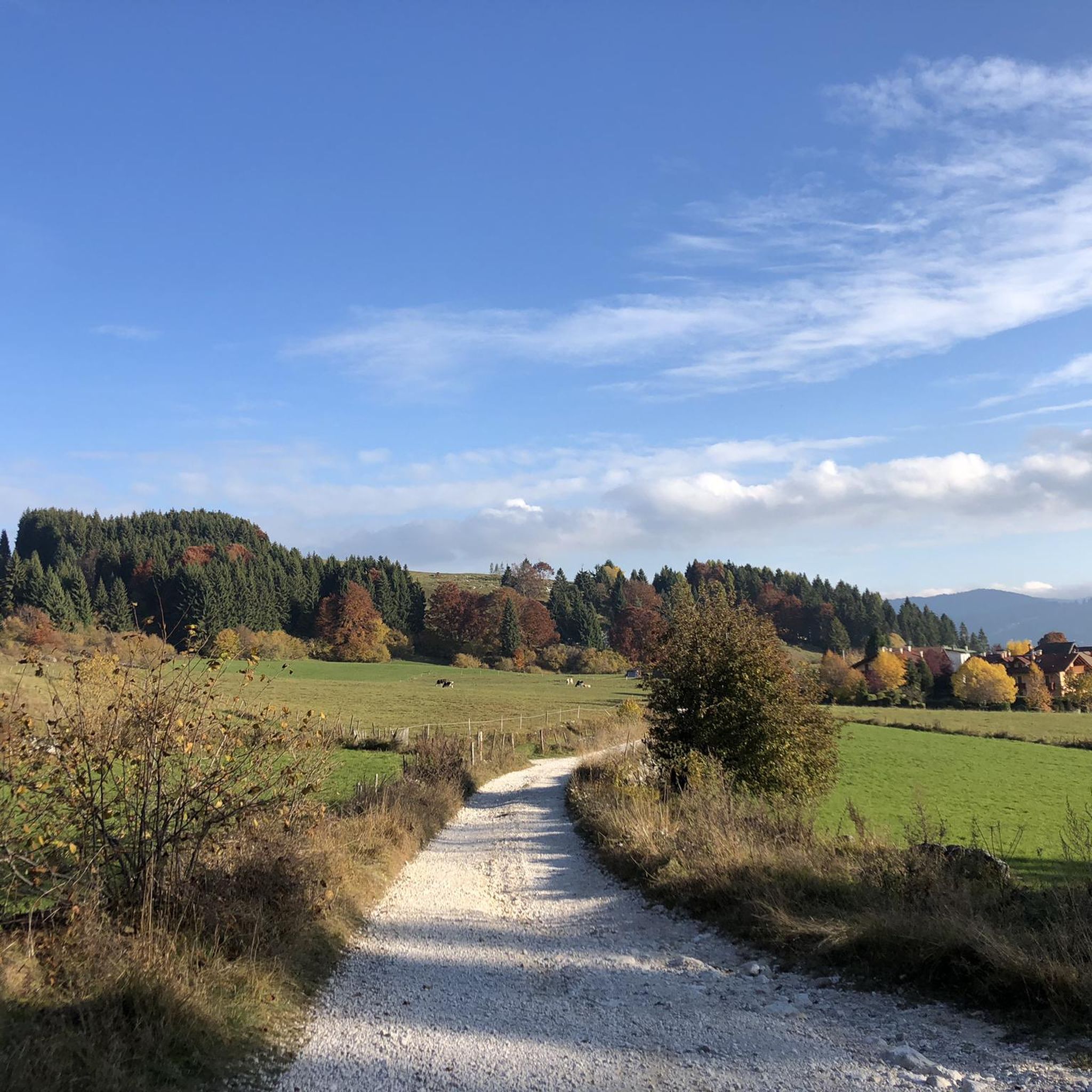
Cycling around Roana
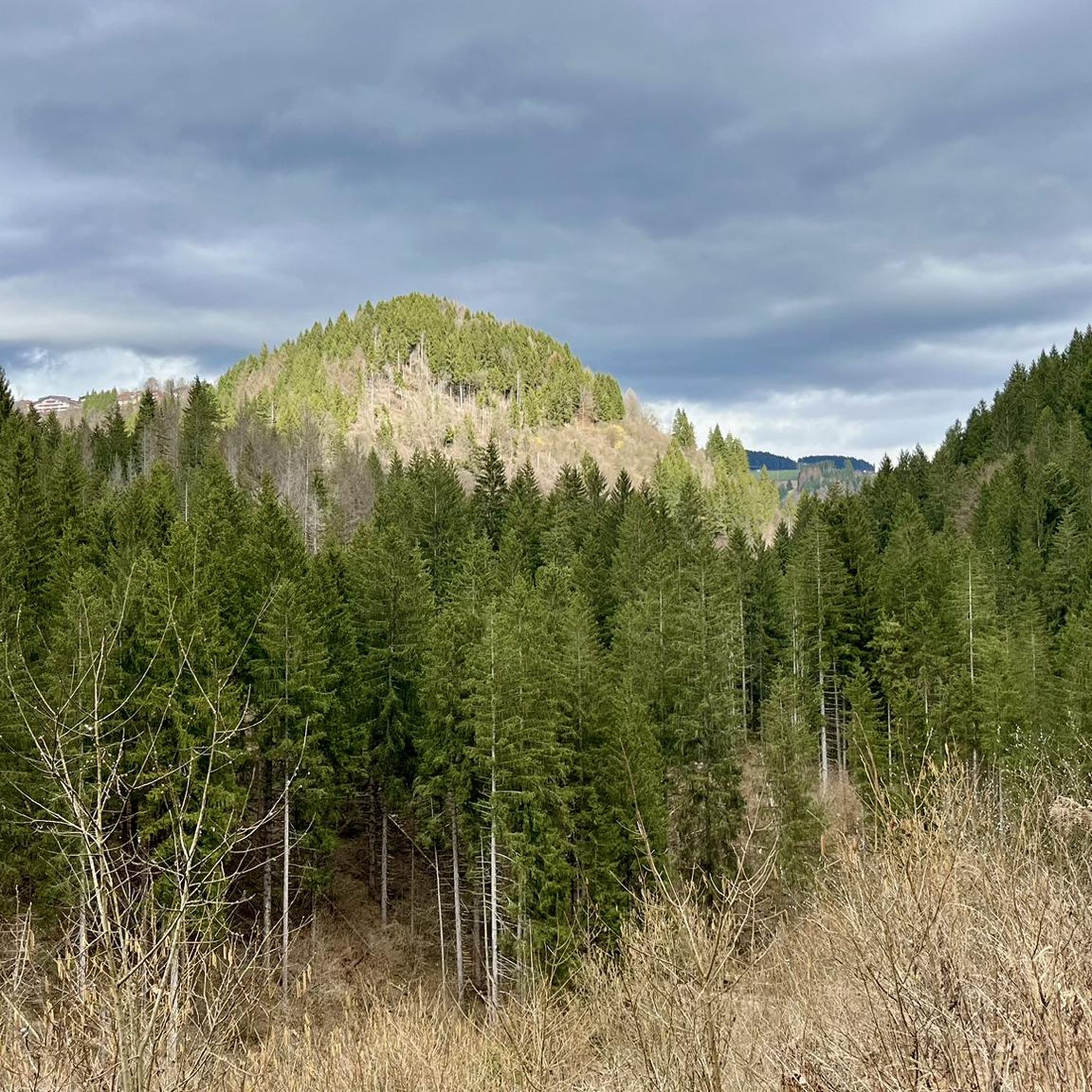
Running Trails around Roana
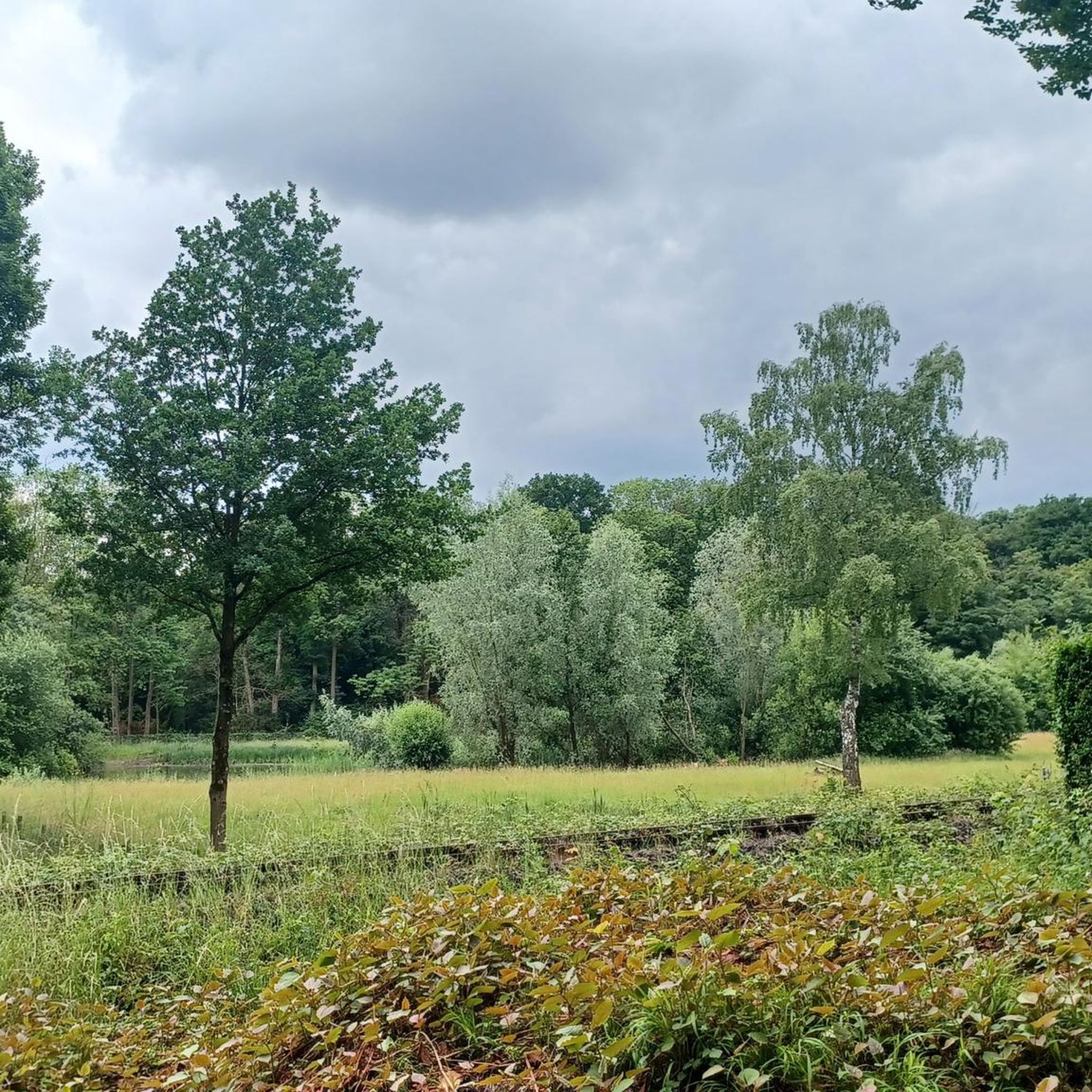
Gravel biking around Roana
Road Cycling Routes around Roana
Mountain Hikes around Roana


Tips from the Community

The Italian fort that seems to have fired the first cannon shot against the Habsburg army and from there the war on the plateau began. It was immediately bombarded and put out of action by the Habsburg army which bombarded it from the fort of cima Vezzena, Spitz Verle
0
0

"...The fort was still, austere. A place that spoke of men tested by cold, fear, and anticipation. In that moment I felt small, but also strangely attuned..."
0
0


Entrance to the actual fort is subject to a fee.
0
0

It is a defensive military barracks built in the second half of the 19th century, entirely in stone, which overlooks the town of Camporovere and dominates the entire central basin of the Plateau. From a historical point of view, the Forte Interrotto represents a completely exceptional case. It was in fact born from a military architecture project that still followed late medieval canons, recognizable in the 6 gigantic central arches and in the imposing lateral bastions with 115 positions for riflemen. In 1916 it was occupied by the Austro-Hungarians and transformed into a stronghold of the imperial line.
1
0

Just below the summit of Mount Verena is the Mount Verena fort, a defensive bastion on the plateau of the 7 municipalities.
0
0

military fort of the great war. remarkable and well detailed information both on the fort and on the period of the great war.
0
0

Forte Belvedere was designed by Lieutenant Rudolf Schneider and built between 1908 and 1912, not far from the town of Óseli. Located on a spur of limestone rock at an altitude of 1,177 metres, at the time it marked the state border between the Kingdom of Italy and Austria-Hungary. In 1996 the municipality of Lavarone purchased Forte Belvedere and enhanced its structure: every year it is visited by more than 28,000 people, as can be read on the Fort's website: https://www.fortebelvedere.org.
1
0
Frequently Asked Questions
What kind of historical sites can I expect to find around Roana?
While Roana is not known for traditional medieval castles, the area is rich in significant World War I forts. These fortifications, such as Forte Interrotto, Fort Belvedere-Gschwent, Forte Verena, and Fort Corbin, offer a profound connection to early 20th-century military history and impressive architectural remains.
Which are the most historically significant forts to visit near Roana?
Among the most significant are Forte Verena, famous for firing the first Italian cannon shot of World War I, and Fort Belvedere-Gschwent, considered one of the largest WWI forts in the area. Forte Interrotto, with its unique late medieval design, and Fort Corbin, known for its extensive restoration, also offer deep historical insights.
Are there any family-friendly historical sites in the Roana area?
Yes, Fort Belvedere-Gschwent is noted as family-friendly and includes a museum that can be visited. Many of the forts are accessible via trails suitable for various fitness levels, making them enjoyable for families who enjoy walking and history.
What outdoor activities can I do near the forts around Roana?
The area around Roana offers excellent opportunities for outdoor activities. You can explore mountain hikes, such as the 'Cima Portule – Cornetti di Bocchetta Portule loop', or enjoy road cycling routes like the 'LOCALITA SASSO|STOCCAREDO – Asiago Town Center loop'. There are also numerous hiking trails, including the 'Monte Verena Loop Trail' and the 'Fort Campolongo Loop'. For more details, refer to the Hiking around Roana, Mountain Hikes around Roana, and Road Cycling Routes around Roana guides.
What is the best time of year to visit the forts around Roana?
The spring, summer, and early autumn months (May to October) are generally the best for visiting the forts and exploring the surrounding trails. During these periods, the weather is milder, and the trails are more accessible. Winter visits are possible, especially to sites like Forte Verena which can be reached by chairlift during snowy periods, but some trails may be challenging due to snow and ice.
How can I reach the forts around Roana by public transport?
Public transport options within Roana and its hamlets are available, but direct routes to all fort locations can be limited. It's advisable to check local bus schedules for connections to the nearest villages, and then plan for a hike or taxi service to reach the forts themselves. For specific routes, consulting the local tourist information center in Roana is recommended.
Is parking available at the historical forts near Roana?
Parking facilities are generally available near the access points for the major forts. For instance, there is parking for Forte Verena and Fort Corbin. However, it's always a good idea to check specific parking availability and any potential fees before your visit, especially during peak seasons.
Are the forts around Roana accessible for visitors with limited mobility or wheelchairs?
Due to their historical nature and mountainous locations, many of the forts and their surrounding trails may not be fully accessible for visitors with limited mobility or wheelchairs. Sites like Fort Belvedere-Gschwent, which has undergone restoration, might offer better accessibility in certain areas, but it's best to contact the specific fort's management for detailed accessibility information.
Can I bring my dog to the historical sites and trails around Roana?
Many hiking trails in the Roana area are dog-friendly, allowing you to explore the natural beauty with your canine companion. However, specific rules may apply within the fort structures themselves or in certain protected areas. Always keep your dog on a leash and clean up after them. Check for any posted regulations at the entrance of each site.
Where can I find refreshments or accommodation near the forts?
The villages around Roana and the Asiago Plateau offer various options for cafes, pubs, and accommodation. Some forts, like Fort Corbin, even have refreshment points on-site. For a wider selection, consider staying in Roana or nearby towns like Asiago, which provide a range of services for visitors.
What kind of views can I expect from these historical sites?
The forts around Roana are strategically located on elevated positions, offering breathtaking panoramic views of the Asiago Plateau and the surrounding valleys. From Forte Verena, for example, you can enjoy a 360-degree vista, earning it the nickname 'Dominator of the highlands'. These sites combine historical exploration with stunning natural landscapes.
Are there any less-known historical sites worth exploring in the Roana area?
Beyond the main forts, the region has numerous smaller historical remnants and military roads from WWI. For example, Campolongo Fort, while less frequently highlighted than Verena or Corbin, is an important part of the Agno-Assa barrier and its ruins are accessible via a military road, offering a quieter, yet equally profound, historical experience.
What should I wear when visiting the forts around Roana?
Given the mountainous terrain and potential for varying weather, it's advisable to wear comfortable hiking shoes or sturdy walking boots. Layered clothing is recommended, as temperatures can change, especially at higher altitudes. A waterproof jacket is also a good idea, regardless of the season, to prepare for unexpected rain or wind.
Most popular routes around Roana
Most popular attractions around Roana

Get inspired with the komoot mobile app


Explore more
Looking for the best castles somewhere else? Discover other guides around Roana:
