Top 16 Gorges around Folgaria
Best canyons around Folgaria are characterized by deep river gorges and incised valleys within the Alpe Cimbra region. This area offers diverse natural landscapes, including challenging trails and historical sites. The geological formations provide opportunities for exploration, from scenic hikes to more demanding routes. The region's terrain features significant elevation changes and rugged paths, attracting those interested in natural beauty and historical exploration.
Best canyons around Folgaria
- The most popular canyons is Canale Valley (Pasubio), a gorge that offers…
Last updated: June 30, 2026
Val Fontana d'Oro
Highlight (Segment) • Gorge
Translated by Google •
Tip by

Canale Valley (Pasubio)
Highlight (Segment) • Gorge
Translated by Google •
Tip by

Sign up now to discover places like this
Get recommendations on the best single tracks, peaks, & plenty of other exciting outdoor places.
Sign up for free
Vallarsa Valley
Highlight (Segment) • Gorge
Translated by Google •
Tip by

Via Ferrata Along the Rio di Valle Scura
Highlight • Climb
Translated by Google •
Tip by

Along the river Sella valley's waterfalls
Highlight (Segment) • Waterfall
Translated by Google •
Tip by

Sign up for free to discover even more gorges around Folgaria.
Sign up for free
Already have an account?
Start today with a free account
Your next adventure awaits.
Login or Signup
Popular around Folgaria
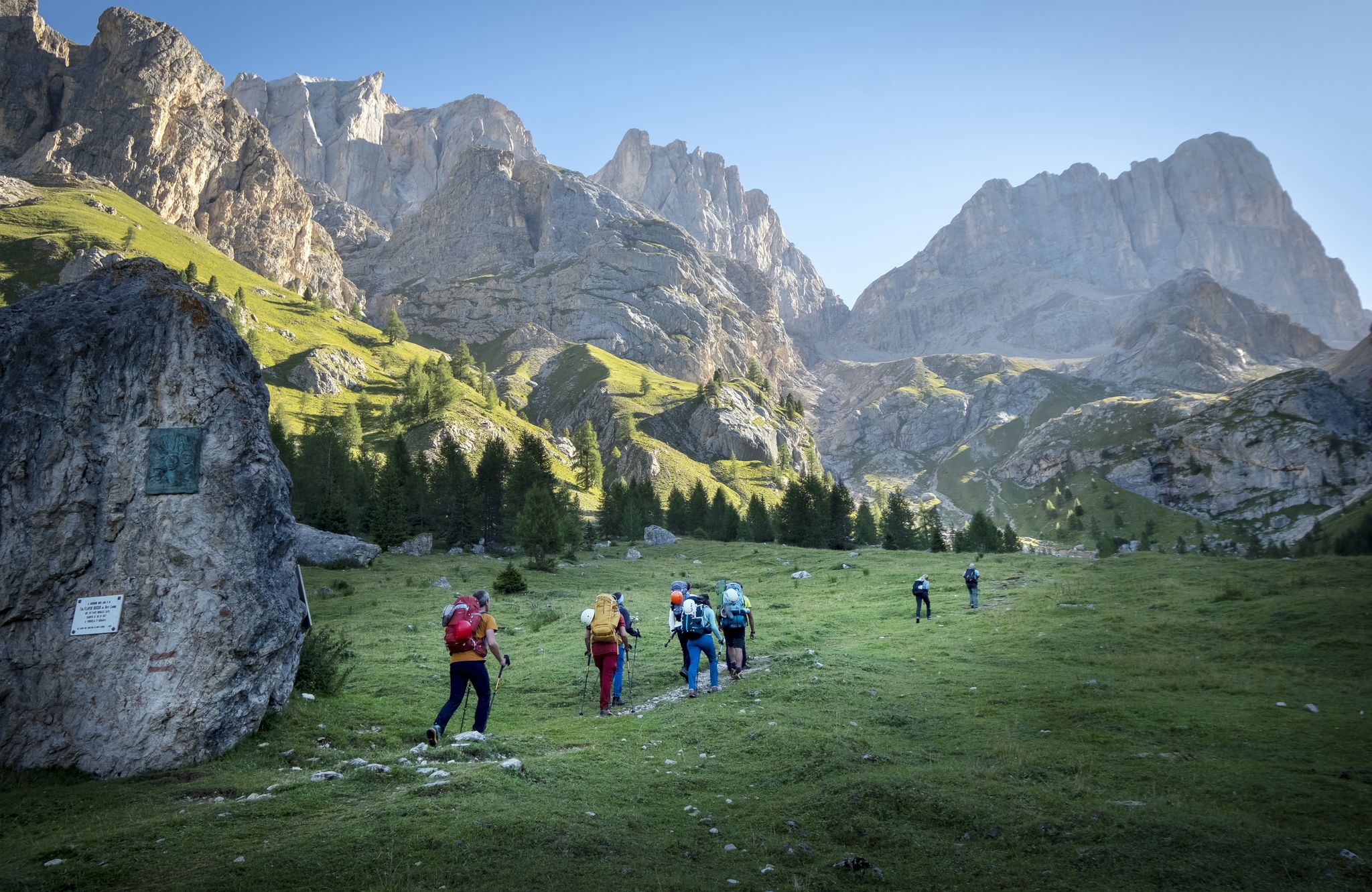
The Path of Peace – journey into Trentino's history
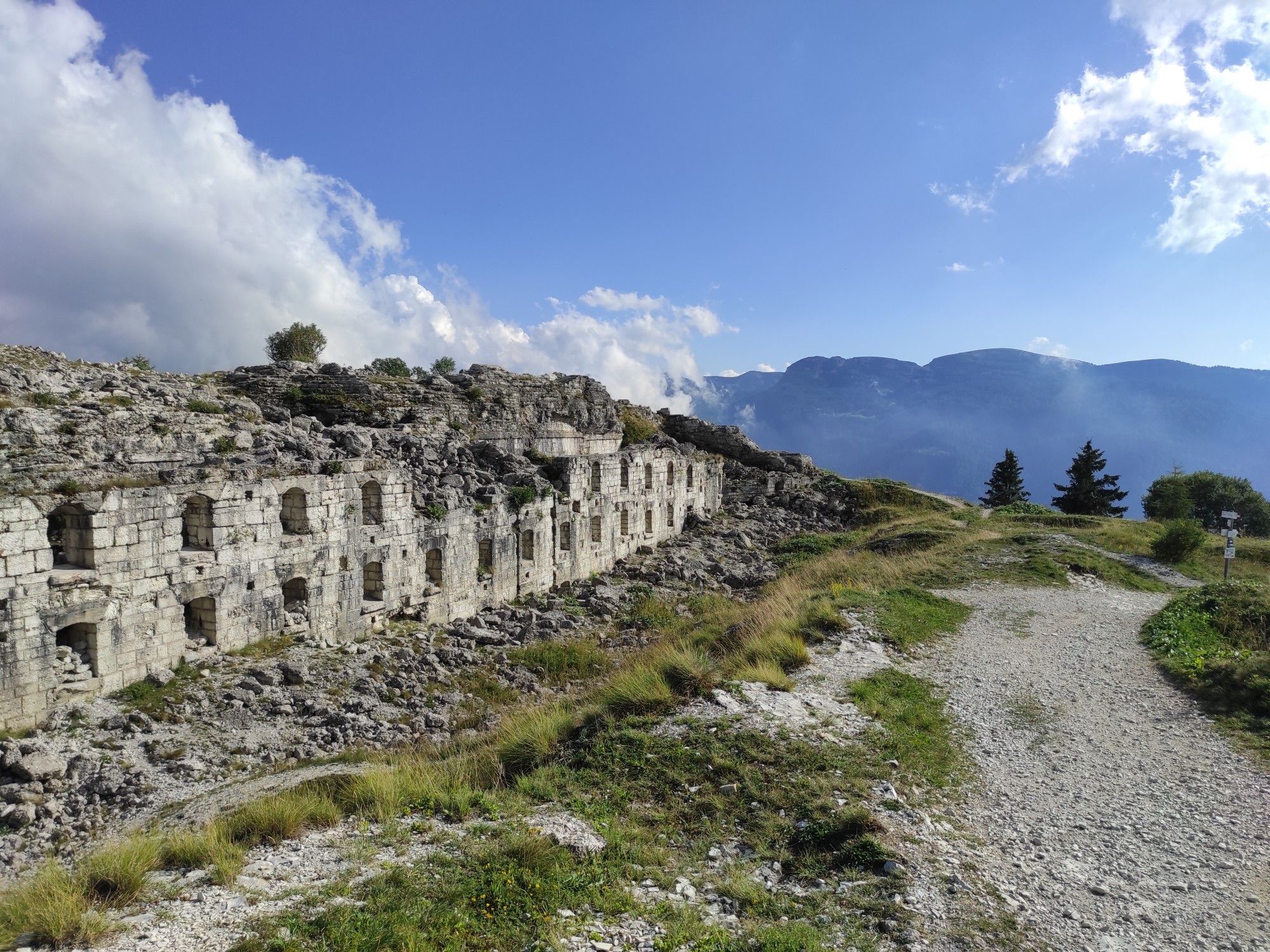
A ride through history and nature – 100Km dei Forti
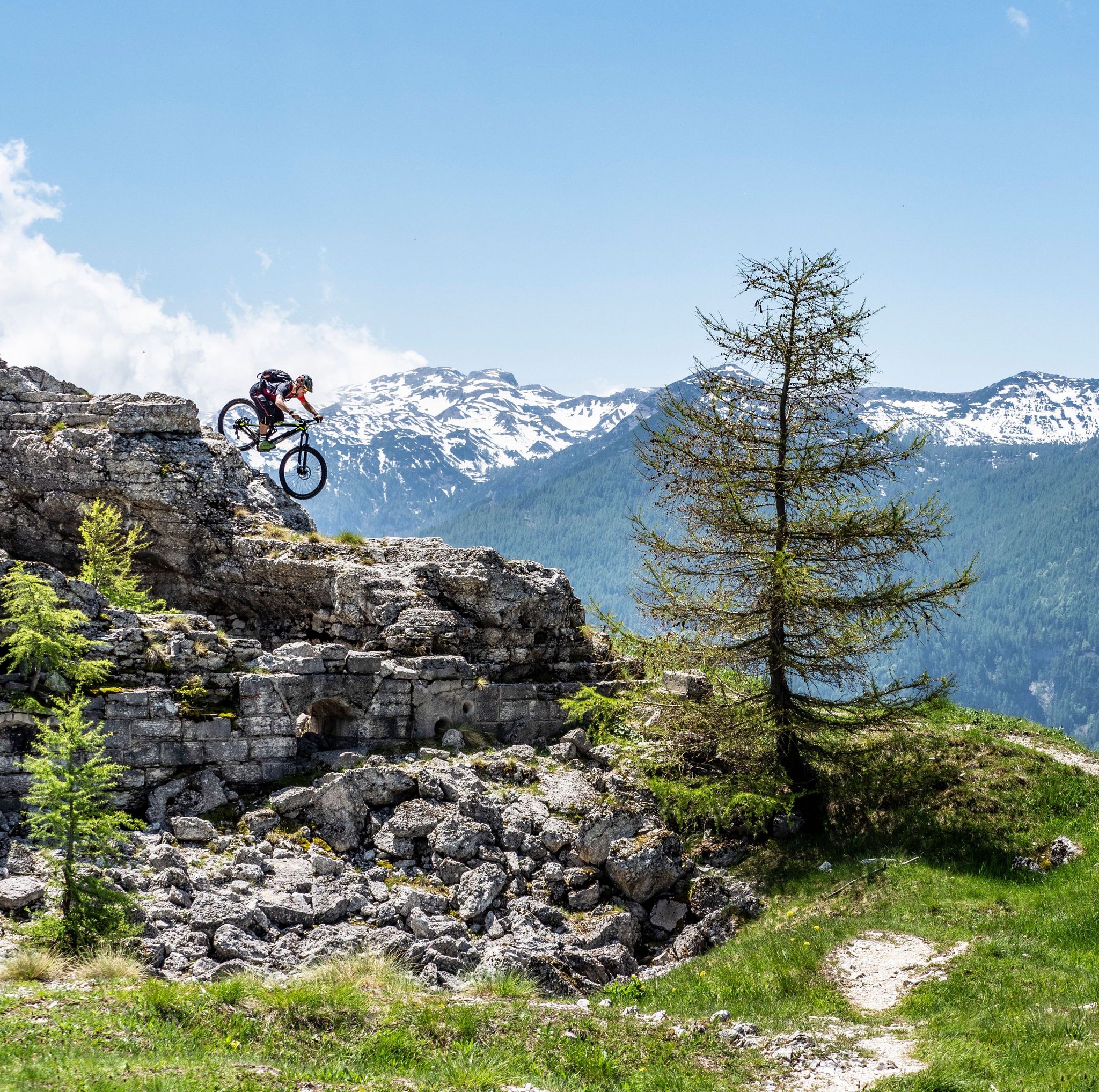
Free your energy! The mountain bike routes of Alpe Cimbra
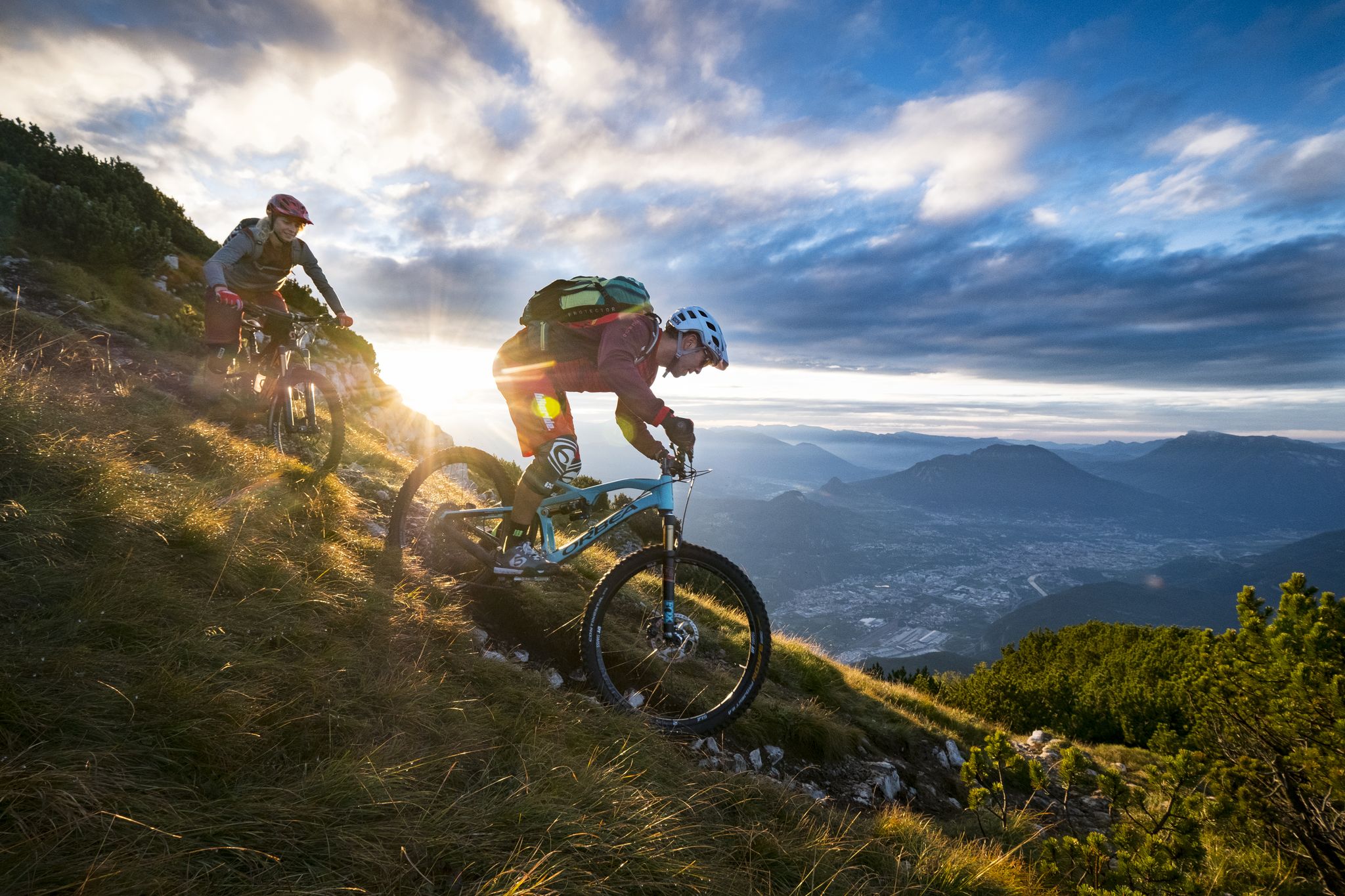
Mountain Biking in Trentino — from the Dolomites to Lake Garda
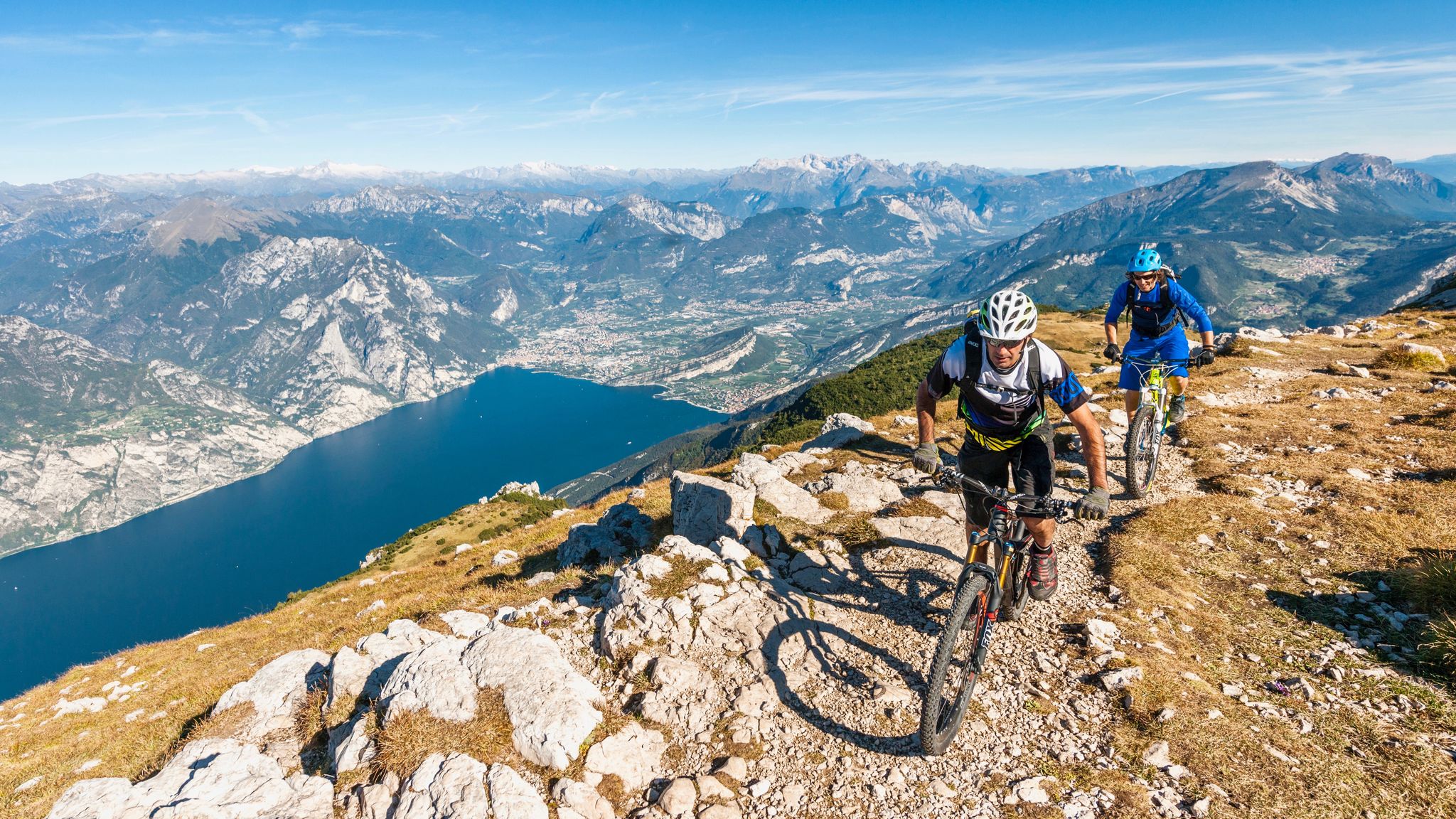
Mediterranean bike tours in alpine altitudes
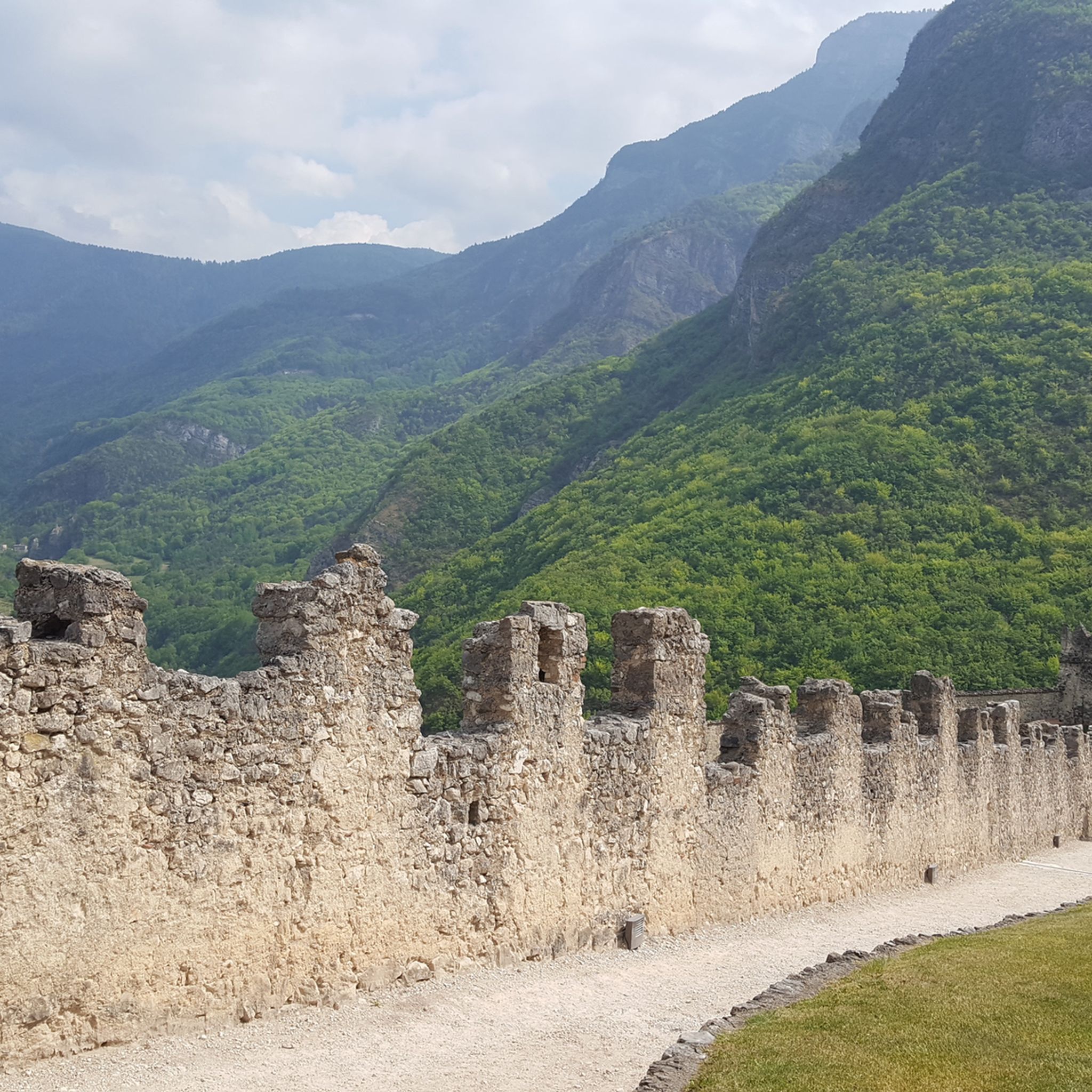
Hiking around Folgaria
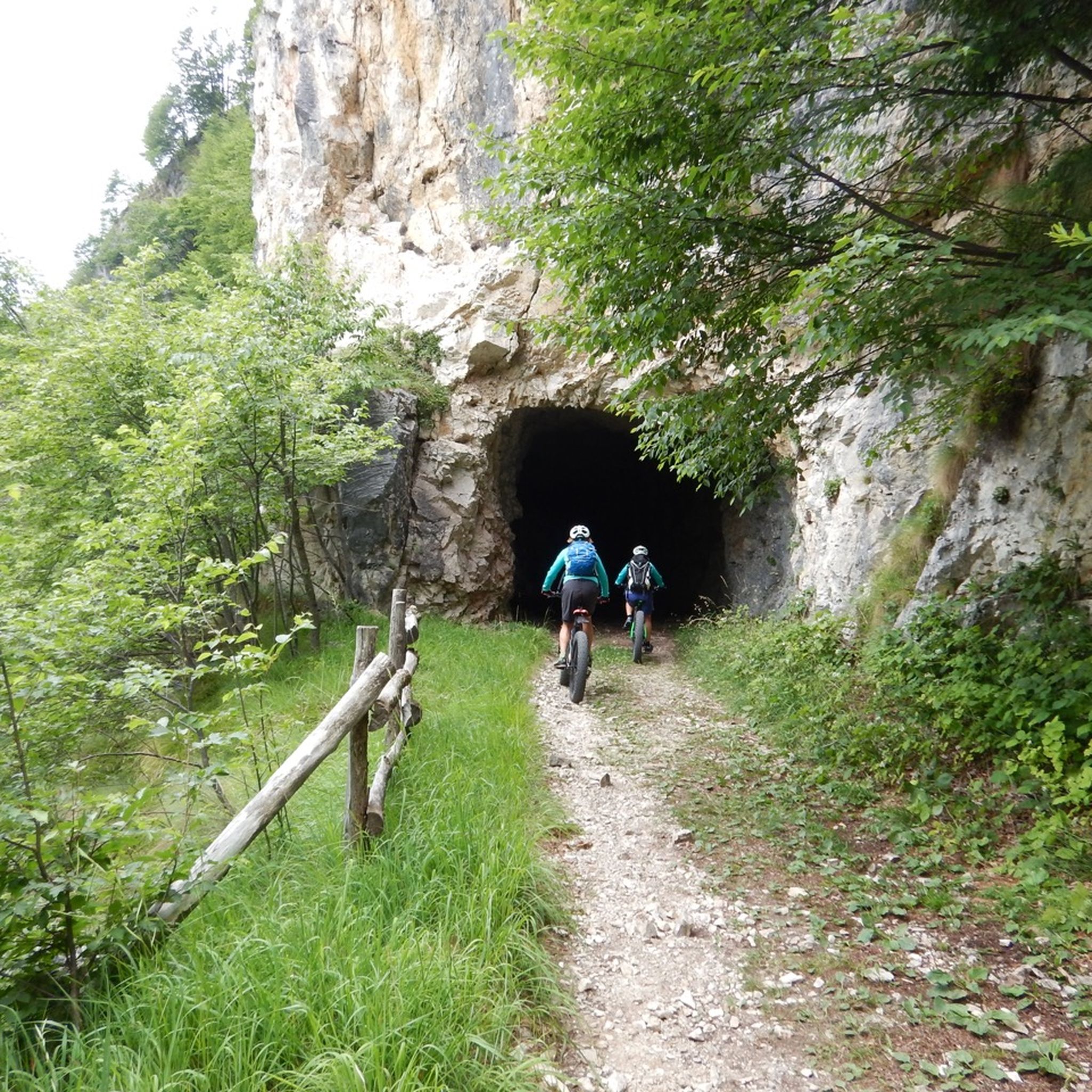
MTB Trails around Folgaria
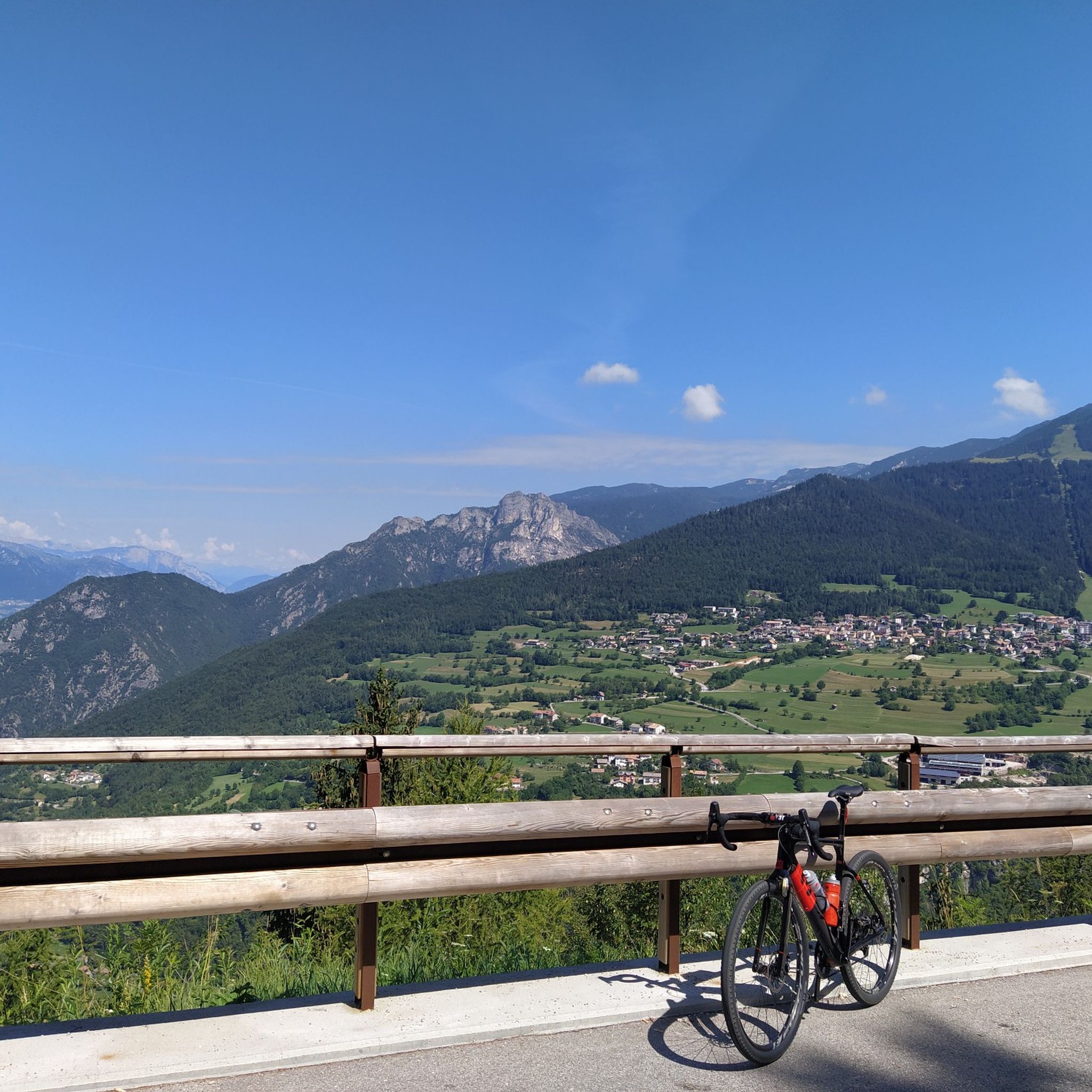
Cycling around Folgaria
Road Cycling Routes around Folgaria

Gravel biking around Folgaria
Other adventures around Folgaria


Tips from the Community

The Val Canale is the largest drainage basin descending from the southern slope of the Pasubio massif, as well as the most direct, short but fairly steep route to the Papa Refuge. After an initial stretch through a beautiful forest, the landscape opens up onto the valley itself, with the trail advancing between high walls and rocky spurs, occasionally crossing scree and scree: a highly evocative climb. During the First World War, before the construction of the Road of the 52 Tunnels in 1917, it was the main Italian route to the Pasubio Gates, the immediate rear of the front: in addition to the mule track, cableways ensured supplies for the army. https://it.wikipedia.org/wiki/Val_Canale_(Pasubio)
1
0

Beautiful route for EE (Expert Hikers) as in just a few km there is a huge difference in altitude. The route is steep at times, almost like a climb, at times sheer, so be careful not to slip otherwise you will arrive directly down. This road connects directly if I'm not mistaken with the 41st tunnel, from there you continue and reach the Papa refuge
1
0

Interesting valley with very suggestive geological stratification of the rocks. At times very impervious and dominated by the peaks of Vezzena and Manderiolo
0
1

Opened and in good condition. After heavy rainfall, crossing the river is a challenge. Tour is well secured. Scenic spectacular.
0
0

A panorama will leave you breathless, the Val Canal is a set of exceptional scents and views.
3
0
The wild and spectacular Val Fontana d'Oro is one of the oldest routes to climb Pasubio, later transformed into a military mule track during the First World War by the Aosta Alpine Battalion. The trail initially winds through a thick forest, which gradually opens up towards the wonderful valley, rugged and airy, with the trail that winds and climbs between majestic rock faces, with the tall and sharp spire called 'the Campanile' always the protagonist. In the final part you enter a small forest, then cross the debris flow and emerge in the final segment of the Strada delle 52 Gallerie. A breathtaking scenery! Steep and exposed at times, rocky, challenging, little-used, definitely EE. The route was restored in 2017 by the Municipality of Valli del Pasubio, after 9 years of closure due to several landslides that had made the summit part (the Boale Rosso) impassable.
1
1

Hidden valley, recessed and little frequented, perfect for a ride away from the beaten track, it was the scene of battles, especially in the area of Mount Pasubio during the Great War and its end, at Pian delle Fugazze, constituted the Italian-Austrian border . Trenches and defensive structures of the time can still be found today. https://it.wikipedia.org/wiki/Vallarsa
0
1

Still locked. Broken off some parts of the way. Among other things at a key point. Inspection was at least borderline, as a lot of stone fragments
0
1
Frequently Asked Questions
What are the most popular canyons and gorges to explore around Folgaria?
The Folgaria area, part of the Alpe Cimbra region, features several notable gorges and valleys. Among the most popular are Canale Valley (Pasubio), known for its exceptional views and historical significance during WWI, and Val Fontana d'Oro, a challenging wild valley with majestic rock faces. Another significant site is Vallarsa Valley, a recessed valley also rich in Great War history.
Are there opportunities for canyoning near Folgaria?
Yes, for those seeking adventure, Val di Gola is a recognized spot for canyoning directly within Folgaria. This activity involves descending through watery gorges using specialized equipment, offering a thrilling experience in foaming waters.
What kind of natural features can I expect to see in the canyons around Folgaria?
The canyons and gorges around Folgaria are characterized by deep river gorges, incised valleys, and impressive waterfalls. You can expect to see majestic rock faces, such as those in Val Fontana d'Oro, and spectacular waterfalls like Pissavàca Waterfall and those along the river Sella valley. The Rosspach Valley also features the beautiful Hofentol Waterfall and offers unique river walks.
Are there historical sites within or near the canyons of Folgaria?
Absolutely. Many of the valleys and gorges around Folgaria hold significant historical importance, particularly related to the First World War. Canale Valley (Pasubio) and Vallarsa Valley were key battlegrounds, with trenches and defensive structures still visible today. Val Fontana d'Oro was also transformed into a military mule track during the war.
What are the best hiking experiences in the canyons near Folgaria?
For a unique hiking experience, the Rosspach Valley (Rio Cavallo river canyon) is highly recommended. You can hike along the scenic trails or even walk directly inside the cold river water for a firsthand experience of the canyon's beauty, especially with the filtered sunlight creating a magical atmosphere. The valley also features the impressive Hofentol Waterfall.
Are there family-friendly options for exploring canyons around Folgaria?
While some canyons involve challenging terrain, the broader Folgaria area offers various nature trails suitable for families. Exploring parts of the Rosspach Valley, for instance, can be a rewarding experience for families who enjoy scenic walks and natural beauty, though direct river walking might be more adventurous. Always check specific trail difficulties before heading out with children.
What outdoor activities can I do near these canyons in Folgaria?
Beyond exploring the canyons themselves, the Folgaria region offers a wide range of outdoor activities. You can find numerous running trails, such as the 'Forra del Lupo Trail loop' or 'Maso Spilzi loop'. For cyclists, there are challenging road cycling routes like the 'Memory tour on the Folgaria plateau' and 'Strada Menador tunnels – Lake Caldonazzo loop'. Mountain biking enthusiasts can explore trails like the 'Tour dei Forti sull'altopiano di Folgaria'. You can find more details on these activities at Running Trails around Folgaria, Road Cycling Routes around Folgaria, and MTB Trails around Folgaria.
What is the terrain and difficulty level of the canyon trails?
The terrain in the canyons around Folgaria can vary significantly. Some routes, like those in Val Fontana d'Oro, are described as challenging, steep, exposed, and rocky, suitable for experienced hikers (EE). Other areas might offer more moderate trails. It's common to encounter thick forests, scree, and rocky spurs. Always check the specific trail descriptions for difficulty ratings before embarking on a hike.
Are there any hidden gems or less-frequented canyons worth exploring?
Yes, Vallarsa Valley is described as a hidden, recessed, and little-frequented gorge, perfect for those looking for a ride away from the beaten path. Its historical significance adds another layer of interest to its natural beauty.
What is the best time to visit the canyons around Folgaria?
The summer months are generally ideal for exploring the canyons and engaging in outdoor activities like canyoning or hiking. The presence of water in waterfalls and streams, like the Pissavàca Waterfall, depends on rainfall or snowfall, so visiting after rain can ensure a good flow. The cool waters of river canyons like Rosspach Valley also offer a refreshing experience during warmer weather.
Can I combine a canyon visit with other cultural attractions?
Yes, the region allows for combining natural exploration with cultural visits. For example, the Rosspach Valley is not far from the painted village of Guardia, making it a lovely stop. Additionally, during hikes in the area, you might even catch distant views of historical sites like Castle Beseno, adding a cultural and historical dimension to your natural excursion.
What should I wear or bring for canyoning or hiking in the gorges?
For canyoning, specialized equipment is required due to the nature of descending through watery gorges. For hiking, especially on challenging trails like those in Val Fontana d'Oro, sturdy hiking boots with good grip are essential. Layers of clothing are advisable, and for river walks in places like Rosspach Valley, be prepared for cold water. Always carry sufficient water and navigation tools.
Most popular routes around Folgaria
Most popular attractions around Folgaria

Get inspired with the komoot mobile app


Explore more
Already discovered everything in this region? See additional gorges around Folgaria for your next adventure:
