Top 7 Caves around Eboli
Best caves around Eboli are primarily found in the surrounding province of Salerno, Campania, Italy. This region is characterized by karstic landscapes, offering a variety of natural cavities and historical sites. The area near Eboli provides access to significant speleological complexes and ancient religious structures within caves. These locations blend natural geological formations with historical and archaeological importance.
Best caves around Eboli
- The most popular caves is San Michele Gorges and Cave of Saint Michael the Archangel (Olevano sul Tusciano)…
Last updated: June 30, 2026
The cave of San Michele and Nardantuono
Highlight • Cave
Translated by Google •
Tip by

The Brigand's Cave
Highlight • Cave
Translated by Google •
Tip by

Sign up now to discover places like this
Get recommendations on the best single tracks, peaks, & plenty of other exciting outdoor places.
Sign up for free
Translated by Google •
Tip by

View of the Grotta di San Michele from trail 110
Highlight • Viewpoint
Translated by Google •
Tip by
Travertine Cave of Olevano
Highlight • Cave
Sturdy shoes are recommended. Unfortunately, the path is poorly maintained.
Translated by Google •
Tip by
Sign up for free to discover even more caves around Eboli.
Sign up for free
Already have an account?
Start today with a free account
Your next adventure awaits.
Login or Signup

Tips from the Community

Beautiful hike, I recommend equipment, sturdy shoes
0
0

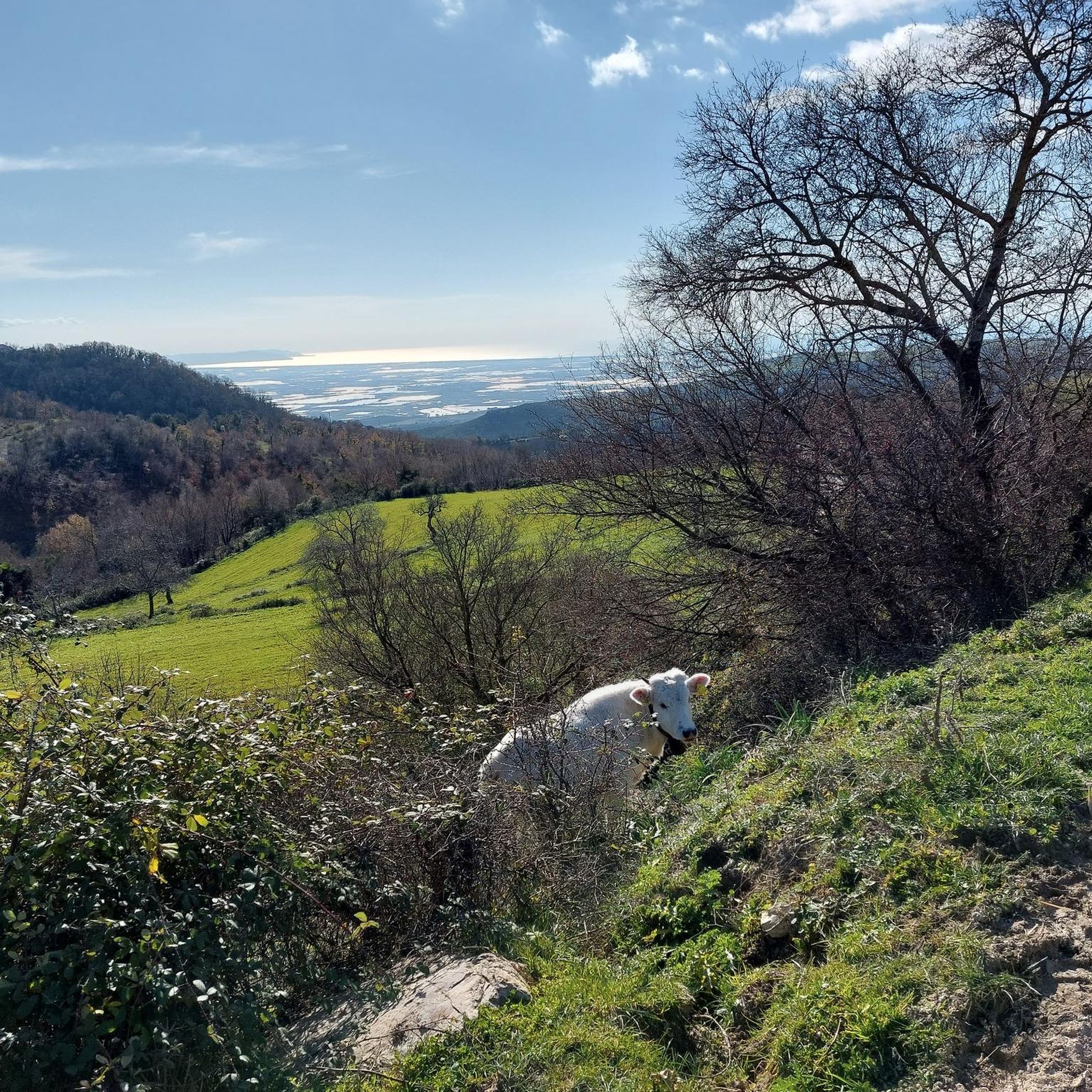
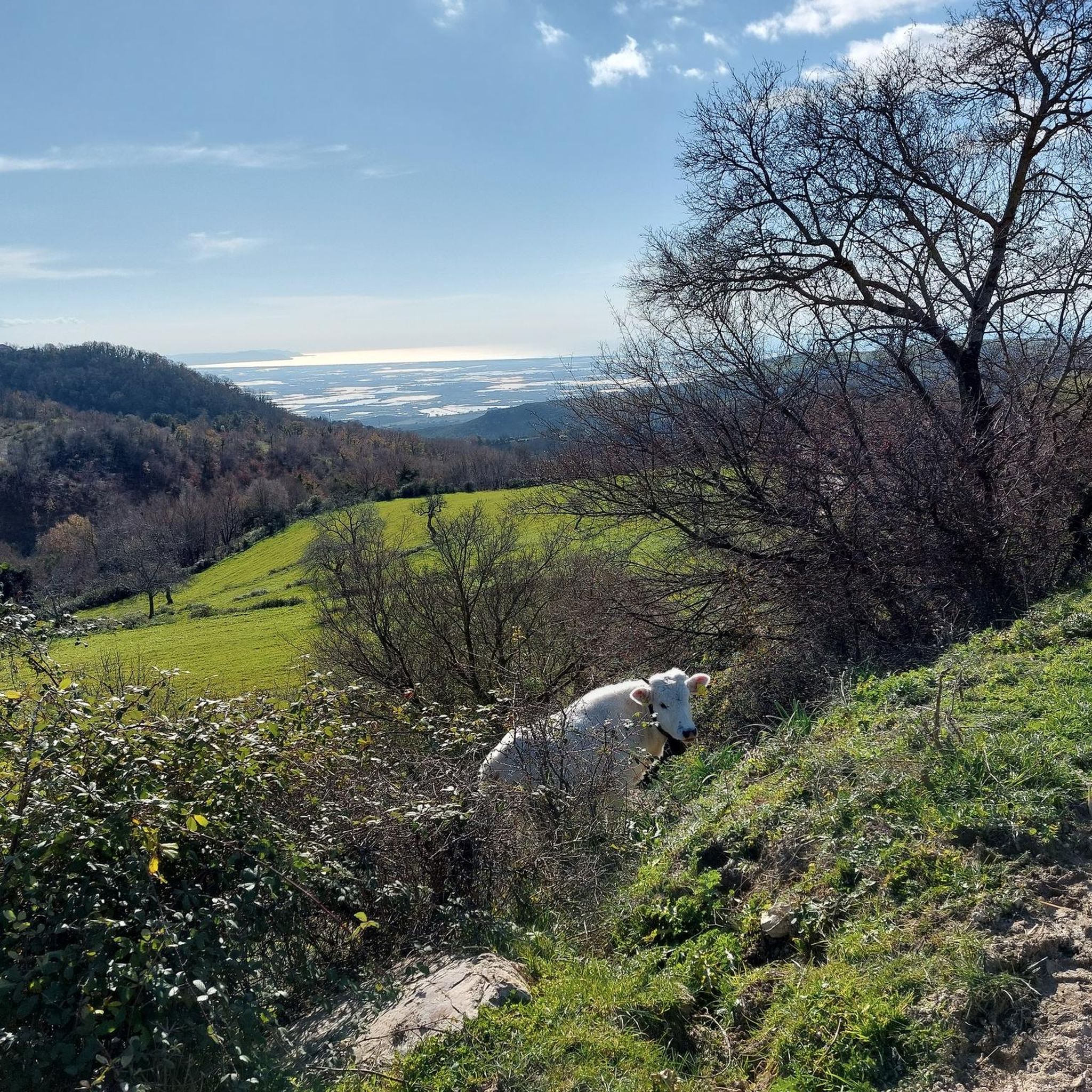
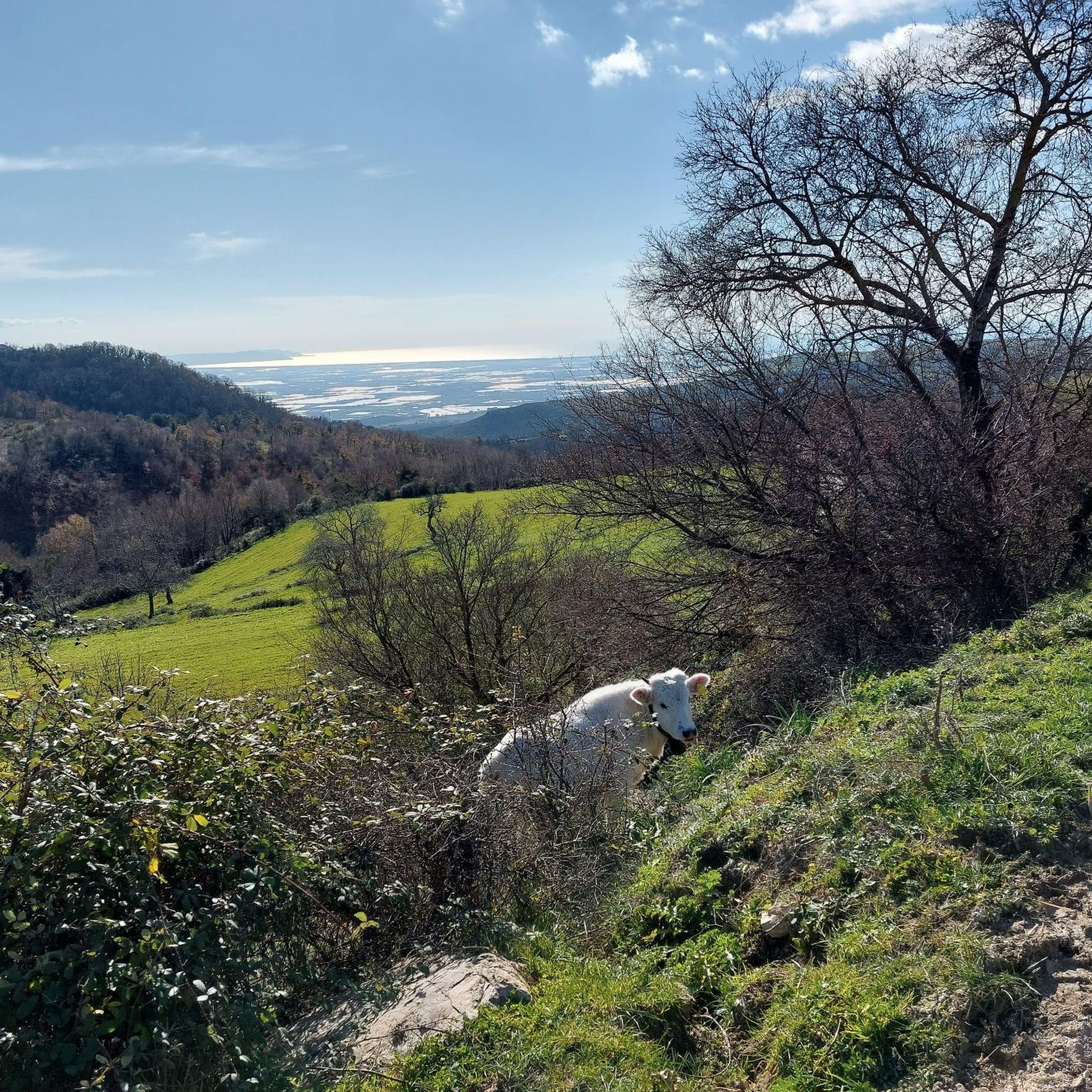
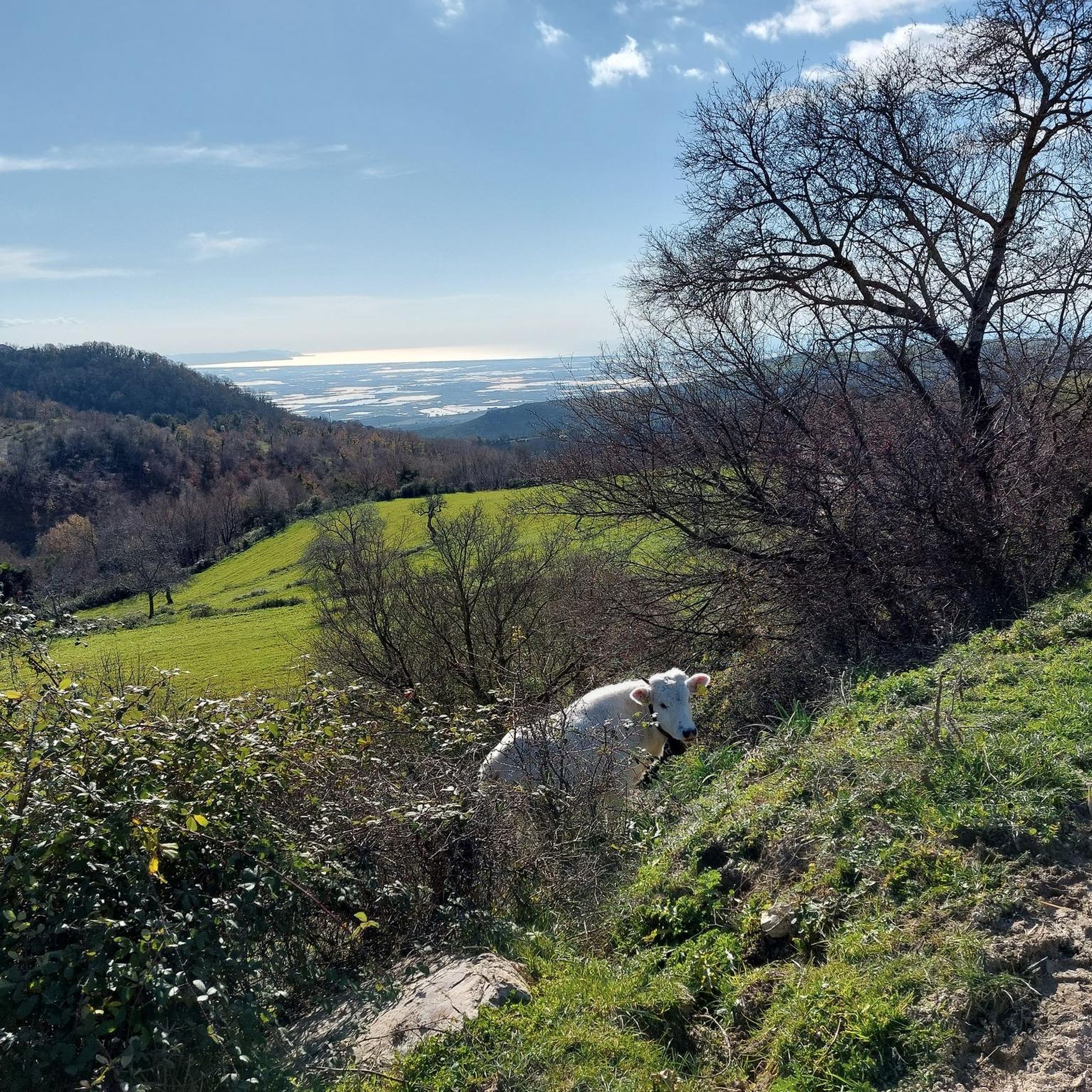
While walking along path 110, if you pay attention, you can see the Grotta di San Michele e Nardantuono, nestled in the side of Mount Raione.
5
0

The cave of San Michele Arcangelo is a natural cavity located on the western slope of Monte Raione in the municipality of Olevano sul Tusciano in the province of Salerno. Inside there is a religious complex of the IX-X century. The entrance to the cavity is located on a limestone ridge of the mountain, close to the Tusciano river. It is accessed via two paths: one starts from the hamlet of Ariano and the other starts from the hamlet of Salitto. The two paths join just before the cave, ending with a stairway. The peculiarity of the site is the presence within it of a complex religious structure of particular historical significance, made up of five buildings of considerable value called martyrion, a single hall basilica with frescoes from the Lombard era, two votive aedicules with courtyard, a church and an oratory.
16
0

How far is it from Parco San Michele?
1
0
The "grotta dei Briganti", located at the foot of Monte Ripalta, is one of the many caves in the countryside of the countryside, it has been for years a safe haven for criminals, Brigands or for those who had problems in the town, as its position did not it was easy to access. In fact, until the 70s of the last century, the road below did not exist, the steep slope plunged directly into the nearby river Atri, it could be reached either via the river or from the Patia bridge located near the chapel of the Madonna dell Thanks to the fattening of the Old Town. In the present cave we can still see an opening at the top left, which leads to a path that, through considerable difficulties, at 850 m a.s.l., leads to the so-called 2grotta del Prete ", the cave where the" Banda Giardullo "held hostage the priest Giuseppe Olivieri during the kidnapping which took place in 1864. These events fall within the historical period of the "Brigandage" and what resulted from the unification of Italy.
1
0
Near the "Parco San Michele", you can reach the "Grotta dei travertini". Sturdy shoes are recommended. Unfortunately, the path is poorly maintained.
5
0

The cave of San Michele Arcangelo is a natural cavity located on the western side of Monte Raione in the municipality of Olevano sul Tusciano in the province of Salerno. Inside there is a religious complex of the IX-X century.
14
0
Here is a link for detailed information: http://www.olevanosultuscianoarte.it/2017/01/15/grotta-dellangelo-san-michele/
3
0
Frequently Asked Questions
What are the most notable caves to visit near Eboli?
The most notable caves in the region near Eboli are the The cave of San Michele and Nardantuono in Olevano sul Tusciano, the Grotte di Pertosa-Auletta, and the Grotte di Castelcivita. Each offers a unique experience, blending natural beauty with historical significance.
What makes the Grotte di Pertosa-Auletta unique?
The Grotte di Pertosa-Auletta are unique in Italy because they are the only caves where you can navigate an underground river, the Negro. They are also the only caves in Europe to preserve remains of a pile-dwelling village dating back to the second millennium B.C. Visitors can enjoy a boat trip and admire diverse geological formations.
What are the key features of the Grotte di Castelcivita?
The Grotte di Castelcivita are one of Southern Italy's most extensive speleological complexes, featuring an extensive karstic system with galleries, vast spaces, and narrow passages. Highlights include the 'Sala del Castello', 'Sala del Coccodrillo', 'Cascata di Colori', 'Sala del Trono', and the striking 'La Pagoda' stalagmite.
Do the caves near Eboli have historical or archaeological significance?
Yes, many caves in the region are historically significant. The Grotte di Pertosa-Auletta contain remains of a pile-dwelling village from the Middle Bronze Age. The Grotte di Castelcivita have archaeological deposits indicating human activity from the Paleolithic era. The The cave of San Michele and Nardantuono houses an ancient religious complex from the 9th-10th century with Lombard-era frescoes.
Are there family-friendly cave experiences available near Eboli?
Yes, both the Grotte di Pertosa-Auletta and the Grotte di Castelcivita offer guided tours suitable for all ages. They feature well-marked and comfortable paths, making them accessible for families. The Grotte di Pertosa-Auletta's underground boat trip is particularly engaging for children.
What is the best time of year to visit the caves around Eboli?
The caves maintain a constant temperature of around 15°C (59°F) year-round, making them a good destination regardless of the season. However, for comfortable travel to and from the caves and to enjoy nearby outdoor activities, spring (April-June) and autumn (September-October) offer pleasant weather.
How challenging are the cave tours near Eboli?
The main tourist routes in caves like Grotte di Pertosa-Auletta and Grotte di Castelcivita are generally considered easy to intermediate, with well-maintained paths and lighting. Some caves, like The cave of San Michele and Nardantuono, may require good physical preparation and trekking clothing due to their access paths.
Can I reach the caves near Eboli using public transport?
While Eboli itself has public transport, reaching the specific cave sites like Grotte di Pertosa-Auletta and Grotte di Castelcivita by public transport can be challenging and may require multiple connections or a combination with taxis. It's advisable to check local bus schedules or consider driving for more direct access.
What should I wear when visiting the caves?
Inside the caves, the temperature remains cool (around 15°C) with high humidity. It is recommended to wear layers of clothing, sturdy closed-toe shoes with good grip, and possibly a light jacket or sweater, even in summer.
Are there any permits required to visit the caves?
Generally, permits are not required for standard tourist visits to the major caves like Grotte di Pertosa-Auletta and Grotte di Castelcivita, but tickets must be purchased for entry and guided tours. For more adventurous speleological paths or group bookings, reservations may be necessary.
What other outdoor activities can I do near the caves around Eboli?
The region around Eboli offers various outdoor activities. You can find MTB Trails around Eboli, Road Cycling Routes around Eboli, and Running Trails around Eboli. Many of these routes pass through scenic landscapes, including areas near the Tusciano River and Monte Raione.
Can I bring my dog to the caves or on nearby trails?
Dogs are generally not permitted inside the caves themselves due to safety and preservation concerns. However, the surrounding areas, particularly within the Cilento, Vallo di Diano and Alburni National Park, may offer dog-friendly hiking trails. It's best to check specific park regulations and individual cave policies beforehand.
Where can I find parking when visiting the caves?
Major cave attractions like Grotte di Pertosa-Auletta and Grotte di Castelcivita typically have dedicated parking facilities for visitors. For less developed sites or trailheads leading to caves, parking might be more limited, often available in nearby villages or designated areas.
Most popular attractions around Eboli

Get inspired with the komoot mobile app


Explore more
Extend your search for the best caves by checking out these guides of the top ones around Eboli:
