Top 10 Caves around Petina
Caves around Petina are located within the Monti Alburni massif, a notable geosite within the Cilento Geopark. This area provides access to impressive karst cave systems, characterized by ancient geological formations. The landscape has hosted human presence since prehistoric times, with archaeological findings indicating early habitation.
Best caves around Petina
- The most popular caves is Sant'Angelo a Fasanella, a settlement surrounded by dense beech woods. This village offers spectacular natural surroundings, including the Grotta di San Michele Arcangelo.
- Another…
Last updated: May 2, 2026
Sant'Angelo a Fasanella
Highlight • Settlement
Translated by Google •
Tip by

Sant'Elia Cave
Highlight • Cave
The entrance to the Grotta di Sant'Elia opens onto one of the most evocative "balconies" of the Alburni. From here it …
Translated by Google •
Tip by

Sign up now to discover places like this
Get recommendations on the best single tracks, peaks, & plenty of other exciting outdoor places.
Sign up for free
The Cave of San Michele – UNESCO World Heritage Site
Highlight (Segment) • Cave
Translated by Google •
Tip by

Grotta Fra Gentile
Highlight • Cave
Translated by Google •
Tip by

Church of Saint Michael the Archangel
Highlight • Religious Site
Translated by Google •
Tip by

Sign up for free to discover even more caves around Petina.
Sign up for free
Already have an account?
Start today with a free account
Your next adventure awaits.
Login or Signup
Other adventures around Petina

Tips from the Community

Fantastic sanctuary carved into the mountain
0
0

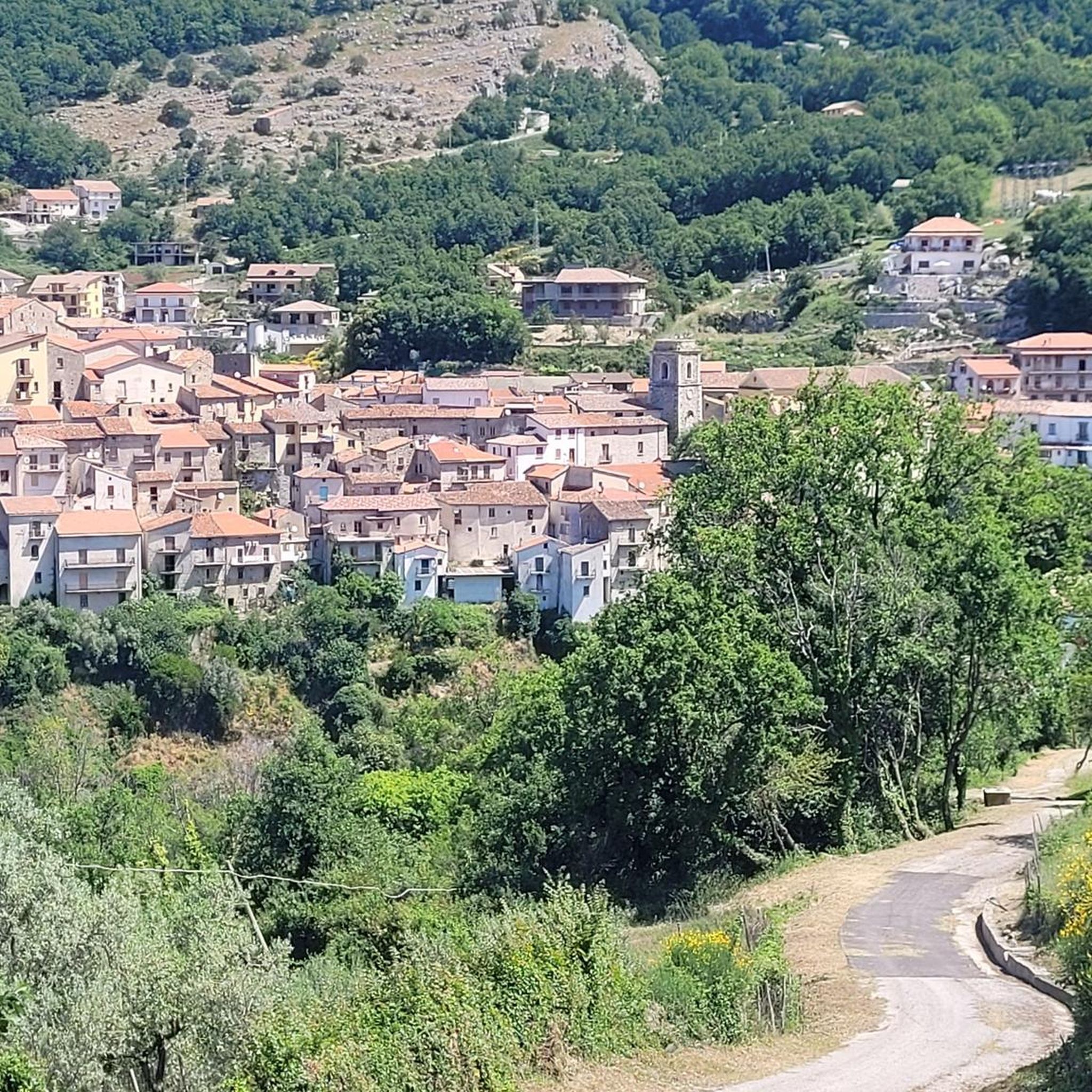
Absolutely worth a visit, a town that has remained authentic and is unfortunately depopulating, but which has so much to offer.
0
0
I was fortunate enough to meet Francesco from the Pro Loco tourist office (find the number outside the church, or ask in town), who guided us for about an hour to discover this sacred cave. An unexpected and truly worthwhile experience with several surprises, absolutely worth it.
0
0

Surrounded by dense beech woods, Sant'Angelo a Fasanella is a village located on the south-eastern slopes of the Alburni mountains. In addition to the spectacular surrounding nature, the Grotta di San Michele Arcangelo is not to be missed.
0
0

Karst sinkhole located in the territory of Petina, it is one of the many naturalistic attractions of the Alburni Mountains, in the National Park. The cave is more than 200 meters deep and it is necessary to have adequate speleological equipment. There is a picnic area outside.
1
0
A must-see in Sant'Angelo a Fasanella is the Church of San Michele Arcangelo, an ancient structure housed within a large cave. Among the stalactites and stalagmites are the Chapel of the Immaculate Conception, sculptures, 14th-century frescoes, and the marble statue of San Michele Arcangelo.
2
0

To reach this place trekking clothing and sturdy shoes! The entrance to the Grotta di Sant'Elia opens onto one of the most evocative "balconies" of the Alburni. From here it is possible to see the Piana del Sele, the Amalfi Coast and in the clearest days, Capri, and obviously the underlying medieval village of Postiglione, faithful to the cult of the Saint for centuries. https://monacincammino.it/luoghi/la-grotta-di-santelia-a-postiglione/#:~:text=The entrance%20alla%20Grotta%20di,fedele%20al%20culto%20del%20Santo.
3
0

There is a picnic area in this shady spot. You couldn't go into the cave, we only saw a deep crevice in the rock that you couldn't climb down into.
3
0
Frequently Asked Questions
What makes the caves around Petina unique?
The caves in this region, particularly the Grotte di Pertosa-Auletta (also known as the Angel Caves), are unique in Italy for offering an underground river navigation experience. Visitors can take a boat trip along the Negro river, making for a memorable and silent journey into the earth's depths. The caves also boast ancient geological formations and significant prehistoric archaeological findings.
What are the main attractions within the Grotte di Pertosa-Auletta?
Inside the Grotte di Pertosa-Auletta, you can explore various impressive chambers. Highlights include the 'Sala delle Meraviglie' (Hall of Wonders), the 'Sala del Trono' (Throne Room), and the majestic 'Grande Sala' (Great Hall), which reaches 24 meters in height. The experience typically combines a boat ride and a pedestrian path through these formations.
Are there any historical or religious caves in the area?
Yes, the region has several caves with historical and religious significance. For instance, the Cave of San Michele is a historical cave and natural monument, often described as an interesting church cave. Additionally, the Church of Saint Michael the Archangel in Sant'Angelo a Fasanella is an ancient structure housed within a large cave, featuring sculptures and 14th-century frescoes.
What kind of geological formations can I expect to see?
The caves around Petina, particularly the Grotte di Pertosa-Auletta, are renowned for their ancient geological formations, believed to be over 34 million years old. You will encounter an array of impressive stalactites, stalagmites, and other concretions that adorn the cavern walls and ceilings, creating a mesmerizing display of nature's artistry.
What is the typical temperature inside the caves and what should I wear?
The temperature inside the caves, such as the Grotte di Pertosa-Auletta, remains constant at around 15°C (59°F) year-round. It is recommended to wear warm clothing and comfortable, sturdy shoes for your visit. For more challenging caves like Sant'Elia Cave, trekking clothing and sturdy shoes are essential.
Are the caves around Petina suitable for families?
Yes, the Grotte di Pertosa-Auletta are well-equipped for tourism and offer guided tours suitable for families. The paths are illuminated, and safety measures are in place. The unique underground boat ride is often a highlight for visitors of all ages.
Are there guided tours available for the caves?
Yes, guided tours are available for the Grotte di Pertosa-Auletta, typically lasting about an hour and a half. An audio guide is also available for non-Italian speakers, ensuring a comprehensive experience for all visitors.
Is parking available at the caves?
Yes, the Grotte di Pertosa-Auletta site provides a large car park for visitors, making access convenient for those traveling by car.
What is the best time of year to visit the caves near Petina?
Thanks to the constant temperature of around 15°C inside the caves, they offer a comfortable visit year-round. This makes them an excellent destination regardless of the season, providing a cool escape in summer and a mild retreat in winter.
What outdoor activities can I do near the caves around Petina?
The area around Petina offers a variety of outdoor activities. You can explore numerous hiking trails, enjoy cycling routes, or tackle mountain biking trails. The Monti Alburni massif provides a scenic backdrop for all these activities.
Are there hiking trails near the caves?
Yes, there are several hiking trails in the vicinity of the caves. For example, you can find routes like the Il Figliolo Loop Trail or explore the Monte Panormo area. For a comprehensive list of options, refer to the hiking guide for Petina.
Beyond the main attractions, are there other notable caves to explore?
Yes, besides the well-known Grotte di Pertosa-Auletta, you can also consider visiting Grotta Fra Gentile. This karst sinkhole is located in the territory of Petina and is one of the many naturalistic attractions of the Alburni Mountains. Note that exploring its depths requires adequate speleological equipment, though a picnic area is available outside.
Most popular attractions around Petina

Get inspired with the komoot mobile app


Explore more
Extend your search for the best caves by checking out these guides of the top ones around Petina:
