Top 5 Castles around Sant'Angelo A Fasanella
Best castles around Sant'Angelo A Fasanella are situated within the Cilento, Vallo di Diano and Alburni National Park, a region known for its historical remnants. This medieval village in the province of Salerno provides insight into its feudal past through various fortifications. The area features both more intact baronial castles and the ruins of ancient fortresses. These sites collectively offer a tangible connection to the region's long history and defensive architecture.
Best castles around Sant'Angelo A Fasanella
- The most popular castles is Roccadaspide, a castle that dominates the entire Valle del Calore. Its prominent position makes it a significant landmark in the area.
- Another must-see spot is Archaeological area of Sacco Vecchia, a historical site featuring the remains of an ancient Lombard village. Visitors can observe the crenellated walls of the former castle and the church of San Nicola.
- Visitors also love Laurino, a settlement that includes the remains of a medieval castle among its many places of interest. This site offers a connection to the historical layers of the Cilento region.
- Sant'Angelo A Fasanella is known for its baronial castles and ancient castle ruins. These sites provide a variety of historical structures to explore, from more intact fortifications to archaeological remnants.
- The castles around Sant'Angelo A Fasanella are appreciated by the komoot community, with 16 upvotes and 7 photos shared by visitors.
Last updated: July 13, 2026
Roccadaspide
Highlight • Castle
Translated by Google •
Tip by

Sicignano degli Alburni
Highlight • Settlement
Translated by Google •
Tip by

Sign up now to discover places like this
Get recommendations on the best single tracks, peaks, & plenty of other exciting outdoor places.
Sign up for free
Archaeological area of Sacco Vecchia
Highlight • Historical Site
Translated by Google •
Tip by
Laurino
Highlight • Settlement
Translated by Google •
Tip by
Medieval Castle Tower
Highlight • Castle
Of the early fifteenth century plant there are certainly, beyond the corner tower with machicolations, the underground rooms, including two dungeons, barrel-covered and forming a single room separated by an arch, accessible by means of a flight of stairs from the first internal courtyard; equipped with windows that open at the end of deep ogival lunettes, they had to be used as prison cells, to be then adapted to other uses with the construction of a perimeter balcony, perhaps in the years remembered by a date painted at the entrance (1619 ).
Translated by Google •
Tip by

Start today with a free account
Your next adventure awaits.
Login or Signup
Tips from the Community

Suggestive structure in the old part
0
0

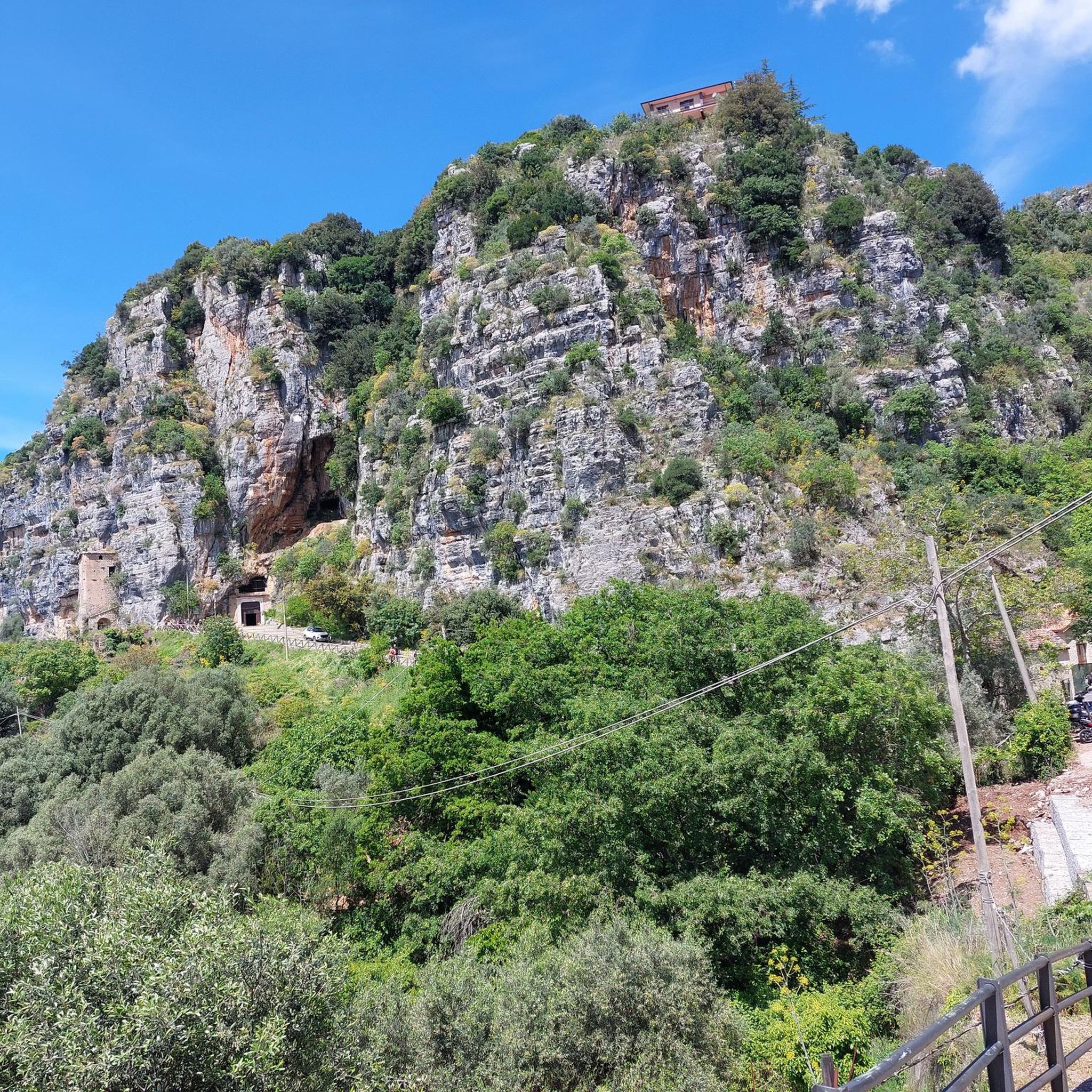
Unfortunately, it's currently impassable due to rockfall.
0
0

The ruins of Sacco Vecchia are an ancient Lombard village that once stood on the slopes of Mount Motola. The village was abandoned between the 9th and 11th centuries when its inhabitants moved further downstream, where they founded the current village of Sacco. Today there are the remains of the crenellated walls of the castle and of the church of San Nicola.
0
0

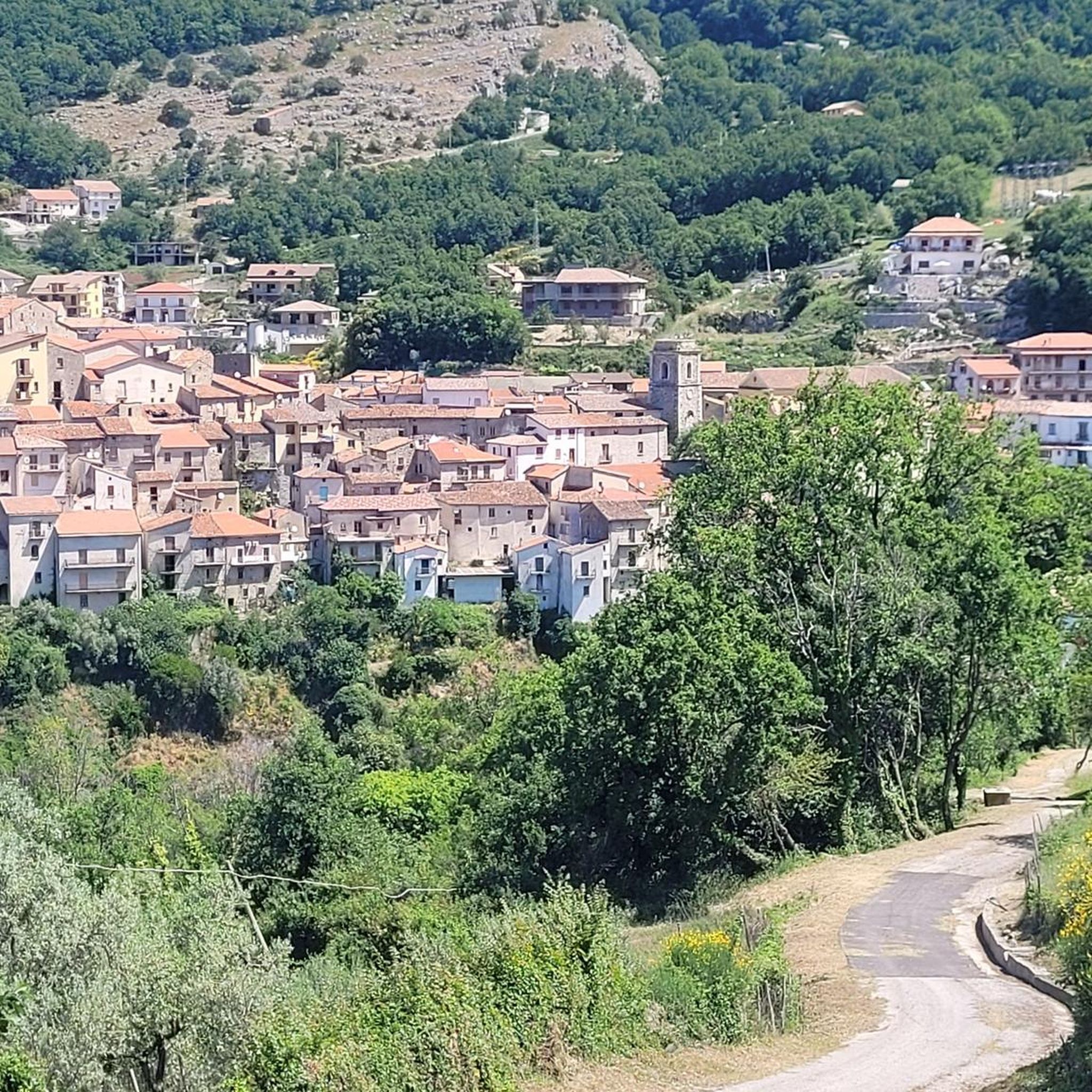
Sicignano degli Alburni is a small town in the province of Salerno. Part of the municipality is inserted within the boundaries of the Cilento, Vallo di Diano and Alburni National Park. Giusso Castle and the villages of Fontanella, Rupa and San Matteo still have many medieval features: a real leap into history!
3
0
Roccadaspide is the main center of the Valle del Calore. In the panorama of the village perched on the hill, its castle certainly stands out, which dominates the entire valley.
2
0

A square tower is still visible of the ancient fortified structure, while the castle is being restored. Of the early fifteenth century plant there are certainly, beyond the corner tower with machicolations, the underground rooms, including two dungeons, barrel-covered and forming a single room separated by an arch, accessible by means of a flight of stairs from the first internal courtyard; equipped with windows that open at the end of deep ogival lunettes, they had to be used as prison cells, to be then adapted to other uses with the construction of a perimeter balcony, perhaps in the years remembered by a date painted at the entrance (1619 ).
0
0

Sicignano degli Alburni is an Italian town of 3,181 inhabitants in the province of Salerno in Campania. The municipal territory rises between the Tanagro valley and the Alburni Mountains, and is largely included in the Cilento and Vallo di Diano national park. https://it.wikipedia.org/wiki/Sicignano_degli_Alburni
3
1
Frequently Asked Questions
What historical castles can I explore directly within Sant'Angelo a Fasanella?
Within Sant'Angelo a Fasanella, you can visit the **Baronial Castle of Sant'Angelo a Fasanella**. This castle, likely originating around 1426, offers a tangible connection to the medieval period with its imposing structure, ancient corner tower with machicolations, and underground dungeons. Additionally, about three kilometers from the modern town, in the San Manfredi area, you'll find the **ruins of an ancient castle** and the church of San Pietro, which mark the original site of Fasanella, destroyed in 1246.
Beyond the immediate village, what other notable castles are in the wider Sant'Angelo a Fasanella area?
The region around Sant'Angelo a Fasanella features several other historical sites with castle remnants. You can explore the castle that dominates the valley in Roccadaspide, which is the main center of the Valle del Calore. Further afield, Sicignano degli Alburni boasts the Giusso Castle and retains many medieval features. The Archaeological area of Sacco Vecchia contains the ruins of a Lombard village, including crenellated castle walls. Lastly, Laurino also has remains of a medieval castle alongside other historical buildings.
Are there any castles in the area that offer significant historical insights into the region's past?
Yes, several castles provide deep historical context. The **Baronial Castle of Sant'Angelo a Fasanella** showcases medieval defensive architecture and daily life. The **ruins near San Manfredi** are particularly significant as they represent the original nucleus of Fasanella, destroyed by Frederick II. The Giusso Castle in Sicignano degli Alburni offers a glimpse into a well-preserved medieval settlement, while the Archaeological area of Sacco Vecchia reveals the remains of an ancient Lombard village and its castle walls, telling a story of abandonment and relocation.
What kind of natural features or viewpoints can I expect to see near these castles?
Many of the castles in the area are situated in strategic locations, offering impressive views. The **Baronial Castle of Sant'Angelo a Fasanella** overlooks the 'Basso la terra' district, providing commanding views of the surrounding landscape. Roccadaspide's castle dominates the entire Valle del Calore. Similarly, Sicignano degli Alburni and the Archaeological area of Sacco Vecchia are noted for their viewpoint potential, often nestled within the Cilento, Vallo di Diano and Alburni National Park, offering scenic vistas.
What outdoor activities can I do near the castles around Sant'Angelo a Fasanella?
The region, being part of the Cilento, Vallo di Diano and Alburni National Park, is excellent for outdoor activities. You can find various cycling routes, including challenging MTB trails like "Nel cuore dei Monti Alburni" or "Panormo Hut – Casone Aresta loop." For road cycling, consider "Parco Nazionale del Cilento, Vallo di Diano e Alburni along the Via Silente." You can explore more options for MTB Trails, Traffic-free bike rides, and Roadbike routes in the area.
Are there family-friendly castles to visit near Sant'Angelo a Fasanella?
While specific 'family-friendly' designations aren't always available for historical ruins, the **Baronial Castle of Sant'Angelo a Fasanella** with its dungeons and machicolations can be an engaging visit for older children interested in medieval history. Exploring the medieval features of Sicignano degli Alburni and its Giusso Castle can also be an educational experience for families. Always check accessibility and safety for younger children, especially at ruin sites like Sacco Vecchia.
What is the best time of year to visit the castles and the Sant'Angelo a Fasanella region?
The best time to visit the castles and the Sant'Angelo a Fasanella region is typically during the spring (April to June) and early autumn (September to October). During these months, the weather is generally pleasant for exploring historical sites and engaging in outdoor activities like cycling or hiking in the national park. Summers can be hot, and winters might bring colder temperatures, potentially impacting accessibility to some outdoor ruins.
Are there any cafes or restaurants near the castles in Sant'Angelo a Fasanella?
Sant'Angelo a Fasanella, as a medieval village, offers local amenities. You can find cafes and restaurants within the village itself, particularly near the **Baronial Castle**. For other castle sites like Roccadaspide, Sicignano degli Alburni, and Laurino, which are settlements, you will find dining options within the respective towns. For more remote ruins like the Archaeological area of Sacco Vecchia, it's advisable to bring your own refreshments or plan to eat in a nearby village.
How long does it typically take to visit the castles in the Sant'Angelo a Fasanella area?
The time required to visit varies by castle. The **Baronial Castle of Sant'Angelo a Fasanella** might take 1-2 hours to explore thoroughly. For the **ruins near San Manfredi** or the Archaeological area of Sacco Vecchia, a visit could range from 30 minutes to an hour, depending on your interest in archaeological sites. Larger settlements like Roccadaspide or Sicignano degli Alburni, which include castles, might warrant a half-day or full-day visit to explore the town and its historical features.
Is public transport available to reach the castles around Sant'Angelo a Fasanella?
Public transport options to reach some of the more remote castle sites might be limited. Sant'Angelo a Fasanella itself is accessible, and the **Baronial Castle** is within the village. For other castles located in nearby towns like Roccadaspide, Sicignano degli Alburni, or Laurino, local bus services might connect them to larger hubs. However, reaching the **ruins near San Manfredi** or the Archaeological area of Sacco Vecchia may require a car or a combination of public transport and walking.
Are there any accessibility considerations for visiting the castles in this region?
Accessibility can vary significantly. Many of the castles, being medieval structures or ruins, may have uneven terrain, stairs, and limited facilities for visitors with mobility challenges. The **Baronial Castle of Sant'Angelo a Fasanella** has ancient elements and underground dungeons which might not be fully accessible. The **Archaeological area of Sacco Vecchia** is currently impassable due to rockfall, indicating difficult terrain. It's best to inquire locally or check specific site information for detailed accessibility before planning your visit, especially for older or less maintained sites.
Most popular routes around Sant'Angelo A Fasanella
Most popular attractions around Sant'Angelo A Fasanella

Get inspired with the komoot mobile app


Explore more
Looking for the best castles somewhere else? Discover other guides around Sant'Angelo A Fasanella:
