Top 4 Castles around Tufo
Castles around Tufo, a town in the province of Avellino, Italy, are situated in a region known for its historical significance and volcanic rock landscape. The area features medieval castles strategically built on elevated positions, reflecting centuries of Lombard, Norman, and Aragonese influences. This part of Campania offers insights into historical architecture and regional heritage, with structures often overlooking river valleys.
Best castles around Tufo
- The most popular castles is Castello di Tufo, a castle that is strategically perched…
Last updated: June 30, 2026
Castello di Tufo
Highlight • Castle
Translated by Google •
Tip by

Taurasi Castle
Highlight • Castle
Translated by Google •
Tip by
Sign up now to discover places like this
Get recommendations on the best single tracks, peaks, & plenty of other exciting outdoor places.
Sign up for free
Macedonio Castle of Grottolella
Highlight • Castle
Translated by Google •
Tip by
Ceppaloni
Highlight • Settlement
Translated by Google •
Tip by

Start today with a free account
Your next adventure awaits.
Login or Signup
Tips from the Community


The castle of Grottolella built in 1083 on a pre-existing Lombard stronghold in control of the old village of Grottolella
1
0
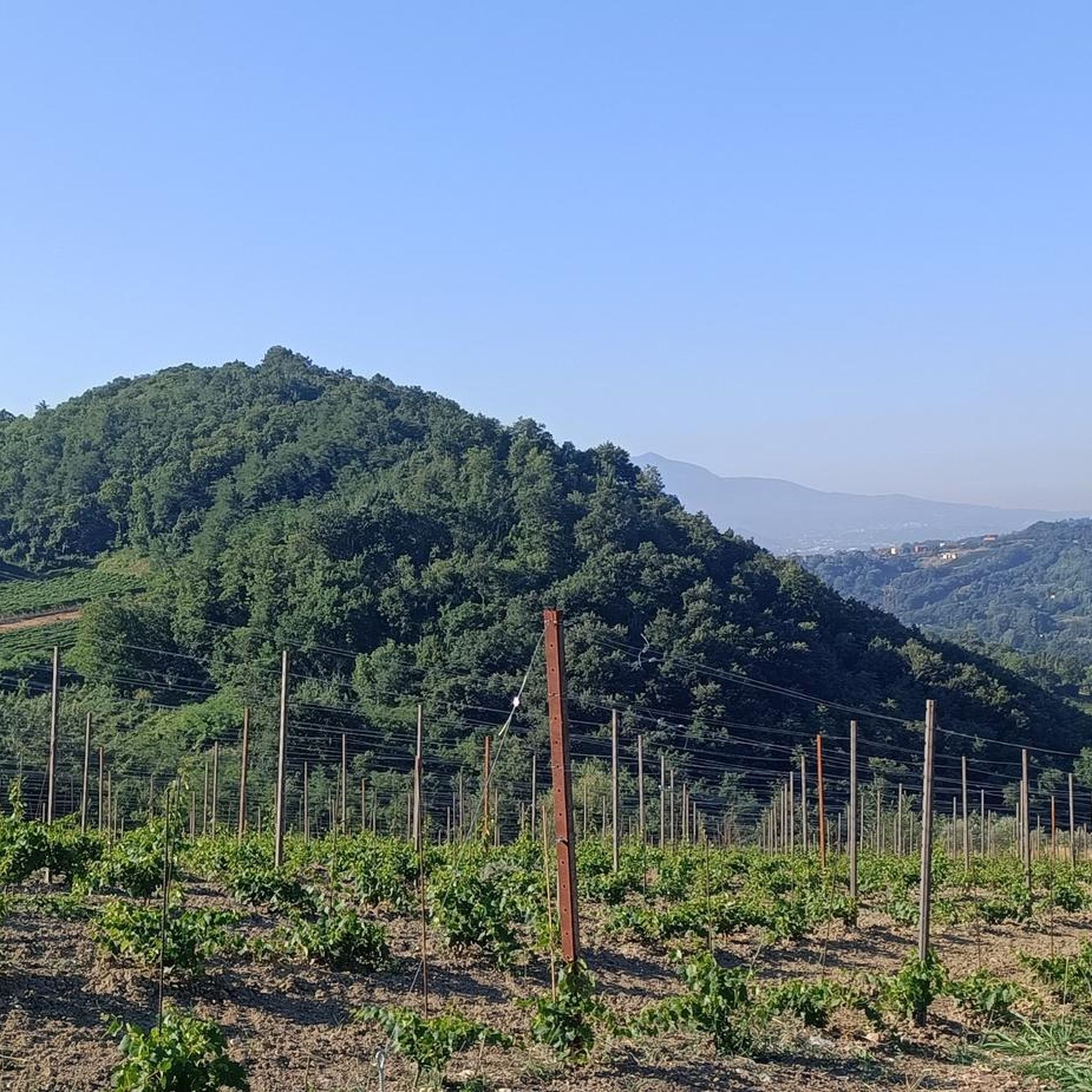
The roots and history of Greco di Tufo one of the most famous white wines in the world
1
0

The Castle dominates the old village over the valley crossed by the San Giulio stream, built on a pre-existing Lombard stronghold in the second half of the 11th century, it was besieged and destroyed by the troops led by Ruggiero II the Norman.
0
0
At the end of the climb it unlocks at Castello di Tufo
0
0
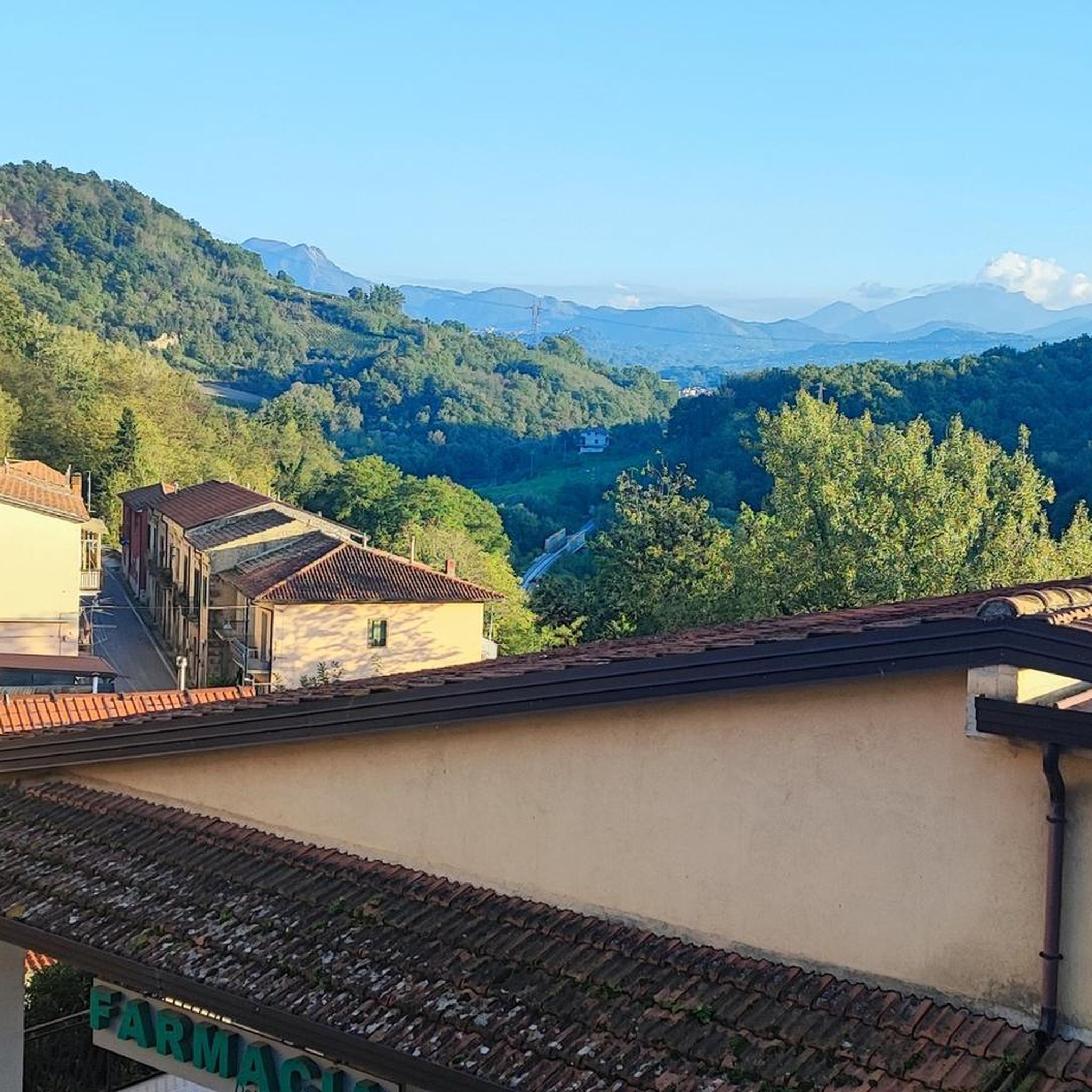
Also known as Palazzo Marchionale, it is a 10th century building used as the seat of the Regional Enoteca for Irpinia Wines. After the entrance there is a welcoming garden and through a staircase you can go up to the upper rooms from which you can enjoy a splendid view
4
0
Frequently Asked Questions
What is the historical background of the castles in the Tufo region?
The castles around Tufo have deep historical roots, often tracing back to Lombard domination. They were strategically built as fortresses to control the surrounding areas and protect villages. Over centuries, they saw successions of rulers including Normans, Angevins, and Aragonese, leading to transformations from purely defensive structures into noble residences. Castello di Tufo is a prime example of this evolution.
Are there any castles near Tufo that offer panoramic views?
Yes, several castles in the region are known for their commanding positions and offer excellent views. For instance, Macedonio Castle of Grottolella dominates the old village over the valley crossed by the San Giulio stream. Similarly, the castle within Ceppaloni stands on a rocky outcrop, offering views of the Sabato valley. Taurasi Castle also provides a splendid view from its upper rooms.
What kind of architecture can I expect to see at these castles?
The castles showcase a blend of architectural styles reflecting their long history. While many originated as Lombard strongholds, later influences from Normans, Angevins, and Aragonese led to modifications. You can observe features like circular towers, boundary walls, and Renaissance-period inner portals. Many, like Castello di Tufo, were eventually transformed into aristocratic residences, incorporating new wings and external walls.
Are there hiking opportunities near the castles around Tufo?
Absolutely. The region around Tufo offers various hiking trails that allow you to explore the natural beauty and historical sites. You can find routes with different difficulty levels. For more detailed information and specific routes, check out the Hiking around Tufo guide.
Can I combine a castle visit with other outdoor activities like cycling or running?
Yes, the area provides opportunities for various outdoor sports. You can find numerous road cycling routes and running trails around Tufo. For cycling enthusiasts, explore the Road Cycling Routes around Tufo guide. If you prefer running, the Running Trails around Tufo guide offers several options.
What is unique about <a href="https://www.komoot.com/highlight/3294288" target="_blank" rel="noopener">Taurasi Castle</a>?
Taurasi Castle, also known as Palazzo Marchionale, is a 10th-century building that now serves as the seat of the Regional Enoteca for Irpinia Wines. Visitors can enjoy a welcoming garden and ascend to the upper rooms for splendid views. It uniquely combines historical architecture with the region's renowned wine culture.
What are some visitor tips for <a href="https://www.komoot.com/highlight/3709797" target="_blank" rel="noopener">Castello di Tufo</a>?
Visitors appreciate Castello di Tufo for its historical significance and its connection to the roots of Greco di Tufo, one of the world's most famous white wines. The castle is strategically perched on a volcanic rock spur, and reaching it often involves a climb that unlocks its impressive presence.
Is there parking available near the castles?
While specific parking details for each castle may vary, the town of Tufo and surrounding villages typically offer parking options. It is advisable to check local signage or inquire upon arrival for the most convenient parking near the castle you plan to visit.
What is the best time of year to visit the castles around Tufo?
The region generally enjoys pleasant weather for exploring historical sites. Spring and autumn offer mild temperatures, which are ideal for walking and outdoor activities. Summer can be warm, but the views from the elevated castles are still enjoyable. Winter visits are possible, but some facilities or access might be limited due to weather conditions.
Are the castles around Tufo suitable for family visits?
Many of the castles, with their historical narratives and impressive structures, can be engaging for families. While specific family-friendly amenities might vary, the opportunity to explore medieval architecture and enjoy scenic views can be a rewarding experience for all ages. Consider the terrain and any climbs when planning with younger children.
What is the significance of <a href="https://www.komoot.com/highlight/4188812" target="_blank" rel="noopener">Macedonio Castle of Grottolella</a>?
Macedonio Castle of Grottolella was built in 1083 on a pre-existing Lombard stronghold. It played a crucial role in controlling the old village of Grottolella and the valley crossed by the San Giulio stream. Its history includes being besieged and destroyed by the troops led by Ruggiero II the Norman, highlighting its strategic importance in medieval conflicts.
Can I find accommodation or dining options near the castles?
The towns and villages surrounding the castles, such as Tufo, offer various local amenities including cafes, pubs, restaurants, and accommodation options. You can find places to eat and stay within a reasonable distance, allowing you to comfortably explore the region's historical sites.
Most popular attractions around Tufo

Get inspired with the komoot mobile app


Explore more
Looking for the best castles somewhere else? Discover other guides around Tufo:
