Top 9 Castles around Cesinali
Best castles around Cesinali are found within the province of Avellino, Campania, a region with a rich historical background. Cesinali is an agricultural center, with its origins tracing back to Roman times, as indicated by the presence of ancient aqueducts. While prominent castles are not directly within Cesinali, the surrounding area offers notable landmarks near Cesinali, including historical sites and religious sanctuaries. This provides a comprehensive view of the region's heritage and diverse landscape.
Best castles around Cesinali
- The most…
Last updated: June 30, 2026
Castelletto Parise
Highlight • Castle
Translated by Google •
Tip by

San Pantaleone Sanctuary and the Lombard Castle of Montoro
Highlight • Historical Site
Translated by Google •
Tip by

Sign up now to discover places like this
Get recommendations on the best single tracks, peaks, & plenty of other exciting outdoor places.
Sign up for free
Monteforte Irpino Castle
Highlight • Castle
But the history of Monteforte …
Translated by Google •
Tip by
Ruins of Mercogliano Castle
Highlight • Castle
Translated by Google •
Tip by
Feudal Castle
Highlight • Castle
Translated by Google •
Tip by
Sign up for free to discover even more castles around Cesinali.
Sign up for free
Already have an account?
Start today with a free account
Your next adventure awaits.
Login or Signup
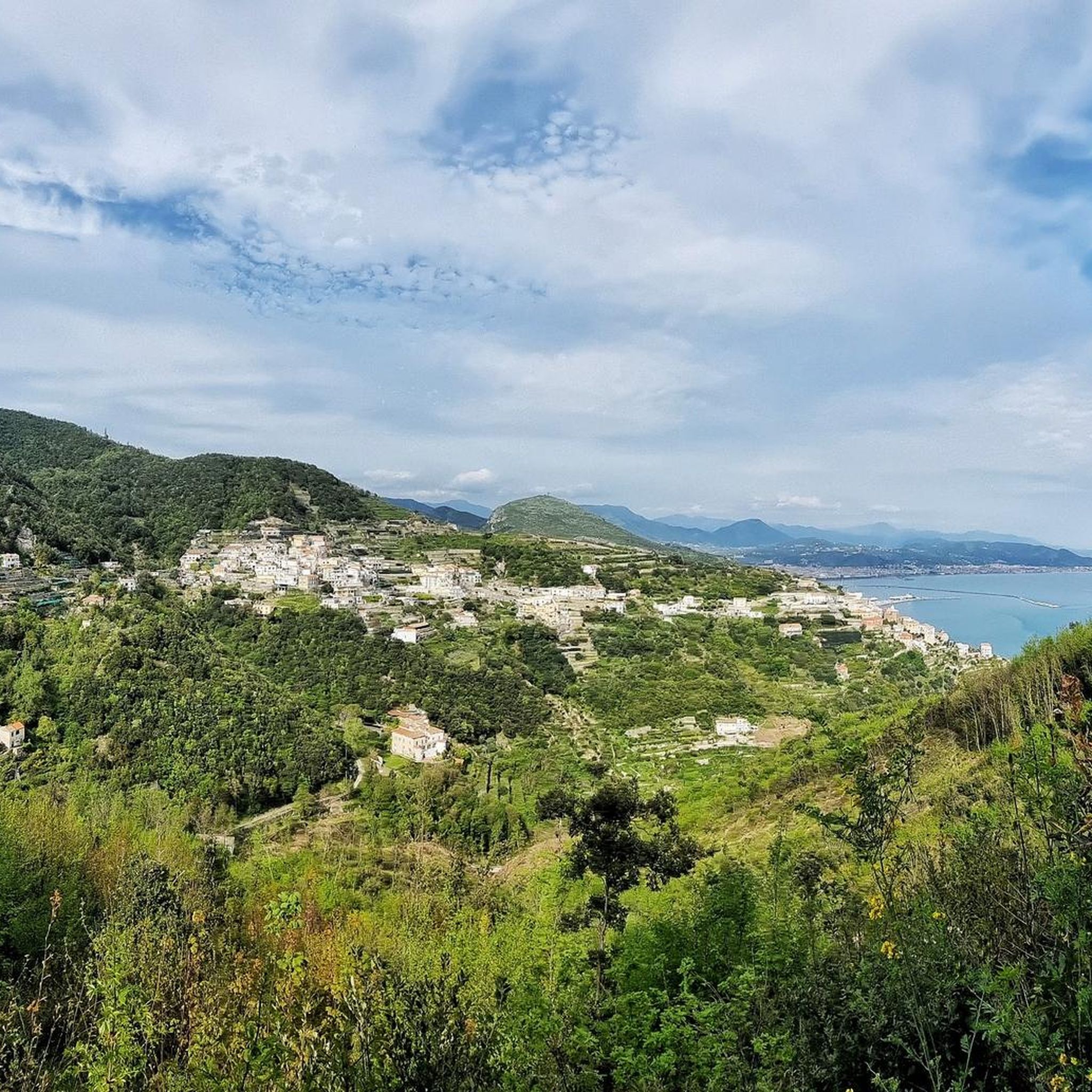
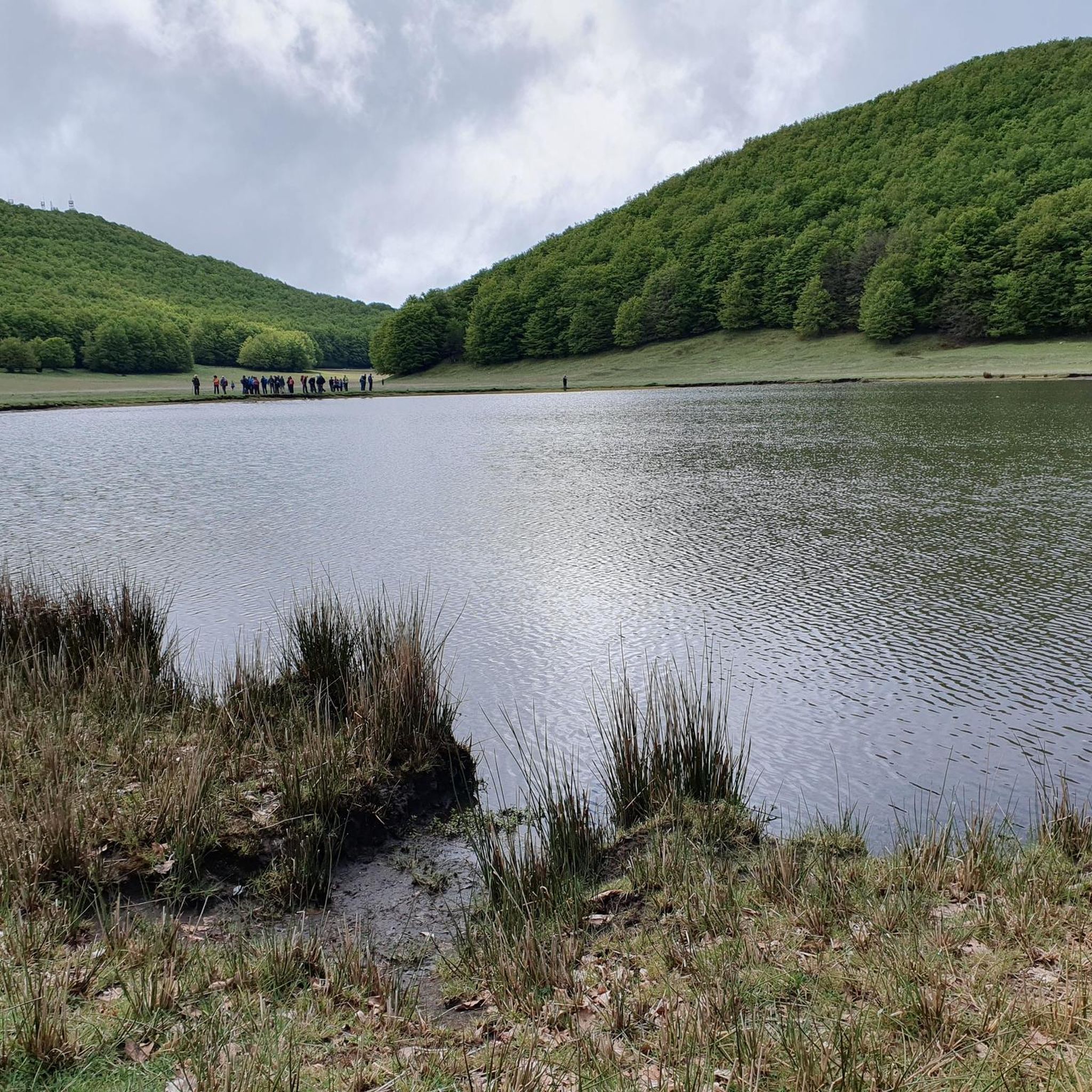
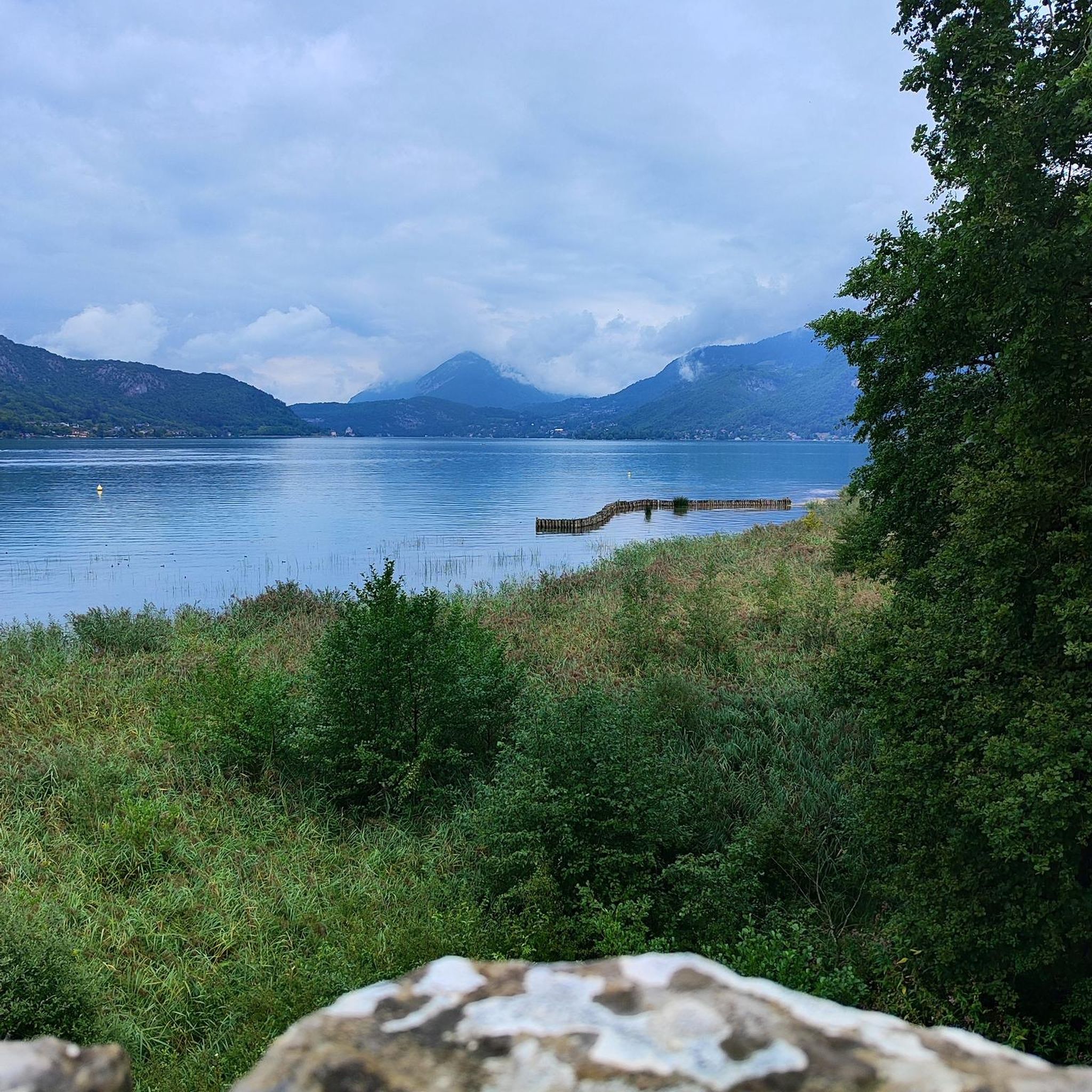
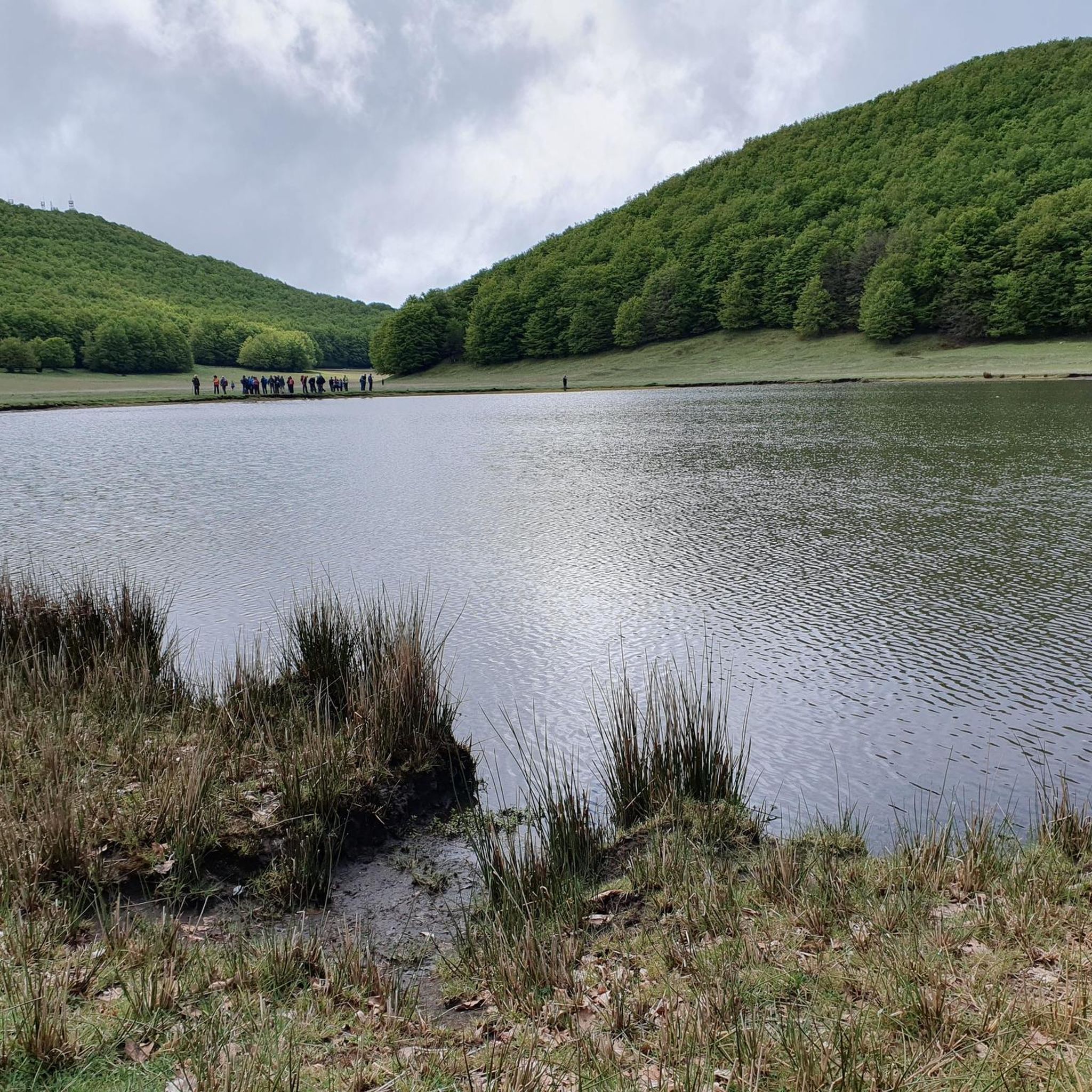

Tips from the Community

the park/green area is located next to the castle. there is parking, with a picnic area
0
0

The Castle of Monteforte was probably an ancient Roman castrum, on which a real castle was probably built by the Lombards in the 7th-8th century. But the history of Monteforte is very ancient: traces of its existence can be found already during the Second Punic War (fought between Rome and Carthage from 218 BC to 202 BC), when Annibale Barca passed through it on his way back from Capua towards Cannae, where he prepared the historic trap against the Romans. The first certain information we have about the village is contained in a document from 1102 preserved in the Montevergine Archives. In the Angevin period, it passed to the Princes of Montfort and Count Guido de Monfort lived there, who killed Prince Henry of England in 1271 in the cathedral of Viterbo. Having committed the crime, he was deprived of his possessions which passed to the Orsini family, whose lineage they remained in until 1806. The Castle was renovated and transformed into a summer residence by Charles of Anjou who lived there several times from 1271 to 1280. It was abandoned to itself from the 16th century; legend has it that who knows what treasures were buried in it, unfortunately this gave greedy hands the opportunity to complete its destruction.
11
0

Remains of the feudal castle of Serino, complete with boundary walls and access arch. Very suggestive place!
6
0
On the top of a hill full of vegetation, in the locality of Toppola, are the ruins of the Feudal Castle of Serino which, together with the Castle of Orano, constitutes the group of fortifications present in the territory of the municipality. Of the original structure, only the perimeter walls and the ancient chapel, now restored, are visible. According to some sources, the castle was built around 839 AD, as a defensive bulwark for the local inhabitants threatened by the raids of the militias engaged in the dynastic struggles for the succession to the throne of Benevento. However, the current conformation of the castle should date back to 1159, the year in which Costanza Saracena, belonging to the Sanseverino family, elected Serino as the capital of her feud. The structure is accessed through two suggestive arched doors that mark the passage along the three short ramps that once led to the main entrance. After the last door, you come across the Sanctuary dedicated to the Madonna delle Grazie which today includes the private chapel with a bell tower, once located near the residence of the feudal lord. With the loss of its defensive function, the castle suffered the neglect of time and was gradually abandoned. The ruins of the building, with the adjoining restored church, are now well kept, inserted within a highly suggestive natural setting, in which the centuries-old linden tree in front of the church makes a fine show.
18
0

The Feudal Castle is located on top of the Serino hill. It is inserted in a wooded environment, very luxuriant. Unfortunately a large part of the fortress is in a state of abandonment.
1
0
Ruins of the Castle of the hamlet of Mercogliano "Capocastello"
1
0
Antico Castelletto belonged precisely to the Parise family as the name suggests, it is a pity that it is in a state of total abandonment, because, seen up close it is very beautiful and is characterized by the arches of the windows and the portal, very characteristic, too bad that be left to himself !!
3
0
Castelletto built by the Parise family that despite the passing of the years and the lack of care still retains its splendor.
16
0
Frequently Asked Questions
What types of historical castles can I explore near Cesinali?
The area around Cesinali, within the province of Avellino, offers a diverse range of historical castles. You can find ancient Roman castrums, Lombard fortifications, and feudal structures, each providing a glimpse into different periods of architectural and defensive history in the region.
Are there any castles near Cesinali that offer panoramic views?
Yes, several castles in the vicinity provide excellent viewpoints. For instance, the San Pantaleone Sanctuary and the Lombard Castle of Montoro is a historical site and viewpoint where you can admire beautiful views of the hamlets Borgo and Piano Preturo. Additionally, the Monteforte Irpino Castle also serves as a panoramic point.
What is the history behind the Monteforte Irpino Castle?
The Monteforte Irpino Castle likely originated as an ancient Roman castrum, with a more substantial castle built by the Lombards in the 7th-8th century. Its history is very old, with traces dating back to the Second Punic War. It was renovated and used as a summer residence by Charles of Anjou in the late 13th century before being abandoned from the 16th century onwards.
Are there any castles near Cesinali that are particularly integrated with nature?
Yes, Castelletto Parise, built in 1753, retains its historical character within a natural setting. Although it is currently in a state of neglect, nature seems to embrace and protect it. Similarly, the ruins of the Feudal Castle in Serino are situated within a highly suggestive natural setting, complete with a centuries-old linden tree.
What other historical sites are near Cesinali besides castles?
While Cesinali itself doesn't have major castles, the surrounding region is rich in history. Notable sites include the significant religious site of the Montevergine Sanctuary, the ancient Sanctuary of the Most Holy Savior of Serino carved into rock, and historical churches like the Church of Saint Anthony of Contrada and the neo-Gothic Church of the Most Holy Rosary in Avellino. Cesinali's own Roman origins are evident from ancient aqueducts.
Can I find ruins of ancient castles to explore near Cesinali?
Yes, you can explore the Ruins of Mercogliano Castle, an ancient structure primarily intended to defend the town on the old Via del Partenio. These ruins offer insight into the region's historical defensive strategies. The Feudal Castle in Serino also consists of impressive ruins, with visible perimeter walls and a restored chapel.
What outdoor activities can I combine with visiting castles near Cesinali?
The area around Cesinali is excellent for various outdoor activities. You can find numerous cycling routes, including touring bicycle and road cycling options, as well as mountain biking trails. For example, you could explore routes like the 'Greco di Tufo Loop Trail' for touring bicycles or 'Santo Stefano, Volturara Irpina e Sorbo Serpico – loop tour' for road cycling. For mountain biking, consider trails like 'Crest of S. Stefano del Sole'. You can find more details on these activities in the Cycling around Cesinali, Road Cycling Routes around Cesinali, and MTB Trails around Cesinali guides.
Are there any religious sites associated with the castles in the area?
Yes, the San Pantaleone Sanctuary and the Lombard Castle of Montoro combines a historical castle with a sanctuary. Additionally, near the ruins of the Feudal Castle in Serino, you'll find a restored ancient chapel and a Sanctuary dedicated to the Madonna delle Grazie.
What do visitors particularly appreciate about the castles around Cesinali?
Visitors to the castles around Cesinali appreciate the rich historical context and the opportunity to explore different periods of architecture, from Roman to feudal. The natural settings of many sites, like Castelletto Parise and the Feudal Castle, are also highly valued. The panoramic views offered by locations such as the Lombard Castle of Montoro are a significant draw for outdoor enthusiasts.
What is the significance of the Feudal Castle in Serino?
The Feudal Castle in Serino, located in the locality of Toppola, is believed to have been built around 839 AD as a defensive bulwark. Its current structure largely dates back to 1159. While mostly in ruins, its perimeter walls and a restored chapel remain, offering a glimpse into its past as a significant defensive and residential structure in the region.
Is it possible to visit castles that were once part of ancient Roman or Lombard defenses?
Yes, the region around Cesinali has a history stretching back to Roman times. The Monteforte Irpino Castle, for example, is thought to have originated as an ancient Roman castrum before being developed by the Lombards. The general area is known for ancient Roman castrums and Lombard fortifications, providing opportunities to explore these early defensive structures.
Most popular attractions around Cesinali

Get inspired with the komoot mobile app


Explore more
Looking for the best castles somewhere else? Discover other guides around Cesinali:
