Top 4 Castles around Montaione
Best castles around Montaione are found in a region characterized by rolling hills, the Valdelsa and Valdarno river valleys, and views of the Tuscan Apennine mountains. Montaione, a medieval village, is known for its historic fortified center and surrounding ancient structures. The area offers a glimpse into Tuscany's past through its well-preserved castles, ruins, and converted estates. Exploring these sites provides insight into the region's rich history and strategic importance.
Best castles around Montaione
- The most popular castles is Pretorio Palace in Certaldo, a historical site that was the ancient residence of the Alberti counts. This medieval palazzo features numerous coats of arms and frescoes, offering a historical and cultural experience.
- Another must-see spot is Historic Village of Castelfalfi, a settlement with an ancient castle. Visitors can explore the castle, the Parish Church of San Floriano, and brick houses, all set within a hilly landscape with extensive views.
- Visitors also love Palaia Historic Town Center, an ancient agricultural center with Etruscan origins. This historical site is known for its churches and serves as a starting point for scenic excursions to picturesque villages.
- Montaione is known for its historic fortified centers, well-preserved castles, and castle ruins. The variety of castles to see and explore includes the town of Montaione itself, Castelfalfi, and the ruins of Vignale.
- The castles around Montaione are appreciated by the komoot community, with over 85 upvotes and more than 135 photos shared by visitors.
Last updated: July 13, 2026
Pretorio Palace in Certaldo
Highlight • Historical Site
it.wikipedia.org/wiki/Palazzo_Pretorio_(Certaldo)
Translated by Google •
Tip by

San Miniato Cathedral and Clock Tower
Highlight • Religious Site
Translated by Google •
Tip by

Sign up now to discover places like this
Get recommendations on the best single tracks, peaks, & plenty of other exciting outdoor places.
Sign up for free
Historic Village of Castelfalfi
Highlight • Settlement
Translated by Google •
Tip by

Castello di Oliveto
Highlight • Castle
The building, whose name derives from the numerous olive groves surrounding the Castle, is located on the top of a hill, well protected by moats, walls and towers.
Translated by Google •
Tip by

Palaia Historic Town Center
Highlight • Historical Site
Palaia is a starting point for scenic excursions to picturesque villages such as Colleoli, Villa Saletta and Toiano. Palaia is also known for the white truffle harvest.
Translated by Google •
Tip by

Start today with a free account
Your next adventure awaits.
Login or Signup
Tips from the Community

Castelfalfi is a charming medieval village located in Tuscany, in the municipality of Montaione, province of Florence. Nestled in the Tuscan hills, it offers a breathtaking view of vineyards, olive groves and woods. The village has been restored and transformed into a luxury tourist destination, with a resort, a golf course and high-quality accommodation facilities. The history of Castelfalfi dates back to the Middle Ages, and today it represents a perfect combination of history, nature and modern comfort.
0
0

San Miniato, city of good cuisine and white truffles, looks from a hill over the plain through which the Arno flows. The monumental palaces prove its grandeur, but all its charm lies in two esplanades formed by the unexpected Prato del Duomo and the square in front of the castle of Emperor Frederick II. The name San Miniato was previously followed by 'al Tedesco' (from the German.), because the city was the Tuscan residence of the German emperors from the 10th century.
5
0

Palazzo Pretorio, the most representative monument of Certaldo, was the ancient residence of the Alberti counts, built around the end of the 12th century on the ruins of the ancient houses of this family. The prisons, the audience hall, the archive, the chapel and the private quarters of the Vicars can still be visited today. On the facade and inside the palace there are numerous coats of arms, each of which represents the effigy of the family of each Vicar who governed and lived here. In the Palace you can admire frescoes and sinopias from the 15th and 16th centuries. For further information: https://www.comune.certaldo.fi.it/it/page/palazzo-pretorio
0
0

Place of historical, cultural, architectural and tourist interest Piazzetta del Vicariato, 4, 50052 Certaldo FI https://www.comune.certaldo.fi.it/it/page/palazzo-pretorio 0571661219
1
0

Palaia is an ancient agricultural center of Etruscan origins, known for its historic churches and agricultural traditions. Some notable landmarks are the parish church of San Martino and the church of Sant'Andrea. Surrounding areas such as Montefoscoli and San Gervasio are home to museums displaying vintage agricultural tools and tractors. Palaia is a starting point for scenic excursions to picturesque villages such as Colleoli, Villa Saletta and Toiano. Palaia is also known for the white truffle harvest.
2
0

Ancient village with a rich historic center worthy of a visit. The capital of the Tuscan truffle
2
0

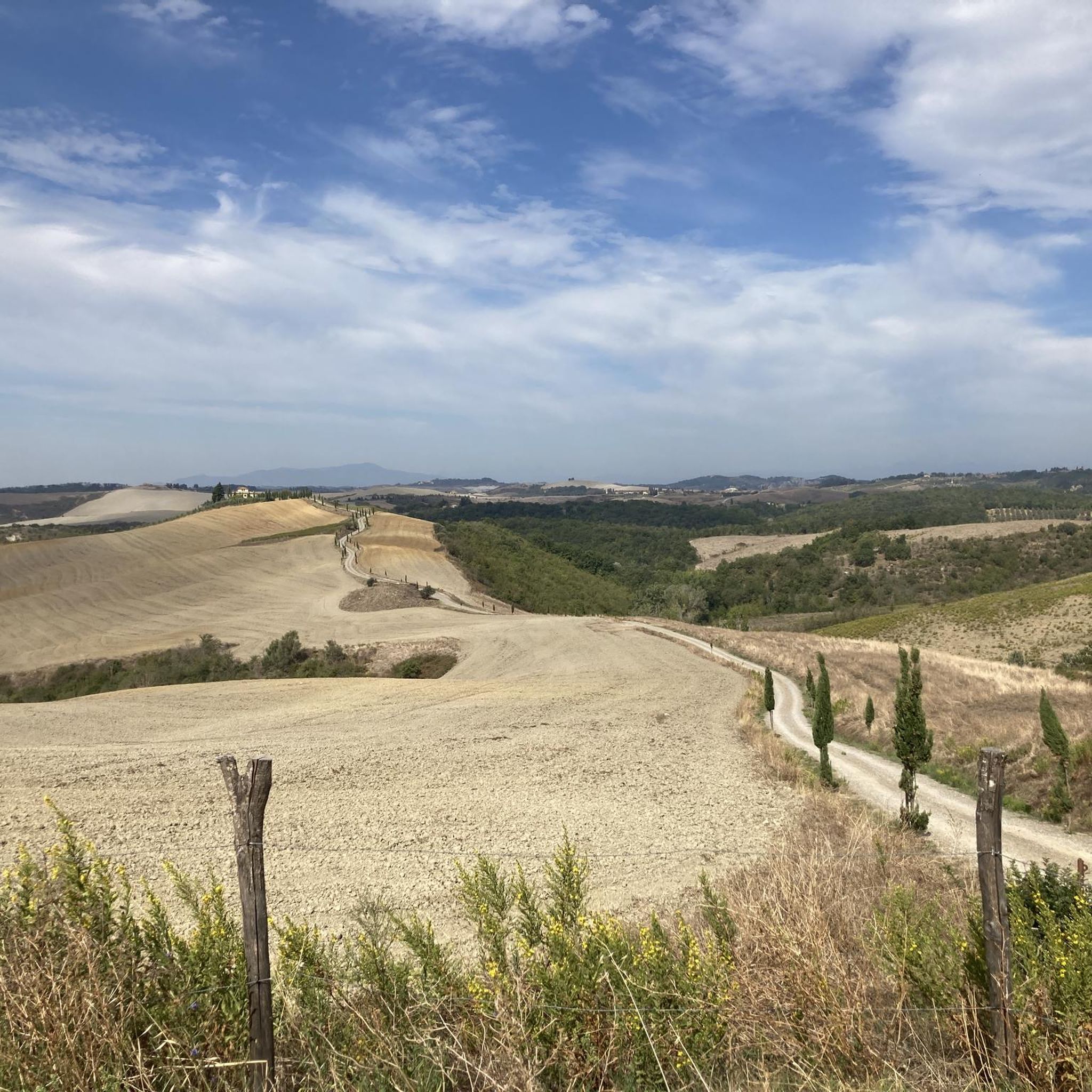
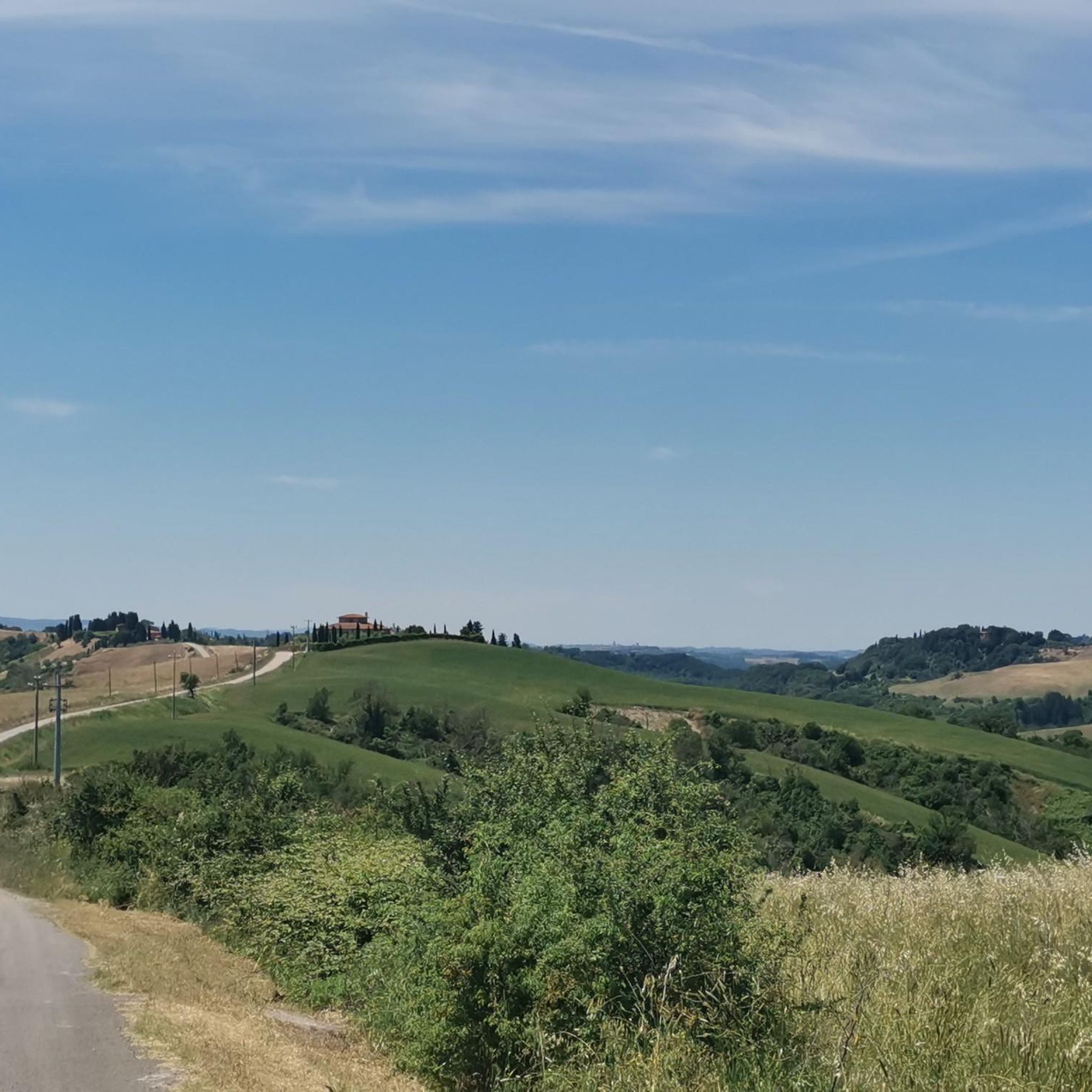
beautiful white road in both directions
0
0

Getting there by bike is a small undertaking given the steepness of the road that reaches it
0
0
Frequently Asked Questions
What kind of historical sites can I explore in Montaione and its surroundings?
Montaione is rich in history, with its own historic center retaining the characteristic oval shape of a medieval castle. You can explore the Palazzo Pretorio, which now houses the Civic Museum, and the Church of San Regolo. Beyond the town, you'll find other significant sites like the Pretorio Palace in Certaldo, an ancient residence of the Alberti counts, and the Palaia Historic Town Center, known for its Etruscan origins and churches.
Are there any well-preserved castles or villages near Montaione that I can visit?
Yes, the Historic Village of Castelfalfi is an excellent example. It features an ancient castle, the Parish Church of San Floriano, and brick houses, all set within a beautiful hilly landscape. The village offers extensive views of the Valdera valley and has Lombard origins dating back before the 8th century AD.
Can I visit castle ruins or less-preserved historical sites in the area?
Absolutely. The Castle of Vignale, first mentioned in 1161, is a notable ruin that can be reached on foot or by bike via hiking trails. Its remains, along with a church and an old mill, offer a tangible connection to the region's medieval past. Other ancient castles like Camporena, destroyed in 1329, also have visible remains.
What outdoor activities can I do near the castles around Montaione?
The area around Montaione is perfect for outdoor enthusiasts. You can enjoy various activities such as running, road cycling, and general cycling. For running, explore routes like the 'Meanders of the Carfalo Stream loop' or the 'Historic Center of Montaione loop'. Cyclists can tackle routes like 'The Balze of Volterra' or 'Palaia Climb'. Find more details on these activities in the Running Trails around Montaione, Road Cycling Routes around Montaione, and Cycling around Montaione guides.
Are there any family-friendly castles or historical sites to visit?
Yes, several sites are suitable for families. The Historic Village of Castelfalfi offers a charming environment to explore. The Palaia Historic Town Center is also considered family-friendly, providing a pleasant setting for walks and discovering local history.
What is the best time of year to visit the castles around Montaione?
The castles and historical sites around Montaione are enjoyable year-round. However, spring (April-May) and autumn (September-October) offer pleasant temperatures for exploring on foot or by bike, with the Tuscan landscape at its most picturesque. Summer can be warm, but many sites offer shade, and the evenings are lovely. Winter visits provide a quieter experience, though some smaller sites might have reduced hours.
Are there any castles that offer panoramic views of the Tuscan landscape?
Yes, Montaione's historic center, due to its elevated position, offers sweeping panoramas across the Valdelsa and Valdarno river valleys, and views of the Tuscan Apennine mountains. Similarly, the Historic Village of Castelfalfi provides extensive views of the surrounding countryside from its hill crest location.
What are the parking options when visiting the castles in Montaione and nearby villages?
Parking availability varies by location. For Montaione's historic center, there are general parking areas outside the ancient walls. For villages like Castelfalfi, dedicated parking facilities are typically available for visitors. When visiting more remote ruins like the Castle of Vignale, you might find smaller, informal parking spots near the trailheads.
Can I reach any of the castles or historical sites using public transport?
While Montaione itself is accessible by public transport, reaching some of the smaller, more remote castles or ruins like the Castle of Vignale might require a combination of public transport and walking or cycling. For Castelfalfi, public transport options exist, but it's advisable to check local bus schedules for the most up-to-date information on routes and timings.
What unique historical features can I find at the Palazzo Pretorio in Montaione's historic center?
The Palazzo Pretorio, dating back to 1257, is a prestigious three-story building in Montaione's historical center. Its facade still displays the coats of arms of the Tuscan families who administered Montaione throughout history. Today, it houses the Civic Museum, showcasing archaeological and paleontological finds from the region, offering a deep dive into the area's past.
Are there any castles that have been converted or adapted over time?
Yes, some ancient castles in the Montaione territory have been converted. For example, Collegalli is now a patrician villa, offering a glimpse into how fortified structures were adapted into grand residences in later periods. This shows the evolving history and use of these significant buildings.
What do visitors enjoy most about exploring the castles and historical sites around Montaione?
Visitors particularly enjoy the blend of rich history and picturesque Tuscan landscapes. The opportunity to explore well-preserved medieval villages like Castelfalfi, discover ancient ruins like the Castle of Vignale, and wander through the fortified streets of Montaione's historic center provides a unique journey back in time. The panoramic views and the chance for urban trekking or hiking to these sites are also highly appreciated.
Most popular routes around Montaione
Most popular attractions around Montaione

Get inspired with the komoot mobile app


Explore more
Looking for the best castles somewhere else? Discover other guides around Montaione:
