Top 6 Castles around Monsummano Terme
Best castles around Monsummano Terme are found within a picturesque Tuscan landscape. This region is home to ancient fortifications, reflecting a rich history. Many of these structures are perched on hills, offering expansive views of the surrounding Valdinievole. The area features significant medieval strongholds and fortified villages that have played a role in local history.
Best castles around Monsummano Terme
- The most popular castles is Larciano Castle Tower, a castle built on previous Roman settlements. It was a possession…
Last updated: July 13, 2026
Cozzile Castle and the Clock Tower
Highlight • Castle
Translated by Google •
Tip by

Cozzile Medieval Village
Highlight • Settlement
Translated by Google •
Tip by

Sign up now to discover places like this
Get recommendations on the best single tracks, peaks, & plenty of other exciting outdoor places.
Sign up for free
Porta Nuova, Cozzile
Highlight • Historical Site
Translated by Google •
Tip by
Larciano Castle Tower
Highlight • Castle
Translated by Google •
Tip by

Cecina village (Larciano)
Highlight • Settlement
Translated by Google •
Tip by

Sign up for free to discover even more castles around Monsummano Terme.
Sign up for free
Already have an account?
Start today with a free account
Your next adventure awaits.
Login or Signup

Tips from the Community

Beautiful, tranquil place that invites you to linger!👍
0
0

Cozzile was probably founded at the end of the 12th century around fortification works with lookout and extreme defense functions. Even at the beginning of the 14th century they hosted a castellan and a small garrison on behalf of the people of Lucca. Around the fortress a fortified town arose with a structure similar to that of Massa, organized in a "fishbone" pattern on both sides of the road that crossed it and which, exiting at the other end of the town, led towards the Apennines and towards Modena. The houses were grouped into two neighborhoods or "deeds" (Volata to the East, and Cessana to the West of the main road) with the square located to the north and the church to the south. In the city walls, of which important remains are still visible incorporated into the houses built above them, three doors opened: one to the east, corresponding to the entrance to the town of the medieval road from Massa (gate to Massa), one to the west , on the diametrically opposite side (Porta Vecchia)
0
0
Cozzile was probably founded at the end of the 12th century around fortification works with lookout and extreme defense functions. Even at the beginning of the 14th century they housed a castellan and a small garrison on behalf of the people of Lucca. Around the fortress a fortified town arose with a structure similar to that of Massa, organized in a "fishbone" pattern on both sides of the road that crossed it and which, exiting at the other end of the town, led towards the Apennines and towards Modena. The houses were grouped into two neighborhoods or "deeds" (Volata to the East, and Cessana to the West of the main road) with the square located to the north and the church to the south. In the city walls, of which important remains are still visible incorporated into the houses built above them, three doors opened: one to the east, corresponding to the entrance to the town of the medieval road from Massa (gate to Massa), one to the west , on the diametrically opposite side (Porta Vecchia)
0
0
Cozzile was probably founded at the end of the 12th century around fortification works with lookout and extreme defense functions. Even at the beginning of the 14th century they housed a castellan and a small garrison on behalf of the people of Lucca. Around the fortress a fortified town arose with a structure similar to that of Massa, organized in a "fishbone" pattern on both sides of the road that crossed it and which, exiting at the other end of the town, led towards the Apennines and towards Modena. The houses were grouped into two neighborhoods or "deeds" (Volata to the East, and Cessana to the West of the main road) with the square located to the north and the church to the south. In the city walls, of which important remains are still visible incorporated into the houses built above them, three doors opened: one to the east, corresponding to the entrance to the town of the medieval road from Massa (gate to Massa), one to the west , on the diametrically opposite side (Porta Vecchia)
0
0

Built on previous Roman settlements, the Castle was a possession of the Guidi Counts attested from the mid-10th century, then sold by them to the Municipality of Pistoia in 1225. Contested several times between the Pistoiesi and the Florentines until 1401 when Pistoia definitively submitted to Florence and Larciano became headquarters of one of the podesterias in which the administration of the territory was divided.
1
0

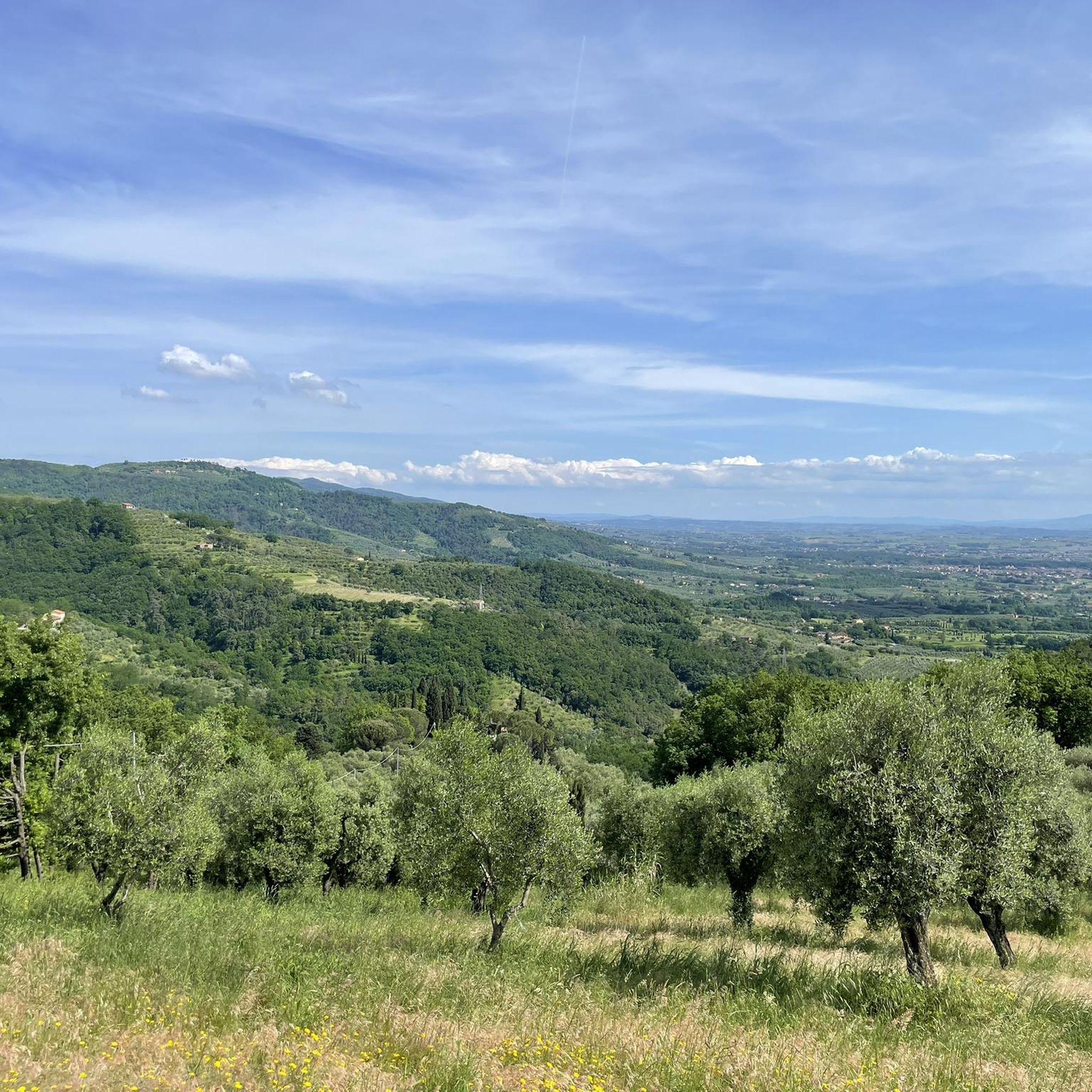
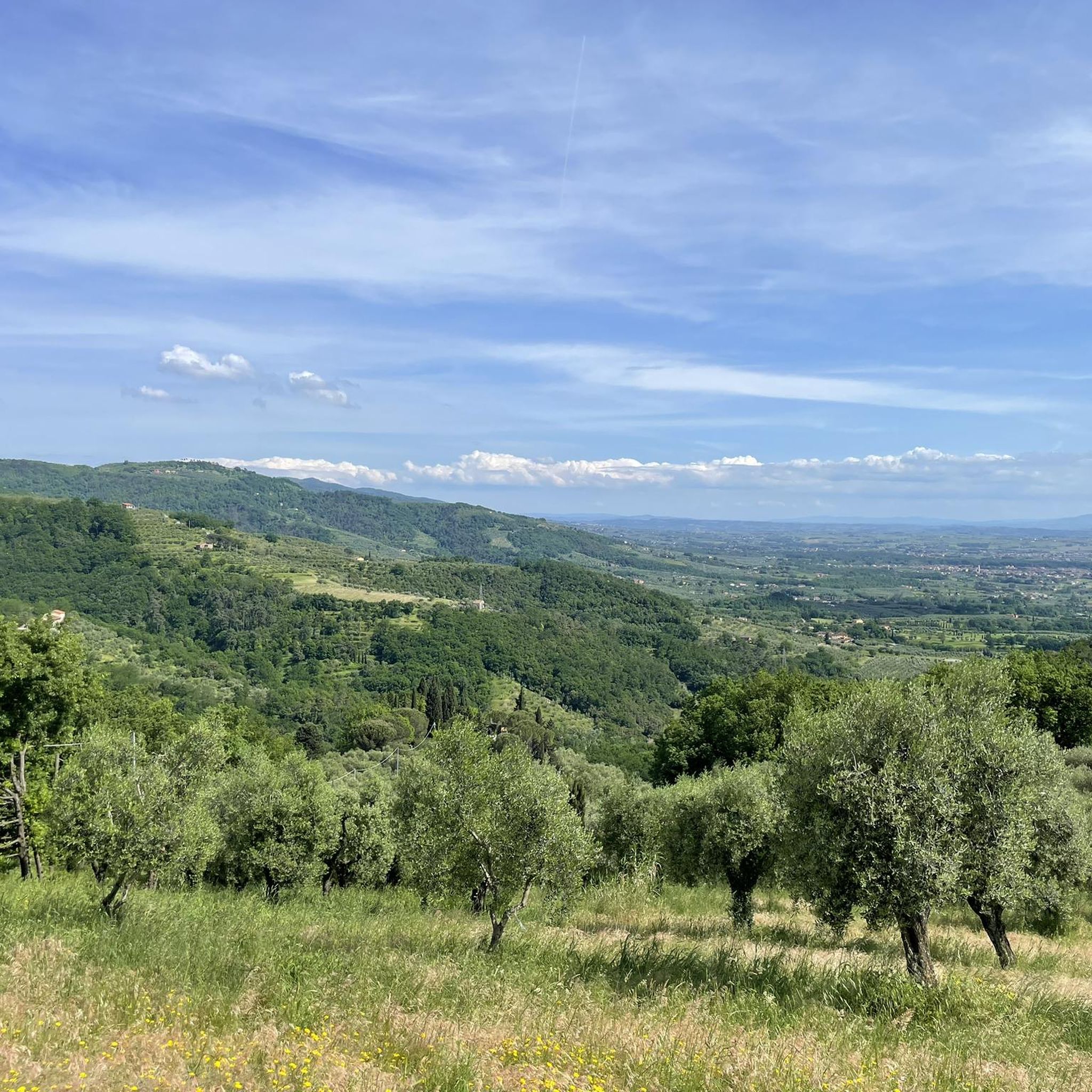
Early medieval castle still inhabited today, which is preserved in excellent condition and offers a vast panorama towards the south over the Valdinievole and all of Tuscany
0
0

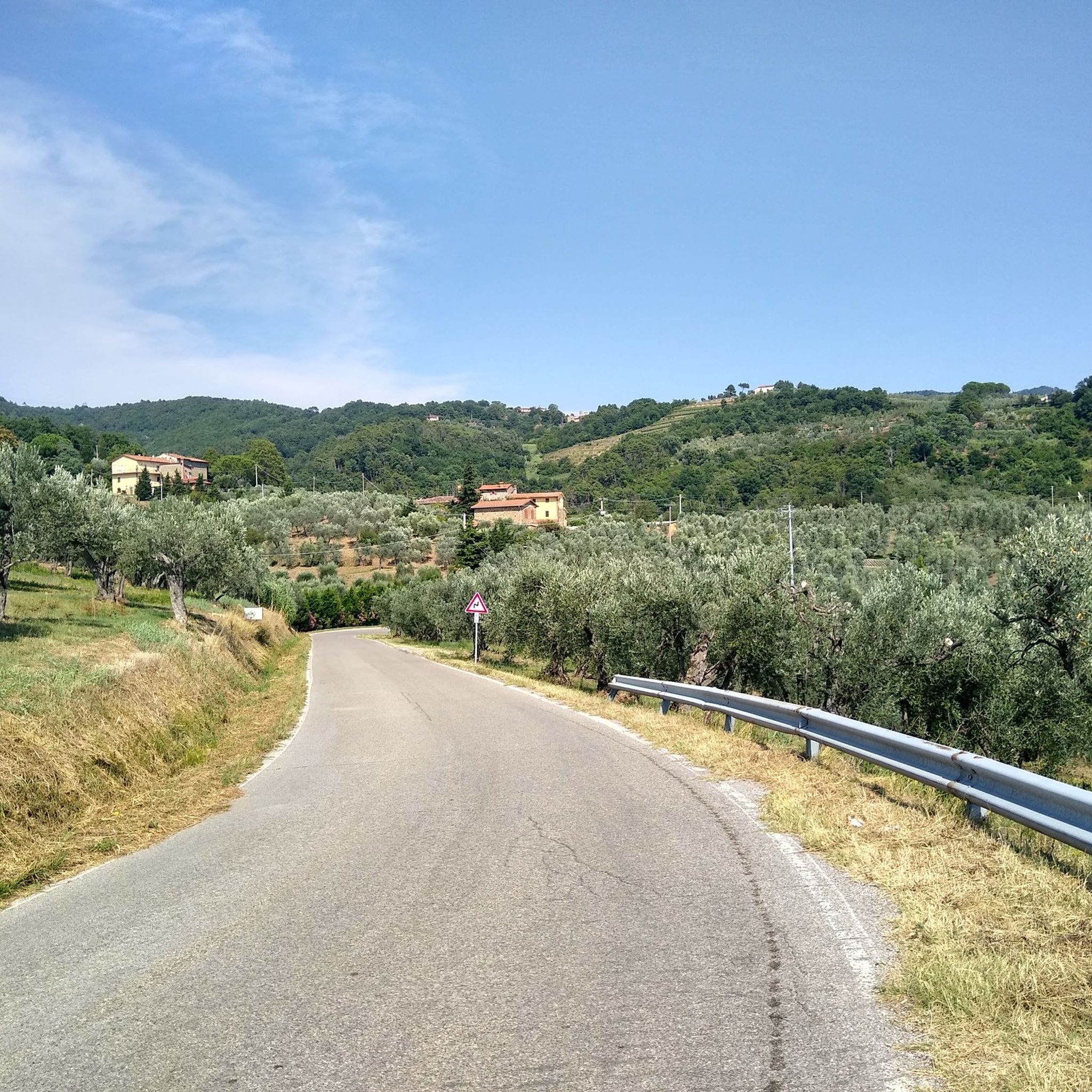
The small village of Cecina is an interesting and very pleasant village of ancient origins, gently lying on the hills of Montalbano, on the slope overlooking the Valdinievole or Val di Nievole. Also known as Castello di Cecina, it is part of the municipality of Larciano and was the southern defensive bulwark of the city of Pistoia.
1
0
Frequently Asked Questions
What is the historical significance of castles in the Monsummano Terme region?
The castles around Monsummano Terme, such as the prominent Monsummano Alto, played a crucial role in the conflicts between powerful city-states like Florence and Lucca during the medieval period. They served as strategic strongholds, changing hands multiple times, and their history is deeply intertwined with the region's past, even appearing in historical records and drawings by figures like Leonardo da Vinci.
Which castles offer the best panoramic views?
For breathtaking panoramic views, the Castle of Monsummano Alto is highly recommended. Perched atop a hill, it offers expansive vistas across the Valdinievole and as far as the Fucecchio Marshes. Additionally, the Cozzile Medieval Village also provides a vast panorama towards the south over the Valdinievole and all of Tuscany.
Are there any well-preserved medieval villages with castle elements?
Yes, the Cozzile Medieval Village is an early medieval settlement that is preserved in excellent condition, featuring important remains of its city walls. Another notable village is Montevettolini, which once housed an ancient fortress incorporated into the Medicean Villa, offering a glimpse into its historical significance.
What unique architectural features can I find in these castles?
The Castle of Monsummano Alto features impressive elliptical walls, two well-preserved access gates (Nostra Donna and del Mercato), and a sturdy, recently restored pentagonal tower. At Cozzile Castle and the Clock Tower, you can still see significant remains of its medieval city walls, incorporated into later constructions.
Can I visit the Monsummano Alto Castle, and what should I expect?
Yes, the Castle of Monsummano Alto is accessible by following indications from Monsummano Terme towards the summit. Visitors can explore the extensive sections of its elliptical walls, the preserved gates, and the impressive pentagonal tower. Within the ancient walls, you'll also find the Romanesque-Gothic Church of San Nicolao, which houses an altar from 1674 and a precious wooden Crucifix.
Are there hiking trails near the castles in Monsummano Terme?
Yes, the region offers various hiking opportunities. For instance, you can find routes like the 'Larciano Castello – View of Larciano Castle loop from Montevettolini' which is a moderate 15.5 km hike. You can explore more hiking trails around the castles by visiting the Hiking around Monsummano Terme guide.
What is the best time of year to visit the castles around Monsummano Terme?
The best time to visit the castles and enjoy the outdoor activities in the Monsummano Terme region is typically during the spring (April to June) and autumn (September to October). During these seasons, the weather is generally mild and pleasant, ideal for exploring historical sites and hiking, without the intense heat of summer or the chill of winter.
Are there family-friendly castles or activities in the area?
Many of the castles and medieval villages, such as the Cozzile Medieval Village and the ruins of Monsummano Alto, offer an engaging historical experience for families. The exploration of ancient walls and towers, combined with scenic walks, can be enjoyable for children. The open spaces also provide opportunities for families to explore together.
Can I bring my dog to the castle areas?
While specific rules for each site may vary, many outdoor historical sites and trails in the Monsummano Terme region are generally dog-friendly, especially for walks around the castle ruins and in the surrounding natural areas. It's always advisable to keep dogs on a leash and ensure you clean up after them to respect the environment and other visitors.
What other outdoor activities can I do near these castles?
Beyond hiking, the Monsummano Terme area offers various outdoor activities. You can find running trails, such as the 'Scenic Viewpoint loop from Montevettolini,' and cycling routes like the 'Vitruvian Man Sculpture, Vinci – San Baronto Pass loop from Monsummano Terme.' For more options, check the Running Trails and Cycling around Monsummano Terme guides.
Where can I find parking when visiting the castles?
For the Castle of Monsummano Alto, you can typically find parking in Monsummano Terme and follow indications towards the summit. For other villages like Cozzile and Montevettolini, parking is usually available within or just outside the village centers, allowing for easy access to the historical sites.
Are there any less crowded castles to visit for a more tranquil experience?
While Monsummano Alto is popular, exploring the smaller, less prominent sites like the remains of Cozzile Castle and the Clock Tower or the historical village of Montevettolini can offer a more tranquil experience. These locations provide a rich historical context without the larger crowds, allowing for a more intimate exploration of their medieval past.
Most popular routes around Monsummano Terme
Most popular attractions around Monsummano Terme

Get inspired with the komoot mobile app


Explore more
Looking for the best castles somewhere else? Discover other guides around Monsummano Terme:
