Top 9 Castles around Morano Sul Po
Best castles around Morano Sul Po are situated within the Monferrato region, an area recognized for its high concentration of historic fortresses. Morano Sul Po itself is located near the Po river plain, offering access to the diverse landscapes of the Monferrato hills. This region provides a rich historical context, with many castles dating back centuries. The surrounding area is characterized by rolling hills and agricultural land, typical of Piedmont.
Best castles around Morano Sul Po
- The most popular castles…
Last updated: July 13, 2026
Camino Castle
Highlight • Castle
As with many ancient buildings in Italy, there are many legends about the castle of …
Translated by Google •
Tip by

Cereseto Castle
Highlight • Castle
The castle was built in the …
Translated by Google •
Tip by
Sign up now to discover places like this
Get recommendations on the best single tracks, peaks, & plenty of other exciting outdoor places.
Sign up for free
Castello Square - Casale Monferrato
Highlight • Settlement
Translated by Google •
Tip by

Climb to Castello di Gabiano
Highlight (Segment) • Climb
Translated by Google •
Tip by
Monferrato Castle (Castello del Monferrato)
Highlight • Castle
Translated by Google •
Tip by

Sign up for free to discover even more castles around Morano Sul Po.
Sign up for free
Already have an account?
Start today with a free account
Your next adventure awaits.
Login or Signup

Tips from the Community

Nestled among centuries-old trees, Camino Castle dominates the ancient village from above and contributes to one of the most easily recognizable hilltop profiles of the Lower Monferrato.
0
0

Giovanni II Paleologo, Marquis of Monferrato, ordered the current castle to be built and work continued until 1357. When Casale assumed the role of capital of the Margraviate of Monferrato and obtained the title of city in 1474, it also changed castle, seat of the court, after the restoration with the marquises Guglielmo VIII (1464-1483) and Bonifacio V (1483-1494). When Giovanni II Paleologo died, the Gonzaga of Mantova took control of Casale. The castle was strengthened by new military techniques, so the walls and the plan shape were adjusted so that it became hexagonal (which we can still see today). The towers were also strengthened and four new ravelins were added. At the beginning of the seventeenth century, the castle returned to its role as the seat of the court. The Dukes of Mantova, who were busy negotiating with Savoia, stayed there. Later it became the principality of Duke Carlo II Gonzaga-Nevers (1637-1665), who holidayed there many times with his entire court, which gave a boost to the cultural life in Casale. Due to the crisis of the Gonzaga dynasty, the castle was on the verge of decline. The city fell to Savoia in 1708 and the castle became a barracks. In the mid-19th century, Casale was fortified in preparation for a war against Austria and the castle became a defensive structure. The eastern ravelin was demolished, creating the current Piazza Castello, which became an open-air market zone. With the unification of Italy, the other three ravelins were also demolished.
1
0

Around 1900, the extremely wealthy entrepreneur, financier, art collector and patron Riccardo Gualino (1879–1964) began building a neo-Romanesque-neo-Gothic castle in a commanding position over the town. The architect of the building was the engineer Vittorio Tornielli. In 1918, the Castello di Cereseto became one of the residences of the Turin family, where lavish parties were celebrated with guests from the Piedmontese business and financial world, from the Agnelli to the Sella. The fort was inhabited by the family until the second half of the 20th century and is therefore well preserved.
6
0

From Piazza Castello you can see some of the main points of interest of Casale Monferrato: The Paleologi Castle and the Church of Santa Caterina. From here you can enter the center of the city passing by the Tower of Santo Stefano up to Piazza Giuseppe Mazzini.
1
0

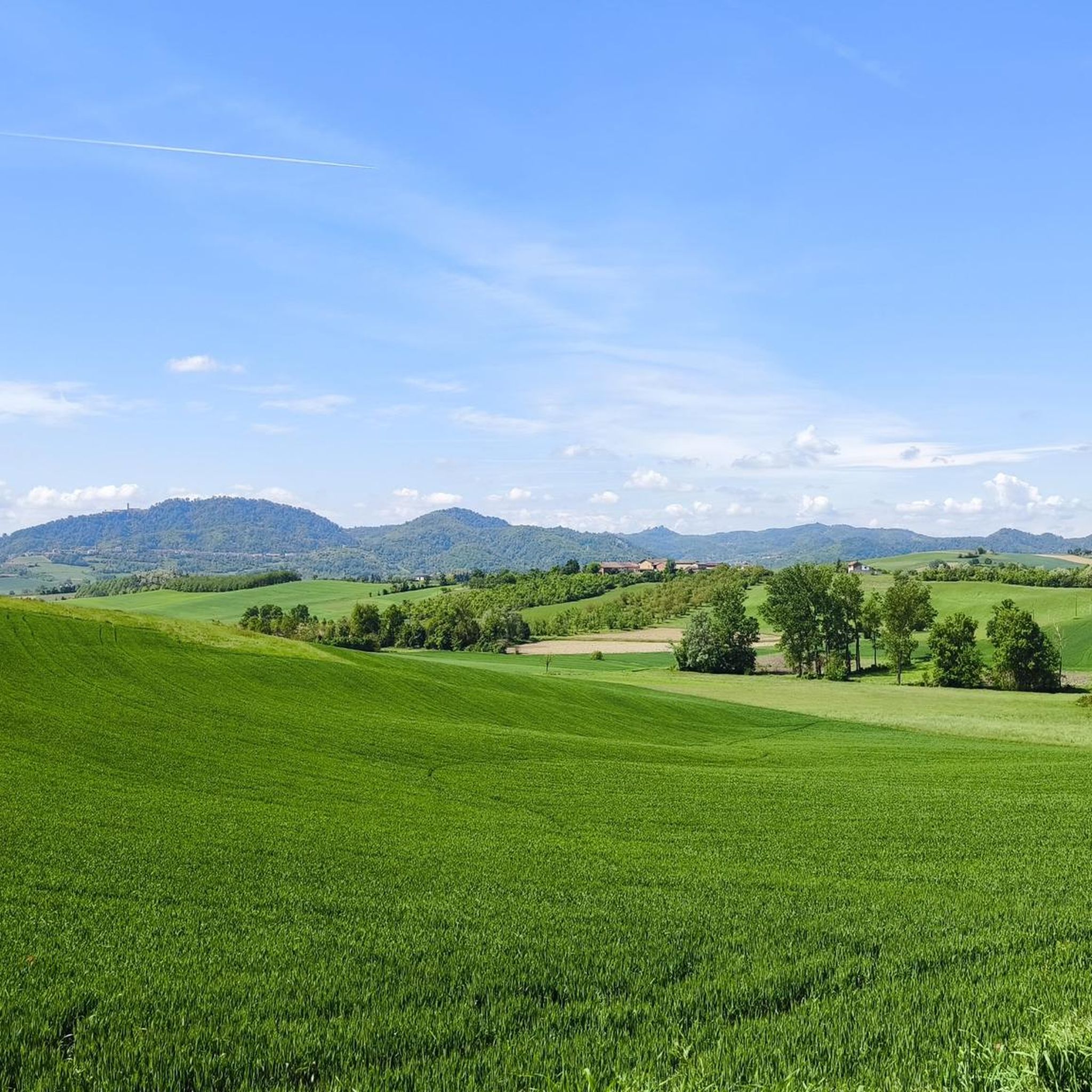
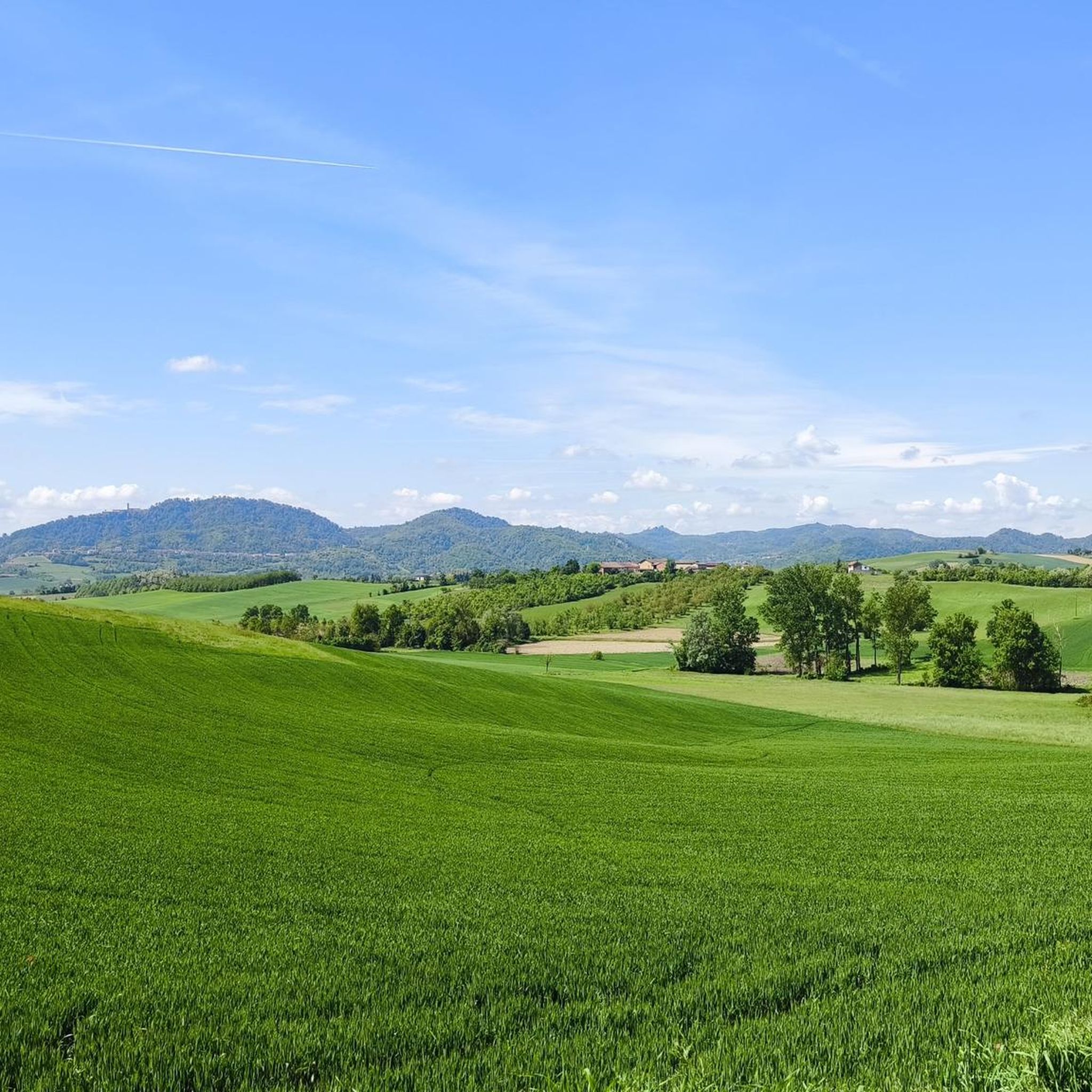
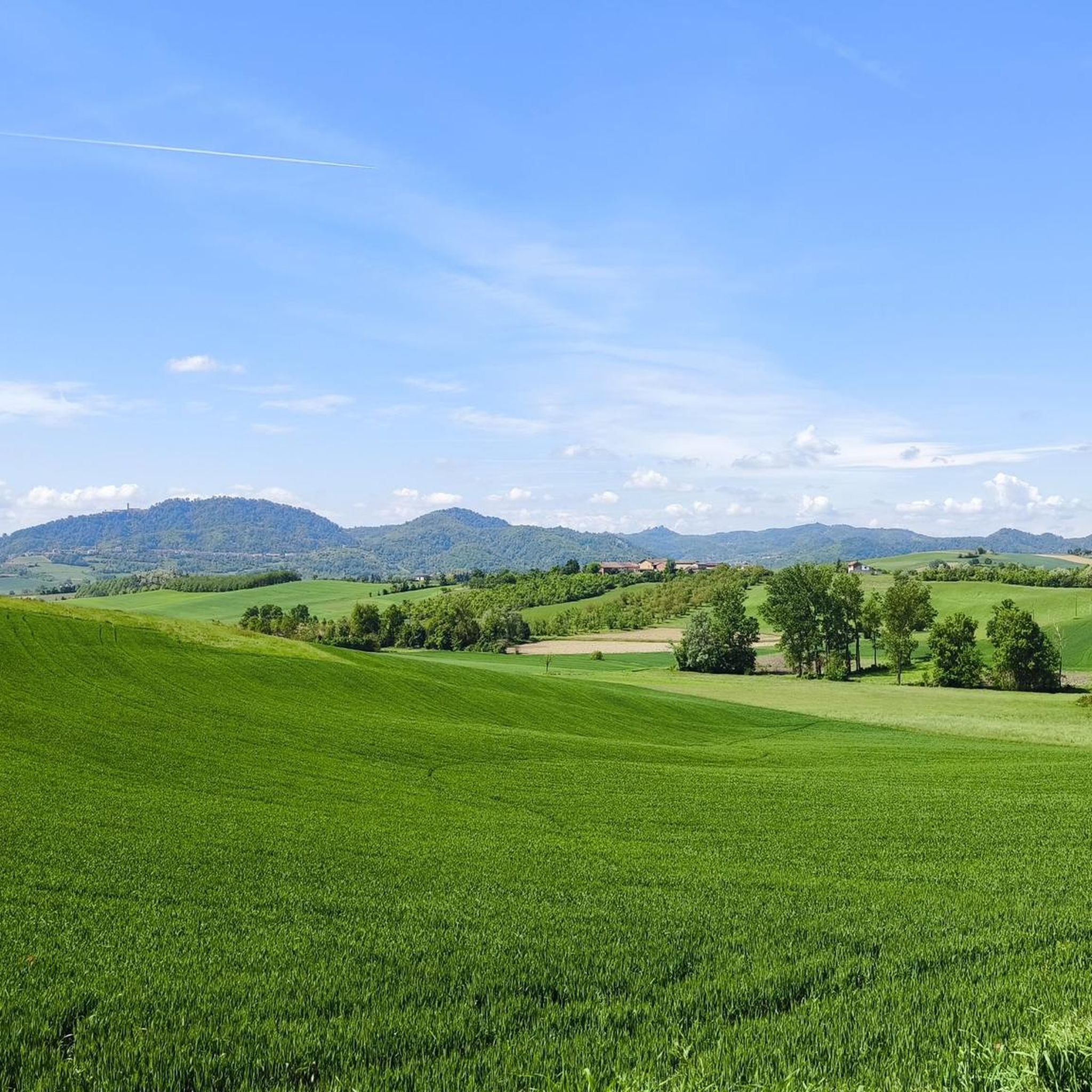
Nice climb with a nice view.
18
0
It looks like a castle straight out of a fairy tale.It is one of the castles of Monferrato with the best preserved external walls. The castle was built in the early twentieth century. Unfortunately, today the interior of the castle cannot be visited, but many people go to the village to see the imposing Cereseto castle from the outside and immortalize its beauty in their photographs.
9
0
One of the most spectacular castles in Monferrato and equipped with crenellated walls and towers. As with many ancient buildings in Italy, there are many legends about the castle of Camino. One of the most recurrent narrates that in the year 1494, Count Scarampo Scarampi, feudal lord of the Marquis of Monferrato, was accused of making forays into neighboring villages causing problems such as thefts and fires. After a long siege of the castle, which lasted two months, it was captured by the militias of Costantino Aranite, prefect of Casale. His wife, the Marquise Camilla, managed to escape from a secret passage and reach Casale to ask for a safe conduct for her husband's life. Scarampo Scarampi, however, had already been beheaded by those who had imprisoned him. When she learned of her husband's sad fate, out of desperation, the Marquise Camilla threw herself from the tower. Now, she walks around the battlements of the castle crying, while her husband walks around the manor with his head in his hand. Legend aside, in the inner courtyard of the castle of Camino there is the sarcophagus of the noble Scarampo, depicted at rest holding his head with his left hand.
14
0

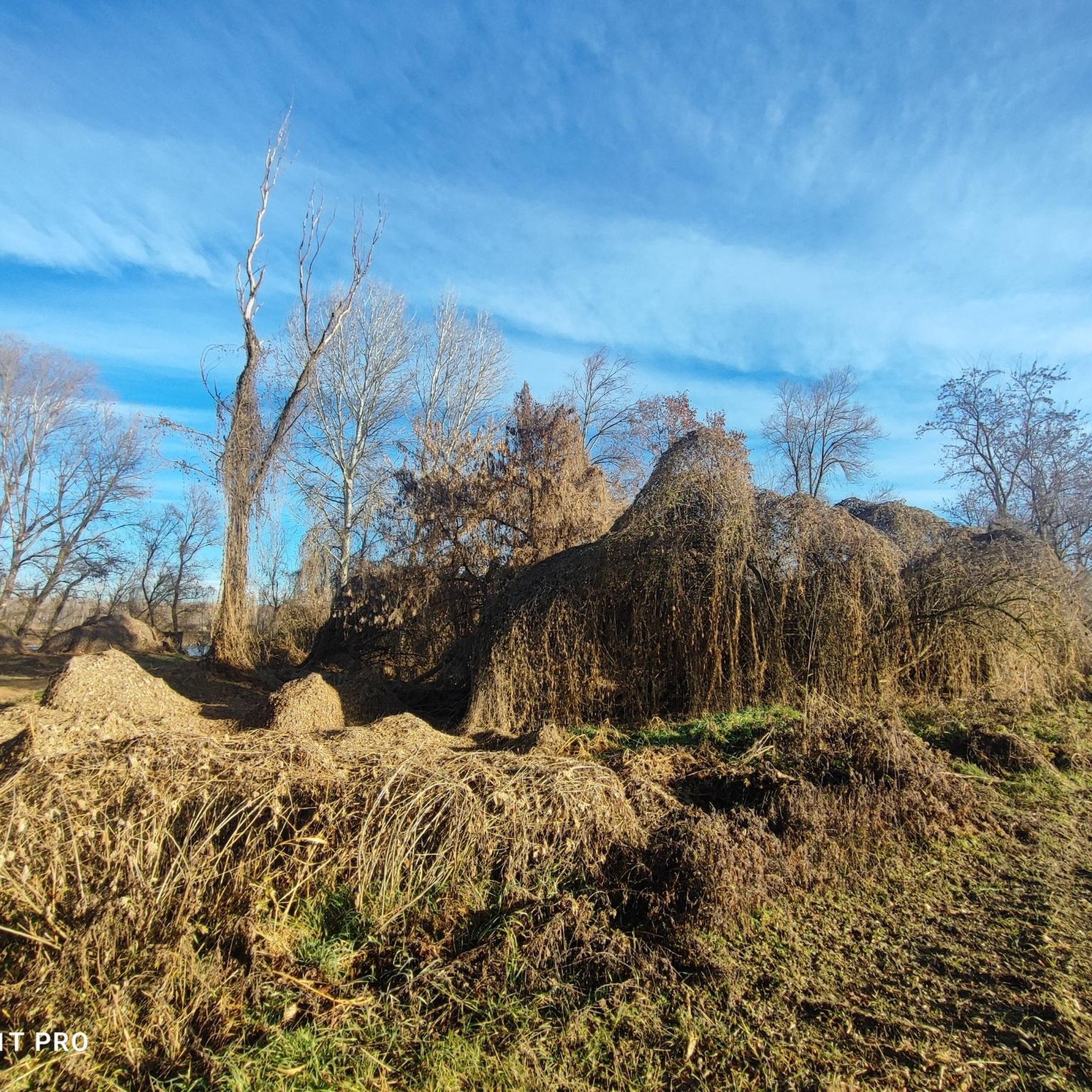
A very beautiful and suggestive place. On one side the view of the Monferrato and on the other the panorama opens onto the Alps
2
0
Frequently Asked Questions
What are some unique castles to visit near Morano Sul Po?
The Monferrato region, where Morano Sul Po is located, is rich in castles. You can visit Camino Castle, known for its well-preserved 11th-century structure and crenellated towers offering views of the Po river valley. Cereseto Castle stands out with its 'Disney-like charm' and impressive external walls. For a castle with a long family history, Castello Sannazzaro in Giarole has been owned by the same family for nearly 900 years and offers unique overnight stays.
Are there any castles near Morano Sul Po that offer overnight stays?
Yes, Castello Sannazzaro in Giarole offers the unique opportunity to stay overnight. This allows guests to experience living within a historic castle that has been continuously owned by the same family since 1163.
Which castles near Morano Sul Po are known for their historical significance?
Many castles in the Monferrato region boast deep historical roots. Castello Sannazzaro dates back to 1163, while Camino Castle is an 11th-century fortress. Gabiano Castle is among the oldest, with origins tracing back to the 8th century. The Monferrato Castle in Casale Monferrato was ordered by Giovanni II Paleologo in the 14th century and later reinforced by the Gonzaga family.
Can I visit the interiors of these castles?
Yes, several castles offer interior visits. Camino Castle allows visitors to explore its interiors. Castello Sannazzaro also offers tours of its rooms, including the church of San Giacomo. Gabiano Castle's gardens are open for guided tours, and its interiors are often accessible for events. However, Cereseto Castle is currently not open to the public for interior visits, though its exterior is highly admired.
Are there any castles with notable gardens or unique features?
Gabiano Castle is known for its beautiful gardens, which include a characteristic labyrinth designed in the 1930s. These gardens are often used for ceremonies and open-air cocktails. The castle is also a production site for Gabiano DOC wine. Castello Sannazzaro features the church of San Giacomo with 16th-century frescoes and a ballroom.
What kind of views can I expect from castles in the Monferrato region?
Many castles in the Monferrato region offer stunning panoramic views. From Camino Castle, you can enjoy unforgettable vistas of the Po river valley and the Alps. The climb to Castello di Gabiano also provides excellent views of the Monferrato hills and the distant Alps.
Are there family-friendly castles to visit near Morano Sul Po?
Yes, several castles are suitable for families. Cereseto Castle, with its fairy-tale appearance, is often appreciated by families for its exterior beauty. Desana Castle is also listed as family-friendly. Exploring the grounds and exteriors of many castles can be an engaging activity for children.
What is the best time of year to visit the castles around Morano Sul Po?
The Monferrato region is beautiful throughout the year. Spring and autumn offer pleasant temperatures for exploring and enjoying the scenic landscapes, with vineyards changing colors. Summer can be warm, but the castles often provide cool interiors. Winter visits can offer a unique, quieter experience, though some facilities might have reduced hours.
What outdoor activities can I do near the castles around Morano Sul Po?
The Monferrato region is ideal for outdoor activities. You can find numerous hiking and cycling routes. For example, there are several hiking trails around Camino Castle, including the 'Camino Castle Trail' and 'Nature Trail – Cave Rest Area loop'. You can explore more options on the Hiking around Morano Sul Po guide, the MTB Trails around Morano Sul Po guide, or the Running Trails around Morano Sul Po guide.
Are there dining options or cafes near the castles?
While specific cafes or restaurants directly within every castle are not guaranteed, the villages and towns surrounding the castles in the Monferrato region, such as Camino, Giarole, and Casale Monferrato, offer various dining options, including trattorias and local eateries where you can enjoy regional cuisine.
How long does it typically take to visit a castle in this region?
The duration of a castle visit can vary. For castles with extensive interiors, gardens, or guided tours like Castello Sannazzaro or Camino Castle, you might spend 1.5 to 3 hours. For castles primarily admired from the exterior, such as Cereseto Castle, a shorter stop of 30-60 minutes might suffice, allowing more time to explore the surrounding village.
Is public transport available to reach the castles?
Public transport options to individual castles in the rural Monferrato region can be limited. While larger towns like Casale Monferrato (home to Monferrato Castle) are accessible by train or bus, reaching smaller villages like Giarole or Camino often requires a car. It's advisable to check local bus schedules or consider driving for more flexibility.
Most popular routes around Morano Sul Po
Most popular attractions around Morano Sul Po

Get inspired with the komoot mobile app


Explore more
Looking for the best castles somewhere else? Discover other guides around Morano Sul Po:
