Top 7 Castles around Balzola
Best castles around Balzola are found in the Monferrato region, an area known for its historical fortresses and scenic views beyond the Po river. Balzola, a comune in the Piedmont region of Italy, features a neo-Gothic castle, while the broader Monferrato region offers a rich array of historical sites. The landscape includes rolling hills and ancient villages, providing a setting for exploring centuries of history. This area is recognized for its concentration of castles, each with distinct architectural styles and…
Last updated: July 13, 2026
Camino Castle
Highlight • Castle
As with many ancient buildings in Italy, there are many legends about the castle of …
Translated by Google •
Tip by

Castello Square - Casale Monferrato
Highlight • Settlement
Translated by Google •
Tip by

Sign up now to discover places like this
Get recommendations on the best single tracks, peaks, & plenty of other exciting outdoor places.
Sign up for free
Terruggia Village and Castle
Highlight • Castle
Showing Translation
Tip by
Monferrato Castle (Castello del Monferrato)
Highlight • Castle
Translated by Google •
Tip by

View of Castello di San Giorgio
Highlight • Viewpoint
Showing Translation
Tip by
Sign up for free to discover even more castles around Balzola.
Sign up for free
Already have an account?
Start today with a free account
Your next adventure awaits.
Login or Signup

Tips from the Community

The Castle of Terruggia is an ancient medieval fortification that was located in the village of Terruggia, in Piedmont, in the Monferrato area (province of Alessandria).
12
0
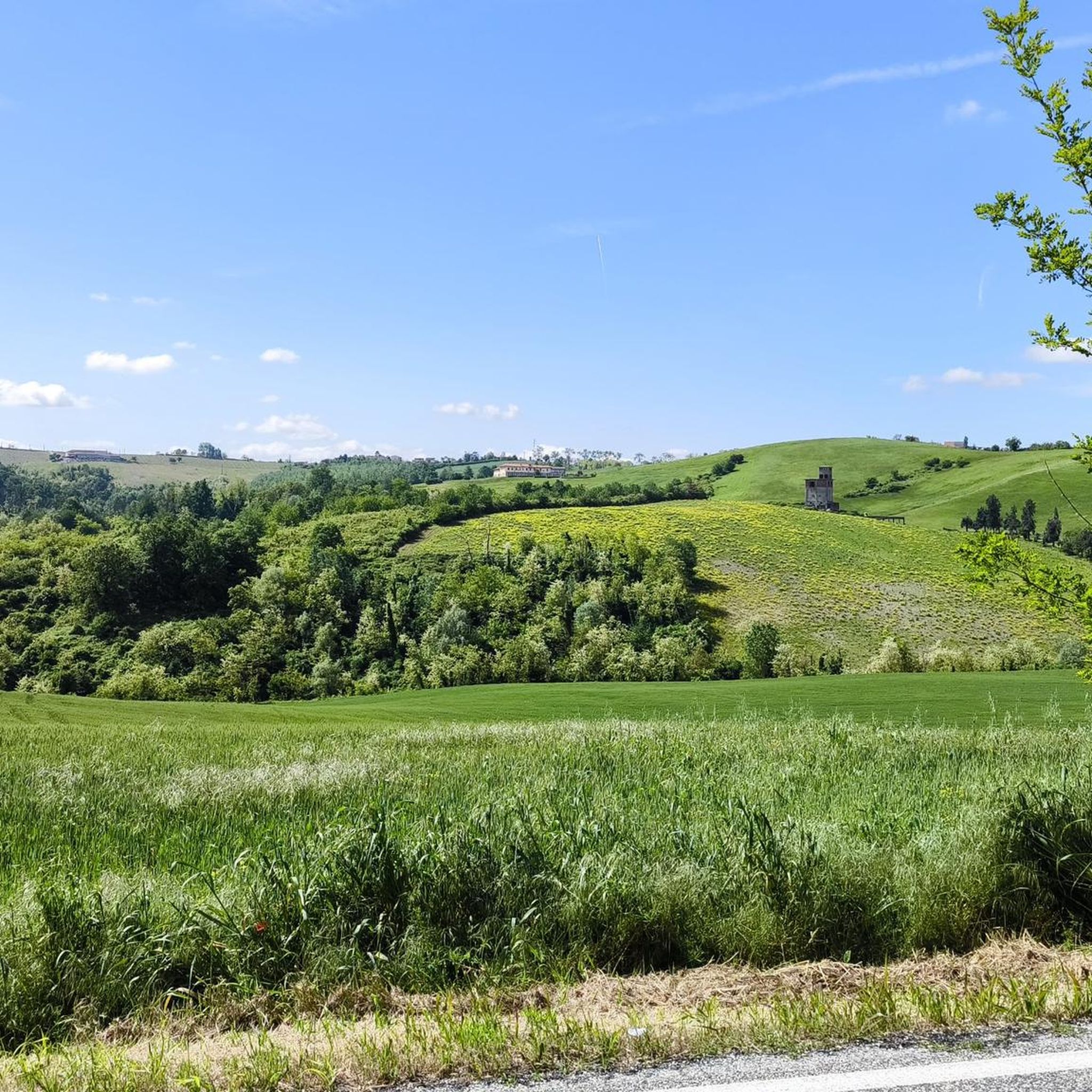
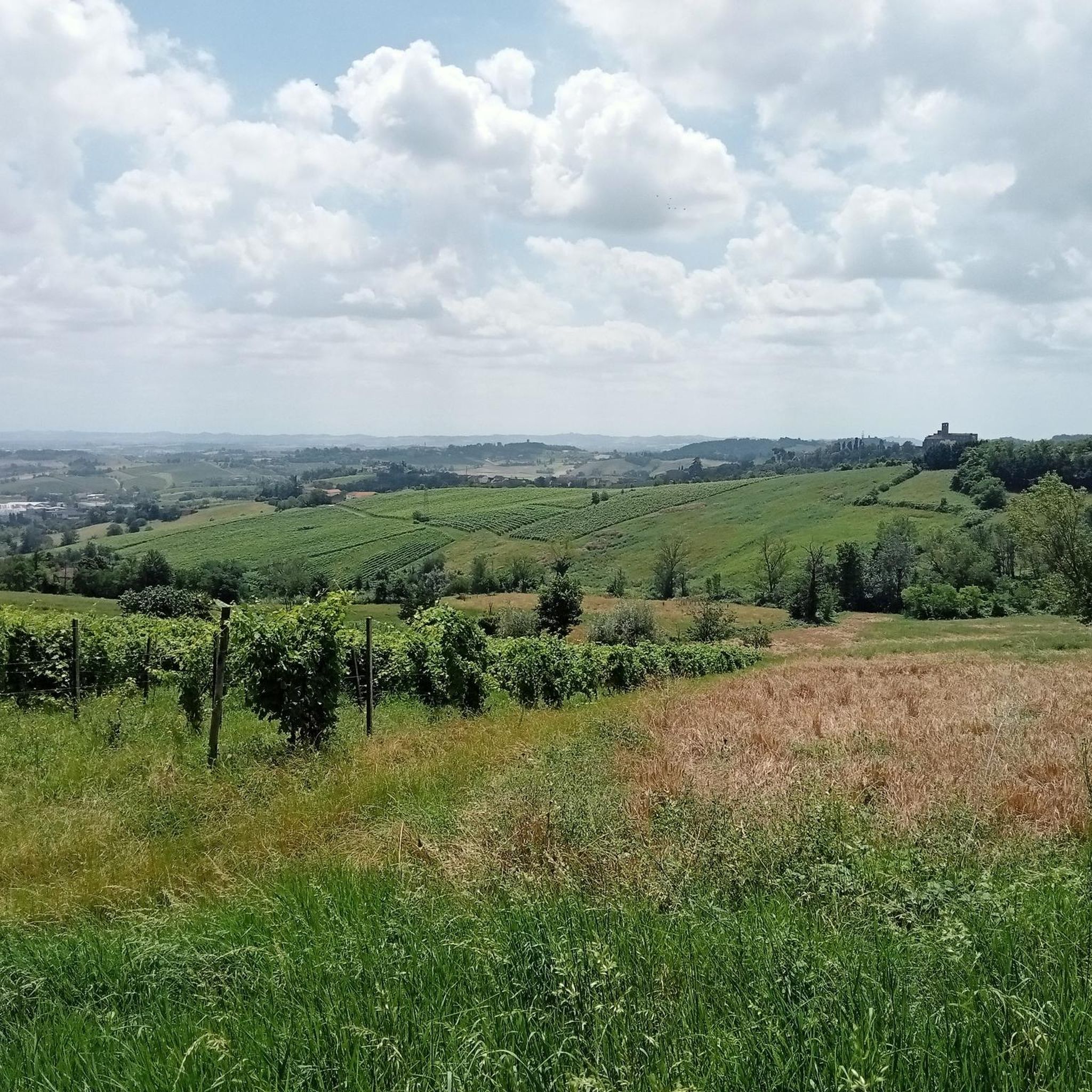
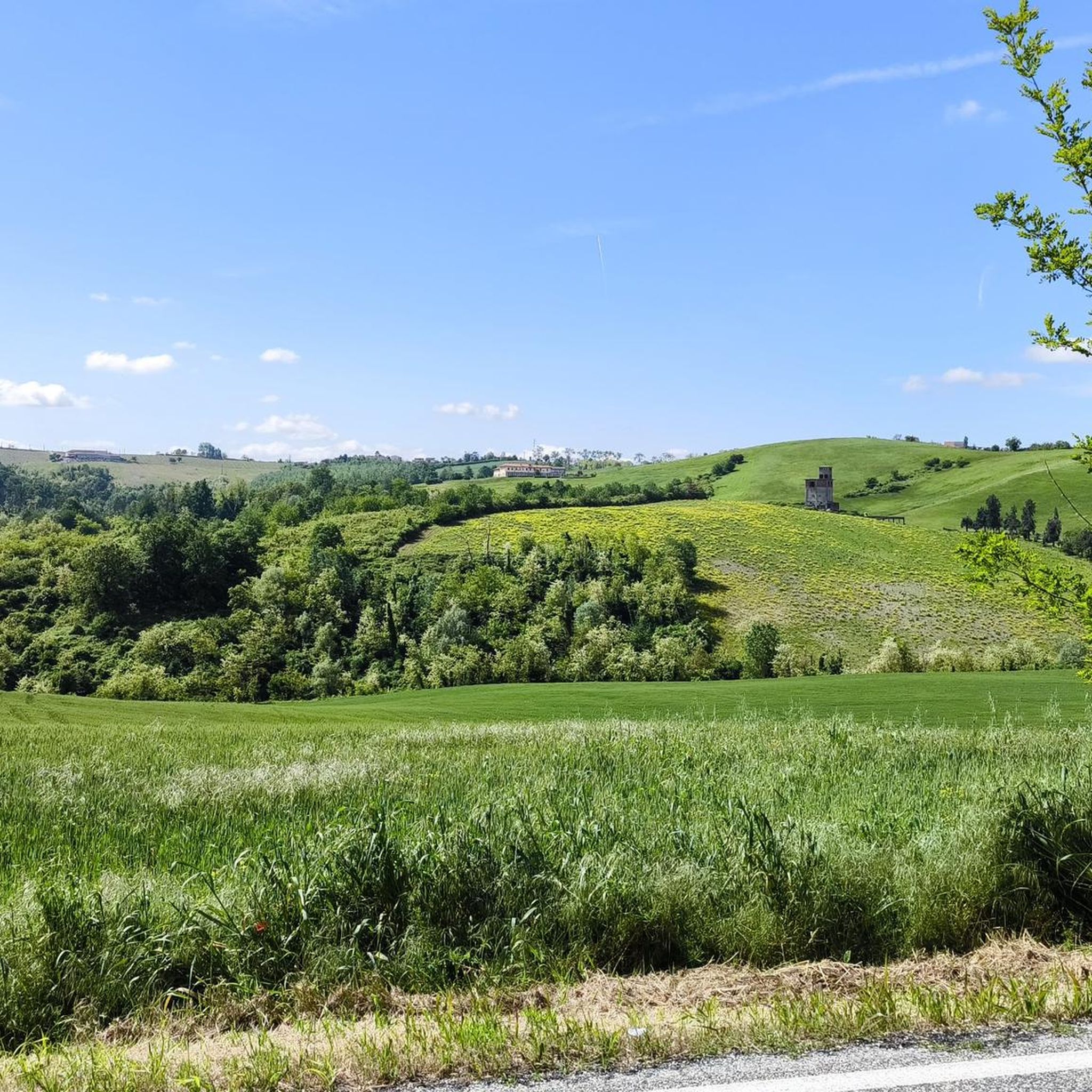
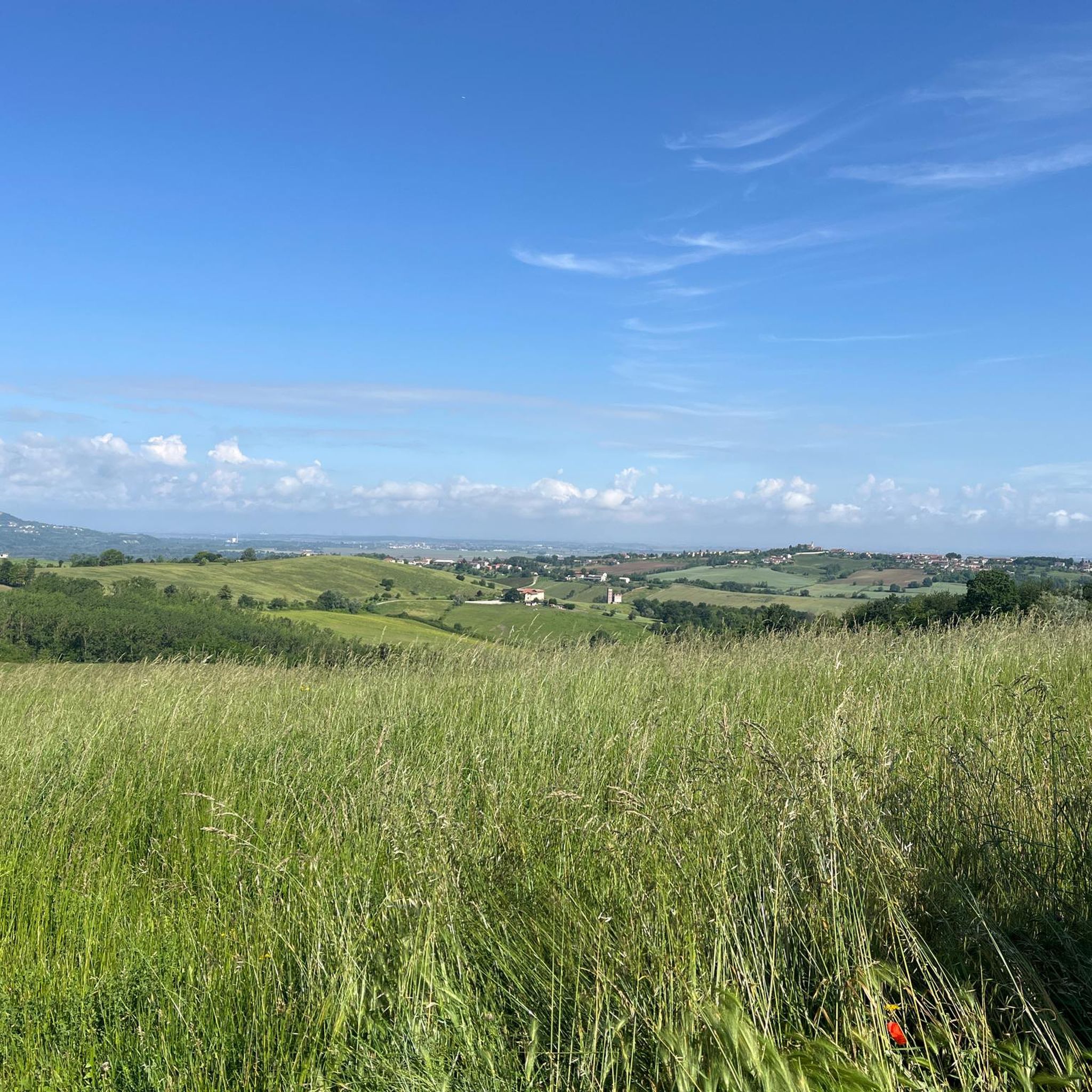
The view of the castle of San Giorgio Monferrato is one of the most evocative panoramas of the Monferrato hills. The castle dominates the town from the top of a hill and stands out clearly in the surrounding landscape.
12
0

Nestled among centuries-old trees, Camino Castle dominates the ancient village from above and contributes to one of the most easily recognizable hilltop profiles of the Lower Monferrato.
0
0

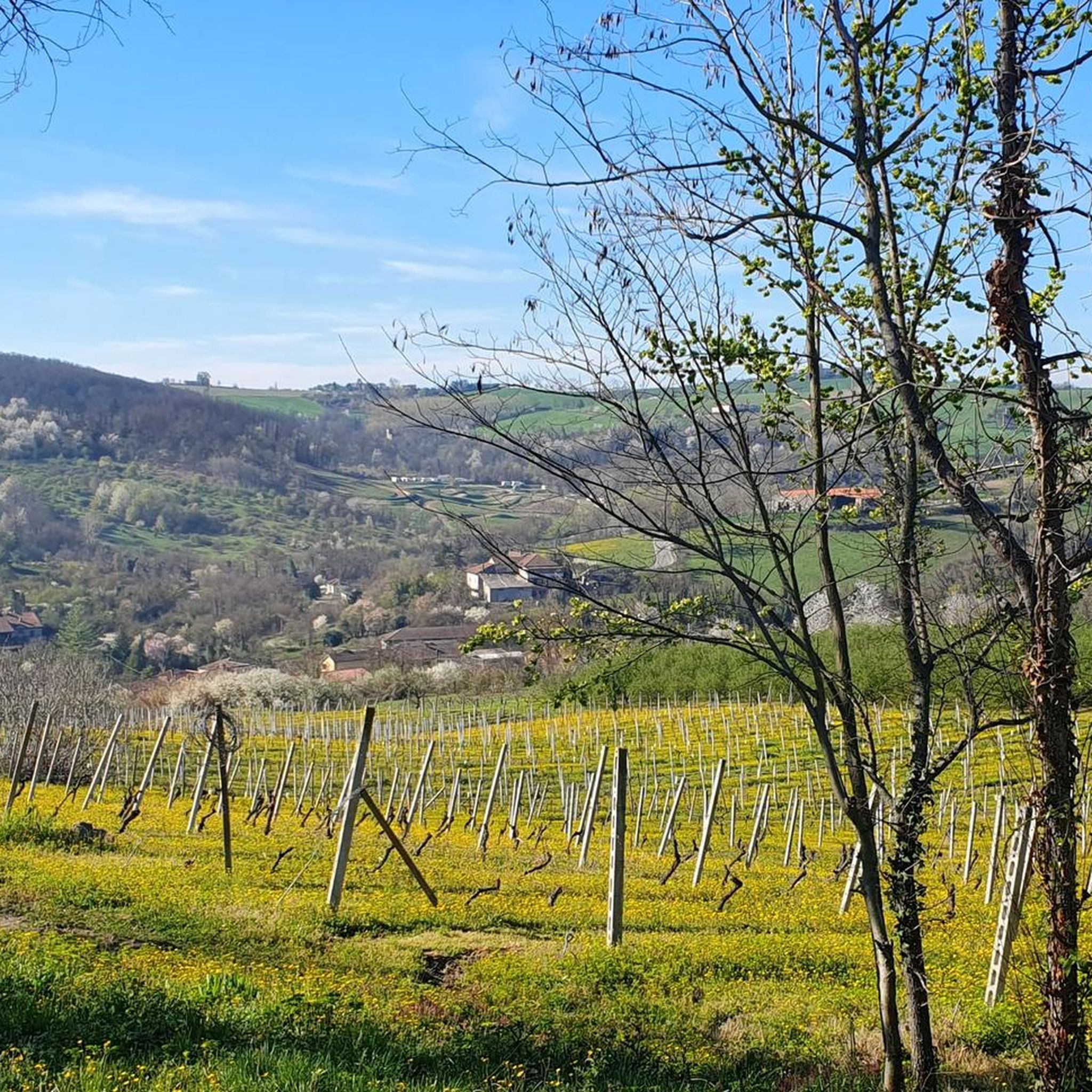
In the heart of Monferrato, Terruggia preserves a compact historic center and a medieval castle, now a private villa.
3
0

The mighty structure of the Castle of San Giorgio dominates the surrounding valleys. The central tower of the castle dates back to around the 9th century, and was built on a spur of rock essentially for sighting purposes. Later the tower was surrounded by four towers with the construction of a defensive structure. Later, a new body was built between the original tower and the towers to contain a larger garrison of soldiers. Later the castle was transformed into a residential palace and in the 19th century it was further expanded. In my opinion, the most singular aspect of the castle is that, starting from the foundation of the original watchtower and up to today, the castle has always been inhabited.
2
0

Giovanni II Paleologo, Marquis of Monferrato, ordered the current castle to be built and work continued until 1357. When Casale assumed the role of capital of the Margraviate of Monferrato and obtained the title of city in 1474, it also changed castle, seat of the court, after the restoration with the marquises Guglielmo VIII (1464-1483) and Bonifacio V (1483-1494). When Giovanni II Paleologo died, the Gonzaga of Mantova took control of Casale. The castle was strengthened by new military techniques, so the walls and the plan shape were adjusted so that it became hexagonal (which we can still see today). The towers were also strengthened and four new ravelins were added. At the beginning of the seventeenth century, the castle returned to its role as the seat of the court. The Dukes of Mantova, who were busy negotiating with Savoia, stayed there. Later it became the principality of Duke Carlo II Gonzaga-Nevers (1637-1665), who holidayed there many times with his entire court, which gave a boost to the cultural life in Casale. Due to the crisis of the Gonzaga dynasty, the castle was on the verge of decline. The city fell to Savoia in 1708 and the castle became a barracks. In the mid-19th century, Casale was fortified in preparation for a war against Austria and the castle became a defensive structure. The eastern ravelin was demolished, creating the current Piazza Castello, which became an open-air market zone. With the unification of Italy, the other three ravelins were also demolished.
1
0

From Piazza Castello you can see some of the main points of interest of Casale Monferrato: The Paleologi Castle and the Church of Santa Caterina. From here you can enter the center of the city passing by the Tower of Santo Stefano up to Piazza Giuseppe Mazzini.
1
0
One of the most spectacular castles in Monferrato and equipped with crenellated walls and towers. As with many ancient buildings in Italy, there are many legends about the castle of Camino. One of the most recurrent narrates that in the year 1494, Count Scarampo Scarampi, feudal lord of the Marquis of Monferrato, was accused of making forays into neighboring villages causing problems such as thefts and fires. After a long siege of the castle, which lasted two months, it was captured by the militias of Costantino Aranite, prefect of Casale. His wife, the Marquise Camilla, managed to escape from a secret passage and reach Casale to ask for a safe conduct for her husband's life. Scarampo Scarampi, however, had already been beheaded by those who had imprisoned him. When she learned of her husband's sad fate, out of desperation, the Marquise Camilla threw herself from the tower. Now, she walks around the battlements of the castle crying, while her husband walks around the manor with his head in his hand. Legend aside, in the inner courtyard of the castle of Camino there is the sarcophagus of the noble Scarampo, depicted at rest holding his head with his left hand.
14
0
Frequently Asked Questions
What types of castles can I explore in the Monferrato region around Balzola?
The Monferrato region offers a diverse range of castles. You can find neo-Gothic designs like the Balzola Castle (Castello Panziera-Garofalo), medieval fortresses such as Camino Castle with its crenellated walls, and military-style structures like Monferrato Castle (Castello del Monferrato), known for its distinctive hexagonal plan.
Are there any castles that are particularly interesting for history enthusiasts?
Absolutely. For those interested in medieval military architecture and significant historical events, Monferrato Castle (Castello del Monferrato) in Casale Monferrato is a must-visit. It was built around 1350 and played a crucial role as the residence of the Marquises of Monferrato. Its defensive features and transformation into a cultural hub offer a rich historical experience.
Which castles offer unique architectural styles or features?
The Balzola Castle (Castello Panziera-Garofalo) stands out with its neo-Gothic architecture from the 1920s, featuring luxurious interiors, leaded glass windows, and an octagonal chapel. Monferrato Castle (Castello del Monferrato) is notable for its unique asymmetrical hexagonal plan and robust defensive architecture.
What kind of activities can I do near these castles?
The Monferrato region offers various outdoor activities. You can find numerous trails for running, cycling, and mountain biking. For example, there are challenging cycling routes like the 'Gravel Monferrato - Ring tour' and mountain biking trails such as the 'DH 1 Trail – Camino Castle loop'. You can explore more options on the running, cycling, and MTB guides around Balzola.
Are there any family-friendly castles or activities in the area?
While specific family-friendly activities vary by castle, Monferrato Castle (Castello del Monferrato) hosts the Emanuele Luzzati Children's Library, making it a good option for families. The general exploration of historical sites and the surrounding natural landscapes can also be enjoyable for all ages.
What is the best time of year to visit the castles around Balzola?
The Monferrato region is beautiful throughout the year, but spring and autumn generally offer the most pleasant weather for exploring castles and enjoying outdoor activities. These seasons provide comfortable temperatures and vibrant landscapes, ideal for walking around castle grounds and nearby trails.
Can I find cafes or restaurants near the castles?
Yes, towns like Casale Monferrato, where Monferrato Castle (Castello del Monferrato) is located, offer a variety of cafes, pubs, and restaurants. Balzola itself and other nearby villages will also have local establishments where you can enjoy regional cuisine.
Are there any castles that are now used for special events?
Yes, the Balzola Castle (Castello Panziera-Garofalo) is available for rent for ceremonies, weddings, and special occasions, providing a unique and opulent setting. Similarly, Desana Castle, a 10th-century structure, is now privately owned and used for receptions and events.
What are some of the natural features or viewpoints near these castles?
The castles in the Monferrato region are often situated on hills, offering scenic views. Balzola Castle, for instance, is nestled on the hills of Monferrato with views beyond the Po river. Monferrato Castle (Castello del Monferrato) provides panoramic views of Casale Monferrato and the Po Park from its ancient ramparts.
Is public transport available to reach the castles?
Public transport options vary by specific castle location. Casale Monferrato, home to Monferrato Castle (Castello del Monferrato), is a larger town and generally more accessible by public transport. For castles in smaller villages like Balzola or Camino, it's advisable to check local bus schedules or consider driving for more flexibility.
Are there any lesser-known but interesting castles to visit?
Beyond the more prominent ones, Terruggia Village and Castle offers a charming experience with its compact historic center and a medieval castle, now a private villa. Lignana also features a city castle with records dating back to 1034, providing a glimpse into ancient origins.
Most popular routes around Balzola
Most popular attractions around Balzola

Get inspired with the komoot mobile app


Explore more
Looking for the best castles somewhere else? Discover other guides around Balzola:
